Why visit Madrid
Searching for things to do in Madrid turns up a long list, and most of it is concentrated in a compact, walkable core. Madrid is Spain’s capital and largest city, with roughly 3.4 million people in the city proper, and it sits on a high plateau in the centre of the Iberian Peninsula.
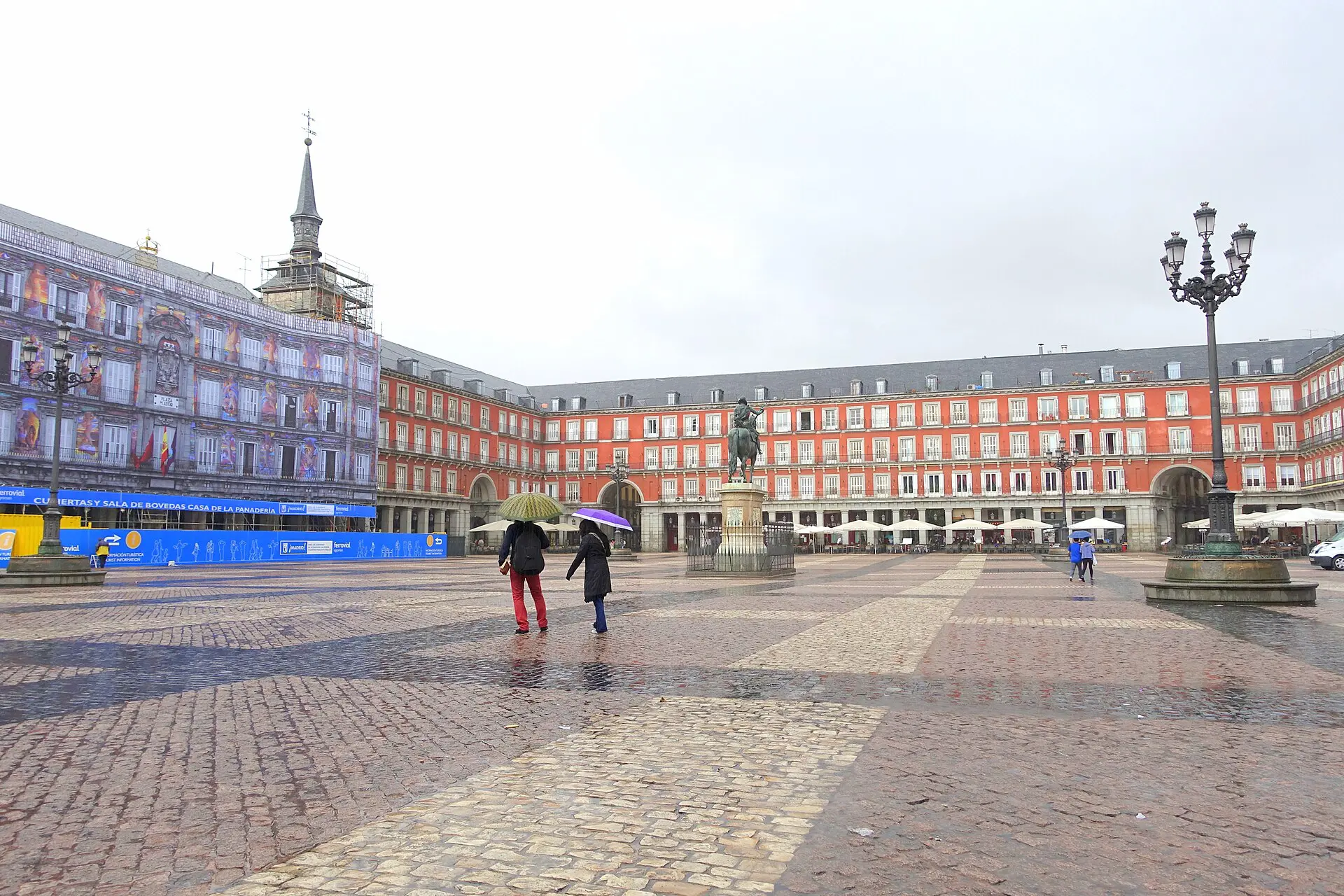
It is best known for art. The Prado, the Reina Sofia and the Thyssen-Bornemisza form a famous cluster of galleries, and the royal court that made Madrid its seat from 1561 left palaces, plazas and grand avenues.
The city is also about how people live in it. Dinner often starts late, bars fill up in the evening, and neighbourhoods like La Latina, Malasana and Lavapies each have their own character. Madrid has fewer headline monuments than some European capitals, but it rewards travellers who like to wander, eat well and see a lot of art in a short time.
Top things to do in Madrid
Prado Museum
The Prado holds a major collection of Spanish and European painting, including work by Velazquez and Goya. Plan two to three hours for the highlights rather than trying to see everything. Book a timed ticket online, check the opening hours and look for any free-entry windows, which tend to bring queues.
Reina Sofia and Thyssen-Bornemisza
The Reina Sofia is the main modern art museum, and Picasso’s Guernica is its best-known work. The Thyssen-Bornemisza fills gaps with a broad survey of European art. Together with the Prado they form the so-called Golden Triangle of Art. Pick two rather than three if you have limited time.
Royal Palace and Almudena Cathedral
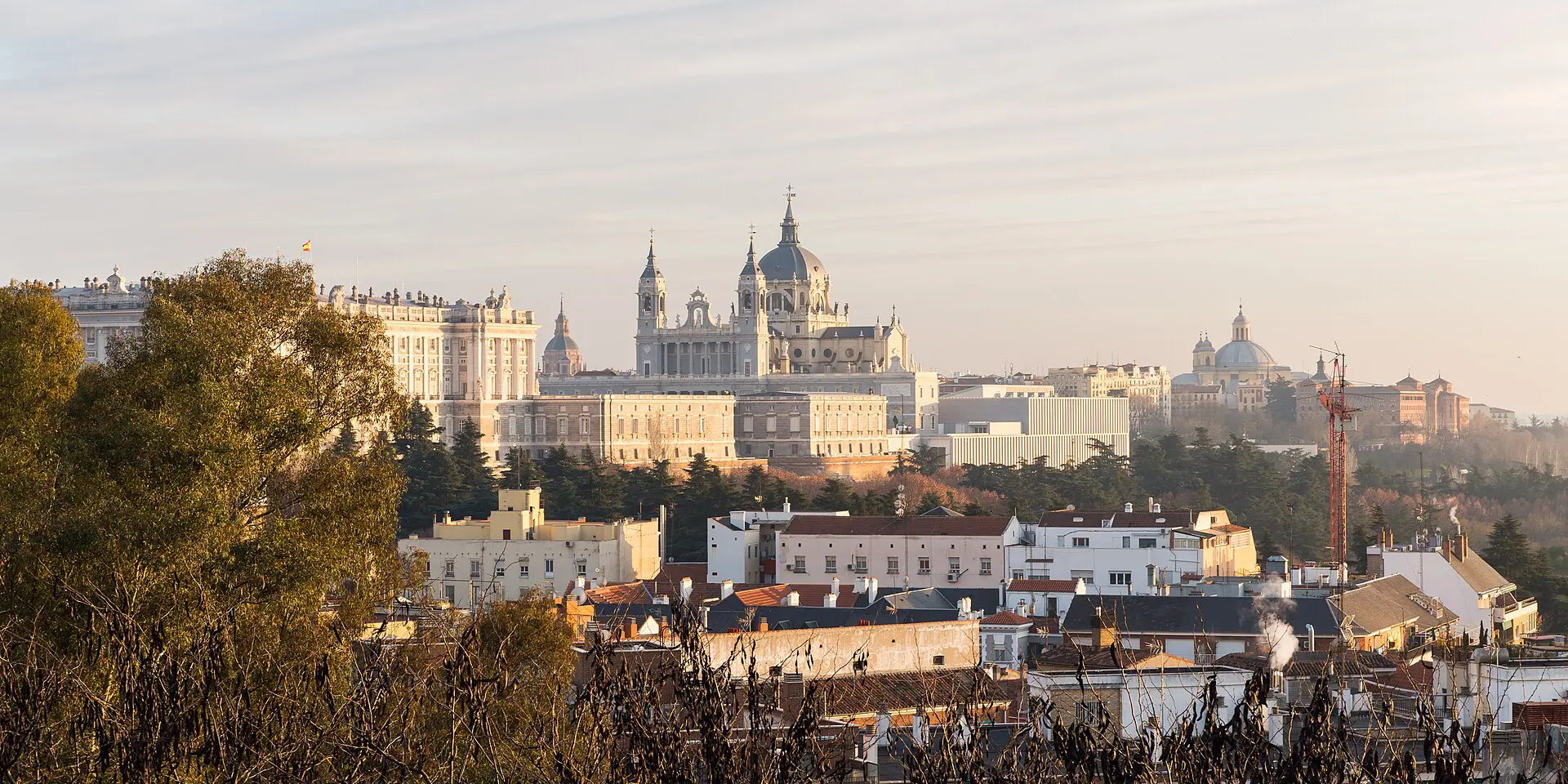
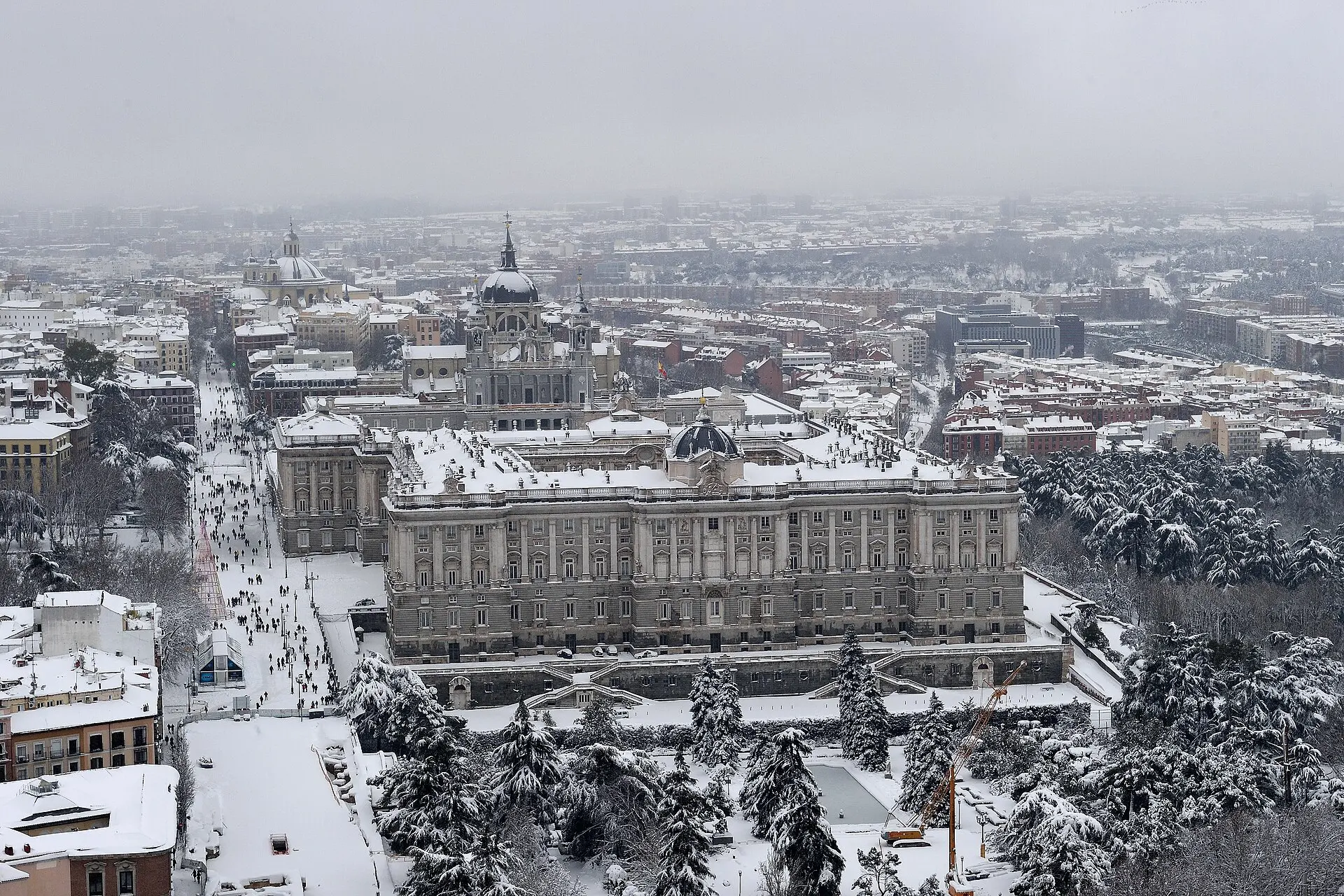
The Royal Palace is one of Europe’s largest, used for state occasions rather than as a residence. Plan about 90 minutes, then step across to the cathedral. Closures happen during official events, so check the schedule, and expect security checks and bag restrictions.
Retiro Park
This large central park has a lake with rowing boats, formal gardens and the glass Crystal Palace. It is a good place to slow down for one to two hours, especially on weekend afternoons. Walk in from the gate near Puerta de Alcala for the easiest approach.
Plaza Mayor and Puerta del Sol
The arcaded Plaza Mayor and the busy Puerta del Sol anchor the old centre. They are a short walk apart and take about an hour to see. Cafes on the plaza are pricey, so use it as a stop for a photograph and eat in the side streets.
Tapas in La Latina and the markets
Move between bars rather than sitting down for one big meal. La Latina is the classic area, and covered markets give another approach. Allow an evening. Locals eat late, so kitchens in many places do not fill up until after 9 pm.
Templo de Debod and sunset
This ancient Egyptian temple, moved to Madrid from Egypt, sits in a park near the Royal Palace and is a popular sunset spot. Spend 30 to 45 minutes. Come in the late afternoon in summer, as the sun sets late.
Best time to visit Madrid
Madrid has hot summers and cool winters with a dry, continental climate. Spring (March to May) and autumn (September to November) are usually the most comfortable, with pleasant temperatures for walking and open-air terraces.
July and August can be very hot, with daytime temperatures often above 30 C, and many locals leave town, so some smaller restaurants and shops close for part of August. Museums and air-conditioned sites remain open, but sightseeing outdoors is best early or late in the day. Winter can be cold and sometimes grey, yet it also brings lower prices outside the Christmas period and fewer crowds at major museums.
| Season | Weather | Crowds and prices |
|---|---|---|
| Spring (Mar to May) | Mild, some showers | Busy around Easter, otherwise moderate |
| Summer (Jun to Aug) | Hot and dry | Fewer locals, some closures in August |
| Autumn (Sep to Nov) | Mild, cooling | Moderate, good value |
| Winter (Dec to Feb) | Cold, bright days | Quieter except at holidays |
How to get to Madrid and around
Madrid-Barajas Airport (MAD) is the main gateway, with a metro line, a commuter rail service and buses linking it to the centre. Check current options and fares, as they change. The city is also a hub for Spain’s high-speed rail network, with trains from Barcelona, Seville, Valencia and Malaga arriving mainly at Atocha or Chamartin stations.
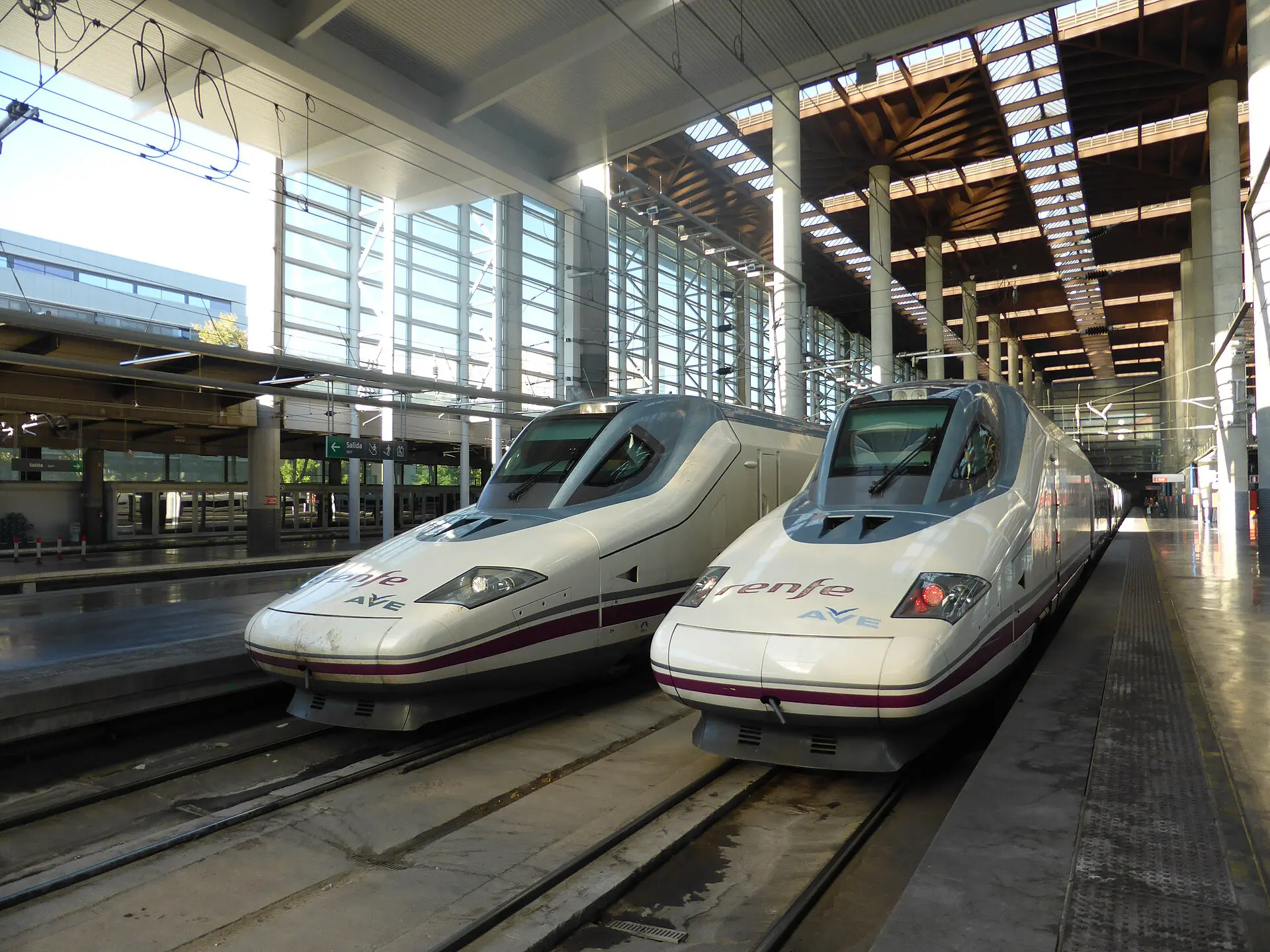
Within the city, the metro is extensive, quick and the easiest way to cover long distances. Buses fill the gaps, and a commuter rail network (Cercanias) is useful for suburbs and some day trips. A multi-trip transport card is usually cheaper than single tickets.
The historic centre is compact enough to explore on foot, though summer heat makes some routes tiring. Taxis and ride-hailing apps are plentiful. You rarely need a car in the city, and parking is difficult, so rent one only for trips outside it.
Where to stay in Madrid
Madrid’s central districts are well connected by metro, so where you sleep is mostly a question of atmosphere and noise.
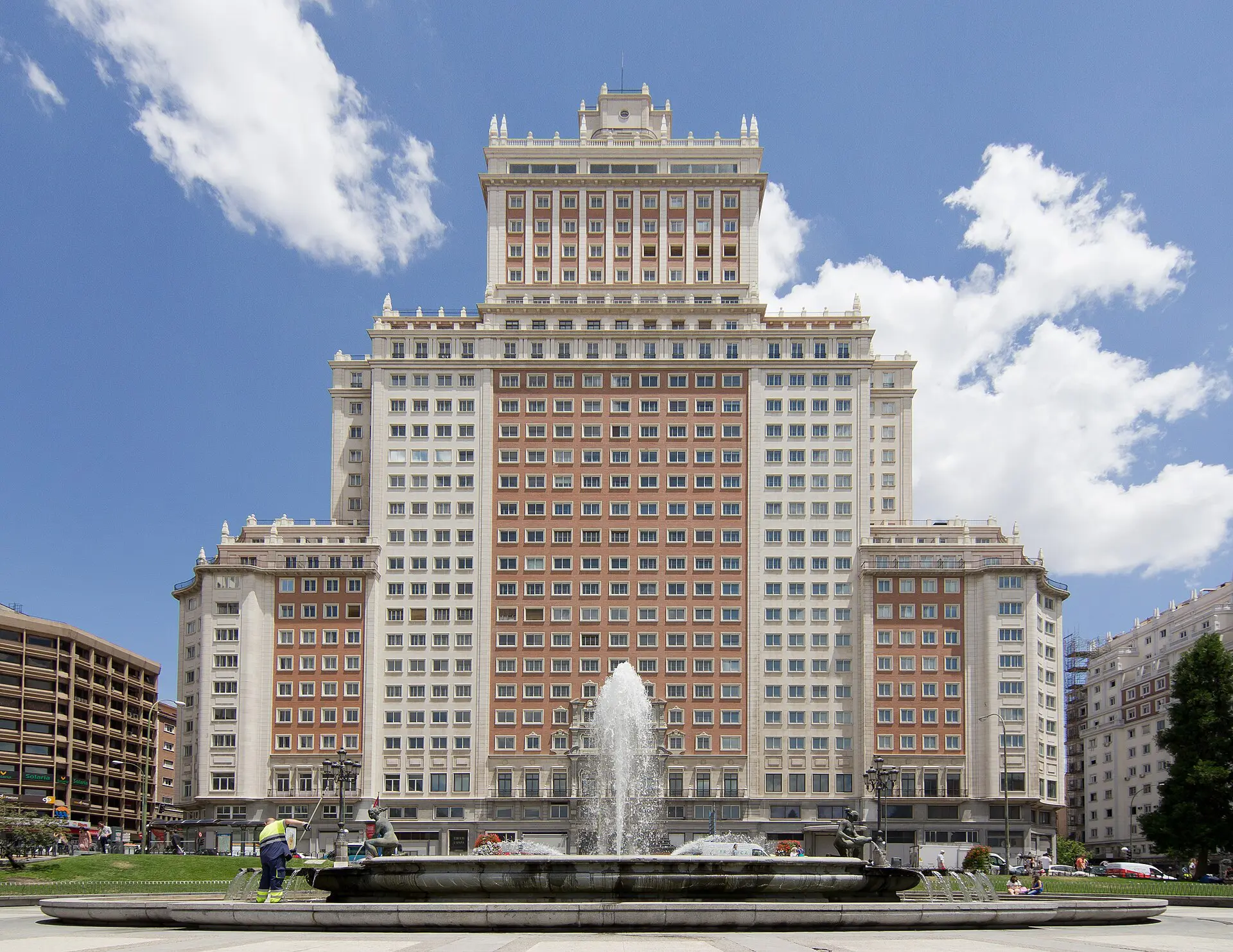
Sol, Centro and the Austrias put you in the historic core, close to the Plaza Mayor and the Royal Palace. This is the most convenient base for first-time visitors, though it is busy and can be noisy at night.
Salamanca is upscale, with wide streets, boutiques and quieter evenings. It suits travellers who prefer comfort and shopping.
Malasana, Chueca and Lavapies are lively, creative neighbourhoods with bars and cafes. They suit younger travellers and anyone who wants nightlife nearby, but check recent reviews for street noise.
Chamberi and Retiro are calmer residential areas that suit families and longer stays.
How many days do you need?
Three days covers the highlights comfortably. Two is workable if you focus on one or two museums and the old centre, while four or five lets you add day trips and slower afternoons in the parks. Madrid rewards unhurried days because the evenings run late and museum fatigue sets in quickly.
- Day 1: Plaza Mayor, Puerta del Sol, the Royal Palace and a sunset at Templo de Debod, followed by tapas in La Latina.
- Day 2: The Prado in the morning, Retiro Park after lunch, then the Reina Sofia or Thyssen-Bornemisza in the late afternoon.
- Day 3: A neighbourhood morning in Malasana or Lavapies, a market lunch and a day-trip alternative to Toledo or Segovia, if you want to leave the city.
Day trips and nearby
Toledo
Toledo is a walled hilltop city south of Madrid, with a cathedral, narrow lanes and views over the Tagus river. High-speed trains cover the distance in around half an hour. Spend a full day, wear comfortable shoes for the steep, cobbled streets and book ahead in peak season.
Segovia
Segovia is known for its Roman aqueduct and fairy-tale castle. It is a popular day trip by train or bus, taking roughly 30 minutes by high-speed train or about an hour by bus. Check current timetables before you go, as services vary by day.
Granada and Seville
Granada and Seville are reachable by train, but they are better as overnight stops than day trips. Plan at least two nights to see the Alhambra or Seville’s old quarter, and book popular sights in advance.
Barcelona
High-speed rail links Madrid and Barcelona in roughly three hours, but it is a long day. Treat it as a separate destination rather than a day trip, and compare train and flight times before booking.
FAQ
Q1When is the best time to visit Madrid?
Spring (March to May) and autumn (September to November) are usually best, with mild temperatures and comfortable walking. Summer is hot, often above 30 C, and some small businesses close in August. Winter is cooler and quieter, with lower prices outside the holidays.
Q2How many days do you need in Madrid?
Three days is a good number for the main museums, the Royal Palace, Retiro Park and an evening of tapas. Add a day if you want to visit Toledo or Segovia, or if you prefer a slower pace with more neighbourhood wandering.
Q3How do you get to Madrid?
Most visitors fly into Madrid-Barajas Airport (MAD), which has metro, train and bus links to the centre. High-speed trains also reach Atocha and Chamartin stations from cities across Spain, including Barcelona, Seville and Valencia, often in a few hours.
Q4Is Madrid safe and expensive?
Madrid is generally considered a safe city, though pickpocketing happens in crowded areas, so keep valuables secure. Costs are moderate by Western European standards, with affordable meals and transport, though central hotels and some attractions can be pricey in peak periods.
Prices, schedules and entry rules change. Check current details with official sources before you travel. Read the Spain travel guide.