Why visit Mallorca
People looking for things to do in Mallorca will find far more than a summer beach resort. It is the largest of Spain’s Balearic Islands, in the western Mediterranean, and offers a capital with a Gothic cathedral, a long mountain range along the northwest coast and a shoreline of coves, cliffs and sandy bays.
The island rewards travellers who leave the package-holiday areas. The Serra de Tramuntana, a UNESCO-listed cultural landscape, has stone villages, terraced hillsides and walking routes. Inland towns hold weekly markets and old churches, and the east and south have clear water and quieter beaches.
It is also an easy, well-connected destination, with frequent flights from across Europe. Summer is busy and hot, so many visitors now prefer spring or autumn, when it is easier to hike, cycle and find space on beaches.
Top things to do in Mallorca
Palma Cathedral and old town
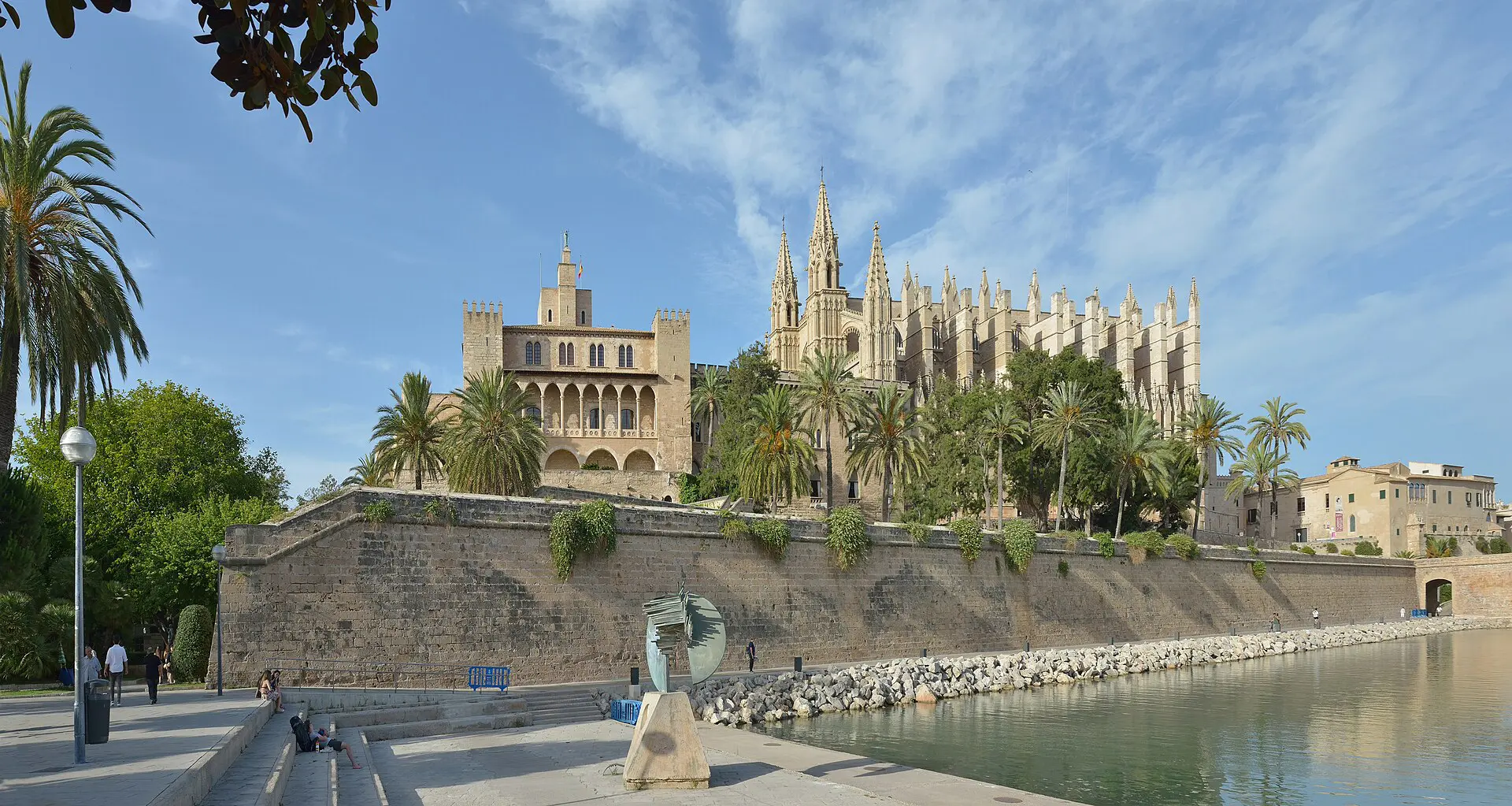
La Seu, the huge Gothic cathedral on the waterfront, is the island’s most recognisable landmark. Allow one to two hours inside, then wander the old town’s lanes, courtyards and small shops. Visit early to avoid crowds and heat, and check current entry rules.
Serra de Tramuntana drive
The mountain road along the northwest coast links villages such as Valldemossa, Deia and Soller, with viewpoints and sharp bends. Allow a full day. Start early, take the road slowly and avoid driving it after dark if you are unfamiliar with narrow mountain roads.
Valldemossa
This pretty hill village is known for its stone streets and its Carthusian monastery, where Chopin and George Sand stayed in the winter of 1838 to 1839. Allow two to three hours. It is popular with tour groups, so arrive early or late in the day.
Soller and the old tram
The town of Soller sits in a valley of orange groves, and a historic wooden tram connects it to the small port. A vintage train also runs from Palma on a scenic line. Allow half a day, and check current timetables before planning a route.
Beaches and coves
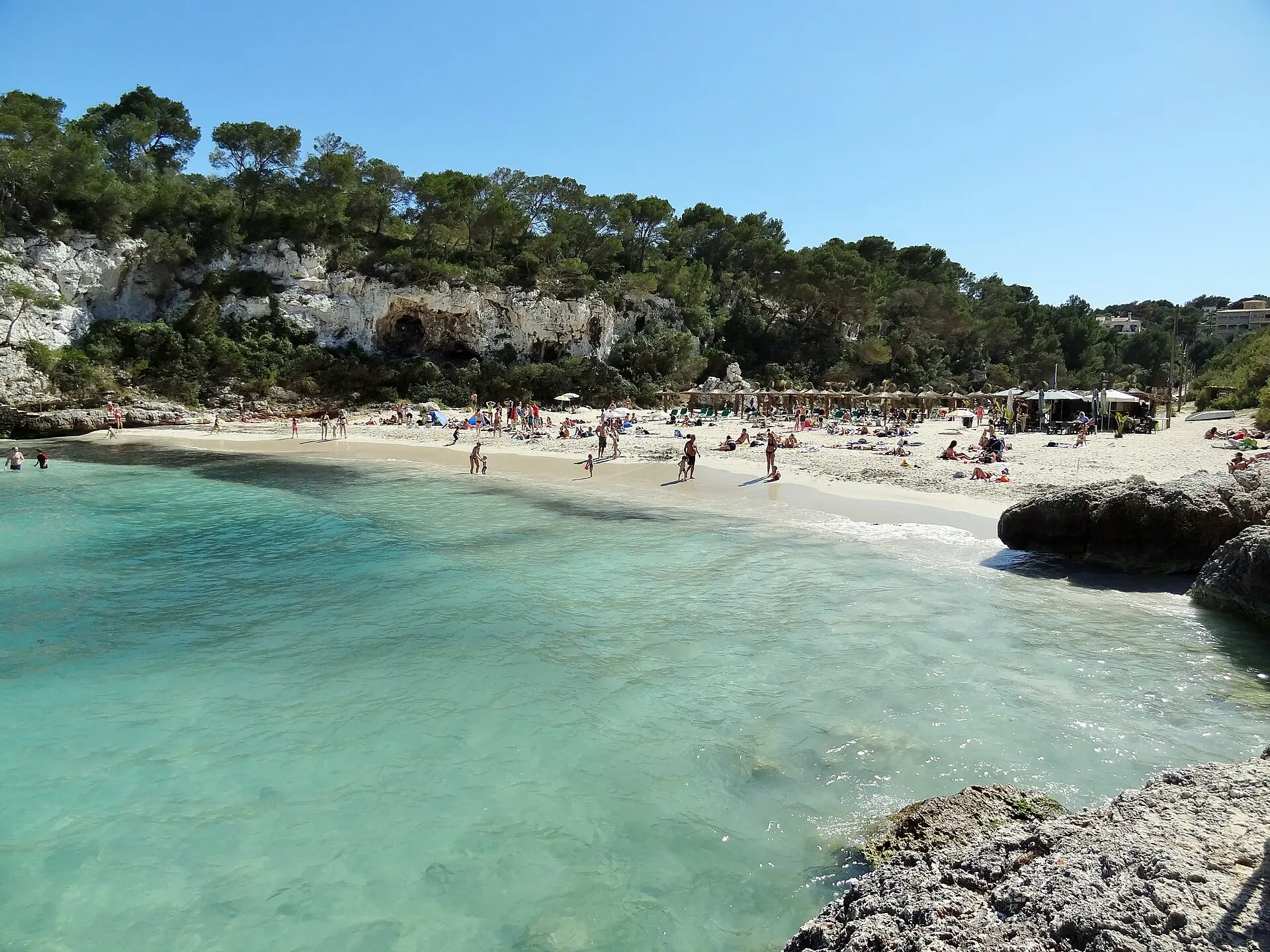
The island has many beaches, from the long sands of Alcudia bay to small coves such as Caló des Moro in the southeast. Small coves are crowded in summer, so arrive early. Check parking rules and carry water, as some access paths are steep.
Cap de Formentor
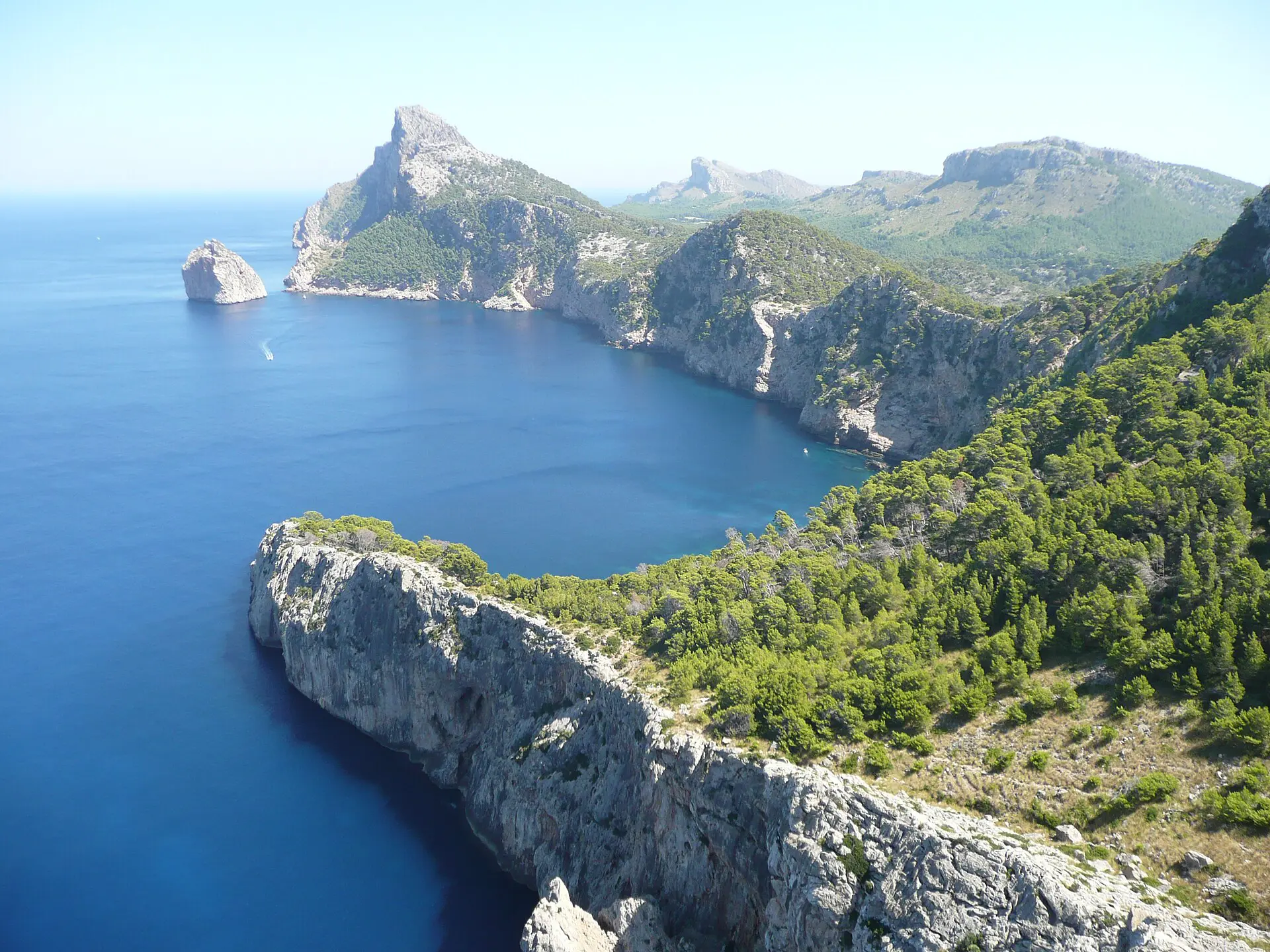
A narrow peninsula at the northern tip with high cliffs, a lighthouse and a famous coastal road. Allow half a day. In summer, traffic is controlled at times, so check current rules and consider going at sunrise or sunset.
Cycling and hiking
Mallorca is a well-known cycling destination, especially in spring, and the Tramuntana has long-distance walking routes. Choose routes that match your fitness, carry water and check weather, as mountain conditions can change quickly.
Best time to visit Mallorca
Mallorca has a Mediterranean climate with hot, dry summers and mild, wetter winters. For a mix of good weather and manageable crowds, May, June, September and October are usually the best months.
| Season | Weather | Crowds and prices |
|---|---|---|
| March to May | Mild, blossom, some rain | Moderate, rising |
| June to August | Hot, dry, sea warm | Busiest, highest prices |
| September to October | Warm sea, occasional storms | Moderate, good value |
| November to February | Cool, rainy periods | Quiet, some places closed |
Many coastal restaurants and hotels reduce opening in winter, but Palma stays active all year. Mountain roads can be wet in winter, so allow extra time.
How to get to Mallorca and around
Palma de Mallorca Airport is about 8 km east of the city centre and has many direct flights across Europe, especially in summer. Ferries run from Barcelona, Valencia and other mainland ports, taking roughly from a few hours to overnight, depending on the route.
A car is the easiest way to see the island, particularly the mountains and the coves. Book early in summer, check insurance and expect narrow roads and limited parking in villages.
Public buses connect Palma with many towns, and the island has a small railway network. Services are less frequent in remote areas and in winter. Taxis are available, but long rides can be costly. Cycling is a popular option for fit riders.
Where to stay in Mallorca
Palma suits travellers who want restaurants, culture and year-round life. Staying in or near the old town gives you cafes, markets and the cathedral on foot, with beaches a short bus or taxi ride away.
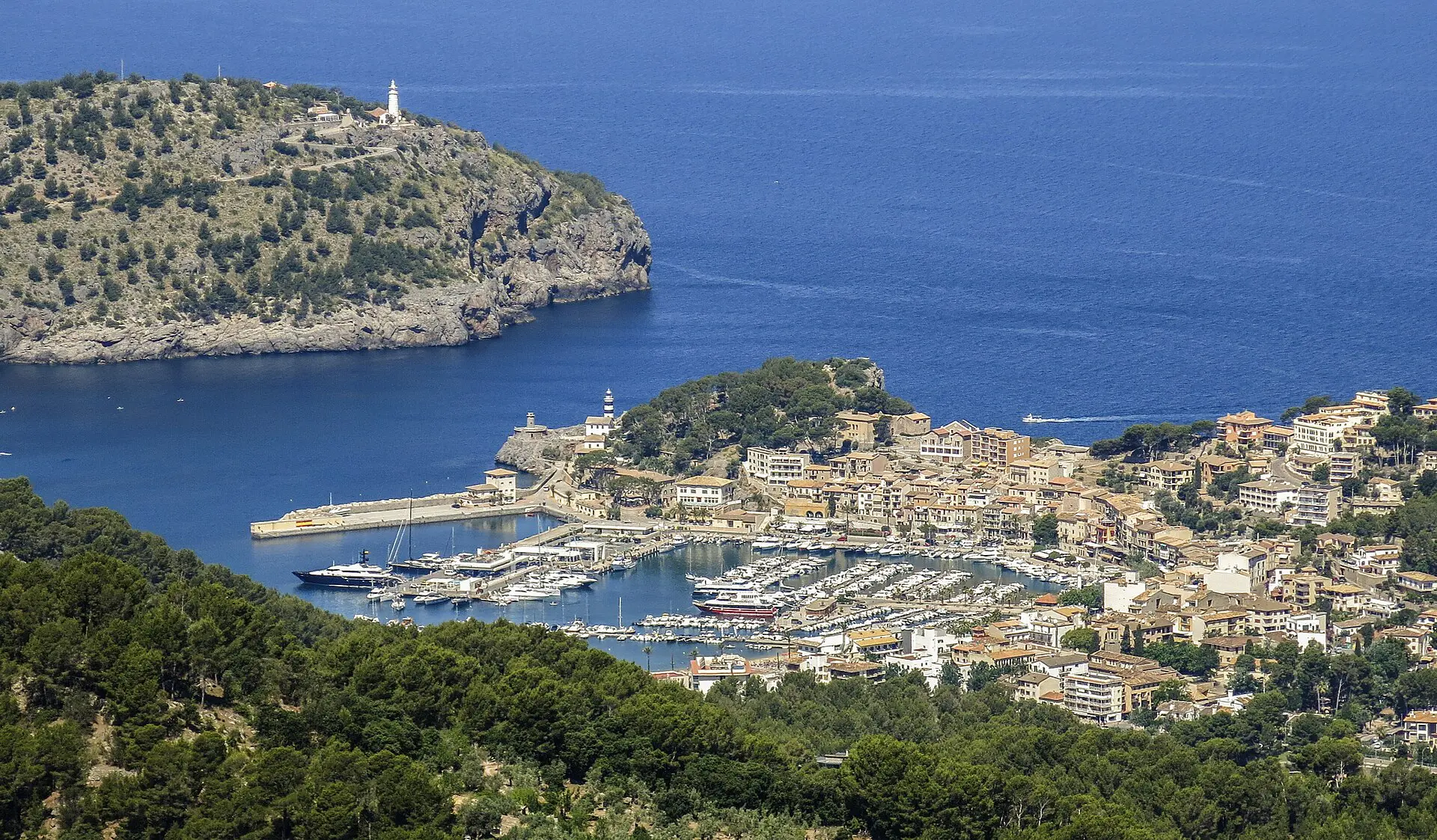
The northwest, around Soller, Deia and Valldemossa, suits walkers and couples who want a quieter, scenic base. Rooms can be pricey and book out early in high season.
The north and east coasts, including Alcudia and the eastern coves, suit families and beach stays, with resorts and apartments. For a rural stay, consider a converted farmhouse inland, which works best with a car. Book ahead for July and August, and compare prices for spring.
How many days do you need?
Three days covers Palma and a mountain drive, but five to seven lets you add coves, a second region and slower evenings. If you want a pure beach break, a long weekend is enough.
- Day 1: Palma Cathedral, the old town and a late lunch, followed by a sunset walk on the waterfront.
- Day 2: Drive the Serra de Tramuntana via Valldemossa, Deia and Soller, returning by the evening.
- Day 3: Beach day at a bay or cove on the east coast, with a short walk and a swim.
Add extra days for Formentor, hiking and the markets.
Day trips and nearby
Ibiza
The neighbouring Balearic island is known for nightlife but also has quiet beaches and an old walled town. It is reached by short flight or ferry, and works better as a separate trip than as a day excursion.
Barcelona
Mallorca has frequent flights and a ferry link to Barcelona, so a city break combined with the island is easy to arrange. Allow at least two nights in the city to enjoy it properly.
Valencia
Another ferry and flight connection from Mallorca, this mainland city has a large old town and city beaches. It suits those extending a Spanish trip by a few days.
Menorca and Cabrera
Boat trips and flights reach other parts of the Balearics, including the small Cabrera archipelago national park. Check current schedules and permits, as access may be limited.
FAQ
Q1When is the best time to visit Mallorca?
May, June, September and October are usually best, with warm weather, a swimmable sea and fewer crowds than July and August. Spring suits hiking and cycling, while winter is quiet and many coastal businesses close.
Q2How many days do you need in Mallorca?
Five to seven days lets you see Palma, the Serra de Tramuntana and a few beaches without rushing. A long weekend covers Palma and one scenic drive, while a beach-only break needs less time.
Q3How do you get around Mallorca?
A hire car is the most flexible option, especially for mountain villages and coves. Buses link Palma with many towns, and there are small railway lines, but services thin out in remote areas and in winter.
Q4Is Mallorca expensive?
Prices are moderate in spring and autumn but rise sharply in July and August, especially for accommodation and car hire. Booking early, staying outside the busiest resorts and travelling in shoulder season keeps costs down.
Prices, schedules and entry rules change. Check current details with official sources before you travel. Read the Spain travel guide.