Why visit Seville
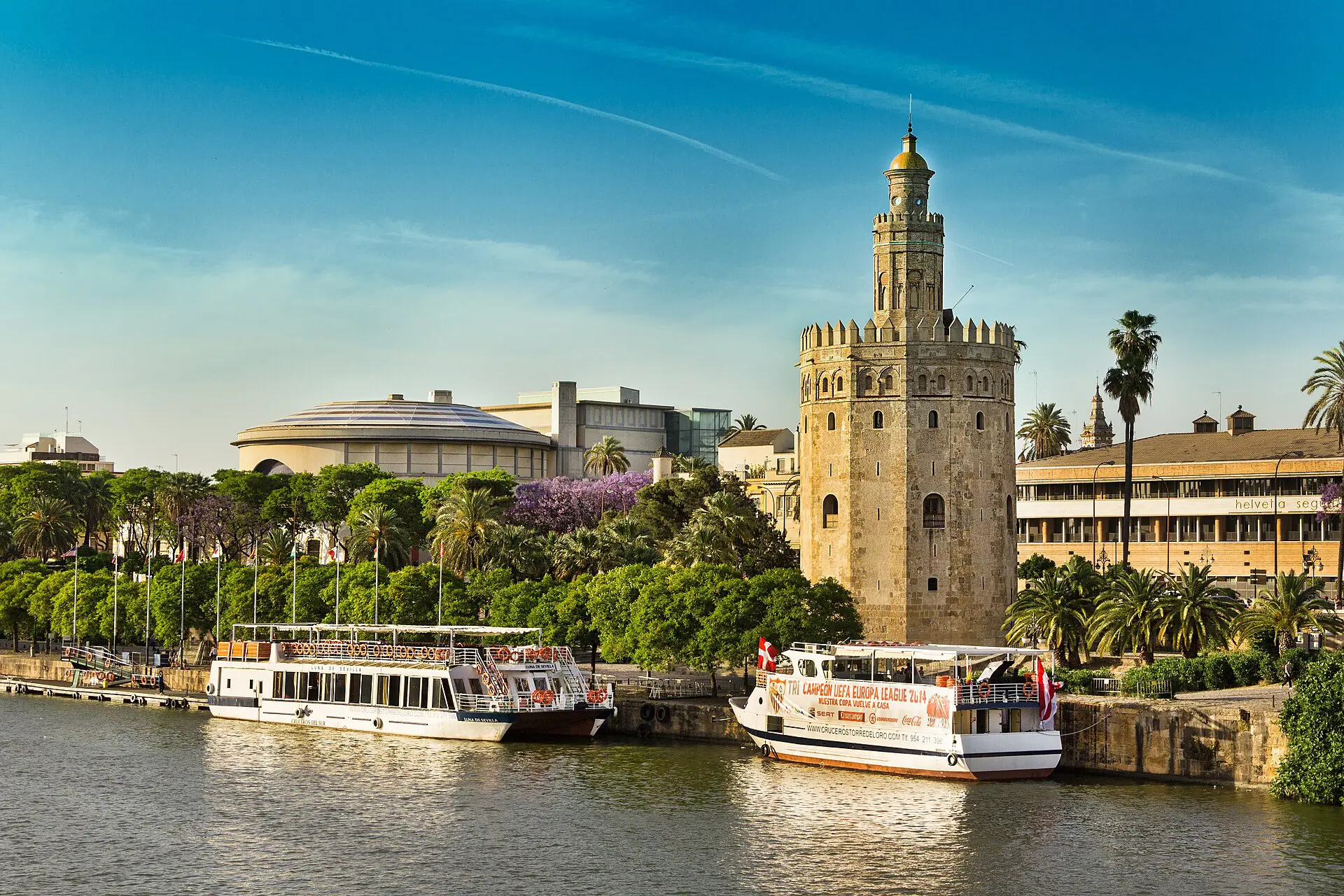
The case for things to do in Seville begins with layers of history. This is the capital of Andalusia, with a heritage shaped by the Romans, the Arabs and the Age of Discovery, when the city was a leading port. It has more than 685,000 residents, making it one of Spain’s largest cities, and sits on the slow-moving Guadalquivir River.
Today it is one of Spain’s most atmospheric cities for visitors. The Alcazar palace, the enormous cathedral with its Giralda tower and the maze of old quarters are all within walking distance of each other. Flamenco has deep roots in the region, and evenings revolve around tapas bars, plazas and festivals.
The city is flat, compact and easy to enjoy on foot. It does get very hot in summer, which shapes when and how you sightsee, but spring and autumn are excellent. Book big attractions ahead, as popular sites can sell out.
Top things to do in Seville
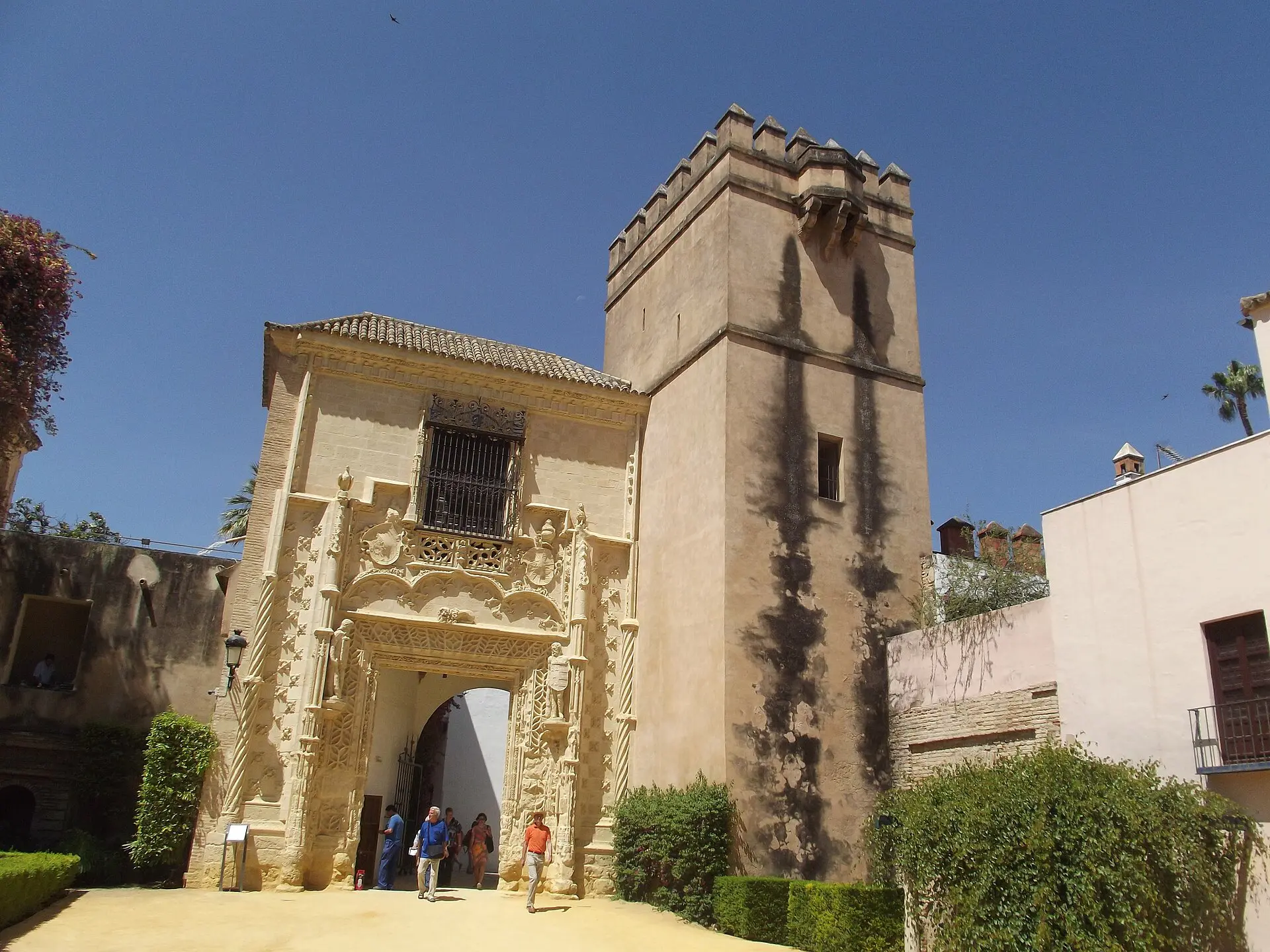
Royal Alcazar
This royal palace combines Mudejar architecture with later additions and large gardens. Allow two to three hours. Book tickets in advance, since queues can be long, and go early or late in the day to avoid the heat and the largest crowds.
Seville Cathedral and Giralda
One of the largest cathedrals in the world, with a bell tower that began as a minaret. Climbing the Giralda is by ramp rather than stairs. Allow about two hours, check opening times and Sunday restrictions, and consider booking a joint ticket where offered.
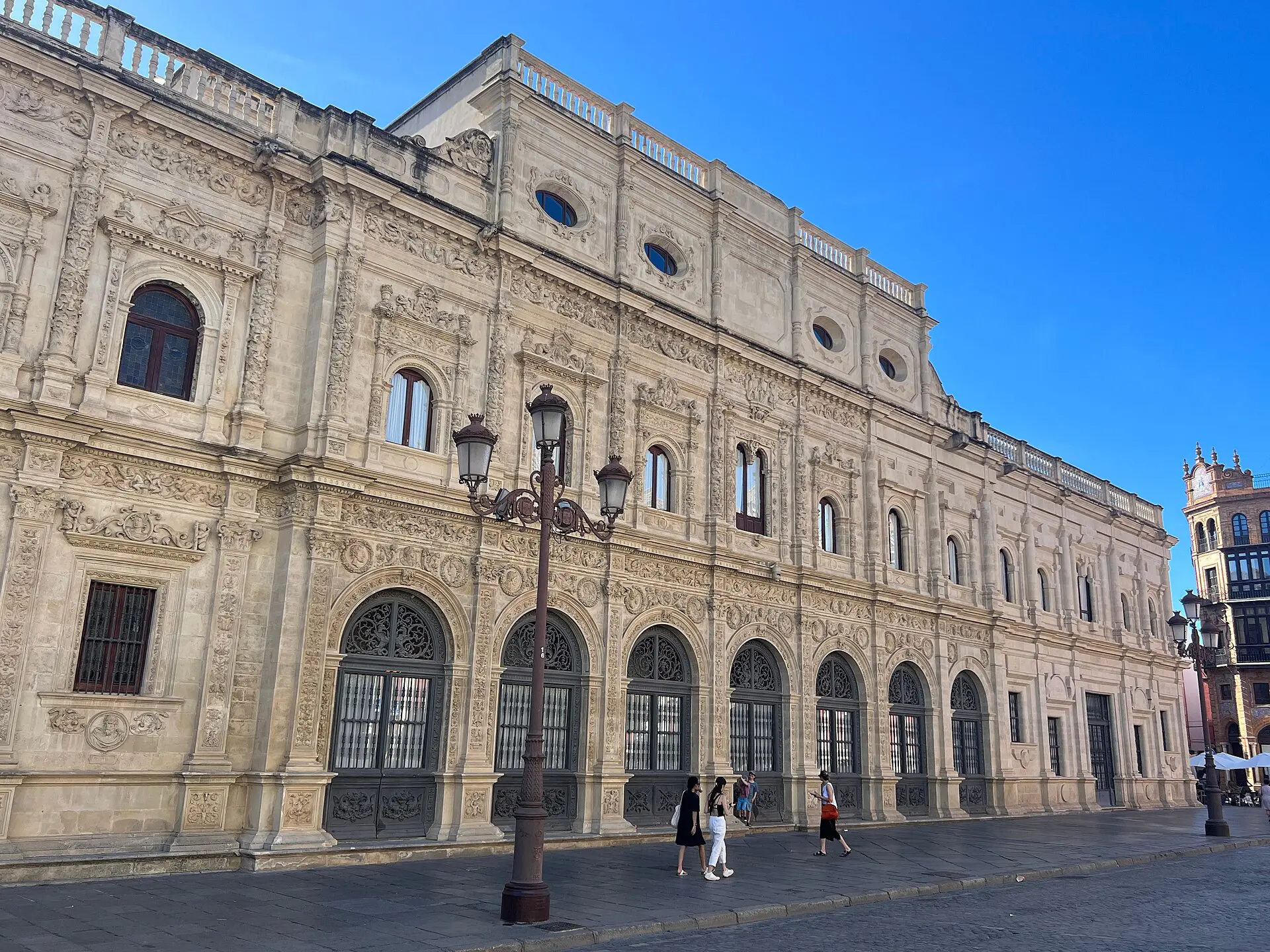
Plaza de Espana
A semicircular plaza with tiled alcoves and a canal, built for a 1929 exhibition and set in Maria Luisa Park. It is free to enter and works as a relaxed stop. Spend an hour or so, ideally early or late when the light is softer.
Barrio Santa Cruz
The former Jewish quarter of narrow lanes, whitewashed walls and small squares sits beside the Alcazar. Plan on wandering for one to two hours. Go early in the morning or in the evening, as the alleys get crowded with tour groups at midday.
Flamenco show
Seville is one of the best places to see flamenco, in small venues and larger theatres. Shows usually last around an hour. Choose a smaller venue for a more intimate feel, and book ahead. Check current prices and start times before you go.
Triana and the river
Across the Guadalquivir, Triana is a lively district known for ceramics, flamenco history and local bars. Allow an afternoon, crossing the bridge on foot. It makes a good place for tapas and sunset views back toward the old town.
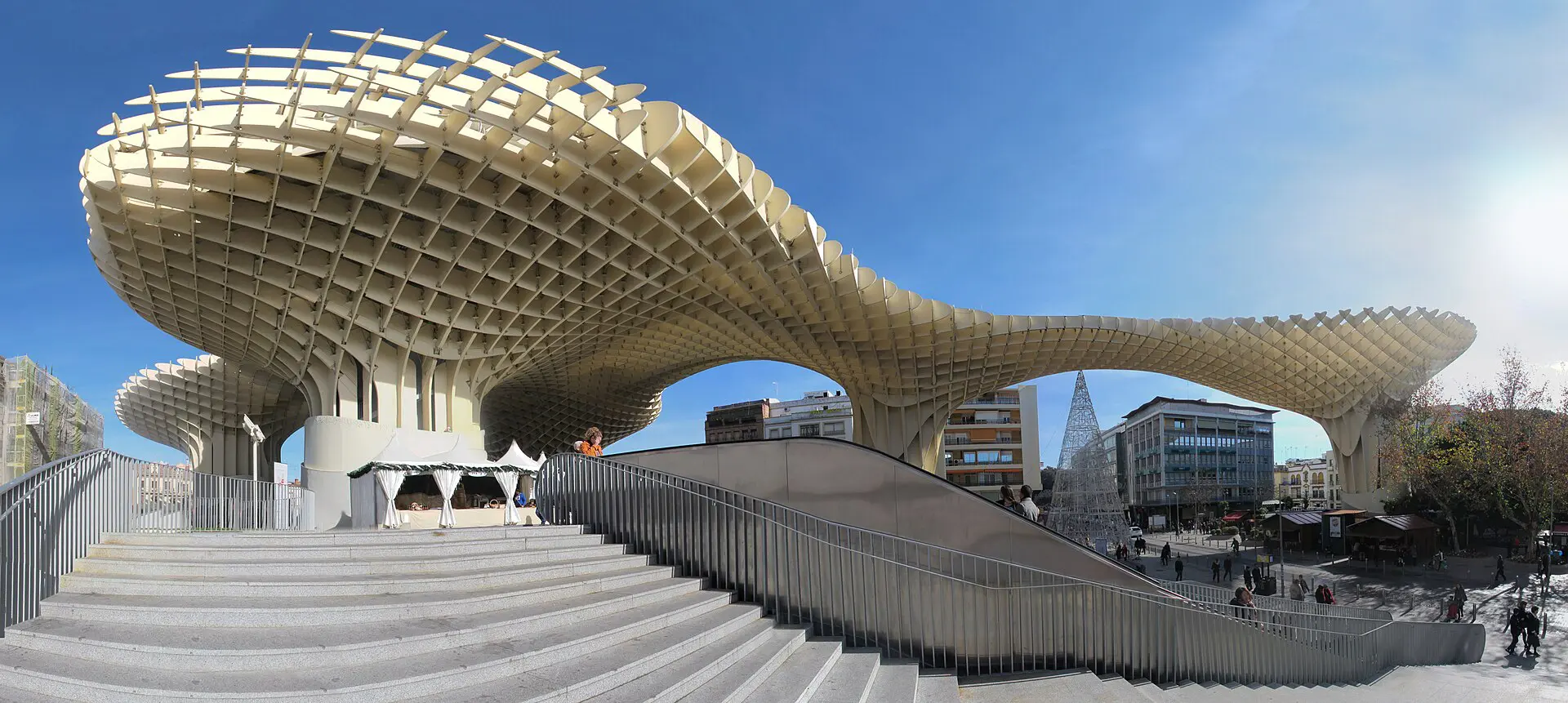
Metropol Parasol
A modern wooden structure in the Plaza de la Encarnacion with a walkway on top and views over the city. It makes a good short stop, about 30 to 45 minutes, particularly near sunset. Check ticket details and opening times.
Best time to visit Seville
Spring, from March to May, is the favourite season, with mild temperatures and orange blossom in the air. Holy Week and the April Fair are major events, bringing large crowds and much higher hotel prices, so book well ahead if you want to attend.
Summer is very hot, with afternoon temperatures often well above 35 degrees Celsius. Autumn is pleasant, and winters are mild but can be damp.
| Season | Weather | Crowds and prices |
|---|---|---|
| March to May | Mild to warm | Peak at Holy Week and the April Fair |
| June to August | Very hot and dry | Fewer visitors; lower hotel prices |
| October to November | Warm, then cooler | Moderate |
| December to February | Mild, some rain | Quiet, except Christmas |
How to get to Seville and around
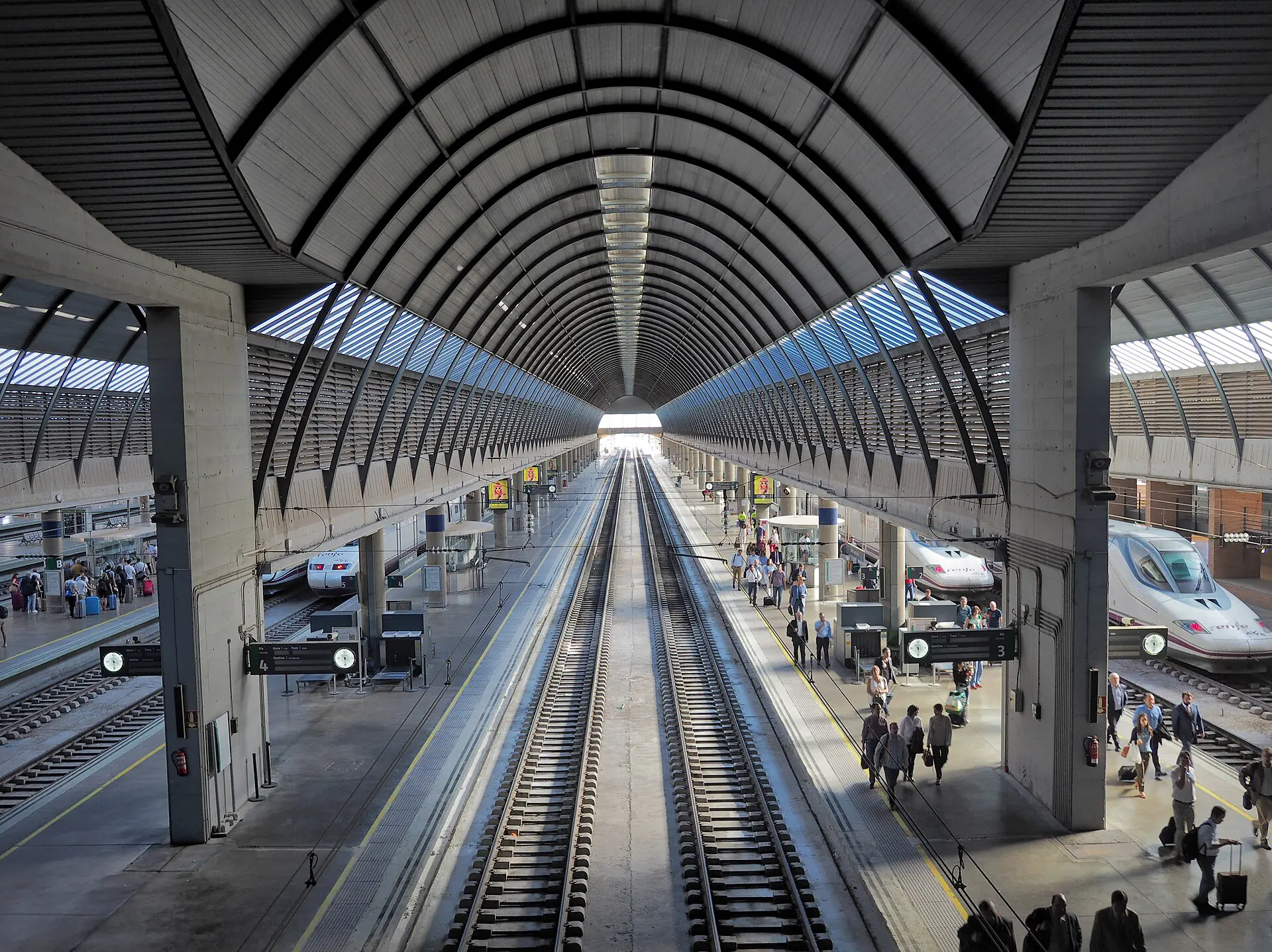
Seville Airport has domestic and European flights and is a short drive from the centre. By train, the high-speed AVE links Seville with Madrid in roughly two and a half hours, and Cordoba and Malaga are also connected. Buses reach smaller towns across Andalusia.
The historic centre is compact, and walking is the best way to see it. A tram line serves the central area, buses cover other districts, and the city has a bike-share system and cycle lanes. Taxis are inexpensive for short rides, though check current fares.
Distances between major sights are short, but summer heat makes even a 20-minute walk slow, so plan shade and water breaks.
Where to stay in Seville
Most visitors choose the old town, but a few areas suit different budgets and styles.
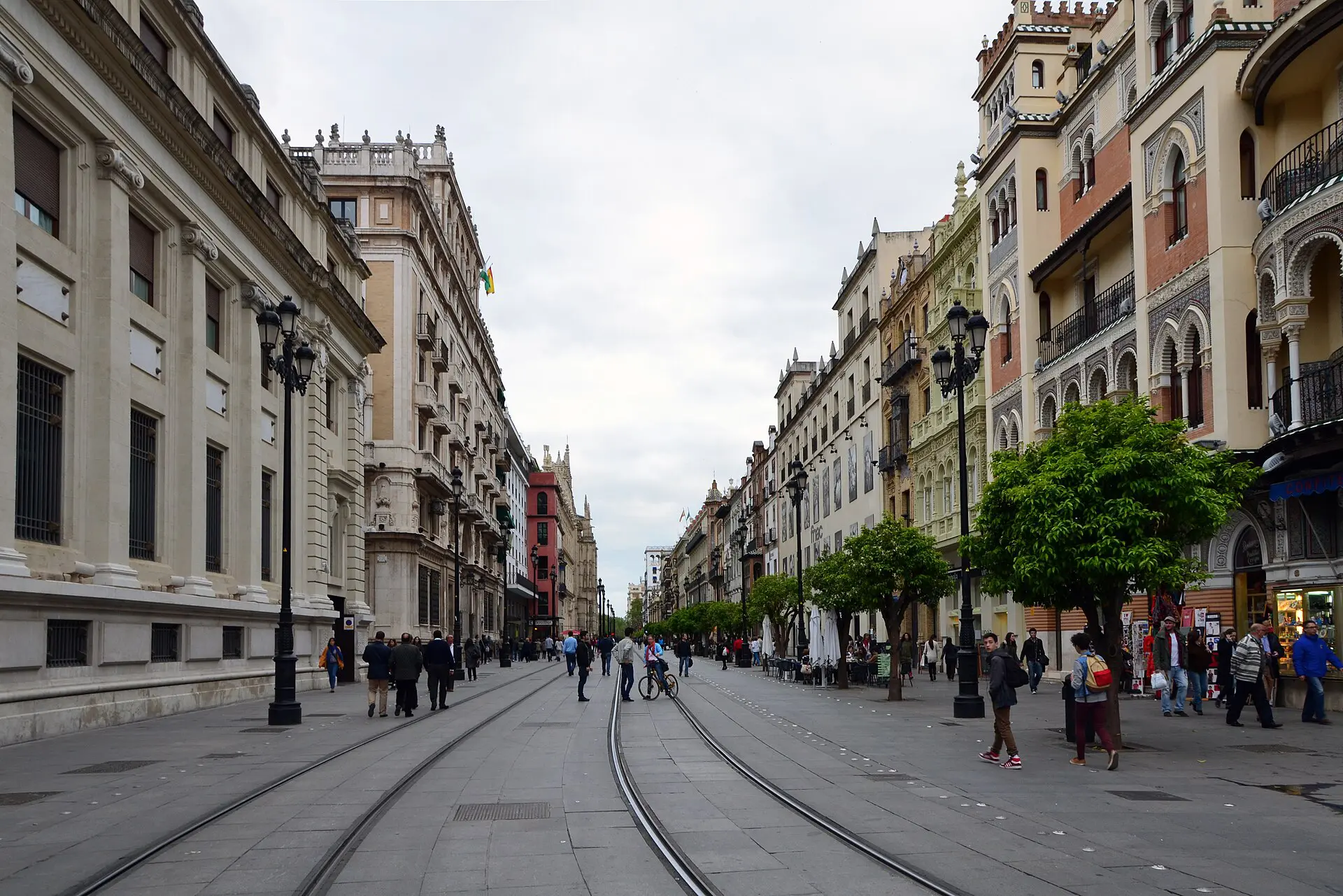
- Santa Cruz and the cathedral area: the heart of the sights, with charming small hotels. Suits first-time visitors, though it is touristy and pricier.
- Alfalfa and Centro: lively streets with bars and restaurants. Suits those who want nightlife and tapas on the doorstep, with some night noise.
- Triana: across the river, with a local atmosphere and good food. Suits travellers who prefer to stay away from the main tourist streets.
- Near the station: practical for arrivals and day trips by train, with more modern hotels.
How many days do you need?
Two days covers the Alcazar, cathedral and a flamenco evening, and three lets you add Triana, the parks and a day trip. One day is possible but rushed. Use mornings for big sites and take a long lunch break in summer.
- Day 1: Alcazar in the morning, cathedral and Giralda, then Barrio Santa Cruz and tapas.
- Day 2: Plaza de Espana and the park, Metropol Parasol, then a flamenco show in the evening.
- Day 3: Triana in the morning, or a day trip to Cordoba, Ronda or Granada.
Day trips and nearby
Cordoba
Home to the Mezquita, a mosque turned cathedral, Cordoba is a short high-speed train ride away, often under an hour. It makes an easy day trip with the old Jewish quarter and patios. Book Mezquita tickets in advance.
Granada
Famous for the Alhambra, Granada is reachable by bus or train in roughly three hours. It is better as an overnight trip, since Alhambra tickets sell out early and need advance booking.
Ronda
A hilltop town split by a deep gorge and crossed by a famous bridge. The route takes around two hours by car or bus. It suits a long day trip, and a car makes the journey easier.
Malaga
A coastal city with beaches, museums and a lively centre, linked by high-speed train in around two hours. It works as an onward stop for the Costa del Sol, rather than a rushed day return.
FAQ
Q1When is the best time to visit Seville?
March to May and October to November are best, with warm but comfortable weather. Holy Week and the April Fair are spectacular but crowded and expensive. July and August are extremely hot, so sightsee early and rest in the afternoon.
Q2How many days do you need in Seville?
Two to three days is enough for the Alcazar, cathedral, Barrio Santa Cruz, Plaza de Espana and flamenco. Add a day if you want to visit Cordoba or Ronda, or if you prefer a slower pace in the heat.
Q3How do you get to Seville?
Seville has an airport with domestic and European flights. The high-speed AVE train connects Madrid in roughly two and a half hours, and buses and trains reach other Andalusian cities. Check schedules and book ahead for peak dates.
Q4Is Seville expensive?
Seville is generally cheaper than northern Spain or major European capitals, especially for food and drinks. Hotel prices rise sharply during Holy Week and the April Fair. Tapas and the set lunch menu are good value, so plan accordingly.
Prices, schedules and entry rules change. Check current details with official sources before you travel. Read the Spain travel guide.