Why visit Barcelona
Anyone planning things to do in Barcelona will find a city that mixes architecture, beaches and food in a compact area. As the capital of Catalonia, it has its own language and traditions alongside Spanish, and its character shows in street life, festivals and local cooking.
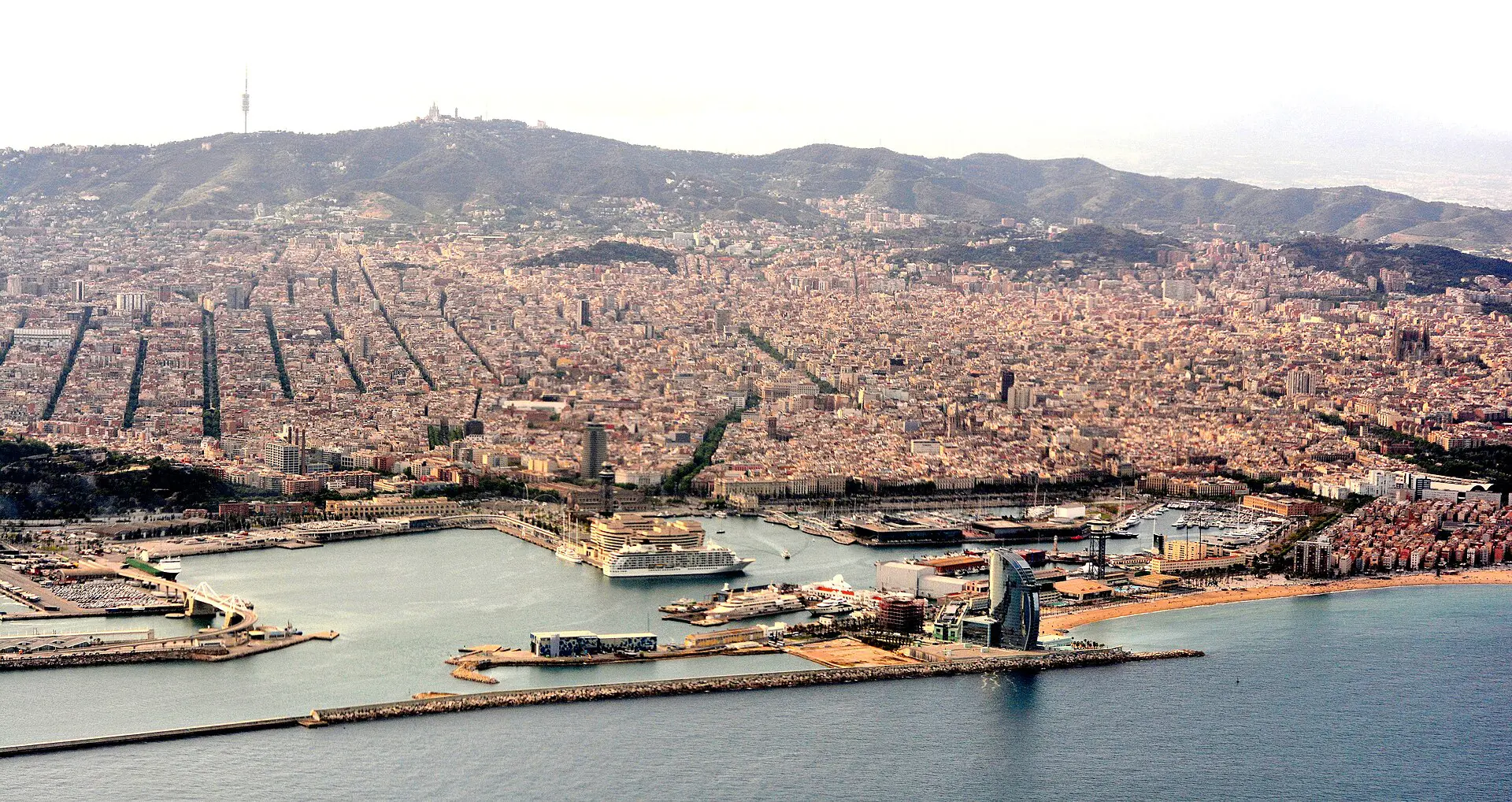
The city is best known for the work of Antoni Gaudi, including the Sagrada Familia, Park Guell and Casa Batllo. Equally, the Gothic Quarter preserves medieval streets and squares, while the Eixample district shows off a grid of wide boulevards and Modernista buildings.
Unlike many European capitals, Barcelona has urban beaches and hills within the city limits. You can visit a museum in the morning, walk up Montjuic for views, and swim in the afternoon. Expect heavy tourist traffic in summer and pickpockets in crowded areas, but also reliable transport and a lively evening scene.
Top things to do in Barcelona
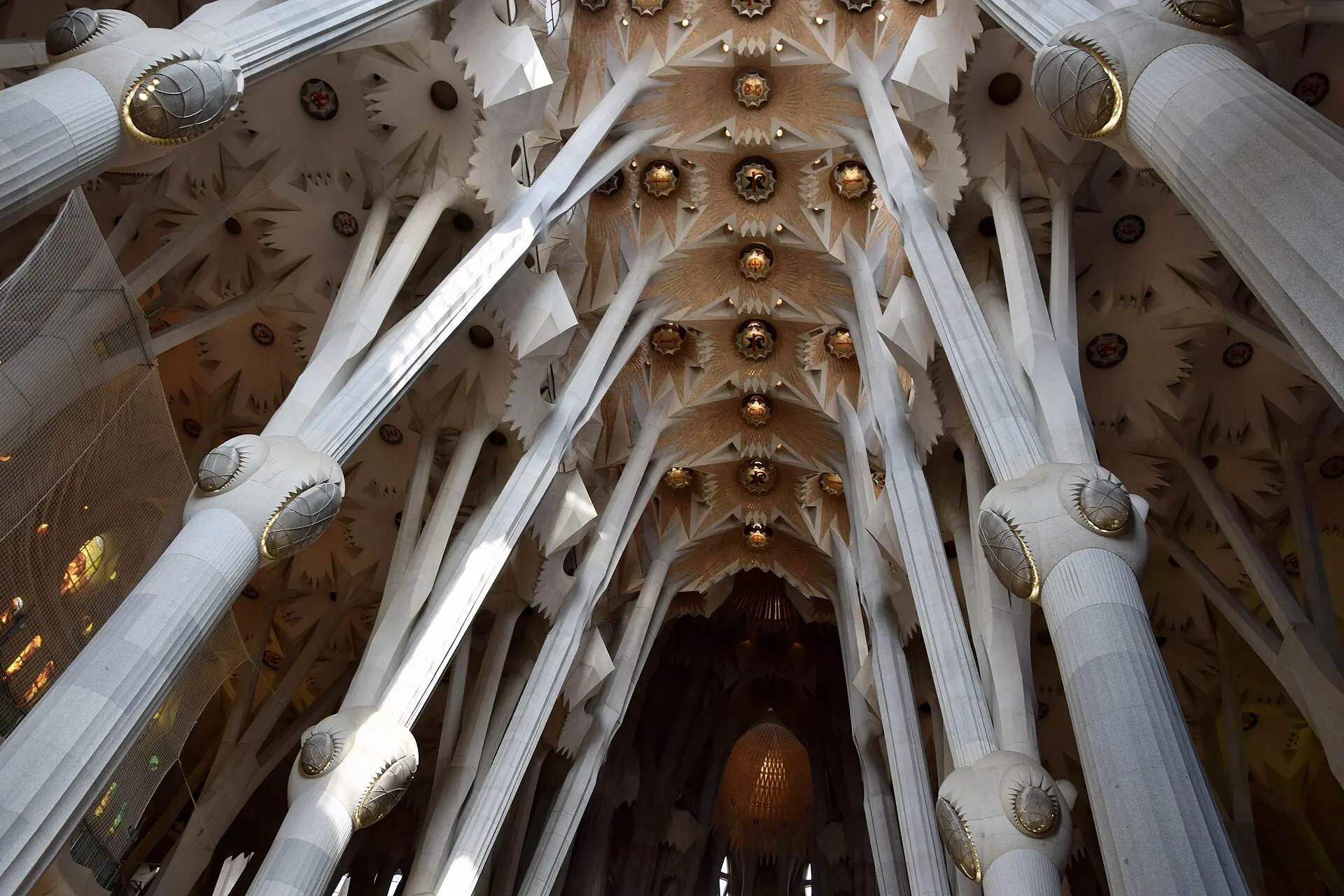
Sagrada Familia
Gaudi’s unfinished basilica is the city’s best-known landmark, with a forest-like interior and colourful stained glass. Allow about 1.5 to 2 hours, more if you add a tower. Tickets are timed and often sell out, so book online. Check the current completion works, as some areas may be closed.
Park Guell
This hillside park has mosaic benches, stone viaducts and city views. The central monumental zone requires a timed ticket, and visits take around two hours. Go early or late for softer light and fewer people, and wear comfortable shoes for the slopes.
Gothic Quarter and the Cathedral
The old town’s narrow lanes, squares and the Gothic cathedral suit an unhurried walk of two to three hours. Look for small plazas and medieval walls away from the main routes. Pickpockets operate here, so keep phones and bags secure, especially on busy evenings.
Casa Batllo and Passeig de Gracia
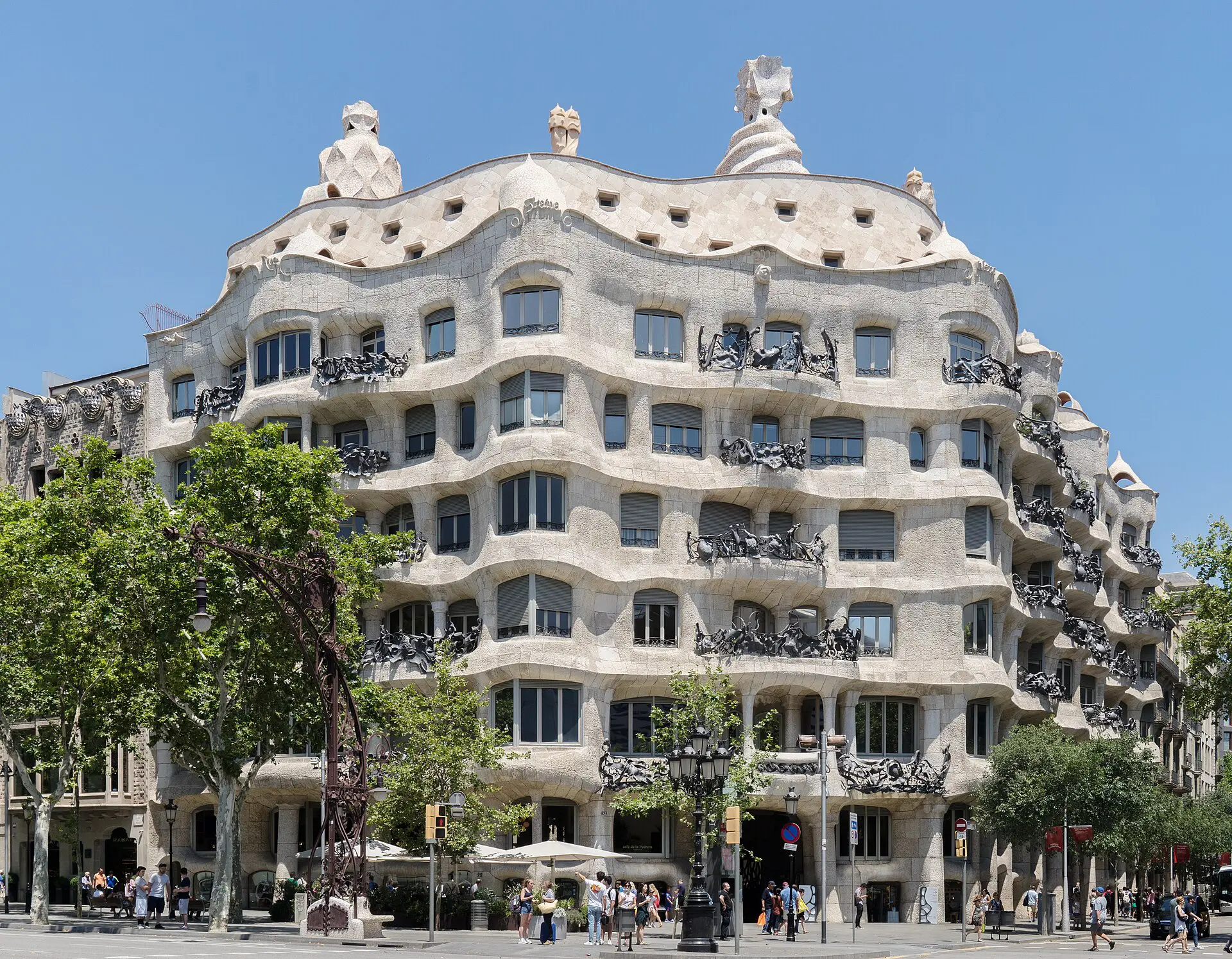
Casa Batllo is a Gaudi-designed townhouse on one of the city’s grandest avenues, with a curving facade and an inventive interior. Allow an hour. Neighbouring Modernista buildings can be admired from the street at no cost. Book tickets online to avoid queues.
La Boqueria and El Born
La Boqueria is a large market off La Rambla with produce, ham and snacks. It is busy, so go in the morning, and consider side streets for prices. El Born, nearby, has the Picasso Museum and many small bars and restaurants. Allow a half day for both.
Montjuic
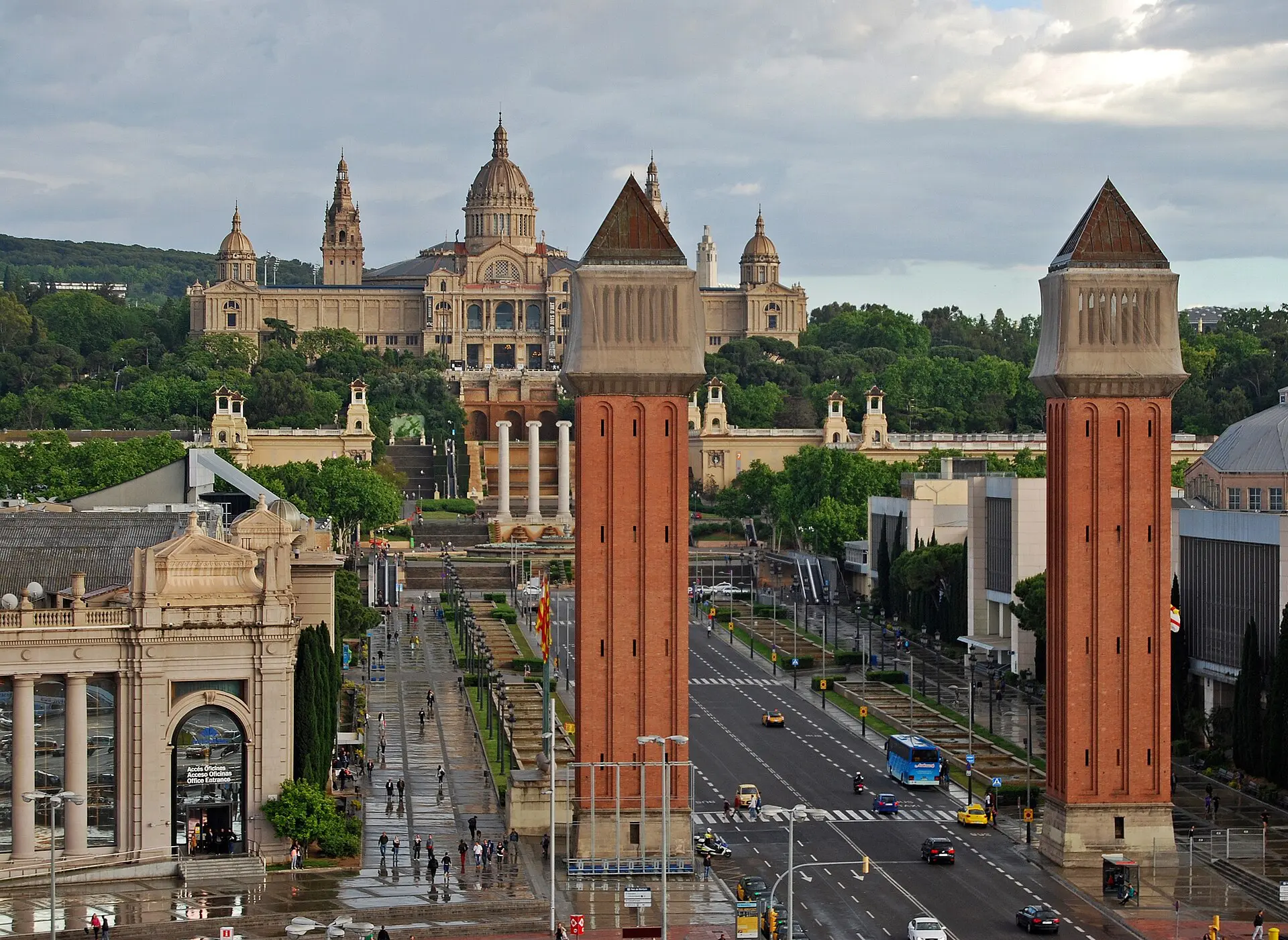
This hill above the port has gardens, museums, an old fortress and viewpoints. You can reach it by cable car, bus or on foot. Allow three to four hours. Check opening days for museums, and stay for sunset if conditions are clear.
Barceloneta Beach
The city’s most accessible beach has sand, beach bars and cycle paths along the waterfront. It is crowded in summer, so go in the morning. Keep belongings close and use lockers where offered. Water is usually pleasant from late spring into autumn.
Best time to visit Barcelona
Barcelona has a mild Mediterranean climate, with hot summers and short, cool winters. Rain tends to arrive in spring and autumn in short bursts. The busiest months are summer and holiday periods, when hotel prices rise.
| Season | Weather | Crowds and prices |
|---|---|---|
| Mar to May | Mild, some rain | Moderate, rising at Easter |
| Jun to Aug | Hot and humid | High, with beach crowds |
| Sep to Oct | Warm sea, milder air | Moderate to high |
| Nov to Feb | Cool, often sunny | Lower, apart from holidays |
May, June, September and October give the best mix of sun, sea temperatures and manageable crowds. Winter suits sightseeing and lower prices rather than swimming.
How to get to Barcelona and around
Barcelona-El Prat Airport (BCN) is the main gateway, with direct flights across Europe and beyond. The airport is linked to the centre by metro, train and an express bus, typically taking 30 to 40 minutes, and taxis are widely available. Cruise ships dock at the port close to the centre.
Barcelona Sants is the main railway station, with high-speed trains to Madrid, usually around 2.5 to 3 hours, and routes to France. Regional trains serve the coast and nearby towns.
Within the city, the metro, buses and trams are inexpensive, and multi-trip cards are available, so check current options. Many central areas are walkable, and bike-share and scooters are common. Taxis are plentiful, and ride-hailing availability varies. Be careful of pickpockets on busy metro lines and near the main tourist spots.
Where to stay in Barcelona
The Gothic Quarter and El Born put you in the heart of the old town, close to historic sights and nightlife. They suit first-time visitors who want to walk everywhere, but noise at night can be an issue, so check the exact street.
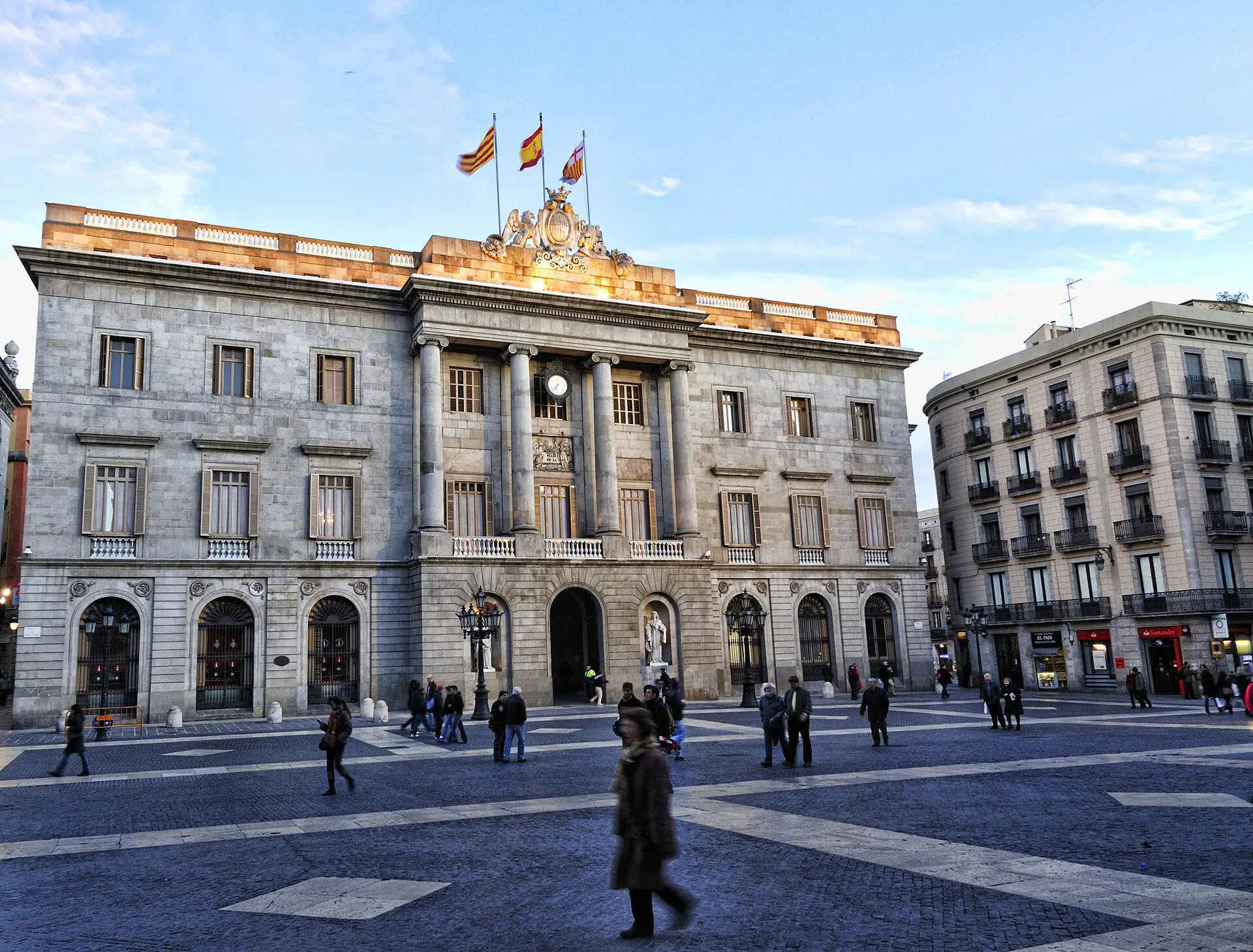
Eixample is a calmer grid of broad streets with Modernista buildings, shops and restaurants, and it is well connected by metro. It suits travellers who want comfort and reasonable value near Passeig de Gracia and the Sagrada Familia.
Gracia is a village-like neighbourhood with small squares, independent shops and local bars, ideal for a more residential feel. Barceloneta and the seafront suit beach visitors, though prices are higher in summer and bars can be loud. Book early for spring and summer, and confirm any tourist tax at the property.
How many days do you need?
Three days is a good minimum for the main sights, and four allows time for Montjuic, markets and the beach at a calmer pace. A fifth day can be used for a day trip.
- Day 1: Gothic Quarter and cathedral in the morning, La Boqueria, then El Born and the waterfront in the evening.
- Day 2: Sagrada Familia, then Casa Batllo and Passeig de Gracia, and dinner in Gracia.
- Day 3: Park Guell in the morning, Montjuic in the afternoon, then sunset at Barceloneta.
Pre-book the major tickets, and leave a rest period in the middle of the day during summer.
Day trips and nearby
Montserrat
The serrated mountain and its Benedictine monastery are reachable by train and rack railway or cable car in around an hour to an hour and a half. Allow a half to full day with walking trails. Check transport times and dress for cooler weather.
Girona
Girona has a medieval old quarter, a Jewish quarter and colourful houses along a river. Fast trains take about 40 minutes to an hour. It suits a relaxed day, and you can add a longer stay if you wish.
Sitges
This beach town south of the city is reached by train in roughly 30 to 40 minutes. It has a promenade, a small old town and beaches. It is busy on summer weekends, so go early.
Tarragona
Tarragona has Roman ruins, an amphitheatre by the sea and a historic centre, and it is reachable by train in around one hour to 1.5 hours. Allow a full day, and check opening times for archaeological sites.
FAQ
Q1When is the best time to visit Barcelona?
May, June, September and October are usually the best months, with warm weather, a swimmable sea and fewer crowds than July and August. Winters are cool and quiet with lower prices. Book accommodation early for spring events and the peak summer season.
Q2How many days do you need in Barcelona?
Three days cover the Sagrada Familia, Park Guell, the Gothic Quarter and the waterfront. Four days let you add Montjuic, markets and a slower pace. A fifth day suits a trip to Montserrat, Girona or Sitges.
Q3How do you get to Barcelona?
Most travellers fly into Barcelona-El Prat (BCN), connected to the centre by metro, train, bus and taxi in roughly 30 to 40 minutes. High-speed trains arrive at Barcelona Sants from Madrid, and routes also link to France and other Spanish cities.
Q4Is Barcelona safe and expensive?
Barcelona is generally safe, but pickpocketing is common in crowded areas such as La Rambla, the metro and beaches, so secure valuables. Costs are moderate for Western Europe, with hotels the biggest expense and local meals reasonably priced.
Prices, schedules and entry rules change. Check current details with official sources before you travel. Read the Spain travel guide.