Why visit Girona
If you are weighing up things to do in Girona, start with its old quarter, which is unusually well preserved. The city is the capital of the Province of Girona in Catalonia, in northeast Spain, about 99 km northeast of Barcelona. It sits where four rivers meet, the Ter, Onyar, Galligants and Güell, which is why routes across Catalonia have long converged here.
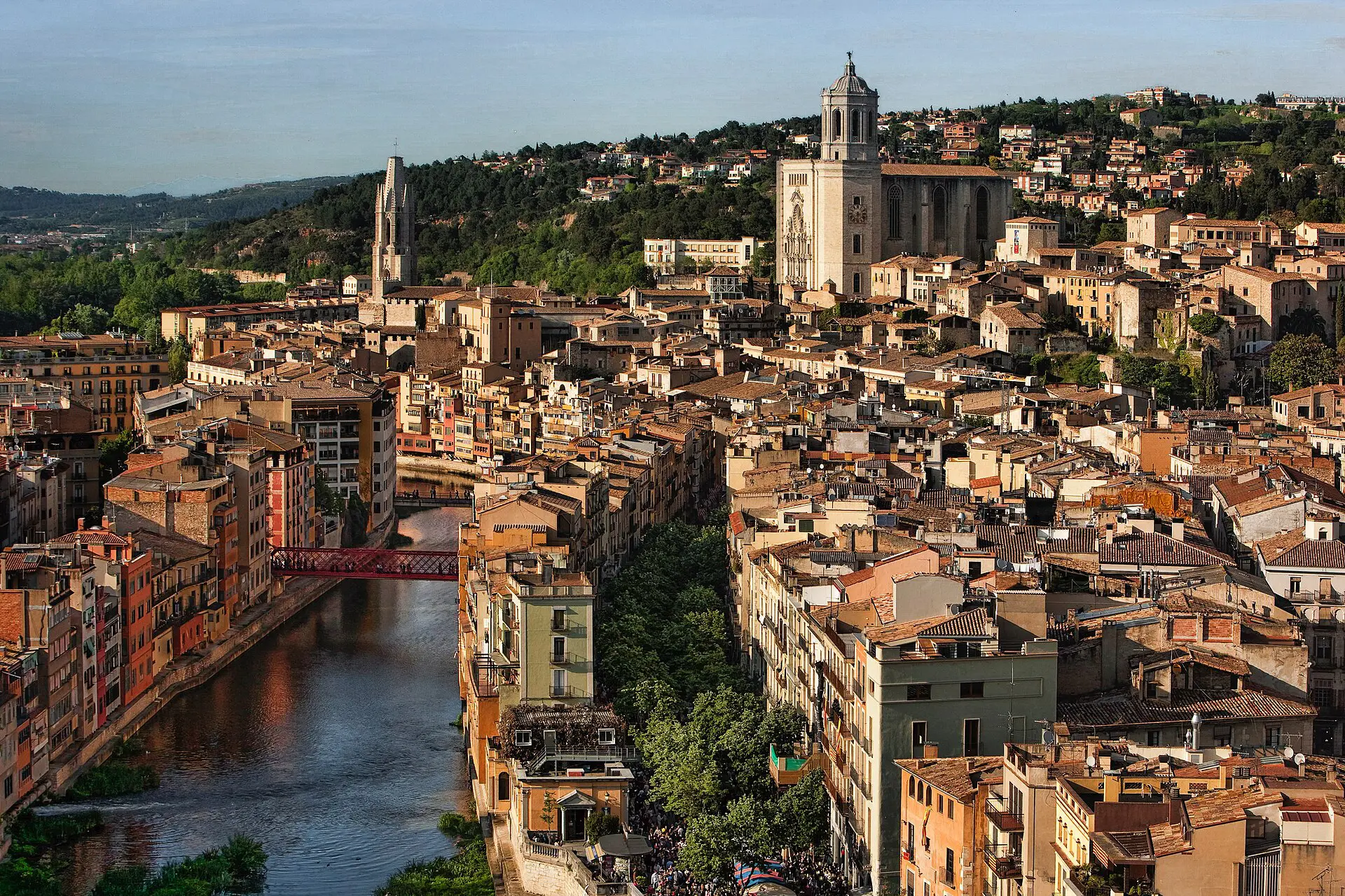
The settlement goes back to the Roman town of Gerunda, and the hillside streets still follow a medieval pattern, with a cathedral, city walls and lanes that climb and twist in ways that reward slow walking. The city has around 106,000 residents, so it feels manageable rather than overwhelming.
Many visitors first hear of Girona because budget flights land at the airport marketed as Barcelona-Girona, then rush on to the coast. That is a mistake: the city deserves at least a night or two on its own, and it also makes a good base for the Costa Brava.
Top things to do in Girona
Girona Cathedral
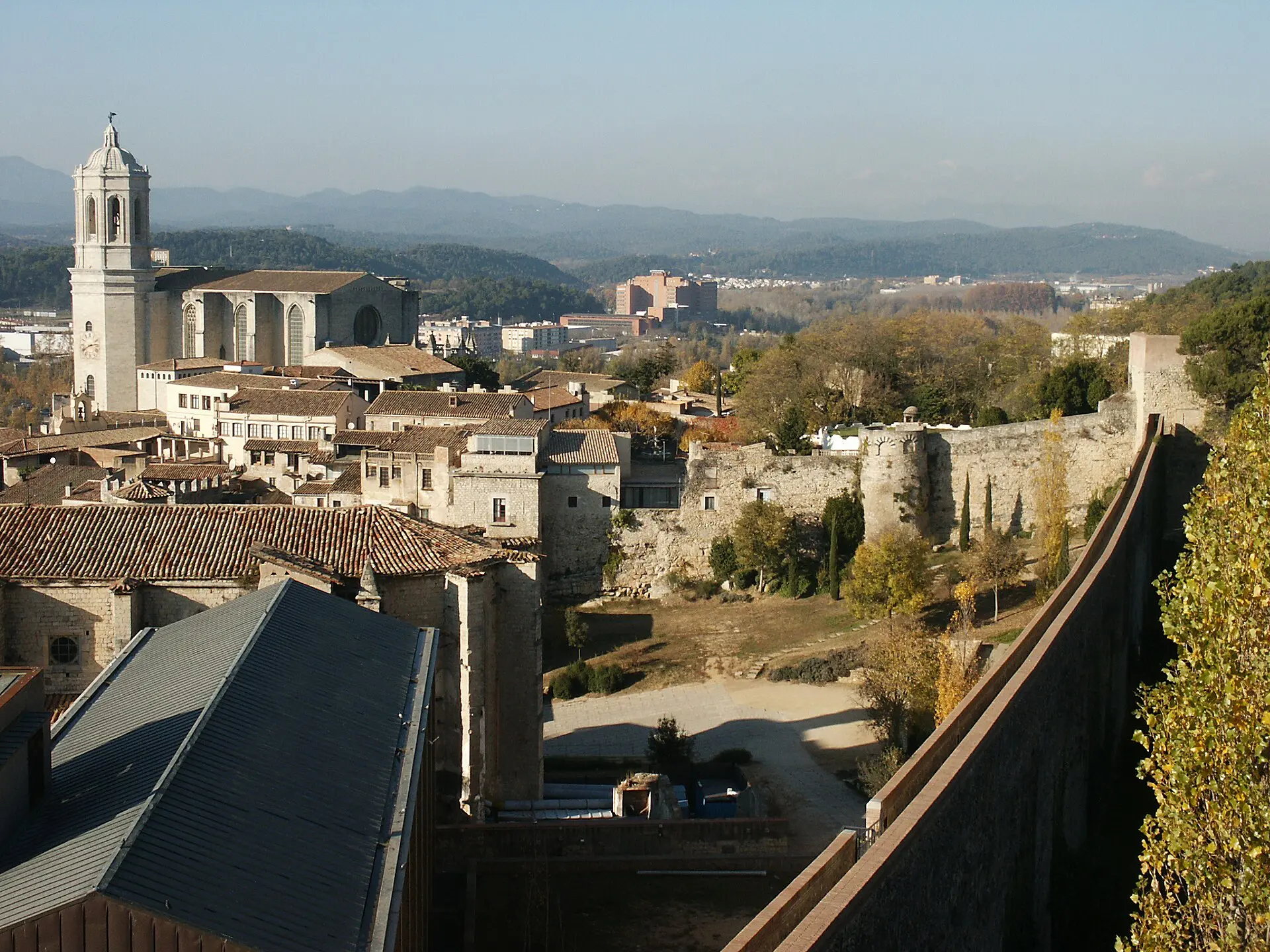
The cathedral rises above the old town at the top of a broad stairway and is the city’s best-known landmark. It is known for its very wide Gothic nave. Allow about an hour, check current opening hours and ticket rules, and take the steps early for quieter photographs.
The Jewish Quarter
The narrow lanes of the Call, the old Jewish quarter, are among the best preserved in Europe and sit close to the cathedral. A museum here covers local Jewish history. Allow one to two hours, wear comfortable shoes, and expect steps and cobbles.
The Onyar houses
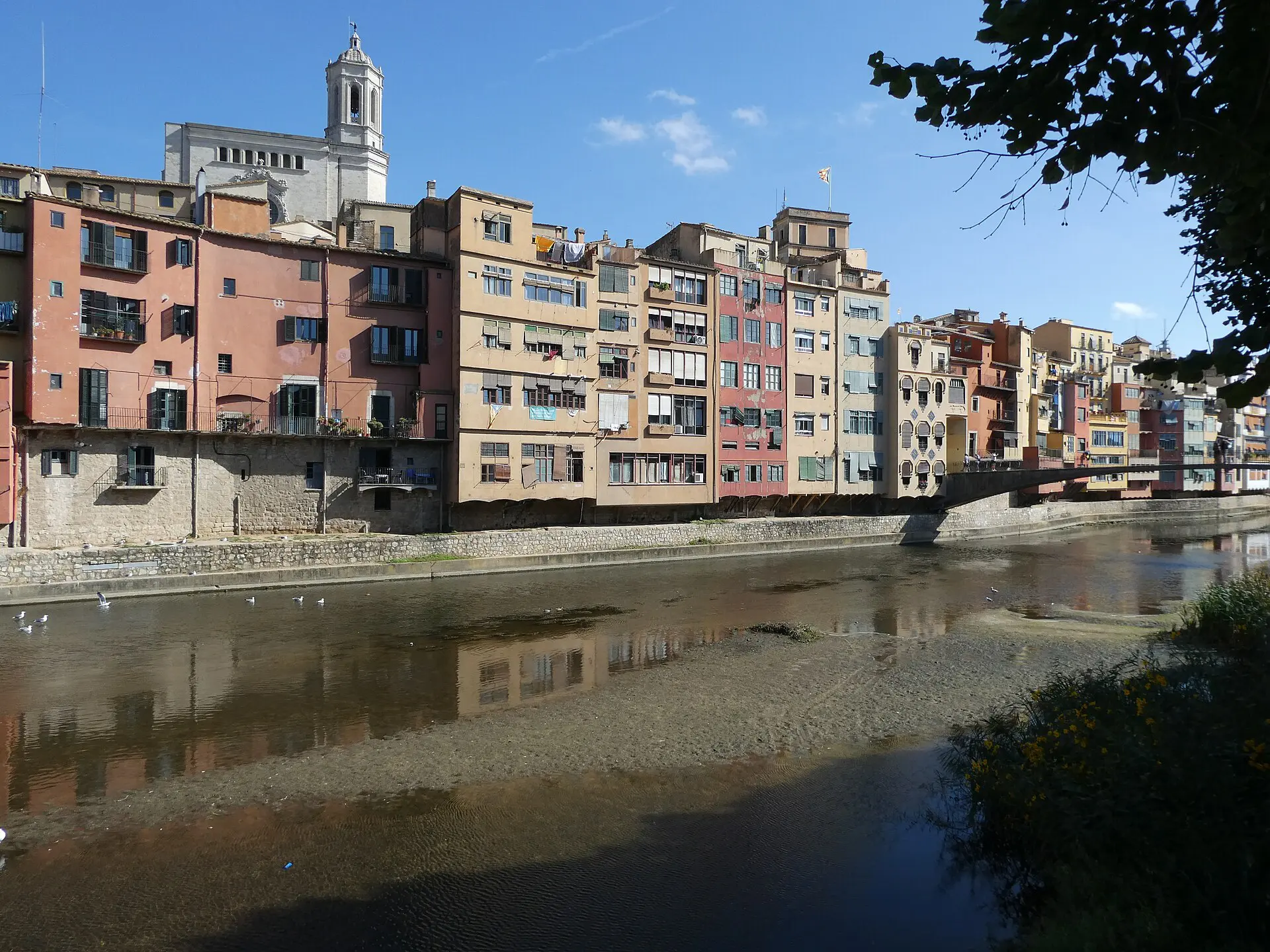
Rows of tall, colourful houses line the Onyar river and form the classic postcard view of Girona. Several footbridges cross the water, which makes it easy to loop between the old and newer parts of town. Allow thirty minutes, and visit at dusk for the best light.
The city walls
You can walk along sections of the medieval walls, which give views over the rooftops, the cathedral and the surrounding hills. Allow about an hour. Access is generally free, but check which stretches are open, and avoid the hottest part of summer afternoons.
Arab Baths and Sant Pere de Galligants
The Romanesque-style baths and the nearby monastery area are quiet, atmospheric stops on the edge of the old quarter. Allow an hour for both. Check opening days before you go, since smaller sites often close on certain days.
Old town food stops
Catalan cooking is a reason to linger, from market produce to long lunches in the old town. Allow time for a proper meal rather than eating on the move. Lunch menus are often better value than dinner, but check current prices.
Parc de la Devesa
This large riverside park on the edge of the city is good for a flat stroll, a picnic or a break from the stone lanes. Allow an hour. It is a calm place to end a day and is easy to reach on foot from the centre.
Best time to visit Girona
Spring, from April to June, is the most comfortable season, with mild days for walking the walls and the hillside lanes. Early autumn is also pleasant, with warm weather and fewer people than midsummer.
Summer can be hot, and the stone streets hold the heat, so plan your sightseeing for the morning and the evening. Winter is cool and quieter, with some wet days, but the old quarter is still enjoyable and prices tend to be lower. Girona hosts a well-known flower festival in May, so book ahead for that period, and check dates each year.
| Season | Weather | Crowds and prices |
|---|---|---|
| Spring | Mild, some showers | Moderate, good value |
| Summer | Hot, sunny | Busier, higher prices |
| Autumn | Warm to cool | Moderate, fair prices |
| Winter | Cool, damp | Quiet, cheaper |
How to get to Girona and around
Girona has its own railway station, with regular services from Barcelona that take roughly 40 minutes to an hour and a half depending on the train type. Check current timetables and book fast services where required. High-speed services also stop here, which makes onward travel to France practical.

Girona-Costa Brava airport serves several budget airlines and sits a short drive from the city, with buses connecting it to the centre. Barcelona airport is the main alternative and is linked to Girona by train and bus.
Once there, the old town is compact and best explored on foot. Be ready for steep lanes and steps. Taxis and local buses cover the newer districts, and a car is only useful for exploring the countryside and the coast.
Where to stay in Girona
The old quarter, around the cathedral and the Jewish Quarter, suits first-time visitors who want atmosphere and short walks to sights. Expect steps, narrow streets and some noise at weekends, and check access if you have luggage or mobility needs.
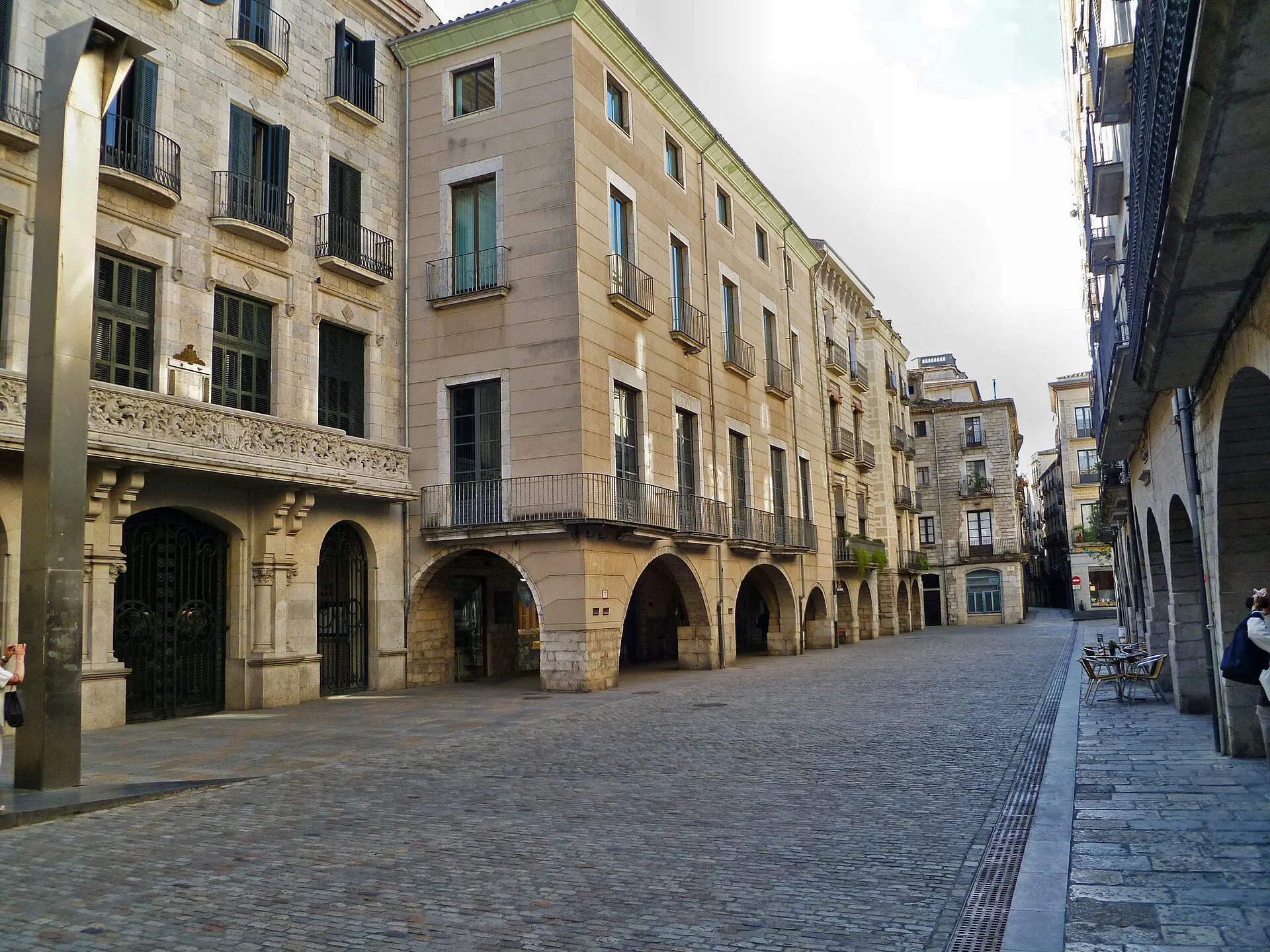
The area along the Onyar and around the Mercadal district is flatter and close to the station, restaurants and shops. It suits travellers arriving by train and those who prefer easy walking.
The quieter residential areas outside the centre offer more space and often lower prices, and they suit visitors with a car or those staying longer. Book ahead for weekends and the May flower festival.
How many days do you need?
One full day covers the headline sights if you start early, and many people visit as a day trip from Barcelona. Two days is better: it gives you time to slow down, eat well and walk the walls. A third day suits an excursion to the coast or nearby villages.
- Day 1: Cathedral and steps, the Jewish Quarter, then the city walls, followed by a riverside dinner by the Onyar.
- Day 2: Arab Baths and Sant Pere de Galligants in the morning, a long Catalan lunch, and an afternoon in Parc de la Devesa.
- Day 3: A day trip by train or bus to the Costa Brava or a medieval village in the countryside.
Day trips and nearby
Barcelona
Barcelona is about 99 km southwest and is easy to reach by train. It suits a full day of architecture, food and the old Gothic Quarter, though it deserves more time if you can spare it. Book popular attractions ahead, and check current train times.
Costa Brava
The coast north of Girona is lined with coves, small resort towns and walking paths. Buses and trains serve some towns, while a car gives more freedom. It is best between late spring and early autumn, when the water and weather are most appealing.
Rural villages and the Pyrenean foothills
Inland from Girona, villages, farmland and volcanic hills offer quiet walking and cycling. Public transport is limited, so a rental car or guided trip helps. Allow a full day and check opening times for any sites you want to visit.
FAQ
Q1When is the best time to visit Girona?
Spring and early autumn are the most comfortable, with mild weather for walking the walls and old quarter. Summer is hot and busier, while winter is quiet and cooler. Book ahead for the May flower festival, and check dates each year before you plan.
Q2How many days do you need in Girona?
Two days is a good fit, giving you time to see the cathedral, the Jewish Quarter and the walls without rushing. One day works as a quick visit from Barcelona. Add a third day if you want a coast or countryside excursion.
Q3How do you get to Girona from Barcelona?
Trains run regularly from Barcelona to Girona, taking roughly 40 minutes to an hour and a half depending on the service. Buses also run, and flights to Girona-Costa Brava airport connect with the city by bus. Check current timetables before you travel.
Q4Is Girona worth visiting?
Yes, if you like compact historic cities. Its old quarter, cathedral, walls and riverside houses are well preserved and easy to cover on foot. It is calmer than Barcelona, and it also works as a base for the Costa Brava.
Prices, schedules and entry rules change. Check current details with official sources before you travel. Read the Spain travel guide.