Why visit Andorra
The most useful list of things to do in Andorra starts with why people go at all. The country is the largest of Europe’s microstates, with an area of just 468 square kilometres in the eastern Pyrenees, and it packs two big ski areas, a glacial valley on the UNESCO list, Romanesque chapels and the highest capital city in Europe, Andorra la Vella, at 1,023 metres (see the Wikipedia overview). Tourism brings roughly eight million visitors a year, most of them from France and Spain.
Andorra suits skiers and snowboarders, hikers, spa fans, road-trippers who want a short mountain break, and shoppers looking for duty-free prices. It is less suited to travellers who want beaches, nightlife or a deep dive into a large country, and English is spoken less widely than many expect, so a few words of Spanish or Catalan help.
Best places to visit in Andorra
The best places to visit in Andorra are strung along a handful of valleys, each reachable within an hour of the capital.
Andorra la Vella and Escaldes-Engordany
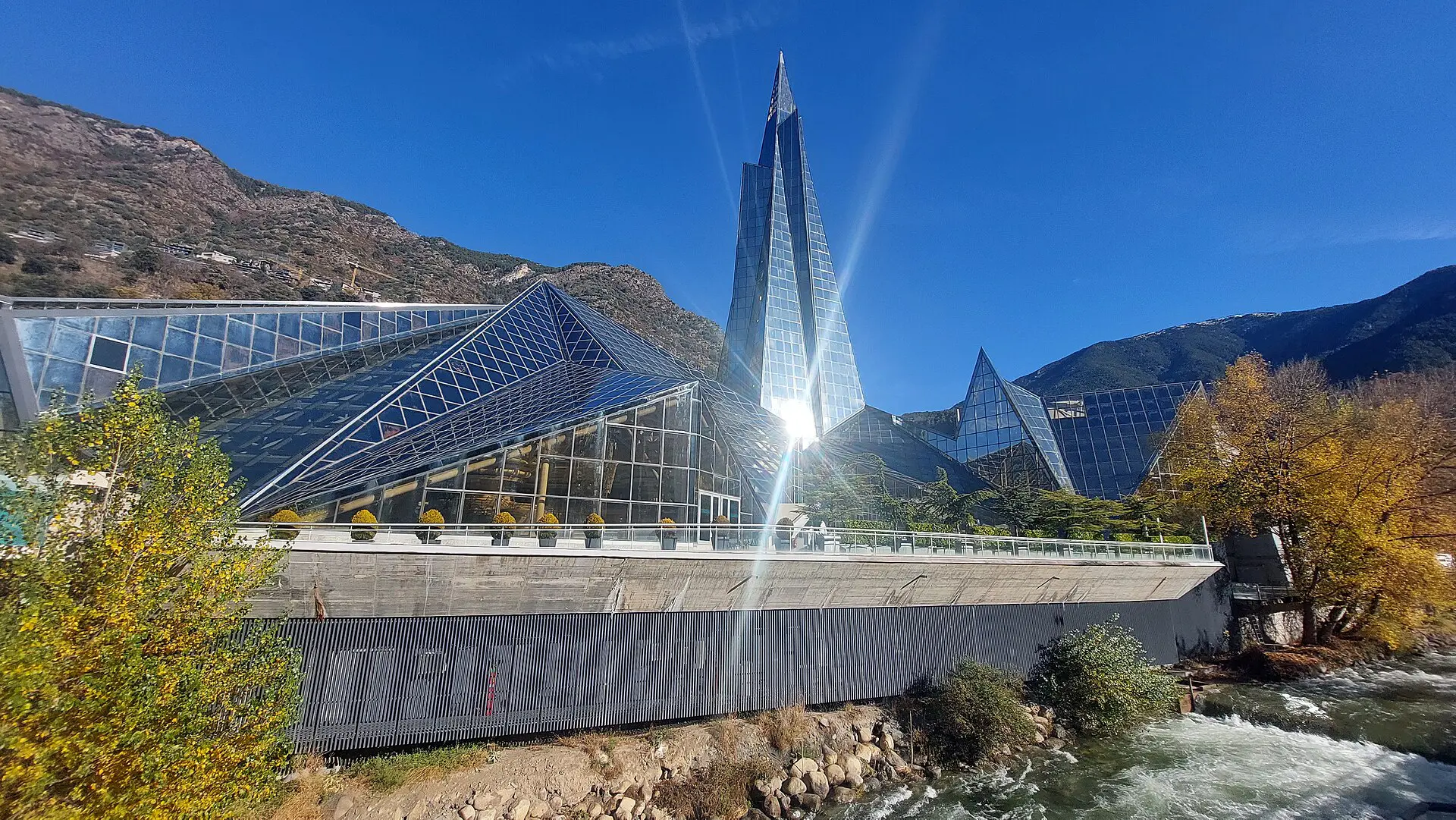
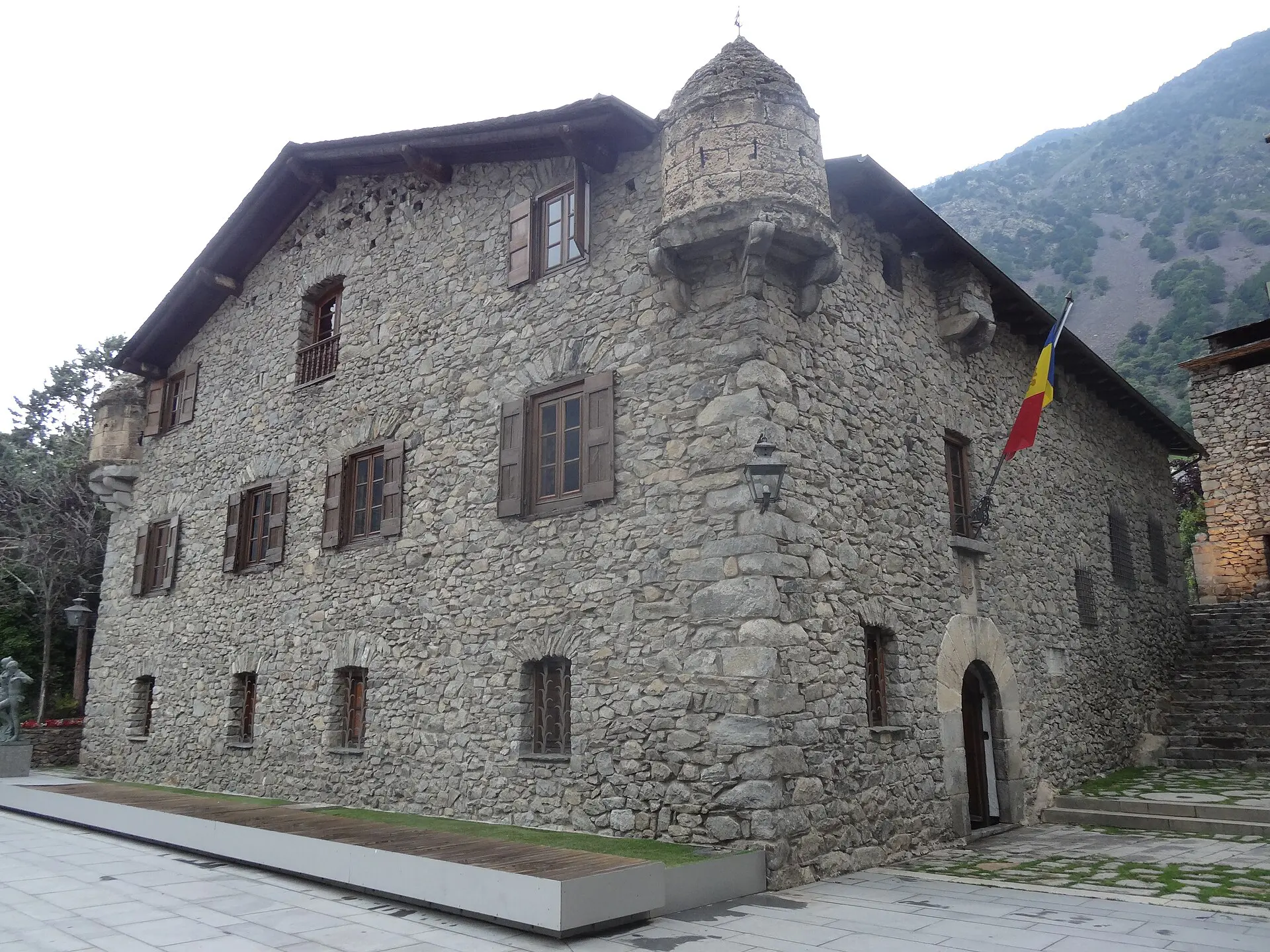
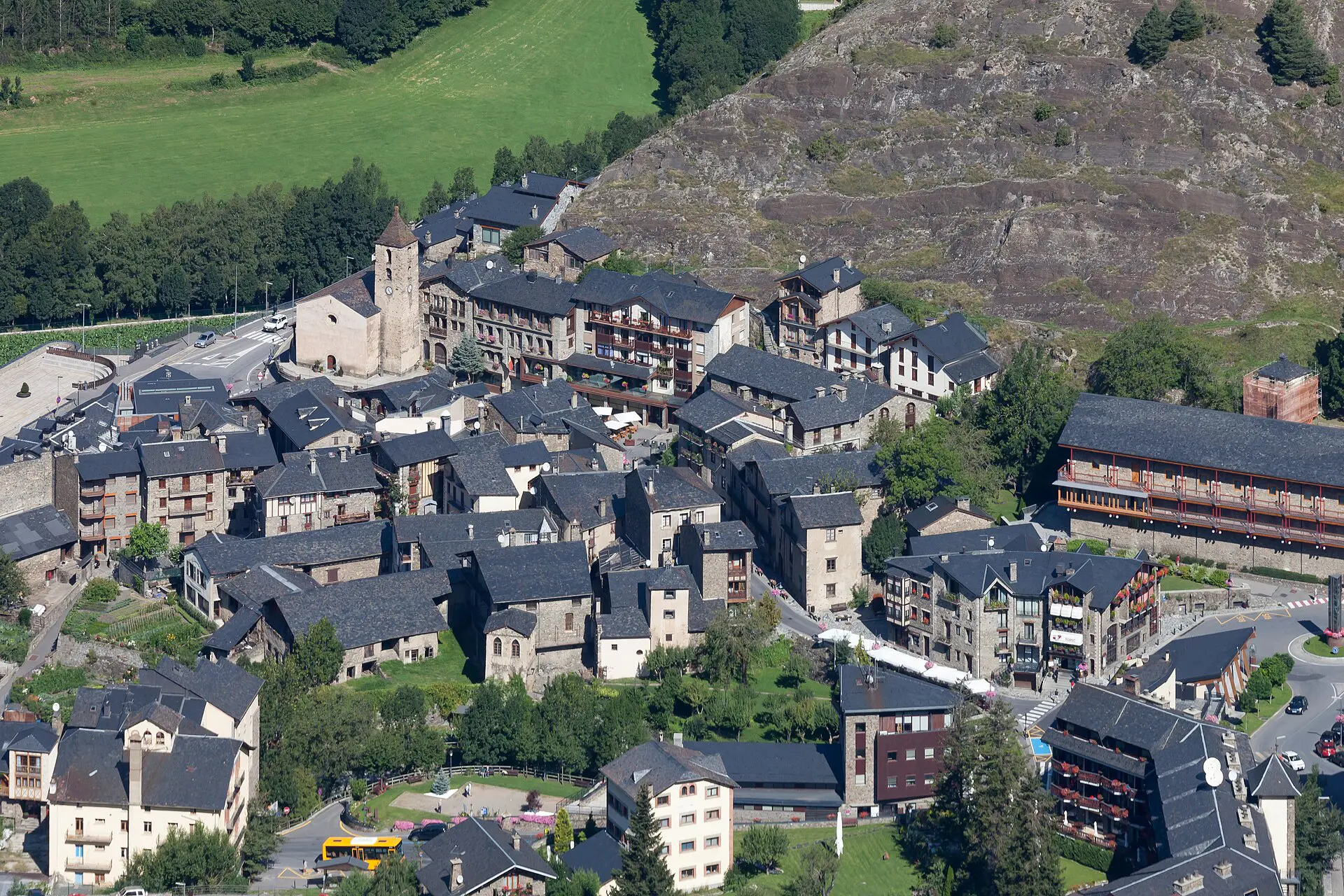
The capital has a small old quarter of stone streets around the Casa de la Vall, the historic seat of parliament, and a long shopping strip. Next door, Escaldes-Engordany is home to the Caldea thermal spa, which draws on the town’s hot springs.
Canillo and Soldeu
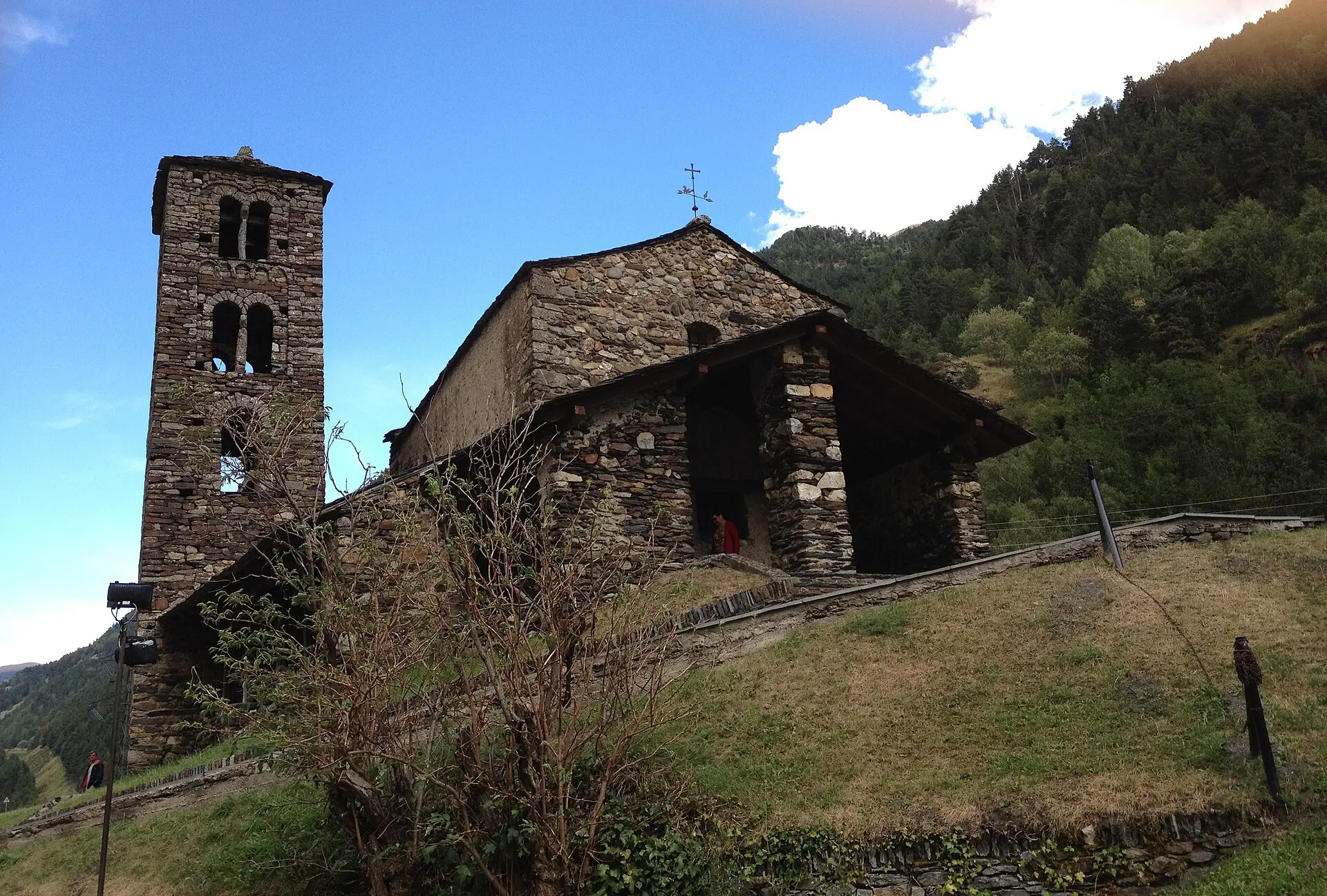
Canillo has the Romanesque church of Sant Joan de Caselles and a big ice and leisure centre. Soldeu, further up the valley, is a lively ski village that turns into a walking base in summer.
Pas de la Casa
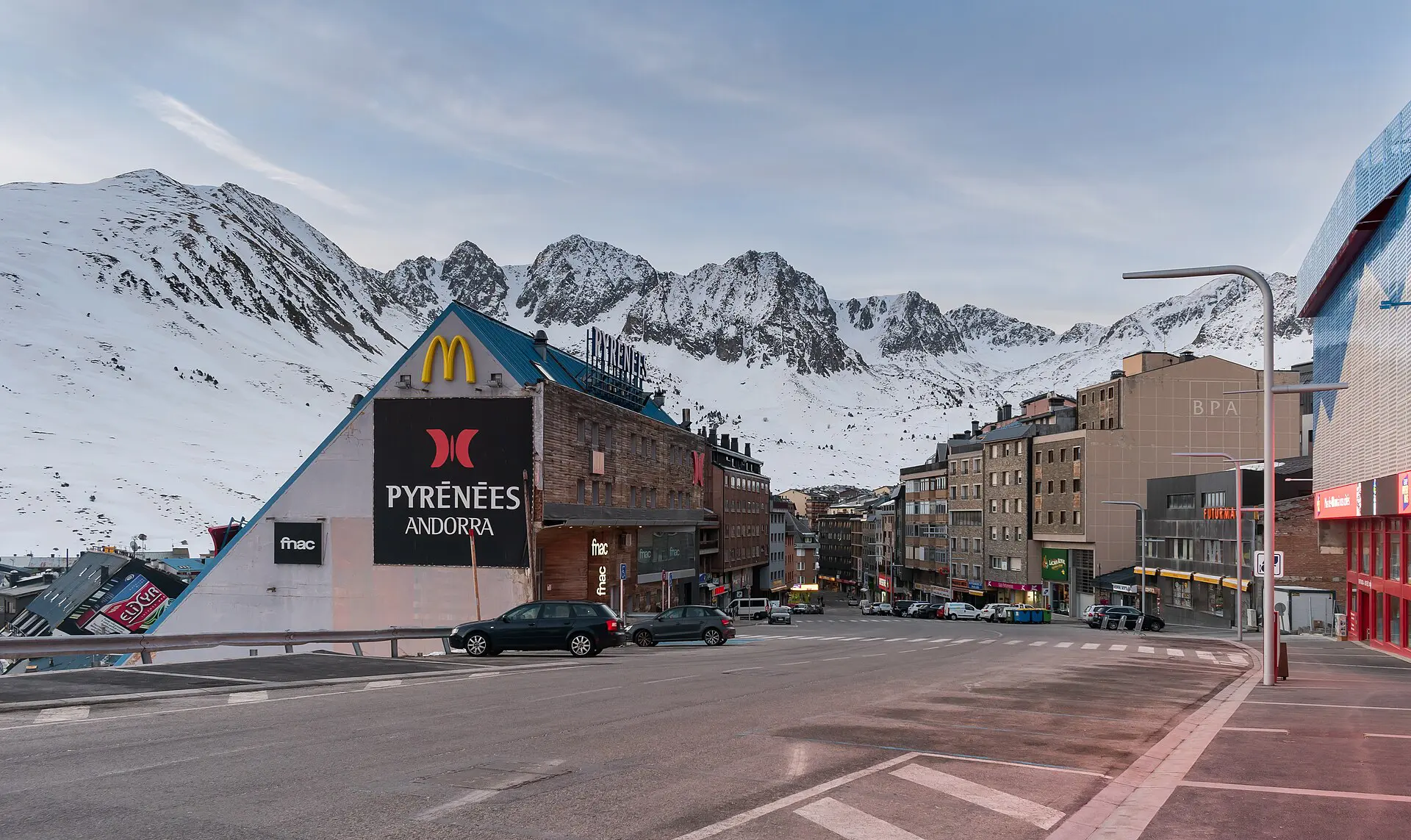
Right on the French border, this is a high-altitude ski resort with reliable snow and a duty-free shopping reputation, so expect a busy, commercial feel.
Ordino and La Massana
Ordino is a quieter stone village with small museums and cross-country trails, while La Massana leads to the Vallnord areas of Arinsal and Pal.
Sant Julià de Lòria and Santa Coloma
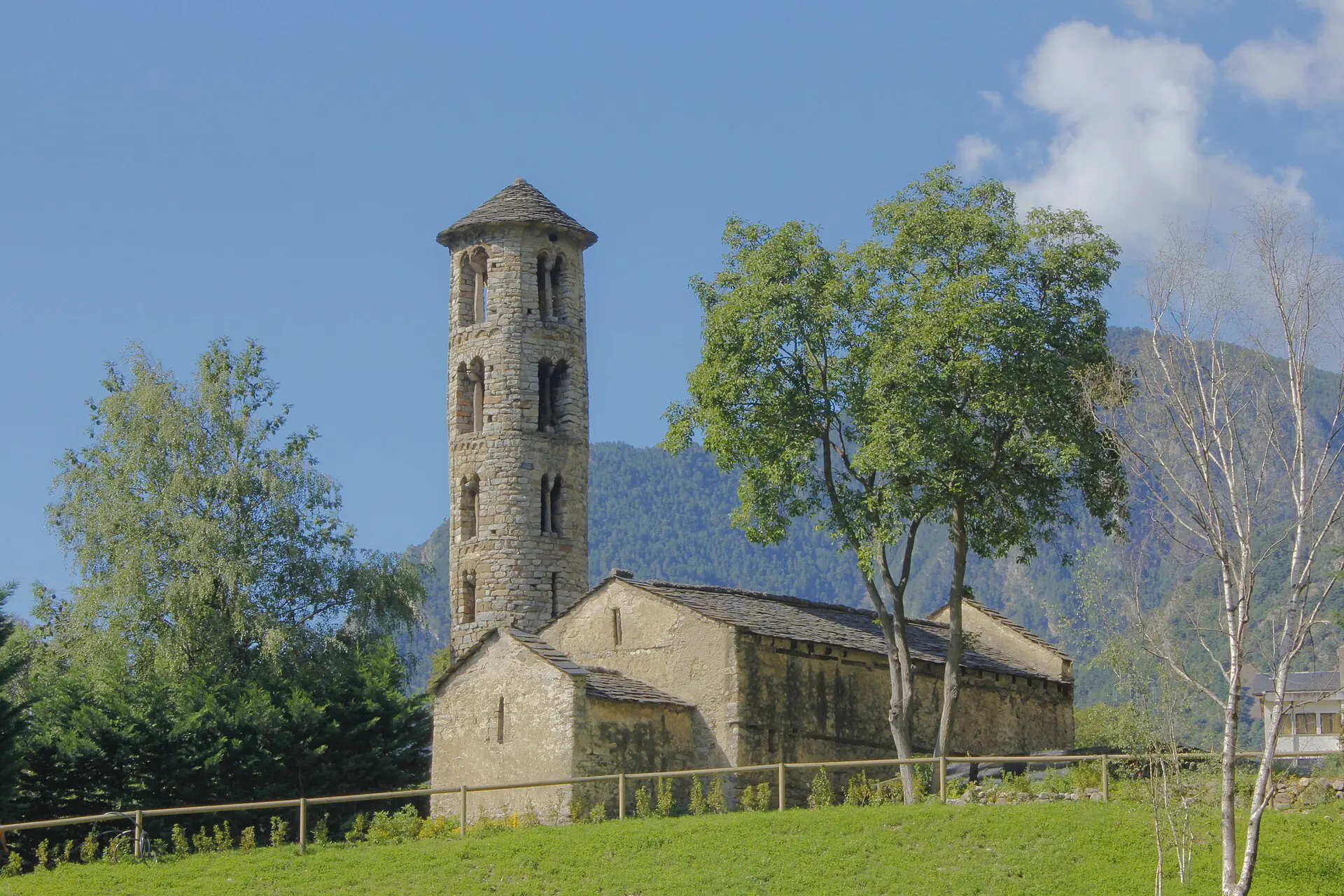
In the south, Santa Coloma is known for its pre-Romanesque church, and Sant Julià de Lòria is the gateway from Spain.
Things to do in Andorra
Things to do in Andorra range from mountain sports to spa time, and most can be combined in a long weekend.
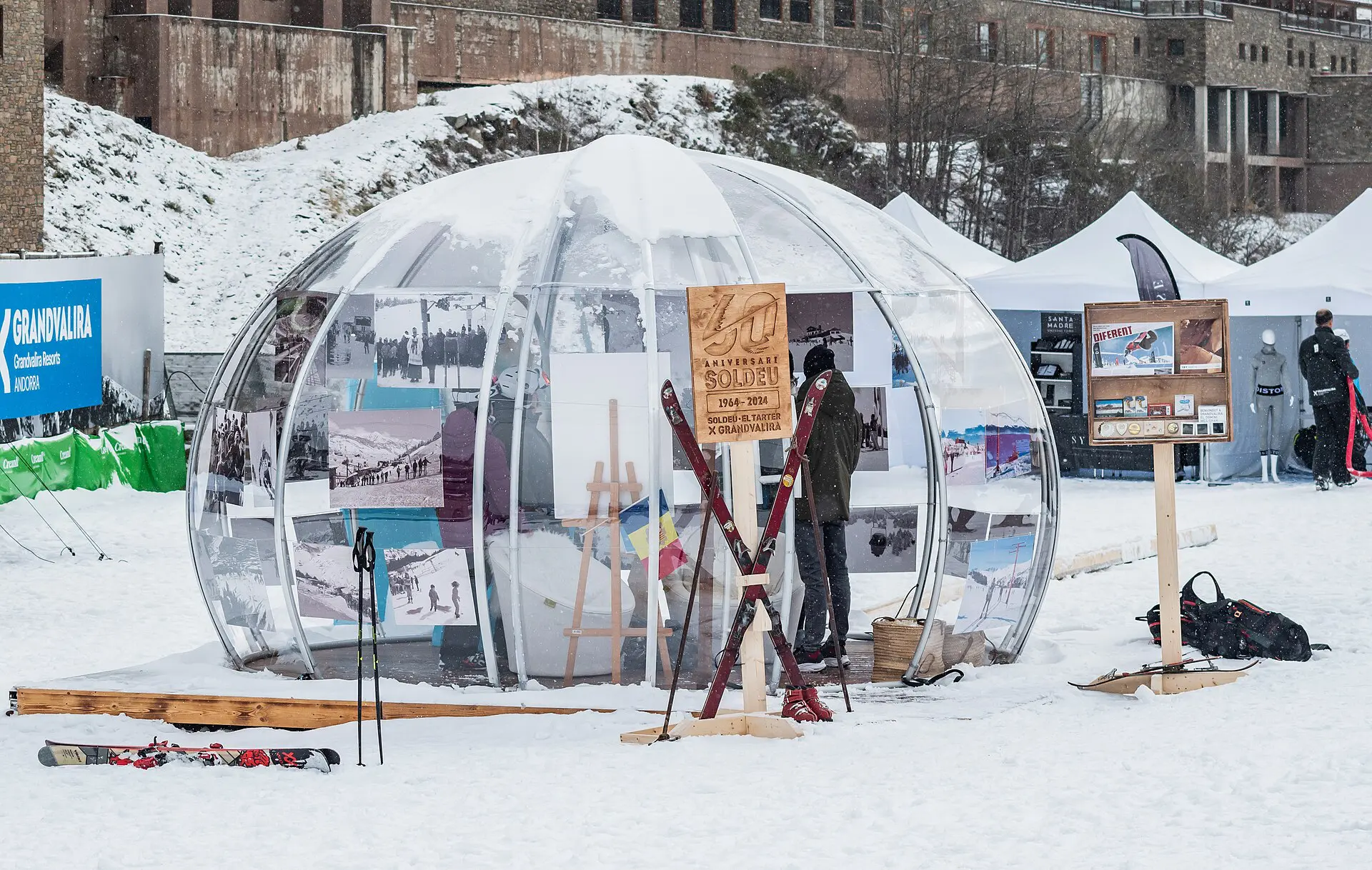
- Ski or snowboard in Grandvalira: the large linked area around Soldeu, El Tarter, Canillo, Grau Roig and Pas de la Casa is the biggest in the Pyrenees.
- Try Vallnord: Pal Arinsal and Ordino Arcalís offer a quieter alternative, and bike parks open in summer.
- Soak at Caldea: the thermal spa in Escaldes-Engordany is a standard rainy-day or after-ski option.
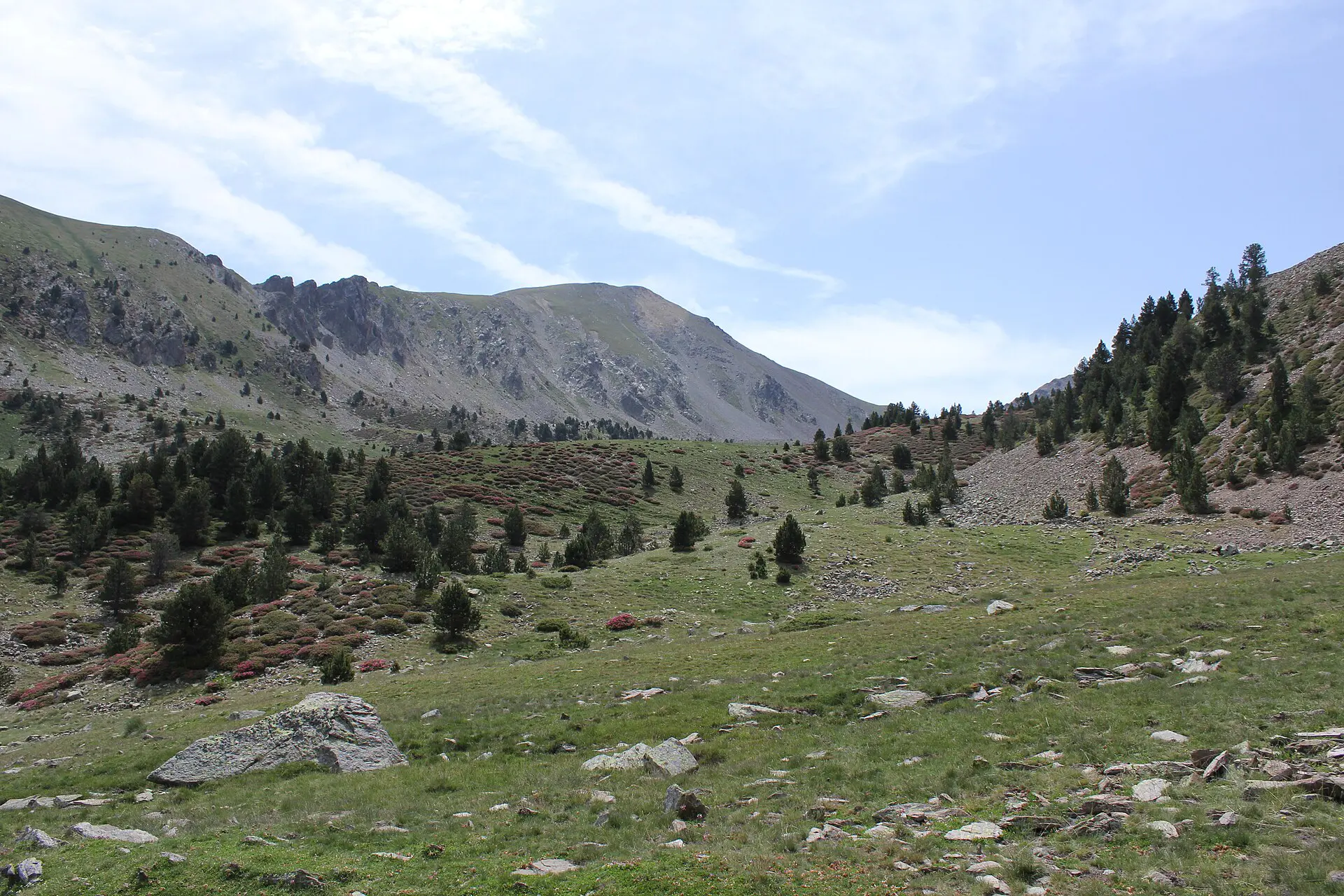
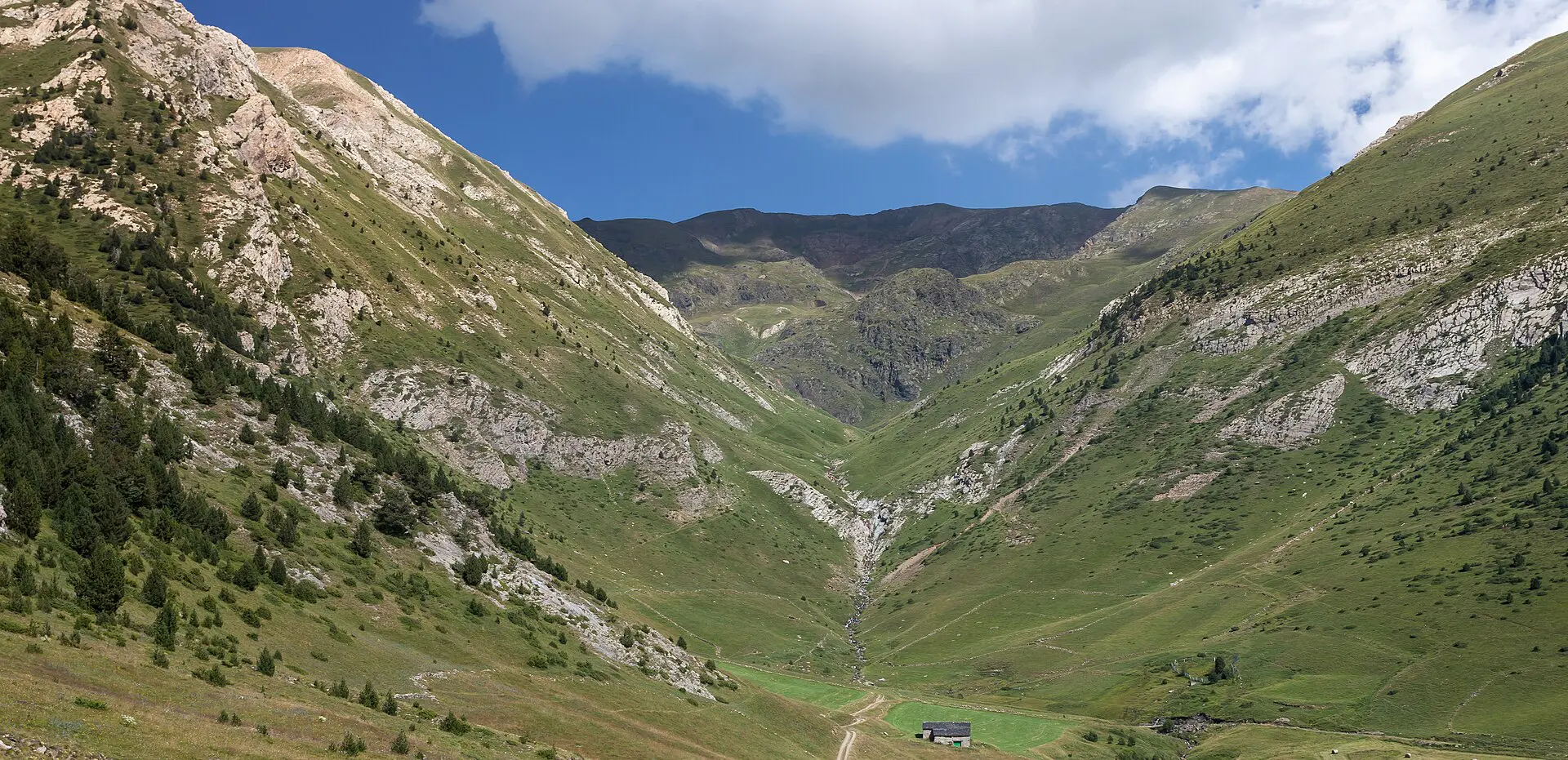
- Hike the Madriu-Perafita-Claror valley: a UNESCO-listed glacial landscape with stone huts and marked trails (see the UNESCO page for Andorra).
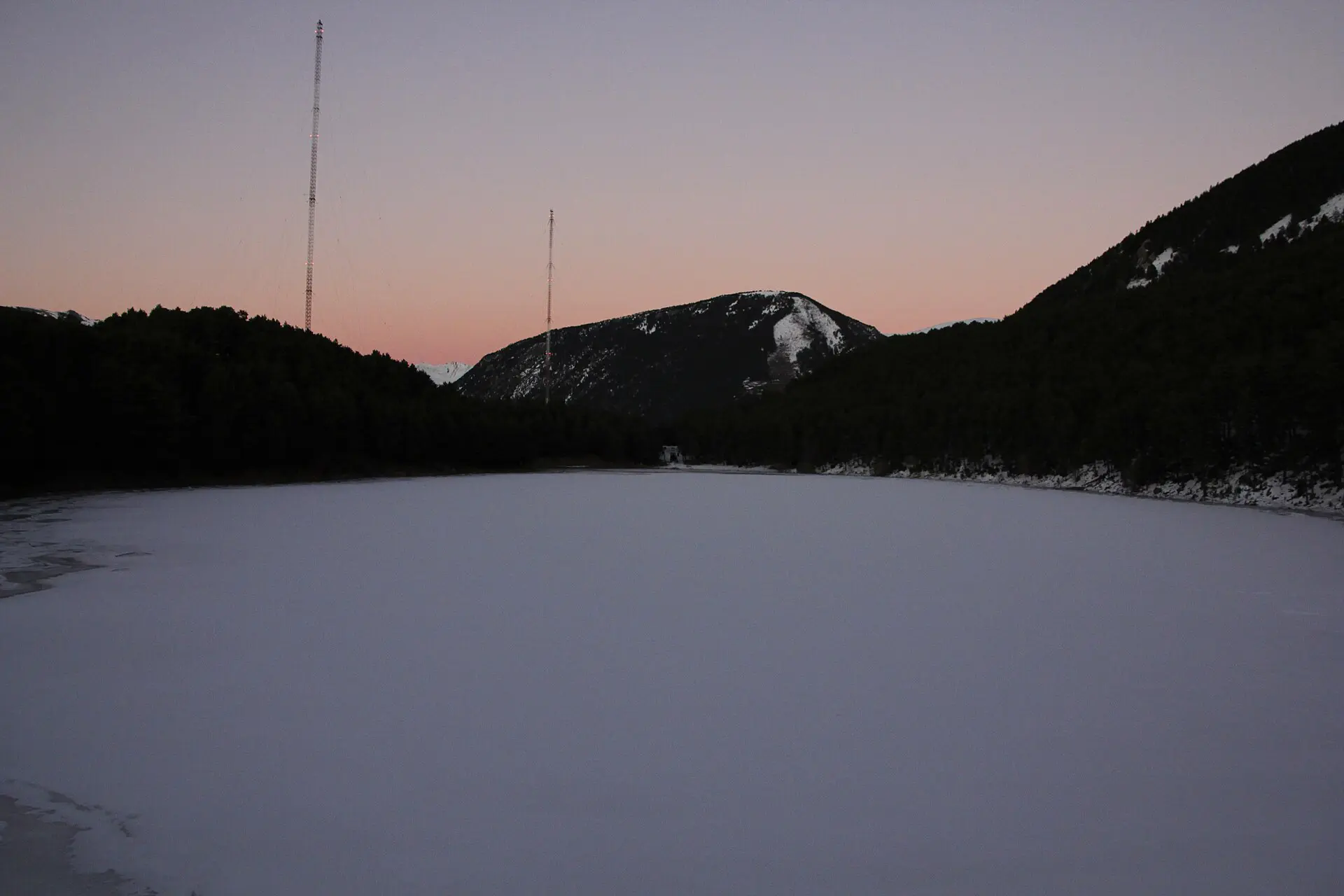
- Walk round Estany d’Engolasters: an easy lake loop near the capital, good for families.
- Visit Romanesque churches: Sant Joan de Caselles, Santa Coloma and Sant Miquel d’Engolasters are among the best.
- Tour Casa de la Vall: the old parliament building explains the co-principality system.
- Shop duty-free: electronics, sports gear, perfume, alcohol and tobacco are traditionally cheaper than in neighbouring countries, but compare prices first.
- Ride a mountain coaster: Naturlandia near Sant Julià de Lòria runs a long toboggan track year round.
- Cycle or drive the Envalira Pass: a high road toward France, famous in cycling circles.
Best time to visit Andorra
The best time to visit Andorra depends on what you want to do: December to March for skiing, June to September for hiking, and the shoulder months for quiet and low prices. Snow is most reliable from January to early March, especially at higher resorts such as Pas de la Casa.
| Season | Weather | Crowds and prices | Good for |
|---|---|---|---|
| Winter (Dec-Mar) | Cold and snowy; sunny spells common | Highest prices at Christmas and February school holidays | Skiing, snowboarding, spa days |
| Spring (Apr-May) | Variable, snowmelt, muddy trails | Low; some lifts and huts closed | Quiet city breaks, shopping |
| Summer (Jun-Aug) | Warm days, cool nights, thunderstorms | Moderate to busy in July and August | Hiking, cycling, lakes |
| Autumn (Sep-Nov) | Crisp, colourful forests, early snow | Low outside holiday weekends | Walks, photography, food |
Mountain weather changes fast, so carry layers even in July. Snow can arrive on high passes in October.
Is Andorra safe?
Yes, Andorra is one of the safest countries in Europe for visitors. Violent crime is rare, and the typical problems are petty theft in busy shopping areas and the occasional car break-in. Check your government’s current advice, such as the UK FCDO or US State Department pages, before travelling.
Mountains. The real risk is outdoors. Weather changes quickly, trails can hold snow into early summer, and ski accidents are the most common reason tourists need medical help. Stay on marked pistes, check avalanche bulletins for off-piste or ski touring, and carry insurance that covers mountain rescue.
Roads. Mountain roads are steep and winding. In winter, snow tyres or chains are often required, and passes such as Envalira can close briefly in storms. Drivers should keep to the right and take care in fog.
Border and customs. Andorra is not in the EU, so you pass customs controls at the French and Spanish borders. Check allowances for tobacco, alcohol and cash before heading home.
Health. Tap water is safe, and altitude is rarely a problem except for people with heart or lung conditions.
Andorra visa and entry requirements
Andorra does not issue tourist visas, and it requires none from any visitor, but you can only reach it through France or Spain. That means the Schengen rules for your nationality decide whether you need a visa for the trip, so check the official French or Spanish immigration pages for your passport.
EU citizens can enter with a national ID card, while other foreigners, including citizens of non-EU Schengen countries, need a passport. Andorra is not a Schengen member, and everyone goes through customs on arrival and departure, so keep your documents and receipts to hand. Long stays of more than 90 days require a residence permit. Rules for staying and working are strict, and nationals of some countries may need to register.
If you have a single-entry Schengen visa, you should confirm with the issuing consulate whether a trip into Andorra and back could count as an exit. This is not enforced in practice, but it is the traveller’s responsibility to check.
Getting to and around Andorra
Andorra has no commercial airport and no railway station. Most visitors fly to Barcelona, Girona, Toulouse or Perpignan and continue by road. Coach services run from Barcelona airport and city, and from Toulouse, with journeys of around three to four hours, depending on traffic and the route. Services vary by season, so check timetables in advance.
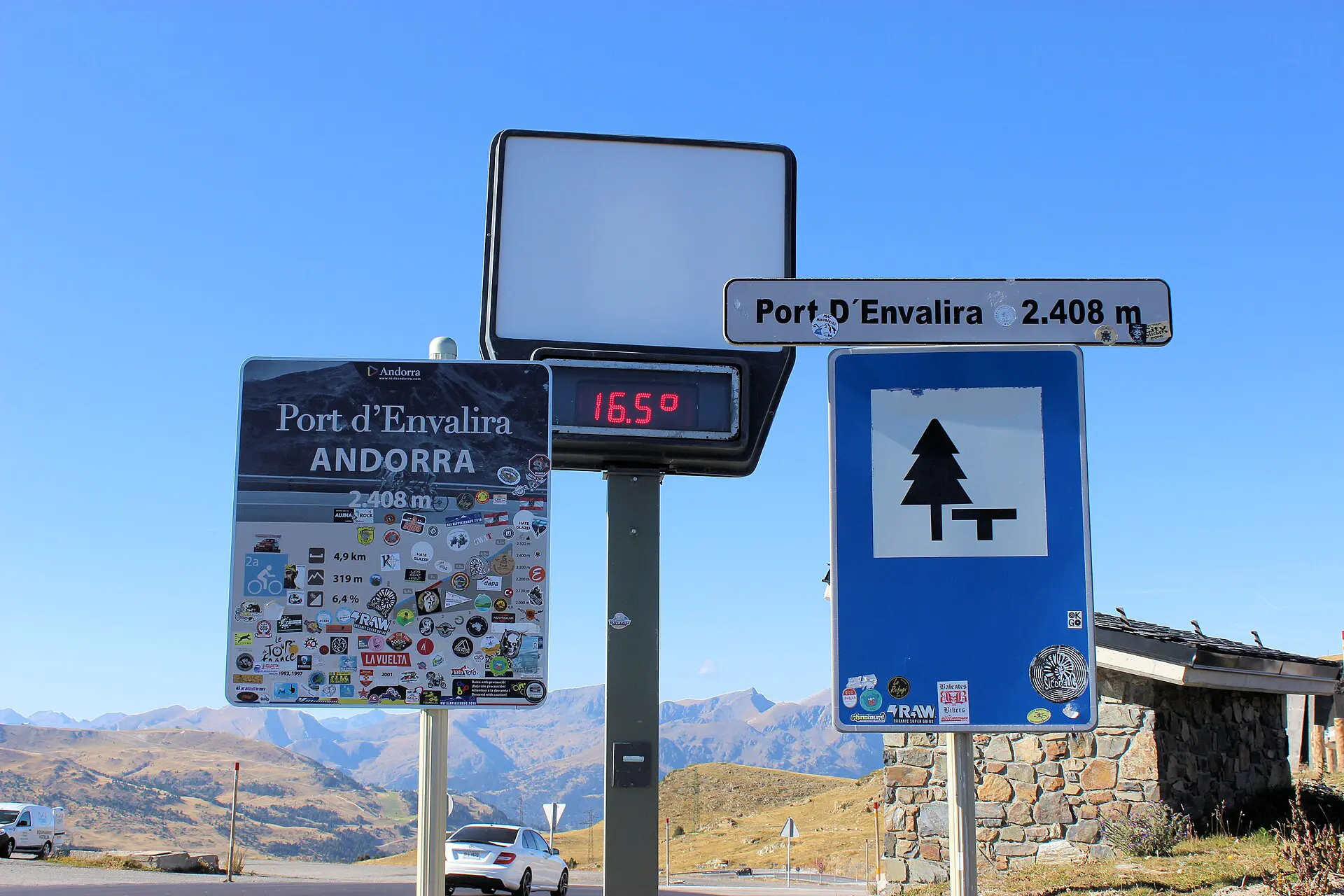
Only two main roads cross the border: one from France over the Envalira Pass or through the tunnel toward Pas de la Casa, and one from Spain via La Seu d’Urgell and Sant Julià de Lòria. Queues at customs are common on busy weekends and at the end of holidays.
Inside the country, regular buses link the main towns and ski resorts, and ski-season shuttles connect villages to lifts. A car gives freedom in summer, but parking in Andorra la Vella can be tight, and winter conditions can be demanding. Taxis are available and costly relative to buses. Distances are short: the capital to Soldeu takes about 30 to 40 minutes, and to Ordino about 20.
How much does a trip to Andorra cost?
Andorra uses the euro, and prices vary sharply by season. Fuel, alcohol, tobacco and some gear are cheaper than in France or Spain, while hotels, restaurants and lift tickets in the ski season are not. Figures below are rough per-person guides for 2026.
- Budget: around EUR 50 to 90 per day, with hostels or simple hotels, supermarket food, buses and free walks.
- Mid-range: around EUR 90 to 160 per day, with a three-star hotel, restaurant meals and a spa visit or activity.
- High-end: from around EUR 250 per day, with a ski-in hotel, lift passes, lessons and fine dining.
Ski days add a significant cost: day lift tickets, rental and lessons can push winter daily spend well above these bands, so book multi-day passes early. In summer, many mountain activities are cheap or free. Parking in the capital and fuel for rental cars are other cost lines to plan for.
Andorra food and drink
Andorra food is Catalan mountain cooking: hearty, meat-heavy and built for cold weather, with French and Spanish touches and a growing modern scene in the capital. Look for set lunch menus, which are good value.
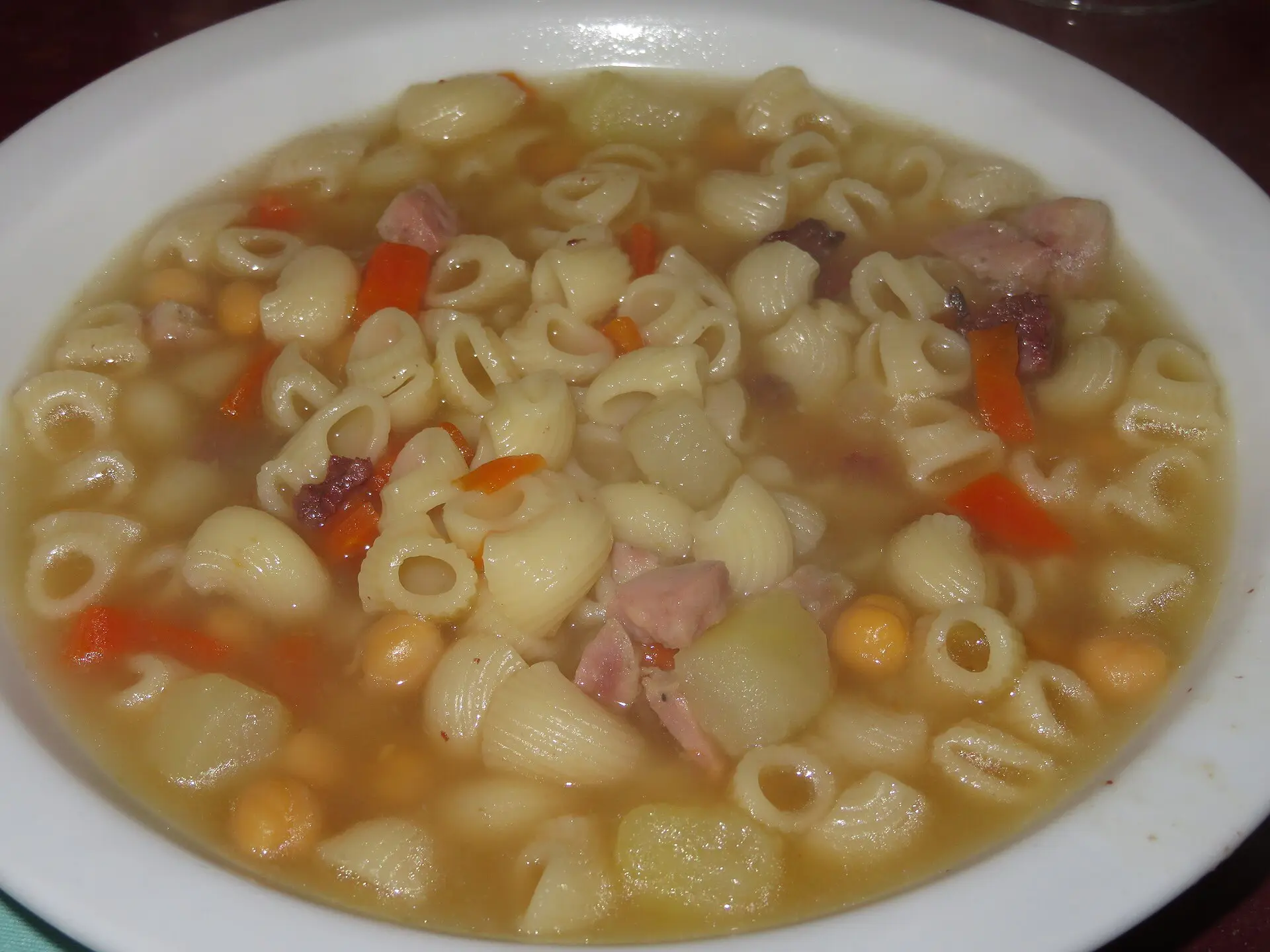
- Escudella: a winter stew of meat, sausage, beans and pasta, often served in two courses with carn d’olla.
- Trinxat: a fried cake of potato and cabbage with bacon, traditional in the Pyrenees.
- Cargols a la llauna: snails cooked on a metal plate with herbs and sauce.
- Rostes: grilled or roasted meat, often lamb or pork, served in mountain restaurants.
- Embotits and cheese: local cured sausages and cheeses from the valleys.
- Crema andorrana: a custard-style dessert with cream and egg.
- Wine and vermouth: mostly imported from Catalonia and France, with vermouth popular as an aperitif.
Vegetarians will find limited traditional choices, though cafes in the capital and ski resorts offer salads, pasta and vegetable dishes. Almost all food is imported, as only a small share of the land is arable.
Culture, language and etiquette in Andorra
Catalan is the sole official language, which is rare in the world, and street signs are in Catalan. Spanish, French and Portuguese are widely spoken as well, thanks to large resident communities, while English is used mainly in hotels and resorts. Greeting people in Catalan with bon dia (good morning) and gràcies (thank you) is welcomed.
Andorra was a co-principality for over 700 years under the French head of state and the Bishop of Urgell. The 1993 constitution created a parliamentary democracy while keeping the two co-princes as symbolic heads of state. Most residents are not citizens, since many workers come from Spain, Portugal and France, so the culture is a Catalan base with a very international mix.
Manners are relaxed and similar to Spain and France: greet shopkeepers on entering, keep voices low in churches, and dress sensibly for the mountains. Dinner starts later than in northern Europe, around 8 pm. Respect trail etiquette, close farm gates, and keep dogs on leads near livestock.
Andorra itinerary: a 7-day route
This route works in summer, with winter substitutions noted at the end. Everything is within an hour of the capital, so you can base yourself in one place.
- Day 1, Andorra la Vella: arrive by coach from Barcelona or Toulouse, then walk the old quarter and Casa de la Vall.
- Day 2, Escaldes-Engordany: spend the afternoon at the Caldea spa after a morning walk along the river.
- Day 3, Canillo and Soldeu: see Sant Joan de Caselles, then take a lift or short walk above Soldeu.
- Day 4, Madriu valley: take a full-day hike on the UNESCO trail, starting from Escaldes-Engordany.
- Day 5, Ordino and La Massana: visit museums and walk to a mountain lake, then try a local trinxat.
- Day 6, Engolasters and Sant Julià: walk the lake loop and finish with the mountain coaster.
- Day 7, Shopping and departure: shop in the capital, then allow about three hours by coach to Barcelona airport.
In winter, replace days 3 to 6 with ski days in Grandvalira or Vallnord, and keep Caldea for recovery.
Practical tips for Andorra
- Money: the euro is the currency, cards are accepted nearly everywhere, and ATMs are common in towns.
- SIM and eSIM: Andorra is outside the EU roaming zone, so check your operator’s rules. Andorra Telecom sells local SIMs, and eSIM options are available.
- Plugs: types C and F at 230 V, as in most of continental Europe.
- Tipping: not required; rounding up or leaving 5 to 10 percent in restaurants is common.
- Health: bring travel insurance with mountain rescue cover, sun protection for high altitude and any prescriptions.
- Packing: layers, waterproof jacket and sturdy shoes in summer; chains or snow tyres if driving in winter.
- Customs: keep receipts for duty-free purchases and know the allowances for tobacco, alcohol and cash when you cross back into the EU.
- Booking: reserve ski accommodation and lift passes early for Christmas and February holidays.
For wider background, see the Wikivoyage Andorra guide.
FAQ
Q1What are the best things to do in Andorra?
The top things to do in Andorra are skiing at Grandvalira or Vallnord in winter, hiking the Madriu-Perafita-Claror valley in summer, soaking at Caldea spa, visiting Romanesque churches such as Sant Joan de Caselles, and shopping duty-free in the capital.
Q2What is Andorra food like?
Andorra food is hearty Catalan mountain cooking. Expect escudella stew, trinxat (potato and cabbage cake), grilled meats, snails, local sausages and cheese, plus crema andorrana for dessert. Vegetarian options are limited in traditional restaurants but available in the capital and resorts.
Q3Is Andorra safe?
Yes, Andorra is among the safest countries in Europe, with little violent crime. Main risks are petty theft in busy shops, mountain weather, ski accidents and winter driving. Carry insurance with mountain rescue and check your government's travel advice.
Q4What is the best time to visit Andorra?
December to March is best for skiing, with the most reliable snow from January to early March. June to September suits hiking and cycling. Spring and late autumn are quiet, with lower prices but some closed lifts, huts and restaurants.
Q5Do you need a visa for Andorra?
Andorra does not require a visa from visitors, but you must enter through France or Spain, so Schengen rules for your nationality apply. EU citizens can use an ID card, others need a passport. Stays over 90 days require a residence permit.
Q6How do you get to Andorra without a car?
Fly to Barcelona, Toulouse, Girona or Perpignan and take a coach, which usually takes around three to four hours. Andorra has no airport or train station, and buses link the towns and ski resorts, so many visitors manage without renting a car.