Why visit Cyprus
The best things to do in Cyprus span some 9,000 years of history, from Neolithic settlements and Greek and Roman cities to Byzantine monasteries, Venetian walls and Ottoman mosques, all on an island of about 9,250 square kilometres (see the Wikipedia overview for background). Nicosia, the capital, is the last divided capital in Europe, split by a UN-patrolled buffer zone since 1974.
Cyprus suits travellers who want sunshine, easy logistics and a mix of beach and culture. It has one of the longest swimming seasons in Europe, a compact road network, widespread English and a strong food scene. It works for families, couples, walkers, divers and anyone seeking an early or late-season break. It is less suited to travellers who rely on public transport, since buses are limited and a car is the practical choice.
Best places to visit in Cyprus
The best places to visit in Cyprus are spread around an island you can cross in about three hours, so most visitors base themselves in one or two areas.
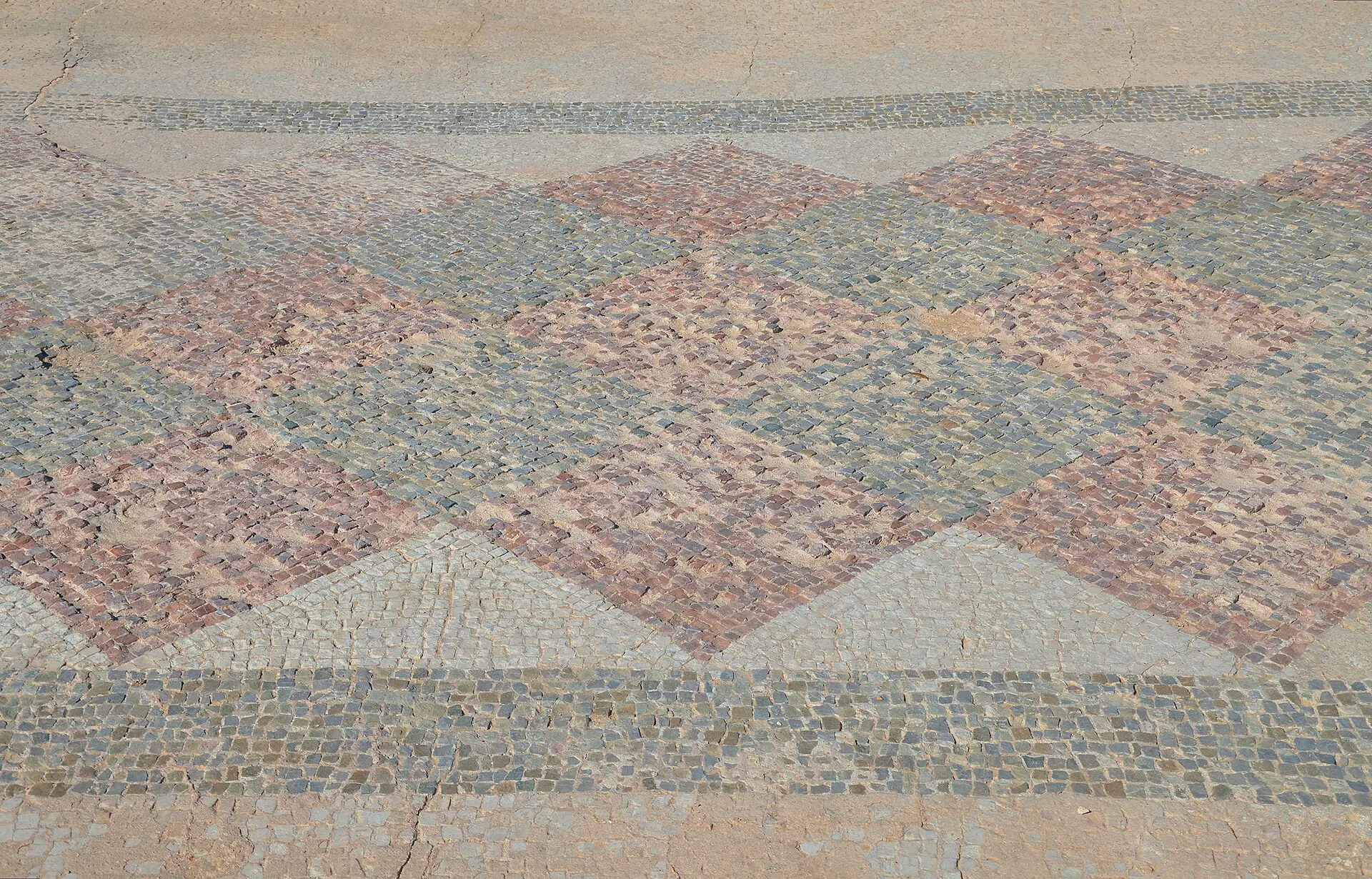
Paphos
Paphos on the southwest coast is a UNESCO site, with Roman mosaics in the Archaeological Park, the Tombs of the Kings and a harbour fort. It is a good base for the Akamas peninsula and nearby beaches.
Limassol
Cyprus’s second city combines a seafront promenade, a medieval castle, a marina and the nearby ruins of Kourion. It is lively, modern and the centre of the wine trade.
Ayia Napa and Protaras
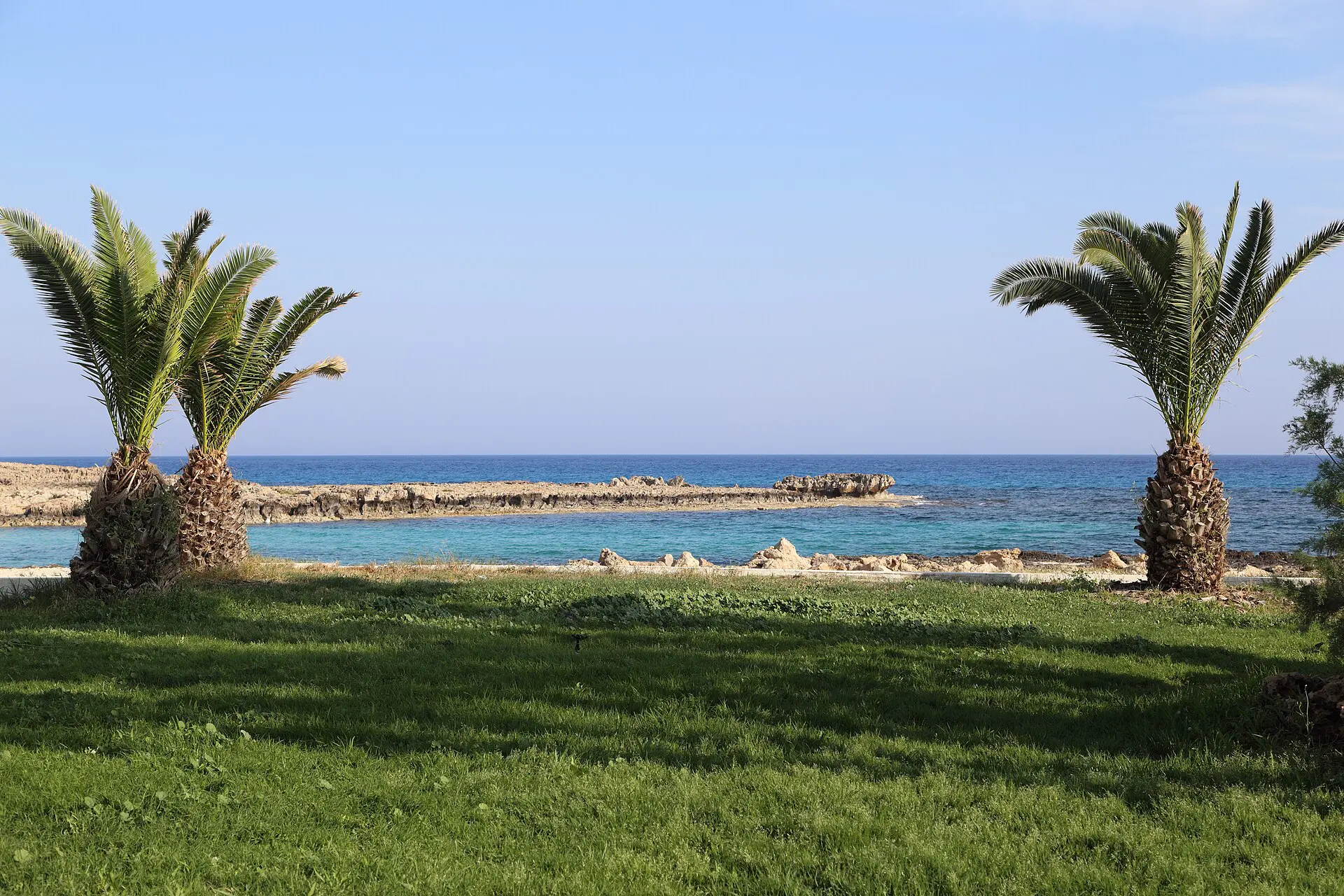
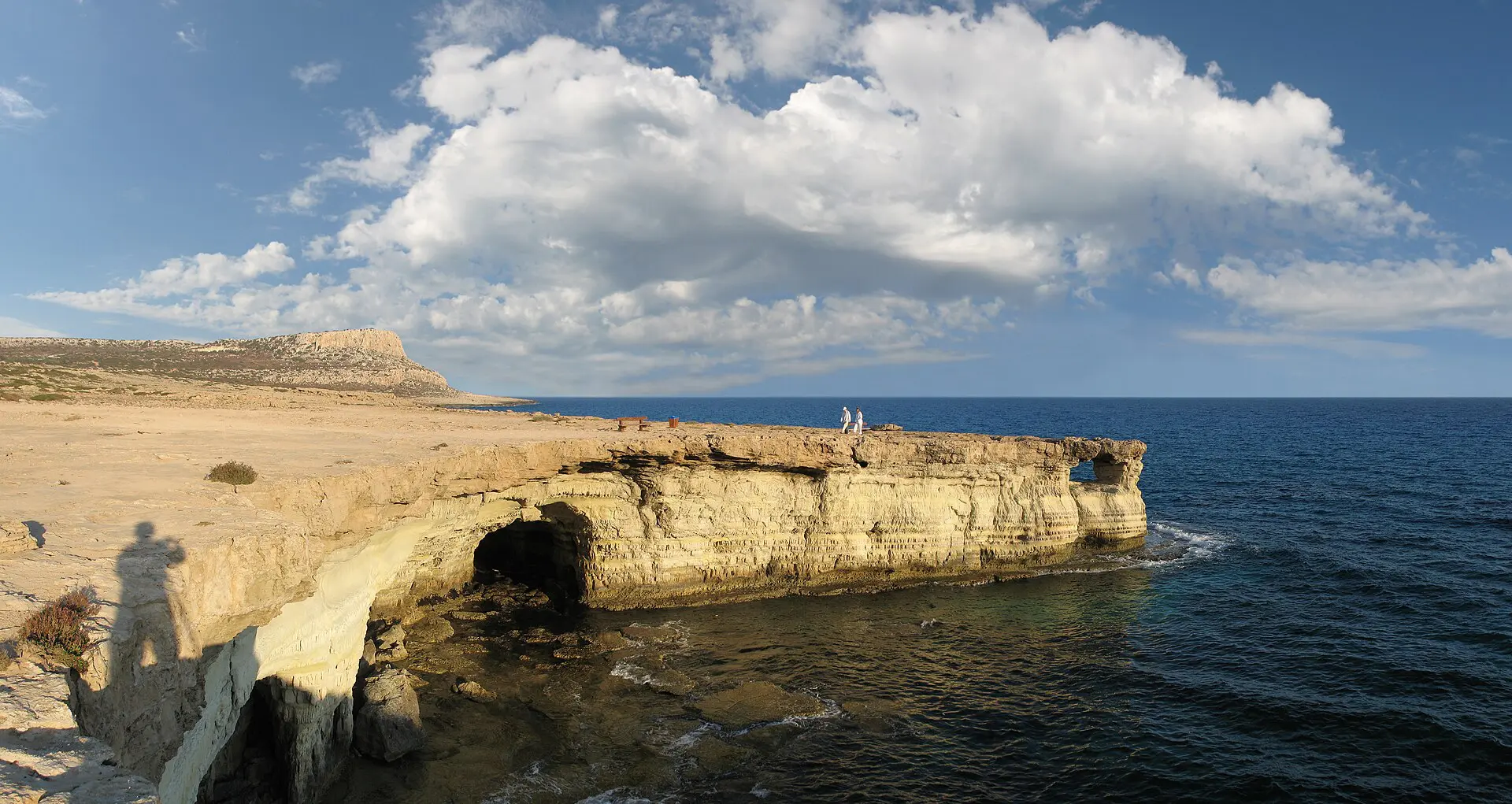
The east has the island’s most famous sandy beaches, including Nissi Beach and Cape Greco, with caves and clear water for swimming and snorkelling.
Troodos Mountains
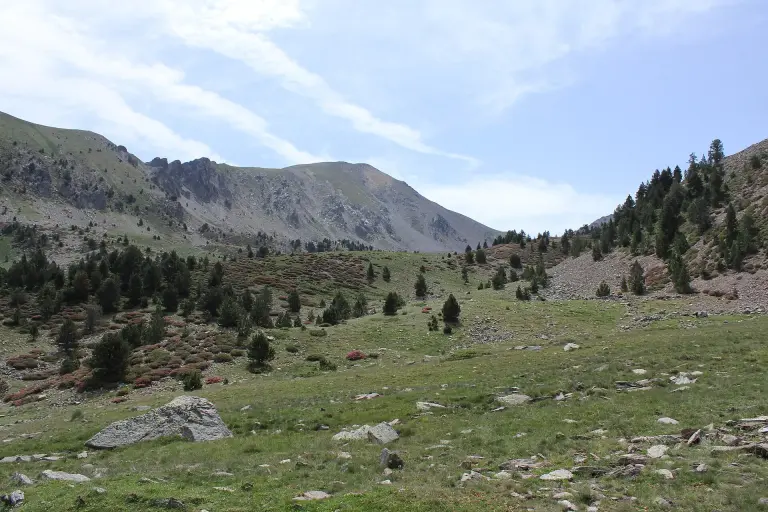
The cool highlands hold wine villages, trails and ten painted Byzantine churches that form a UNESCO site. It is the best escape from summer heat.
Larnaca
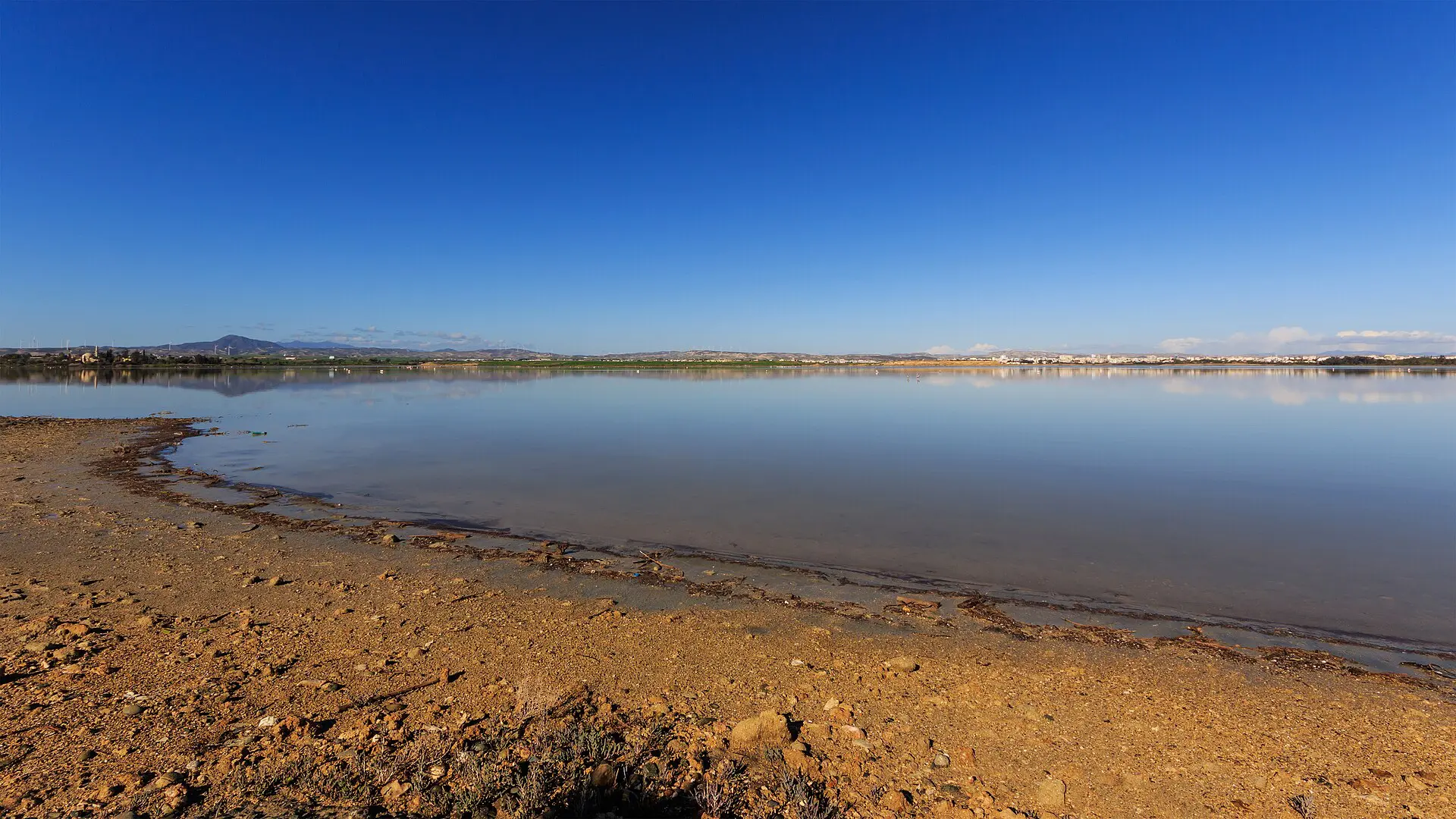
Larnaca has the main airport, a palm-lined seafront, the Church of Saint Lazarus and a salt lake that hosts flamingos in winter.
Nicosia
Nicosia has a walled Venetian old town, museums and the crossing points to the north, which are open to visitors with ID.
Top things to do in Cyprus
The top things to do in Cyprus combine swimming, ancient sites and mountain scenery, and most can be reached in a day trip from any base.
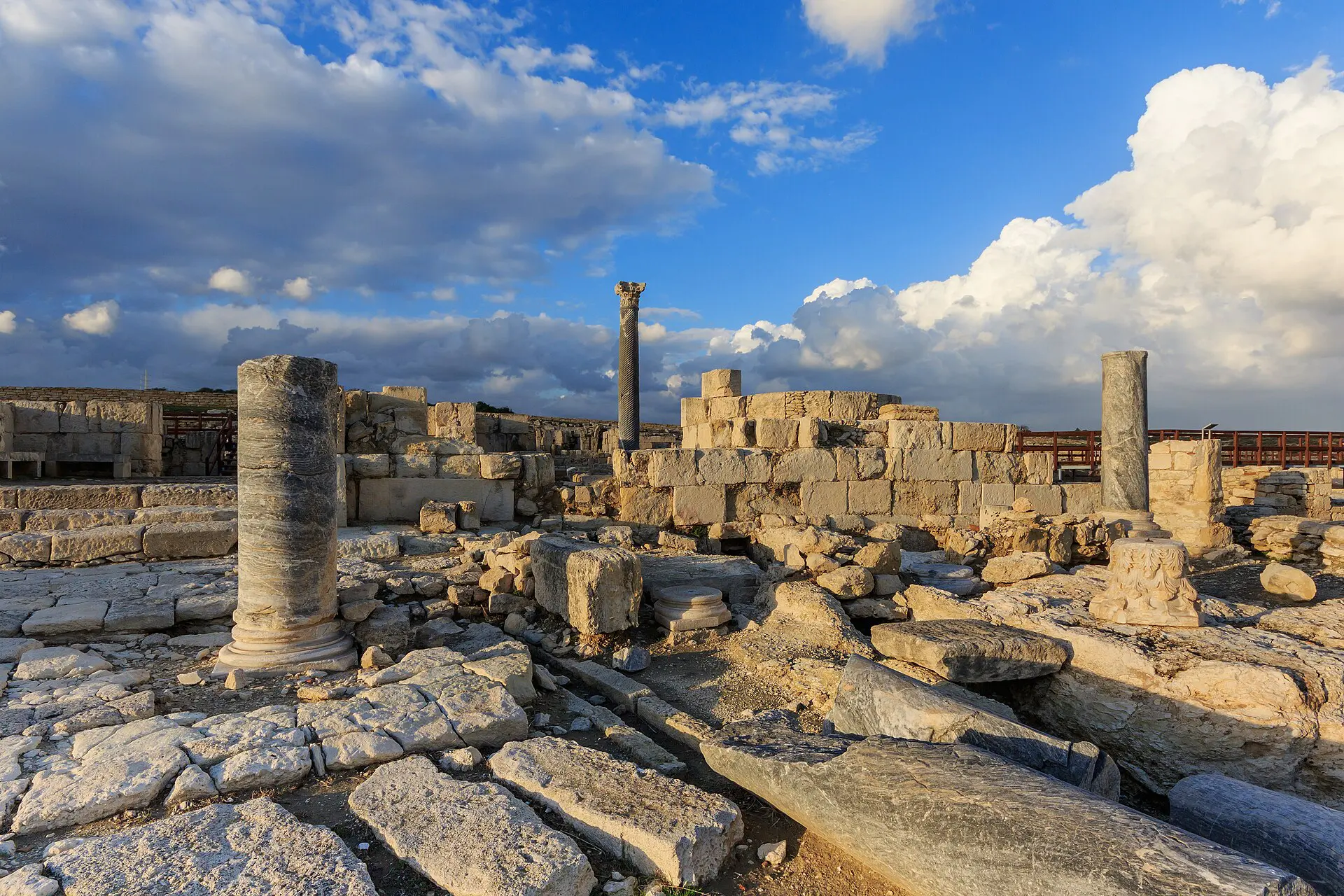
- See the Paphos mosaics: the House of Dionysos and nearby villas hold some of the finest Roman floors in the Mediterranean.
- Explore Kourion: a Greco-Roman city on a cliff above the sea, with a restored theatre used for performances.
- Swim at Nissi Beach or Cape Greco: clear water and sea caves for snorkelling and boat trips.
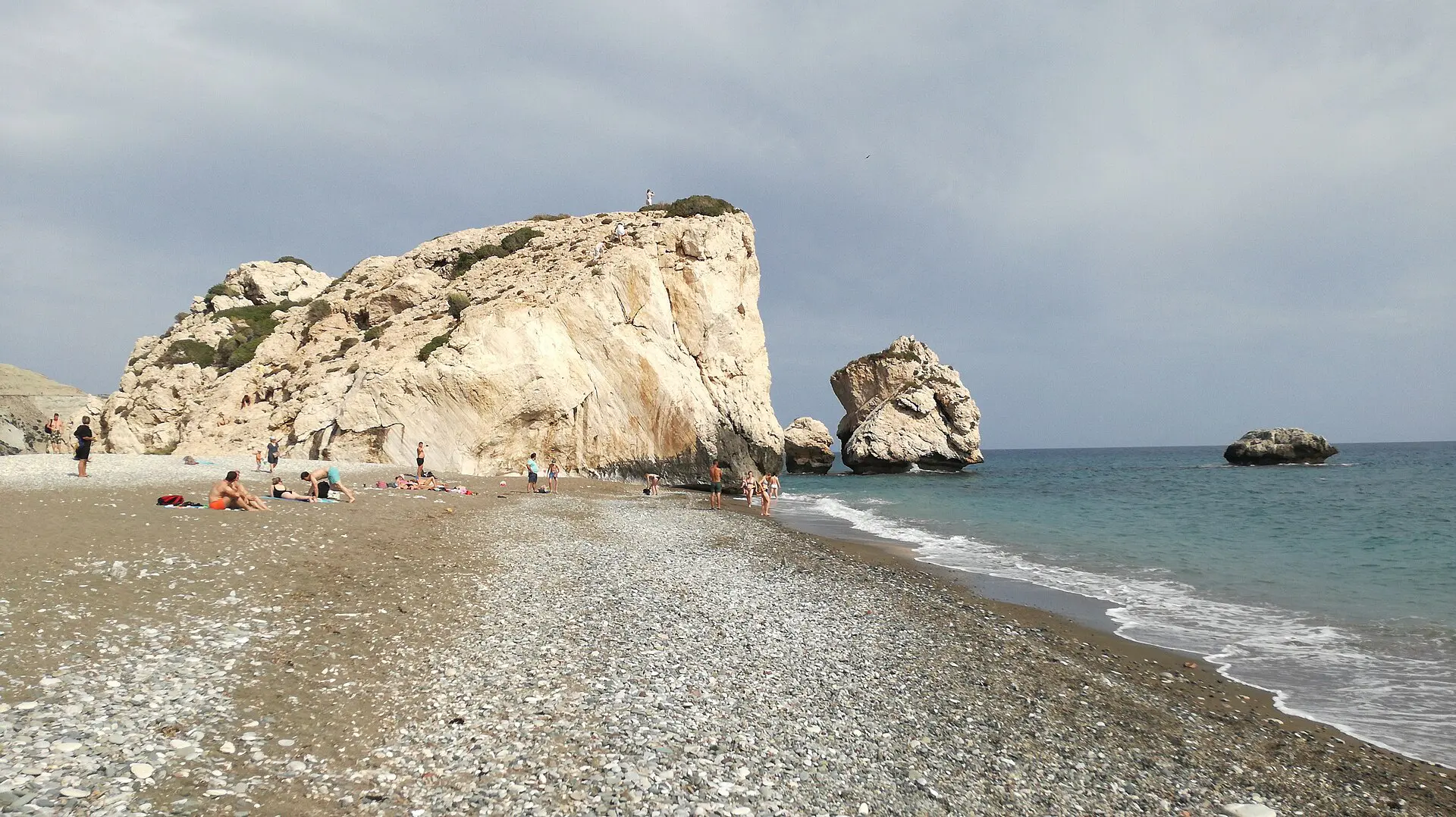
- Visit Aphrodite’s Rock: the legendary birthplace of the goddess, on the road between Limassol and Paphos.
- Walk in the Troodos: a network of trails, including the Caledonia waterfall, leads through pine forest.
- Tour painted churches: Panagia tou Araka and other small chapels hold frescoes that survive from the Byzantine era.
- Hike the Akamas peninsula: wild coastline and the Blue Lagoon, reached by trail or boat.
- Taste wine and Commandaria: village wineries offer tastings, and Commandaria is among the world’s oldest named wines.
- Visit Lefkara: a hill village known for lace and silver.
- Cross the Green Line in Nicosia: walk across Ledra Street to see the other side of the divided city.
Best time to visit Cyprus
The best time to visit Cyprus is April to June and September to October, when the days are warm and sunny, the sea is comfortable for swimming and crowds are lighter than in high summer. July and August are very hot, often above 35 C inland, and the most expensive. Winters are mild on the coast, and the Troodos can see snow, so Cyprus works for a winter break, though some resort businesses close.
| Season | Weather | Crowds and prices | Good for |
|---|---|---|---|
| Spring (Mar-May) | Warm, wildflowers, sea still cool in March | Moderate, rising by May | Hiking, ruins, sightseeing |
| Summer (Jun-Aug) | Hot and dry, 32-40 C inland | Highest prices and crowds in July-August | Beaches, boat trips, mountains |
| Autumn (Sep-Oct) | Warm, sea at its warmest | Falling | Swimming, wine harvest, culture |
| Winter (Nov-Feb) | Mild coast, rain, snow in Troodos | Low outside holidays | City breaks, walking, skiing |
Sea temperatures peak in August and September, and by April the water is still cool for many swimmers.
Is Cyprus safe?
Yes, Cyprus is safe to visit for most travellers, and crime rates are low. The main risks are summer heat, sun exposure, wildfires and traffic. Check your government’s current travel advice, such as the UK FCDO or US State Department pages, before you book.
Divided island. The Republic of Cyprus controls the south, while the northern third is administered by the Turkish Cypriot authorities and is not internationally recognised. A UN buffer zone separates them. Crossing points in Nicosia and elsewhere are open to most visitors with a passport or ID. Do not photograph military zones or enter the buffer zone away from official crossings.
Heat and fire. Summer wildfires occur, especially in the Troodos foothills and Paphos district. Follow local instructions, never light fires and carry water on hikes.
Roads and sea. Traffic drives on the left, and mountain roads are narrow. Check beach flags and avoid swimming alone, and watch for strong currents and jellyfish.
Theft. Petty theft from cars and beaches is the most common crime. Do not leave valuables in parked cars.
Visa and entry requirements for Cyprus
Cyprus is a European Union member but is not yet in the Schengen Area, so its entry rules differ slightly from nearby countries. Many nationalities, including citizens of the UK, US, Canada and Australia, have been able to visit for short stays without a visa, sometimes after registering online for a travel authorisation, but this depends on your passport, so confirm the current rule with the Cyprus Ministry of Foreign Affairs or your nearest embassy.
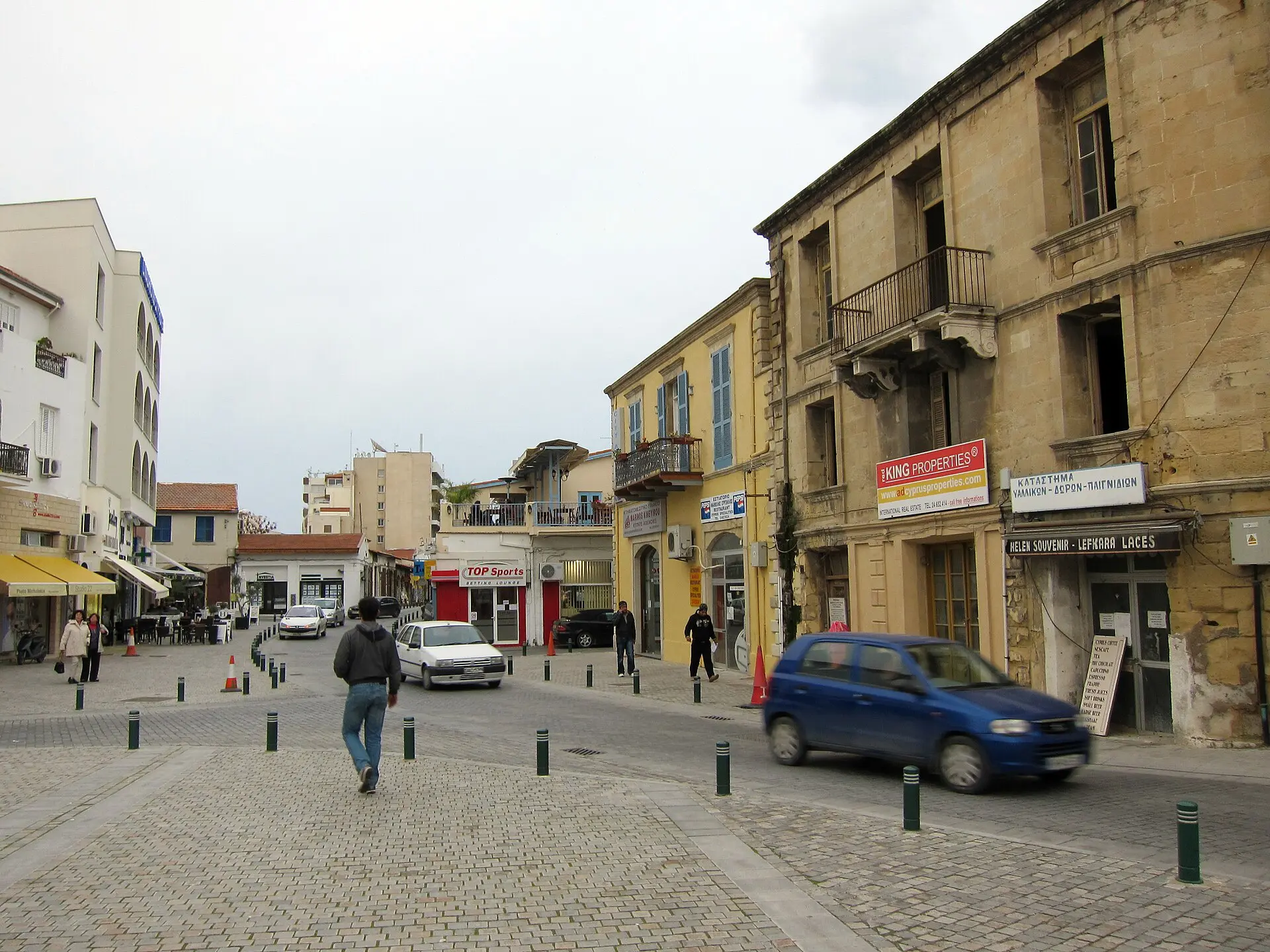
Carry a passport valid for your stay, and keep proof of accommodation and return travel. EU citizens can enter with an ID card. The EU’s new entry and exit checks and ETIAS may affect visitors during the coming years, so check the official EU sources for the status of both.
If you plan to cross to the north, you will pass through a checkpoint and usually need your passport. Entry through ports and airports in the north, such as Ercan, is considered illegal by the Republic of Cyprus, so enter via the south if you intend to visit both parts. Heritage planners can see the UNESCO page for Cyprus, though it does not cover entry rules.
Getting to and around Cyprus
The Republic of Cyprus has two international airports, Larnaca (LCA) and Paphos (PFO), with many direct flights from European cities and seasonal charters. There are no scheduled passenger ferries to the mainland, apart from occasional cruise or special services, so most visitors arrive by air.
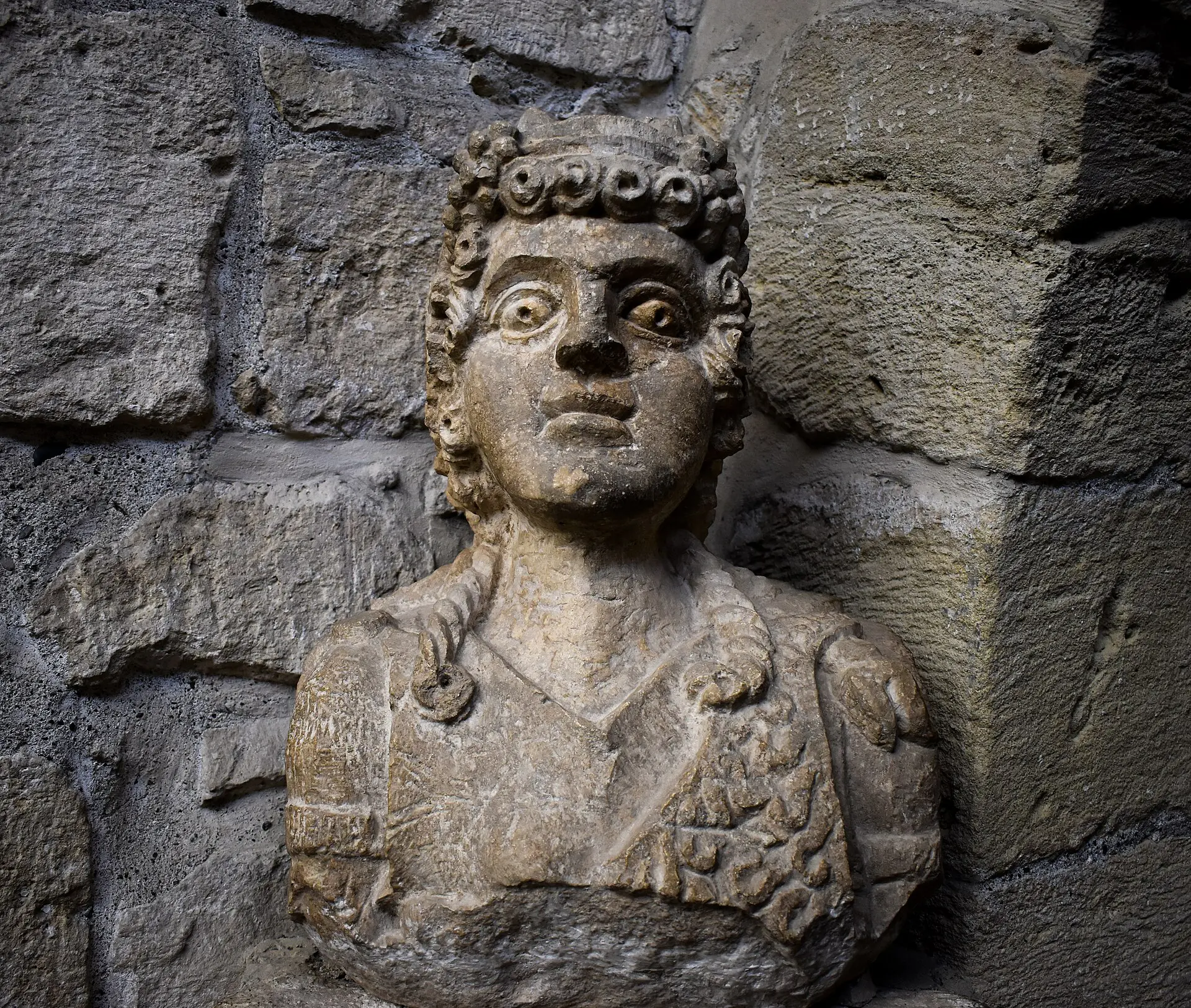
Public transport is limited. Intercity buses connect Larnaca, Limassol, Paphos and Nicosia, and are cheap but slow and infrequent in the evenings and on Sundays. Shared service taxis link the main cities on fixed routes and are faster. There is no passenger railway.
A rental car is the most practical way to reach the Troodos, Akamas and beaches. Driving is on the left, as in the UK, and roundabouts are common. The main motorways link Larnaca, Limassol and Paphos, and the drive from Larnaca to Paphos takes about an hour and a half. Mountain roads are narrower and slower, so allow extra time and avoid driving them at night. Check that your rental agreement covers any trip across the buffer zone.
How much does a trip to Cyprus cost?
Cyprus uses the euro (EUR) and is generally more expensive than Greece or Turkey but cheaper than Western Europe’s main resort countries. Figures below are rough per-person guides for the 2026 season, and cost most in July and August.
- Budget: around EUR 50 to 80 per day, with hostel or simple apartment rooms, bakery and souvlaki meals and buses.
- Mid-range: around EUR 90 to 160 per day, with a hotel or apartment, restaurant meals and a rental car or taxis.
- High-end: from around EUR 250 per day, with beachfront hotels in Limassol or Paphos and private tours.
Accommodation is the biggest cost driver, and resort prices peak in summer and at Easter. Car rental is relatively cheap compared with much of Europe, but fuel is not. Meze dinners offer good value for groups, and many archaeological sites charge modest entry fees. Many beaches are free, although sunbed rental is charged at organised ones.
Cyprus food and drink
Cyprus food blends Greek and Turkish traditions with Levantine touches, built on grilled meat, halloumi, olive oil, herbs and seasonal vegetables. The best way to eat is a meze, a spread of many small dishes shared at a table.
- Meze: a procession of dips, salads, grilled meats, fish and sweets, usually ordered as a set menu.
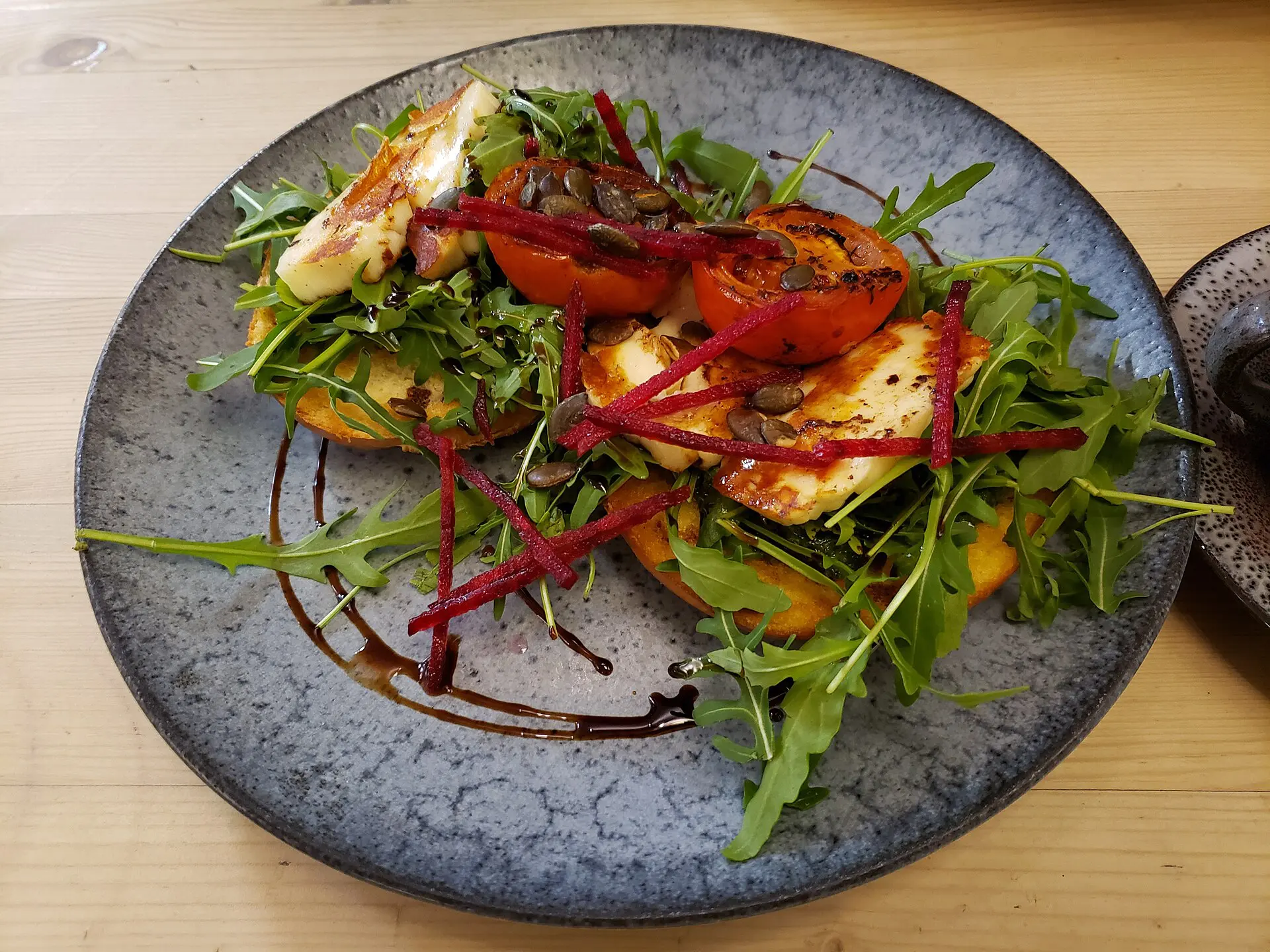
- Halloumi: a firm brined cheese grilled or fried, and a protected product of Cyprus.
- Souvlaki and sheftalia: skewered pork or chicken, and herbed minced-meat sausages served in pitta.
- Kleftiko: lamb baked slowly in a sealed clay oven until it falls from the bone.
- Loukoumades: fried dough balls served with honey and cinnamon.
- Commandaria: a sweet dessert wine from the Troodos foothills, among the oldest named wines in the world.
- Zivania and Cypriot coffee: a strong grape spirit and thick, sweet coffee served in small cups.
Tavernas in villages offer better value than seafront restaurants. Vegetarians do well, as meze includes many vegetable dishes, pulses and cheese, and vegan options are growing in cities.
Culture, language and etiquette in Cyprus
Greek and Turkish are the official languages, with Greek spoken in the south and Turkish in the north. English is widely spoken, a legacy of British rule that ended in 1960, and is common in signs, menus and business. Useful Greek words include efharisto (thank you) and kalimera (good morning).
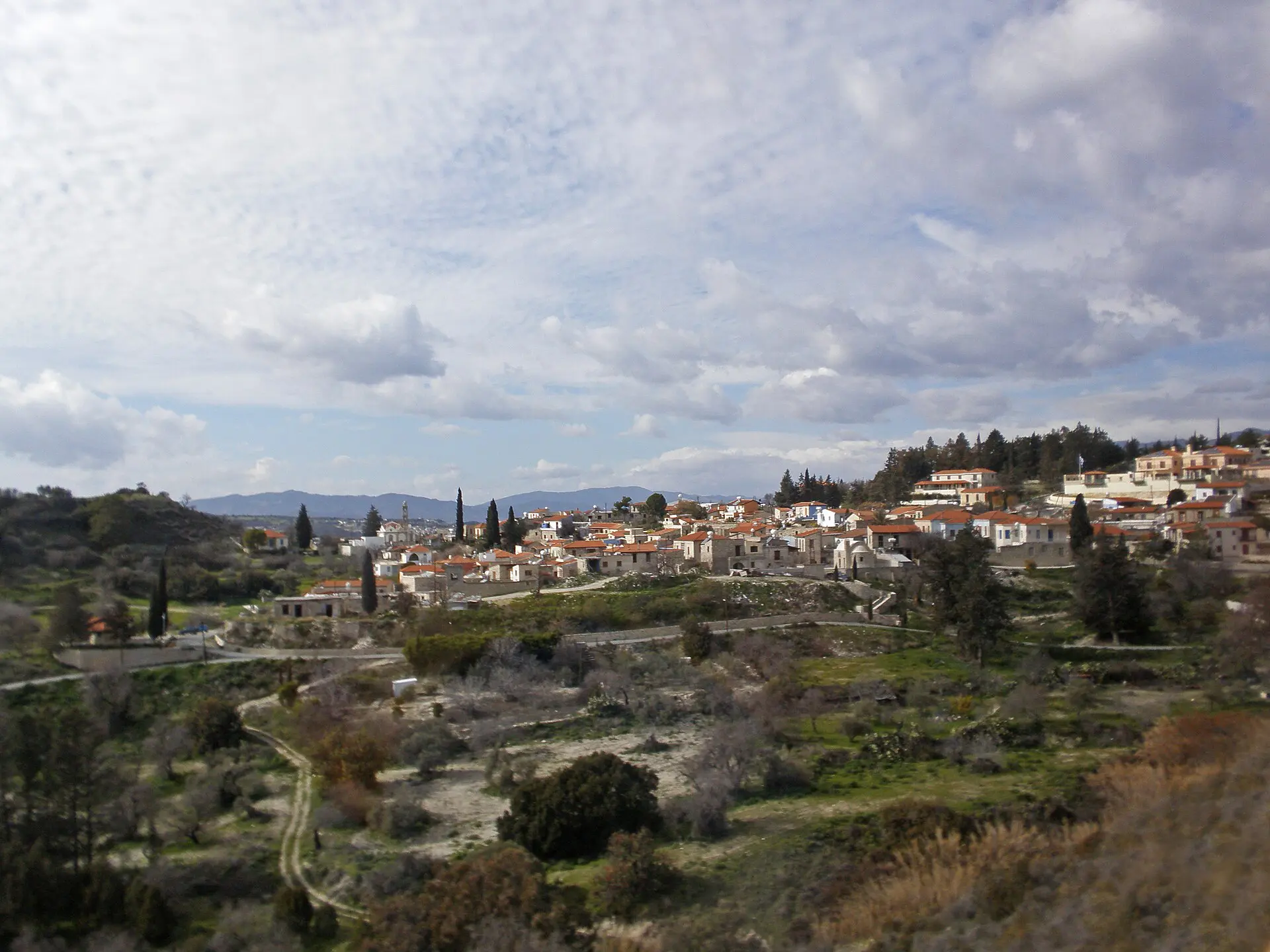
Cypriots are hospitable, and families gather for long meals. Orthodox Christianity is the main faith among Greek Cypriots, and Islam among Turkish Cypriots. Dress modestly in churches, monasteries and mosques, covering shoulders and knees, and remove shoes in mosques.
The division of the island remains politically sensitive. Avoid taking sides, and refer to places by the names you hear locally. Respect the buffer zone and military signs. Tipping around 10 percent is common. Evening life starts late in summer, and siesta hours may close shops in the early afternoon in smaller villages. Do not drink and drive, as penalties are strict.
Cyprus itinerary: a 7-day route
This route follows the south of the island by rental car, with a mix of coast, ruins and mountains.
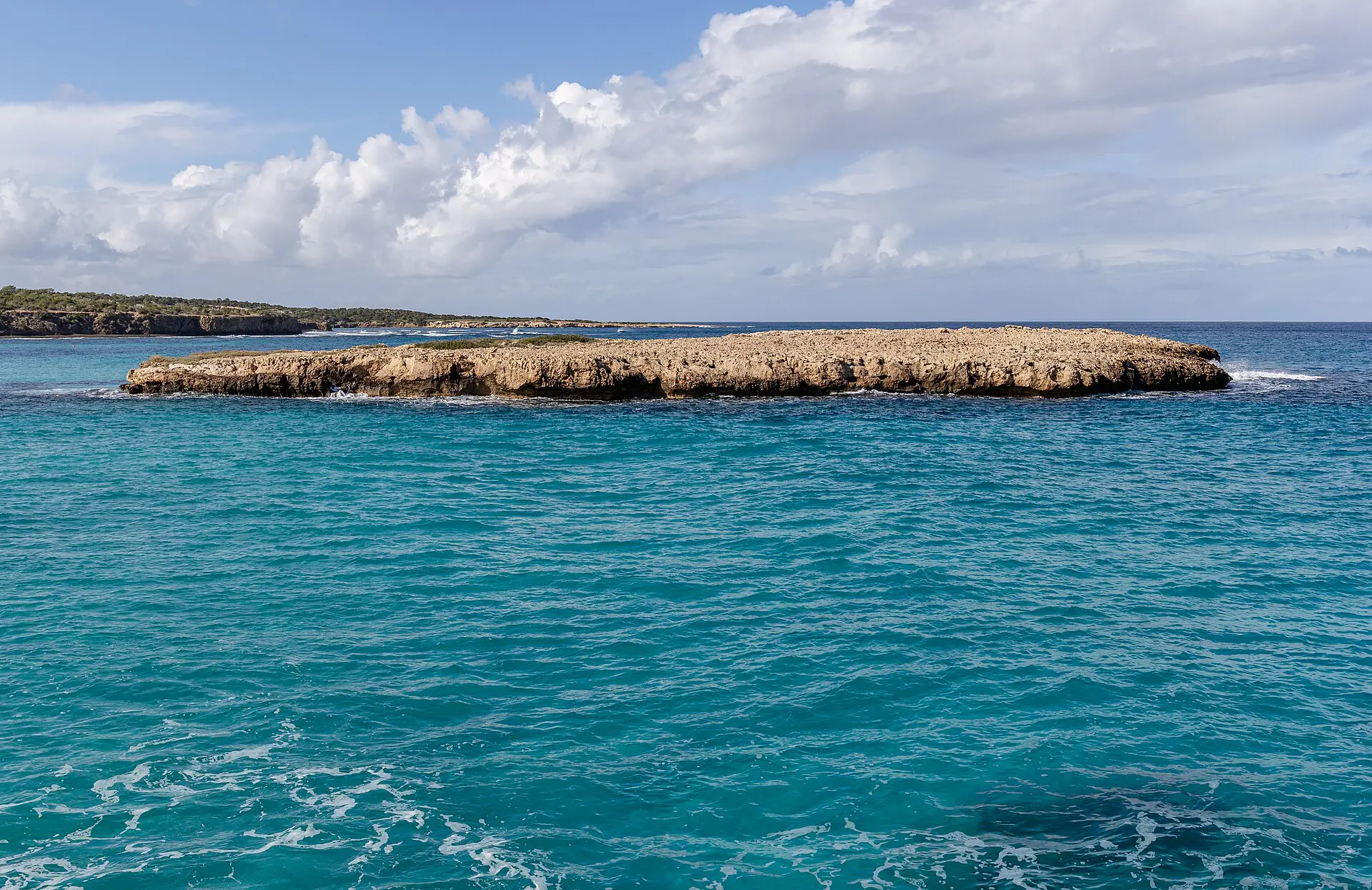
- Day 1, Larnaca: arrive, walk the seafront, and visit the Church of Saint Lazarus.
- Day 2, Ayia Napa and Cape Greco: drive about 45 minutes east, swim at Nissi Beach and see the sea caves.
- Day 3, Nicosia: visit the old town and walk across Ledra Street, about an hour from Ayia Napa.
- Day 4, Troodos: drive into the mountains, visit a painted church and walk to the Caledonia waterfall.
- Day 5, Limassol and Kourion: descend to the coast, see Kourion and stroll the seafront.
- Day 6, Paphos: stop at Aphrodite’s Rock, then see the mosaics and the Tombs of the Kings.
- Day 7, return: allow about one and a half hours to Larnaca airport, or fly from Paphos.
With extra days, add the Akamas peninsula and the Blue Lagoon. In winter, replace the beach stops with Troodos walks and museum visits.
Practical tips for Cyprus
- Money: the euro is the currency in the Republic of Cyprus, and cards are widely accepted. The north uses the Turkish lira, though euros are often taken. ATMs are plentiful in towns.
- SIM and eSIM: prepaid SIMs and eSIMs are cheap and coverage is good in the south. Roaming in the north may be treated differently from EU roaming, so check your plan.
- Plugs: type G at 240 V, the same as in the UK. Visitors from continental Europe will need an adapter.
- Tipping: service is sometimes included, and about 10 percent for good service is customary.
- Health: bring insurance, sunscreen, a hat and plenty of water. Tap water is safe but often tastes strongly of minerals, so many people buy bottled.
- Packing: light clothes, a fleece for the mountains, walking shoes and swimwear. Winters can be cool and wet.
- Booking: reserve rooms for July, August and Easter in advance, and rent a car early for summer travel.
For wider background, see the Wikivoyage Cyprus guide.

FAQ
Q1What are the best things to do in Cyprus?
Top things to do include seeing the Roman mosaics in Paphos, exploring Kourion, swimming at Nissi Beach or Cape Greco, walking in the Troodos, visiting painted churches, hiking the Akamas peninsula, tasting halloumi and meze and crossing the Green Line in Nicosia.
Q2Is Cyprus safe?
Yes, Cyprus is very safe for visitors, with low violent crime. The main risks are summer heat, wildfires, sea currents and driving on the left. Do not enter the UN buffer zone away from official crossings, and check your government's travel advice before you go.
Q3What is the best time to visit Cyprus?
April to June and September to October are best, with warm weather and a comfortable sea. July and August are very hot, crowded and expensive. Winters are mild on the coast with some rain, and the Troodos can have snow.
Q4What is Cyprus food like?
Cyprus food mixes Greek, Turkish and Middle Eastern influences. Try meze, halloumi, souvlaki, sheftalia, kleftiko, loukoumades and Commandaria wine. Village tavernas offer the best value, and vegetarians can eat well from the many vegetable and cheese dishes.
Q5Is Cyprus safe to visit with the north-south division?
Yes. Most visitors cross at official checkpoints in Nicosia and elsewhere with a passport, and day trips to the north are common. Do not enter via north-side ports or airports if you plan to visit the south, as the Republic treats them as illegal entry points.
Q6How many days do you need in Cyprus?
Seven days covers Larnaca, Ayia Napa, Nicosia, the Troodos, Limassol and Paphos by car at a comfortable pace. A long weekend works for a base in Paphos or Limassol with day trips. Add three days for the Akamas peninsula and the north.
Q7Do I need a visa for Cyprus?
It depends on your nationality. Cyprus is in the EU but not Schengen, and many travellers can enter visa-free for short stays, sometimes with an online authorisation. Check the official sources for your passport before booking, as EU entry rules are changing.