Why visit Toledo
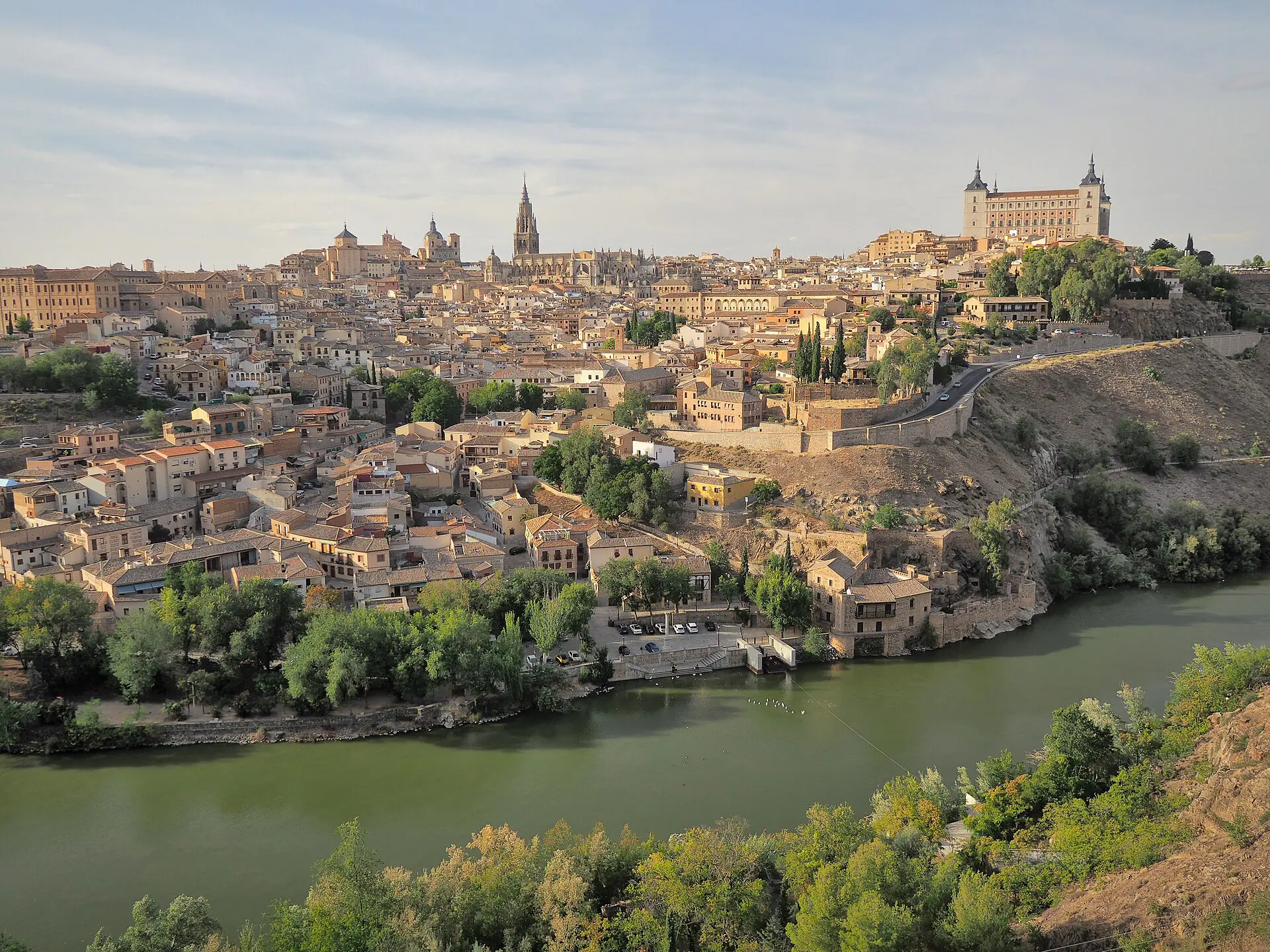
If you are planning things to do in Toledo, Spain, the short version is: come for the compact historic centre and the setting. The city sits on a hill in a bend of the Tagus river in central Spain, and it was designated a UNESCO World Heritage Site in 1986.
Toledo was a Roman city, the capital of the Visigothic Kingdom, and later a major cultural centre under Muslim rule, where productive exchanges took place between the Islamic world and Latin Christendom. After the Christian conquest in 1085, it stayed open to Muslim and Jewish influences for generations. The Spanish court moved to Madrid in the 16th century, and Toledo kept its old fabric.
That layering is the draw. The cathedral, the Alcazar and a number of former synagogues and mosques sit within a few minutes of each other. Streets are cobbled, steep and crowded at midday. It is a very worthwhile day trip from Madrid.
Top things to do in Toledo
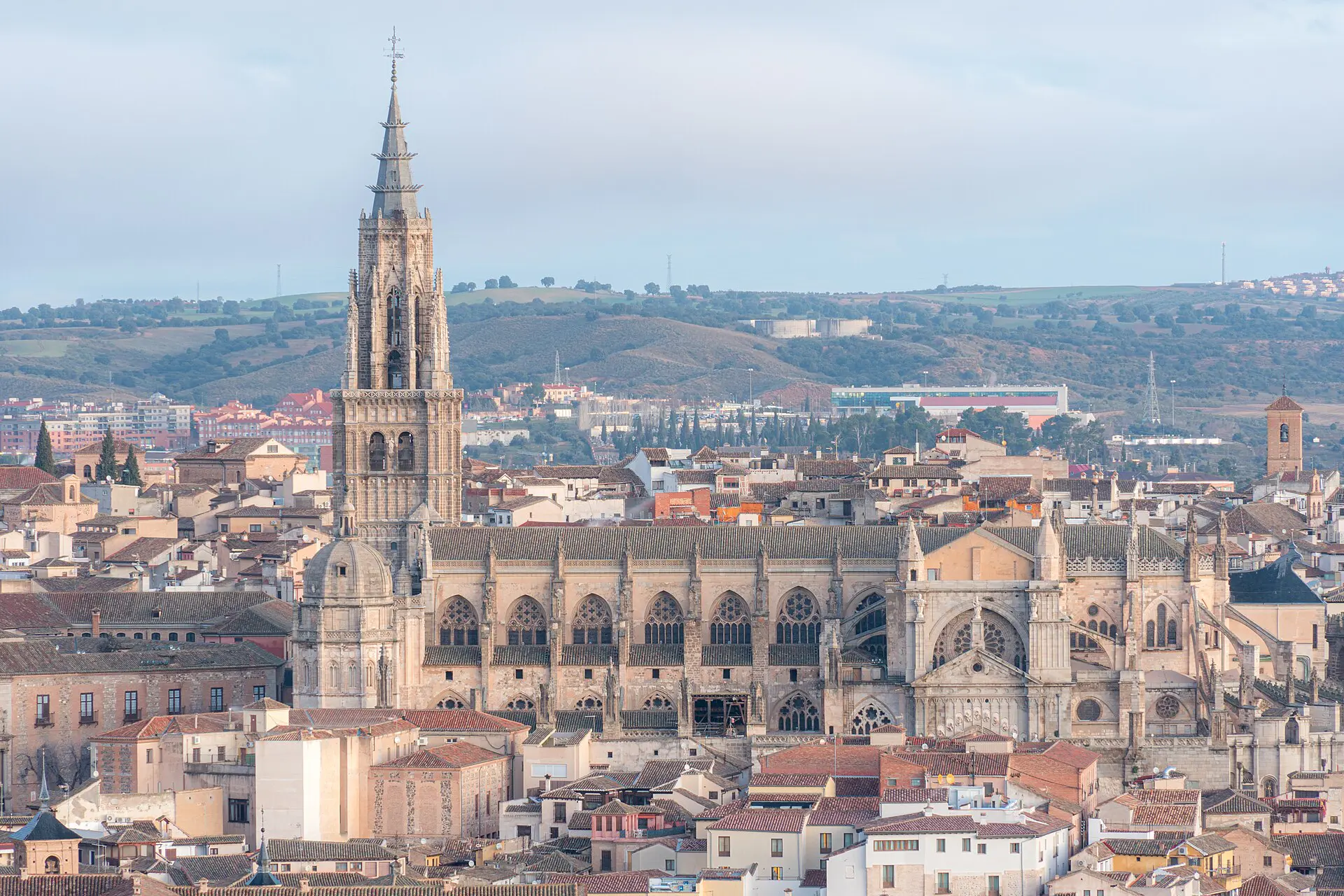
Toledo Cathedral
The 13th century Gothic cathedral is the city’s main monument, with an ornate interior, a treasury and a choir. Allow one to two hours. Dress modestly, check opening hours and ticket arrangements, and note that parts may close for services.
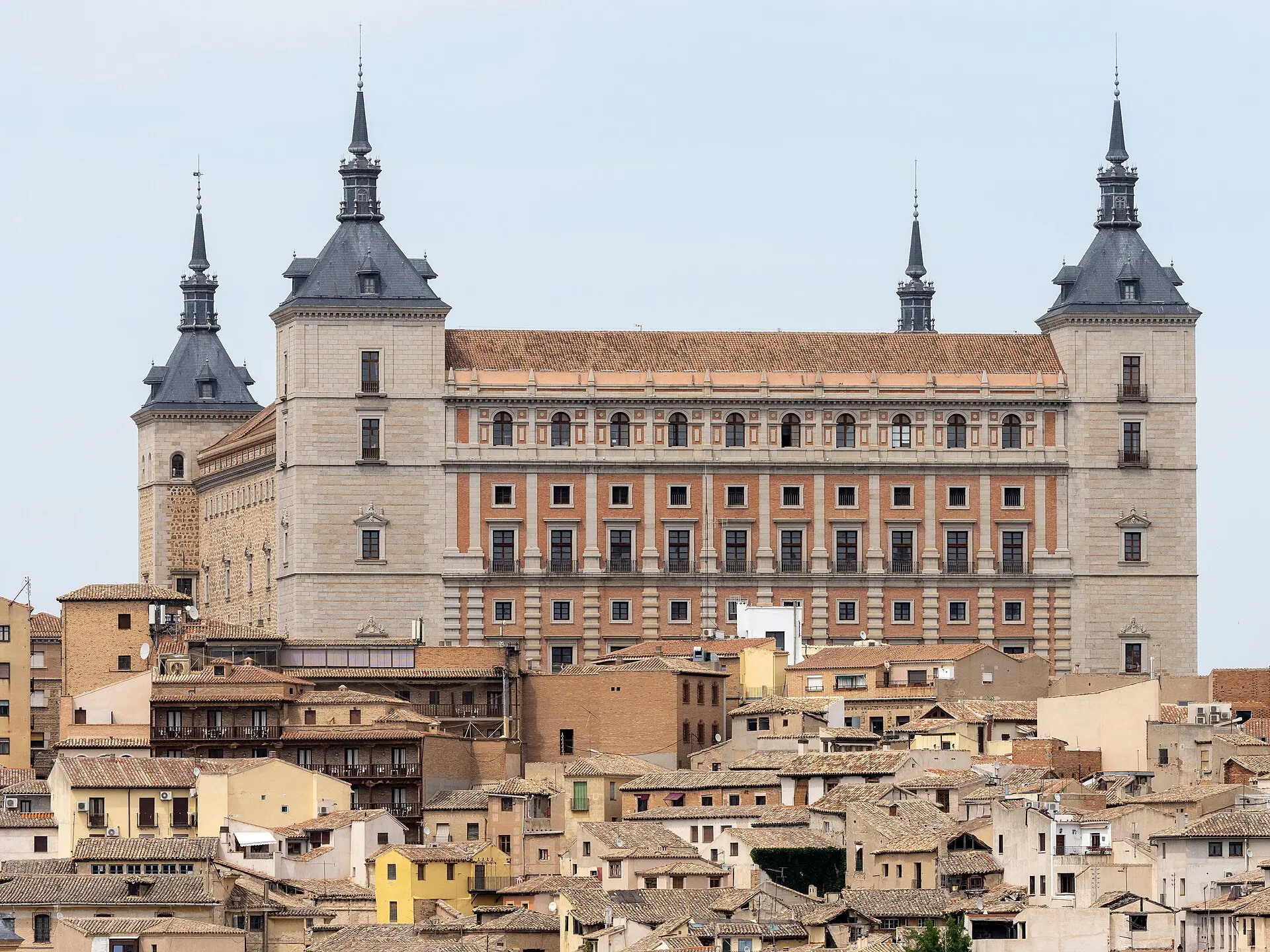
Alcazar
The fortress on the hilltop dominates the skyline and has a long history of rebuilding. Today it houses a military museum. Allow an hour or two, and check opening days and the price, as some days may be free or closed.
Synagogue of Santa Maria la Blanca
This former synagogue has horseshoe arches and white columns that show a mix of styles. Allow 30 minutes. It is small, so visit early or late, and check the current ticket and opening hours.
Synagogue of El Transito and Sephardic Museum
Another former synagogue, with detailed plasterwork, also houses a museum of Jewish history in Spain. Allow 45 minutes. Many visitors combine it with Santa Maria la Blanca on a single route.
Monastery of San Juan de los Reyes
This late Gothic monastery has a cloister and decorated church, built in the late 15th century. Allow 45 minutes. Consider a combined ticket that covers several monuments if one is available.
Puente de San Martin and viewpoints
The old bridge across the Tagus gives views back to the city, and viewpoints on the opposite bank give the classic skyline. Allow an hour. A walk along the riverside path is easy in cooler months but can be hot in summer.
Roman circus and the Zocodover
The remains of a Roman circus lie just outside the walls, and the Plaza de Zocodover is the main square, a convenient meeting point and bus stop. Allow an hour for both. Be aware that the old town has some cars despite narrow lanes.
Best time to visit Toledo
Toledo has a continental climate with very hot summers and cold winters. Spring and autumn are the most comfortable for walking its steep streets, with mild days and good light. Summer can be extremely hot in the middle of the day, so start early and rest in the afternoon. Winter is chilly and sometimes frosty, but quiet. Easter Week and Corpus Christi in early summer are major local events and draw crowds, so book ahead.
| Season | Weather | Crowds and prices |
|---|---|---|
| Spring (March-May) | Mild, pleasant | Busy at Easter |
| Summer (June-August) | Very hot, dry | Busy days, quiet evenings |
| Autumn (September-November) | Mild, cooler | Moderate, good value |
| Winter (December-February) | Cold, sometimes frosty | Quiet, lower prices |
How to get to Toledo and around
Most people reach Toledo from Madrid. High-speed trains from Madrid’s Atocha station take around half an hour, with other regional services taking longer, and buses from Madrid are another option. The station is a short walk or bus ride from the old town, and the climb is steep, so many visitors use a local bus or taxi for the first leg.

Inside the walls, the best way to see Toledo is on foot, in comfortable shoes with good grip, because the lanes are steep and cobbled. Escalators near the edge of the old town help with some of the climb. Local buses link the station, the main square and viewpoints, and tourist trains and open-top buses tour the outskirts. Driving in the old town is not recommended.
Where to stay in Toledo
Staying overnight lets you see Toledo in the evening and early morning, when day visitors have left.
- Old town: guesthouses and small hotels in historic buildings, close to the cathedral and Alcazar. Suits couples and travellers who want atmosphere, though access with luggage can be awkward.
- Near the Zocodover: central, with good bus access and restaurants. Suits first-time visitors and short stays.
- Across the Tagus: hotels and paradors with views of the old town skyline. Suit those who want views and a quieter setting, usually with a car.
- Station area and new town: modern, practical and often cheaper. Suit budget travellers who do not mind a short bus ride.
Book early for Easter and summer weekends.
How many days do you need?
One day covers the main monuments if you start early. Two days is more relaxed and lets you see the city in the evening. More than two days is only useful if you want to explore the surrounding region.
- Day 1: Arrive early, see the cathedral and Zocodover, and visit the synagogues and San Juan de los Reyes in the afternoon.
- Day 2: Alcazar in the morning, then walk the Tagus bridges and viewpoints before returning to Madrid.
Day trips and nearby
Madrid
Spain’s capital is the obvious base or onward stop, only around half an hour away by fast train. It has major museums, parks and restaurants, and works well on its own. Check train times and book ahead.
Aranjuez
This town south of Madrid has a royal palace and gardens and is reachable by train. Allow half a day. It makes a quieter alternative to the capital’s sights, and spring is a particularly pleasant time.
Segovia
Segovia, north of Madrid, has a Roman aqueduct and a fairy-tale castle. It is another popular day trip from the capital, and it is best seen as a separate outing rather than combined with Toledo.
Consuegra
Further south in La Mancha, this town is known for its hilltop windmills and castle. A car makes it simpler to reach. Check opening hours and allow half a day for the trip.
FAQ
Q1When is the best time to visit Toledo?
March to May and September to November offer mild weather for steep, cobbled streets. Summer midday heat can be severe, so start early, and winter is quiet but cold. Holy Week and Corpus Christi bring crowds and special events.
Q2How many days do you need in Toledo?
One day covers the cathedral, synagogues, Alcazar and viewpoints if you start early. Two days is more relaxed and lets you enjoy the old town in the evening after the day visitors leave, which many travellers find the best time.
Q3How do you get to Toledo from Madrid?
Take a high-speed train from Atocha, which takes around half an hour, or a regional train or bus, which takes longer. The station is a short walk or bus ride from the old town. Check timetables and book popular times ahead.
Q4Is Toledo worth visiting?
Yes, for travellers interested in history and architecture. Its cathedral, fortress and former synagogues, set on a hill above the Tagus, make it one of the most rewarding historic cities within easy reach of Madrid, though it can be crowded at midday.
Prices, schedules and entry rules change. Check current details with official sources before you travel. Read the Spain travel guide.