Why visit Tenerife
The things to do in Tenerife are varied enough that it works for beach holidays, walking trips and city breaks alike. It is the largest of the Canary Islands, a Spanish territory off the coast of northwest Africa, and it draws visitors from the United Kingdom, Scandinavia, Germany and mainland Spain throughout the year.
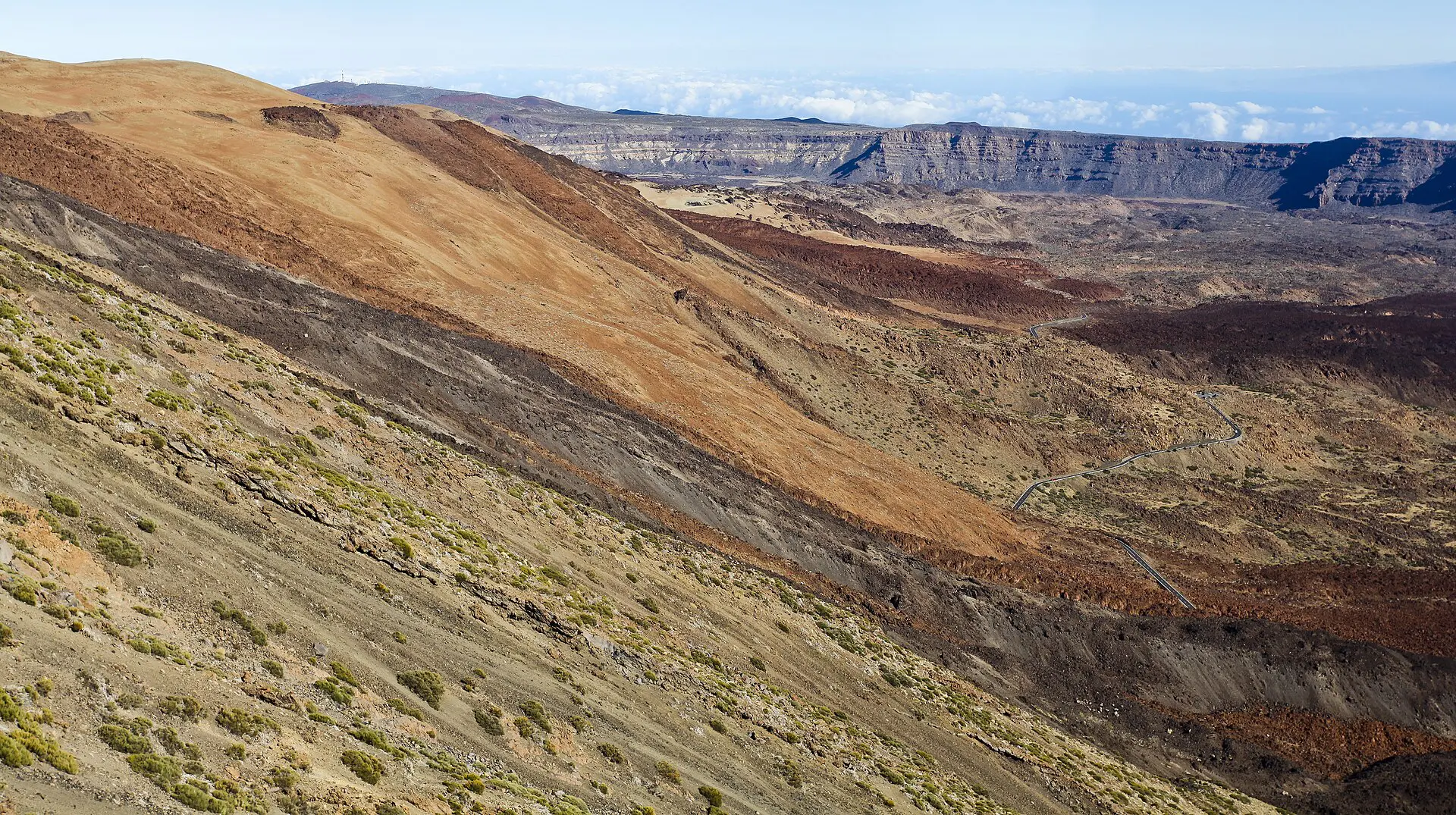
The island offers a wide range of landscapes within short drives of each other: lush forests, deserts, mountains, volcanic terrain and long stretches of coastline. The south is drier and sunnier, with the main resort areas, while the north is greener and more traditional.
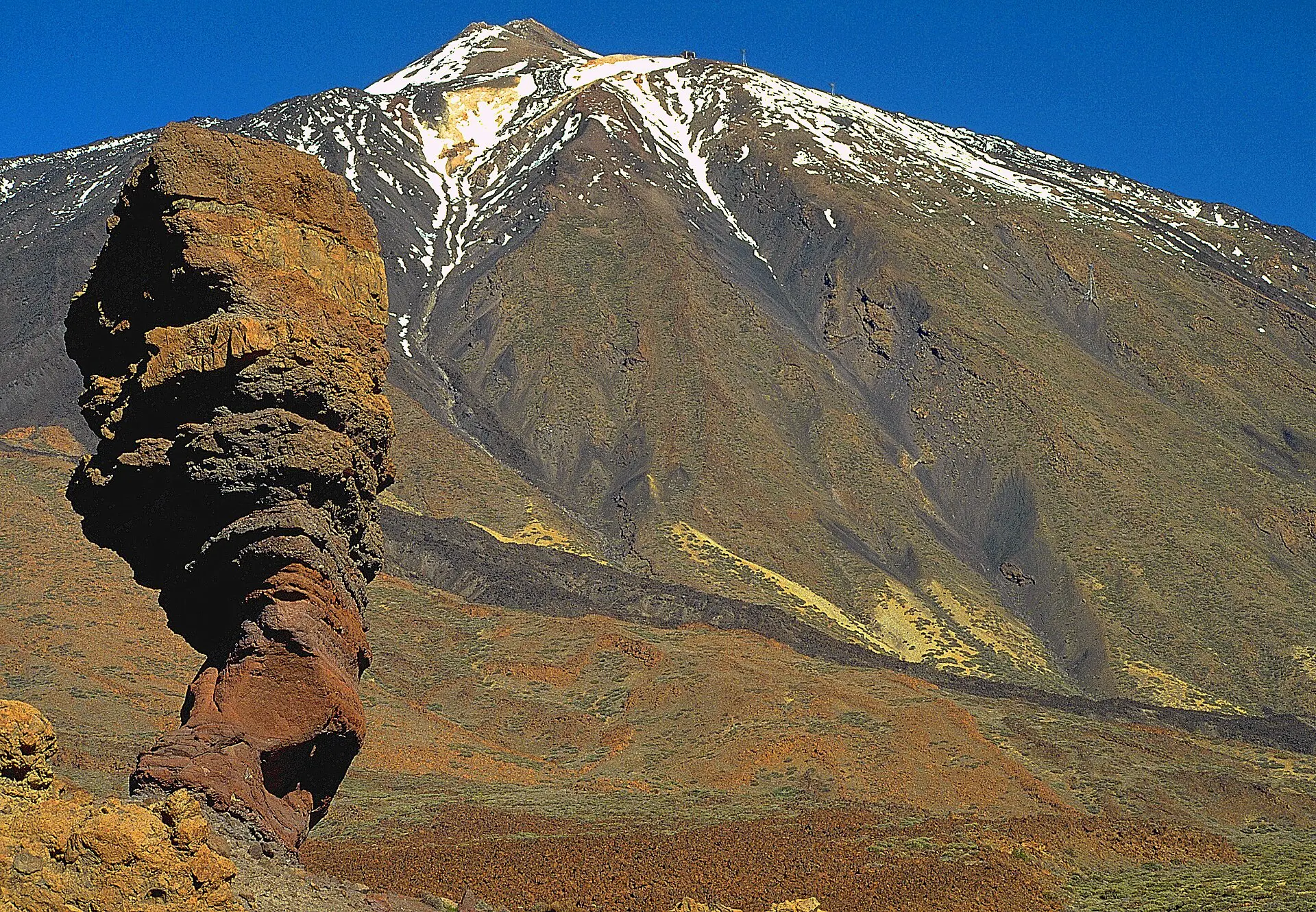
The centrepiece is Mount Teide, the volcano that dominates the interior and is Spain’s highest peak. Add a pair of historic towns, wine villages and good seafood, and you have a destination that rewards both a relaxed holiday and a more active trip.
Top things to do in Tenerife
Teide National Park
The volcanic landscape around Mount Teide includes lava fields, odd rock formations and a vast crater plain. You can drive through it in a morning, walk short trails, or take the cable car towards the summit. Book cable car tickets ahead and check permit rules for the final climb.
Masca and the Teno mountains
This remote village in the northwest is reached by a winding mountain road and is known for its gorge hike. Plan half a day for the drive and a walk, and check current trail conditions and access rules before setting out. Allow extra time for the narrow roads.
La Laguna
The old colonial town near Santa Cruz is a UNESCO World Heritage Site, with a grid of streets, colourful houses and churches. It is also a university town, with a lively evening scene. Plan two to three hours, and take the tram from Santa Cruz.
Anaga Rural Park
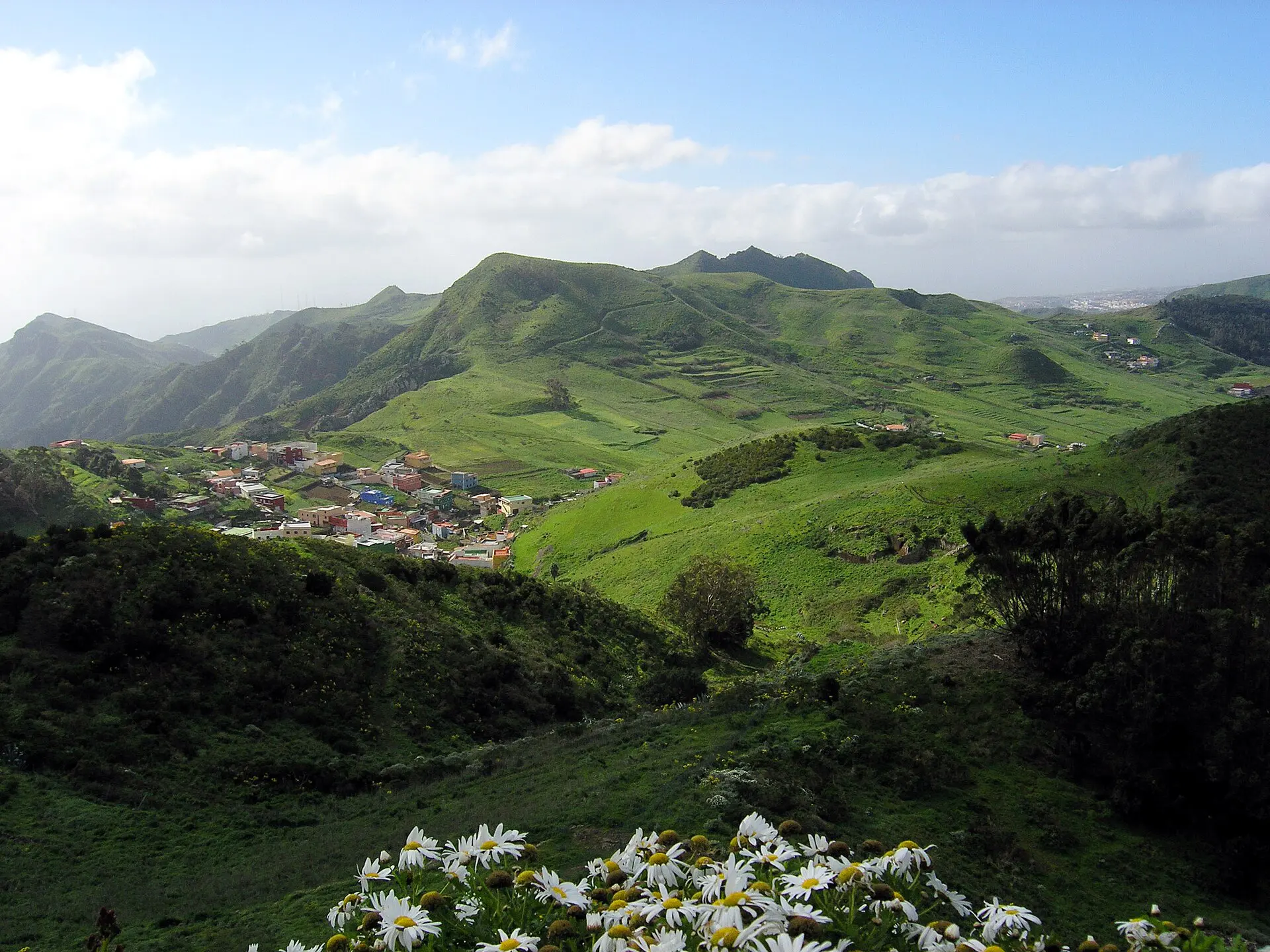
The mountains in the northeast have laurel forest, deep valleys and small villages. There are well-marked walking trails of various lengths. Bring layers, since mist and cooler weather are common, and check the weather before heading up.
Los Gigantes cliffs and whale watching
The cliffs on the west coast are a highlight, and boat trips from the nearby harbours go to see dolphins and pilot whales. Choose a licensed operator that follows responsible wildlife guidelines, and allow two to three hours.
Beaches
The south has long golden and black-sand beaches, including those near Playa de las Americas and Los Cristianos, while the north has dramatic volcanic coves. Check swimming conditions and flag warnings, as Atlantic currents can be strong.
Best time to visit Tenerife
The island has a mild, spring-like climate for most of the year, so any month works. The main differences are between the sunny south and the cloudier, wetter north.
| Season | Weather | Crowds and prices |
|---|---|---|
| Spring (Mar-May) | Warm, mostly sunny | Busy around Easter |
| Summer (Jun-Aug) | Hot and dry in the south | Busy with Spanish holidaymakers in August |
| Autumn (Sep-Nov) | Warm, some rain from November | Moderate |
| Winter (Dec-Feb) | Mild days, cooler in the north and at altitude | High season in the south, with higher prices |
Teide can be cold and windy even on sunny days, and snow is possible in winter, so bring warm layers.
How to get to Tenerife and around
Tenerife has two airports. Tenerife South, in the sunnier south, handles most international charter and leisure flights, while Tenerife North, near La Laguna, handles inter-island and mainland Spanish flights and some European routes. Ferries also connect the island with neighbouring islands, and check the operator’s site for schedules.
Public transport includes a bus network that links the main resorts, towns and airports, and a tram in the north between Santa Cruz and La Laguna. Services to remote areas are limited, so many visitors rent a car, which makes it easier to reach Teide, Masca and Anaga.
Mountain roads are narrow and winding, so allow extra time and take care. Taxis and tours are alternatives if you do not want to drive.
Where to stay in Tenerife
Tenerife has a wide choice of places to stay, and where you base yourself will decide what your trip feels like.
- South coast resorts: including Playa de las Americas, Los Cristianos and Costa Adeje. They suit beach holidays and families, with plenty of restaurants and reliable sunshine.
- Puerto de la Cruz: a long-established resort town in the north, with a more traditional feel and a gentler pace, good for walkers and slower trips.
- La Laguna and Santa Cruz: city bases with local character, suitable for culture-focused stays and lower costs.
- Rural villages and fincas: quiet stays in the countryside for those who have a car and want peace.
Book early for winter and Easter.
How many days do you need?
Three days is enough for a short break focused on one area, such as the south coast with a trip to Teide. Five to seven days lets you explore both the north and the south and add walking. A car is helpful, but guided tours also cover the main sights.
- Day 1: Teide National Park, with a cable car ride if booked, and sunset views.
- Day 2: La Laguna in the morning and Anaga Rural Park in the afternoon.
- Day 3: the west coast, with Masca and the Los Gigantes cliffs, and an evening on the beach.
Day trips and nearby
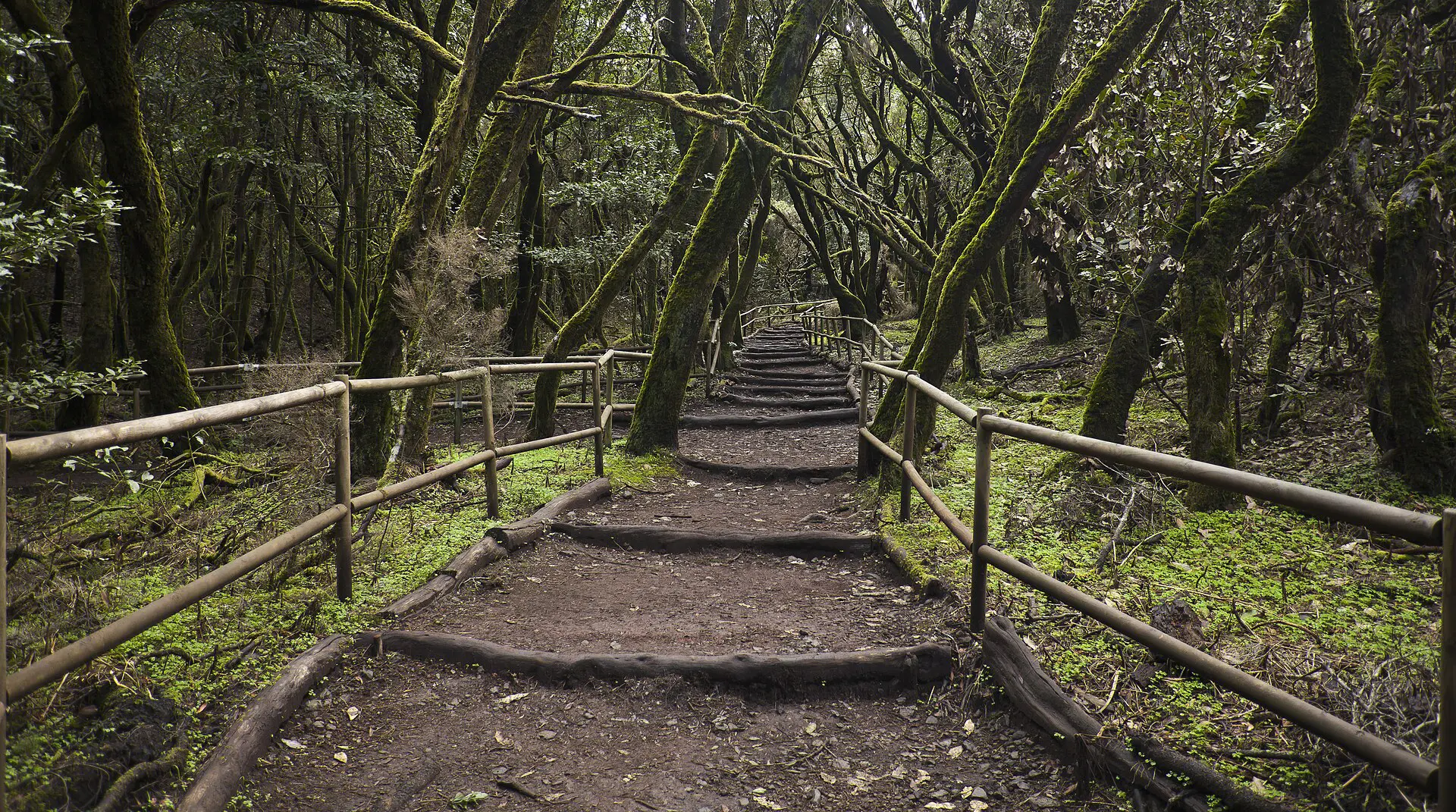
La Gomera
A smaller island visible from Tenerife’s south coast, known for its forest and quiet villages. It is reached by ferry from the south of Tenerife in under an hour, and works as a full-day outing, ideally with a rental car or guided tour.
Puerto de la Cruz
This north coast town has a famous historic centre and a long-standing tourist tradition, with botanical gardens and sea pools. It is an easy day trip from other parts of the island, and a good choice on days when the south is crowded.
Other Canary Islands
Gran Canaria and La Palma are reachable by short flights or ferries, but allow several days for each. Check current transport options, since connections can vary by season.
FAQ
Q1When is the best time to visit Tenerife?
Tenerife is a year-round destination, with mild weather in all seasons. Spring and autumn give a good balance of warmth and lower prices, while winter is popular for sun in the south. Summer is hot in the south, and August is busy with Spanish visitors.
Q2How many days do you need in Tenerife?
Three days suit a short beach break with a visit to Teide, while five to seven days let you see both the north and south, walk in Anaga and visit Masca. Plan more time if you add a trip to La Gomera.
Q3How do you get to Tenerife?
Tenerife South airport handles most international leisure flights, and Tenerife North airport handles many flights from mainland Spain and other islands. Both have bus and taxi links. Ferries also connect the island with its neighbours, so check current schedules.
Q4Do you need a car in Tenerife?
A car is the easiest way to reach Teide, Masca and the northern mountains, though roads can be narrow and winding. Buses cover the main resorts and towns, and guided tours are an option if you prefer not to drive.
Prices, schedules and entry rules change. Check current details with official sources before you travel. Read the Spain travel guide.