Why visit Córdoba
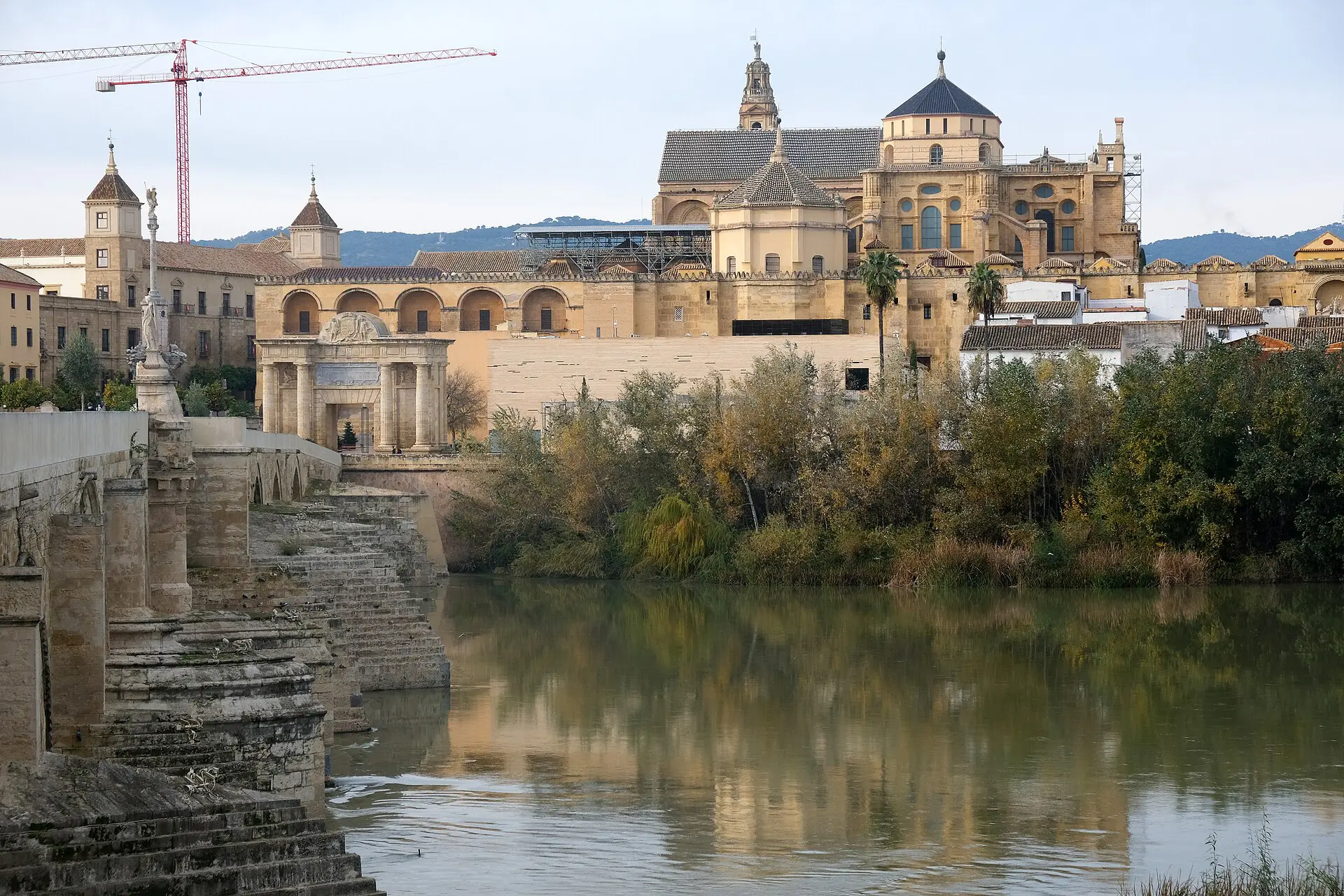
If you are planning things to do in Cordoba Spain, the city offers some of Andalusia’s richest historic sights in a walkable old quarter. Córdoba lies on the right bank of the Guadalquivir in the south of the Iberian Peninsula and is the capital of its province, with a population of around 325,000 as of 2024.
It was once a Roman colony, then part of the Visigothic kingdom, and was conquered by Muslims in the eighth century. Under the Umayyads it became the capital of the Emirate and later the Caliphate of Córdoba, a centre of education and learning, and by the 10th century one of the largest cities in Europe. After the Christian conquest in 1236 it became part of the Crown of Castile.
The city has four separate UNESCO World Heritage inscriptions, which the city’s supporters count as more than anywhere else in the world. The heritage is dense, the old streets are compact, and the city is much calmer than Seville or Granada outside peak season, though summer is intensely hot.
Top things to do in Córdoba
Visit the Mosque-Cathedral
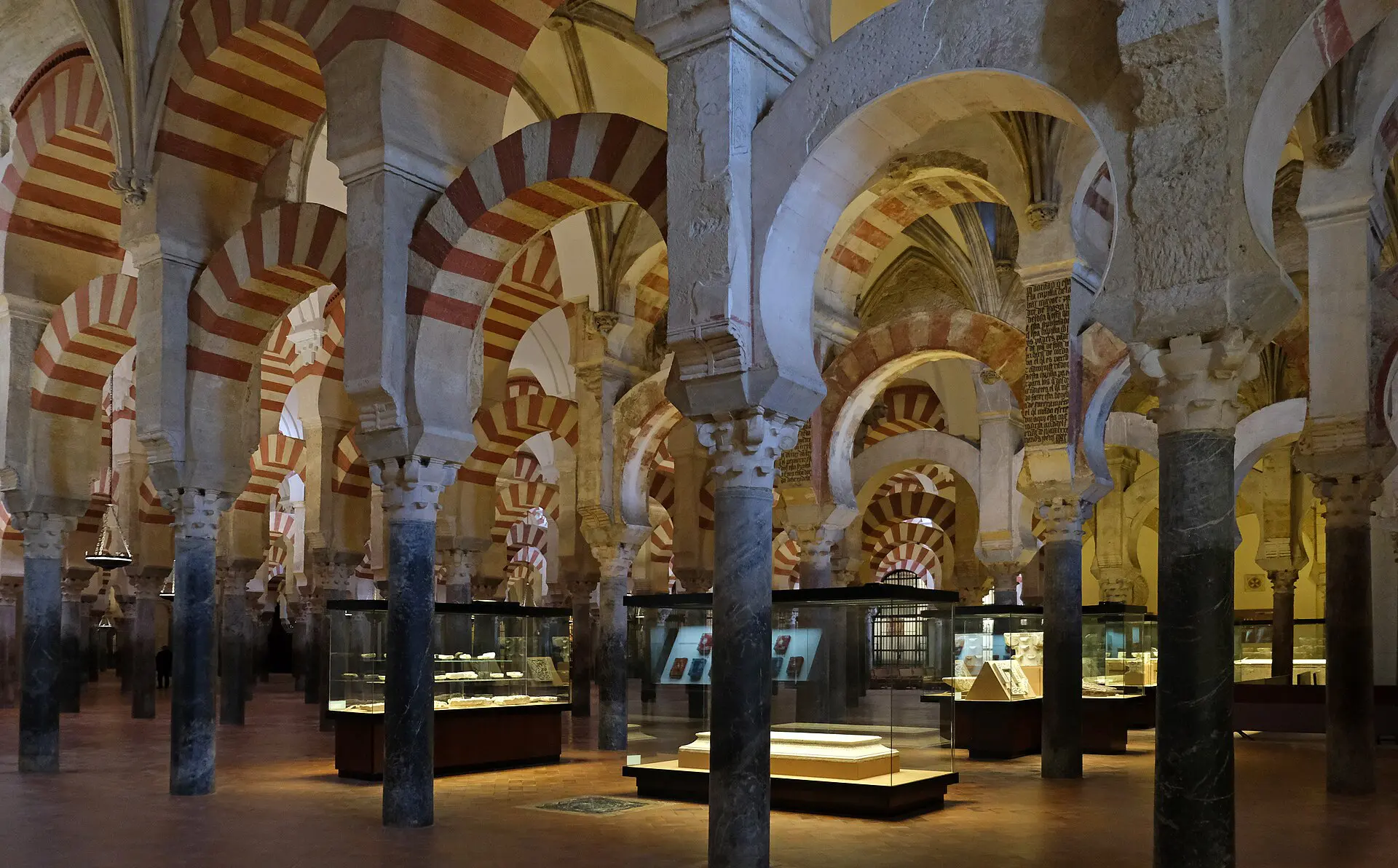
The great building combines Moorish architecture with a later cathedral, and its forest of arches is the city’s best-known sight. Allow one to two hours. Tip: book tickets in advance, arrive early, and check visiting hours, since they change around services.
Cross the Roman Bridge
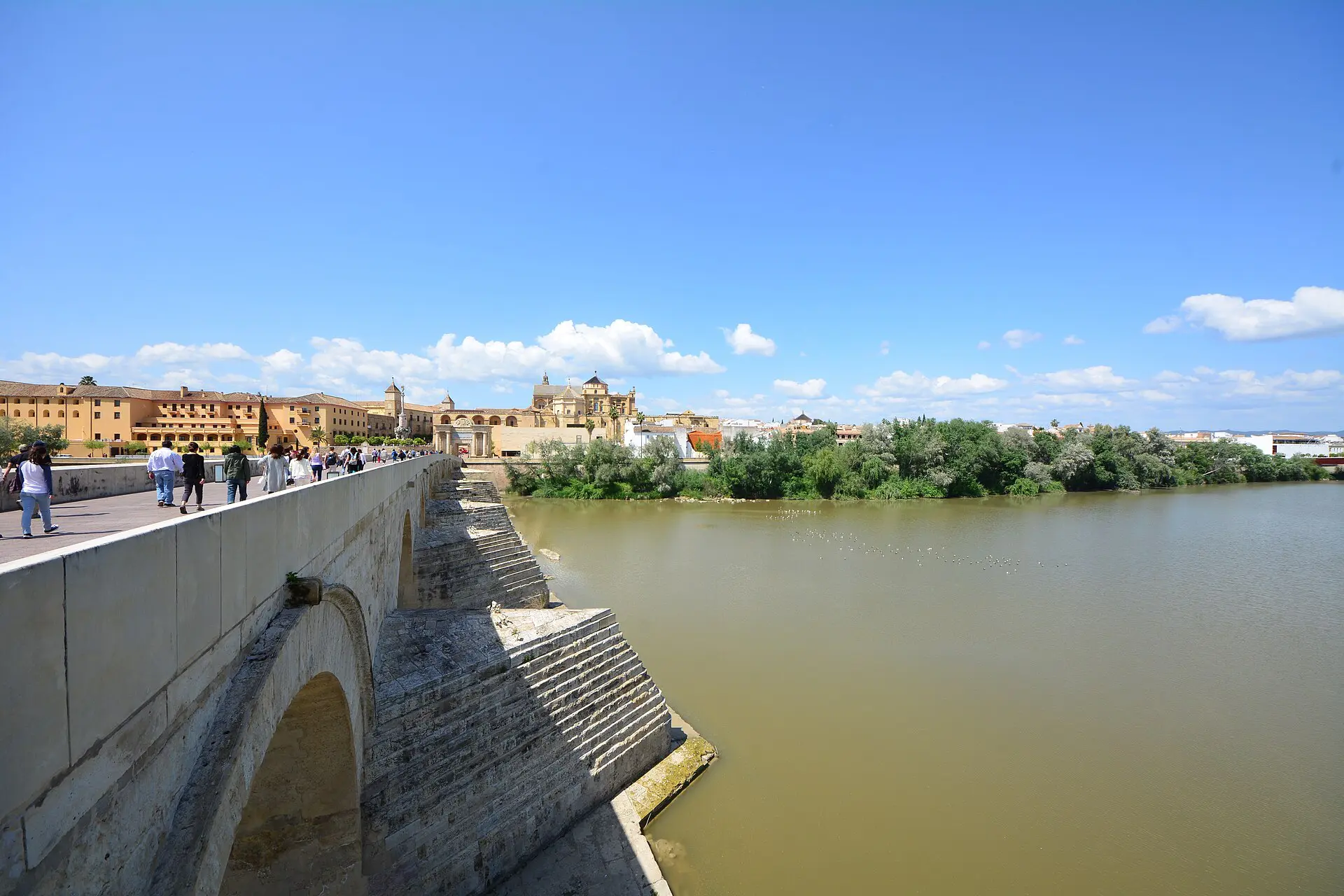
The old bridge over the Guadalquivir links the historic centre with the far bank and gives classic views of the old town. Allow half an hour. Tip: go at sunset for the best light on the Mosque-Cathedral from the south bank.
Wander the Jewish Quarter
The narrow whitewashed lanes near the Mosque-Cathedral hold small squares, synagogue remains and craft shops. Allow one to two hours. Tip: lanes are easy to get lost in, which is part of the charm, and mid-morning is the busiest time.
See the Alcázar of the Christian Monarchs
This fortress palace has gardens with pools and terraces. Allow about two hours. Tip: the gardens are lovely in spring, and the site is often busy with tour groups, so go early or late.
Look for the flower-filled patios
Courtyards decked with plants are a local tradition, especially in spring when some open to visitors. Allow one to two hours. Tip: the main patio festival is in May, so check dates if you want to time your trip.
Visit Medina Azahara
The ruins of a former caliphal palace-city lie just outside Córdoba. Allow half a day. Tip: transport options vary, so check how to get there and opening hours in advance.
Eat local
Andalusian tapas and regional dishes are available in many bars and restaurants. Allow an evening. Tip: eat later than you would elsewhere, and check whether a place takes bookings.
Best time to visit Córdoba
Córdoba is one of the hotter cities in Spain. Summers are long and very hot, and midday heat can make sightseeing hard, so most people avoid July and August if they can. Spring and autumn are the most comfortable, and spring brings the patio season and festivals, with higher prices and busier streets. Winters are mild but can be cool and damp.
| Season | Weather | Crowds and prices |
|---|---|---|
| March to May | Warm, pleasant | Busiest, higher prices |
| June to September | Hot to very hot | Quieter midday, lower prices |
| October to November | Mild, some rain | Moderate |
| December to February | Cool, mild days | Quiet, lower prices |
If you travel in summer, sightsee early and late, and rest indoors in the afternoon.
How to get to Córdoba and around
High-speed and regional trains connect Córdoba with Madrid, Seville and Málaga, and journeys from Seville and Málaga are comparatively short. Check current timetables and book ahead in peak season. Córdoba’s small airport has little or no regular passenger service, so most visitors arrive by train, bus or car.

The historic centre is compact and best explored on foot, with narrow streets that are awkward for cars. The railway station is a short bus or taxi ride from the old town, or a walk of around 20 to 30 minutes. Local buses and taxis cover the rest of the city, and a day trip to Medina Azahara needs separate transport.
Where to stay in Córdoba
The old quarter is small, so staying inside it saves time and lets you walk at quiet hours.
- Around the Mosque-Cathedral and Jewish Quarter: best for atmosphere and early or late walks, with small hotels and guesthouses in historic houses.
- Near the Alcázar and river: suits travellers who want views and a quieter setting, within walking distance of the sights.
- Near the station and the modern centre: practical for trains and often cheaper, with shopping streets close by.
- Outside the centre: larger hotels with parking suit drivers, but you lose the evening atmosphere.
Book ahead for spring and festival dates. In summer, check that rooms have working air conditioning.
How many days do you need?
One full day covers the Mosque-Cathedral, the Roman Bridge and the Jewish Quarter. Two days lets you add the Alcázar, patios and a slower dinner, and a third day makes sense if you add Medina Azahara.
- Day 1: Mosque-Cathedral at opening, the Jewish Quarter, a long lunch, the Roman Bridge at sunset.
- Day 2: Alcázar and gardens, patios, and an evening of tapas.
- Day 3: Medina Azahara, then onward to Seville or Granada.
On a short stopover, prioritise the Mosque-Cathedral and the old quarter.
Day trips and nearby
Seville
Seville is the capital of Andalusia and has a cathedral, palace and lively neighbourhoods. It is under an hour or so by fast train, though times vary. Check timetables and book ahead.
Granada
Granada is known for the Alhambra and its hillside quarters. It is a longer journey, so an overnight stay is better. Book Alhambra tickets well ahead, since they sell out.
Málaga
Málaga is a Mediterranean port city with museums and beaches. It is connected to Córdoba by fast train, so it works as a day trip or a stop on the way to the coast. Check train times.
Madrid
Madrid is the capital, with major museums and parks. It is a longer rail journey than the Andalusian trips, so most visitors treat it as a separate stop. Check times and book in advance.
FAQ
Q1When is the best time to visit Córdoba?
Spring and autumn are the most comfortable, with spring bringing patio festivals and higher prices. Summers are very hot, so sightsee early and late and rest midday. Winters are mild but can be cool and damp, with fewer visitors.
Q2How many days do you need in Córdoba?
One full day covers the Mosque-Cathedral, the Roman Bridge and the Jewish Quarter. Two days gives time for the Alcázar, patios and a slower dinner. Add a third day if you want to visit Medina Azahara or use Córdoba as a base.
Q3How do you get to Córdoba?
Córdoba is on the high-speed rail network, with trains to Madrid, Seville and Málaga. The station is a short ride or about a 20 to 30 minute walk from the old town. Check current timetables and book ahead in peak season.
Q4Is Córdoba worth visiting?
Yes, particularly for the Mosque-Cathedral and the compact old quarter. It has four UNESCO World Heritage inscriptions and is easier to cover than larger cities. Summers are very hot, so choose spring or autumn if you can.
Prices, schedules and entry rules change. Check current details with official sources before you travel. Read the Spain travel guide.