Why visit Cádiz
If you are planning things to do in Cadiz Spain, begin with its setting. The city sits on a sandy island about 7 km long on the Atlantic coast of Andalusia, linked to the mainland by road and rail. It is one of the oldest continuously inhabited cities in Western Europe, founded by the Phoenicians as a trading post around the 7th century BC.
The older part of the city, within the remnants of the walls, is called the Casco Antiguo, and its barrios, including El Pópulo, La Viña and Santa María, have distinct characters. Because of its position, even the newer districts are pleasant, with little industry.
Cádiz is also more manageable than many Andalusian cities. The population is around 110,000, and most sights can be reached on foot. It suits travellers who like sea air, old streets and a slower pace, and it works well as a short break or as part of a wider southern Spain trip.
Top things to do in Cádiz

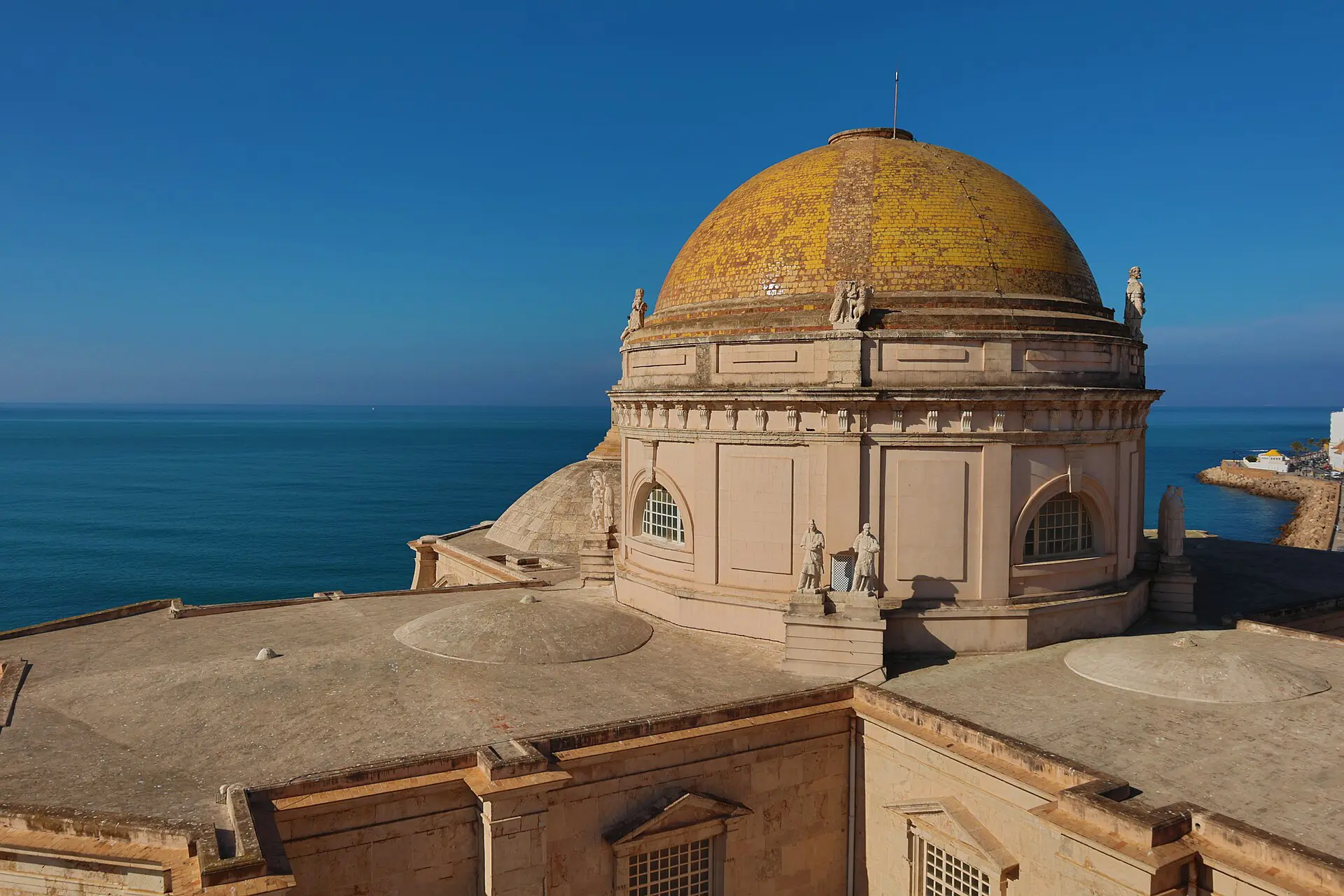
Cádiz Cathedral
The cathedral dominates the seafront of the old town and is one of its most recognisable landmarks. Allow one to two hours, including time to walk around the square outside. Check opening hours and ticket options, as they vary, and dress modestly for entry.
Walk the old town barrios
El Pópulo, La Viña and Santa María each have a different feel, with narrow streets, small squares and the sea never far away. Allow half a day. This is the best way to see the city, so wear comfortable shoes and wander without a rigid plan.
Walk the sea walls and promenade
The old town is surrounded by the sea, and a long promenade runs along the coast. It is flat and easy, with views of the Atlantic and the bay. Allow one to two hours. Go at sunset for the best light, and bring a windproof layer, as breezes can be strong.
Phoenician and Roman history
Cádiz was known to the Phoenicians as Gadir, and later came under Carthaginian, Roman, Visigothic and Moorish rule. Few visible traces remain, as building ground was scarce and old structures were reused. Museums are the best way to understand this history. Allow one to two hours, and check hours.
Spend time at the city beaches
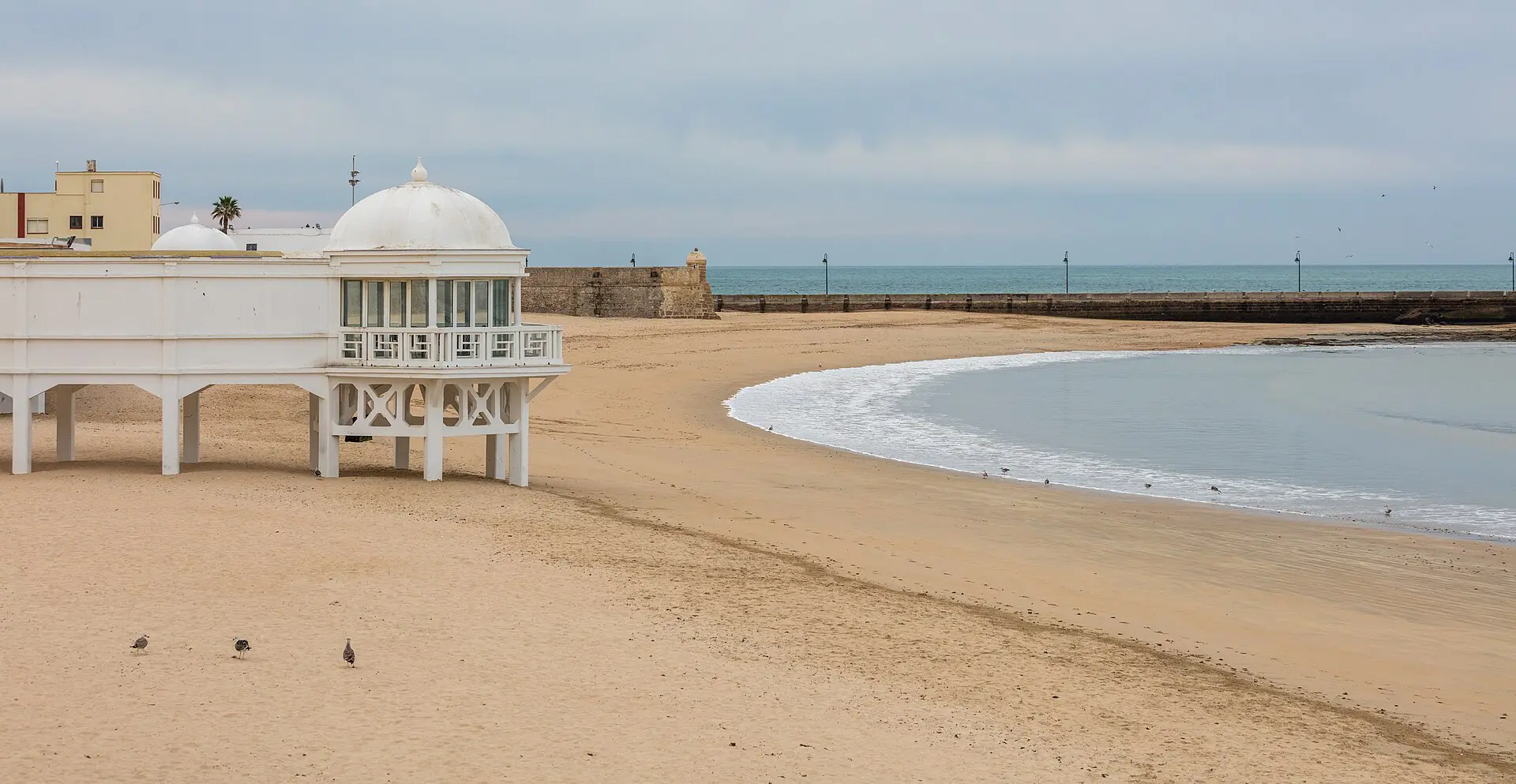
Because the city is on a sandy island, beaches are part of everyday life. Allow a half day. The sea can be cooler than the Mediterranean, so expect a refreshing swim, and check conditions for wind and currents before you go in.
Eat in the markets and tapas bars
Cádiz is a good place to eat, with seafood and tapas central to local life. Allow an evening, and order a few small plates rather than a big meal. Prices vary widely, so look at menus before you sit, and note that many kitchens close in the afternoon.
Climb a watchtower for city views
The old town has rooftops and towers that give views across the city and the sea. Allow about an hour. Check hours and tickets locally, and go on a clear day for the widest views.
Best time to visit Cádiz
Cádiz has a mild Atlantic climate, and the city is pleasant for much of the year. Spring and autumn are the most comfortable seasons, with warm days and manageable crowds. April to June and September to October are the best choices for most travellers.
Summer is hot and busy, particularly in July and August, when the beaches fill with Spanish holidaymakers and prices for rooms go up. The sea breeze helps, but afternoons can be warm. Winters are mild but can be wet and windy, and the beaches are quieter. The city is also known for a lively carnival season in late winter, which brings crowds and higher prices, so book well ahead if you plan to attend. Check dates before you go.
| Season | Weather | Crowds and prices |
|---|---|---|
| Spring (Apr-Jun) | Warm, mostly sunny | Moderate, mid prices |
| Summer (Jul-Aug) | Hot, sea breeze | Busiest, higher prices |
| Autumn (Sep-Oct) | Warm, sea still mild | Fewer people, mid prices |
| Winter (Nov-Mar) | Mild, can be wet and windy | Quiet, except carnival |
How to get to Cádiz and around
Cádiz is connected to the mainland by road and railways, since it sits on a sandy island joined by a narrow isthmus. Trains run from Seville and other Andalusian cities, and they are a comfortable way to arrive. Check current timetables, because frequency changes. Coaches also serve the city.
The nearest airports are Jerez, which is closer, and Seville, which has more routes, with Málaga as another option. Allow time for onward travel by train, bus or rental car. Within Cádiz, the old town is compact and best explored on foot. Taxis and local buses cover the newer areas. Driving in the old town is awkward, with narrow streets and limited parking, so leave a car on the edge if you can. A ferry across the bay is also a pleasant option where available.
Where to stay in Cádiz
The old town suits most visitors, since it puts you close to the cathedral, tapas bars and seafront. Rooms are often in historic buildings and can be small, with noise from lively streets, so check reviews.
The areas near the beaches, along the newer part of the island, suit travellers who want a beach holiday as well as city time. Expect more modern buildings, wider streets and easier parking, and a longer walk or short bus ride into the old town.
Staying outside the city, in a neighbouring bay town, can lower costs and suit those with a car, but it takes away the evening atmosphere that makes Cádiz appealing. Compare prices by season, and book early for carnival and summer weekends.
How many days do you need?
Two days is enough to see the old town, the sea walls and a beach, while three days gives room for a day trip or a slower pace. If you are combining Cádiz with Seville or the coast, a night or two is often right.
- Day 1: Cathedral and old town barrios in the morning, tapas for lunch, and a sunset walk along the sea walls.
- Day 2: A beach morning, an afternoon of museums or a watchtower view, and dinner in a neighbourhood tapas bar.
- Day 3: A day trip to a nearby town or to Jerez, returning in the evening for a final walk.
Day trips and nearby
Seville
Seville is the regional capital and is reachable by train from Cádiz. It makes a long day trip, though many people prefer to stay overnight. Check train times, and book major sights ahead in busy seasons.
Jerez de la Frontera
Jerez lies a short train or road trip from Cádiz and is known for sherry, horses and flamenco. Allow half a day. It also has the nearest airport, which makes it a useful stop on arrival or departure.
Málaga
Málaga is farther along the Andalusian coast and works better as part of a wider trip than as a day trip. Allow several hours each way, and check bus and train times in advance.
Granada
Granada is a long journey from Cádiz, so treat it as an overnight rather than a day trip. It suits travellers combining Moorish heritage with the Atlantic coast. Book major sights ahead.
FAQ
Q1When is the best time to visit Cádiz?
April to June and September to October are usually best, with warm weather and fewer crowds. July and August are hot and busy, while winters are mild but can be wet and windy. Carnival brings big crowds in late winter, so book early.
Q2How many days do you need in Cádiz?
Two to three days is enough for most travellers. That covers the old town, the sea walls, a beach and a few tapas meals, and leaves time for a day trip. A single night is rushed but possible if you are passing through.
Q3How do you get to Cádiz?
Trains and buses link Cádiz with Seville and other Andalusian cities, and the nearest airports are Jerez and Seville. The city sits on a sandy island connected to the mainland by road and rail. Check timetables, as services change.
Q4Is Cádiz worth visiting?
Yes, if you like compact old towns, sea views and long history. It is one of Western Europe's oldest continuously inhabited cities, with a walkable centre and good beaches. It is less crowded than some Andalusian cities, though summer weekends can be busy.
Prices, schedules and entry rules change. Check current details with official sources before you travel. Read the Spain travel guide.