Why visit San Sebastian
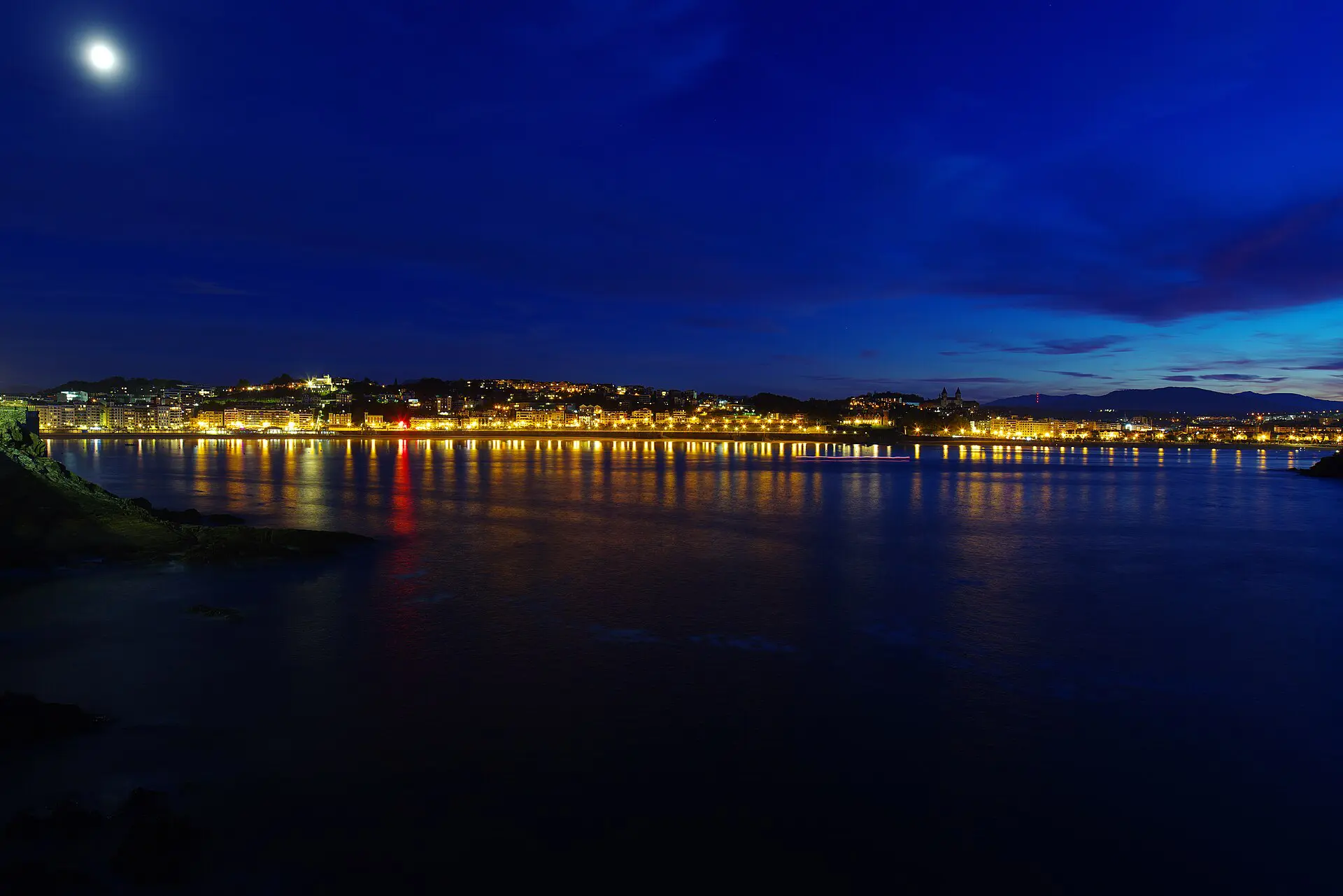
People planning things to do in San Sebastian are usually attracted by the combination of sea and food. Officially Donostia / San Sebastian, the city lies on the coast of the Bay of Biscay in the Basque Country, about 20 km from the Spain-France border, and has around 188,000 residents. It is the capital of the province of Gipuzkoa.
The city is small, yet it has long been a favourite resort. It is unusual to sunbathe and swim right next to major historical buildings and churches, and surfers are common on the waves. The city also hosts an international film festival and a jazz festival, and was a European Capital of Culture in 2016.
It is divided into the Old Town, Gros and the central area, and is easily explored on foot. Add seafood restaurants, many pintxos bars and designer shops, and you have a city that rewards slow days.
Top things to do in San Sebastian
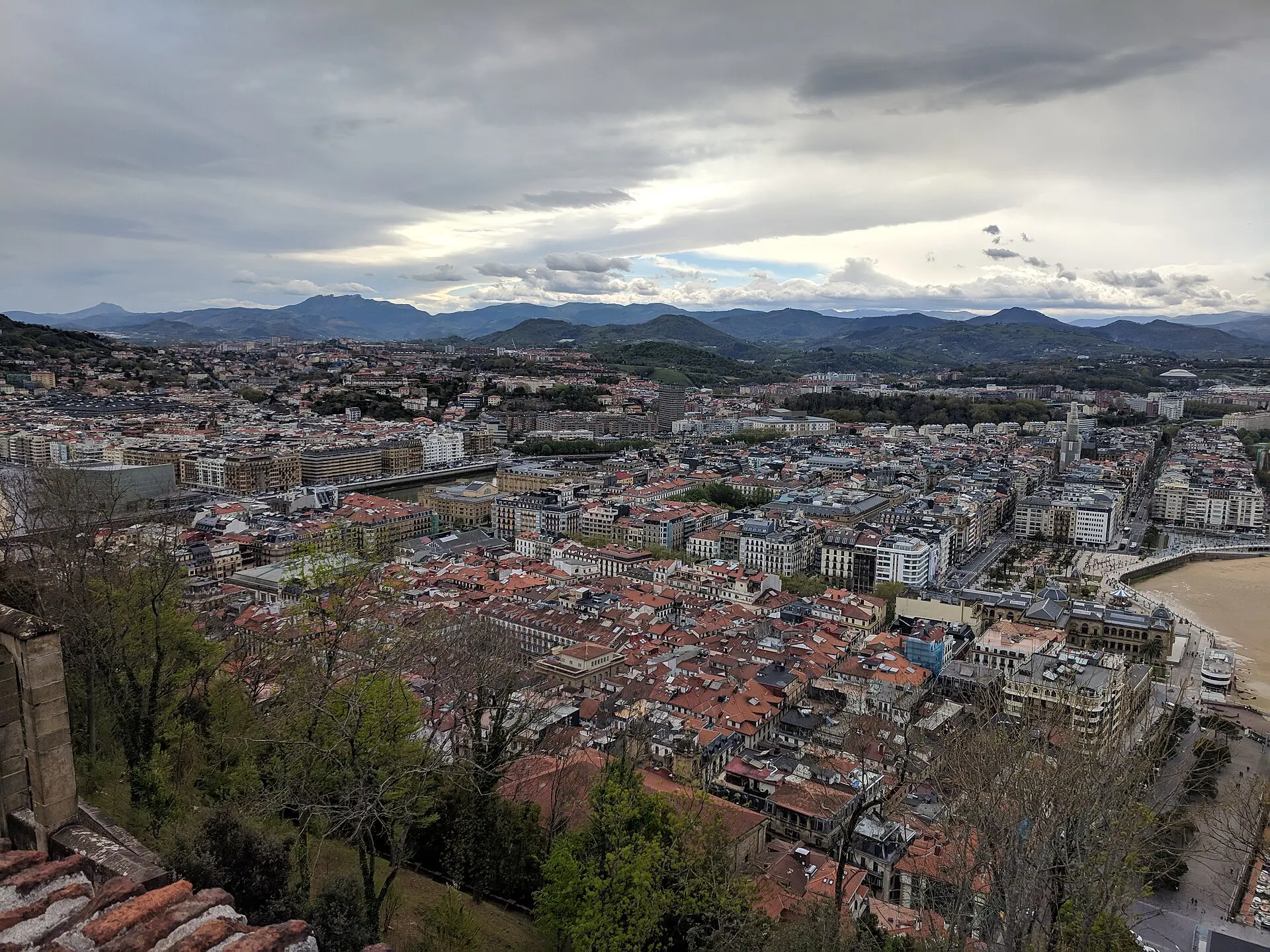
La Concha beach and promenade
The curved bay in the city centre is the most photographed spot, with a long promenade running along the sand. Allow a morning or an afternoon. Check tide times, since the beach shrinks at high tide, and bring sun protection in summer.
Parte Vieja (Old Town) and pintxos
The old quarter is packed with bars serving pintxos, small bites on counters or cooked to order. Allow an evening. Go with a small group, order a drink and one or two bites per bar, and move between places like locals do.
Monte Igueldo
This hill on the west side of the bay has a funicular, an old amusement park and a viewpoint over the city and sea. Allow about two hours. Go on a clear afternoon for the best views, and check funicular operating times.
Monte Urgull
A wooded hill rising over the Old Town, with paths leading to an old fortress and a statue at the top. Allow one to two hours, wear comfortable shoes and bring water. It offers a quieter view than Igueldo.
Zurriola beach and Gros
The beach on the east side of the river is popular with surfers, and the Gros neighbourhood has a relaxed, local atmosphere with bars and cafes. Allow a few hours. Beginners can take a lesson, but check the currents and flags.
Museums and cultural sights
The city has museums on Basque culture, art and the sea, and the Old Town has historic churches. Allow one to two hours each. Check opening days, which vary, and look at event calendars for the film and jazz festivals.
Best time to visit San Sebastian
Summer is the best time for the beaches, with warm days and the liveliest atmosphere, but it is also the busiest and priciest period. Late spring and early autumn offer a good balance, with mild weather, fewer crowds and a chance to enjoy the city outdoors.
The Basque coast is green because it is wet, so rain can fall in any season. Winter is cool and damp, with fewer visitors and lower prices, though the beaches are quiet and some seasonal services close. Major events such as the film festival in September and the jazz festival in summer push up hotel prices, so book early if you plan to attend.
| Season | Weather | Crowds and prices |
|---|---|---|
| Summer | Warm, some rain | Busiest, highest prices |
| Spring and autumn | Mild, changeable | Moderate, good balance |
| Winter | Cool, damp | Quiet, cheaper |
How to get to San Sebastian and around
San Sebastian has a small airport, but many visitors fly into Bilbao and continue by bus or car, a trip of roughly an hour or so. Biarritz in France is another option. Check current services. Buses and trains link the city with Madrid, Barcelona and other Spanish cities, and Euskotren runs local services to the French border at Hendaye. In 2026 no mainline trains cross the border, so check onward options.
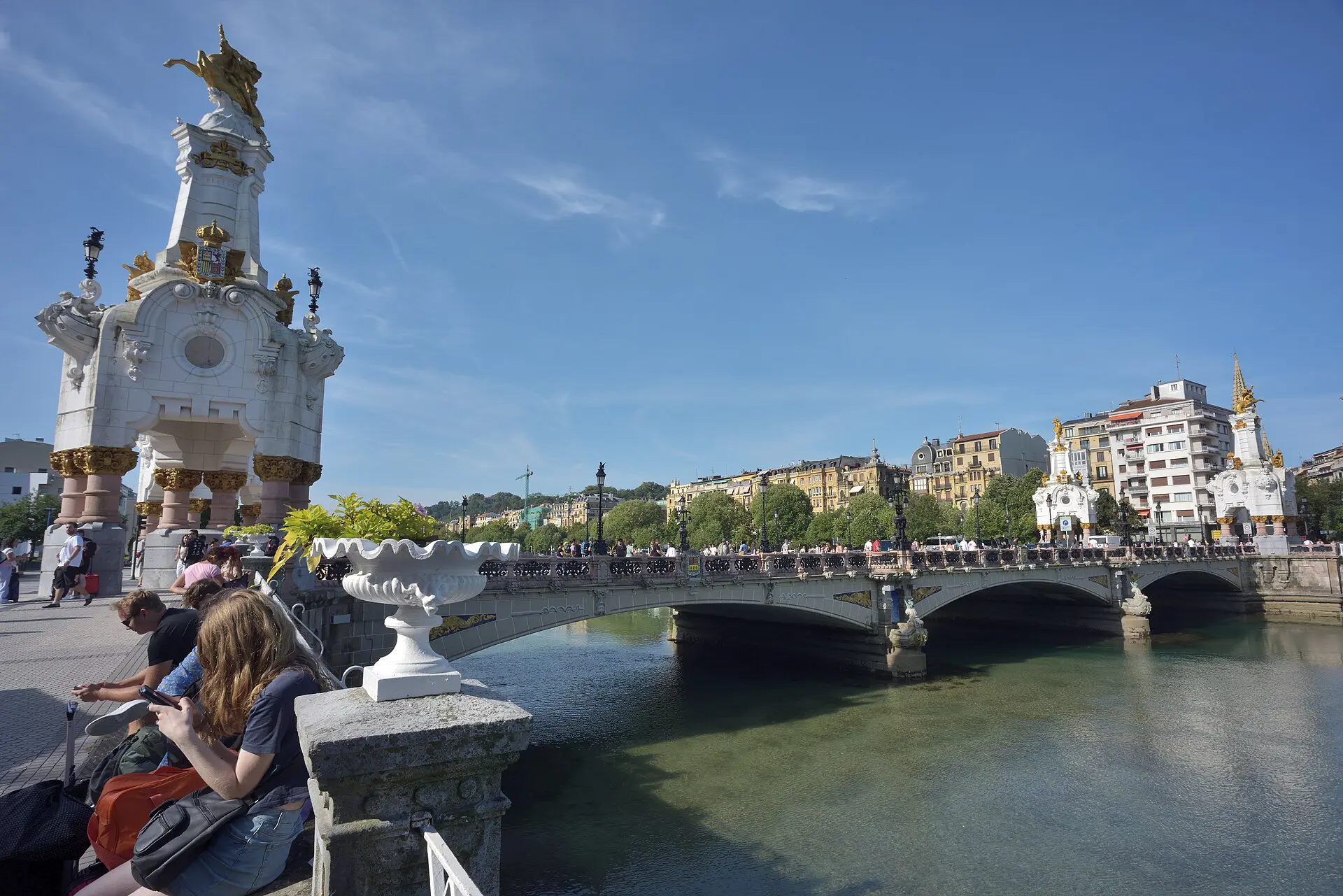
The centre is compact and best explored on foot. City buses cover the rest, and bikes can be rented. A car is not needed for the city itself and parking is limited, but it helps for exploring the surrounding coast and hills.
Where to stay in San Sebastian
The Old Town puts you among the pintxos bars and historic streets, which suits food-focused visitors, though evenings can be noisy and rooms small. Prices are high, particularly in summer.
The central district, between the Old Town and the beach, offers elegant buildings, shops and easy walks to La Concha. It suits first-timers who want convenience and a good range of hotels.
Gros has a more local, surf-town feel and is close to Zurriola beach, which suits travellers who prefer relaxed evenings and slightly lower prices. Budget visitors can look at hostels and guesthouses in the suburbs or nearby towns and use buses to reach the centre. Book early for summer and festival weeks, as rooms fill quickly.
How many days do you need?
Two days covers the beach, the Old Town and one viewpoint hill. Three days is better if you want to eat at a relaxed pace, spend time on the sand and take a short trip. One day is enough for a quick look only if you are passing through.
- Day 1: Walk the La Concha promenade, climb Monte Urgull, then spend the evening on a pintxos crawl in the Old Town.
- Day 2: Ride the funicular up Monte Igueldo, spend the afternoon at the beach or in Gros, and watch the sunset.
- Day 3: A day trip along the Basque coast or to Bilbao, or a relaxed day with a museum and a long lunch.
Day trips and nearby
Bilbao
The largest city in the Basque Country is a bus or train ride away and is known for its modern art museum and old town. Allow a full day, check transport times, and start early to enjoy both.
Basque coastal towns
Fishing villages and small harbours along the coast offer seafood, walks and viewpoints. A hire car or bus makes them easy to reach. Check the weather, and book lunch ahead in summer.
Hendaye and Saint-Jean-de-Luz
Just across the French border, these towns offer long beaches and a different atmosphere. Local rail runs to Hendaye. Bring your passport or ID, and check the latest border arrangements.
Rioja wine country
Further south, the Rioja region is known for its wine, with tours from several cities. It suits a longer trip, so plan it as an overnight stay rather than a day trip, and check booking requirements.
FAQ
Q1When is the best time to visit San Sebastian?
Summer is best for beaches, though it is busiest and priciest. Late spring and early autumn give mild weather and fewer crowds. Rain is possible all year, and winter is quiet and cooler, with some seasonal closures.
Q2How many days do you need in San Sebastian?
Two to three days works well. That is enough for La Concha, the Old Town, a viewpoint hill and a few pintxos evenings. A third day allows for a day trip or a slower pace.
Q3How do you get to San Sebastian?
Many visitors fly into Bilbao or use the small local airport, then continue by bus or car. Trains and buses link the city with Madrid and Barcelona. Check current timetables, since services and routes change.
Q4Is San Sebastian expensive?
It is one of Spain's pricier cities, especially in summer and for hotels. Pintxos and local cafes can keep costs reasonable. A mid-range traveller might budget around EUR 140-250 per day, though prices vary by season.
Prices, schedules and entry rules change. Check current details with official sources before you travel. Read the Spain travel guide.