Why visit Málaga
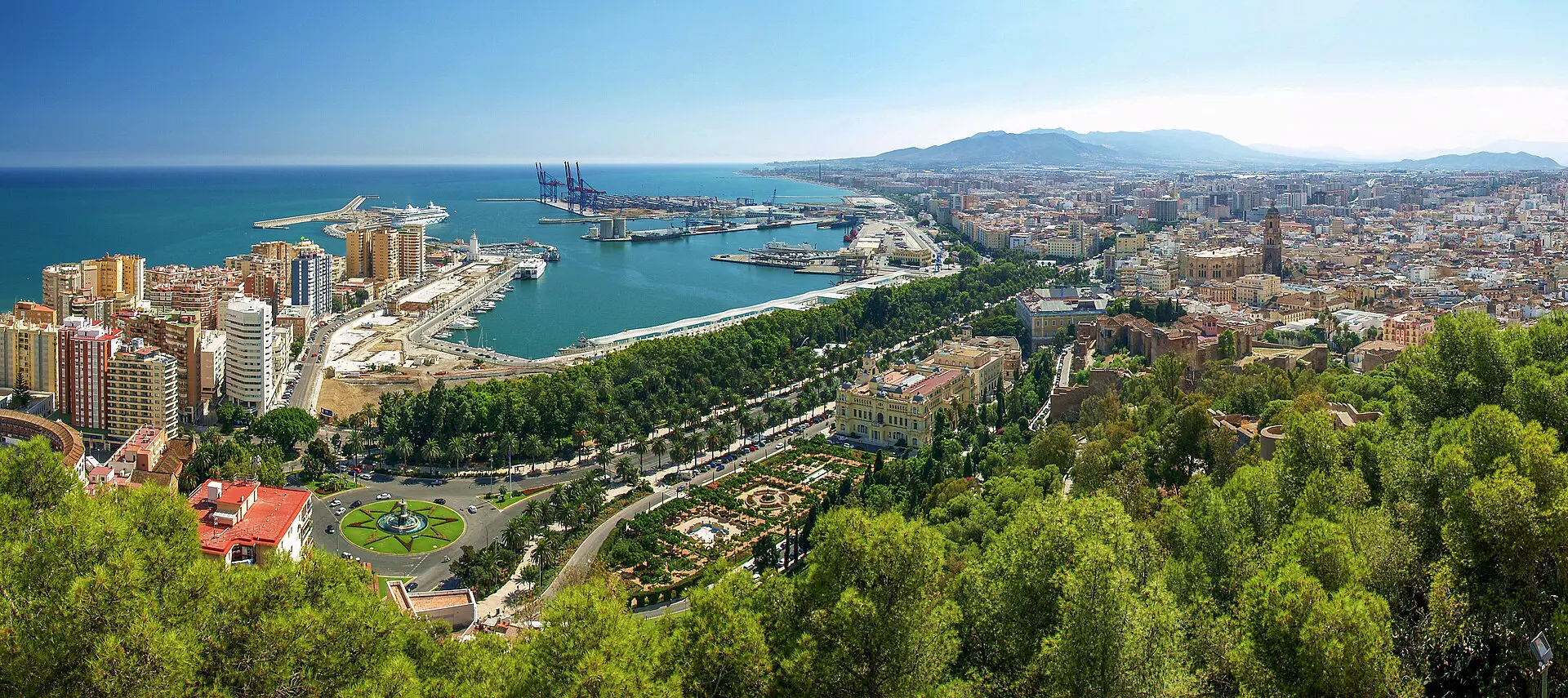
If you are planning things to do in Málaga, start with its mix of sea and history. It is a city of about 590,000 people in Andalusia and the largest city on the Costa del Sol. It offers beaches, hiking, architectural sites, art museums, shopping and excellent cuisine.
It is more laid back than Madrid or Barcelona, but it is also the centre and transport hub of one of Spain’s most popular coastal regions, which is crowded in summer. The city has built many new hotels and facilities for visitors, yet it keeps genuinely interesting historical and cultural attractions in its old city.
Málaga was the birthplace of Pablo Picasso, and its climate is typically Mediterranean, with sunny summers and mild winters. It works well for a short city break or as a base for the wider region.
Top things to do in Málaga

Alcazaba
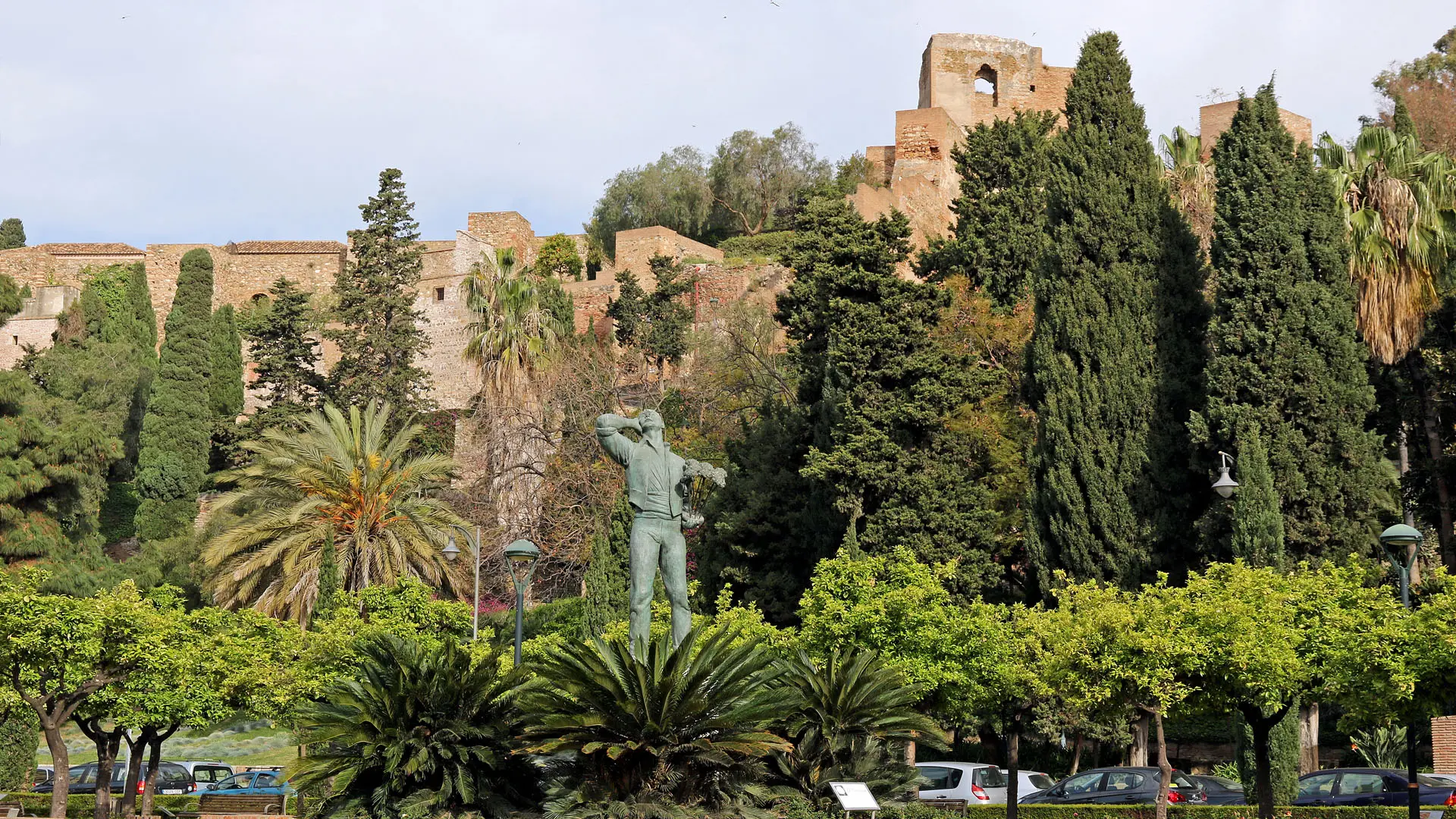
The Moorish fortress overlooks the port and old town, with courtyards, gardens and views. Allow one to two hours. Tip: wear comfortable shoes for the slopes, and check current opening hours and ticket arrangements.
Gibralfaro
The castle stands on the hill above the Alcazaba and gives wide views over the city and sea. Allow one to two hours. Tip: the walk up is steep, so take water, and consider going late in the day for softer light.
Málaga Cathedral
The cathedral dominates the historic centre, and visitors can usually enter for a fee. Allow about an hour. Tip: check the times, as visiting hours can be limited around services.
Picasso Museum
The museum honours the city’s most famous native artist, in a historic building in the old town. Allow one to two hours. Tip: it can be busy at midday, so check ticket rules and opening days before you go.
Art museums
The city has several other art museums, including contemporary galleries near the port. Allow one to two hours each. Tip: pick one or two, and check for free entry periods.
Beaches
The city has urban beaches within reach of the centre, good for a swim and a relaxed meal by the water. Allow half a day. Tip: the sea is coolest in winter and spring, and beaches are busiest in July and August.
Tapas and old-town streets
Food is a major reason to come, and the old town is full of small bars. Allow an evening. Tip: order a few small dishes at a time and move between places.
Best time to visit Málaga
Málaga has a typical Mediterranean climate and is mild through the year. Spring and autumn are often the best choices, with pleasant temperatures for sightseeing and beach time, and fewer crowds than midsummer.

Summer is very sunny and hot, with temperatures over 30 °C and occasionally reaching 38 or 39 °C, and the region is flooded with tourists. Winter is cooler but can still have sun. Rain is generally scarce and mostly falls in spring and autumn. If you want a beach holiday, aim for late spring or early autumn, and book ahead in summer.
How to get to Málaga and around
Málaga Airport is a major gateway for the Costa del Sol, with a train and bus link to the centre, usually in about 15 to 25 minutes. Check current timetables. The main railway station, María Zambrano, has fast services to Madrid and other Spanish cities, and buses serve the coast and nearby towns.

The historic centre and port are compact and walkable. City buses, a small metro and taxis cover other areas, and a bicycle is practical in flatter parts. A car is rarely needed for the city but can be helpful for rural day trips, though parking in the centre is limited and costly.
Where to stay in Málaga
The historic centre, around the cathedral and the old streets, suits first-time visitors who want to walk to the main sights and restaurants. It can be noisy in the evening, so ask about quieter rooms.
The port and Soho area suit those who prefer a more modern feel, with galleries and cafés. Beachside areas east of the centre suit visitors who want sand and a relaxed pace, with a short bus or walk to the old town. Near the María Zambrano station is practical for rail travellers. Prices rise in summer and during major events, so book early.
How many days do you need?
Two days covers the old town, the Alcazaba and a museum or two. Three days adds beach time, a slower evening of tapas and a half-day trip, and four or more days lets you reach Granada or Ronda.
- Day 1: Cathedral, old-town streets, the Picasso Museum and the Alcazaba.
- Day 2: Gibralfaro, a contemporary art museum near the port and an afternoon on the beach.
- Day 3: A day trip to Ronda or Granada, or a slow day of tapas and walking.
Day trips and nearby
Ronda
Ronda is a dramatic town set above a gorge, in the hills inland. It is reachable by bus, train or car in roughly two hours, though check current schedules. A long day trip works, but an overnight stay is easier.
Granada
Granada is known for the Alhambra and is reachable by bus or train. Tickets for the main sights can sell out, so book ahead and check opening arrangements. It is a long day trip from Málaga.
Seville
Seville is farther and better as a separate stop of at least two nights. Trains and buses link it with Málaga in roughly two to three hours, but check the schedule and route options before you plan.
Costa del Sol towns
The coast has many towns reachable by bus or train, with beaches and promenades. Check which towns suit your plans, and expect crowds in summer.
FAQ
Q1When is the best time to visit Málaga?
Spring and autumn are often best, with pleasant temperatures and fewer crowds. Summer is very sunny and hot, with some days above 35 °C, and the coast is busy. Winter is mild and can still be sunny. Rain is scarce and mostly falls in spring and autumn.
Q2How many days do you need in Málaga?
Two to three days covers the old town, the Alcazaba, a museum or two and some beach time. Allow more if you want to visit Granada, Ronda or other places in Andalusia, since those trips take most of a day each.
Q3How do you get to Málaga?
Málaga Airport is a major gateway for the Costa del Sol, with trains and buses to the centre. The María Zambrano railway station has fast services to Madrid and other Spanish cities. Check current timetables and ticket options before you travel.
Q4Is Málaga worth visiting?
Yes. It combines beaches, a Moorish fortress, art museums and good food in a compact city, and it is more relaxed than Madrid or Barcelona. It is also a convenient base for Andalusia, though summer heat and crowds can be a drawback.
Prices, schedules and entry rules change. Check current details with official sources before you travel. Read the Spain travel guide.