Why visit Ronda
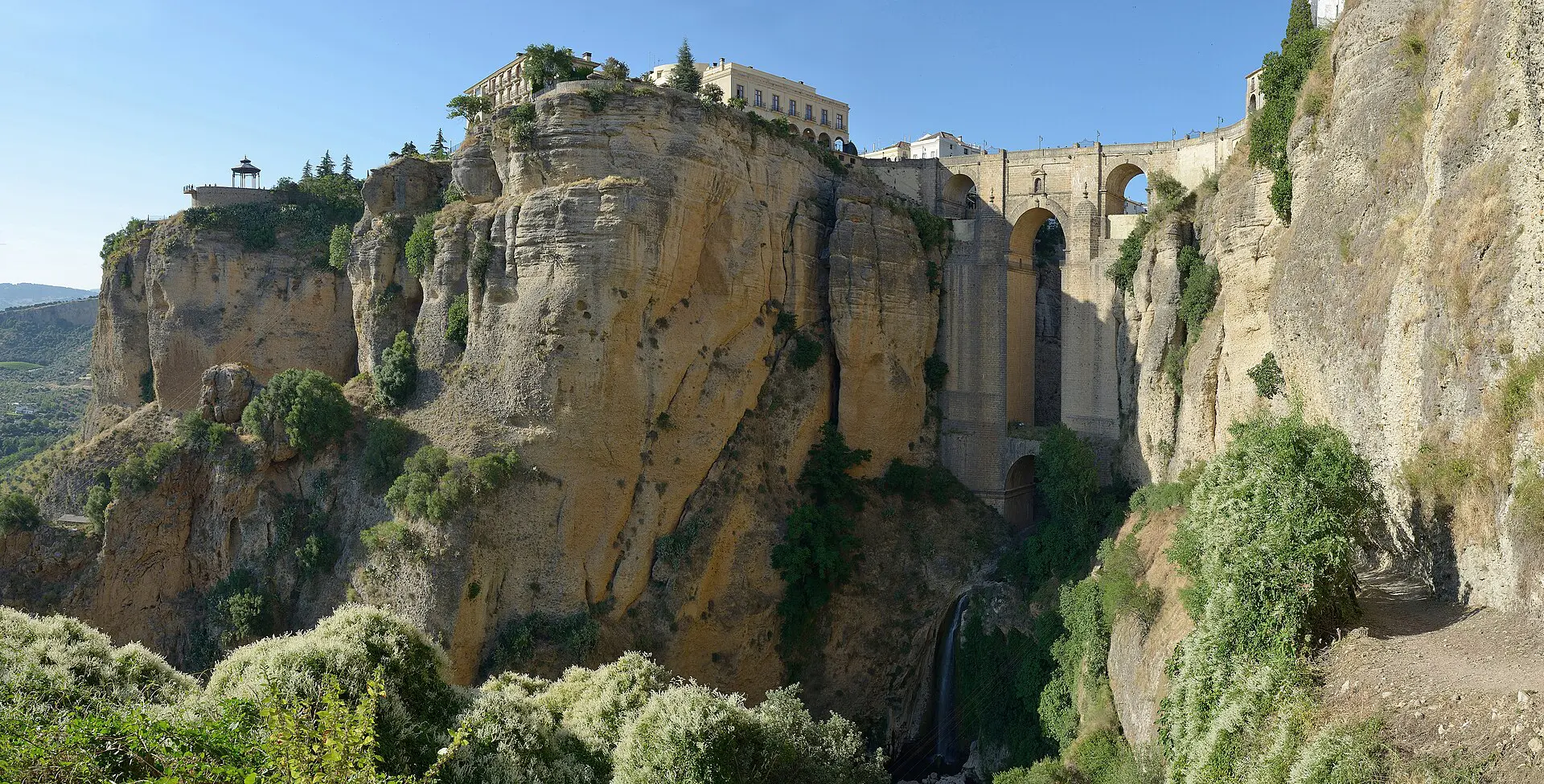
If you are planning things to do in Ronda, Spain, begin with the gorge. The town sits on a high plateau in the province of Malaga, in Andalusia, and is split by El Tajo, a deep ravine cut by the Guadalevin river. A stone bridge links the old and newer halves, and the views from its edges are the reason most people come.
Ronda has been settled since ancient times, and the Moors left a strong mark. La Ciudad, the old Moorish quarter, has been largely preserved, and the town only fell to Castile in 1485. Writers including Ernest Hemingway and Orson Welles are linked with it.
It can feel crowded in summer with day-trippers from the Costa del Sol, but the town changes character in the early morning and evening. Stay the night if you can, and use it as a base for hiking, white-water or countryside wine routes in the surrounding hills.
Top things to do in Ronda
Puente Nuevo
The New Bridge crosses the gorge and is the town’s signature sight. Walk across, then see it from the viewpoints and paths below for the full height. Allow one to two hours. Light is best in the morning or late afternoon, and some paths are steep, so wear good shoes.
La Ciudad old quarter
This is the old Moorish quarter, with narrow lanes, churches and historic houses. Allow two to three hours to wander and stop for lunch. The streets are cobbled and often sloped, so comfortable footwear helps. Early mornings are quietest.
Plaza de Toros
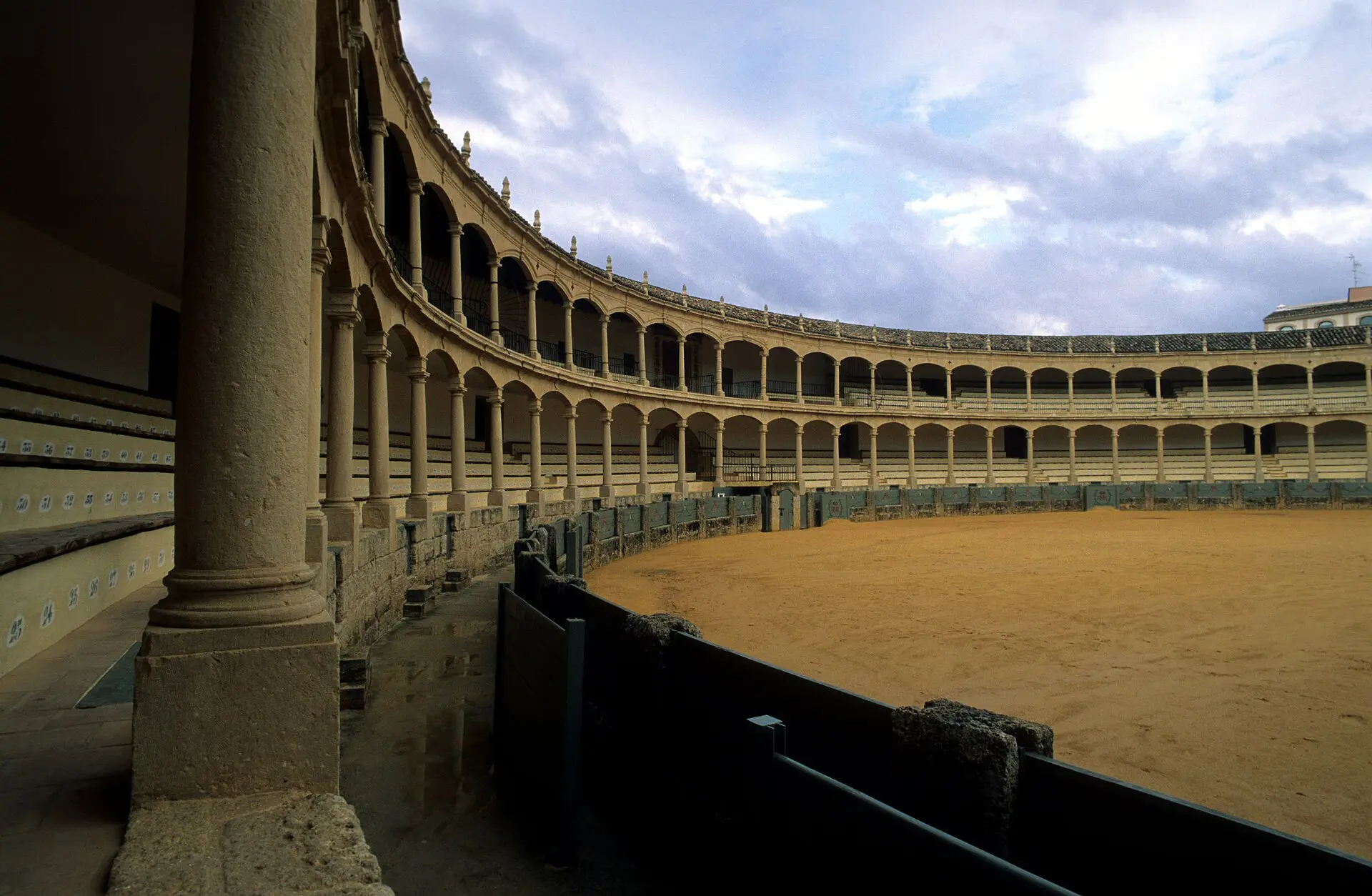
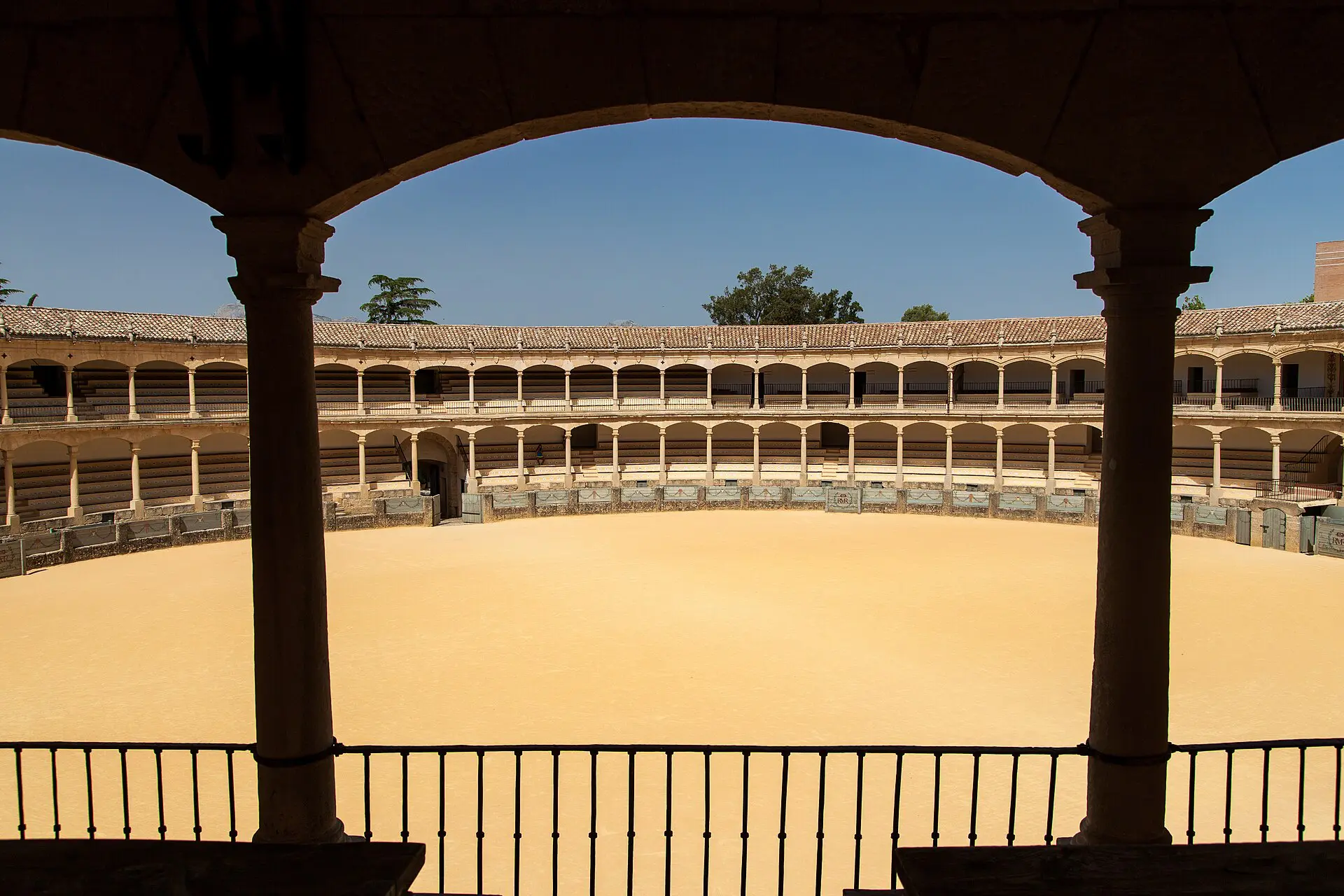
Ronda’s bullring is one of the oldest in Spain and is often visited as a museum even by people who do not follow the sport. Allow around an hour. Opening times and entry prices change, so check before you go. It is a good wet-weather option.
Arab Baths
The remains of the medieval bathhouses in the old quarter are among the best preserved in Spain. A visit takes around 30 to 45 minutes. Hours can vary by season, so check the current schedule and consider combining it with a walk down to the river.
Mondragon Palace and viewpoints
The old palace houses a local museum and gardens, and the garden terraces open to wide views over the plain. Allow about an hour. Several public viewpoints also look across the gorge to the countryside, ideal around sunset.
Walks in the gorge and countryside
Marked paths drop into the ravine and run through the surrounding hills. Plan from one hour for a short descent to half a day for longer routes. Wear sturdy shoes and carry water, since there is little shade in summer.
Best time to visit Ronda
Ronda sits at 600 to 800 metres above sea level, so it is cooler than the coast. Spring and autumn are the most comfortable seasons for walking and sightseeing. Summer is hot, with the heaviest crowds around midday, while winter can be cold, wet and quiet.
| Season | Weather | Crowds and prices |
|---|---|---|
| Spring (Mar to May) | Mild, some rain early | Moderate crowds, good value |
| Summer (Jun to Aug) | Hot, dry days | Busiest, higher prices |
| Autumn (Sep to Nov) | Warm, then cooler | Moderate crowds, good value |
| Winter (Dec to Feb) | Cool to cold, wetter | Quietest, lowest prices |
April to June and September to October are the best bets for comfort and manageable crowds.
How to get to Ronda and around
The nearest major airport is Malaga, roughly 100 km away. From there you can drive, take a bus or combine rail and bus, so check current schedules. Ronda also has rail links with Algeciras and onward to Madrid, and road connections to Seville and the Costa del Sol.
The town has a station and a bus station in the Mercadillo, the newer part of town, which also holds most services. From there it is a walk of about 10 to 20 minutes to the bridge and the old quarter.
Once there, almost everything is on foot. The old quarter is compact but hilly and cobbled. A car is useful for wineries and villages in the surrounding hills, but parking in the historic centre is limited, so use a car park on the edge of town and walk in.
Where to stay in Ronda
Staying in La Ciudad, the old quarter, puts you steps from the bridge and the oldest streets, and suits couples and first-time visitors who want atmosphere. Expect smaller guesthouses and boutique hotels, and some places that are difficult to reach with a car.
The Mercadillo, the modern district with the bus and train stations, has the widest range of hotels and more restaurants and shops. It suits anyone arriving by public transport and families who prefer flat streets.
The Barrio de San Francisco is a quieter district that is less visited and suits travellers who want a local feel and lower prices. Rural stays in the hills around town suit hikers and wine lovers with a car. Book ahead for spring weekends and holidays.
How many days do you need?
One full day covers the main sights. A night is worthwhile because the day-trip crowds thin out by evening and the bridge looks best in low light. Two days lets you add a walk into the gorge, a winery or a drive through the surrounding villages. Three days is generous unless you plan hiking.
- Day 1: Cross the Puente Nuevo early, explore La Ciudad and the Arab Baths, visit the bullring, then watch the sunset from a viewpoint.
- Day 2: Walk a trail into the gorge or the countryside, then spend the afternoon at a winery or in a quiet cafe.
- Day 3: Take a drive through nearby white villages or an excursion to the coast before heading on.
Day trips and nearby
Setenil de las Bodegas
This village, a short drive from Ronda, is known for houses built into overhanging rock. Allow two to three hours. Drive carefully on narrow roads, and visit early in summer to avoid the busiest period.
Malaga
The nearest big city and airport lies roughly 100 km away. It works as a bigger day trip or an arrival point. Allow a full day, and check current road and rail options.
Seville
Seville is a longer day, best treated as a separate stop. Many visitors link Ronda and Seville on an Andalusian route, with a night in each. Allow two to three hours each way by road.
Serrania de Ronda countryside
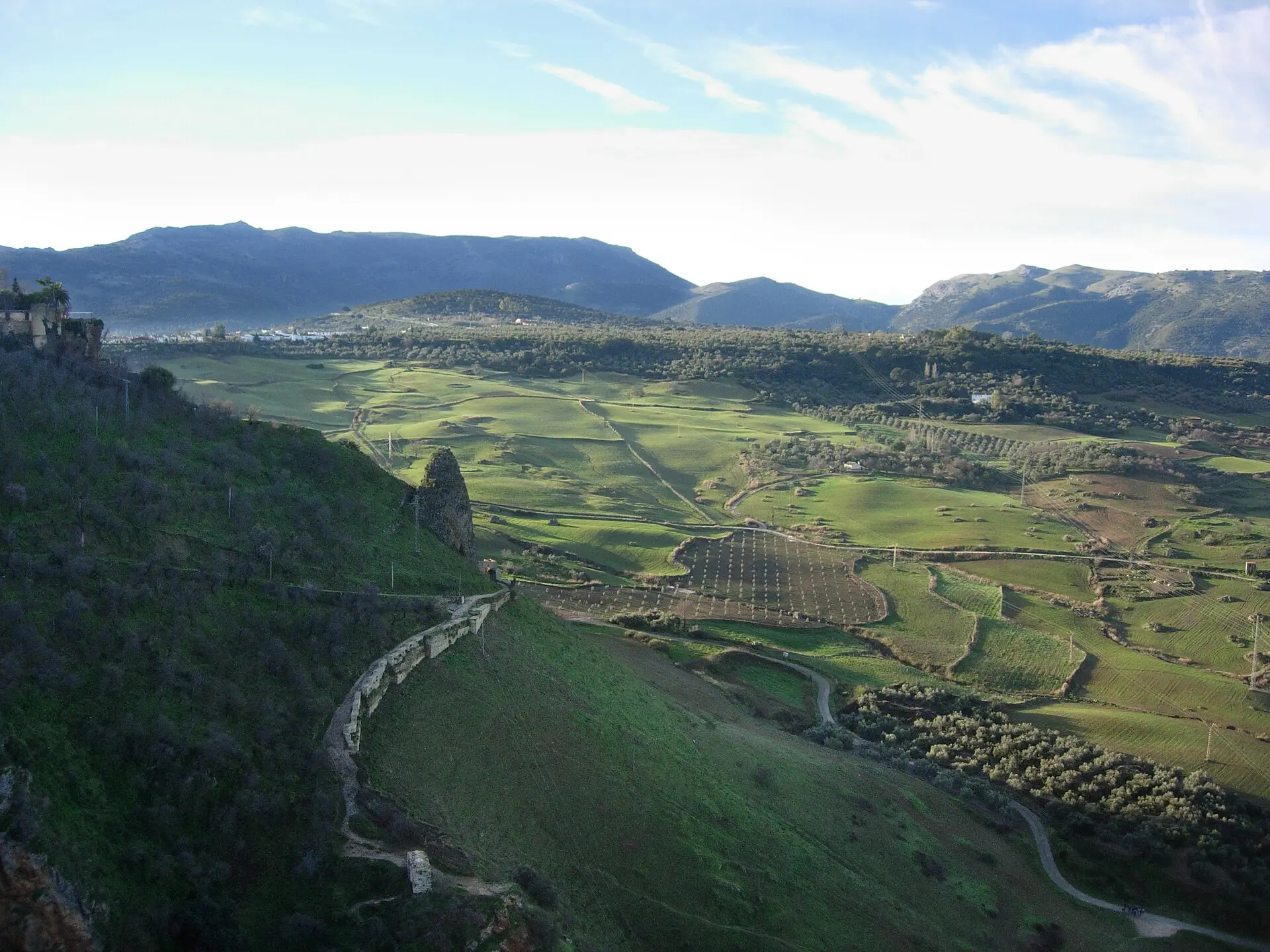
The hills around Ronda have small wineries, white villages and hiking routes. A hire car makes this easy. Allow half a day to a day, and check opening times before you go.
FAQ
Q1When is the best time to visit Ronda?
Spring (April to June) and early autumn (September to October) are best, with mild days and manageable crowds. July and August are hot and busy, especially around midday. Winter is cold and wetter, but quiet and cheaper if you do not mind cooler weather.
Q2How many days do you need in Ronda?
One full day covers the bridge, the old quarter and the bullring, but a night is worthwhile because evenings are calmer. Two days gives time for a gorge walk or a winery visit without rushing.
Q3How do you get to Ronda?
The nearest major airport is Malaga, roughly 100 km away. From there you can hire a car or use bus and rail connections, so check current timetables. Ronda also has road links with Seville and the Costa del Sol and a train station in the newer part of town.
Q4Is Ronda worth visiting?
Yes, especially if you like dramatic scenery and historic towns. The gorge and the bridge are among Andalusia's best-known sights, and the old quarter is well preserved. It gets busy at midday in summer, so staying overnight makes it more rewarding.
Prices, schedules and entry rules change. Check current details with official sources before you travel. Read the Spain travel guide.