Why visit Valencia
For things to do in Valencia, Spain, the main selling point is balance. It is the capital of the Valencian Community and the third largest city in Spain, on the Mediterranean coast, with around 800,000 residents and a larger urban area.
Founded as a Roman colony in 138 BC, Valencia later passed through Islamic rule and became the capital of a Christian kingdom in 1238. That layered past shows in the old town’s Gothic buildings, towers and markets. It also has ultramodern architecture and good city beaches.
Paella, the ultramodern buildings and the beaches are reasons to visit year-round, and the Falles festival in March is UNESCO-listed. The city is flat, compact and bike-friendly, which makes it one of the easiest Spanish cities to enjoy at a gentle pace.
Top things to do in Valencia
Old town and cathedral
The historic centre has the cathedral and the Miguelete tower, which you can climb for views, plus lanes, squares and cafes. Allow two to three hours. Check opening times, and avoid midday heat in summer.
Central Market (Mercado Central)
The large market hall, with its modernist ironwork, sells fresh produce, seafood and local food. Allow an hour. Go in the morning, when stalls are busiest, as it closes in the afternoon and on Sundays.
Lonja de la Seda
The late Gothic silk exchange is a UNESCO World Heritage Site next to the market. Allow 30 to 45 minutes. Entry has been low-cost or free on some days, so check current arrangements before you go.
Turia Gardens
The former river bed has been turned into a long green park through the city, popular for cycling and walking. Allow one to three hours depending on how far you go. Rent a bike for an easy way to reach the City of Arts and Sciences.
City of Arts and Sciences
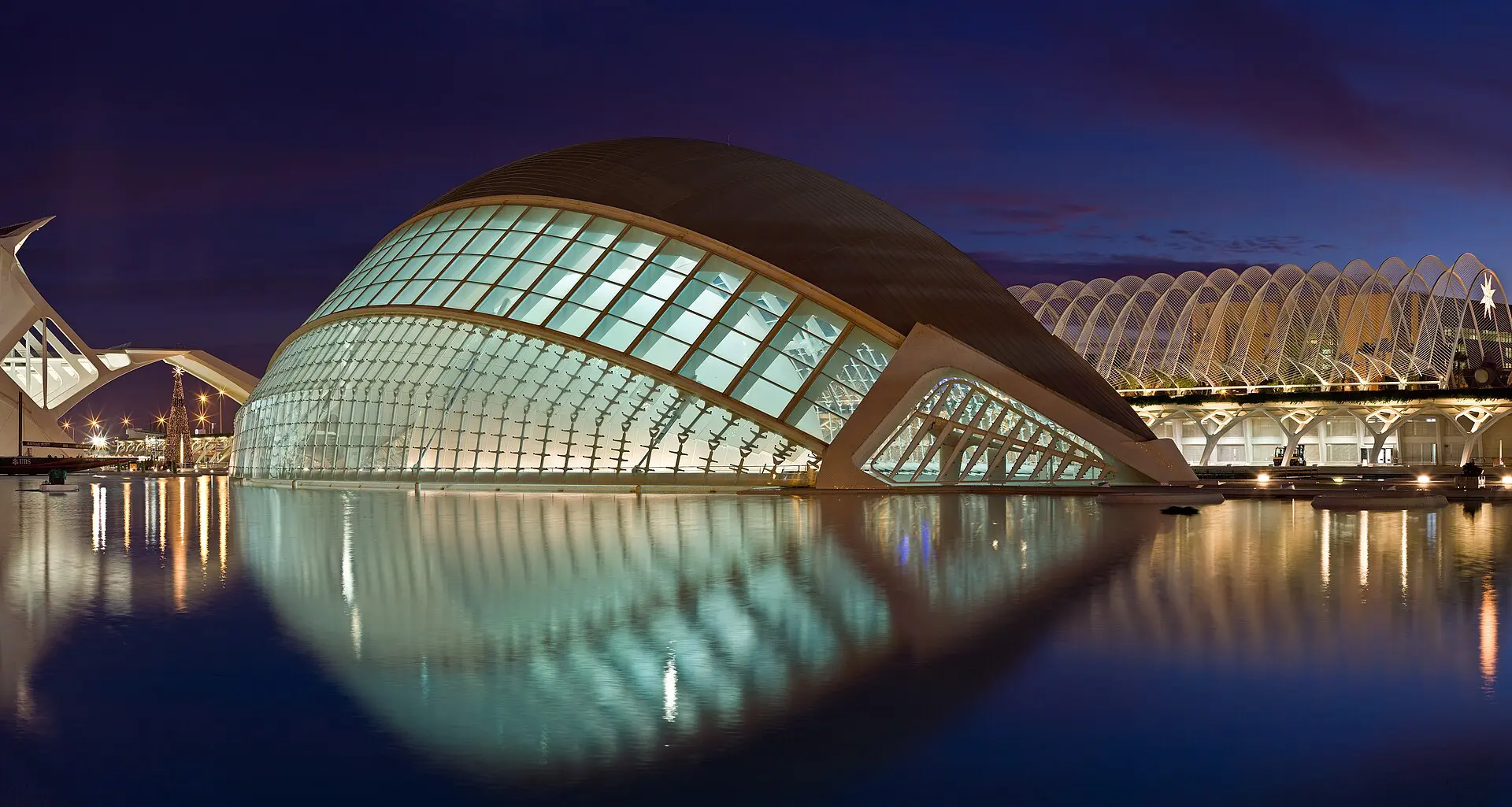
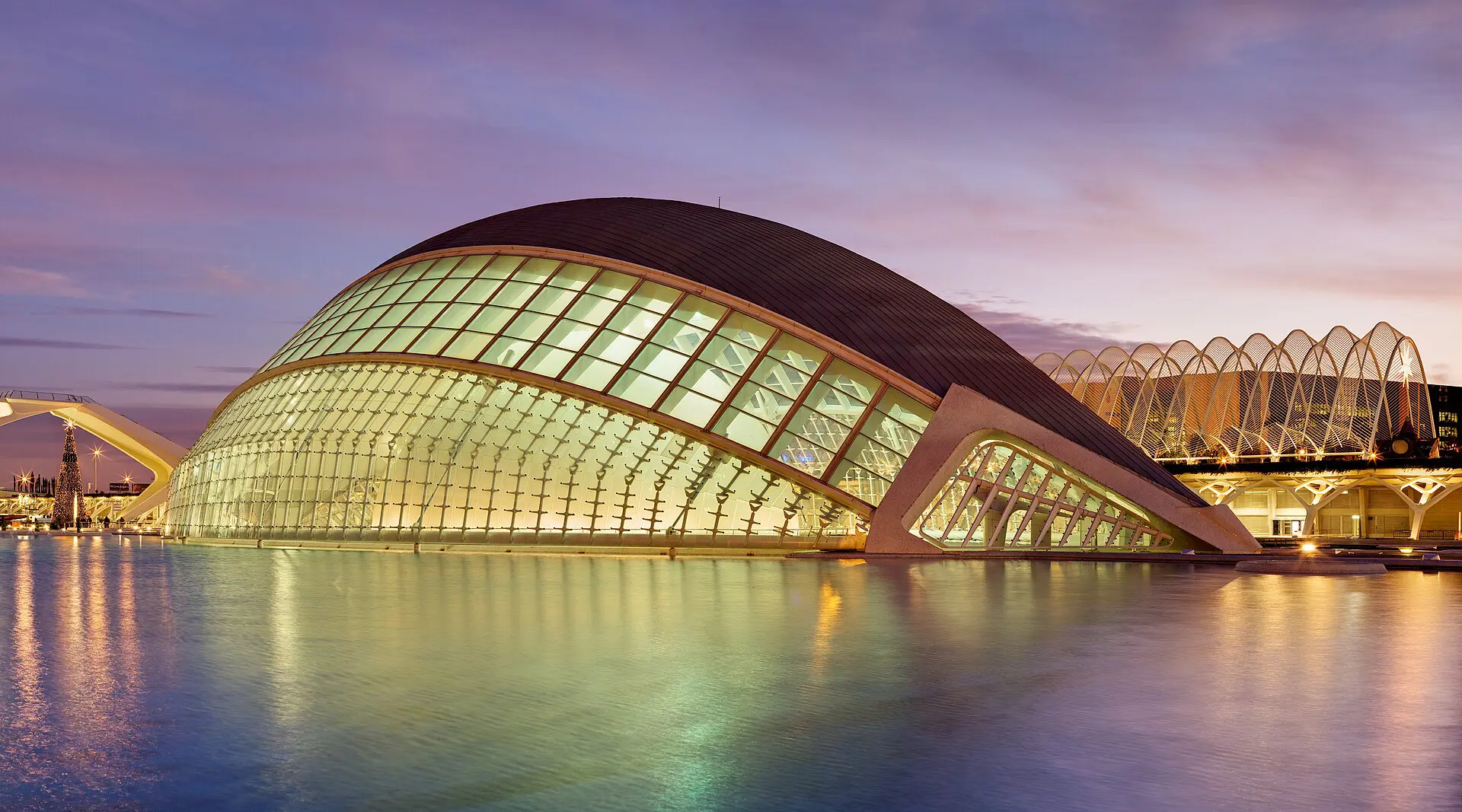
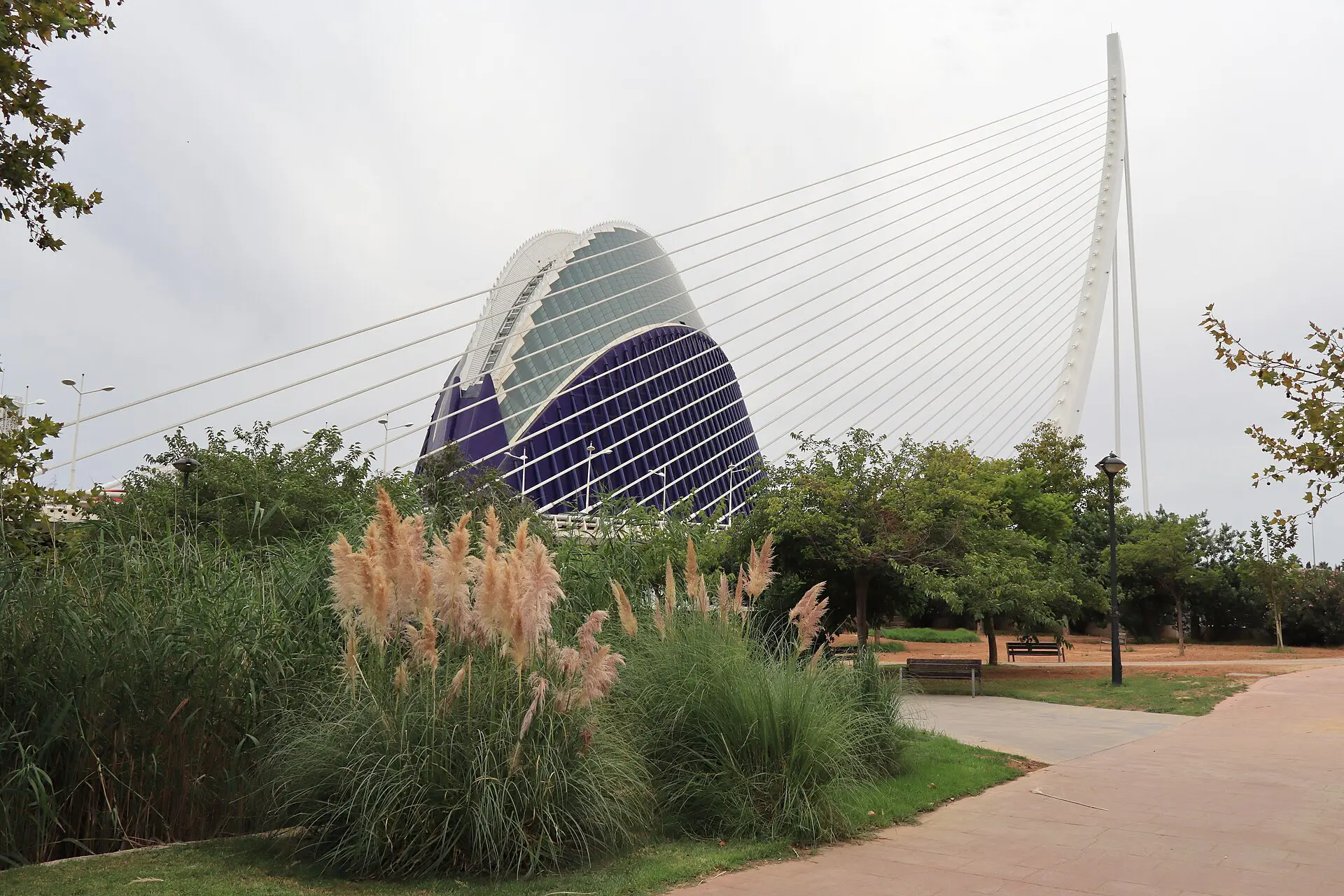
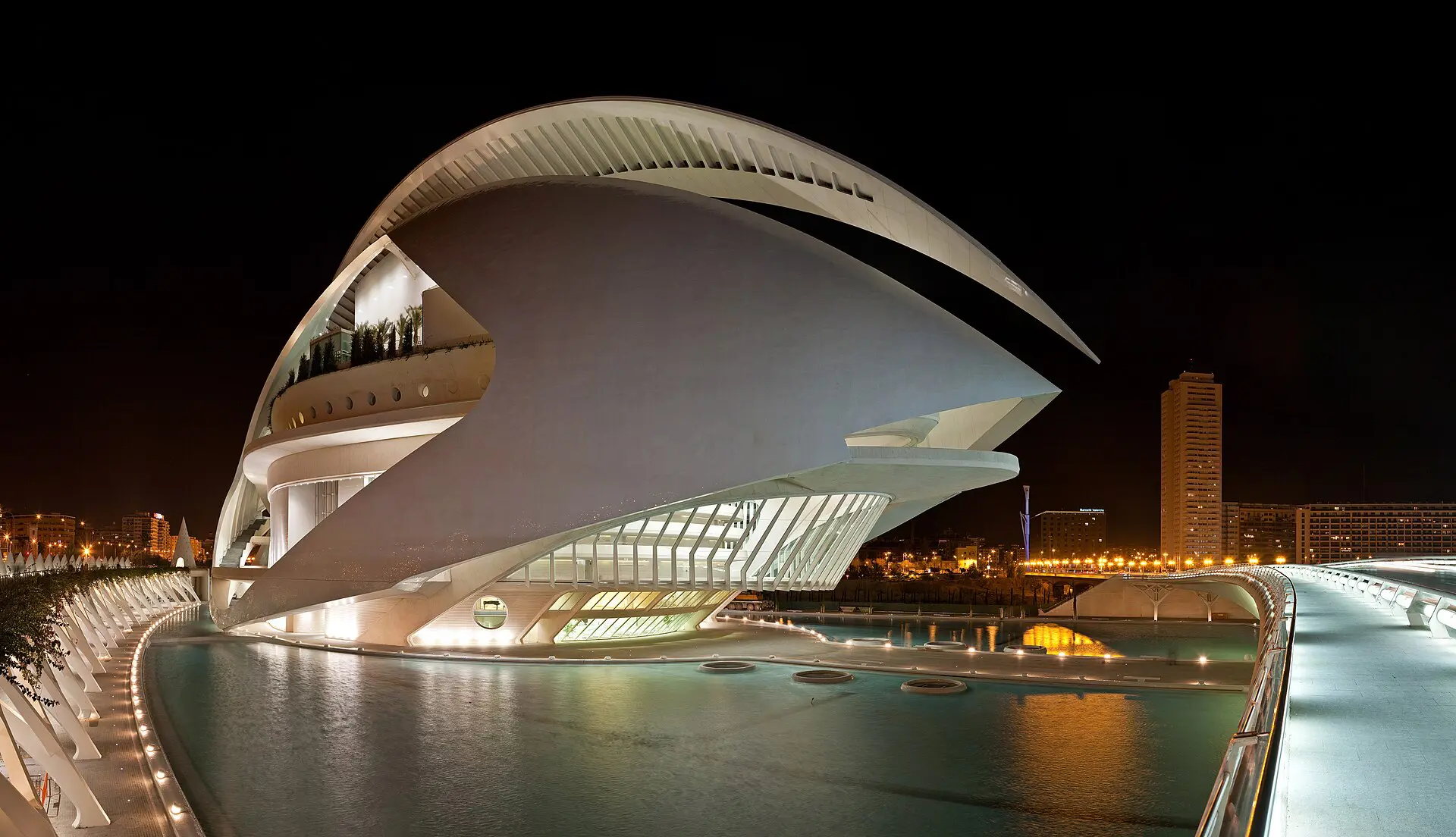
The white futuristic complex of science museum, opera house and aquarium is the city’s modern landmark. Allow two hours for walking around and photos, and longer if you enter the museums. Tickets can be combined, so check the options.
Beaches and the Malvarrosa
The city beaches, such as Malvarrosa and Las Arenas, are reached by tram or bus from the centre in around 20 to 30 minutes. They are wide and sandy, with seafront restaurants. Swimming is best from late spring to early autumn.
Paella and the Albufera
Valencia is the birthplace of paella, traditionally cooked with rice, chicken, rabbit and beans, and the nearby Albufera lagoon produces the rice. Try it at lunchtime, as it is often a midday dish, and check which restaurants serve it authentically.
Best time to visit Valencia
Valencia has a Mediterranean climate with hot, humid summers and mild winters. Spring and autumn are the most comfortable, from roughly March to June and September to October, with warm days for sightseeing and outdoor meals.
July and August are hot and busy on the beach. Winter is mild and sunny compared with northern Europe, though some days are cool and wet. March brings the Falles festival, with fireworks, parades and big crowds, so book early and expect noise, or avoid those dates if you prefer a quiet visit.
| Season | Weather | Crowds and prices |
|---|---|---|
| Spring (Mar-Jun) | Mild to warm | Fallas in March is very busy |
| Summer (Jul-Aug) | Hot, humid | Busy at beaches; higher prices |
| Autumn (Sep-Oct) | Warm, some storms | Moderate |
| Winter (Nov-Feb) | Mild, occasional rain | Quiet; good value |
How to get to Valencia and around
Valencia Airport (VLC) lies west of the city, with a metro line to the centre taking roughly 20 to 30 minutes, plus buses and taxis. High-speed trains connect Valencia’s Joaquin Sorolla station with Madrid in about 1.5 to two hours, and with Barcelona in roughly three hours. Ferries link the port with the Balearic Islands, including Ibiza and Mallorca.
The historic centre is compact and mostly walkable. The city has a metro, trams, buses and a bike-share system, and the Turia Gardens work as a cycling route across the city. Trams and the metro reach the beaches. Taxis are inexpensive for short trips. You do not need a car unless you plan to explore the surrounding region.
Where to stay in Valencia
The old town (Ciutat Vella) is the best base for first-time visitors, with sights, restaurants and markets close together. It can be noisy at weekends, so ask for an inside room if you are a light sleeper.
El Carmen and the Ruzafa district suit travellers who want bars, cafes and nightlife. Ruzafa is trendy, with independent restaurants and a younger crowd. Both are walkable and well connected to the centre.
Seaside neighbourhoods such as Malvarrosa and Cabanyal are good for beach holidays and longer stays, with apartments and hotels near the sand. They are around 20 to 30 minutes from the centre by tram. Book early for March and summer weekends.
How many days do you need?
Two days cover the old town, the market and the City of Arts and Sciences, and three days let you add a beach afternoon, the Albufera and a more relaxed pace.
- Day 1: Cathedral, Central Market and Lonja de la Seda, then evening tapas in El Carmen.
- Day 2: Cycle the Turia Gardens to the City of Arts and Sciences, then an afternoon at the beach with a paella lunch.
- Day 3: Albufera lagoon and sunset, or a day trip to a nearby town.
With one day only, do the old town and market in the morning and the City of Arts and Sciences at dusk.
Day trips and nearby
Albufera Natural Park
The freshwater lagoon south of the city is known for rice fields, birdlife and boat trips at sunset. It is reached by bus in about 30 minutes. Check boat schedules and prices.
Sagunto
A town north of Valencia with a Roman theatre and hilltop castle. It takes around 30 to 40 minutes by train, and works for a half-day trip.
Ibiza and Mallorca
Ferries and short flights link Valencia with the Balearic Islands. They are better for a longer trip than a day trip, but make an easy follow-on from the city.
Madrid and Barcelona
Both cities are reached by high-speed train. Madrid takes roughly 1.5 to two hours and Barcelona about three, so they suit a longer excursion or a stop on a wider Spain route.
FAQ
Q1How many days do you need in Valencia?
Two to three days is enough for the old town, Central Market, City of Arts and Sciences and a beach afternoon. A third day gives time for the Albufera lagoon or a trip to a nearby town without rushing.
Q2When is the best time to visit Valencia?
March to June and September to October are best for pleasant weather. July and August are hot and crowded at beaches. March brings the Falles festival, which is spectacular but very busy, so book early or avoid it.
Q3How do I get from Valencia airport to the city?
The metro links the airport to the centre in roughly 20 to 30 minutes, and buses and taxis are also available. Check current fares and the ticket machines, as ticket rules for airport journeys can vary.
Q4Is Valencia a good alternative to Barcelona?
Yes, for many travellers. It is smaller, flatter, usually cheaper and has city beaches, a good food scene and modern architecture. Barcelona offers more big-name sights, but Valencia is easier to see at a relaxed pace.
Prices, schedules and entry rules change. Check current details with official sources before you travel. Read the Spain travel guide.