Why visit Bilbao
The best things to do in Bilbao combine one famous building with a city that is far more than a single attraction. It is the largest city in Spain’s Basque Country, with about 350,000 residents and more than a million in the wider metropolitan area, set along the Nervión river.
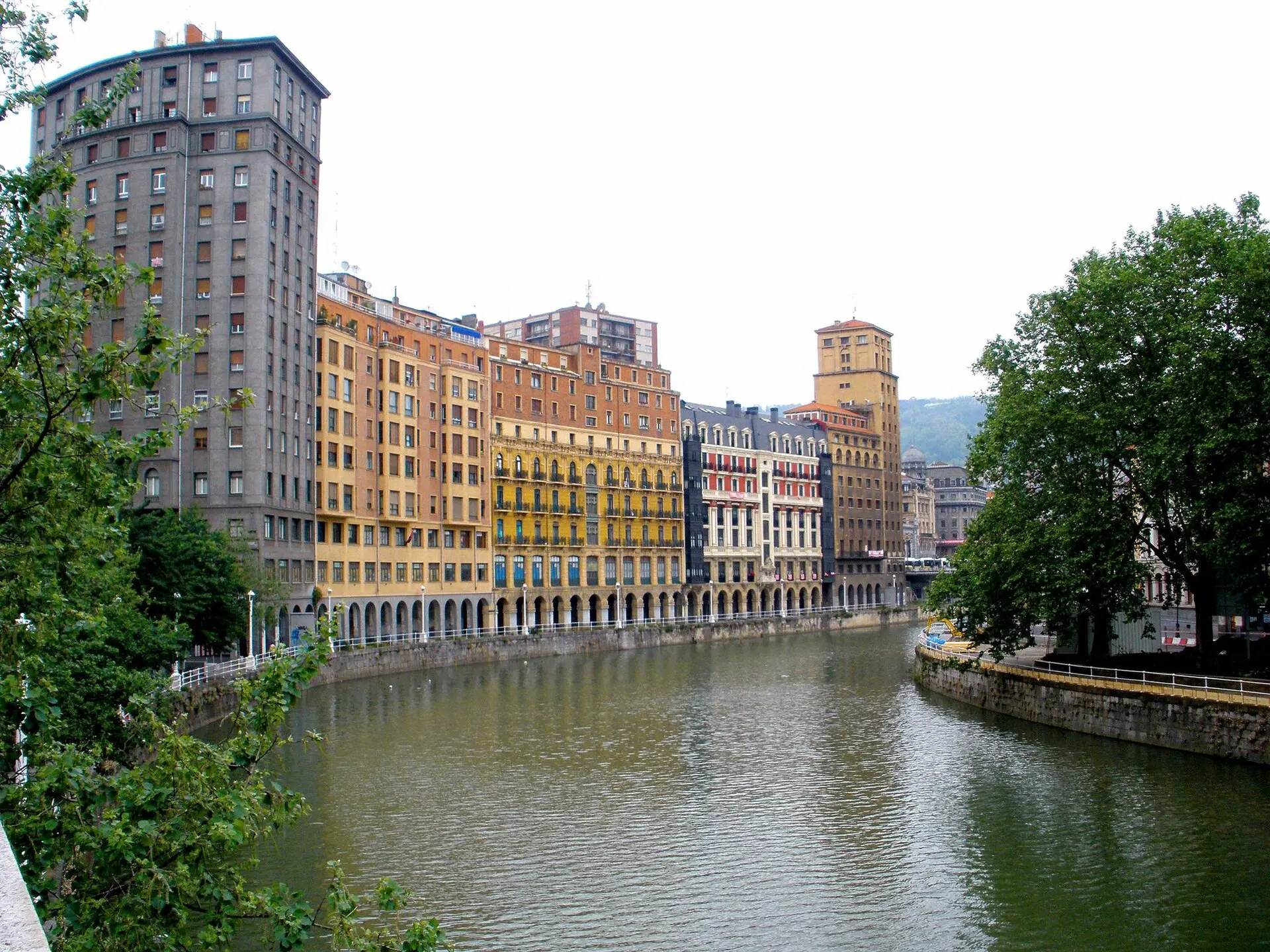
It is a good place to meet Basque culture, including a language and traditions that have survived for thousands of years and make it unlike elsewhere in Europe. The old town has a seven-street core, and the city is known for pintxos, small snacks served on bread or skewers in bars.
Bilbao is also milder and rainier than much of Spain, with greener hills nearby, so the climate suits walking and exploring. Temperatures rarely fall below freezing in winter and are typically around or a little above 25 degrees Celsius in summer, though hotter spells happen, which suits visitors who dislike strong heat.
Top things to do in Bilbao
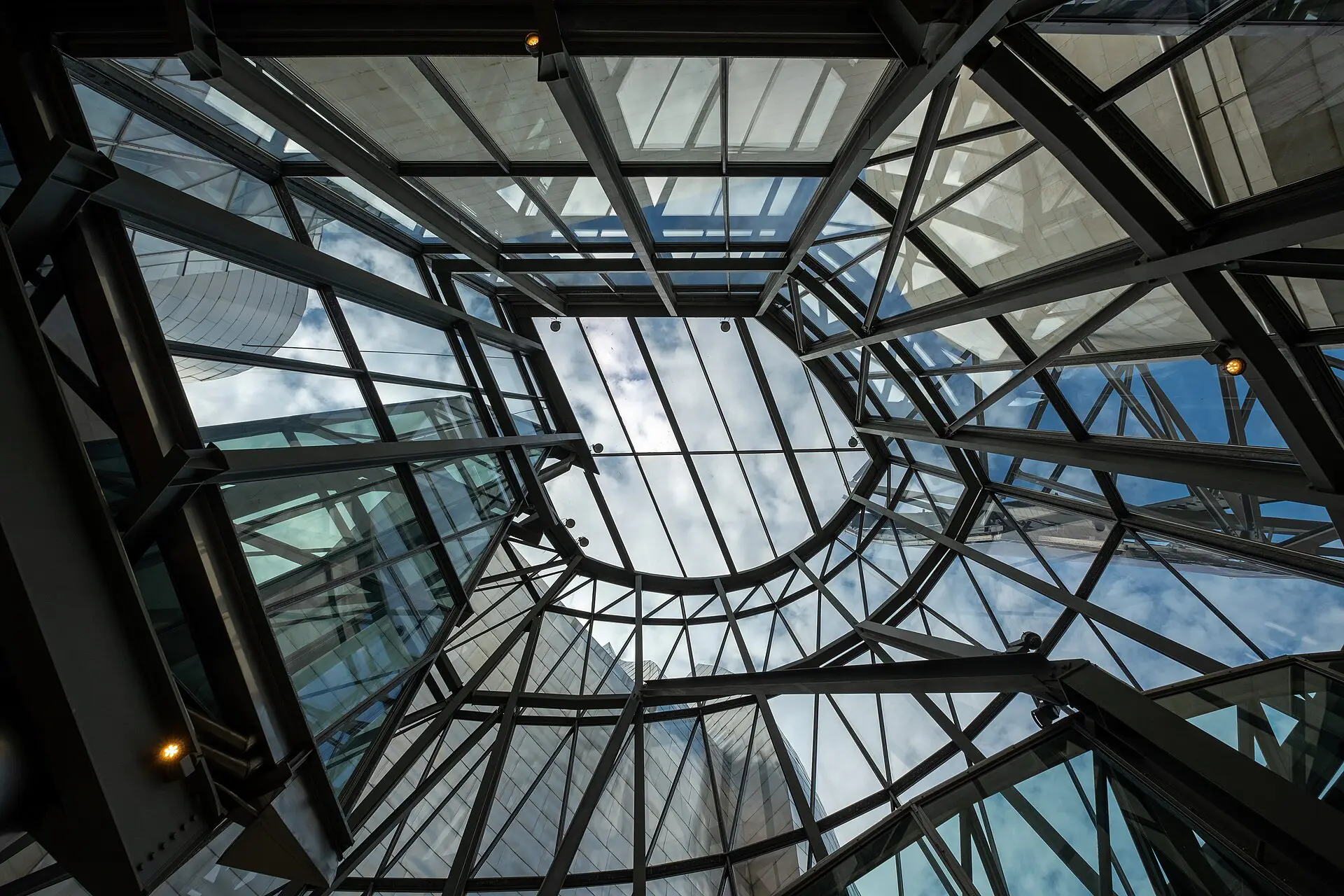
Guggenheim Museum Bilbao
The titanium-clad museum on the river bank is the city’s best-known landmark and houses modern and contemporary art. Allow two to three hours, and look at the building from the riverside as well as inside. Book timed tickets in advance in summer and check current opening days.
Casco Viejo
The old town on the east bank has narrow streets, small squares and the Plaza Nueva. Allow a couple of hours to walk it, then stay for pintxos in the evening. Visit in the morning for shops and markets, and at night for the liveliest atmosphere.
Pintxos crawl
Moving between bars and ordering one or two small plates with a drink is the local way to eat. Look for what locals are ordering and pay as you go. Evenings are the busiest, and many bars close on set days, so check beforehand.
Mercado de la Ribera
One of the largest covered markets in Europe sits beside the river at the edge of the old town. Allow an hour for a visit, and look for stalls selling local cheese, fish and produce. It is best in the morning.
Funicular to Artxanda
A short funicular ride from the east bank takes you to a hilltop with views across the city and the valley. Allow an hour. It is also a good starting point for easy walks, and is best in clear weather.
Fine Arts Museum and the riverside walk
The Museo de Bellas Artes holds a good range of European and Basque art, and it can be combined with a walk along the river and the footbridges. Check opening times, as museums often close one day a week.
Best time to visit Bilbao
Bilbao has a mild, oceanic climate that is wetter than most of Spain. Rain is possible in any season, so bring a light waterproof, but sunny weather is common from late spring to early autumn.
| Season | Weather | Crowds and prices |
|---|---|---|
| Spring (Mar-May) | Mild, showers | Moderate |
| Summer (Jun-Aug) | Warm, usually under 30 degrees Celsius | Busiest, higher prices |
| Autumn (Sep-Nov) | Mild, increasing rain | Moderate |
| Winter (Dec-Feb) | Cool and damp, rarely freezing | Quiet, lower prices |
The city holds a large festival in August, Aste Nagusia, so expect crowds and higher accommodation prices then.
How to get to Bilbao and around
Bilbao Airport is around 10 km from the centre and has flights from many European cities. A bus links it with the centre in roughly 20 to 30 minutes (check current services). Long-distance buses and trains connect Bilbao with Madrid, Barcelona and other Spanish cities, with San Sebastian reached by road in roughly an hour and a half.
Ferries also link the area with parts of the United Kingdom (check current routes and schedules). For arriving by road, parking is limited in the old town, so many visitors use car parks at the edge.
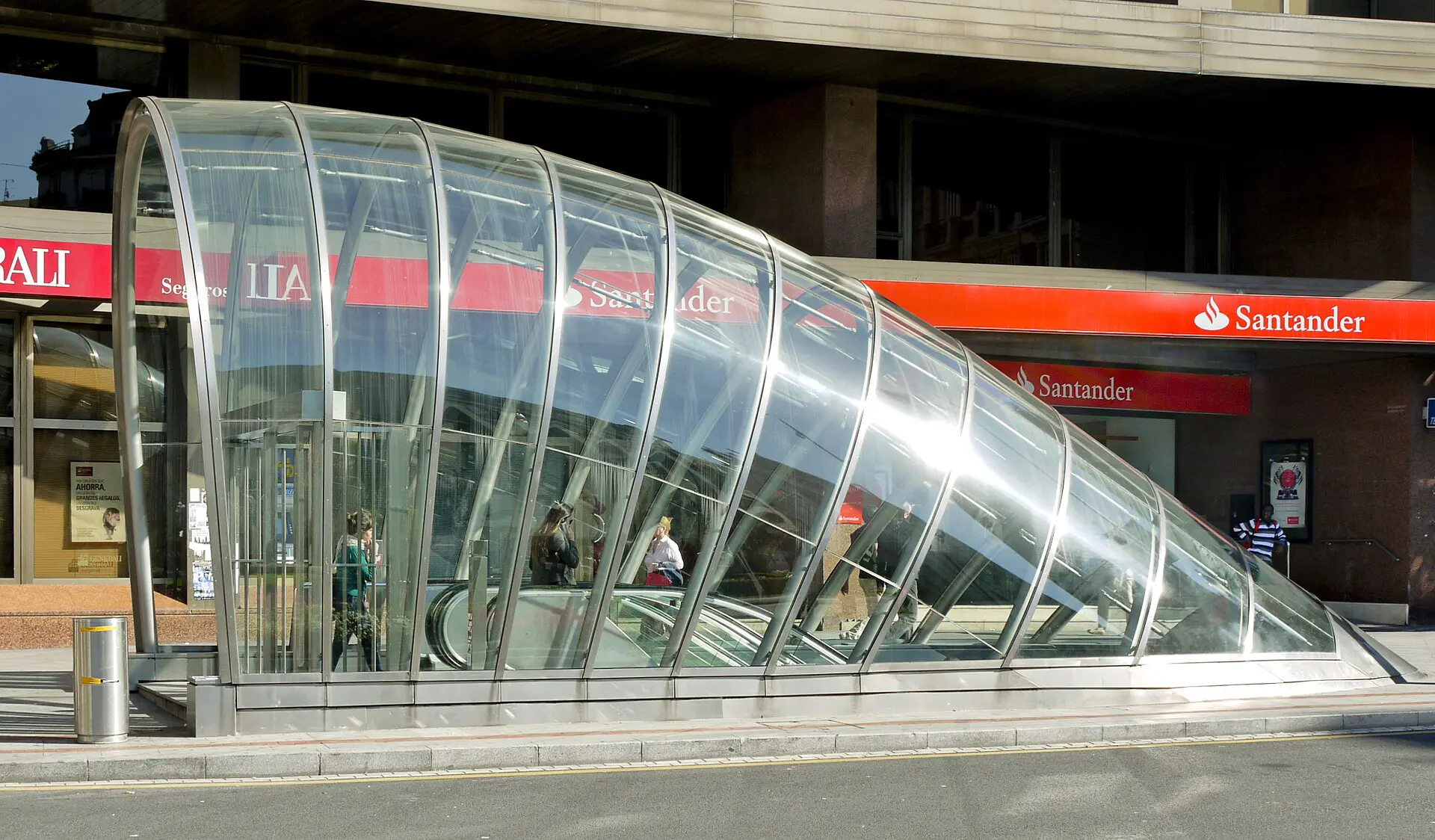
Inside the city, the centre is compact and walkable. The metro, tram and buses cover the wider area, and a rechargeable card is usually the cheapest way to pay. Taxis are plentiful.
Where to stay in Bilbao
The compact centre means most areas are within a short walk or metro ride of the sights, so choose based on atmosphere and budget.
- Casco Viejo: atmospheric and close to pintxos bars, suiting first-time visitors, though it can be noisy at weekends.
- Abando and the Ensanche: the central, 19th-century grid, close to the Guggenheim and the station, suited to those who like convenience and shopping.
- Indautxu: a more residential district with cafes, suited to longer stays.
- Near the metro on the outskirts: cheaper rooms with a fast metro ride to the centre.
Book early for August and for major festivals.
How many days do you need?
Two days cover the Guggenheim, the old town and an evening of pintxos. A third day adds a trip along the coast or to another Basque city. Because many places close on Mondays, check opening days before building the itinerary.
- Day 1: Guggenheim and the riverside in the morning, the market and Casco Viejo in the afternoon, then pintxos.
- Day 2: the Fine Arts Museum, the funicular to Artxanda and a relaxed dinner.
- Day 3: a day trip to San Sebastian or the coast.
Day trips and nearby
San Sebastian
The elegant seaside city is about 100 km east and is reachable by bus or car in roughly an hour and a half. It is famous for its beaches and pintxos. Allow a full day, and check the transport timetable for the return.
Gernika and the Urdaibai coast
The town of Gernika is known for its history and has a peace museum, and the nearby coast has beaches and a biosphere reserve. It can be reached by regional train and bus. Allow a half or full day.
Vitoria-Gasteiz
The Basque capital inland has a medieval old town and green spaces. It is reachable by bus in about an hour. It works as a quieter day trip, and many visitors pair it with a wine stop in La Rioja nearby.
FAQ
Q1When is the best time to visit Bilbao?
May to September offers the warmest and sunniest weather, though rain is possible in any season. Summer is busiest, and August has a major festival with higher prices. Winter is quieter and cheaper, with mild but damp conditions.
Q2How many days do you need in Bilbao?
Two days cover the Guggenheim, the old town, the market and an evening of pintxos. Add a third day for a trip to San Sebastian or the Basque coast. A single day is possible if you focus on the museum and old town.
Q3How do you get to Bilbao?
Bilbao Airport has flights from many European cities and a bus link to the centre. Long-distance buses connect the city with Madrid, Barcelona and San Sebastian, and some train services run too, though they are slower. Check current schedules and book ahead for busy periods.
Q4Is Bilbao expensive?
It is moderately priced by Western European standards, with hotels costing more in summer and during festivals. Pintxos and fixed-price lunch menus are affordable ways to eat well. Museum tickets and tours add up, so check combined passes.
Prices, schedules and entry rules change. Check current details with official sources before you travel. Read the Spain travel guide.