Why visit Montego Bay
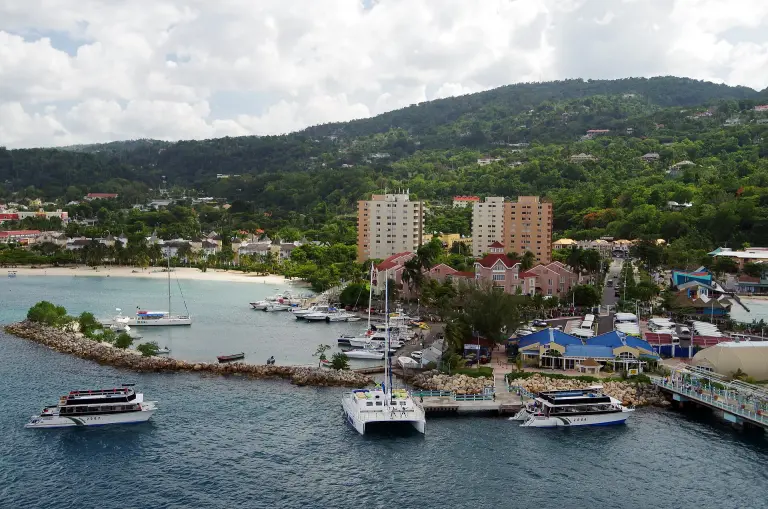
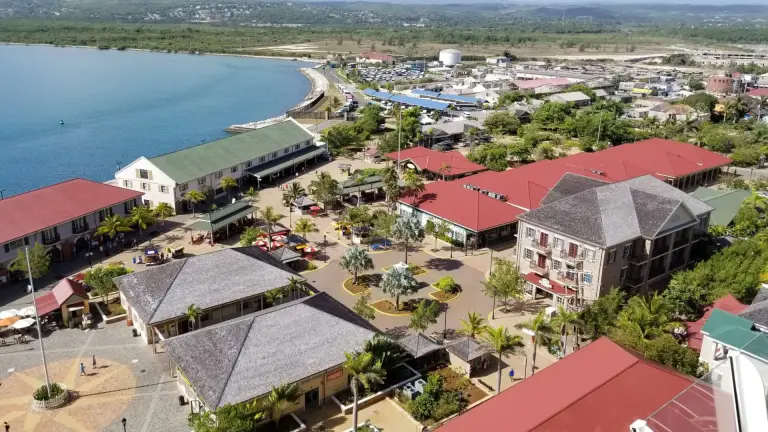
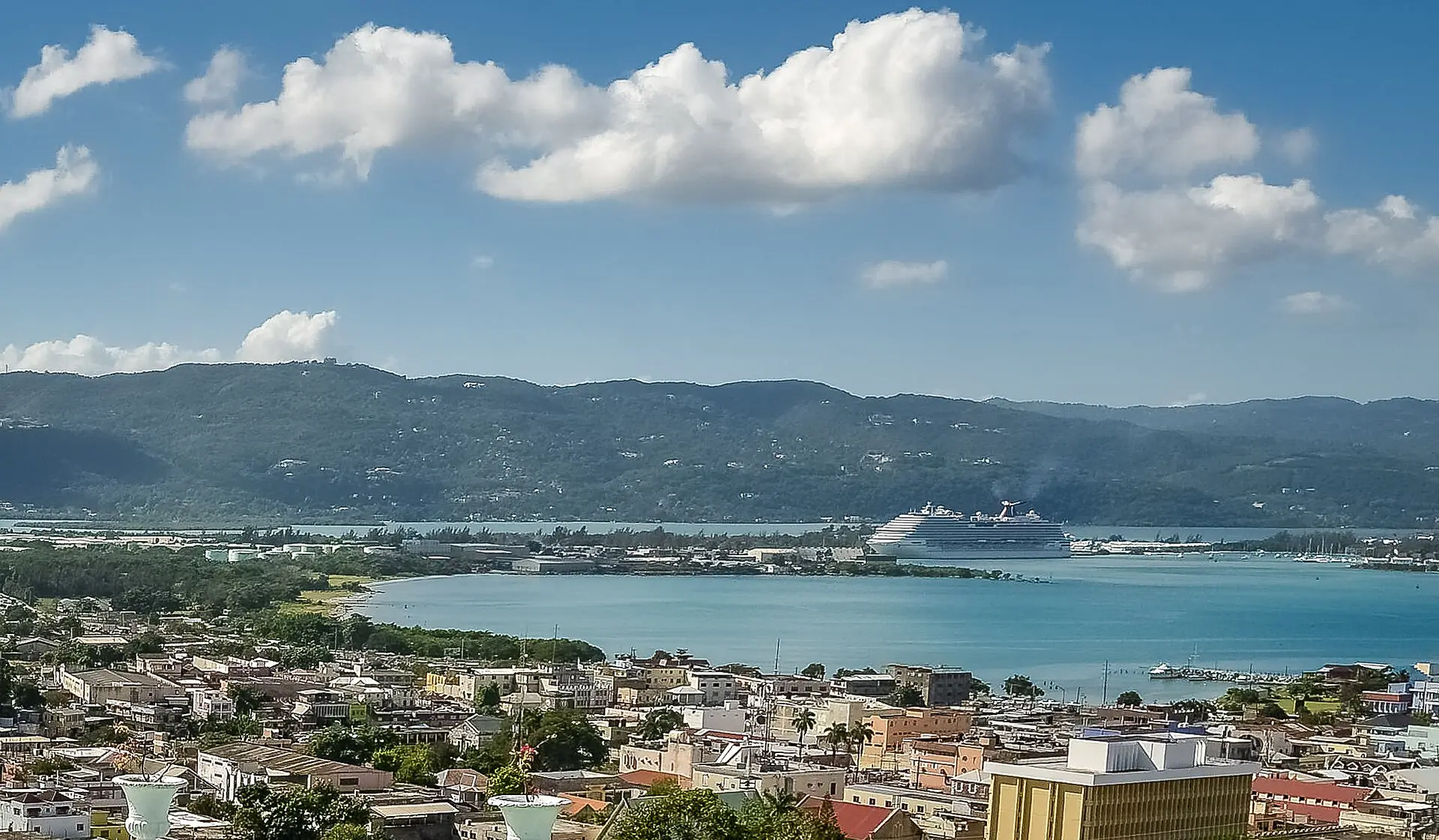
If you are planning things to do in Montego Bay, start with the fact that it is one of Jamaica’s largest cities, often called its second city, and the capital of the parish of Saint James. It sits on the north-west coast, and it is the main gateway for visitors thanks to Sangster International Airport, so many trips to the island begin here.
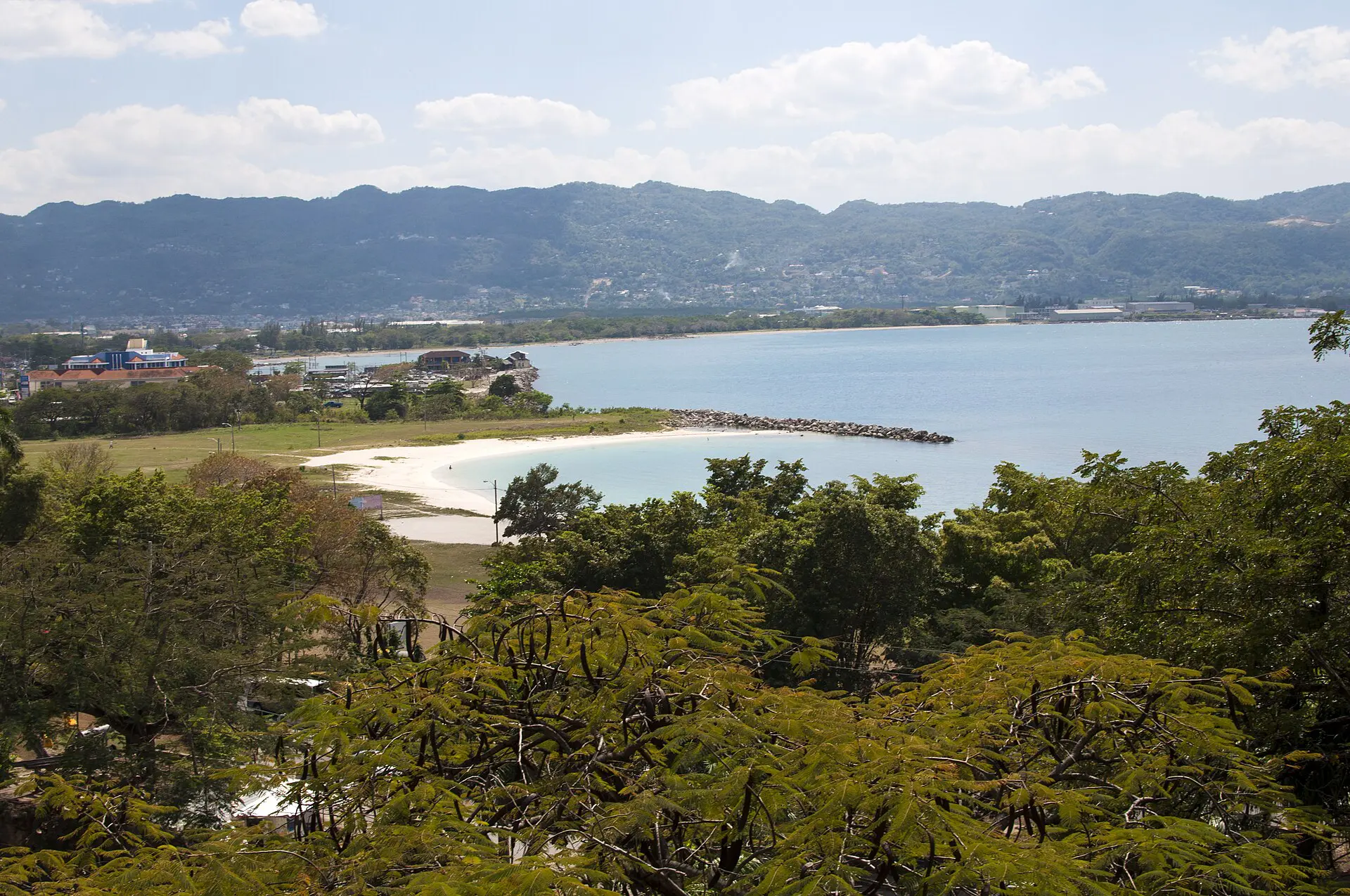
Locals often call it Mo Bay. The city combines a busy commercial centre with a resort strip along the coast known as the Hip Strip, and it has beaches, a protected marine park, colonial-era buildings and plantation houses nearby. It also offers easy access to waterfalls, river rafting and golf.
Many visitors stay at all-inclusive resorts, which can hide much of the island’s character. If you want a fuller picture, book some local tours, eat at local restaurants and spend time outside the resort area. Parts of western Jamaica were damaged by Hurricane Melissa in October 2025, so check which hotels, attractions and roads are fully open for your dates. Check current travel advice for the area before you go, take sensible precautions in the city centre, and use licensed operators for excursions. The weather is warm all year, and the hurricane season brings extra risk.
Top things to do in Montego Bay
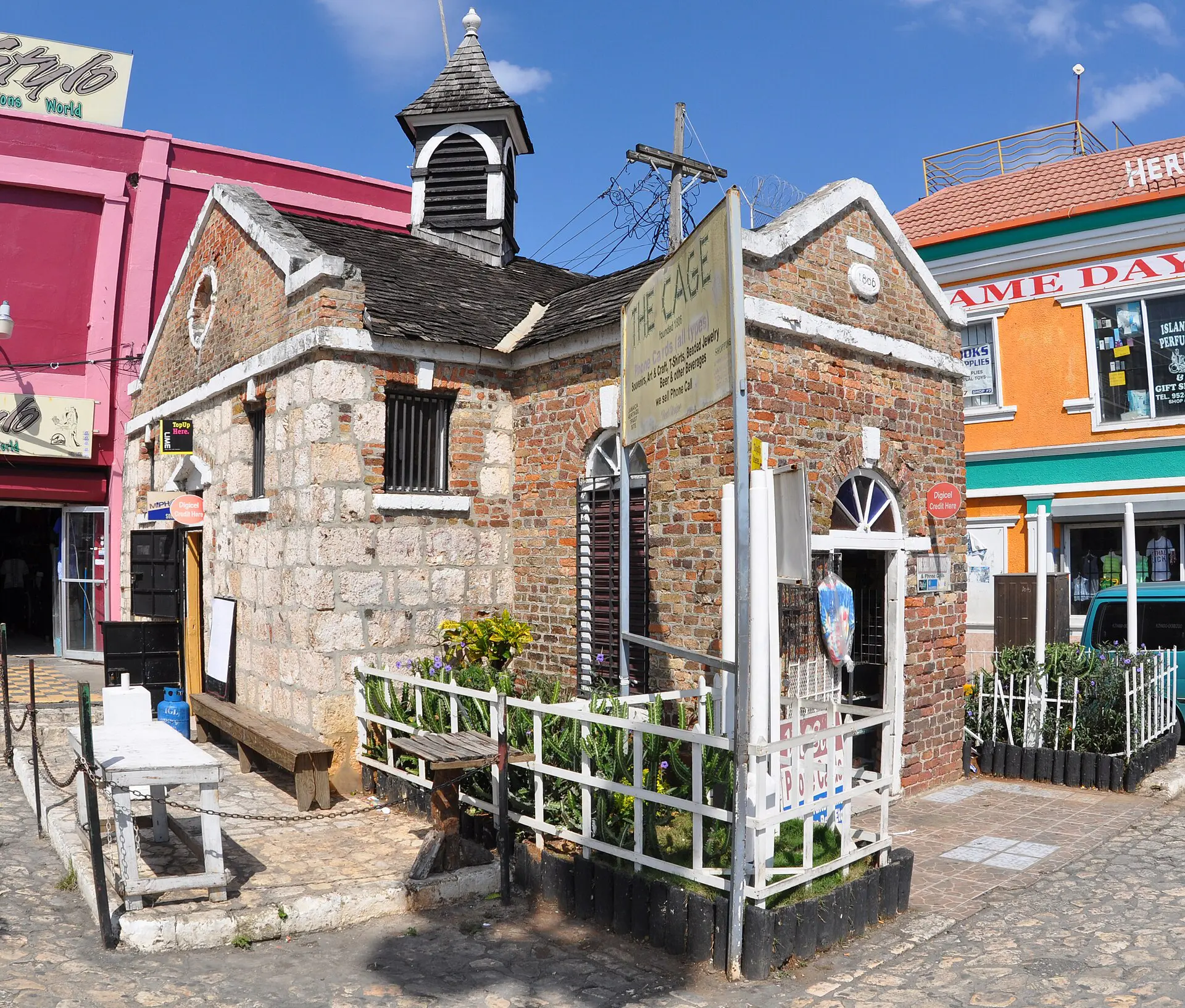
Doctor’s Cave Beach
Doctor’s Cave is one of the best-known beaches in Jamaica, with clear water and white sand on the Hip Strip. It charges an entry fee and has changing facilities. Allow half a day, go early to avoid crowds, and keep valuables secure.
Montego Bay Marine Park
The marine park protects reefs and coastal waters near the city, and you can snorkel or take a glass-bottom boat trip. Allow two to three hours. Choose an operator that follows reef-safe practices, and avoid touching coral or feeding fish.
Rose Hall Great House
Rose Hall is a restored Georgian plantation house east of the city, known for its history and stories about its former owner. Guided tours explain the history of slavery and sugar. Allow about an hour, and check tour times, since the evening tours differ from daytime ones.
Dunn’s River Falls
These terraced waterfalls are near Ocho Rios, and visitors can climb them with a guide. It is a long day trip from Montego Bay, so check transport and entry details in advance. Wear water shoes, bring a change of clothes and expect crowds on cruise days.
Martha Brae river rafting
Bamboo rafts glide down the Martha Brae river, east of the city, past tropical vegetation. A trip lasts about an hour, usually with a pilot who poles the raft. Book through your hotel or a licensed operator, and carry small bills for tips.
Rum and distillery tours
Jamaica has a long rum-making tradition, and several estates and distilleries run tours with tastings. Tours usually take one to two hours. Check booking requirements, keep alcohol limits in mind if you are driving, and ask about transport from the city.
Hip Strip dining and nightlife
The Hip Strip is the main visitor zone with shops, restaurants and bars along Gloucester Avenue. Jamaican jerk, seafood and fresh fruit are the highlights. Use licensed taxis at night and check restaurant hours, which vary by season.
Best time to visit Montego Bay
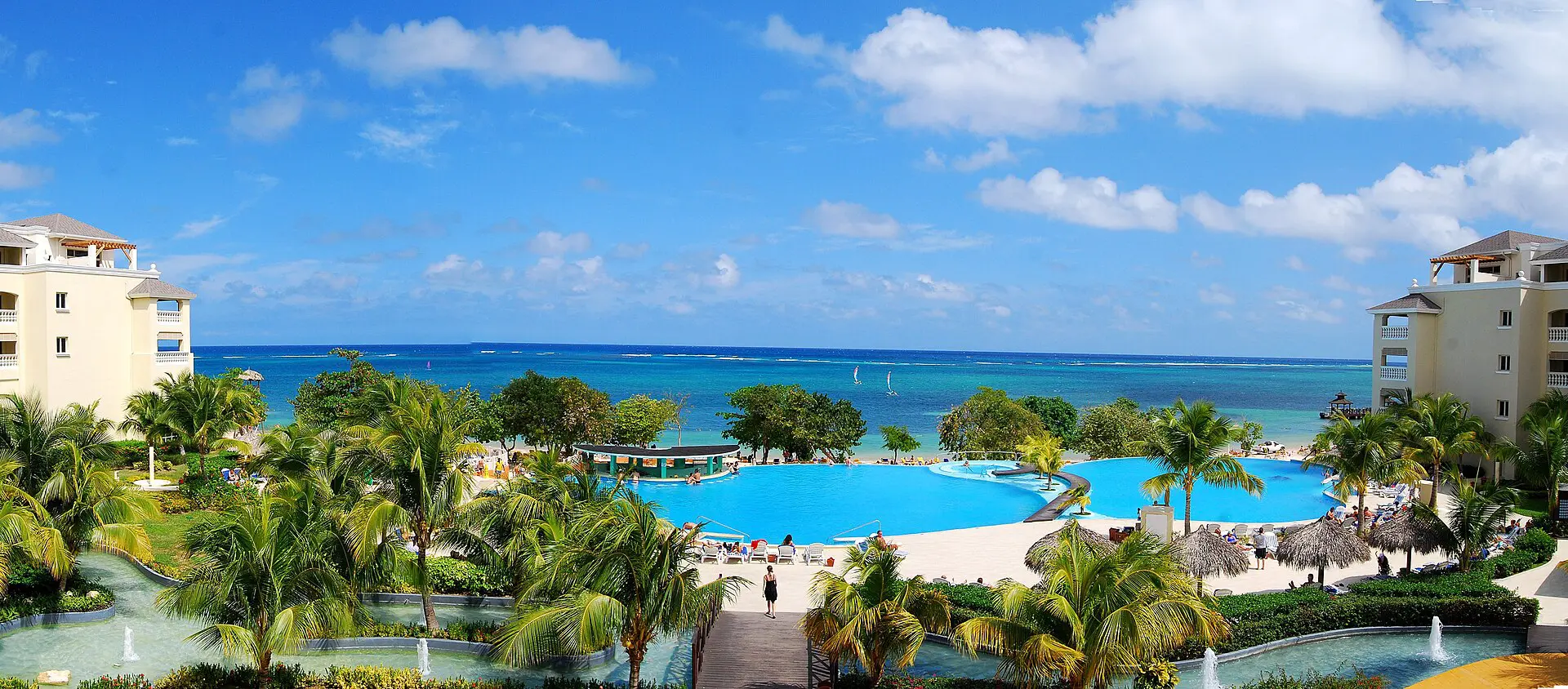
Montego Bay is warm and humid all year. Rain and the hurricane season shape when most visitors go.
| Season | Weather | Crowds and prices |
|---|---|---|
| Winter (Dec-Apr) | Warm, dry, lower humidity | Peak crowds and prices |
| Spring (May-Jun) | Hotter, some showers | Moderate, better value |
| Summer (Jul-Aug) | Hot, humid, some storms | Quieter, discounted rates |
| Autumn (Sep-Nov) | Wettest, peak hurricane risk | Lowest prices, fewer visitors |
December to April is the driest and most popular period. The Atlantic hurricane season runs from June to November, with higher risk from August to October. Consider travel insurance, and check forecasts and cancellation terms before booking.
How to get to Montego Bay and around
Sangster International Airport (MBJ) is the island’s busiest, with direct flights from North America, Europe and the Caribbean. It is a short drive from the Hip Strip and most resorts, so transfers are often under 30 minutes. Pre-booked transfers are common, and licensed taxis are available at the airport.
From the city, a coastal highway connects Montego Bay to Negril in the west and Ocho Rios in the east, and driving is possible. Jamaicans drive on the left, and roads can be narrow and busy, so many visitors prefer a driver or a tour.
Within the city, licensed taxis, marked by red plates, are the most practical option. Route taxis and minibuses are cheap but crowded and can be confusing. Check fares before you get in, and agree on the price for longer rides.
Where to stay in Montego Bay
Most visitors stay on the coast near the airport and the Hip Strip, but the areas differ in style and price.
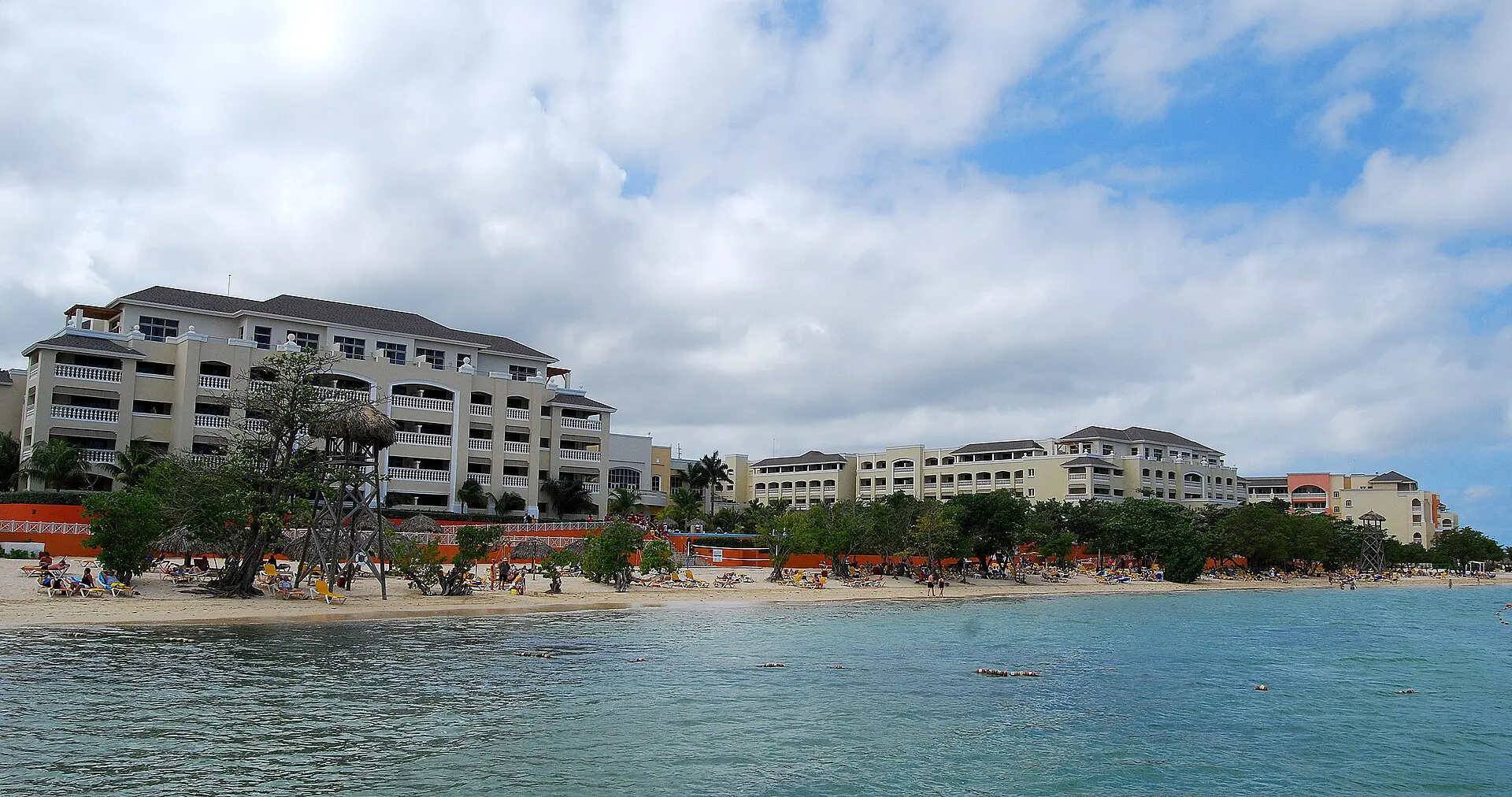
- Hip Strip is the most convenient for beaches, shops, restaurants and nightlife. It suits those who want to walk and are happy with a busy atmosphere.
- Resort areas east and west of town are dominated by all-inclusive resorts with private beaches. They suit families and couples who want a hassle-free stay, though they limit contact with local life.
- Guesthouses and villas in the hills offer views and a quieter pace. They suit travellers with a car or driver.
- City centre hotels are cheaper and serve business visitors, but are less attractive for beach holidays.
Check the transfer time to the airport and the location of the nearest beach before you book.
How many days do you need?
Three to four days is enough to enjoy the beaches, explore the Hip Strip and do two or three excursions. If you are mainly relaxing at a resort, a long weekend may be plenty. Add days if you want to explore Negril, Ocho Rios or the interior.
- Day 1: Beach time at Doctor’s Cave and an evening on the Hip Strip.
- Day 2: Rose Hall Great House in the morning, then Martha Brae river rafting.
- Day 3: Snorkelling or a boat trip in the marine park, followed by a rum tasting.
Use a fourth day for a trip to Dunn’s River Falls or Negril.
Day trips and nearby
Negril
Negril is known for its long beach on the west coast and dramatic cliffs, with a relaxed atmosphere. It is around 1 to 1.5 hours by road from Montego Bay. It suits a day trip or an overnight stay, and sunsets there are popular. Check recent hurricane recovery before you plan.
Ocho Rios
Ocho Rios is a cruise port on the north coast with waterfalls, gardens and beaches. It is about 1.5 to 2 hours from Montego Bay by road. Dunn’s River Falls is a short drive away, so combine them on a long day.
Falmouth
Falmouth is a historic port town with Georgian architecture, east of Montego Bay. It has a cruise terminal and is known for its restored buildings. It makes an easy half-day trip, often combined with river rafting on the Martha Brae.
Blue Mountains
The Blue Mountains are on the other side of the island, near Kingston, and known for coffee and hiking. They are far from Montego Bay, so plan an overnight stay and check road conditions before you travel.
FAQ
Q1When is the best time to visit Montego Bay?
December to April is the driest and most comfortable period, but it is also the busiest and most expensive. The hurricane season runs from June to November, and the wettest weather is usually in autumn. Prices drop in those months, so check forecasts and insurance.
Q2How many days do you need in Montego Bay?
Three to four days is enough for the beaches, the Hip Strip and a few excursions such as Rose Hall and river rafting. If you add Negril or Ocho Rios, plan five to seven days. A resort-only trip can be shorter.
Q3How do you get to Montego Bay?
Most visitors fly into Sangster International Airport, which has direct flights from North America, Europe and the Caribbean. It is a short drive from the Hip Strip and most resorts. Pre-booked transfers and licensed taxis are the easiest way to reach your hotel.
Q4Is Montego Bay safe for tourists?
Many visitors have trouble-free stays, especially in resorts, but crime exists in parts of the city. Use licensed taxis, avoid walking at night and keep valuables out of sight. Check current travel advice from your government and follow local guidance before you go.
Prices, schedules and entry rules change. Check current details with official sources before you travel. Read the Jamaica travel guide.