Why visit Lyon
The best things to do in Lyon start with eating, and the city knows it. It is regularly called the gastronomic capital of France, with one of the highest concentrations of restaurants per head in the country, from traditional bouchons to modern kitchens.
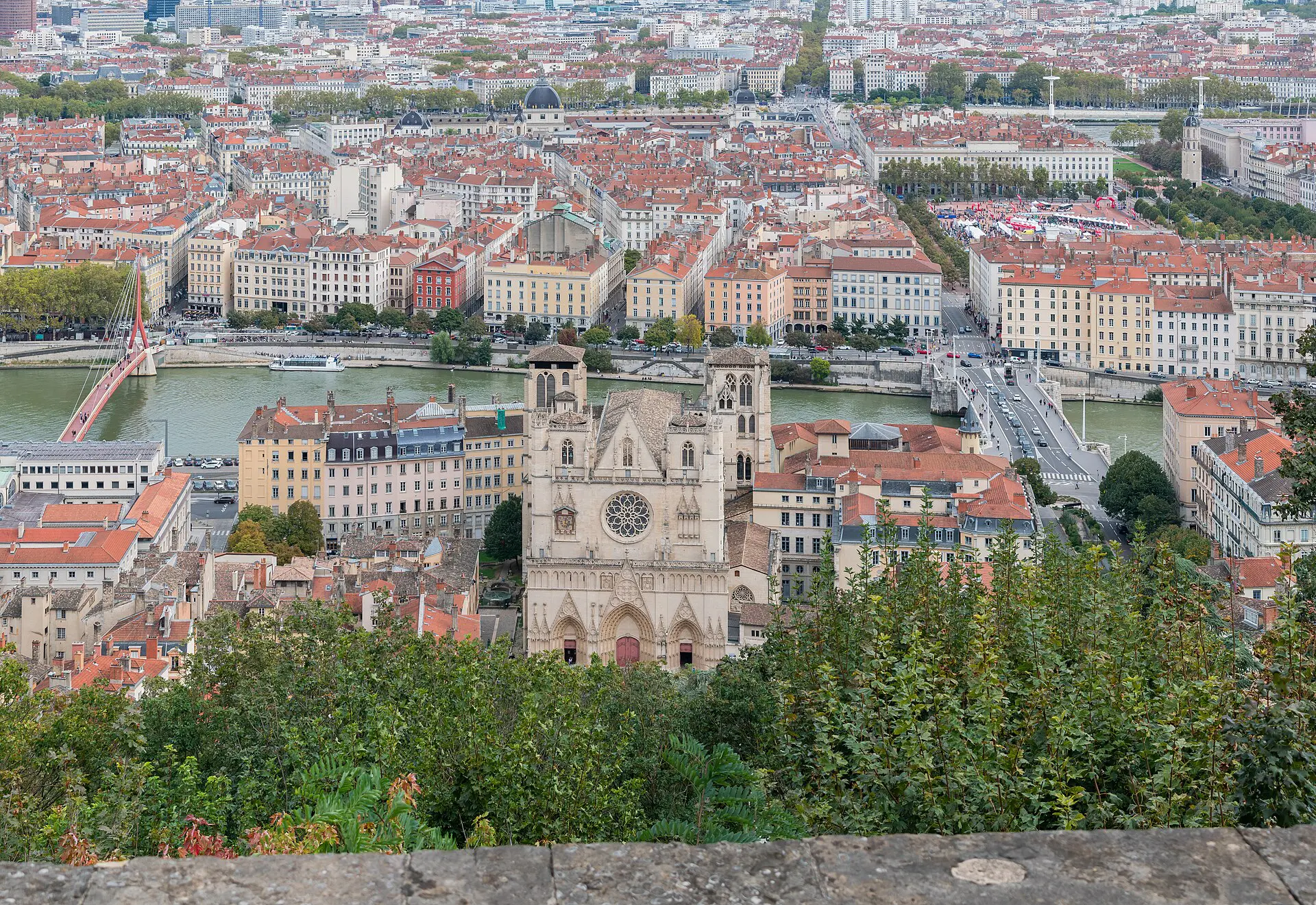
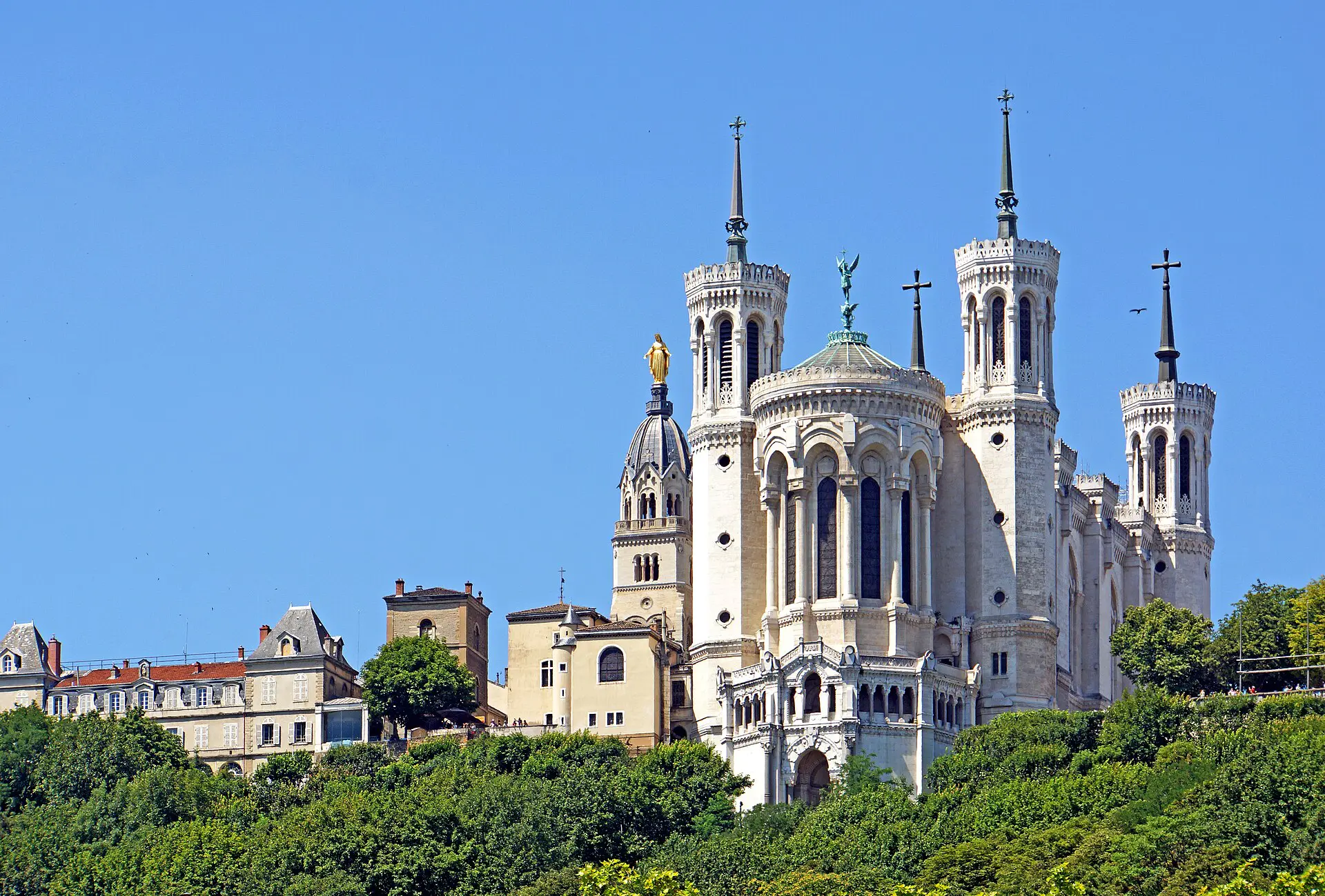
Food is only part of the case. Lyon was a Roman provincial capital, and extensive ruins survive on the Fourvière hill. Its Renaissance centre grew rich on silk, and the old town and the Presqu’île peninsula between the Rhône and the Saône are protected as a UNESCO World Heritage Site.
The city has around half a million people, and a much larger metropolitan area, yet the centre is easy to cover on foot, by metro or by funicular. It suits couples, food lovers and anyone building a longer trip through eastern France, and it can be paired with the Alps or Burgundy.
Top things to do in Lyon
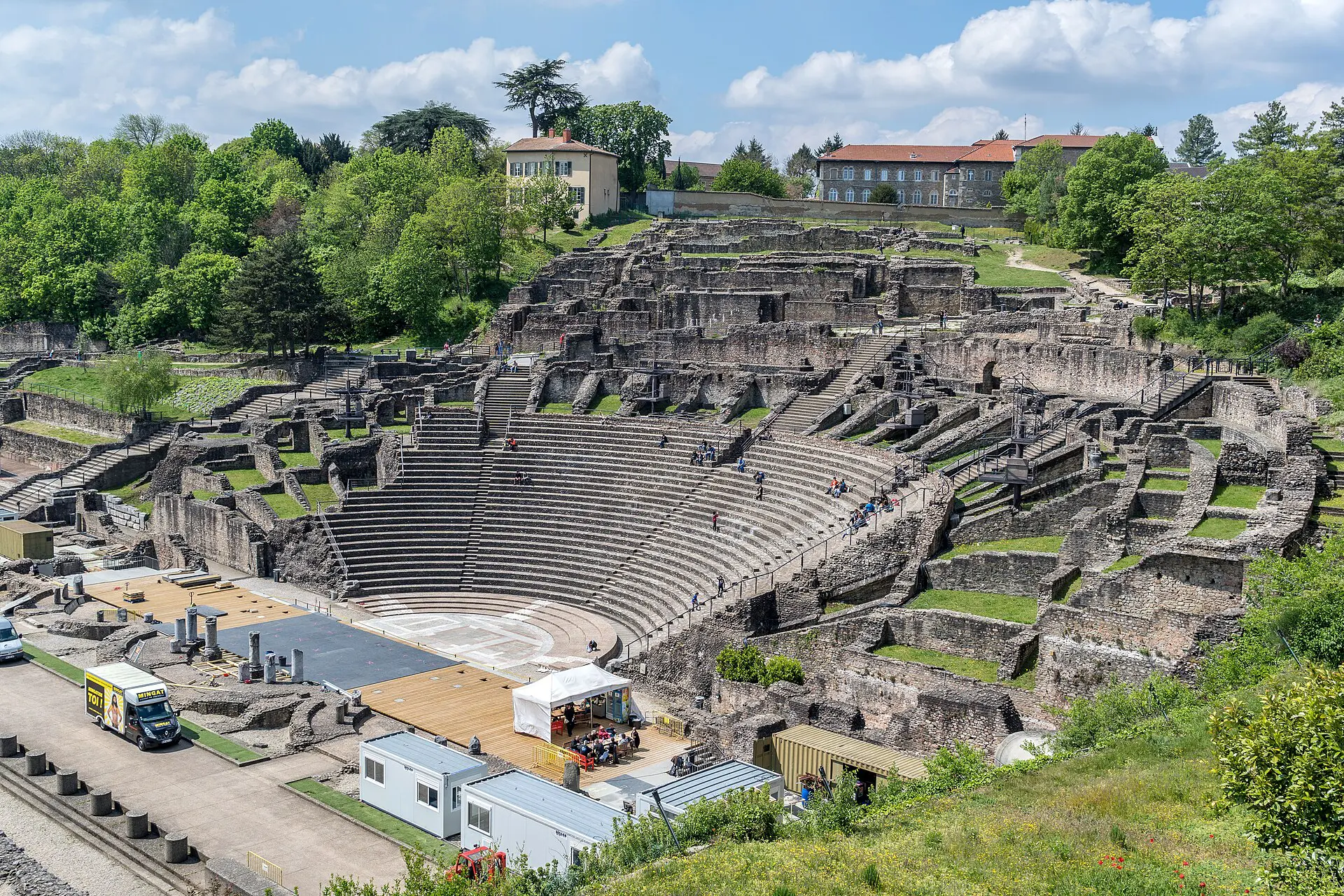
Vieux Lyon
The old town on the west bank of the Saône is a dense network of Renaissance streets, with colourful facades and the Saint-Jean cathedral. Allow two to three hours for a slow walk. Visit in the morning, before the lanes fill, and look for the hidden passages that lead between streets.
Traboules
These covered passages, mostly in Vieux Lyon and on the Croix-Rousse slope, once let silk workers carry goods through the buildings. Some are open to the public and others are private residents’ courtyards. Follow posted signs, keep noise down, and consider a guided walk to access more of them.
Fourvière hill and Roman theatres
Take the funicular to the basilica on the hill above the old town for city views, then walk to the Roman theatres, which are used for summer events. Allow half a day with the museum. Bring comfortable shoes, as the paths are steep.
Les Halles and a bouchon lunch
The covered food market is the most direct way into the local food scene, with stalls for charcuterie, cheese and seafood. Come at lunchtime and sample a few things, or book a bouchon for a traditional meal. Check opening days first, as markets are not open every day.
Croix-Rousse and the street art
The hill north of the Presqu’île was the silk-weaving district, and it still feels like a village, with a market and large murals. Allow two hours. It is a good place to see how locals live away from the main sights, and the steep climb is rewarded with views.
Museums and the confluence
The city has several major museums, including fine arts and textile collections, and the southern tip of the peninsula has a modern museum district at the meeting of the two rivers. Choose one or two rather than trying everything. Check the opening hours, since many close one day a week.
Best time to visit Lyon
Lyon has a continental climate, with hot summers, cold winters and pleasant shoulder seasons. The best months for walking and eating outdoors are spring and early autumn.
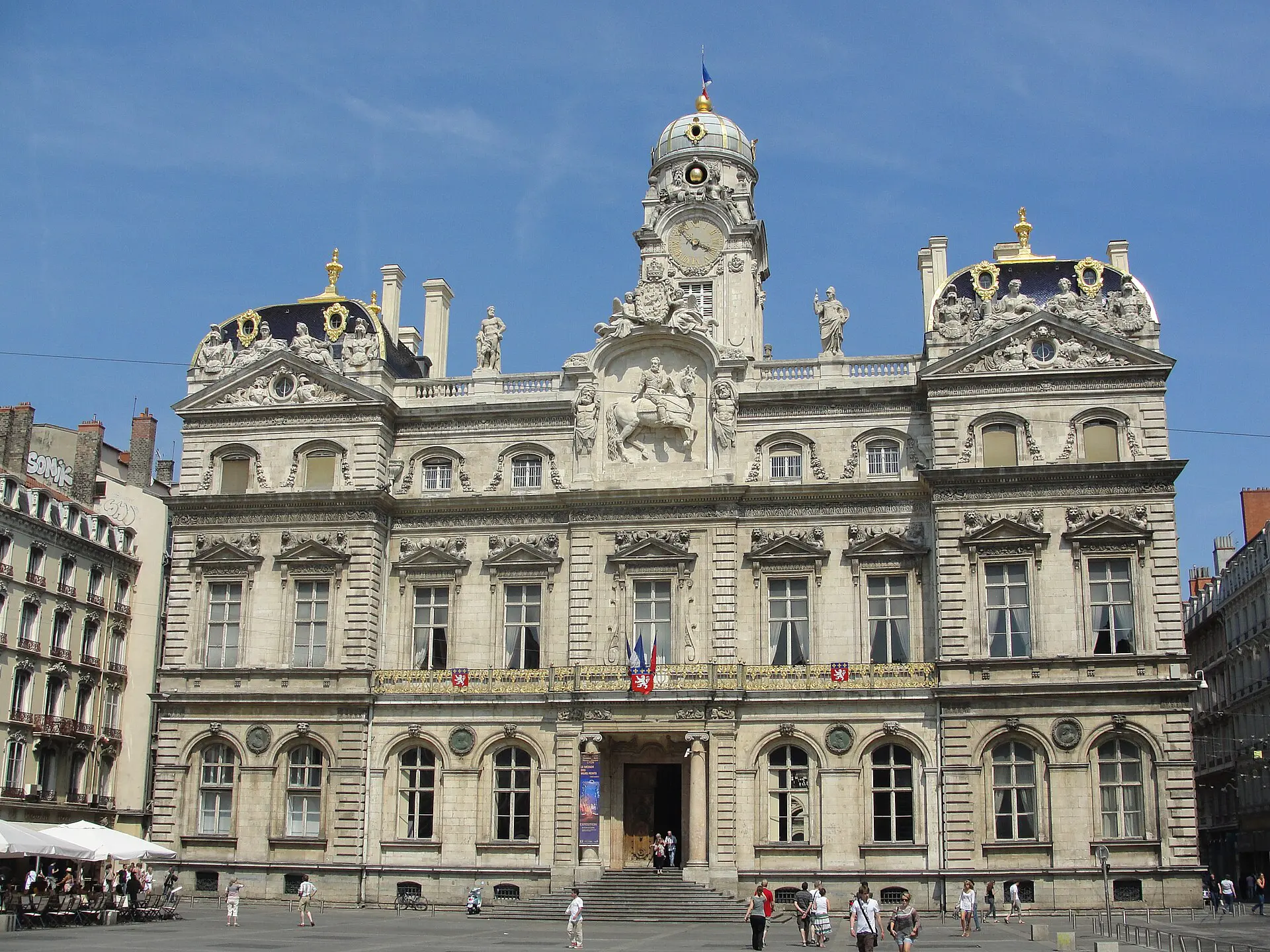
| Season | Weather | Crowds and prices |
|---|---|---|
| Spring (Apr-Jun) | Mild, some rain | Moderate |
| Summer (Jul-Aug) | Hot, can be humid | Quieter, as locals leave in August |
| Autumn (Sep-Oct) | Warm to mild | Busy with conferences, hotel prices can rise |
| Winter (Nov-Mar) | Cold, grey, occasional frost | Low, except for the December light festival |
Lyon is well known for its December festival of lights, which brings crowds and higher hotel prices, so book early if you plan to attend.
How to get to Lyon and around
Lyon is one of the best-connected cities in France. Fast trains reach it from Paris in around two hours, and there are direct services to Marseille, Geneva and other French and European cities (check timetables). Most trains stop at Part-Dieu, the main station, and some also stop at Perrache.
Lyon-Saint-Exupéry Airport has flights across Europe and a tram link into the city, with a journey time of roughly half an hour. Many visitors also arrive by road, and the city sits on major motorways.
Once there, the compact centre is best seen on foot. The metro, trams, buses and funiculars run on a single ticket system, and the city also has a public bike-share scheme. Taxis and ride-hailing are available, and you rarely need a car in the centre.
Where to stay in Lyon
For a short stay, choose a base on or near the Presqu’île, where most sights, shops and restaurants are within walking distance.
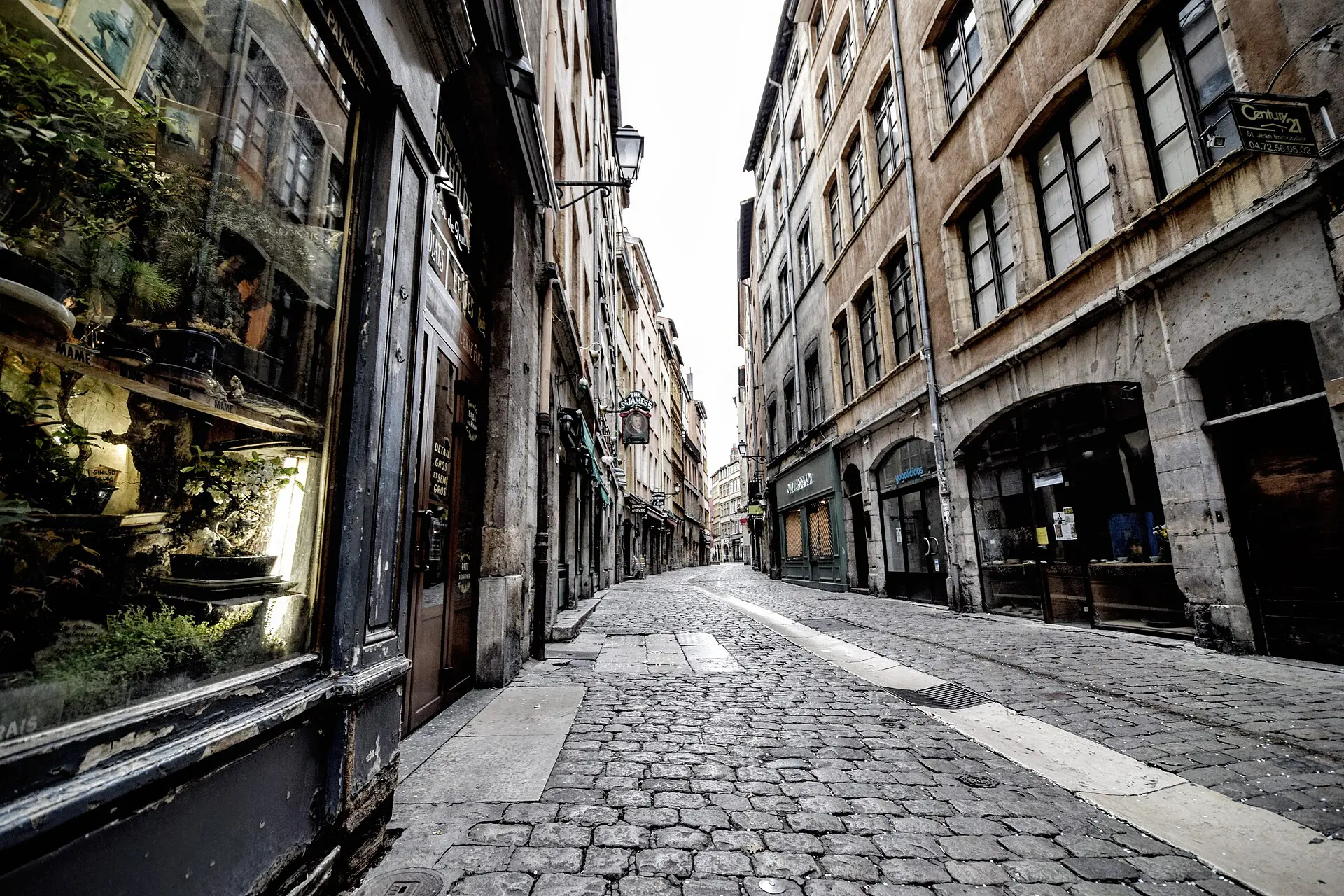
- Presqu’île: the central peninsula, ideal for first-time visitors who want to walk everywhere and have a wide choice of hotels.
- Vieux Lyon: atmospheric and historic, with boutique hotels, though the cobbled streets are harder with luggage and can be noisy on weekends.
- Croix-Rousse: a local, slightly bohemian base with markets and cafes, suiting repeat visitors who prefer a quieter pace.
- Near Part-Dieu: modern and practical for early trains, with business-style hotels and good transport links.
Book early for trade fairs and the December festival.
How many days do you need?
Two days is enough for the essentials, and three lets you eat well and explore at ease. A fourth day suits a day trip to the surrounding countryside or to another city. Many visitors arrive hungry, so leave time for long lunches rather than a tight sightseeing list.
- Day 1: Vieux Lyon and the traboules, lunch in a bouchon, then the Fourvière funicular and Roman theatres.
- Day 2: the food market in the morning, a museum, then an evening walk along the quays of the Saône and the Rhône.
- Day 3: Croix-Rousse and its murals, then a river stroll or a day trip.
Day trips and nearby
Beaujolais
The wine country north of the city has villages and vineyards that can be reached in under an hour by car, and some by regional train. A guided tasting tour is a good choice if you do not want to drive. Check seasonal opening times.
Vienne
This town south of Lyon has Roman remains, including a temple and theatre, and is reachable by regional train in about half an hour. It makes an easy half-day trip when combined with a lunch in the old centre.
Annecy and the Alps
The lake town of Annecy, in the Alps, is a longer day trip by train or car and is best done in spring or summer. Allow a full day, and start early to avoid arriving after the busiest hours. Geneva is also reachable by train.
FAQ
Q1When is the best time to visit Lyon?
Spring and early autumn are the best months, with mild weather that suits walking and outdoor dining. Summers can be hot, and August is quiet because many locals travel. December is popular for its festival of lights, so reserve accommodation early if you plan to visit then.
Q2How many days do you need in Lyon?
Two to three days is enough to see Vieux Lyon, Fourvière, the markets and at least one museum without rushing. If you want to add a day trip to the Beaujolais region or Vienne, plan on four days, especially if you like to take long meals.
Q3How do you get to Lyon from Paris?
High-speed trains take roughly two hours from Paris to Lyon Part-Dieu, with several departures a day (check current timetables). Flights and long-distance buses also exist, though the train is usually the simplest and most comfortable choice for most visitors.
Q4Is Lyon expensive?
Lyon is generally cheaper than Paris, though prices rise during trade fairs and the December festival. Many restaurants offer fixed-price lunch menus that give good value compared with dinner. Public transport is affordable, and the compact centre means you can walk between most sights.
Prices, schedules and entry rules change. Check current details with official sources before you travel. Read the France travel guide.