Why visit Nice
If you are searching for things to do in Nice, begin with the sea. The city sits on the French Riviera, on the Mediterranean coast at the foot of the Alps, about 13 km west of Monaco and 30 km from the Italian border. It is the second most populated French city on the Mediterranean after Marseille, and the prefecture of the Alpes-Maritimes department.
Nice is well known for the Promenade des Anglais and its waterfront, which, along with a large part of the city, was added to the UNESCO World Heritage list in 2021. The city belonged to the Duchy of Savoy and the Kingdom of Sardinia until it was ceded to France in 1860, and you can still see Italian influence in its food and architecture.
Today it works as a base for beaches, markets and museums, and its rail links make it a practical hub for the Riviera. It is busy and costly in peak summer, but spring and autumn can feel relaxed.
Top things to do in Nice
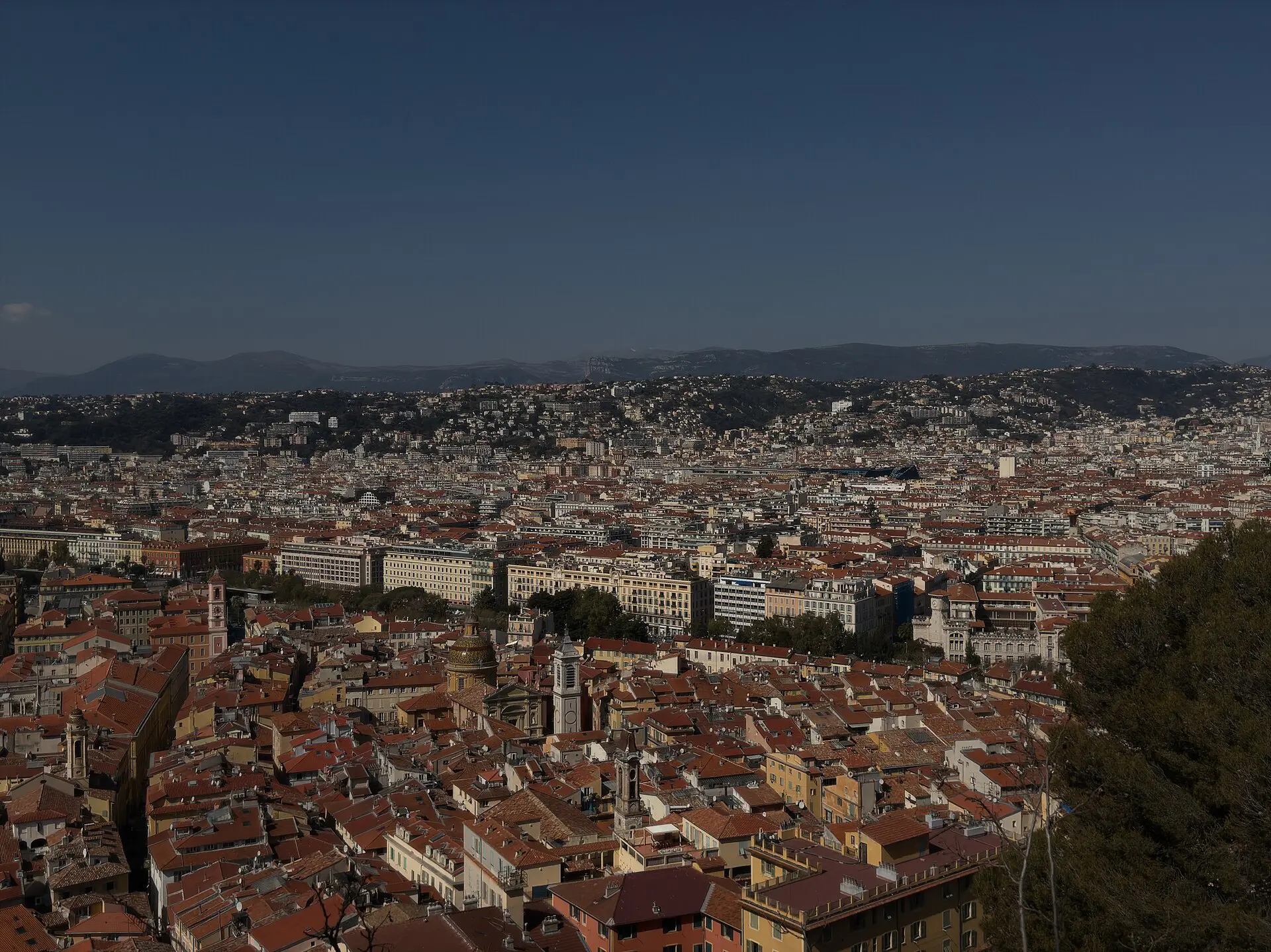
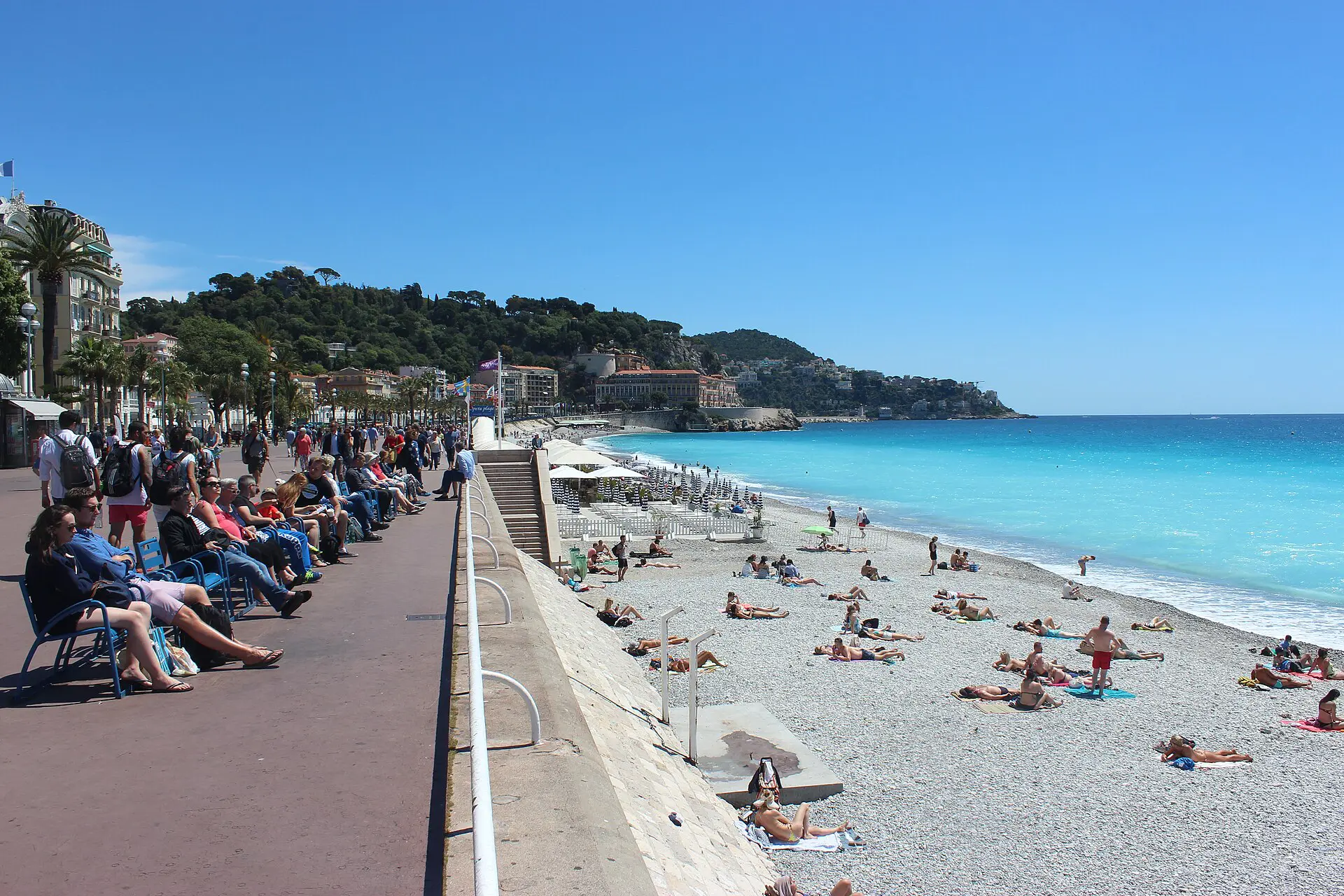
Promenade des Anglais
The long seafront promenade runs along the Bay of Angels and is the classic place to walk, cycle or sit by the sea. Allow one to two hours. Tip: go in the early morning or around sunset, and remember the beaches are mostly pebble, so bring sandals.
Old Town (Vieux Nice) and Cours Saleya
The old town is a maze of narrow lanes in warm colours, with churches, shops and small restaurants, and Cours Saleya hosts a daily flower and produce market. Allow half a day. Tip: market days and hours vary, so check them, and compare restaurant prices before you sit down.
Castle Hill
This park on a rock at the east end of the old town has paths, a waterfall and wide views over the bay. Allow one to two hours. Tip: climb by the stairs or take the lift if it is running, and go late in the day for light and cooler air.
Musee Matisse and Cimiez
Cimiez is a hill neighbourhood with Gallo-Roman ruins and a monastery, and it also holds museums connected with the painter Henri Matisse. Allow half a day. Tip: opening days change, so check before you go, and take the bus rather than walking up the hill.
Russian Cathedral and the Belle Epoque districts
Away from the sea, Nice has grand 19th-century architecture and a Russian Orthodox cathedral with onion domes. Allow one to two hours. Tip: check visiting hours and dress rules, since they can change.
Port of Nice
The harbour east of the old town has fishing boats, cafes and ferries. Allow an hour. Tip: it is a quieter area for a meal, and you can combine it with Castle Hill.
Nice beaches
Beaches are largely pebble, and many are divided between free public stretches and paid private clubs with loungers. Allow half a day. Tip: bring water shoes, protect against the sun, and check swimming conditions and flags.
Best time to visit Nice
Nice has a Mediterranean climate with mild winters and warm summers. Spring and early autumn combine comfortable temperatures with fewer visitors than the high season.
| Season | Weather | Crowds and prices |
|---|---|---|
| Spring (April to June) | Mild to warm, some showers | Moderate crowds, rising prices |
| Summer (July and August) | Hot, dry, sunny | Busiest, highest prices |
| Autumn (September to October) | Warm sea, pleasant days | Good value, fewer people |
| Winter (November to March) | Mild, some rain | Quiet, lower prices; carnival in February |
The Nice Carnival usually takes place in February, so check dates if you want to see it, and book accommodation early.
How to get to Nice and around
Nice Cote d’Azur Airport is one of France’s busiest and lies on the coast just west of the centre. A tram line and buses run into the city, and taxis are also available, so check current fares and travel times. Trains arrive at Nice-Ville station from Paris and other French cities, and regional trains run along the coast to Cannes, Antibes, Monaco and Menton, so the city is a practical base for rail trips.
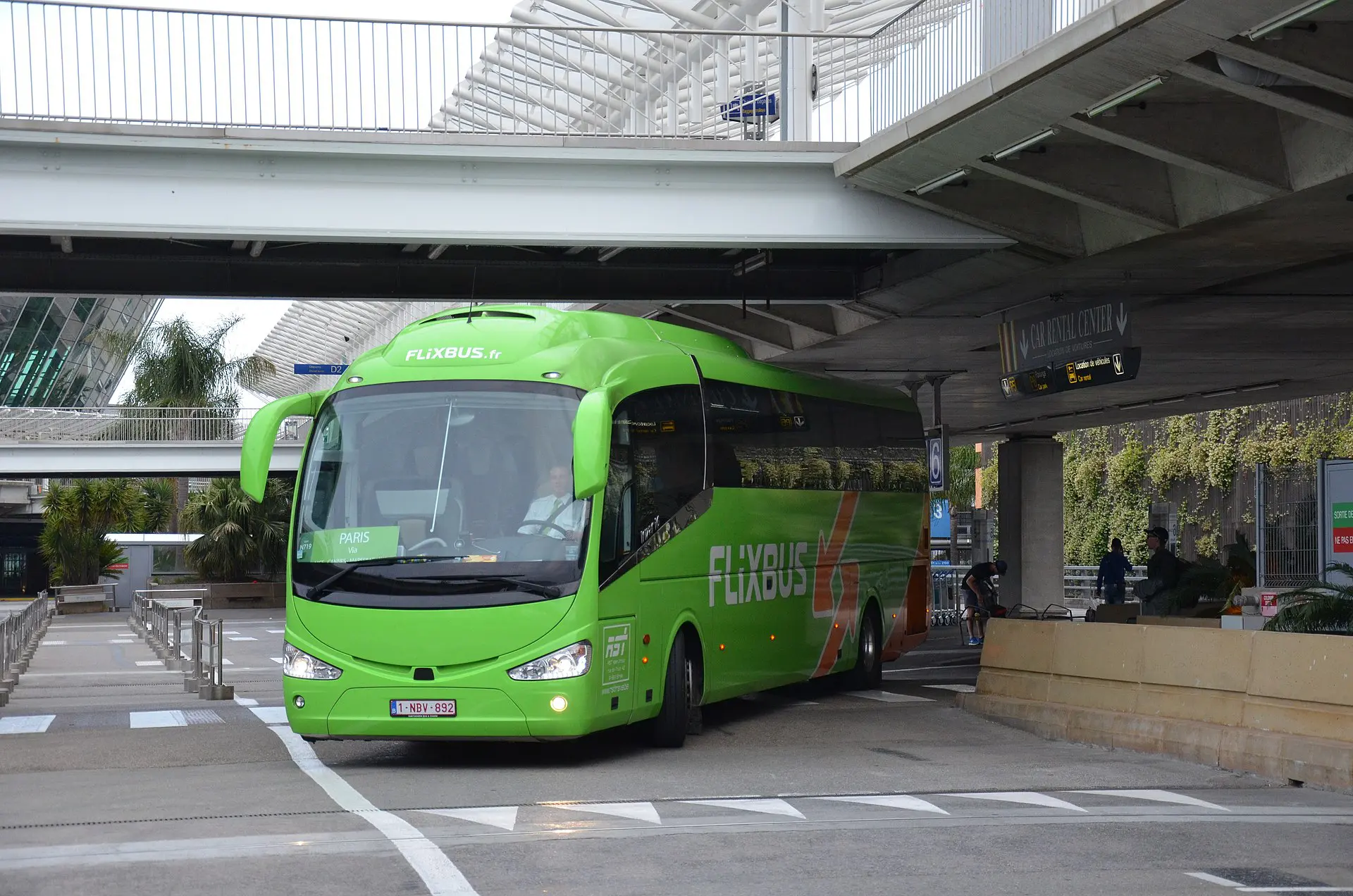
The centre and old town are easy to walk. Trams, buses and bikes help for longer distances, and a day or multi-day pass can be good value if you use them often. Taxis are expensive, especially at night. Make an effort at French, since not everyone speaks English. For day trips, trains are usually faster and cheaper than driving.
Where to stay in Nice
The old town and the area around Cours Saleya are atmospheric, within walking distance of restaurants and the sea, and suit visitors who like lively streets. They can be loud at night. The area near the Promenade des Anglais gives you sea views and beach access, with hotels of all sizes, but it is among the most expensive.
The streets around the train station and the area known as the Musicians’ Quarter are more affordable and well connected, which suits travellers using trains for day trips, though some blocks are less appealing at night. Cimiez, on the hill, offers a quieter, residential stay. Prices are highest in summer and during major events, so book early and check recent reviews for noise and air conditioning.
How many days do you need?
Two days give you time for the old town, the promenade and Castle Hill. Three days let you add a museum and one day trip. Four or five days suit travellers who want to see Monaco, Cannes and the hill villages without rushing.
- Day 1: Old town and Cours Saleya in the morning, Castle Hill in the afternoon, a walk along the promenade.
- Day 2: Cimiez and a museum, then beach time or a stroll in the port area.
- Day 3: Train day trip to Monaco or Eze, returning for dinner in town.
Day trips and nearby
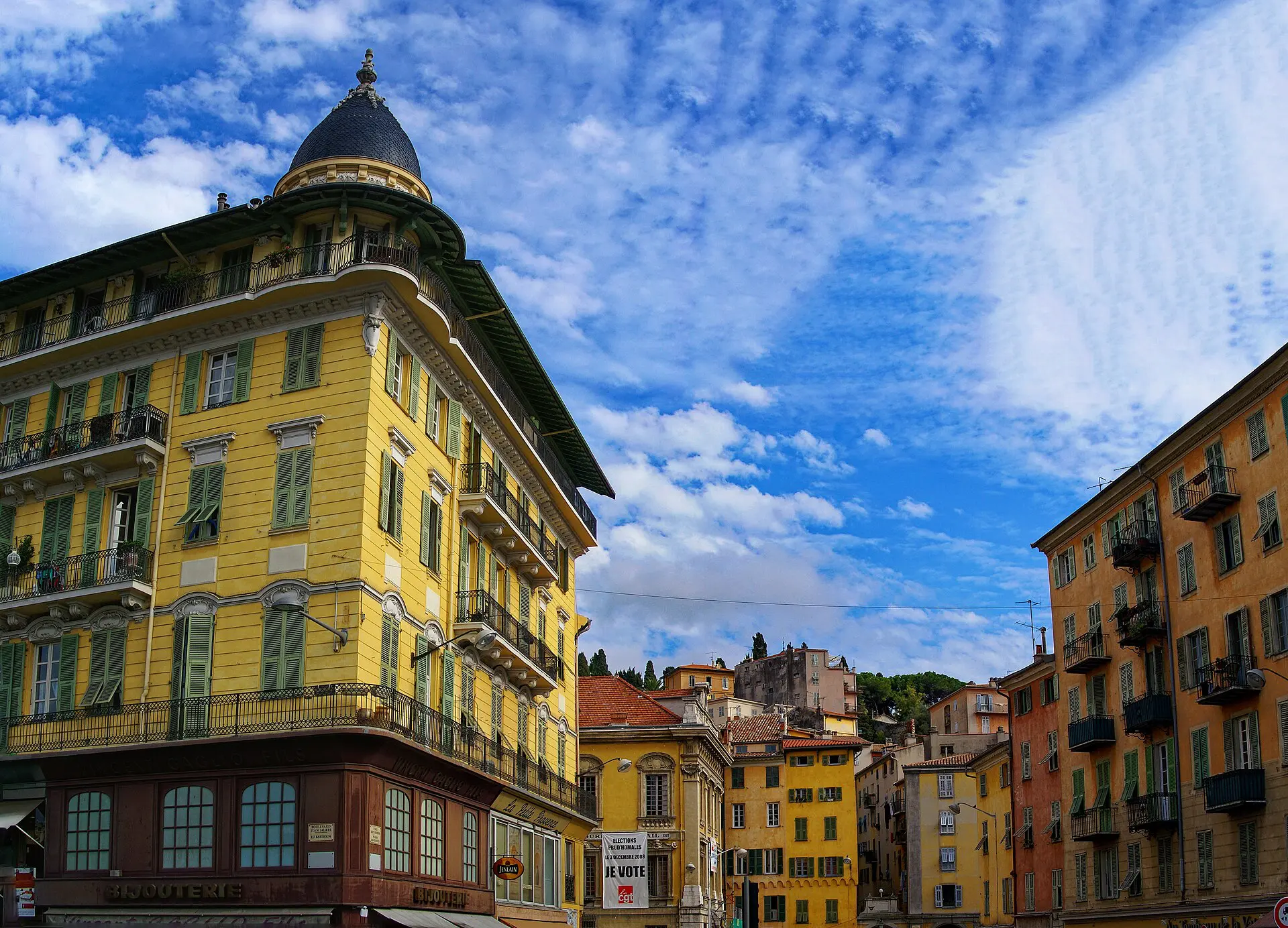
Monaco
The tiny principality lies about 13 km east of Nice and is reachable by a short train ride. It has a palace, a casino district and a harbour. Allow half a day. Tip: check current train times, and dress for the casino if you plan to go in.
Cannes
Known for its film festival, Cannes has a long beachfront and an old quarter above the harbour. It is a short train ride west of Nice. Allow half a day. Tip: prices rise sharply around festival dates.
Eze
This medieval hilltop village sits between Nice and Monaco and has narrow lanes and wide views. Allow a half day. Tip: it is reached by bus or a short train and bus combination, so check current schedules.
Antibes
The walled old town and market of Antibes lie along the coast and are reachable by regional train. Allow half a day. Tip: go in the morning for the market and combine it with a coastal walk.
FAQ
Q1When is the best time to visit Nice?
April to June and September to October are usually the best, with warm weather and fewer visitors than midsummer. July and August are hot, busy and expensive. Winter is mild and quiet, and February brings the carnival, so book early if you plan to attend.
Q2How many days do you need in Nice?
Two days cover the old town, the promenade and Castle Hill, while three days add a museum or a day trip. Four or five days work best if you want to see Monaco, Cannes and nearby villages by train. Nice is a good base for the coast.
Q3How do you get to Nice?
Most visitors fly into Nice Cote d'Azur Airport, just west of the city, and take a tram, bus or taxi. Trains reach Nice-Ville station from Paris and other French cities and run along the coast. Check current schedules and fares before booking.
Q4Is Nice expensive?
Nice can be expensive, especially in July and August, with high hotel and restaurant prices near the seafront. You can save by staying away from the beach, eating in local markets and using trains and trams. Prices change, so compare options and book ahead.
Prices, schedules and entry rules change. Check current details with official sources before you travel. Read the France travel guide.