Why visit Marseille
Searches for things to do in Marseille usually lead to the harbour, and with good reason. Founded around 600 BC by Greek settlers, Marseille is the oldest city in France and one of the oldest continuously inhabited settlements in Europe. It is also the country’s second largest city by population, and a major Mediterranean port.
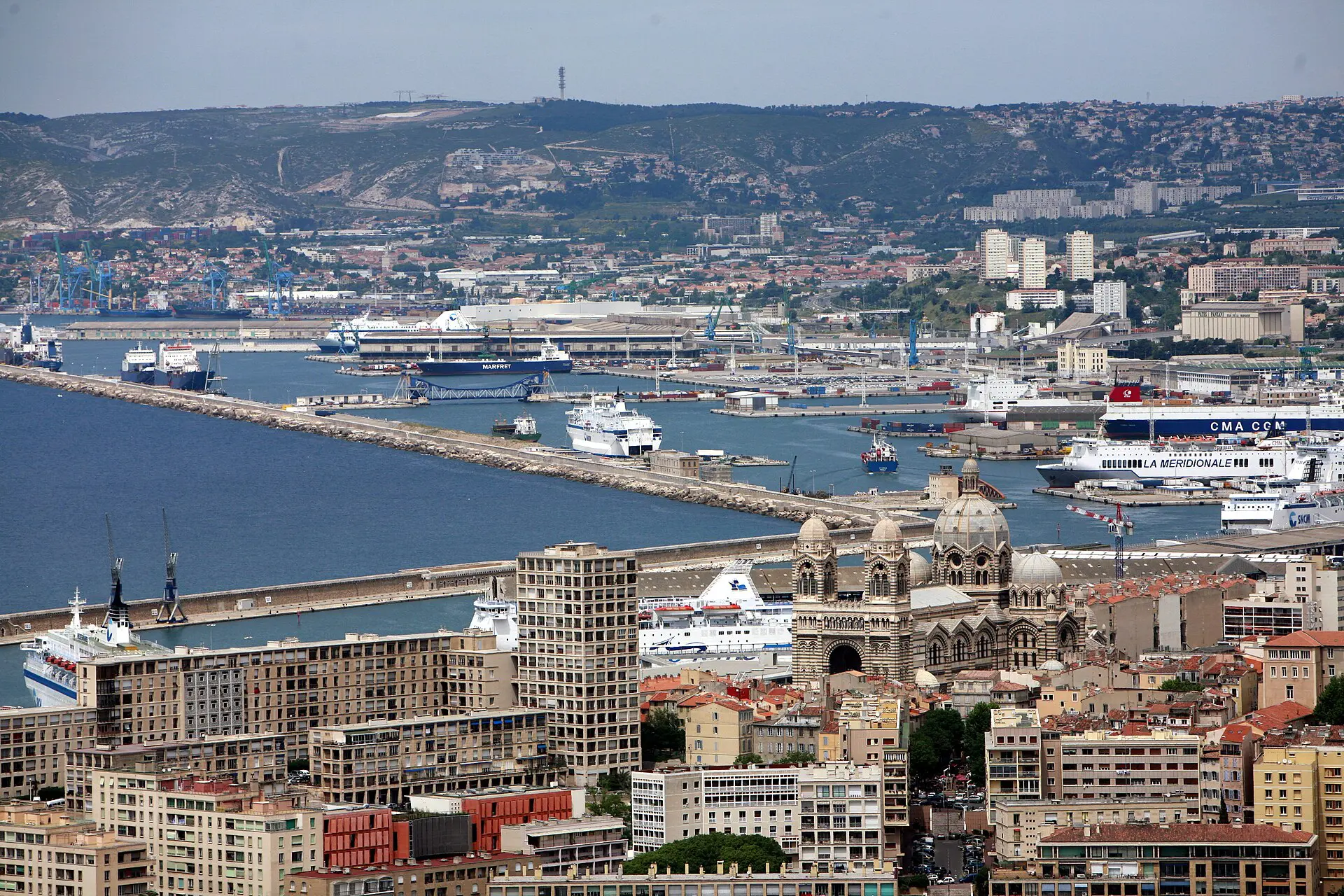
It is not a postcard of sleepy Provençal villages. The city is a far cry from the Cezanne clichés, and its mix of communities, markets and port life gives it a distinct character. The city was European Capital of Culture in 2013, and several new museums and public spaces opened then.
Marseille is also unusual because a national park lies within city limits. The Calanques, a coastline of steep limestone inlets, begin on the southeastern edge, so a day of walking or swimming is easy to combine with city sightseeing.
Top things to do in Marseille
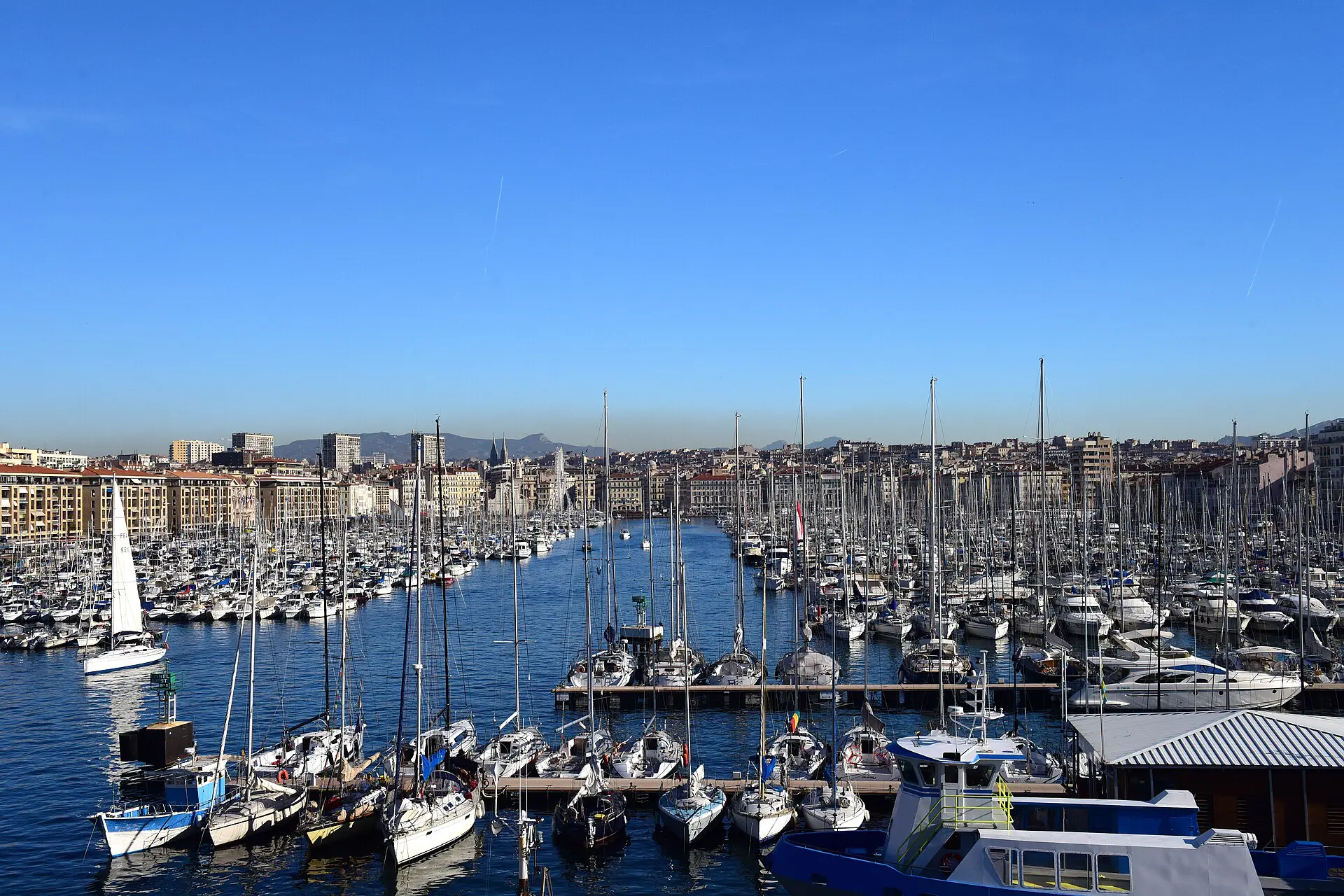
Vieux-Port (Old Port)
The harbour is the centre of the city, with fishing boats, cafes and a daily fish market in the mornings. Allow an hour, more if you take a short ferry across the water. It is busy and touristy, so look for quieter spots on the side streets.
Notre-Dame de la Garde
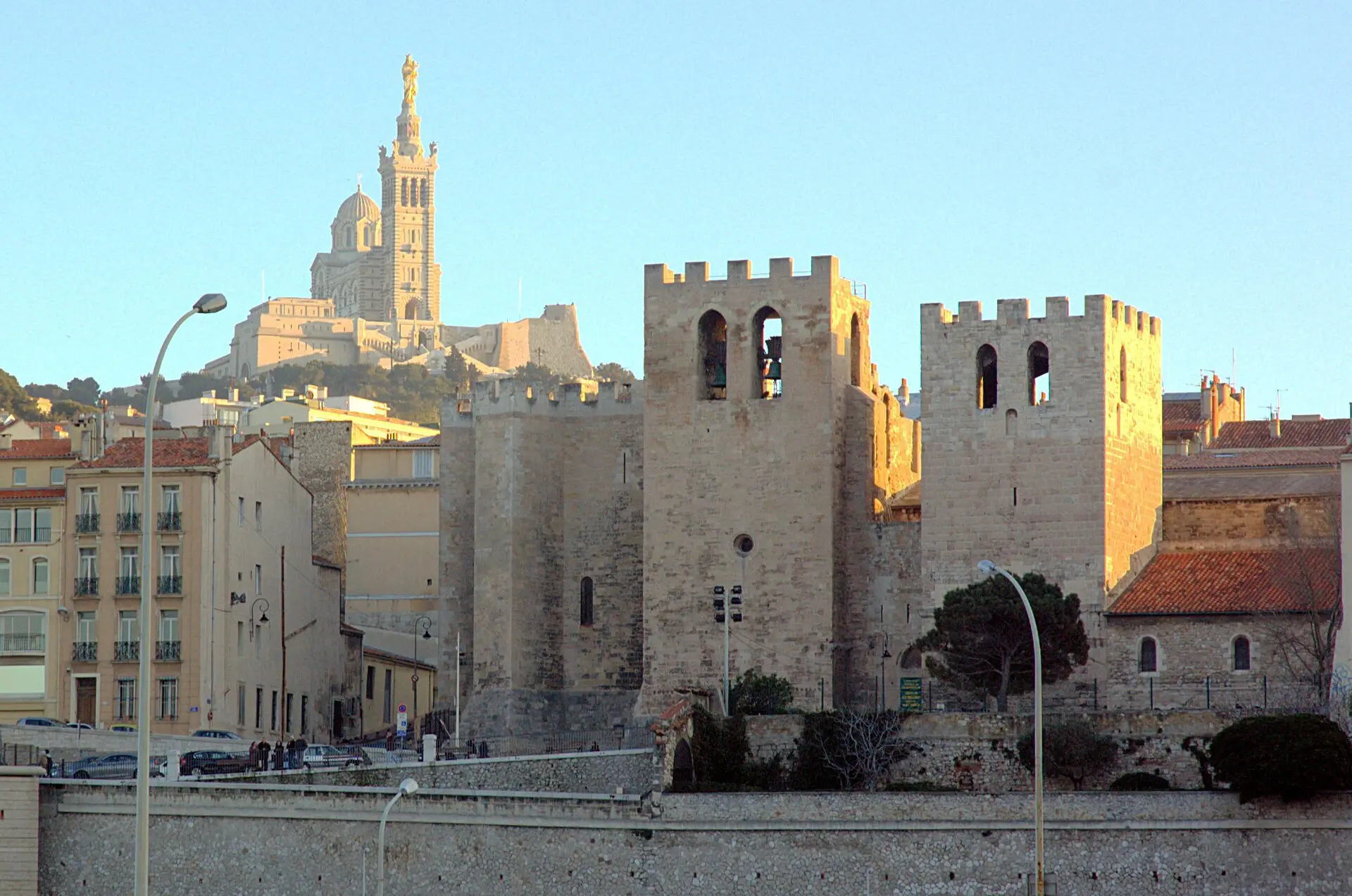
The hilltop basilica, known locally as the “Bonne Mere”, is the city’s symbol and gives wide views over the harbour and islands. Allow one to two hours. You can walk up, take a bus or use a tourist train, and a clear day gives the best view.
Le Panier
The oldest quarter has narrow streets, small workshops, street art and the Vieille Charite, a former almshouse now used as a cultural centre. Allow two hours of wandering. Go in the morning and wear comfortable shoes, since the streets are steep and uneven.
MuCEM and Fort Saint-Jean
The Museum of European and Mediterranean Civilisations stands at the harbour mouth, linked to the old fort by footbridges. Allow two to three hours. The terraces and roof offer views even if you skip the exhibitions, and opening days vary, so check before you go.
Calanques National Park
The limestone coves and cliffs southeast of the city offer walks and swimming. Allow a full day. In summer, access to some areas is restricted for fire risk or numbers, so check the official park information and booking requirements before you go.
Frioul Islands and Chateau d’If
Boats from the Old Port reach the small islands, including the fortress-prison of the Chateau d’If, in about 20 minutes. Allow half a day. Bring water and a hat, and check the ferry schedule for the return trip.
Cours Julien and the food scene
This area has street art, bars and independent shops. Marseille is also known for bouillabaisse, a fish stew with set preparation rules. It tends to be expensive, so ask about the price before ordering, and look at other seafood and North African dishes too.
Best time to visit Marseille
Marseille has a Mediterranean climate with hot, dry summers and mild winters. Spring and early autumn are usually the best time for walking, sightseeing and swimming without the peak heat and crowds, roughly April to June and September to October.
July and August are hot and busy, and access to the Calanques can be limited. Winter is mild but can bring the strong, cold mistral wind and some rain, though sunny days are common. Many sights stay open year-round, so winter is a good value choice if you are not planning to swim.
| Season | Weather | Crowds and prices |
|---|---|---|
| Spring (Apr-Jun) | Mild to warm | Moderate |
| Summer (Jul-Aug) | Hot, dry | Busiest; Calanques restrictions |
| Autumn (Sep-Oct) | Warm, sea still warm | Moderate |
| Winter (Nov-Mar) | Cool, mistral winds | Quiet; lower prices |
How to get to Marseille and around
Marseille Provence Airport (MRS) lies northwest of the city, with a shuttle bus to Saint-Charles station taking around 25 to 30 minutes. High-speed TGV trains link Saint-Charles with Paris in roughly three hours, and with Lyon, Nice and other cities. Check current timetables and book early for the best fares.
Within the city, the metro, trams and buses are covered by one ticket system, and the metro is the quickest way between Saint-Charles and the Old Port. The centre is walkable, but hills are steep. Boats serve the Old Port and the islands. For the Calanques, use a bus to the trailheads or an organised boat trip, as parking is limited in summer.
Where to stay in Marseille
The area around the Old Port is the most central and convenient, with restaurants, boat trips and metro access. It suits first-time visitors, though it can be noisy at night, so check room orientation.
Le Panier suits travellers who want atmosphere and are comfortable with steep lanes. Guesthouses and small hotels there are charming but can be hard to reach with heavy bags. Cours Julien and the Notre-Dame du Mont area suit those who prefer bars, cafes and a local feel.
The Prado and Corniche areas along the coast are quieter, closer to the beaches and well connected by bus and metro. They suit longer stays and families. Check recent reviews for specific streets, and book ahead for summer.
How many days do you need?
Two days cover the main sights, and three gives you time for a full Calanques day or a Provence excursion. If you only have a short stop between trains, focus on the Old Port, Le Panier and the basilica.
- Day 1: Old Port, Le Panier, the Vieille Charite and MuCEM, with dinner by the harbour.
- Day 2: Notre-Dame de la Garde in the morning, then a boat trip to the Frioul Islands.
- Day 3: A day in the Calanques by foot or boat, or a trip to Aix-en-Provence.
With one day, combine the Old Port, Le Panier and the basilica, and finish at MuCEM.
Day trips and nearby
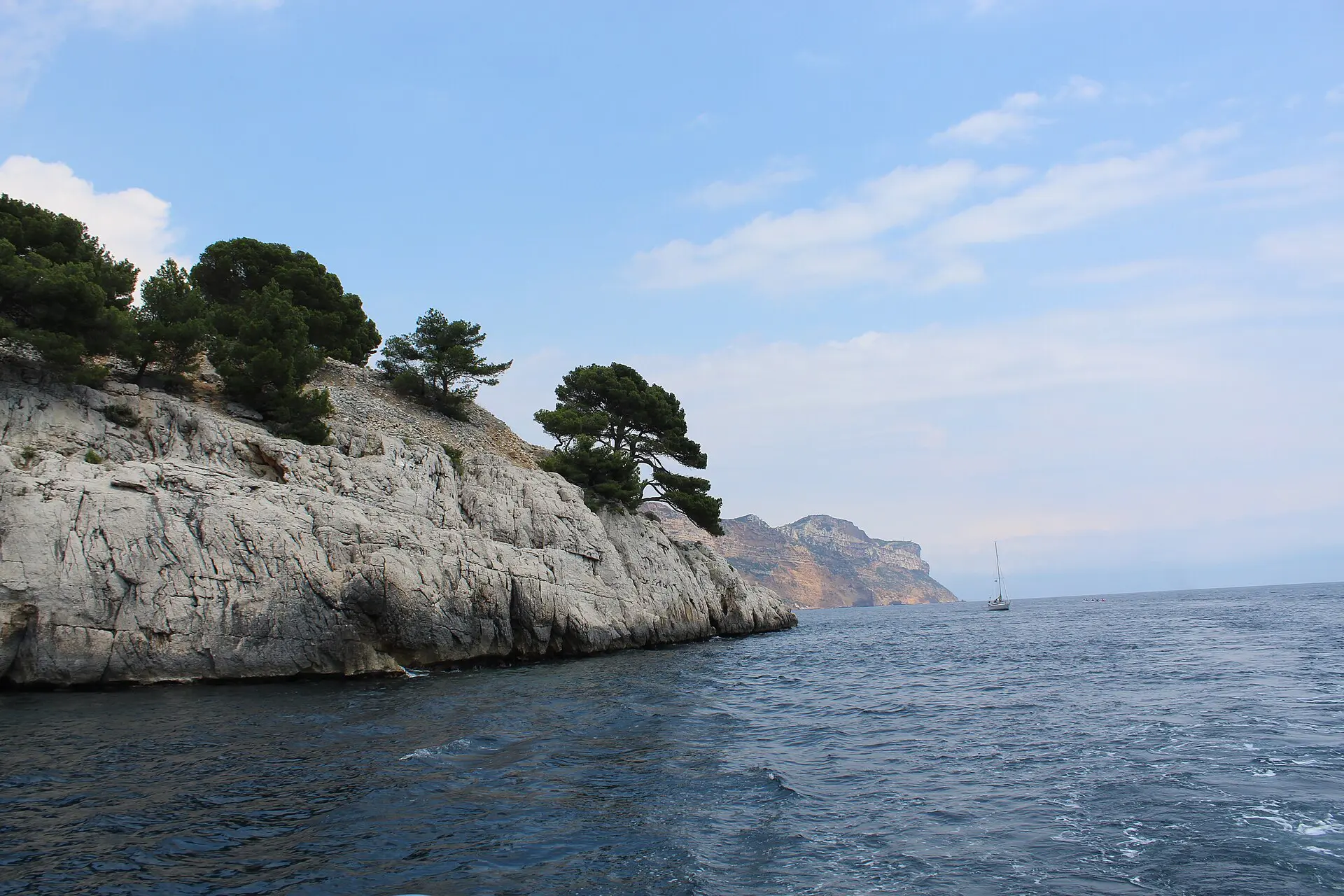
Cassis
A small harbour town east of Marseille, reached by train and bus in under an hour. It is the starting point for several calanque walks and boat trips. Go on a weekday in summer to avoid the crowds.
Aix-en-Provence
A university town with fountains, markets and a connection to the painter Cezanne. It is reached by bus or train in about 30 to 45 minutes and works well as an easy day trip.
Nice
The French Riviera city is around two and a half to three hours by train. It works as a long day trip but is better as a night or two on a longer route along the coast.
Cannes and the Riviera
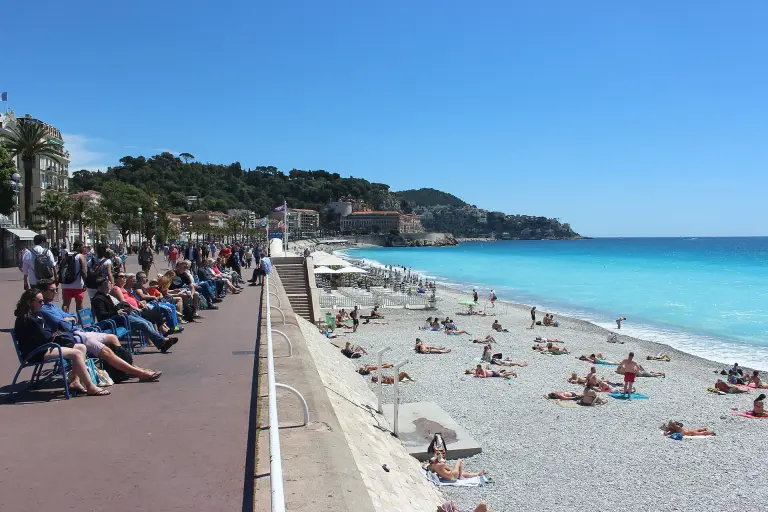
Further along the coast, Cannes and its neighbours have beaches and a seafront. Trains take a few hours, so an overnight stay makes more sense than a rushed return trip.
FAQ
Q1How many days do you need in Marseille?
Two days is enough for the Old Port, Le Panier, MuCEM and the basilica. Add a third day for a hike or boat trip in the Calanques, or a trip to Cassis or Aix-en-Provence, which are both close by.
Q2When is the best time to visit Marseille?
April to June and September to October offer warm weather without peak heat or crowds. July and August are hot and busy, and some Calanques areas can be restricted. Winter is mild but can be windy, with lower prices.
Q3How do I get from Paris to Marseille?
The fastest way is the TGV high-speed train, which takes roughly three hours from Paris to Saint-Charles station. Flights are also available. Book trains early for lower fares and check timetables, since services change by season.
Q4Is Marseille safe for tourists?
Visitors generally enjoy Marseille, but like any big port city it has petty theft, especially around stations and crowded areas. Keep valuables secure, take care at night and check current official travel advice before your trip.
Prices, schedules and entry rules change. Check current details with official sources before you travel. Read the France travel guide.