Why visit Corsica
If you are planning things to do in Corsica, the first thing to know is how varied the island is for its size. It is a mountainous island in the Mediterranean, part of France but with its own language, food and strong local identity. High granite peaks rise close to the sea, and the coast mixes cliffs, coves and long sandy beaches.
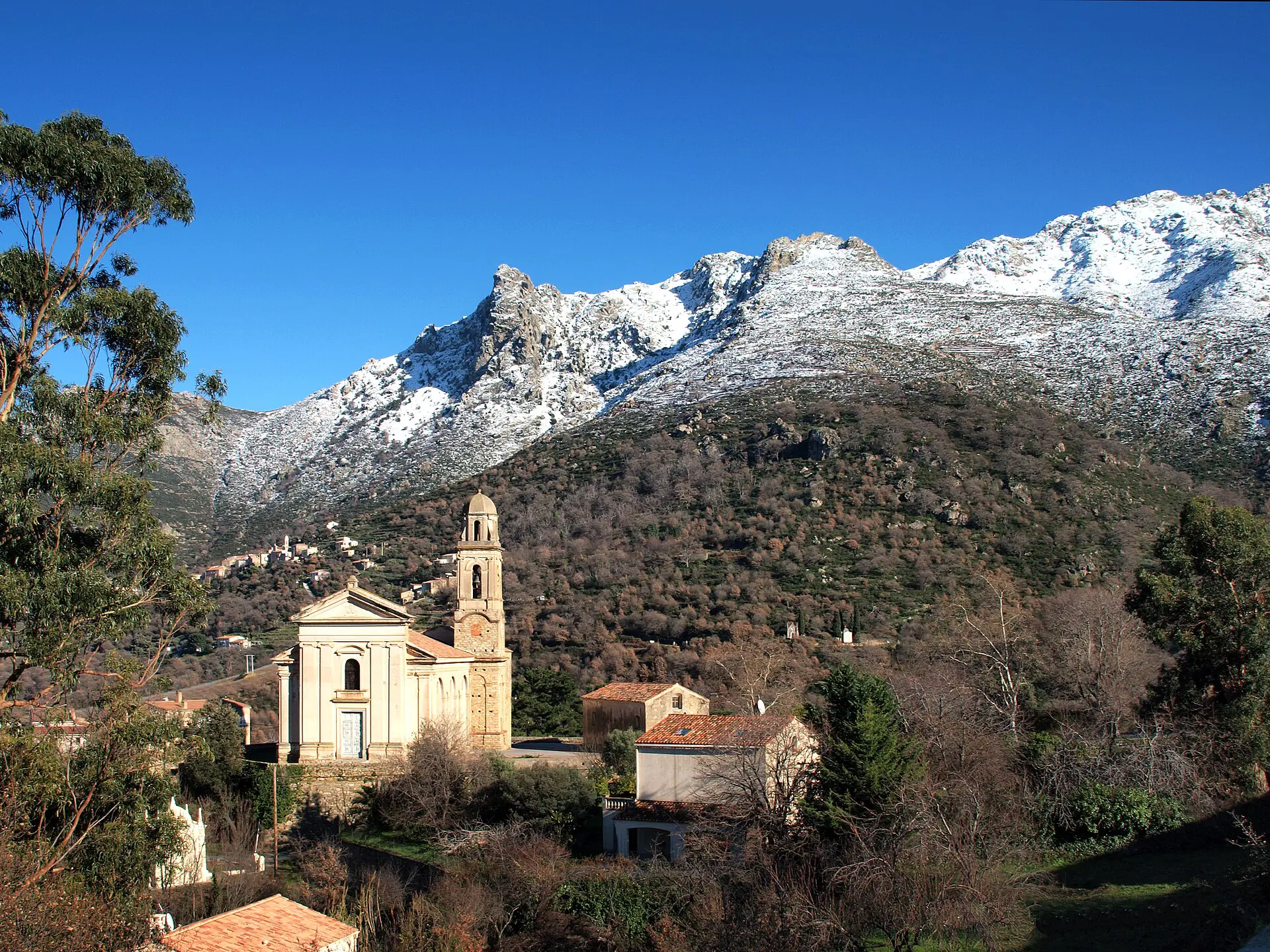
Towns sit on citadel rocks and hillsides, including Bonifacio, Calvi and Ajaccio, the island’s main city. Inland, villages, forests and mountain trails give hikers plenty to choose from, including the long-distance GR20.
The trade-off is travel time. Mountain roads are narrow and slow, so distances that look short on a map take longer. Corsica rewards a slower trip based in one or two regions, with a rental car as the most practical way to get around.
Top things to do in Corsica
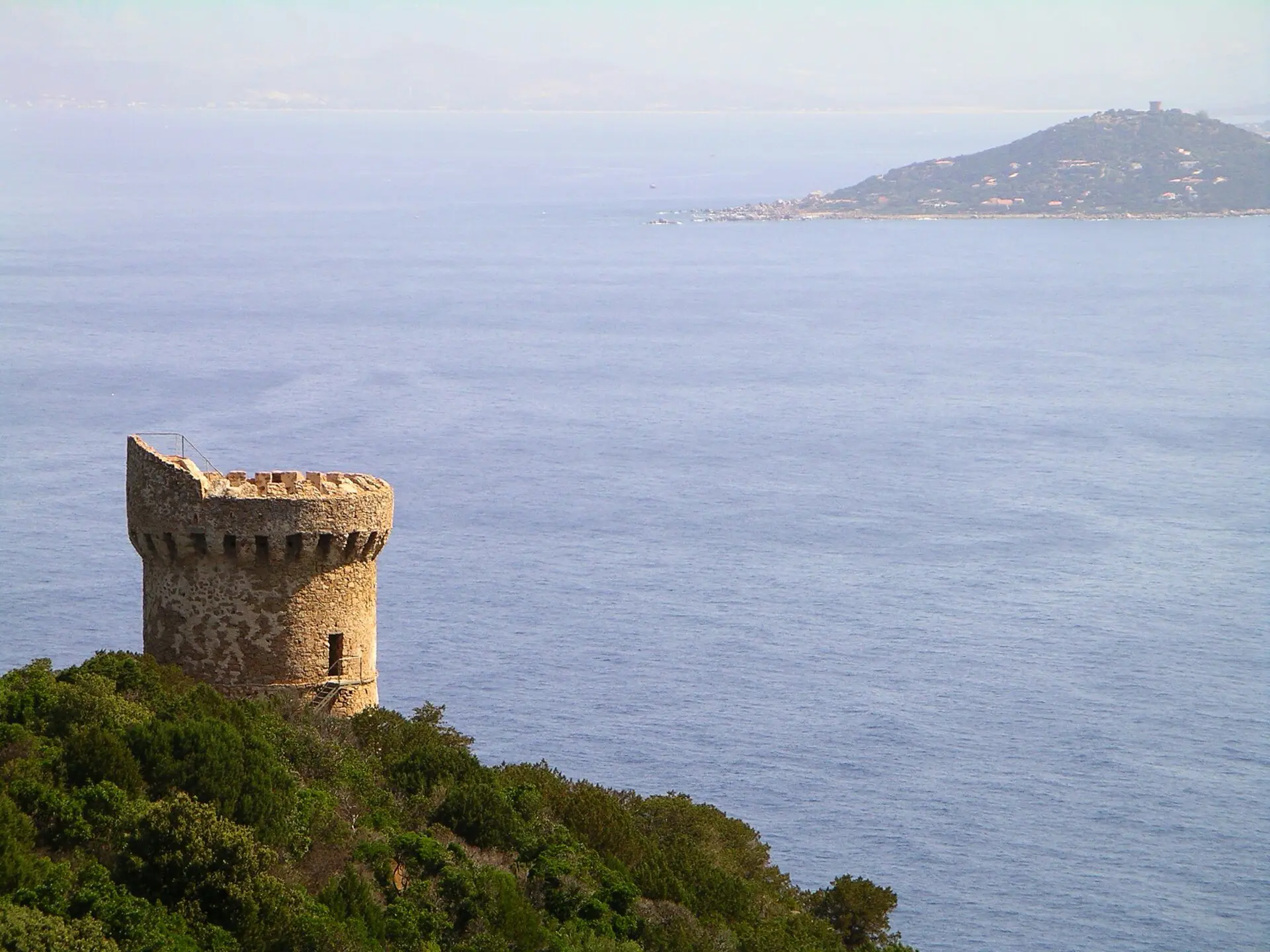
Bonifacio
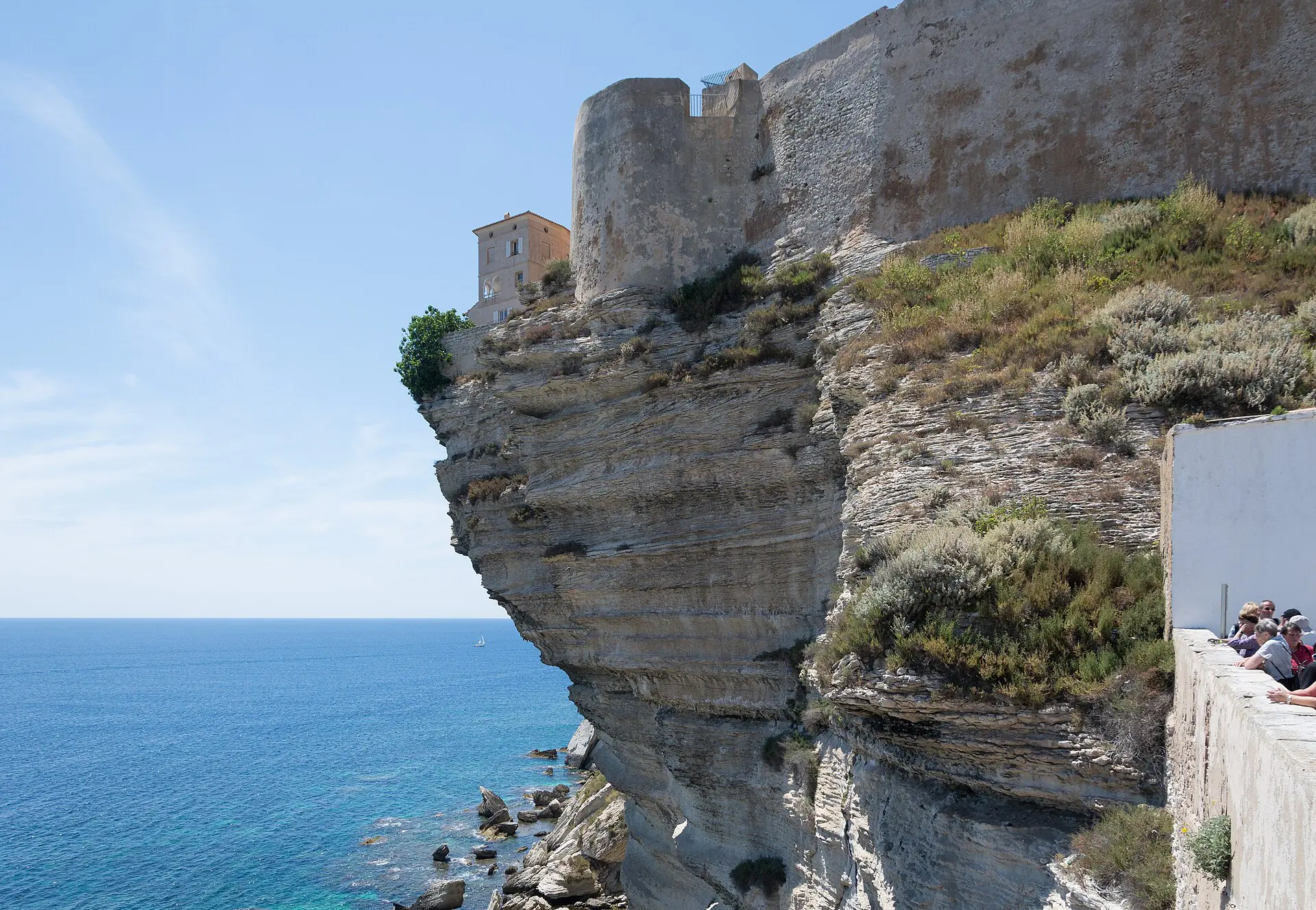
A fortified town on white limestone cliffs at the southern tip, facing Sardinia. Walk the old town and the clifftop paths for views, and take a boat trip to see the cliffs and sea caves. Plan half a day. Parking is difficult in summer, so arrive early.
Calanques de Piana
Red granite cliffs and rock formations drop to the sea on the west coast, with a road winding along the edge. Stop at viewpoints or walk a short trail. Plan two to three hours, drive slowly and check the weather, as fog and rain reduce the views.
Ajaccio
The island’s capital and main port, known as the birthplace of Napoleon. Walk the old centre, harbour and museums, and use it as a base for the west coast. Allow half a day, and check opening times for museums.
Calvi and the citadel
A north-west town with a hilltop citadel and a long beach. It is popular in summer with sailors and beachgoers. Plan half a day, and check ferry and train options if you do not have a car.
GR20 and mountain hikes
The GR20 is a long, demanding trail across the island’s mountainous spine and is usually walked in summer. You can also do day hikes in the same ranges. Check snow, weather and refuge booking rules, and carry proper equipment.
Beaches of the south
The south has clear water and long beaches such as around Porto-Vecchio. Plan a beach day and bring sun protection. Some beaches need a walk or a short drive from the road, and parking fills early in July and August.
Bastia and Cap Corse
Bastia is a busy northern port with an old harbour. Cap Corse, the finger-like peninsula to its north, has small villages and coastal views. Allow a day for a loop by car and check the road conditions.
Best time to visit Corsica
Corsica has a Mediterranean climate with hot, dry summers and mild, wetter winters. May, June and September are the best months for most travellers: warm weather, a swimmable sea, open facilities and fewer crowds. July and August are very busy, hot and expensive, especially on beaches and in coastal towns. Winter is quiet, and many tourist businesses close; mountain snow limits hiking, although it suits quiet travel. The GR20 is usually walked from about June to September, with conditions varying year to year.
| Season | Weather | Crowds and prices |
|---|---|---|
| Spring (April-June) | Mild to warm, some rain | Moderate |
| Summer (July-August) | Hot, dry | Busiest, highest prices |
| Autumn (September-October) | Warm, sea still warm | Moderate, good value |
| Winter (November-March) | Mild coast, snow inland | Quiet, many closures |
How to get to Corsica and around
The island has four main airports at Ajaccio, Bastia, Calvi and Figari, with flights from mainland France and other European cities; check current routes, as some are seasonal. Ferries link Corsica with Marseille, Nice and Toulon in France, and with Italian ports, and they are useful if you want to bring a car. Crossing times vary, so check the current timetables and book early in summer.
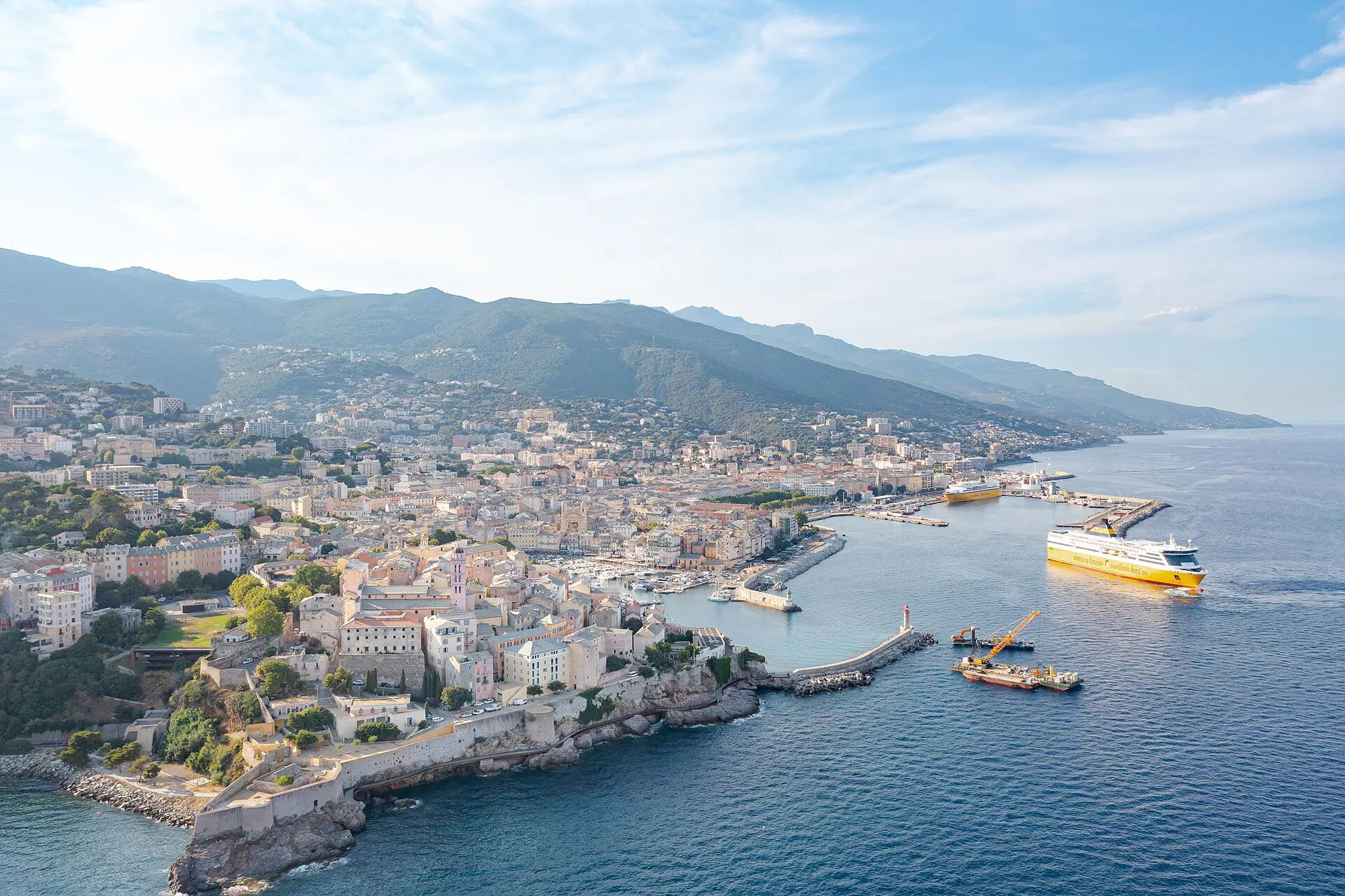
Public transport on the island is limited, with a small rail network and some buses, so most visitors rent a car. Roads are narrow and winding, journeys take longer than distances suggest, and fuel and parking can be hard to find in remote areas. Book rental cars early for the summer and drive carefully on mountain roads.
Where to stay in Corsica
Because the island is large and slow to cross, pick a base by region and plan to stay several nights in each.
- South (Bonifacio and Porto-Vecchio): the best choice for beaches, clear water and a clifftop old town. It suits beach-focused trips, but is very busy in summer.
- West coast (Ajaccio, Piana and Calvi): a good mix of towns, coast and mountains. It works well for road trips with varied scenery.
- North (Bastia and Cap Corse): quieter, with port life and small villages. A good choice for slow, scenic stays.
- Mountain villages and gîtes: basic but atmospheric stays for hikers and travellers seeking quiet.
Book early for July and August, and check that your accommodation has parking.
How many days do you need?
One week lets you see two regions without rushing, and ten days is better if you want to include hiking or a long coastal drive. Three to four days works if you stay in one area, such as the south or the Ajaccio region.
- Days 1 to 2: Arrive in Ajaccio, explore the town and take a drive up the west coast to Piana.
- Days 3 to 4: Visit the Calanques de Piana and continue north to Calvi for beach time and the citadel.
- Days 5 to 7: Cross to the south, with Bonifacio and the beaches near Porto-Vecchio.
Leave a spare day for slow roads, weather and unplanned stops.
Day trips and nearby
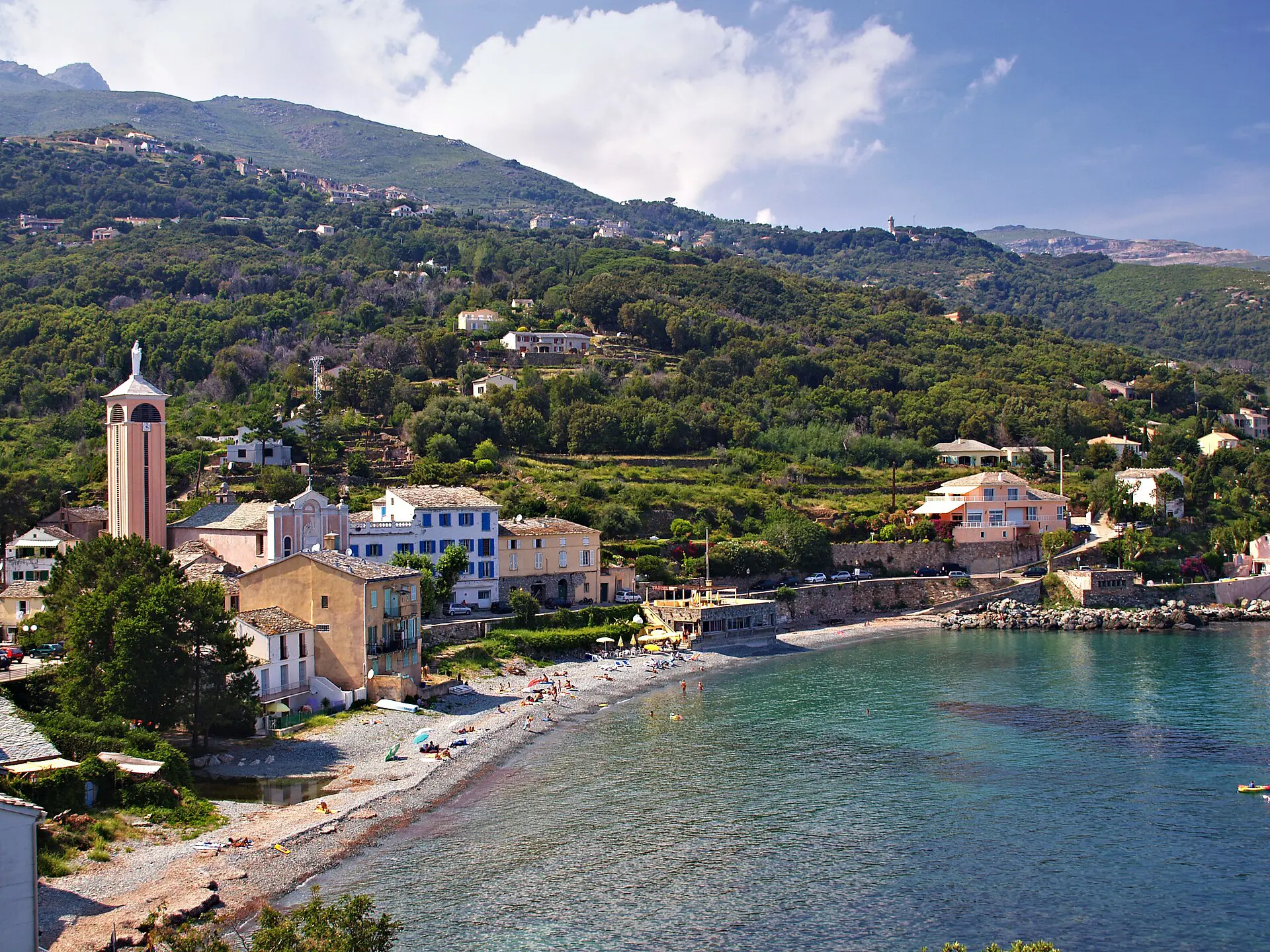
Cap Corse
The northern peninsula has small harbour villages and winding coastal roads. It can be done as a day loop from Bastia. Plan a full day by car, and check the road conditions and fuel before you go.
Sardinia
The nearby Italian island can be reached by short ferry from Bonifacio; check current schedules, as services are seasonal. It suits travellers wanting to combine two islands in one trip.
Nice and the French Riviera
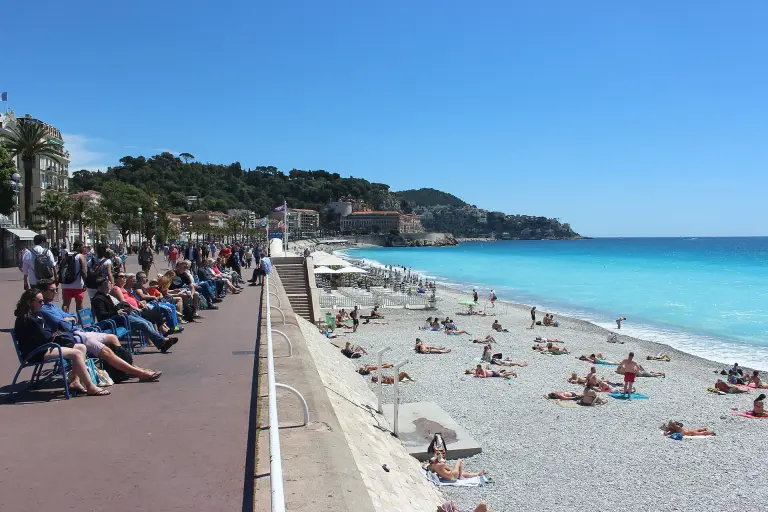
Nice is a common ferry or flight connection to Corsica. It is better treated as a separate stop than a day trip, and works well before or after the island.
Marseille
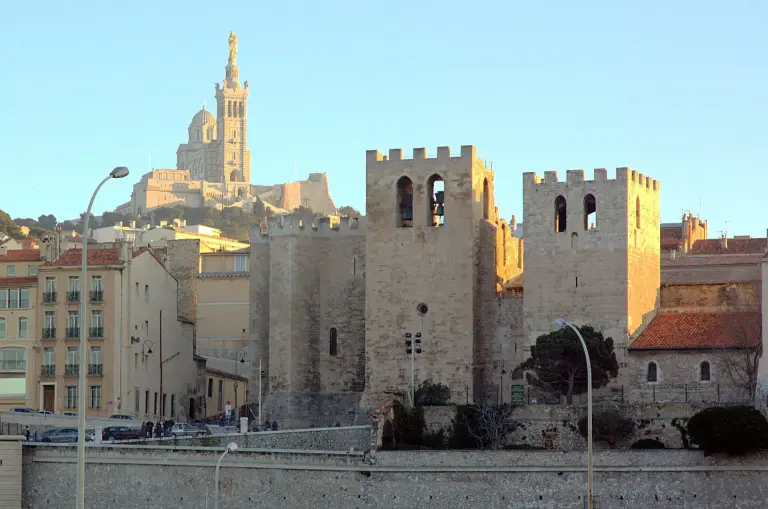
A major port with regular ferry links to the island. Many travellers use it as an entry point or add a night in the city. Check ferry times and book early in summer.
FAQ
Q1How many days do you need in Corsica?
Seven to ten days is a good range if you want to see more than one region. Roads are slow and winding, so distances take longer than they look. Three or four days works if you stay in one area.
Q2When is the best time to visit Corsica?
May, June and September are generally best, with warm weather, open facilities and fewer crowds than July and August. Summer is hot and busy. Winter is quiet, and many businesses close, with snow on the mountains.
Q3How do you get to Corsica?
Fly to Ajaccio, Bastia, Calvi or Figari, or take a ferry from mainland France or Italy. Check current schedules, since some flights and ferries are seasonal. Most visitors rent a car once on the island.
Q4Is Corsica expensive?
Corsica is mid-range to expensive by Mediterranean standards, especially in July and August. Expect roughly EUR 120-220 per day, with car rental, ferries and summer lodging as the main costs. Visiting in shoulder months helps.
Prices, schedules and entry rules change. Check current details with official sources before you travel. Read the France travel guide.