Why visit Colmar
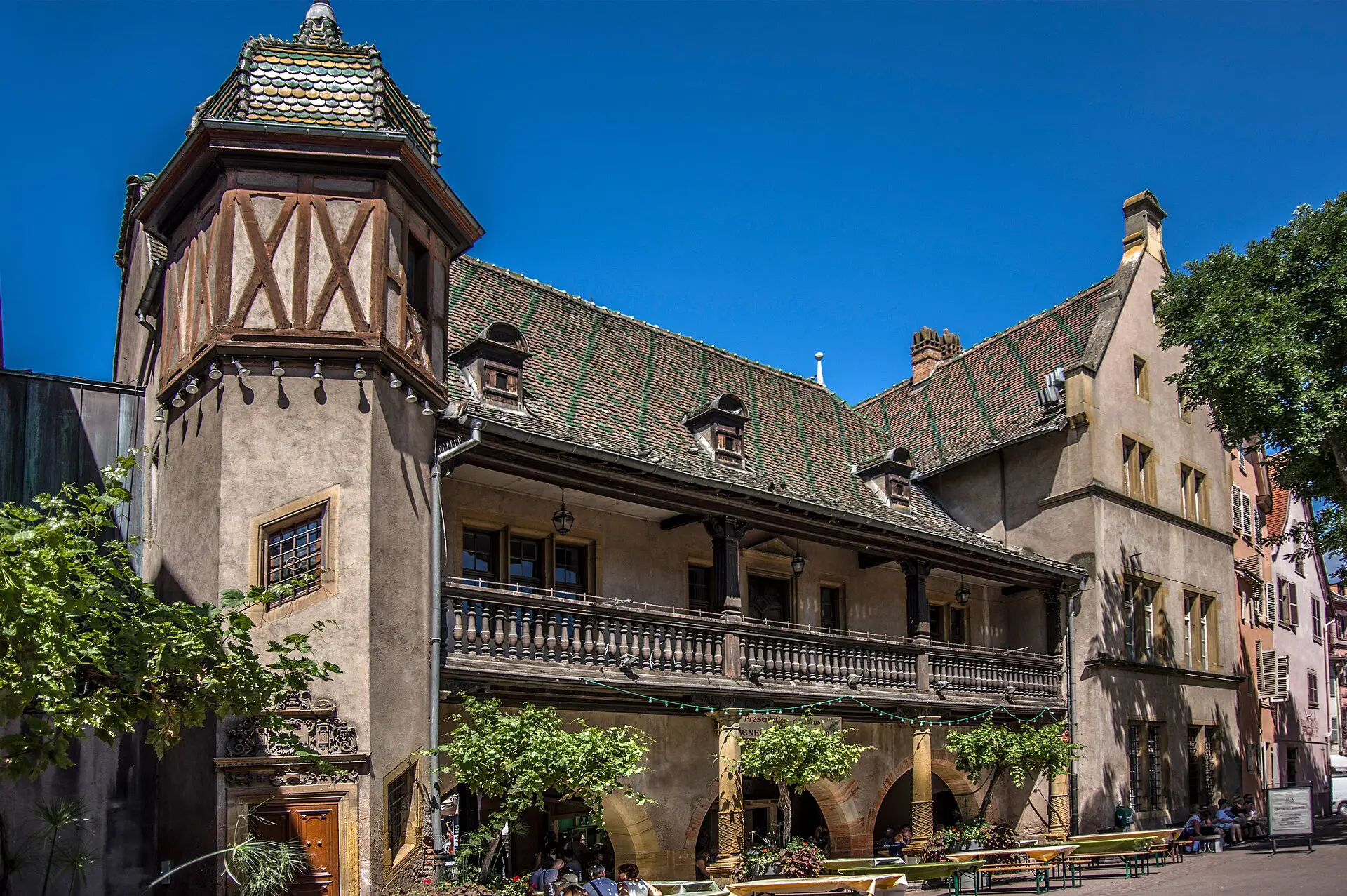
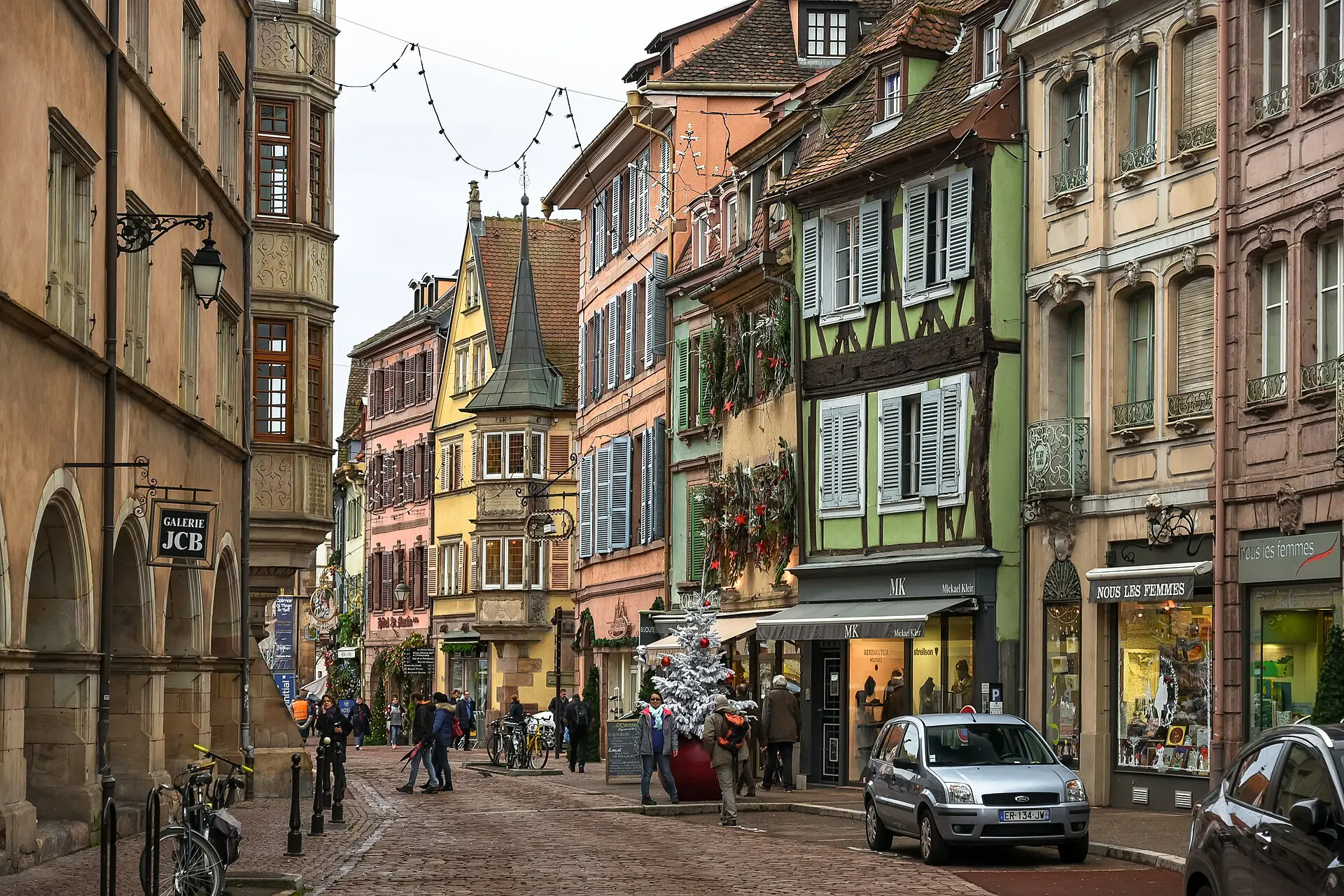
If you are looking for things to do in Colmar, start with the town itself. Its old centre in Alsace, north-eastern France, is one of the best-preserved in the region, with narrow streets, colourful half-timbered houses and small canals that make for easy, rewarding walking.
Colmar grew as a medieval trading town within the Holy Roman Empire and passed between French and German control several times before returning permanently to France in 1945. That shared heritage shows in the architecture, the Alsatian dialect you may still hear, and a kitchen that blends both sides of the Rhine.
It also sits on the Alsatian Wine Route and calls itself the capital of Alsatian wine, so tasting is part of almost any visit. Add the Unterlinden Museum, home of the Isenheim Altarpiece, and you have a town that rewards a short stay without needing a long list of sights.
Top things to do in Colmar
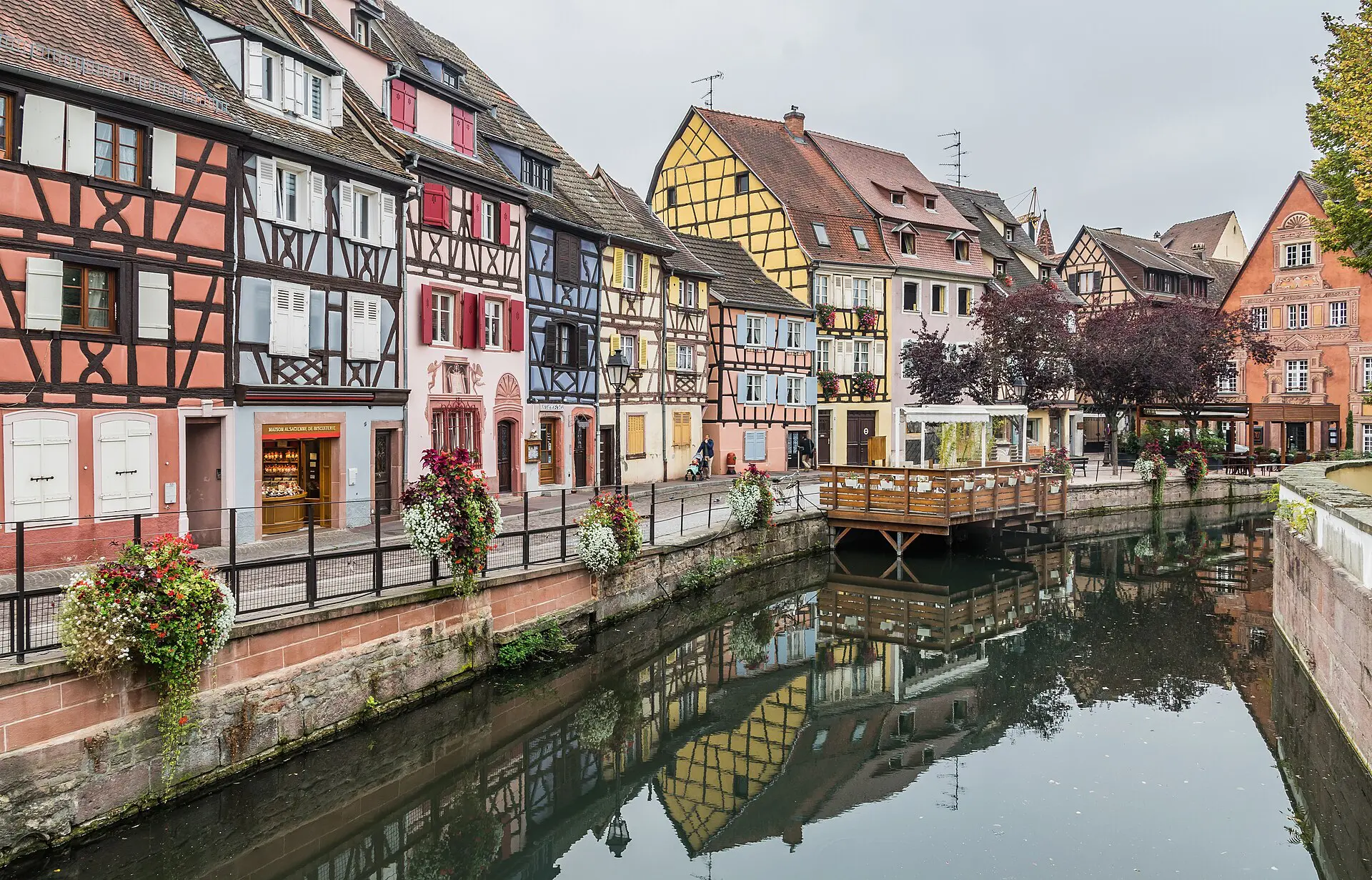
Walk the old town
The historic centre is compact and mostly pedestrian. Wander between the main squares and look up at the timber-framed facades, carved details and painted shutters. Allow two to three hours for a slow loop without museum stops. Go early in the morning or after the day-trippers leave for the quietest streets and the best light for photographs.
Petite Venise
The canal-side quarter along the Lauch river is the postcard view of Colmar, with flower-hung balconies and low bridges. You can see it in half an hour, but it is worth returning at different times of day. Flat-bottomed boat rides run here in the warmer months; check current schedules and expect a short, relaxed trip.
Unterlinden Museum
The town’s main museum is built around a former convent and houses the Isenheim Altarpiece, a major late medieval work. Plan about two hours. It is a good wet-weather choice and an easy anchor for the day. Opening days change by season, so check the official site before you go and consider booking in busy periods.
Collegiate Church of Saint Martin
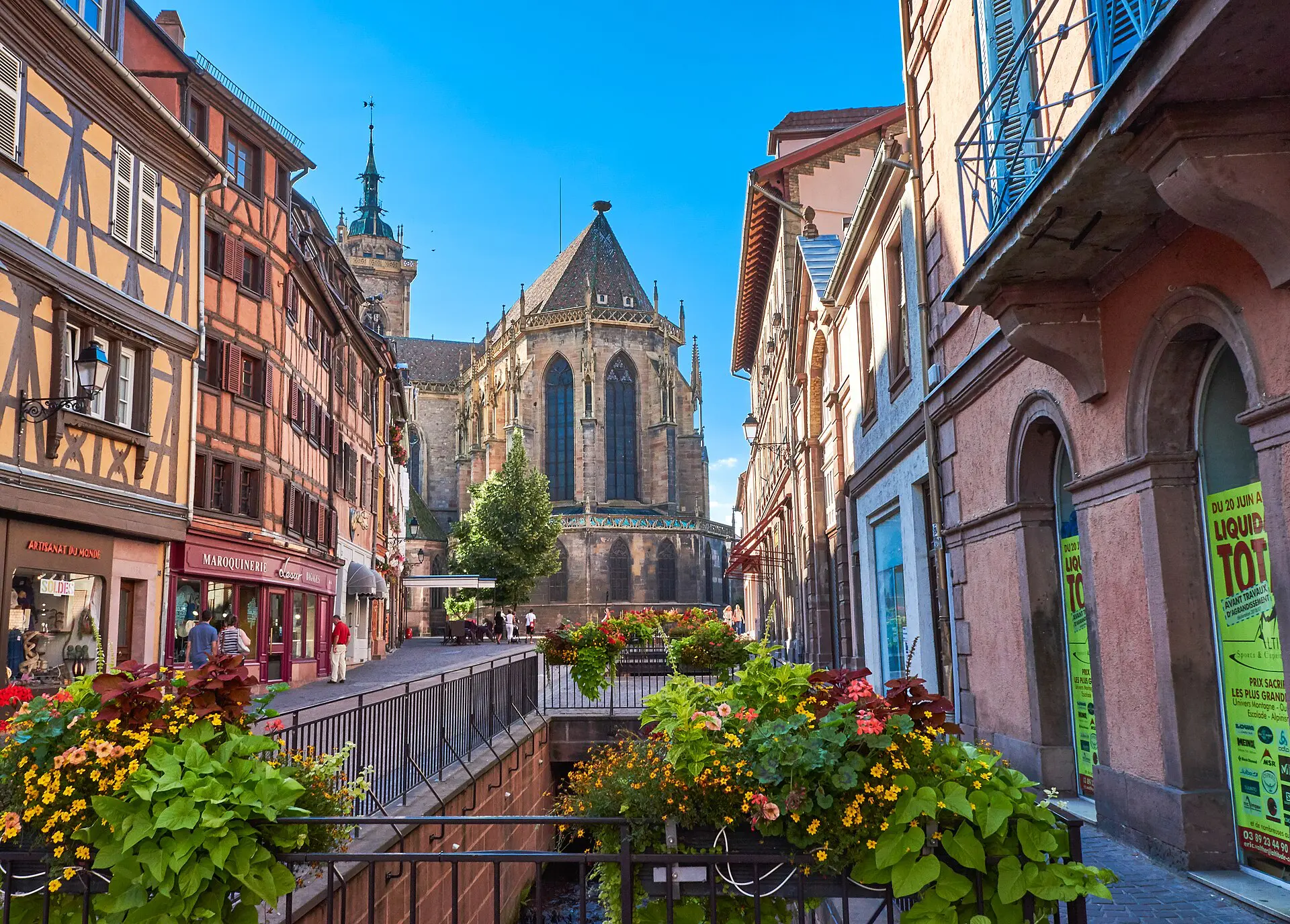
This large Gothic church dominates the old centre and is easy to fit in between other stops. Step inside for the quiet and the architecture, then look at the surrounding squares. Allow 20 to 30 minutes. Dress modestly and avoid entering during services, as it remains a working parish church.
Covered market and Alsatian food
Look for the covered market near the canal, where you can see local produce and pick up picnic supplies. Try regional dishes such as tarte flambee, choucroute and kouglof in a traditional winstub. Meals are best planned around set lunch hours; many kitchens close mid-afternoon, so eat on the earlier side.
Wine tasting
Colmar has wine shops and cellars in town, and the vineyards start just outside it. Alsace is known for white wines such as Riesling, Gewurztraminer and Pinot Gris. A tasting takes about an hour. If you plan to visit a cellar in the villages, arrange a driver, taxi or tour in advance rather than driving after tasting.
Christmas markets
In December the town is decorated and several markets open across the centre. The atmosphere is a major draw, but crowds are heavy, especially on weekends. Visit on a weekday if you can, book your hotel months ahead and bring warm layers. Dates vary each year, so confirm them locally.
Best time to visit Colmar
Colmar has a semi-continental climate, with warm summers and cold winters. Alsace is one of the drier parts of France, which helps for walking, though showers happen in any season.
| Season | Weather | Crowds and prices |
|---|---|---|
| Spring (April to June) | Mild, some rain, flowers out | Moderate crowds, fair prices |
| Summer (July to August) | Warm to hot, occasional storms | Busy, higher prices |
| Autumn (September to October) | Mild, harvest season in the vineyards | Moderate, good value |
| Winter (November to February) | Cold, grey, possible frost | Quiet except December markets |
For a balance of weather and space, aim for May, June or September. December suits you if the markets are the point, but accept the crowds and higher room rates.
How to get to Colmar and around
Colmar has its own railway station, a short walk or tram-free stroll from the old town. Regional trains connect it with Strasbourg, Mulhouse and Basel; the journey from Strasbourg usually takes in the region of 30 to 45 minutes. Check current timetables and tickets on the national rail site.
The nearest large airports are EuroAirport Basel-Mulhouse-Freiburg, which is the closest, and Strasbourg, which is also reachable by train. Colmar has a small airfield but you should not count on scheduled flights. From Paris, high-speed trains to Strasbourg followed by a regional connection are a common route.
Within town, you will not need a car. The old centre is compact and walkable, and cars face restrictions in the core. If you drive, use one of the car parks on the edge of the centre. A car is useful if you plan to visit several wine villages in one day, though a bus or tour is an alternative.
Where to stay in Colmar
For a first visit, stay inside or beside the old town. The streets around the main squares put you within a few minutes of every sight and restaurant, and many small hotels occupy historic buildings. Expect some noise on weekend evenings, and ask about parking, which can be limited.
Petite Venise and the canal area suits couples and anyone after the classic setting, with guesthouses and hotels beside the water. Rooms are in demand, so reserve early for weekends and December.
Near the railway station you will find larger, more modern and often cheaper hotels, a good choice if you arrive by train and want an easy base with a ten to fifteen minute walk into the centre. If you plan to drive around the wine route, consider a guesthouse in a nearby village instead, where parking is easier.
How many days do you need?
One full day covers the headline sights and works well as a stop between Strasbourg and Basel. Two days is the sweet spot: you can see the town without rushing and add a short wine-route excursion. Three days suits you if you want several villages and the Vosges hills.
- Day 1: Walk the old town, visit the Collegiate Church, lunch in a winstub, then explore Petite Venise and have a canal-side evening.
- Day 2: Spend the morning at the Unterlinden Museum, then visit the covered market and take a wine-tasting.
- Day 3: Take a day trip to a village on the Wine Route or into the Vosges foothills.
Day trips and nearby
Strasbourg
The regional capital is a short train ride north and combines a large historic centre with a major cathedral and the European institutions. It is a natural pairing with Colmar and can be done in a day, though an overnight stay gives you more time.
Alsace Wine Route villages
Several small, picturesque wine villages lie within a few kilometres of Colmar, among vineyards at the foot of the Vosges. Buses and tours serve some, while a car or bicycle gives you more freedom. Plan a half day and avoid driving after tastings.
Mulhouse
The industrial city to the south is known for its museums, including the national automobile collection and a railway museum. It is a good option on a rainy day and is reachable by regional train in well under an hour.
Basel
Across the border in Switzerland, Basel has a strong museum scene and an old town on the Rhine. It is reachable by train in around an hour, though Swiss prices are noticeably higher.
FAQ
Q1When is the best time to visit Colmar?
May, June and September are usually the best months, with mild weather and fewer people than in summer. December is the busiest and most atmospheric time because of the Christmas markets, but rooms sell out early and prices rise, so book well ahead.
Q2How many days do you need in Colmar?
Two days is enough for most visitors: one for the old town, Petite Venise and the church, and one for the Unterlinden Museum and wine tasting. A single day works if you are passing through, and a third day suits a wine-route trip.
Q3How do you get to Colmar?
Take a regional train from Strasbourg, Mulhouse or Basel; the station is close to the old town. The closest major airport is Basel-Mulhouse, while Strasbourg is also an option. Check current timetables, as services and journey times vary.
Q4Is Colmar expensive?
Colmar is mid-range by western European standards. Hotels cost more in summer and in December, and meals in the old centre are pricier than on the outskirts. Visiting off-season, eating lunch set menus and staying near the station can lower your costs.
Prices, schedules and entry rules change. Check current details with official sources before you travel. Read the France travel guide.