Why visit Strasbourg
The things to do in Strasbourg centre on a compact historic core, the Grande Île, which was the first city centre to be classified entirely as a UNESCO World Heritage Site. It sits on an island ringed by the River Ill, and almost everything is within a pleasant walk.
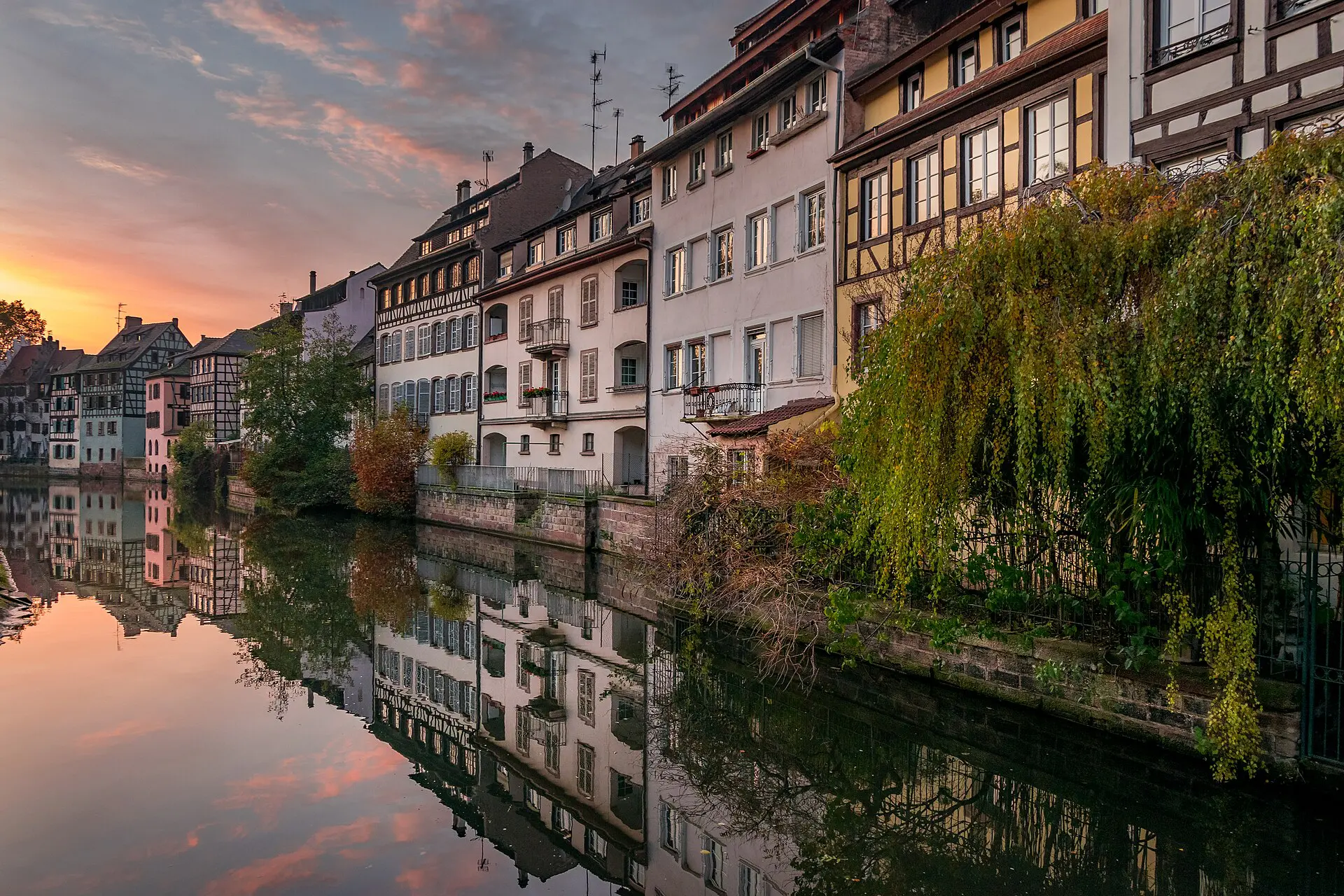
The city is in Alsace, in eastern France, right on the Rhine and the German border. That position gives it a mix of French and German influences, visible in the architecture, the food, the street names and the Alsatian dialect. It is also the seat of several important European institutions, including the European Parliament.
Strasbourg suits a short city break in any season, with a famous Christmas market in winter, canal boats in summer and a strong restaurant scene. It is also a good base for the Alsace wine route.
Top things to do in Strasbourg
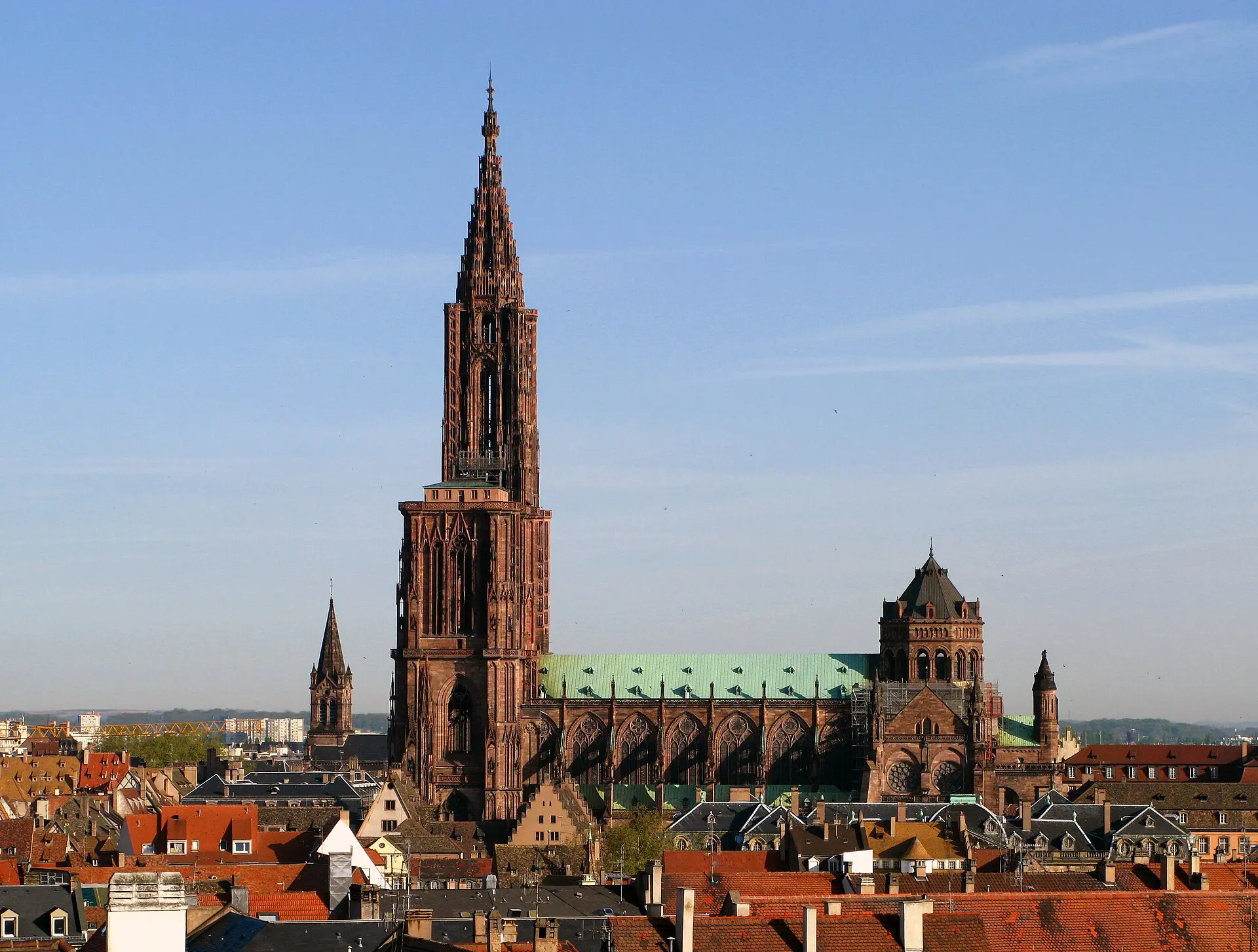
Strasbourg Cathedral
The Gothic cathedral, with its single tall spire, dominates the old town and is one of the great buildings of medieval Europe. Allow an hour inside, including the astronomical clock, and check current opening times. The platform climb gives views over the city but can involve queues.
Petite France
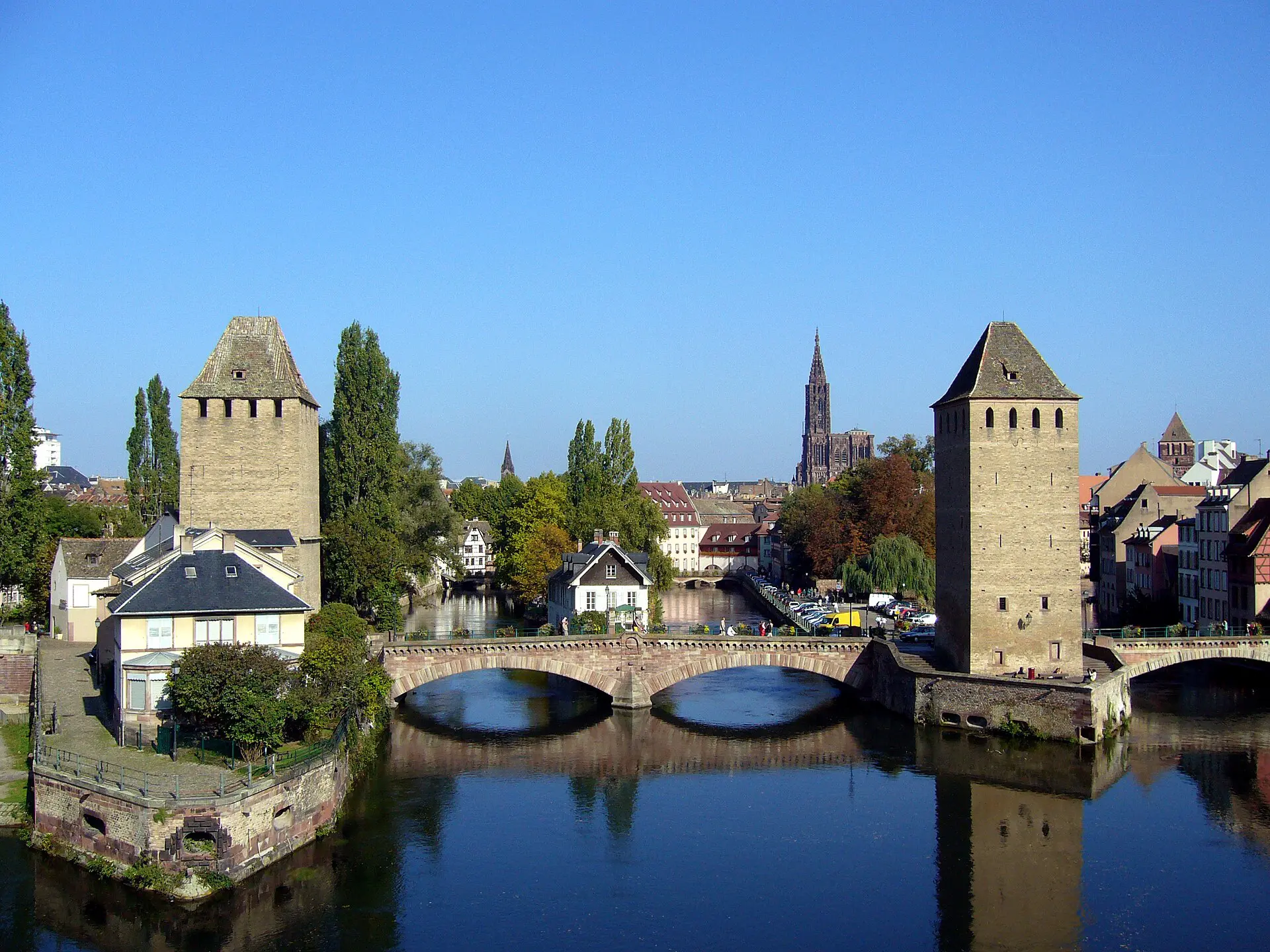
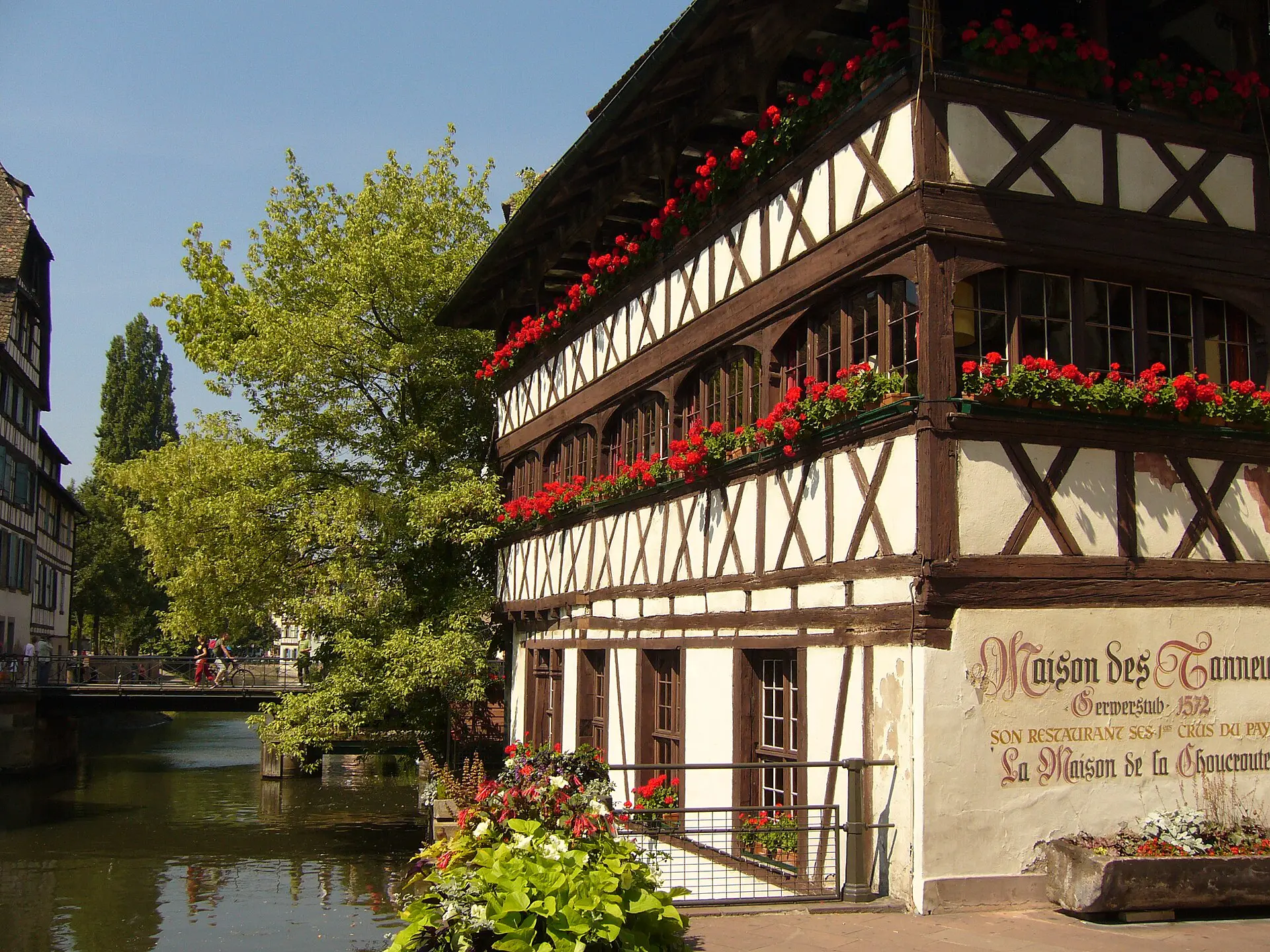
This former tanners’ and millers’ quarter has half-timbered houses, canals and locks, and it is the most photographed part of the city. Walk it in the early morning or at dusk for fewer crowds. Allow one to two hours, including a stop at a covered bridge viewpoint.
Boat trip on the Ill
A guided boat tour circles the Grande Île and passes the main sights in about an hour. It is a good way to orient yourself on a first day and to rest your feet. Check departure times and consider booking ahead for peak periods.
Palais Rohan and museums
The city has a cluster of museums near the cathedral, including fine arts, decorative arts and archaeology, many in the former bishops’ palace. Pick one or two, allow around two hours each, and check the opening days, as many close on at least one weekday.
Place Kléber and the shopping streets
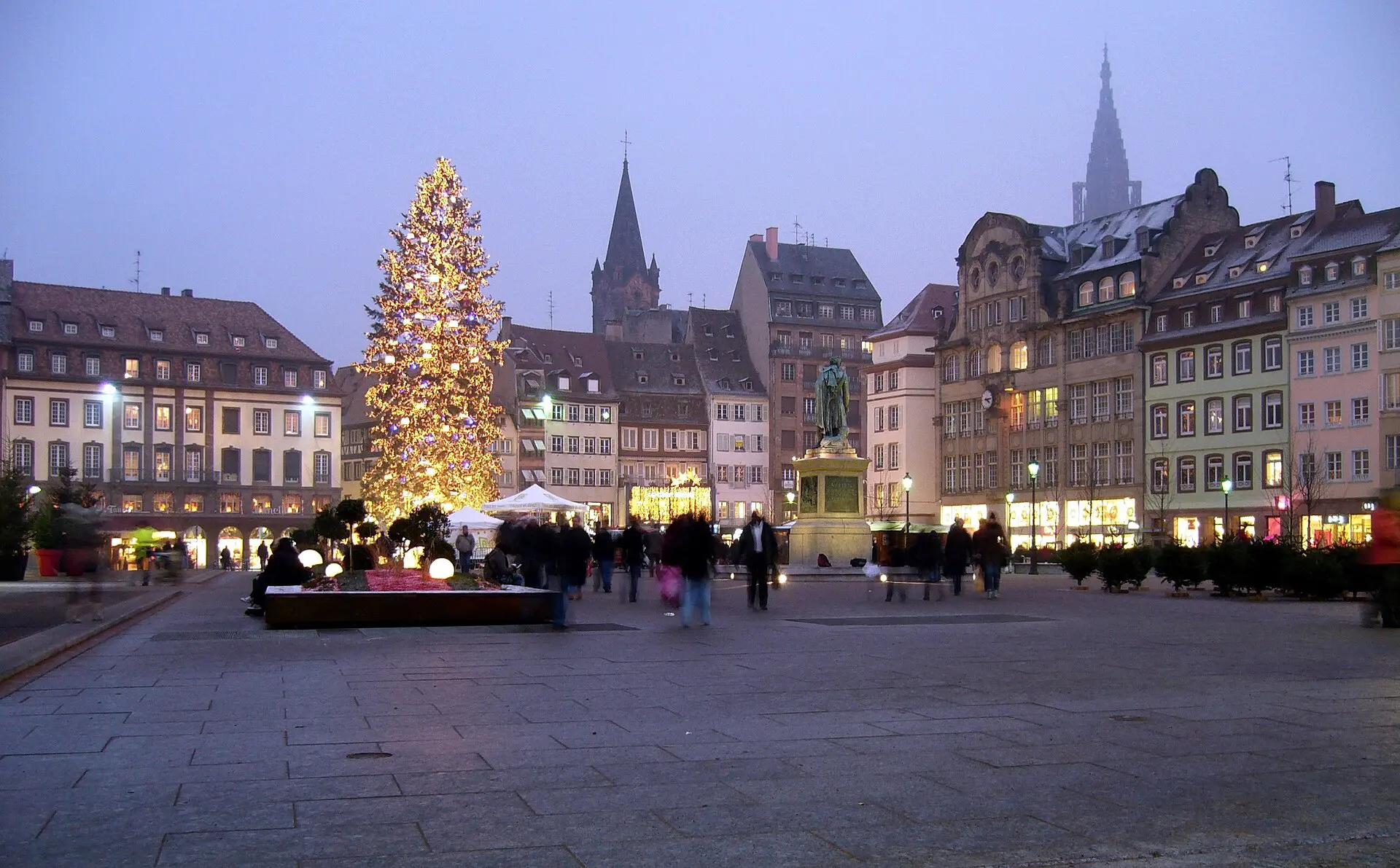
The large square in the centre is the heart of the modern city, and the nearby pedestrian streets are good for browsing, coffee and a pastry. It is a simple stop for an hour, and a useful meeting point for walking tours.
European district and Parc de l’Orangerie
The area northeast of the centre includes the European institutions and a large landscaped park with a small zoo. Allow half a day if you want to include a visit to the Parliament, and check the rules for tours in advance.
Best time to visit Strasbourg
Strasbourg has a continental climate, with warm summers and cold winters. The city is attractive year-round, but late spring and early autumn are comfortable for walking.
| Season | Weather | Crowds and prices |
|---|---|---|
| Spring (Apr-Jun) | Mild, some rain | Moderate |
| Summer (Jul-Aug) | Warm to hot | Busy at the main sights |
| Autumn (Sep-Oct) | Mild, harvest season | Moderate |
| Winter (Nov-Feb) | Cold, grey, possible snow | Very busy in December for the Christmas market |
The Christmas market period is popular and hotels fill early, so book well ahead and expect crowds around the cathedral.
How to get to Strasbourg and around
High-speed trains connect Strasbourg with Paris in under two hours, and there are regular services to other French cities, Germany and Switzerland (check current timetables). The station is on the edge of the Grande Île, a short walk or tram ride from the cathedral.
Strasbourg Airport has flights to several European cities and a rail link to the main station. Many visitors also fly into Basel-Mulhouse, Frankfurt or Stuttgart and continue by train. Across the border, the German town of Kehl is a short tram ride away.
Inside the city, the centre is best explored on foot. Trams cover the wider area, and Strasbourg is well known for its extensive network of cycle lanes and bike rental options.
Where to stay in Strasbourg
Because the centre is small, it is simple to choose a base. Pick based on atmosphere and how early you need to reach the station.
- Grande Île and the cathedral area: ideal for first-time visitors who want to walk to everything, though prices are higher and the streets can be noisy.
- Petite France: picturesque and quieter in the evenings, suiting couples.
- Near the station: practical and generally cheaper, with good tram links and easy access for early trains.
- Krutenau and Neustadt: local neighbourhoods with cafes and a calmer feel, suited to longer stays.
Book early for December and for Parliament session weeks, when rooms are scarce.
How many days do you need?
Two days is enough to see the cathedral, Petite France and a museum without rushing. A third day lets you take a trip into the Alsace wine villages or cross to Germany. Plan for the weather, as some sights are best on dry days.
- Day 1: the cathedral, Palais Rohan museums, lunch in a winstub and an evening boat trip.
- Day 2: Petite France in the morning, the European district and the Orangerie park in the afternoon.
- Day 3: a day trip to Colmar or the wine villages along the Alsace route.
Day trips and nearby
Colmar
This Alsatian town south of Strasbourg has colourful half-timbered houses and canals, and it can be reached by direct regional train in under an hour. Allow most of a day, and combine it with a stop in a wine village.
Alsace wine route
The villages along the foothills of the Vosges are known for white wines and pretty streets. Without a car, choose a guided tour or a train-and-bus combination. Check opening times for cellars before you go.
Kehl and Black Forest
Across the Rhine, the German town of Kehl is reachable by tram. The Black Forest begins a short distance beyond. Bring a passport or ID, even though the crossing is usually unchecked, and check current rules.
FAQ
Q1When is the best time to visit Strasbourg?
Late spring and early autumn are comfortable for walking, with mild weather. December is the busiest time, thanks to the Christmas market, and hotels fill quickly. Summer is warm and good for boat trips but can be crowded around the cathedral.
Q2How many days do you need in Strasbourg?
Two days cover the cathedral, Petite France, a museum and a boat trip at an easy pace. Add a third day if you want to visit Colmar or the Alsace wine villages. A single day is possible but rushed if you want to eat well.
Q3How do you get to Strasbourg?
Fast trains from Paris take under two hours, and other trains connect the city with Germany and Switzerland. Strasbourg Airport has a rail link, while Basel and Frankfurt are options for long-haul arrivals. Check current timetables and book early for lower fares.
Q4Is Strasbourg expensive?
It is generally cheaper than Paris, though hotels cost more during the December Christmas market and Parliament weeks. Many restaurants offer fixed-price lunches, and the compact centre means you can walk between sights. Check prices and book early for peak periods.
Prices, schedules and entry rules change. Check current details with official sources before you travel. Read the France travel guide.