Why visit Cannes
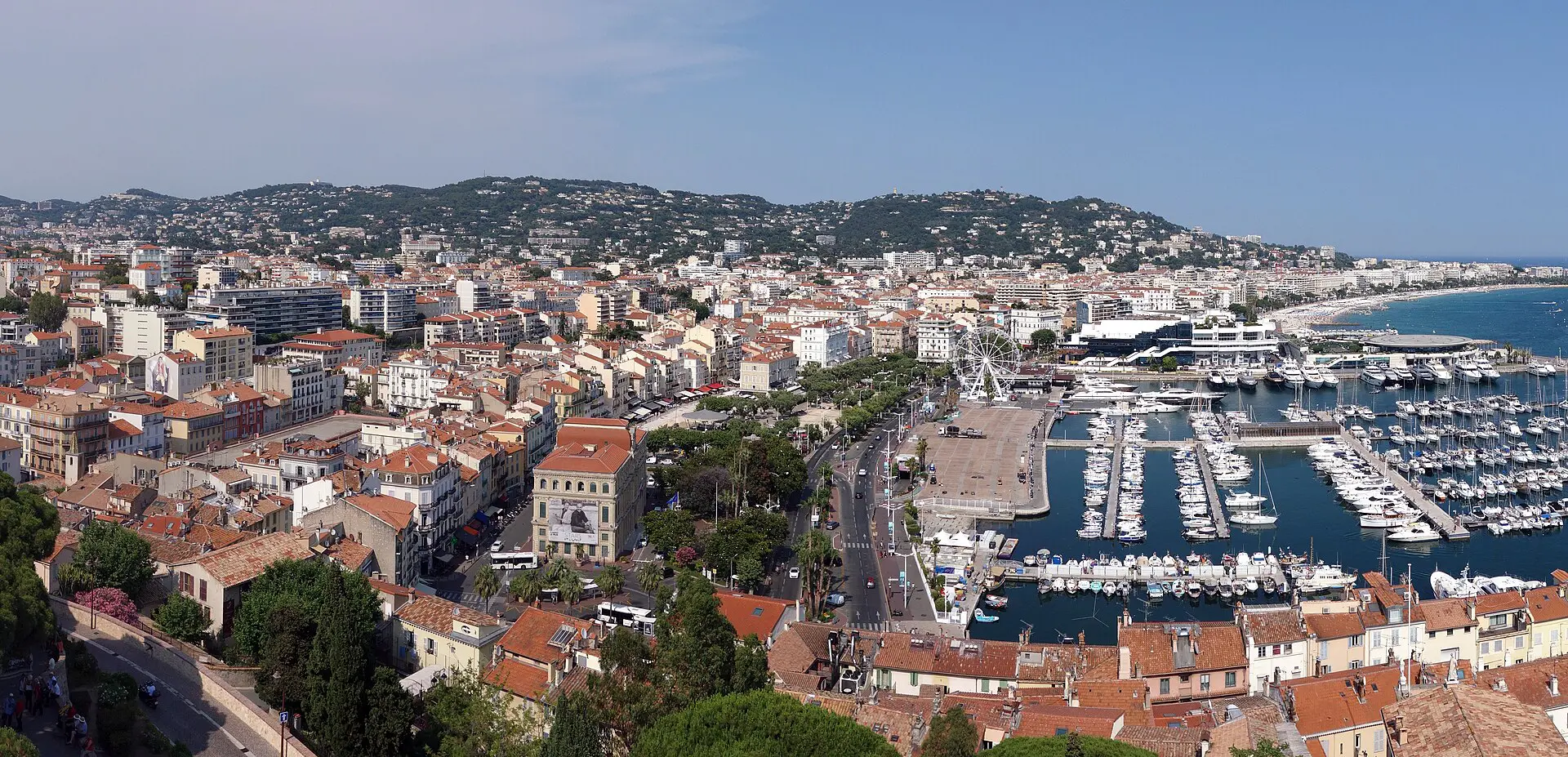
If you are planning things to do in Cannes, start with its character: a resort city on the French Riviera, in the Alpes-Maritimes department, with a long bay, a busy marina and a reputation for luxury. It was once a small fishing village and port of call, and the old hill of Le Suquet still shows that earlier town.
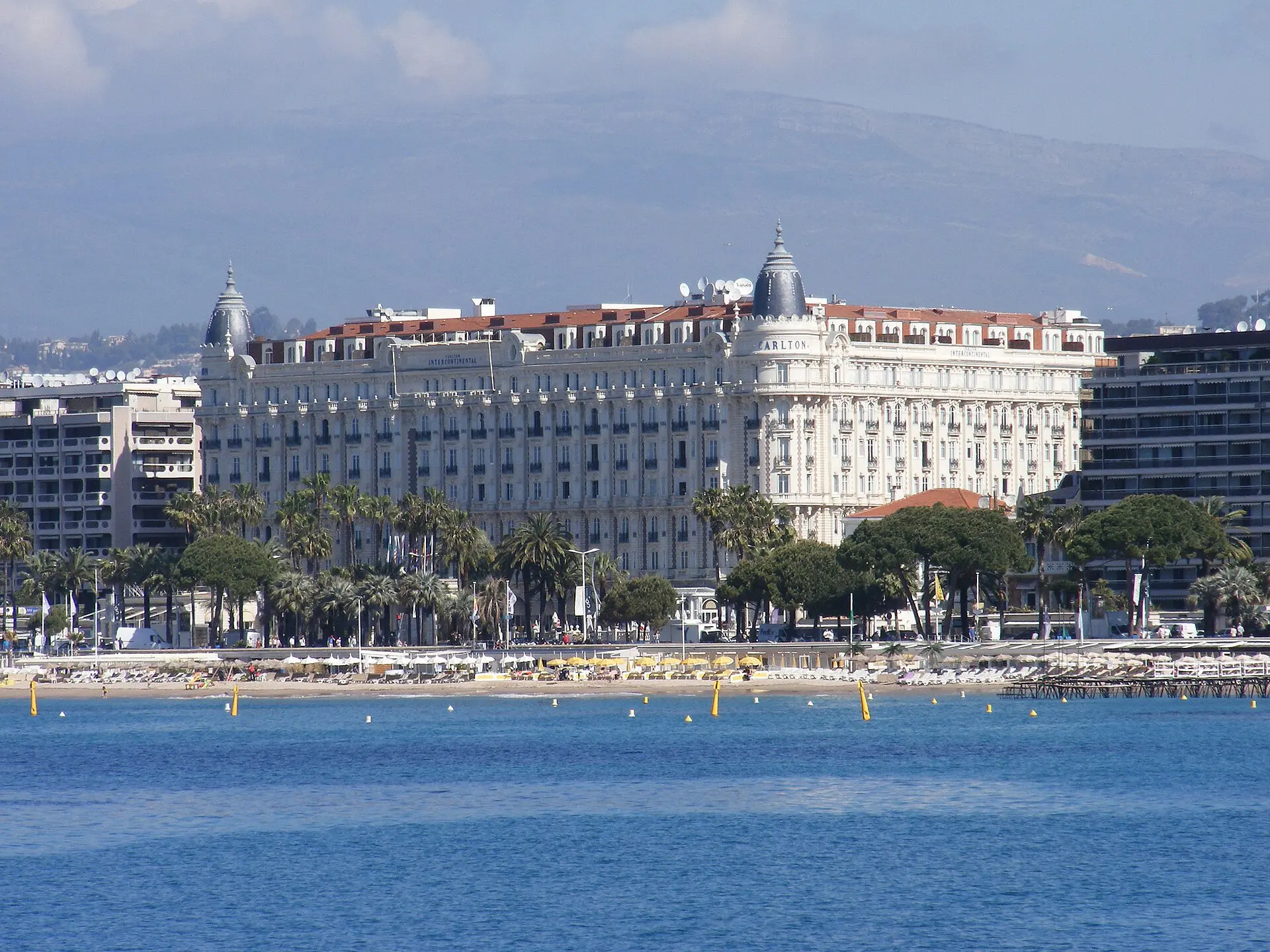
Cannes is best known as the host of the annual Cannes Film Festival, along with other large events such as Midem and Cannes Lions. During those weeks the town fills with delegates, and prices rise sharply. Outside them it is a calmer place, with a walkable seafront, sandy beaches and café terraces.
It is expensive, but it is not only for the wealthy. You can walk the promenade for free, climb Le Suquet for views, eat at market-area bistros and take a short ferry to the Lérins Islands. It also works as a base for the rest of the Riviera, with Nice a short train ride away.
Top things to do in Cannes
La Croisette
The seafront boulevard is the town’s main stage, lined with grand hotels, shops and beach clubs. Walk it end to end in about an hour, longer if you stop. Much of the beach is private and paid, but there are public stretches, so check signs before laying a towel.
Palais des Festivals and the red carpet steps
At the western end of La Croisette stands the congress and festival hall, famous for its steps. You can usually photograph the exterior outside event periods. Allow 20 to 30 minutes, and check ahead if you hope to see anything inside, as access depends on events.
Le Suquet old quarter
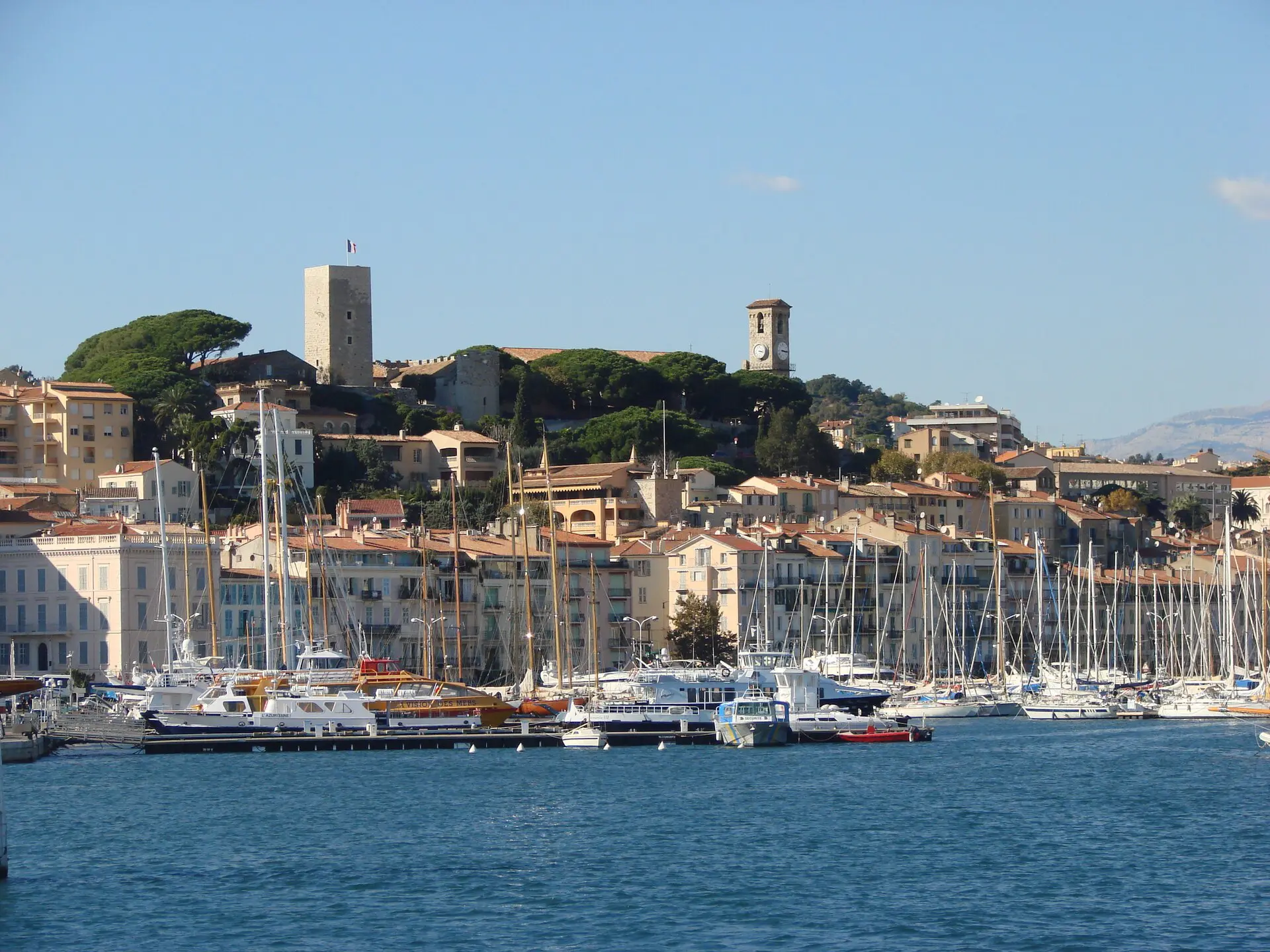
The hill above the old port is where the Roman outpost and early town stood. Cobbled lanes climb to a church and a museum with views over the bay. Allow one to two hours. The slopes are steep, so wear comfortable shoes and aim for late afternoon light.
Old port and Forville market
The harbour mixes fishing boats with yachts, and nearby streets hold the covered market, which usually runs in the mornings and is typically closed on some weekdays. Plan an hour. It is a good place for fruit, cheese and a casual lunch at lower prices than the seafront.
Lérins Islands
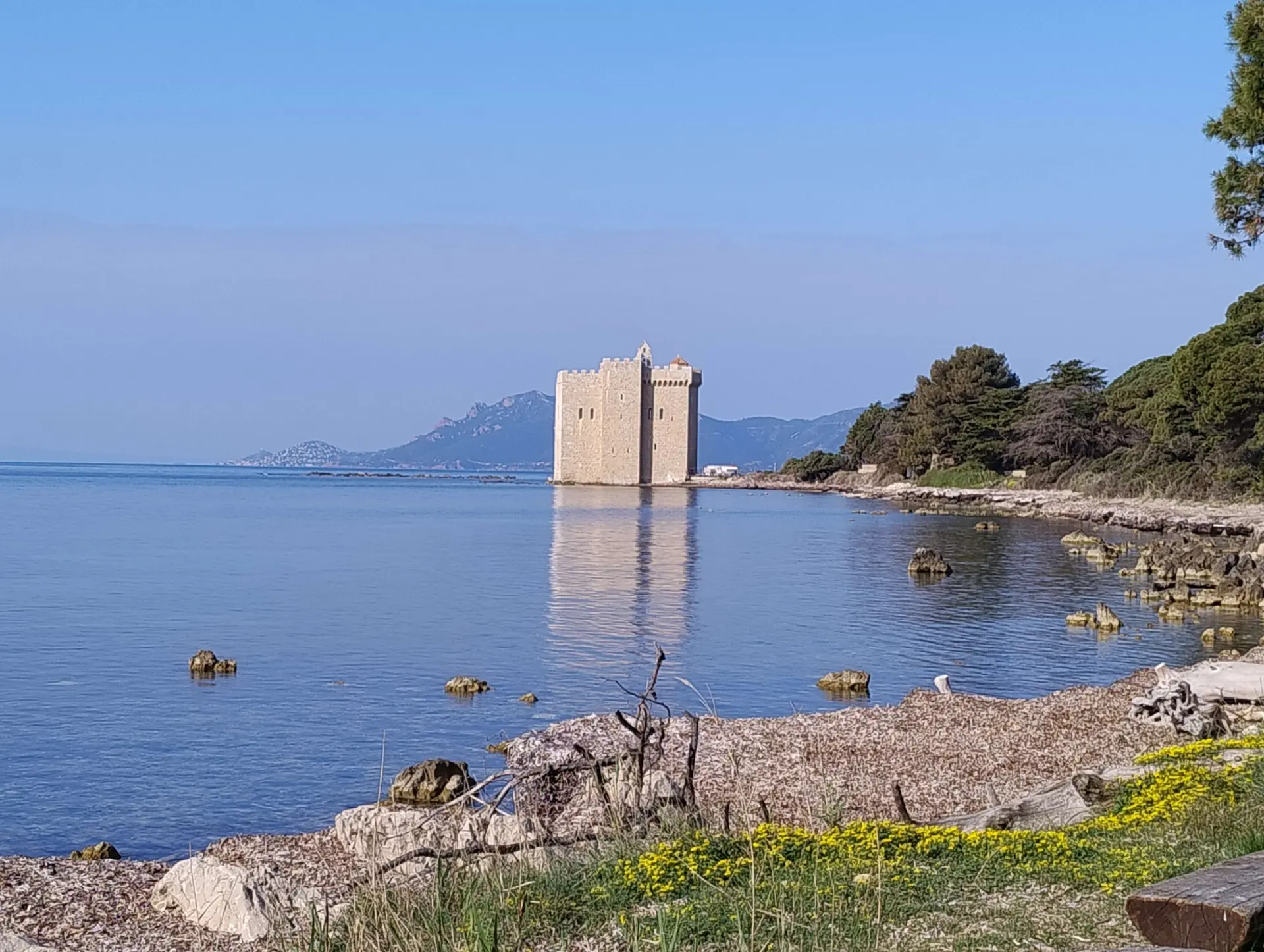
Île Sainte-Marguerite and Île Saint-Honorat lie just offshore and are reached by short ferry crossings from the old port area. Allow half a day to a full day. Pack water, check the last return sailing, and note that Saint-Honorat is a working monastic island with rules on behaviour.
Rue d’Antibes and shopping
A few streets back from the sea, Rue d’Antibes and nearby lanes offer high-street and designer shops. Plan an hour or two if shopping is your aim. Opening hours vary, and many places close for lunch or on Sundays, so check before planning a detour.
Beach time
The bay has sand rather than shingle, and the water is usually calm. Public beaches exist but can be busy in July and August. Allow an afternoon. If you choose a beach club, ask about the price of sunbeds and food in advance, as costs can be high.
Best time to visit Cannes
Cannes has a Mediterranean climate, with hot summers and mild winters. The best balance of weather and manageable crowds usually falls in late spring and early autumn.
- Spring (April to June): warm and increasingly sunny. May brings the film festival, with packed hotels and high prices, so check dates before booking.
- Summer (July and August): hot, busy and expensive. Beaches and trains are crowded, and transport should be booked ahead in August.
- Autumn (September and October): the sea is still warm, crowds thin out, and rates ease. Conference weeks can still push prices up.
- Winter (November to March): mild and quieter, with some restaurants and beach venues closed. Good for walking, but not for swimming.
Whatever the season, look up the festival and conference calendar for your dates, because large events can change prices more than the weather does.
How to get to Cannes and around
The nearest major airport is Nice Côte d’Azur, around 25 to 30 km east. From there you can reach Cannes by train or bus, usually in well under an hour, or by taxi at a higher price. Cannes also has its own rail station on the main coastal line, with services to Nice, Antibes and Marseille, plus high-speed links from Paris.
During peak season in August, transport can sell out, so book in advance. Strikes on French public transport are fairly common, so check the news before buying non-refundable tickets.
The central area is compact and best covered on foot. Buses and taxis help for outlying areas. Ferries leave for the Lérins Islands from the harbour, and drivers should expect expensive and limited parking in the centre.
Where to stay in Cannes
Cannes is known for luxury hotels, but there are other options if you plan carefully.
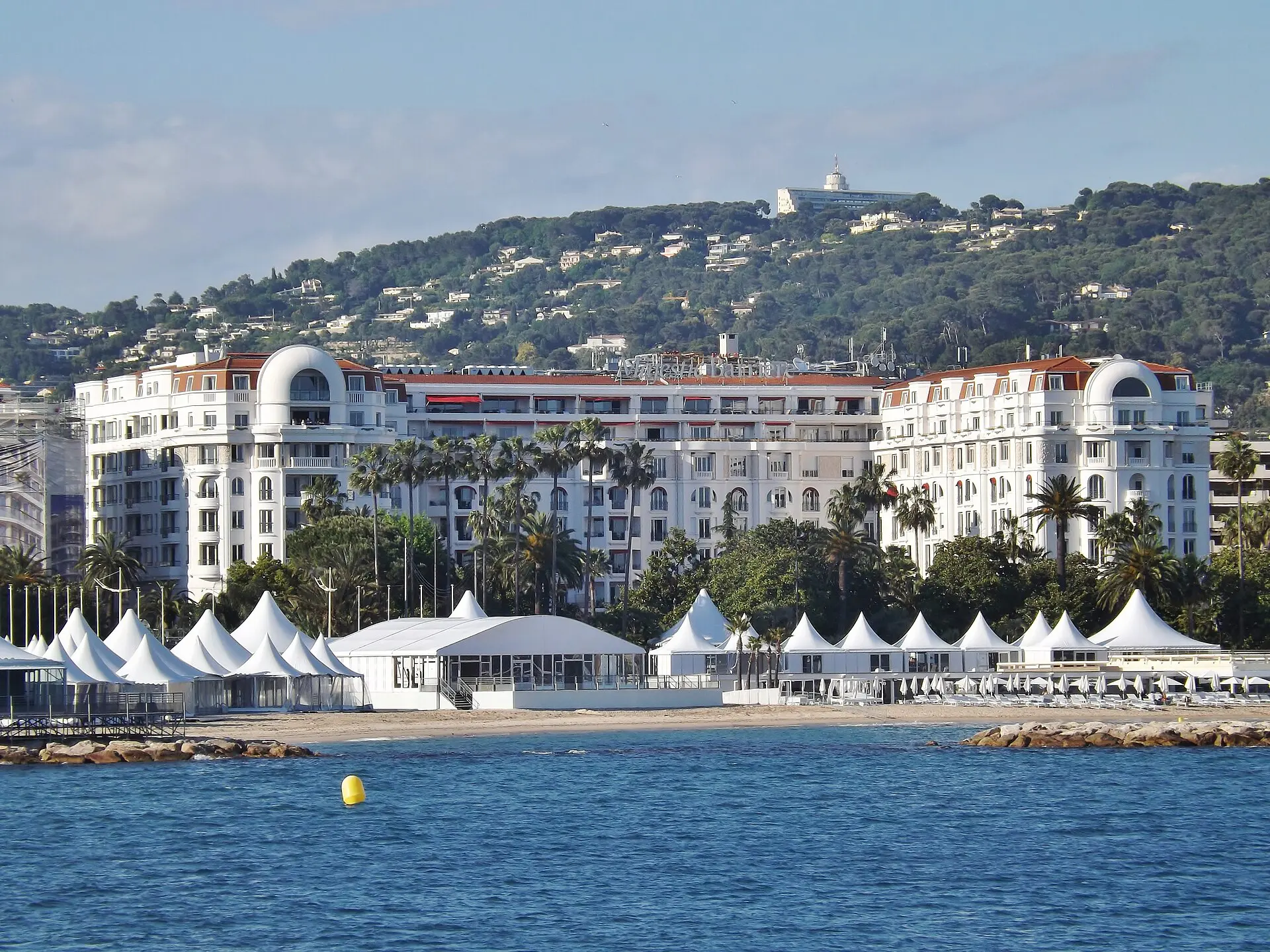
- La Croisette: the seafront strip has grand hotels and sea views. It suits travellers who want comfort and are happy to pay well above average, especially in festival weeks.
- Central streets behind the seafront: mid-range hotels and apartments near the station and shopping streets. A good compromise on price, with the beach a short walk away.
- Le Suquet and the old port: small guesthouses and apartments close to restaurants and views. Best for travellers who do not mind steps and some evening noise.
- Nearby towns: staying in a neighbouring Riviera town can lower costs, with a short train ride into Cannes.
Book early for May and summer, and check cancellation terms.
How many days do you need?
Two full days is enough to see the main sights at an easy pace, and three lets you add a day trip or a longer beach stretch. If you only have an afternoon, walk La Croisette and climb Le Suquet. A short itinerary could run like this.
- Day 1: morning at the old port and market, lunch nearby, then Le Suquet and a sunset walk along La Croisette to the Palais des Festivals.
- Day 2: ferry to the Lérins Islands for walking and swimming, returning in the late afternoon for dinner in the old town.
- Day 3: a day trip to Nice or another Riviera town by train, or a beach day if the weather suits.
Allow extra time if you want to attend an event.
Day trips and nearby
Nice
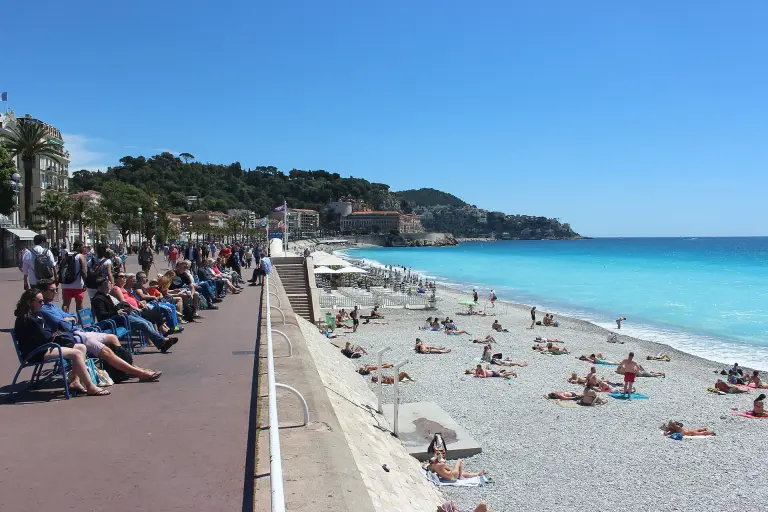
The Riviera’s largest city lies east along the coast, with a seafront promenade, an old town and markets. Trains run regularly and the trip usually takes under an hour. It is an easy full-day outing and also has the region’s main airport.
Lérins Islands
Just offshore, these two islands offer forest paths, small beaches and a historic fortress on Sainte-Marguerite. Boats are short crossings. Take food and water, and check ferry times so you are not stuck on the last sailing.
Antibes and the coast
Along the railway line you can stop at smaller coastal towns with old quarters, harbours and walks by the sea. Pick one or two rather than rushing through several, and check train times before heading out.
Marseille and Provence
Longer trips are possible toward Marseille and inland Provence, although they work better as an overnight stay than a day return. Check train times and plan around your own schedule.
FAQ
Q1When is the best time to visit Cannes?
Late spring and early autumn usually give the best mix of warm weather, open venues and manageable crowds. May is festival season, and July and August are the busiest and priciest months, so check event dates before booking.
Q2How many days do you need in Cannes?
Two to three days is enough for La Croisette, Le Suquet, the old port and a trip to the Lérins Islands. If you plan to explore the wider Riviera, add a few extra days and use Cannes as a base.
Q3How do you get to Cannes?
Most visitors fly to Nice Côte d'Azur Airport and continue by train, bus or taxi, which usually takes under an hour. Cannes also has a rail station on the coastal line, with connections from Paris and other French cities.
Q4Is Cannes expensive?
Yes, it is one of the pricier places on the Riviera, especially around the film festival and in July and August. You can save by staying outside the seafront, eating at market-area bistros and using public beaches.
Prices, schedules and entry rules change. Check current details with official sources before you travel. Read the France travel guide.