Why visit Normandy
If you are planning things to do in Normandy, expect a region with several distinct layers. It covers northern France along the English Channel, and its name comes from the Vikings, or Northmen, who settled it in the 9th century. After 1066, Normandy and England were closely tied for generations.
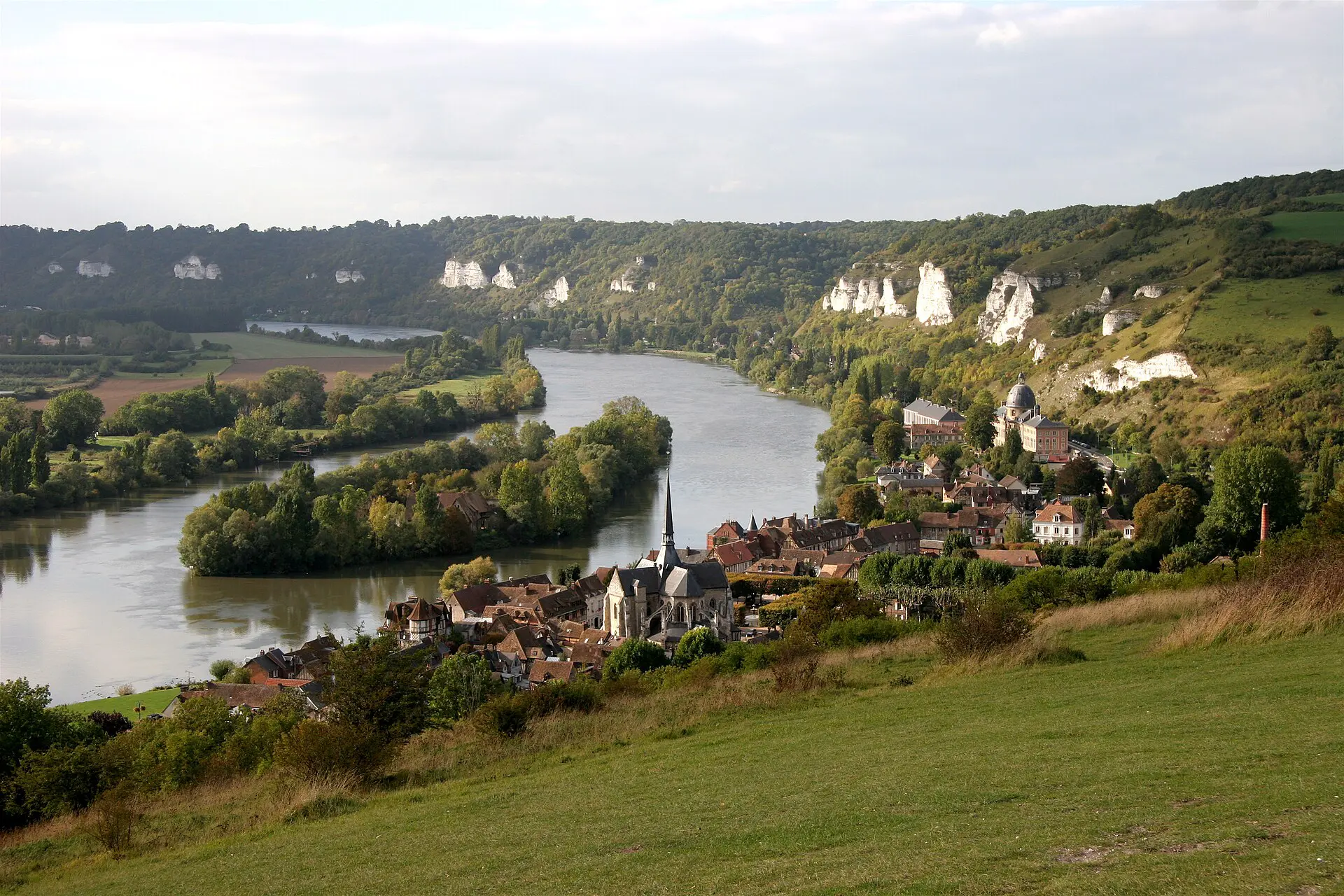
Today, visitors come for medieval heritage such as Rouen’s cathedral, the Bayeux embroidery and the abbey of Mont-Saint-Michel. Many also come for the D-Day landings of 6 June 1944 and the fighting that followed, which liberated France from Nazi rule.
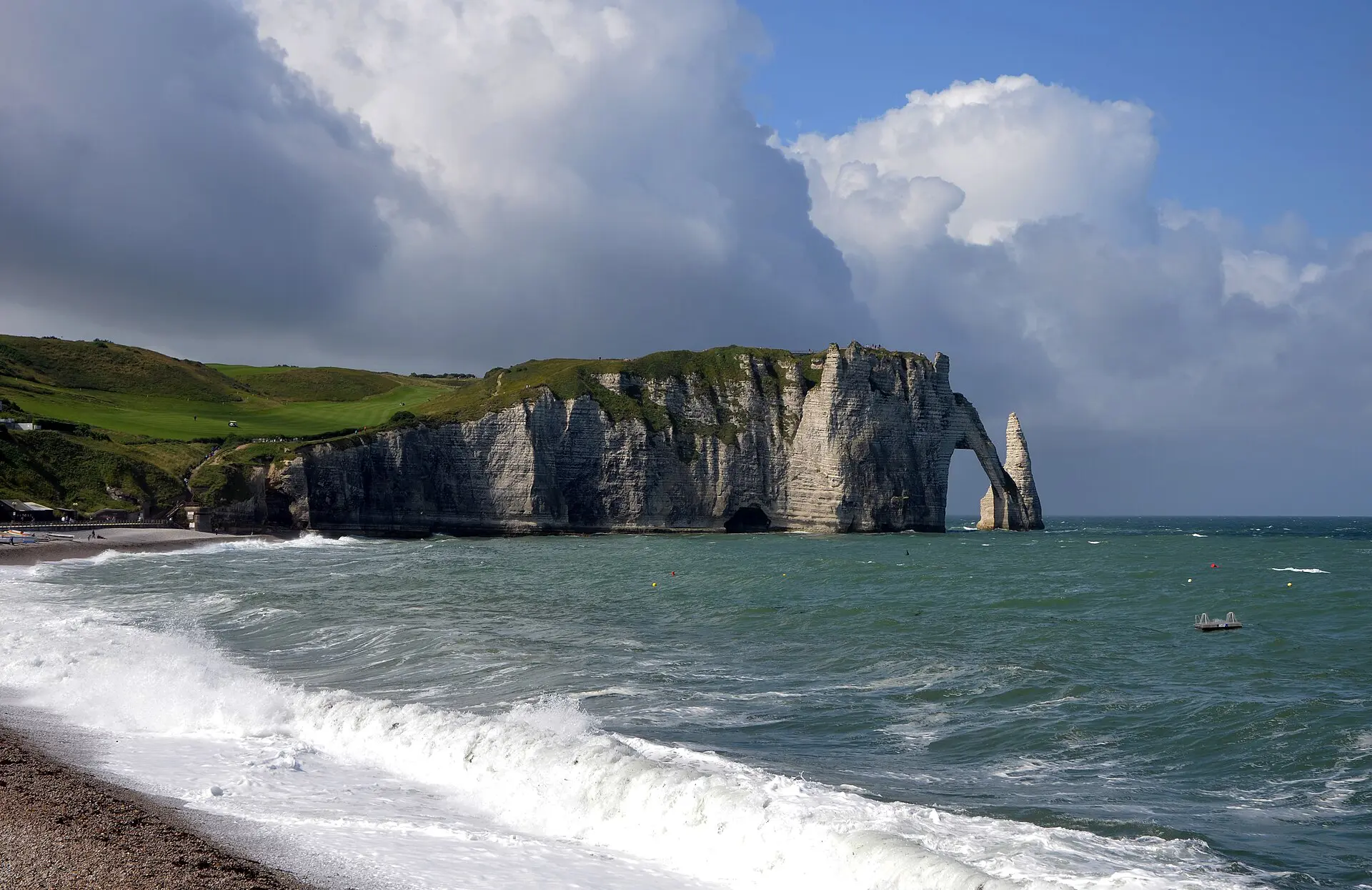
Normandy is more than a museum, though. The chalk cliffs of the Alabaster Coast, the hills of the Suisse Normande and the Cotentin marshes give plenty of scenery, and the region is known for dairy and apples, including cheese and cider. It rewards travellers who have a few days and a car.
Top things to do in Normandy
D-Day beaches and museums
The landing beaches stretch along the coast, with museums, memorials and cemeteries at several points. Plan a full day, ideally with a guide or a careful route. Opening hours vary, so check them, and treat the cemeteries with respect.
Bayeux and its famous embroidery
The medieval embroidered cloth tells the story of the Norman conquest of England. Bayeux itself is a compact town with a cathedral and old streets. Plan half a day. The embroidered cloth is due to be on loan to the British Museum in London during 2026-27 while its Bayeux museum is renovated, so check where it is displayed before you plan around it.
Mont-Saint-Michel
An abbey on a tidal island, one of France’s best-known sights. Plan half a day to a full day. Go early or late to avoid the crowds, check tide times if you want to see the bay at its fullest, and wear sturdy shoes for the steep streets.
Rouen
The historic capital has medieval streets, half-timbered houses and a famous cathedral with a triple-peaked profile. Plan a full day. It is easy to explore on foot, and it is reachable by train from Paris.
Alabaster Coast cliffs and Étretat
The chalk cliffs on the north coast are among Normandy’s best-known landscapes, and Étretat is a popular base for walking. Plan half a day. Stay on marked paths, since the cliff edges can be unstable.
Honfleur and the Côte Fleurie
Honfleur is a small harbour town with narrow streets and cafes, and it is a good evening stop. Plan two to three hours. Parking can be tight in summer, so arrive early or use the park-and-walk options.
Cider, cheese and countryside
Normandy is known for apples and dairy products. Look for farms and local producers offering tastings, and check opening days in advance. Combine them with drives through the countryside and small villages.
Best time to visit Normandy
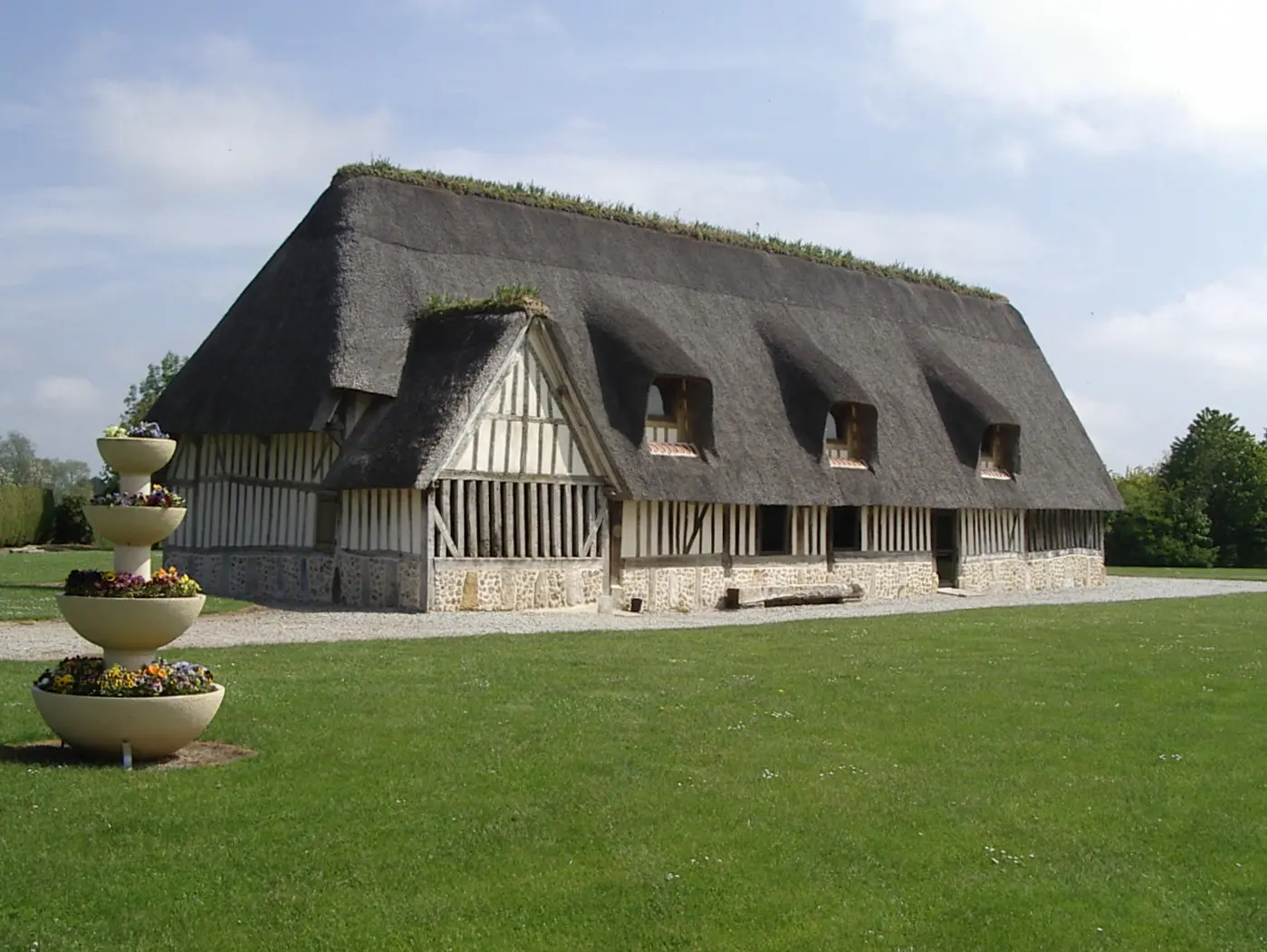
Normandy has a mild maritime climate, with changeable weather at any time of year. Late spring and summer are the most popular periods, with the longest days and the best chance of warm weather; June brings the D-Day anniversary events. July and August are busiest on the coast, with higher prices. Autumn is quieter and good for orchards and walking, while winter is cold, wet and quiet, with some attractions on reduced hours. Pack a waterproof layer at any time, and check opening hours in the off-season.
| Season | Weather | Crowds and prices |
|---|---|---|
| Spring (April-June) | Mild, changeable | Moderate, busy around 6 June |
| Summer (July-August) | Warm, some rain | Busiest, highest prices |
| Autumn (September-October) | Mild, wetter | Quieter, good value |
| Winter (November-March) | Cold, wet, windy | Quiet, lowest prices |
How to get to Normandy and around
Trains run from Paris Saint-Lazare to Rouen, Caen and Bayeux, with journey times that range from roughly 1.25 to 2.5 hours, so check schedules. Ferries link Normandy with southern England through ports such as Cherbourg and Le Havre. Paris airports are the main entry points for long-haul visitors.
Within the region, a car gives the most freedom, especially for the D-Day beaches, small villages and the coast, where public transport is limited. If you do not drive, base yourself in Bayeux or Caen and join guided tours, or use regional trains and buses between major towns. Mont-Saint-Michel has dedicated shuttles from the car park, so check current arrangements. Allow generous driving times in summer.
Where to stay in Normandy
Normandy is spread out, so choose a base that fits your route.
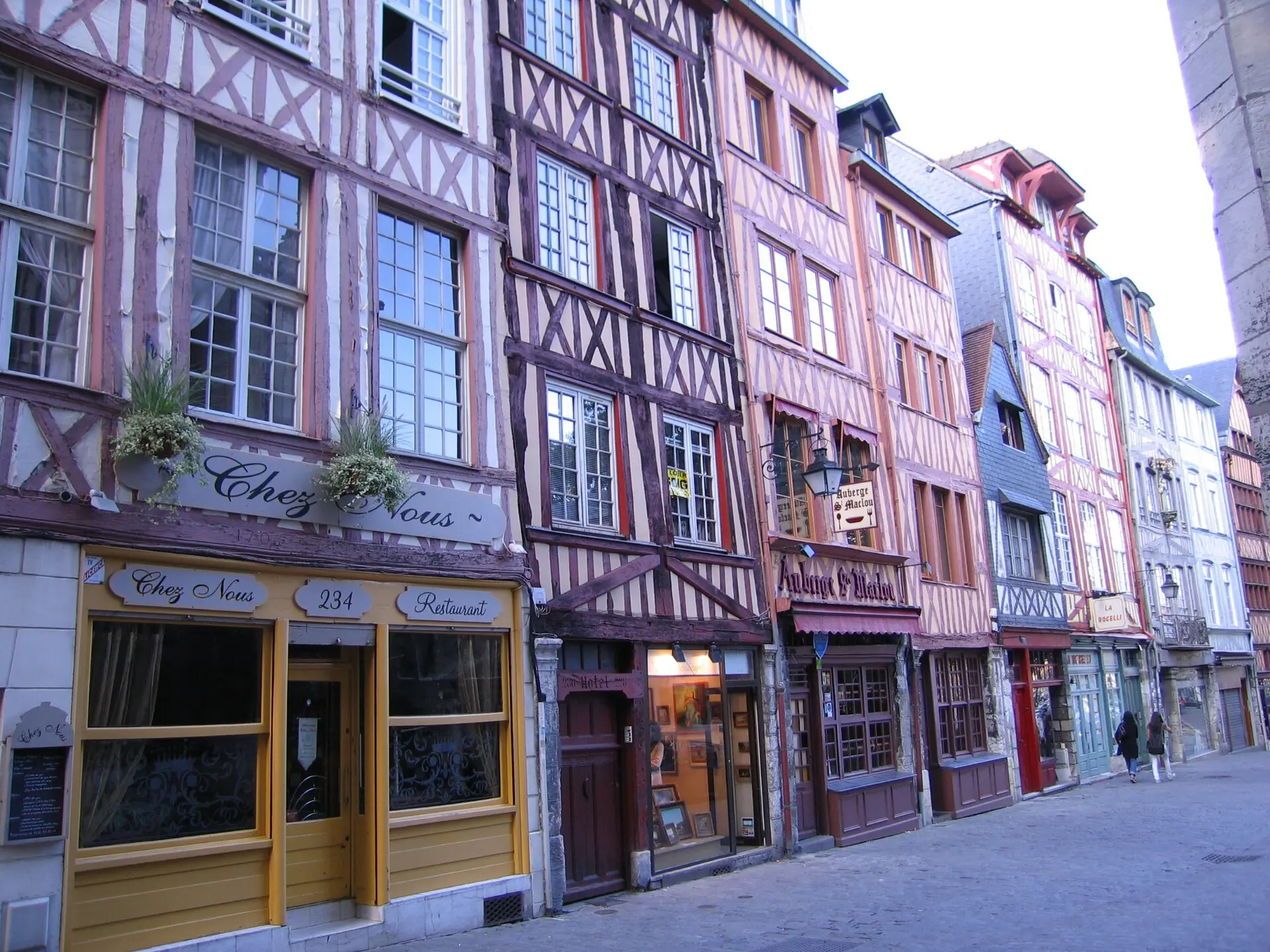
- Bayeux: a popular base for the D-Day beaches, with a medieval centre and good restaurants. Suits history-focused travellers.
- Rouen: a city base with museums and dining, easy by train from Paris, and good for city-and-coast trips.
- Honfleur and Étretat: pretty coastal towns for a more relaxed stay with sea views, though they can be crowded in summer.
- Countryside guesthouses: farm stays and chambres d’hôtes offer quiet nights in orchard country, ideal if you have a car.
Book early in summer and around 6 June, when D-Day commemorations fill rooms.
How many days do you need?
Three days covers the highlights. Five days is more comfortable and lets you see both the coast and the cities without rushing. With a long weekend, concentrate on one area, such as Bayeux and the beaches, instead of trying to cover everything.
- Day 1: Bayeux’s cathedral and old streets (and the embroidered cloth if it is back on display), then the nearby D-Day beaches and museums.
- Day 2: Mont-Saint-Michel, starting early and returning to your base for the evening.
- Day 3: Rouen in the morning, then Honfleur or the Alabaster Coast in the afternoon.
Distances are larger than they look, so check driving times before planning each day.
Day trips and nearby
Paris
The capital is the usual entry point and lies roughly 1.5 hours from Rouen by train and much further from the coast. It works as a base for Rouen and Giverny, but is too far for most coastal sights. Check train times in advance.
Rouen
The historic centre of Rouen is the most accessible Norman city from Paris and a good day trip by train. Plan a full day to see the cathedral, old streets and museums.
Mont-Saint-Michel
Although part of the region itself, the abbey is a long day trip from most bases. Many travellers combine it with St-Malo or an overnight stay nearby, and check tide times for the best views.
Channel Islands
Jersey and Guernsey are historically linked with Normandy, though they are British Crown Dependencies. They are reached by ferry or flight, and make a separate trip rather than a day trip.
FAQ
Q1How many days do you need in Normandy?
Three days covers the highlights, such as Bayeux, the D-Day beaches and Mont-Saint-Michel. Five days is more relaxed and allows time for Rouen, Honfleur and the Alabaster Coast. A car makes a big difference, as distances are large.
Q2When is the best time to visit Normandy?
May to September offers the longest days and best chance of warm weather, though the weather is changeable year-round. July and August are busiest on the coast, while autumn is quieter. Book early around 6 June, when D-Day events take place.
Q3How do you get to Normandy?
Trains run from Paris to Rouen, Caen and Bayeux, and ferries cross from southern England to ports such as Cherbourg and Le Havre. A car is the most flexible way to see the coast, beaches and small villages.
Q4Is Normandy worth visiting?
Yes, if you are interested in World War II history, medieval heritage or coastal scenery. It suits road trips and long weekends from Paris or the UK. Plan around distances, since sights are spread across a large region.
Prices, schedules and entry rules change. Check current details with official sources before you travel. Read the France travel guide.