Why visit Denmark
The best things to do in Denmark fit into a country small enough to cross by train in a few hours. Denmark is the southernmost Scandinavian country, made up of the Jutland peninsula and hundreds of islands, with Copenhagen on Zealand as its capital. Its mix of Viking history, royal castles, modern design and some of Europe’s best restaurants gives short trips a lot of range. The Wikipedia overview covers the background in detail.
Denmark suits city-break travellers, families, cyclists and food lovers who value safety, efficient transport and well-kept public spaces. It is less suited to travellers on a tight budget, since prices are among the highest in Europe, and to anyone who wants dramatic mountains: the highest point is under 175 metres. Visitors who accept the cost get clean cities, easy trains and a strong cafe and bakery culture.
Best places to visit in Denmark
The best places to visit in Denmark cluster around Copenhagen, the island of Funen and the western coast of Jutland.
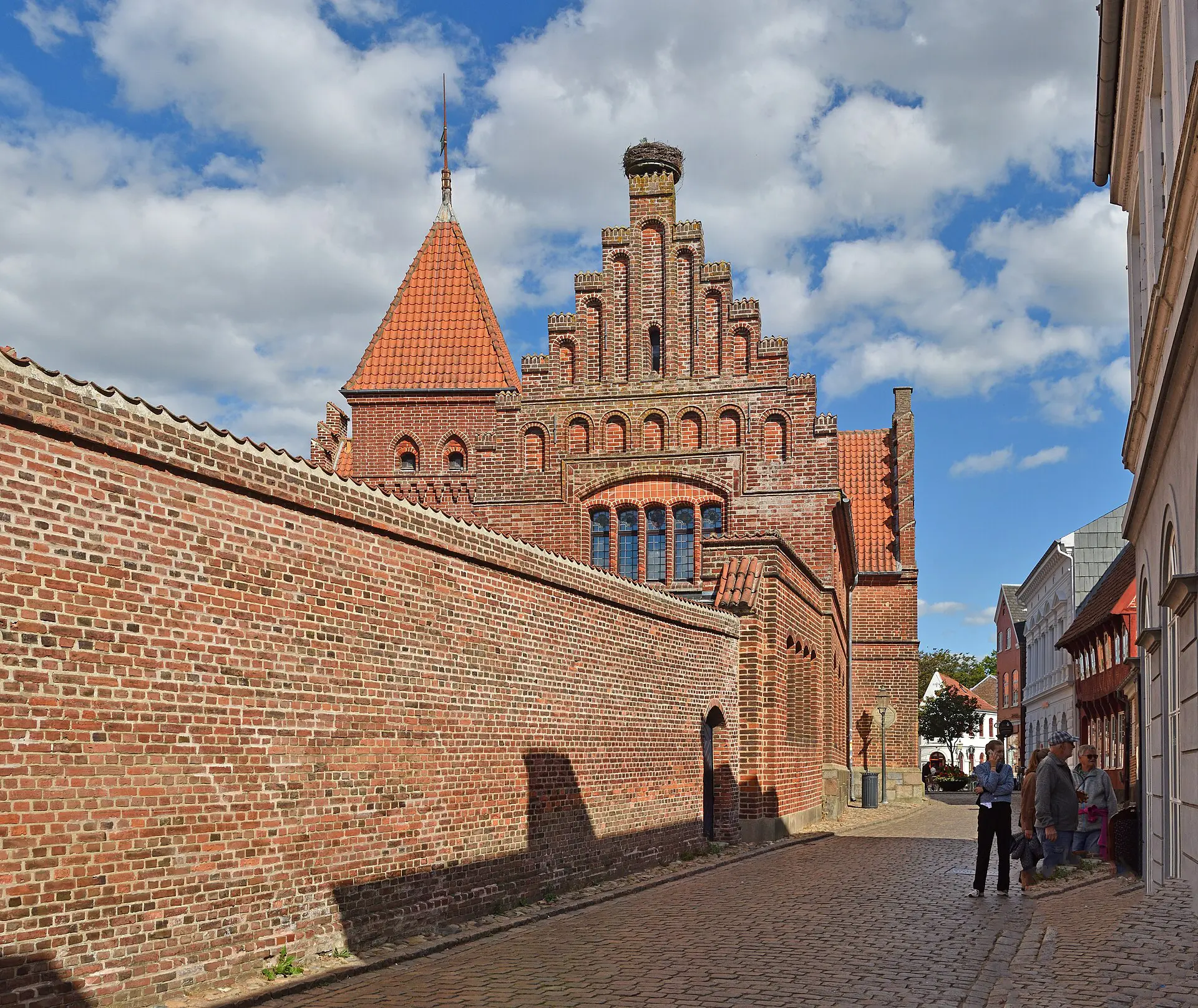
Copenhagen
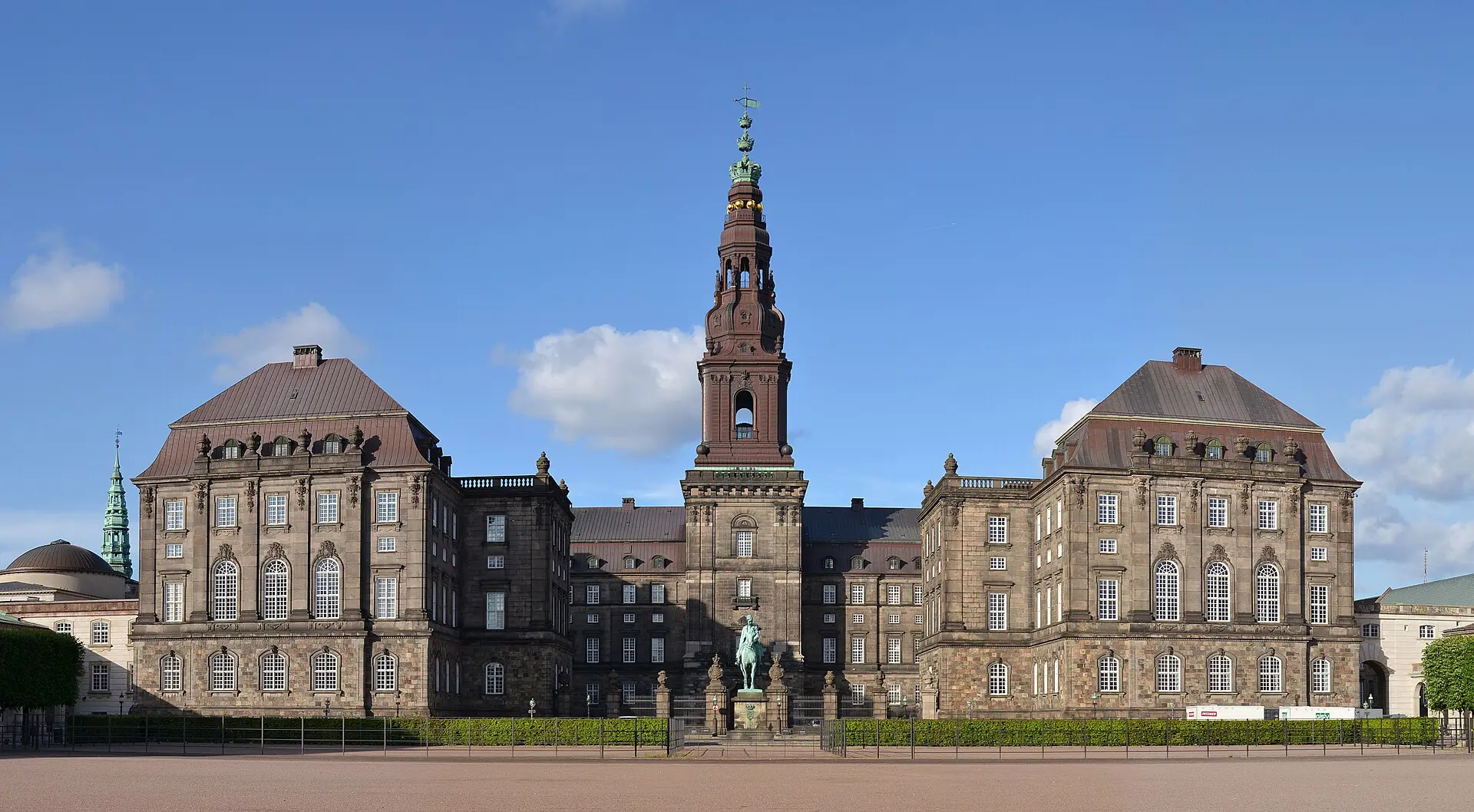
The capital combines canals, royal palaces, Tivoli Gardens, the Nyhavn waterfront and a dense food scene. Most sights are reachable by bike, metro or on foot, and the Round Tower and Christiansborg offer city views. Allow three days.
Roskilde and Kronborg
Roskilde, 30 minutes from Copenhagen by train, has a cathedral holding royal tombs and the Viking Ship Museum. Kronborg Castle in Helsingør, the setting for Hamlet, is a UNESCO site on the Øresund coast.
Odense
The main city on Funen is the birthplace of Hans Christian Andersen, with a museum about his life and a pleasant old quarter. Funen’s country lanes and manor houses are best explored by bike.
Aarhus
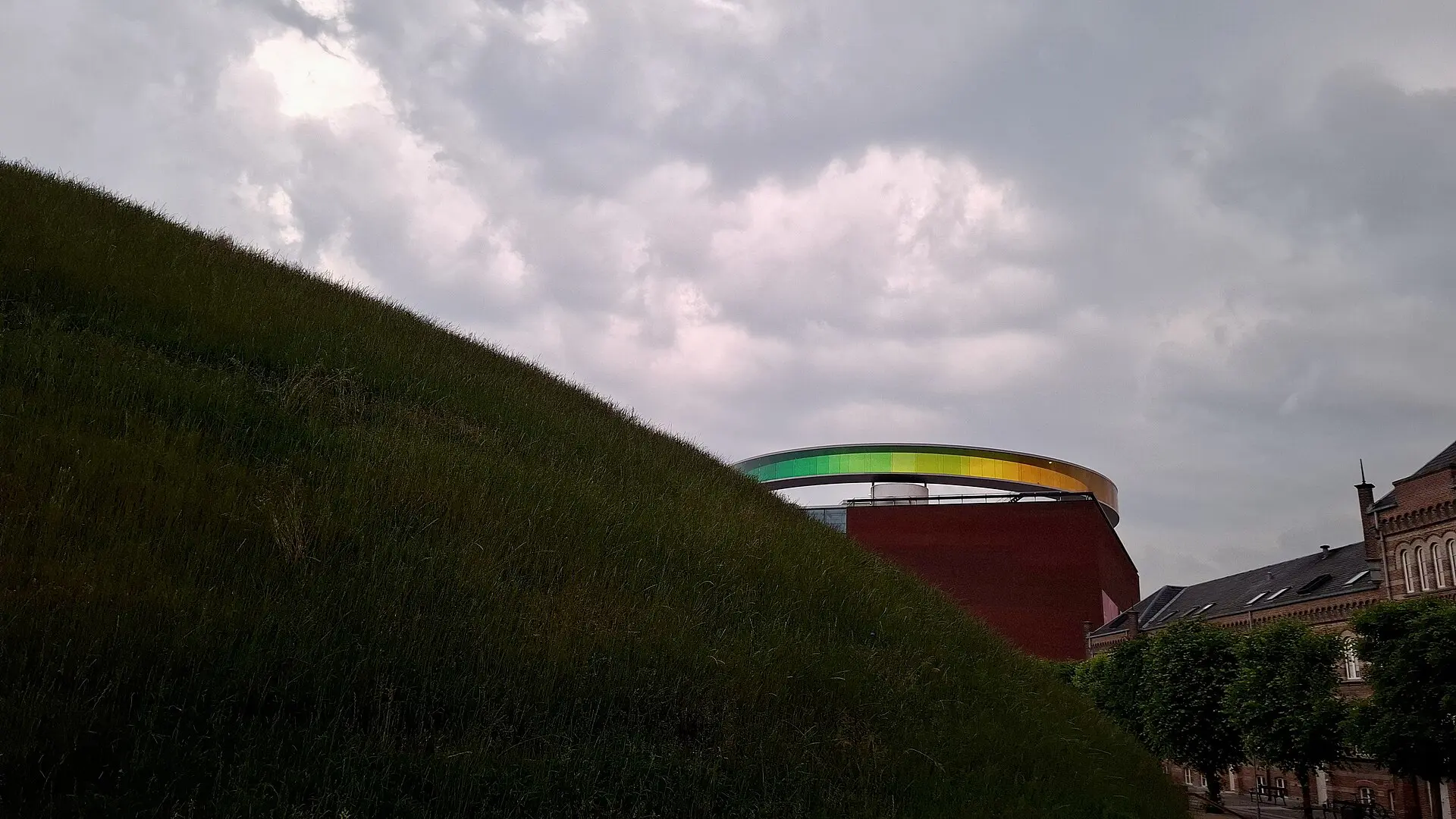
Denmark’s second city has the ARoS art museum with its rainbow rooftop, the open-air Old Town museum and a lively student cafe scene.
Skagen and the North Jutland coast
At Denmark’s northern tip, Skagen has yellow houses, painters’ history and the Grenen sandbar where two seas meet. Nearby dunes, such as Råbjerg Mile, are striking.
Ribe and the Wadden Sea
Ribe, Denmark’s oldest town, has half-timbered lanes and a cathedral. The nearby Wadden Sea is a UNESCO coast known for tidal flats and bird migrations.
Top things to do in Denmark
The top things to do in Denmark blend city life, history and the outdoors. Most can be reached by train, so a rental car is optional.
- Stroll Nyhavn and take a canal boat: the harbour tours give a quick view of Copenhagen’s waterfront.
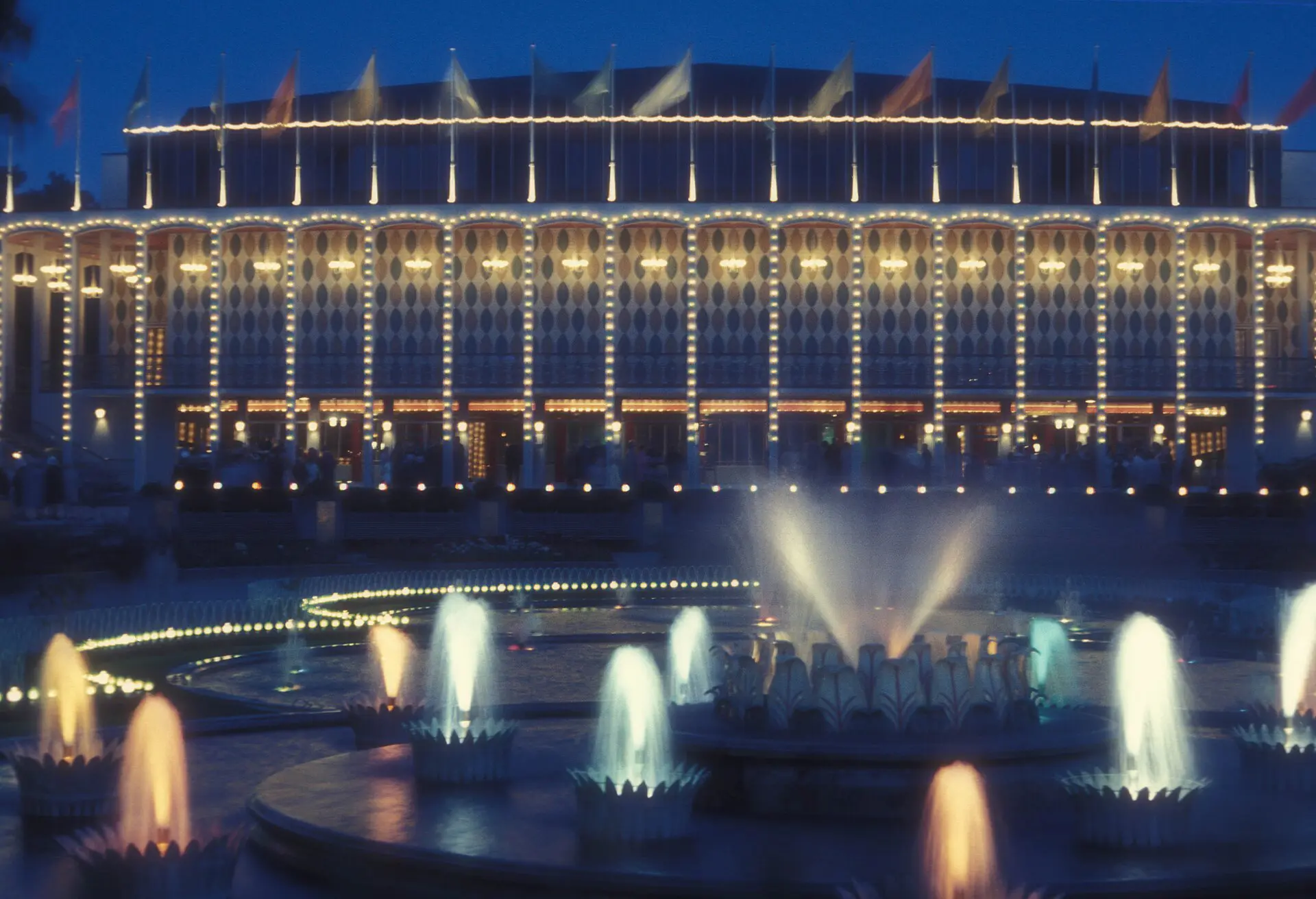
- Spend an evening at Tivoli Gardens: the amusement park and garden in central Copenhagen is open seasonally.
- Visit the Viking Ship Museum in Roskilde: five original ships from the 11th century are displayed beside the fjord.
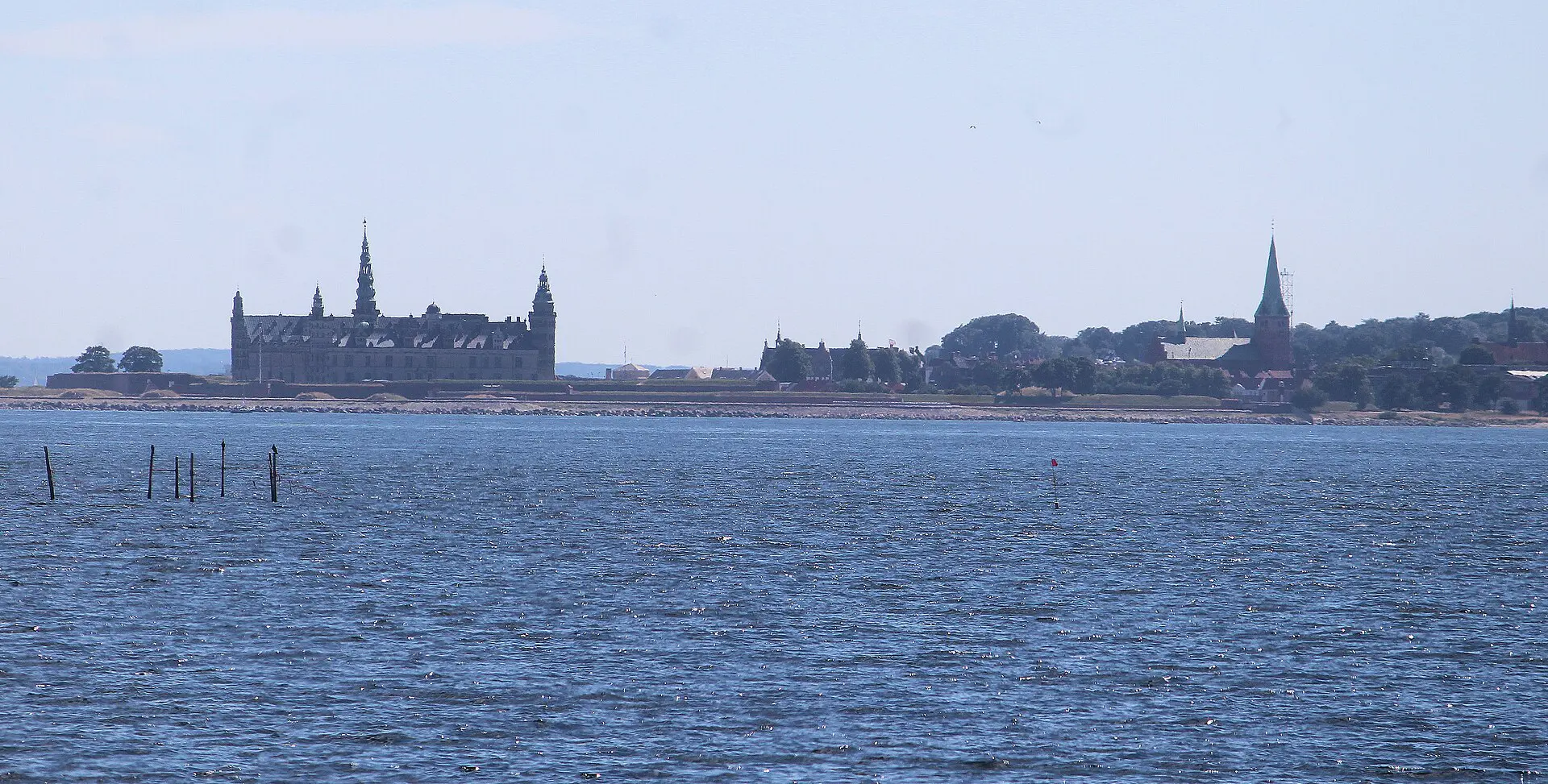
- Walk the ramparts of Kronborg Castle: the Renaissance fortress overlooks the sound towards Sweden.
- Cycle around Funen or Copenhagen: flat terrain and marked lanes make cycling the most Danish way to travel.
- See the Little Mermaid statue: a small, much-photographed bronze on Copenhagen’s waterfront.
- Tour Louisiana Museum of Modern Art: a sculpture park and gallery on the coast north of Copenhagen.
- Stand at Grenen in Skagen: watch the Baltic and North Seas meet at Denmark’s northern tip.
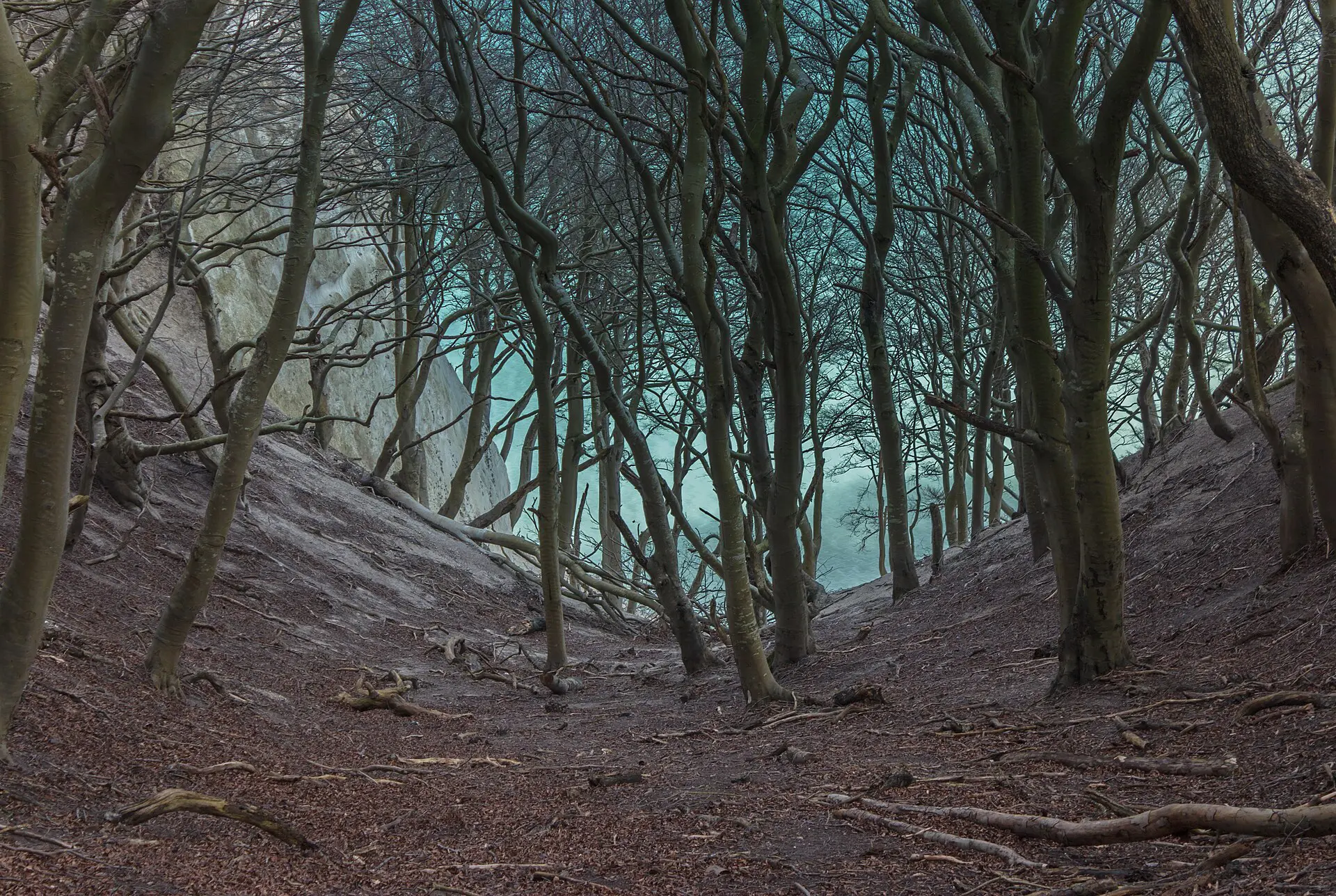
- Walk the Møns Klint chalk cliffs: white cliffs and beech forest on the island of Møn.
- Spend a day at LEGOLAND Billund: the original Lego park suits families with children.
Best time to visit Denmark
The best time to visit Denmark is May to September, when days are long, outdoor cafes are open and temperatures are mild. June to August is warmest, with daylight until about 10 pm, and is the best period for beaches. Winter is dark and damp, but December brings Christmas markets and a strong hygge atmosphere.
| Season | Weather | Crowds and prices | Good for |
|---|---|---|---|
| Spring (Mar-May) | Cool, improving; tulips and blossom in May | Moderate | City breaks, cycling |
| Summer (Jun-Aug) | Mild to warm, around 18 to 24 C, some rain | Highest prices and crowds | Beaches, festivals, islands |
| Autumn (Sep-Nov) | Cooler, windy, golden leaves | Falling | Museums, food, Jutland coast |
| Winter (Dec-Feb) | Cold, near freezing, short days | Low, except Christmas | Christmas markets, cosy cafes |
Weather is changeable in every season, so pack layers and a rain jacket.
Is Denmark safe to visit?
Yes, Denmark is one of the safest countries in the world for visitors, and violent crime against tourists is rare. The most common problems are pickpocketing in crowded areas of Copenhagen, bicycle theft and collisions with cyclists. Check your government’s current advice, such as the UK FCDO page, before you travel.
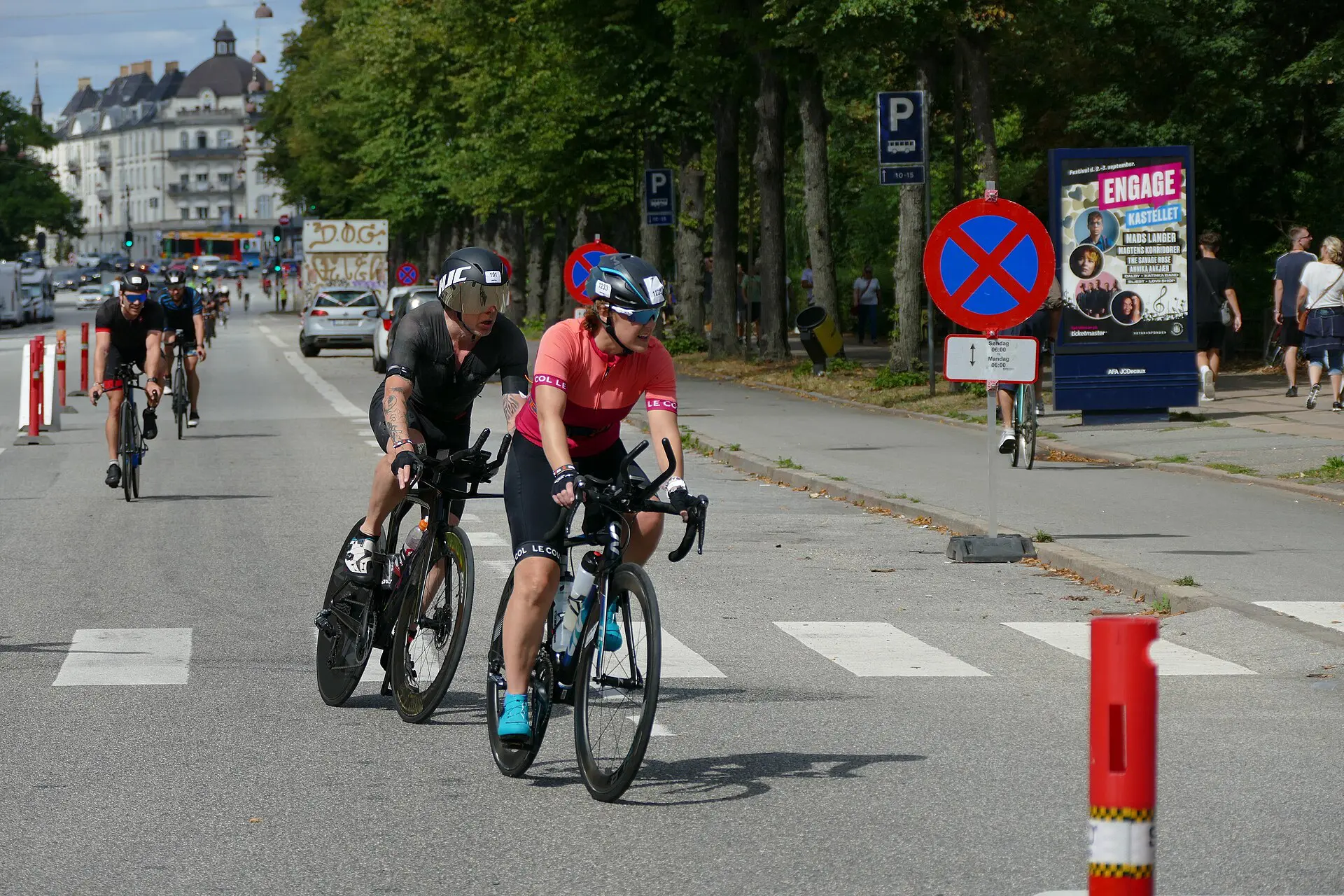
Cycle lanes. Bikes have priority in marked lanes. Look before stepping off the pavement, and do not walk in the lane.
Theft. Keep phones and wallets secure around Central Station, Strøget and tourist sites. Lock rented bikes properly.
Weather and sea. North Sea currents can be strong, so follow lifeguard flags and local warnings. Storms can disrupt ferries and bridges in winter.
Security and health. Denmark has a high security alert level at times, with extra police at big events. EU citizens can use the EHIC or GHIC for state healthcare, and emergency services answer on 112.
Denmark visa and entry requirements
Denmark visa rules depend on your nationality. Denmark is part of the Schengen Area, so citizens of many countries, including the EU, the UK, the US, Canada and Australia, can enter without a visa for short stays, generally up to 90 days in any 180-day period. Other nationalities need a Schengen visa from a Danish embassy or visa centre, with proof of funds, insurance and accommodation.
The EU has been preparing the ETIAS travel authorisation and the Entry/Exit System, which affect visa-free visitors. Start dates have been postponed before, so check the official Danish immigration source (the Danish Agency for International Recruitment and Integration) and your own government’s advice.
Bring a passport valid for at least three months beyond your stay. Border checks between Denmark and Germany or Sweden can be reinstated at short notice. Travellers from non-EU countries may be asked for proof of onward travel or funds. Denmark does not apply Schengen rules to the Faroe Islands or Greenland, which have their own entry conditions.
Getting to and around Denmark
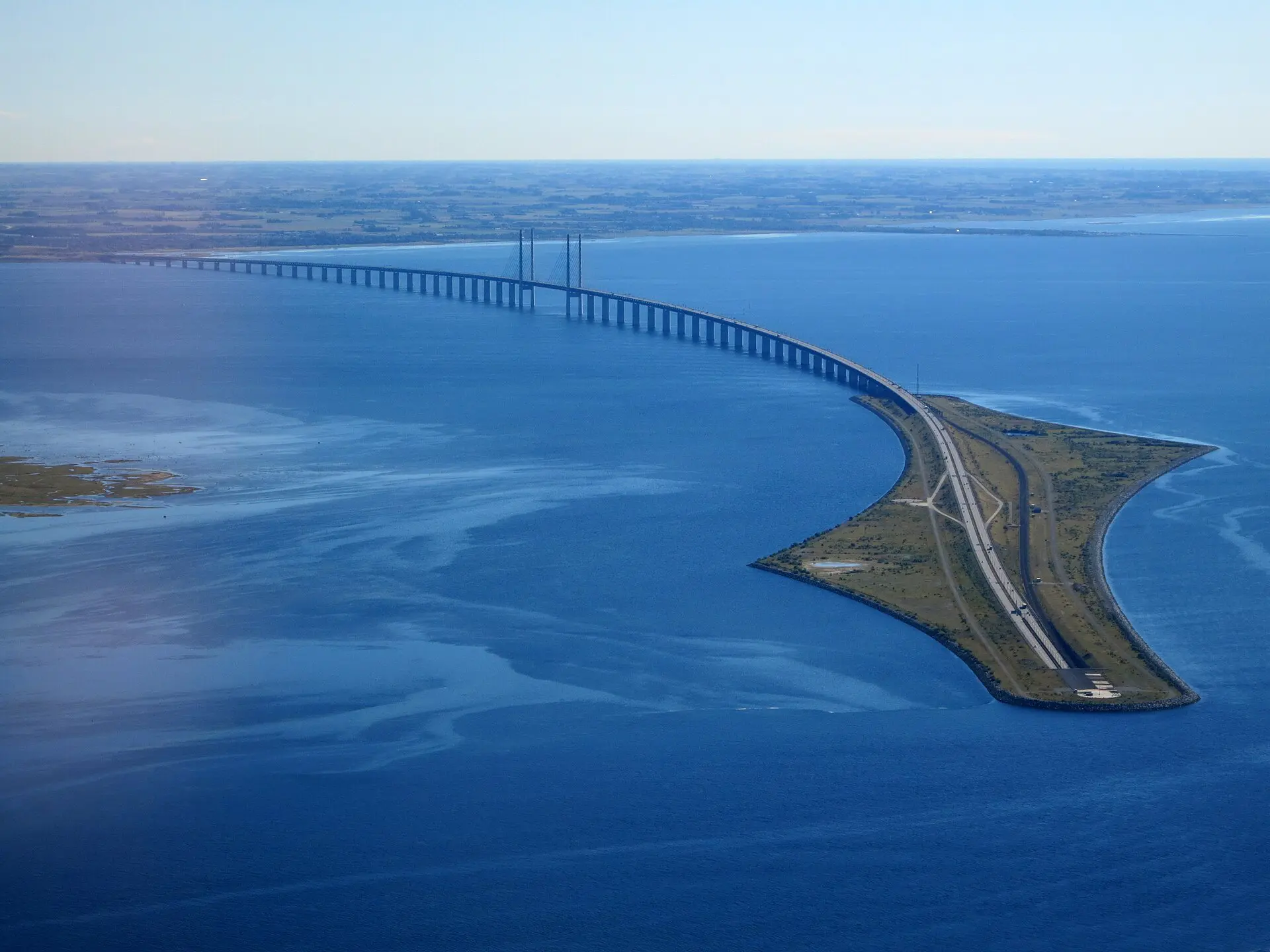
Most visitors fly into Copenhagen Airport (CPH), the largest in the Nordics, with a 15-minute train ride to the city. Billund and Aarhus airports serve Jutland, mainly with European flights. Trains from Hamburg run to Copenhagen, and the Øresund Bridge links Denmark with Malmö in Sweden.
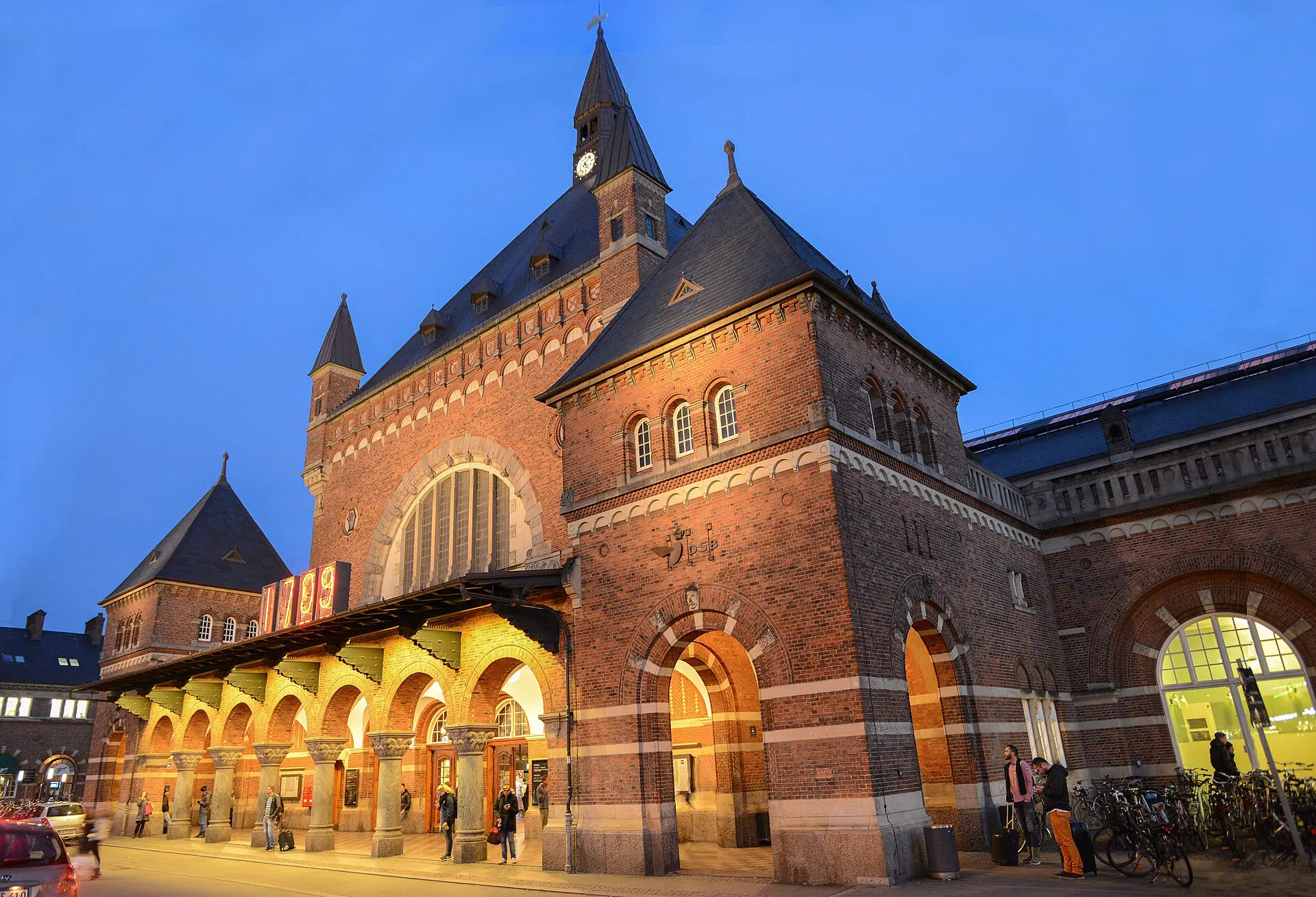
Trains, run mainly by DSB, are the easiest way to travel. Copenhagen to Odense takes about 1.5 hours and to Aarhus roughly 3 hours. Buses fill gaps, and the Rejsekort card or the DOT app handle local fares. The metro in Copenhagen runs around the clock.
Ferries link islands such as Bornholm, Ærø and Samsø, and the Fehmarn Belt link to Germany is still under construction. Cycling is excellent: national routes are signed, and many train stations rent bikes. Driving is on the right, roads are good and tolls apply on the Great Belt and Øresund bridges.
How much does a trip to Denmark cost?
Denmark is expensive. The currency is the Danish krone (DKK), and as of 2026 the rough daily bands per person are EUR 90 to 120 for budget, EUR 150 to 250 for mid-range and EUR 300 or more for high-end travel. Prices rise in Copenhagen and in July.

- Budget: hostel dorm, supermarket meals, bakery lunches and public transport, around EUR 90 to 120.
- Mid-range: a three-star hotel, restaurant lunches, a museum or two and train travel, around EUR 150 to 250.
- High: boutique hotels and tasting menus, from EUR 300, with Michelin-level dinners costing well above that.
Accommodation and eating out drive costs, and alcohol is heavily taxed. Savings come from the Copenhagen Card, cheaper midweek rooms, picnics from supermarkets and bakeries, free beaches and tap water, which is safe to drink. A coffee costs around EUR 5, a casual restaurant meal EUR 20 to 30, and a public transport ride EUR 3 to 5. Prices change, so verify before booking.
Denmark food and drink
Denmark food ranges from simple open sandwiches to world-famous New Nordic cooking. Copenhagen has many Michelin-starred restaurants, but good everyday meals cost far less at markets, bakeries and bistros.
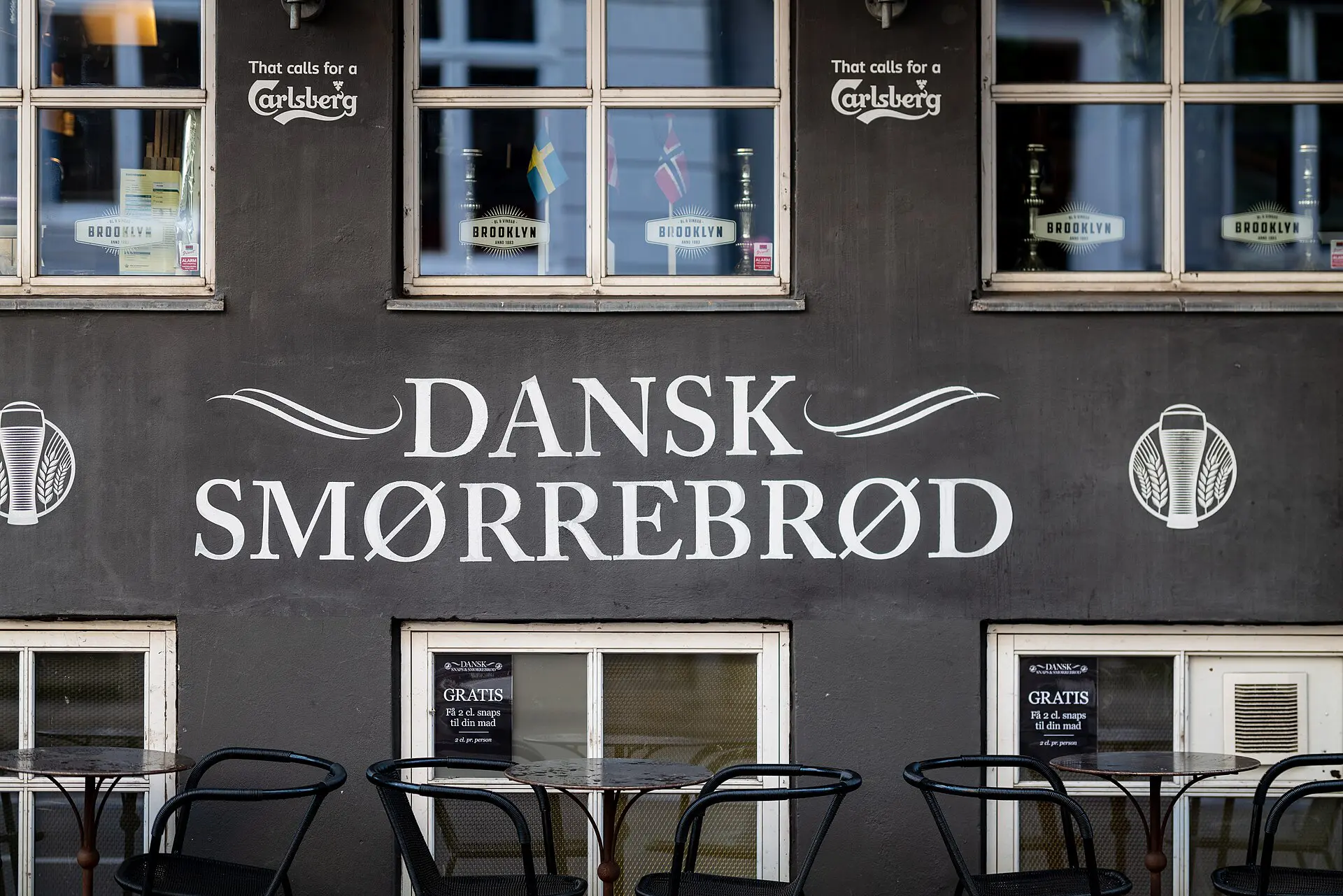
- Smørrebrød: rye bread topped with herring, roast beef, egg or smoked fish, the classic Danish lunch.
- Frikadeller: pan-fried pork meatballs, served with potatoes and red cabbage.
- Stegt flæsk med persillesovs: crispy pork belly with parsley sauce, often called a national dish.
- Pølser: hot dogs from street carts, often with crispy onions and remoulade.
- Wienerbrød: the Danish pastry, best fresh from a local bakery.
- Æbleskiver: round pancake balls served at Christmas.
- Beer and akvavit: Carlsberg is the best-known brand, while craft breweries are plentiful; akvavit is the herb-flavoured spirit served with herring.
Vegetarian options are common in cities, and many restaurants cater to allergies. Lunch menus (dagens ret) cost less than dinner, and tap water is free. Reserve ahead for popular restaurants.
Culture, language and etiquette in Denmark
Danish is the national language, and almost everyone, especially in cities, speaks excellent English. A few words help: tak (thanks) and hej (hello) are enough to make a good impression.
Danes value equality, punctuality and understatement. Queue patiently, take a number at bakeries and counters, and do not jump the line. Taking a ticket is routine. Conversation tends to be informal, and humour is dry. Boasting is frowned upon.
The concept of hygge, a feeling of cosy togetherness, is central to home life: candles, coffee and quiet company. Cycling culture is serious, so do not walk in bike lanes. Tipping is not expected. Alcohol can be drunk in public in many places, but rubbish should be binned and recycling rules followed, including bottle deposits. Dress is smart casual and understated. Politics and the welfare state are common conversation topics, and Danes tend to debate openly. Be respectful about the Faroe Islands and Greenland, which have their own governments within the Danish Realm.
Denmark itinerary: a 7-day route
This route covers Zealand, Funen and Jutland by train, with a flight into Copenhagen and out of Billund or back from Aarhus.
- Day 1: arrive in Copenhagen, walk Nyhavn, the canals and Strøget, and have dinner in Torvehallerne or a harbour bistro.
- Day 2: Christiansborg, the Round Tower, the National Museum and an evening at Tivoli.
- Day 3: day trip to Kronborg Castle in Helsingør and Louisiana Museum, 45 minutes north by train.
- Day 4: train to Roskilde for the cathedral and Viking Ship Museum, then on to Odense, about two hours.
- Day 5: Odense Hans Christian Andersen museum, then a bike ride on Funen’s lanes.
- Day 6: train to Aarhus, about 1.5 hours, for ARoS, the Old Town and its cafes.
- Day 7: take a train to Billund for LEGOLAND, or use an extra day for Skagen, then fly home.
Book trains in advance for lower fares and reserve seats on busy summer routes. Add Ribe or Skagen if you have more time.
Practical tips for Denmark
A few practical notes make a Danish trip smoother and cheaper.
- Money: the currency is the Danish krone. Cards and mobile payments are accepted almost everywhere, and many places prefer them to cash.
- SIM and internet: EU roaming applies for EU SIMs, and visitors can buy prepaid SIMs or eSIMs. Wi-Fi is widely available.
- Plugs: types C and K at 230 V.
- Tipping: service is included, so rounding up is enough.
- Health: tap water is safe, pharmacies (apotek) sell basics, and emergency number 112 is free.
- Transport: download DSB and Rejseplanen apps, and consider the Copenhagen Card for museum and transport savings.
- Packing: layers, waterproofs and comfortable shoes, plus a swimsuit in summer.
- Planning: check Wikivoyage for regional details and the UNESCO list for heritage sites like Kronborg and Roskilde.
- Sundays: supermarkets are open, but some smaller shops and museums close on Mondays.
FAQ
Q1What are the best things to do in Denmark?
Top picks are Nyhavn and Tivoli in Copenhagen, the Viking Ship Museum in Roskilde, Kronborg Castle, cycling on Funen, the ARoS museum in Aarhus and the Grenen sandbar at Skagen. Most are reachable by train from Copenhagen.
Q2What is Danish food?
Classic dishes include smørrebrød (open rye sandwiches), frikadeller meatballs, stegt flæsk pork belly with parsley sauce, pølser hot dogs and Danish pastries. Copenhagen also has an acclaimed New Nordic dining scene, though everyday meals at bakeries and markets cost much less.
Q3When is the best time to visit Denmark?
May to September is best, with long days and mild weather. June to August is warmest and busiest, while May and September have lower prices. Winter is dark and cold but good for Christmas markets and cosy cafes.
Q4Do I need a visa for Denmark?
It depends on nationality. Citizens of many countries, including the UK, US, Canada and Australia, can visit visa-free for up to 90 days in any 180 under Schengen rules. Others need a Schengen visa. Check ETIAS and the official Danish immigration source.
Q5Is Denmark safe?
Yes, Denmark is among the safest countries for tourists, and violent crime against visitors is rare. Watch for pickpockets in busy Copenhagen areas, bicycle theft and cyclists in bike lanes. Emergency services answer on 112, and you should check your government's travel advice.
Q6Is Denmark expensive?
Yes. Mid-range travel costs roughly EUR 150 to 250 per day, mainly because of high prices for hotels, restaurants and alcohol. You can save with supermarket meals, hostels, lunch specials, rail passes and the Copenhagen Card.
Q7How many days do you need in Denmark?
Three days covers Copenhagen and a day trip, while seven days allows Zealand, Funen and Aarhus by train. With ten days or more, add Skagen, Ribe or islands such as Bornholm or Møn.