Why visit Estonia
The most rewarding things to do in Estonia combine a well-preserved medieval capital with large stretches of empty nature, and both are within a few hours of each other. The country covers about 45,200 square kilometres on the Baltic Sea (see the Wikipedia overview for context), and more than half of it is forest, with thousands of islands, large bogs and a long coastline. Tallinn, the capital, has one of the best-preserved medieval centres in northern Europe and is also known for digital services and a start-up culture.
Estonia suits short city breaks from Helsinki, road trips and nature travellers, and it is easy for independent visitors because English is widely spoken, public services are digital and distances are small. It is also a good first Baltic stop for travellers who want a quieter pace than most of western Europe, with sauna culture, singing traditions and a strong sense of national identity shaped by decades under Soviet rule.
Best places to visit in Estonia
The best places to visit in Estonia are easy to combine because the country can be crossed by road in about four hours.
Tallinn
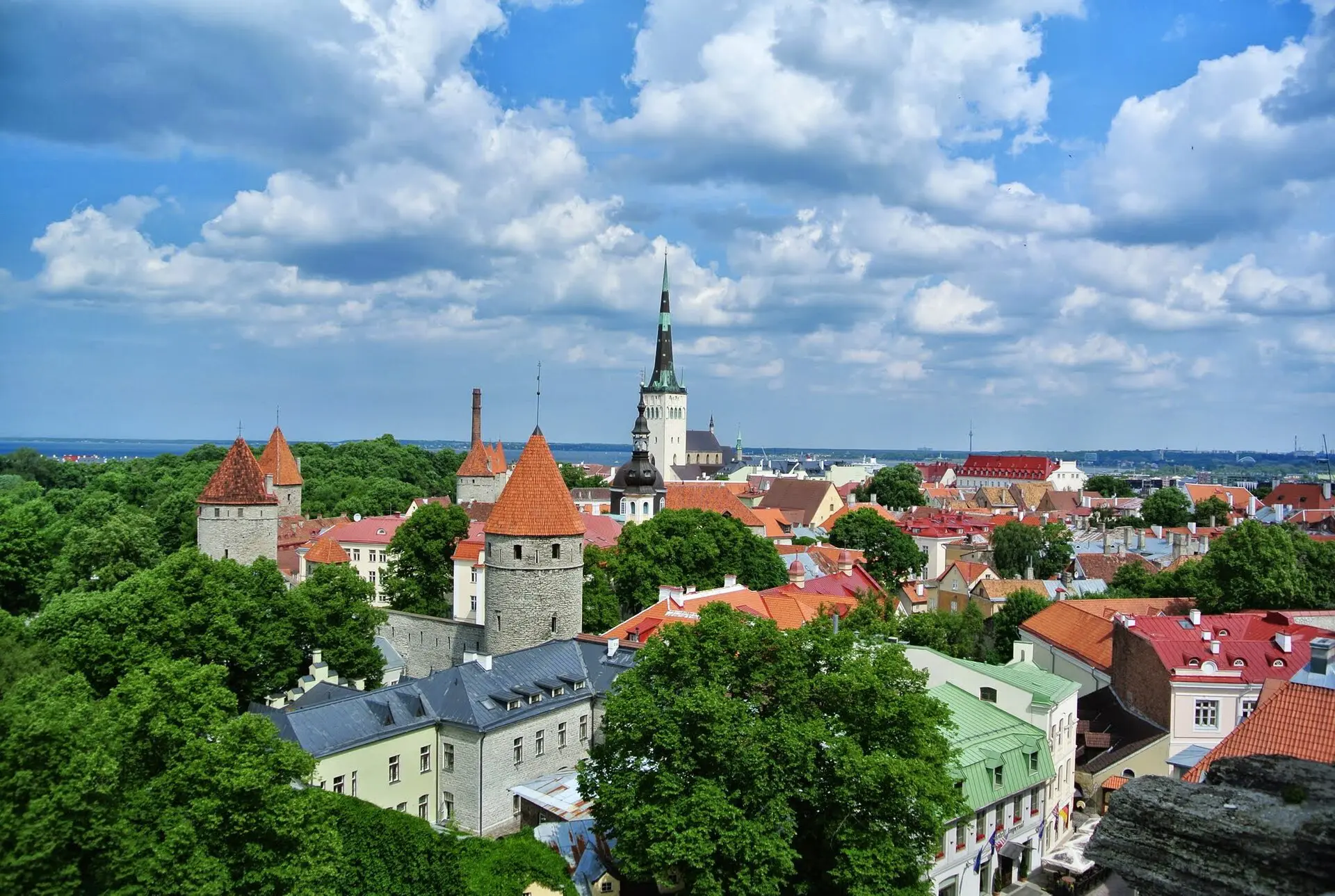
The capital is the main draw. Its Old Town, a UNESCO World Heritage Site, has intact walls, towers, merchants’ houses and church spires, and the Toompea hill gives the best views. Outside the walls, Kalamaja, Telliskivi and Kadriorg offer wooden houses, creative spaces and parkland.
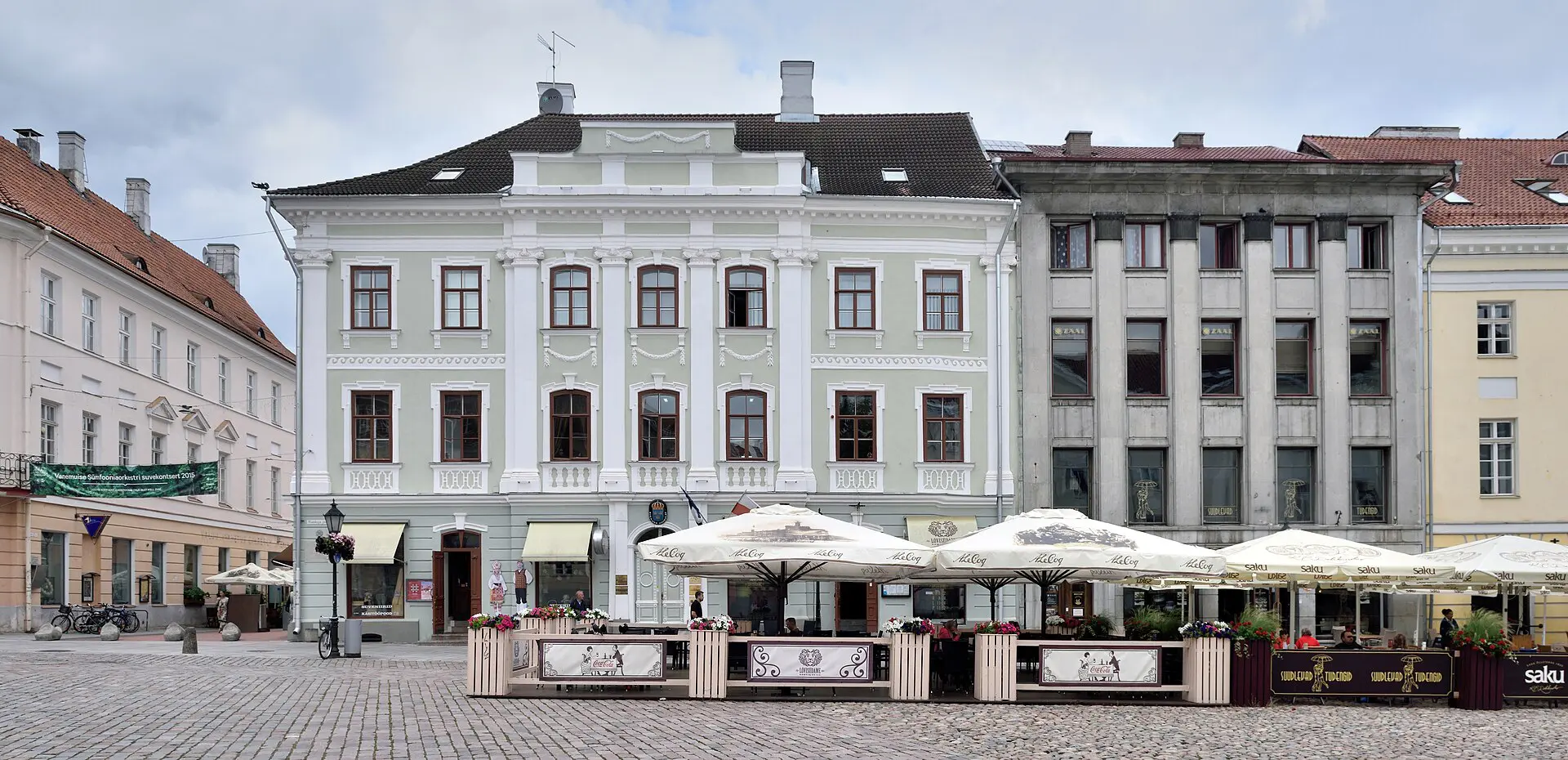
Tartu
Estonia’s second city is a university town with a youthful feel, neoclassical buildings, riverside cafes and an excellent national museum. Two nights is enough.
Lahemaa National Park
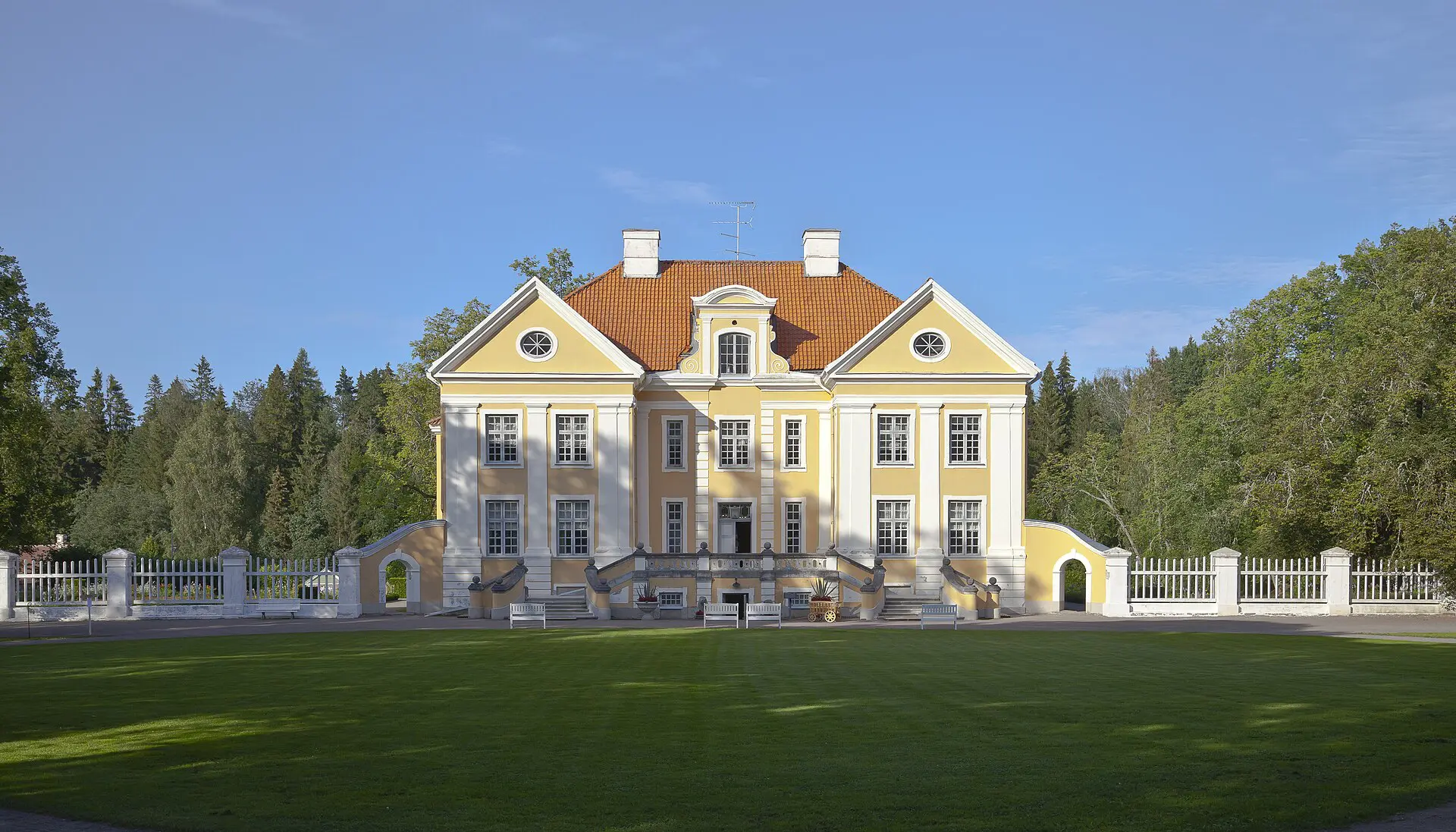
About an hour east of Tallinn, Lahemaa combines coastline, boulders, forest trails and restored manor houses such as Palmse and Sagadi. It is the easiest nature day trip from the capital.
Pärnu
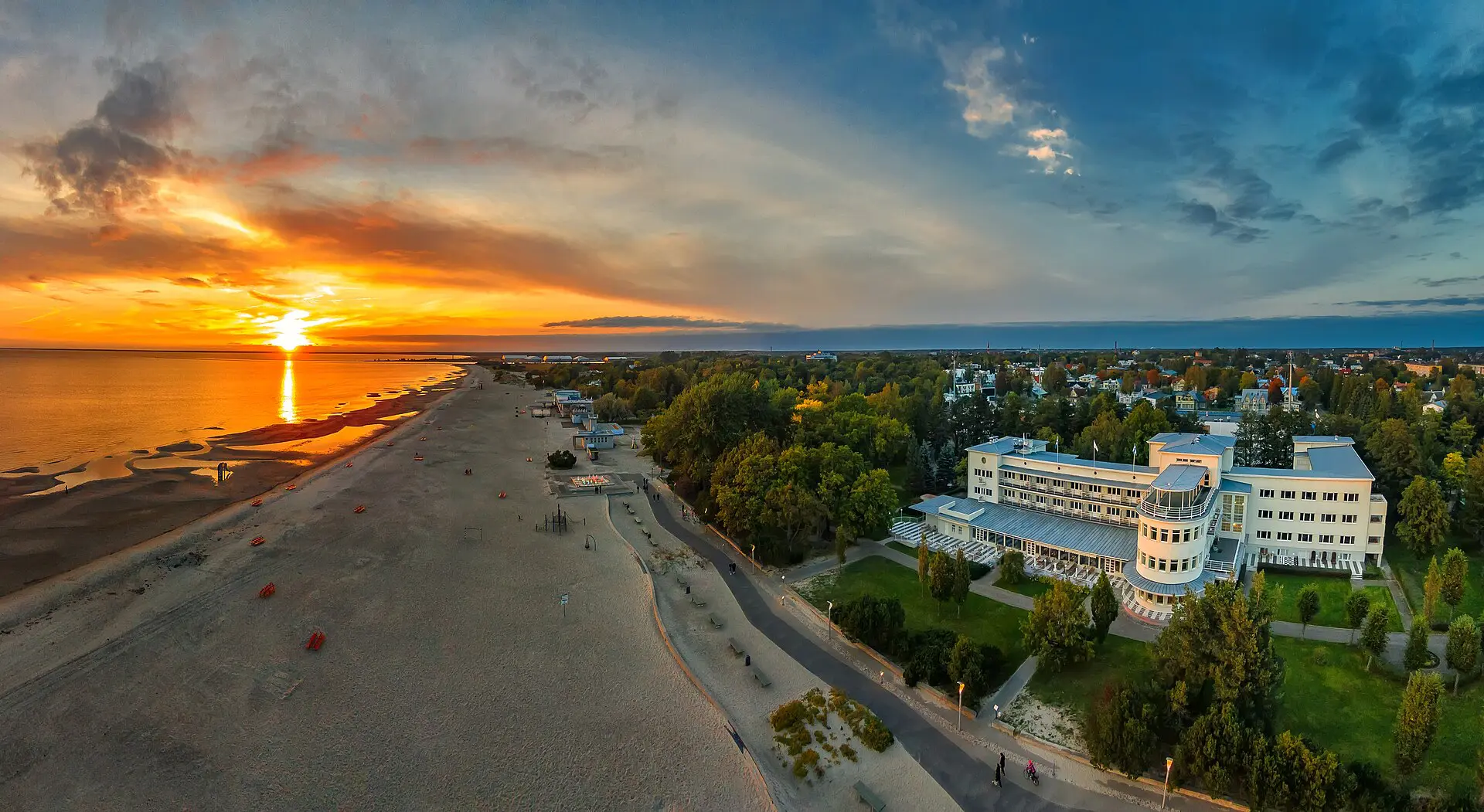
The summer capital has a long sandy beach, spa hotels and a relaxed resort atmosphere, and is best from June to August.
Saaremaa and the islands
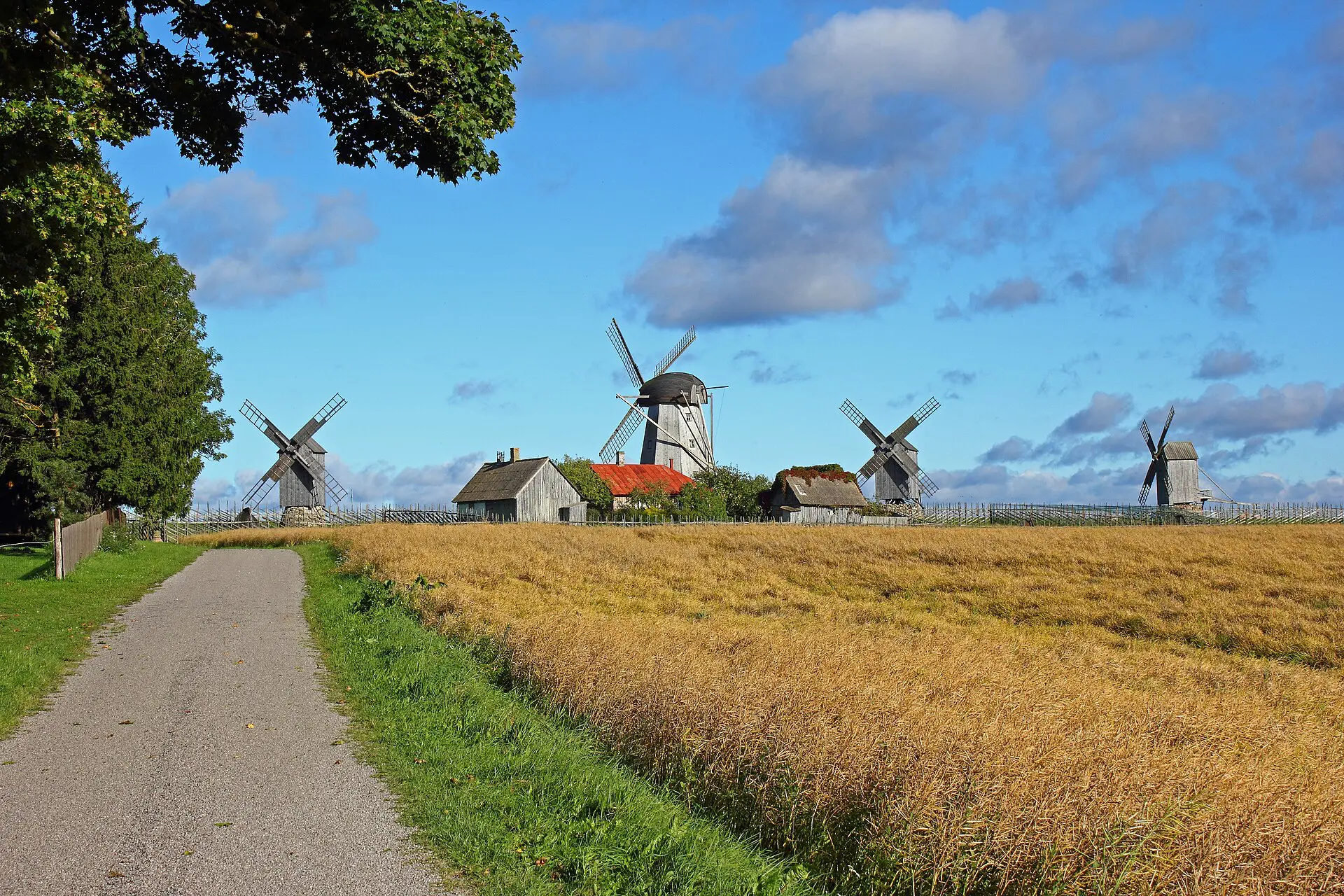
Saaremaa has windmills, a well-kept medieval castle at Kuressaare, juniper meadows and spa towns. Smaller Hiiumaa, Muhu and Kihnu offer quiet cycling and folk culture.
Soomaa and Setomaa
Soomaa National Park in the southwest has big bogs and seasonal floods, and Setomaa in the southeast preserves a distinct local culture near the Russian border.
Top things to do in Estonia
The top things to do in Estonia mix history, nature and a few local rituals, and you can fit most into a week.
- Walk Tallinn’s Old Town walls: climb the towers and walkways, then see the city from Toompea.
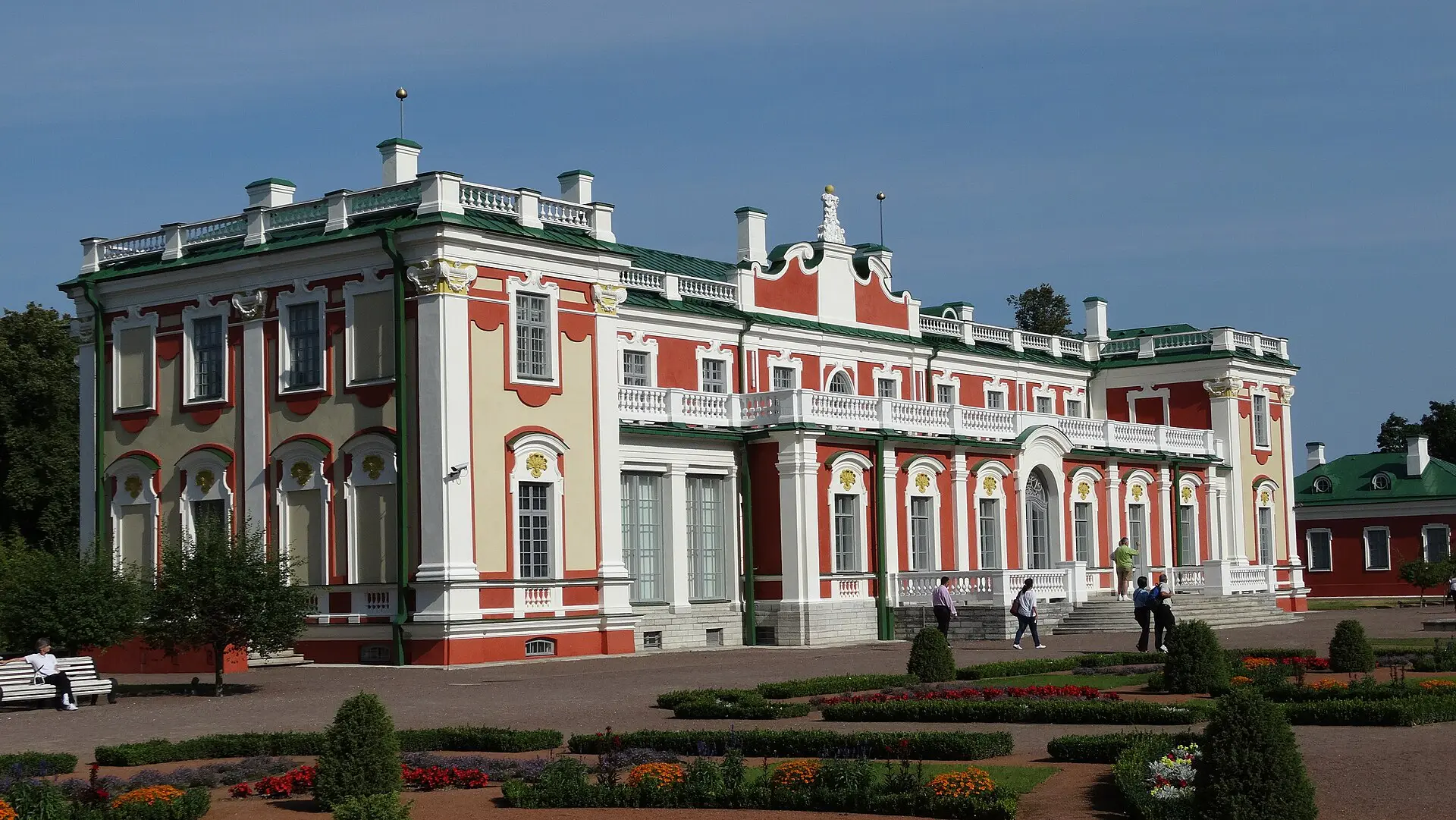
- Visit Kadriorg Park and Palace: the baroque palace and park lie a short tram ride from the centre.
- Try a smoke sauna: traditional smoke saunas in the south and in Lahemaa are part of a UNESCO-listed tradition.
- Hike a bog boardwalk: trails at Viru Bog in Lahemaa and Soomaa cross open peatland and pools.
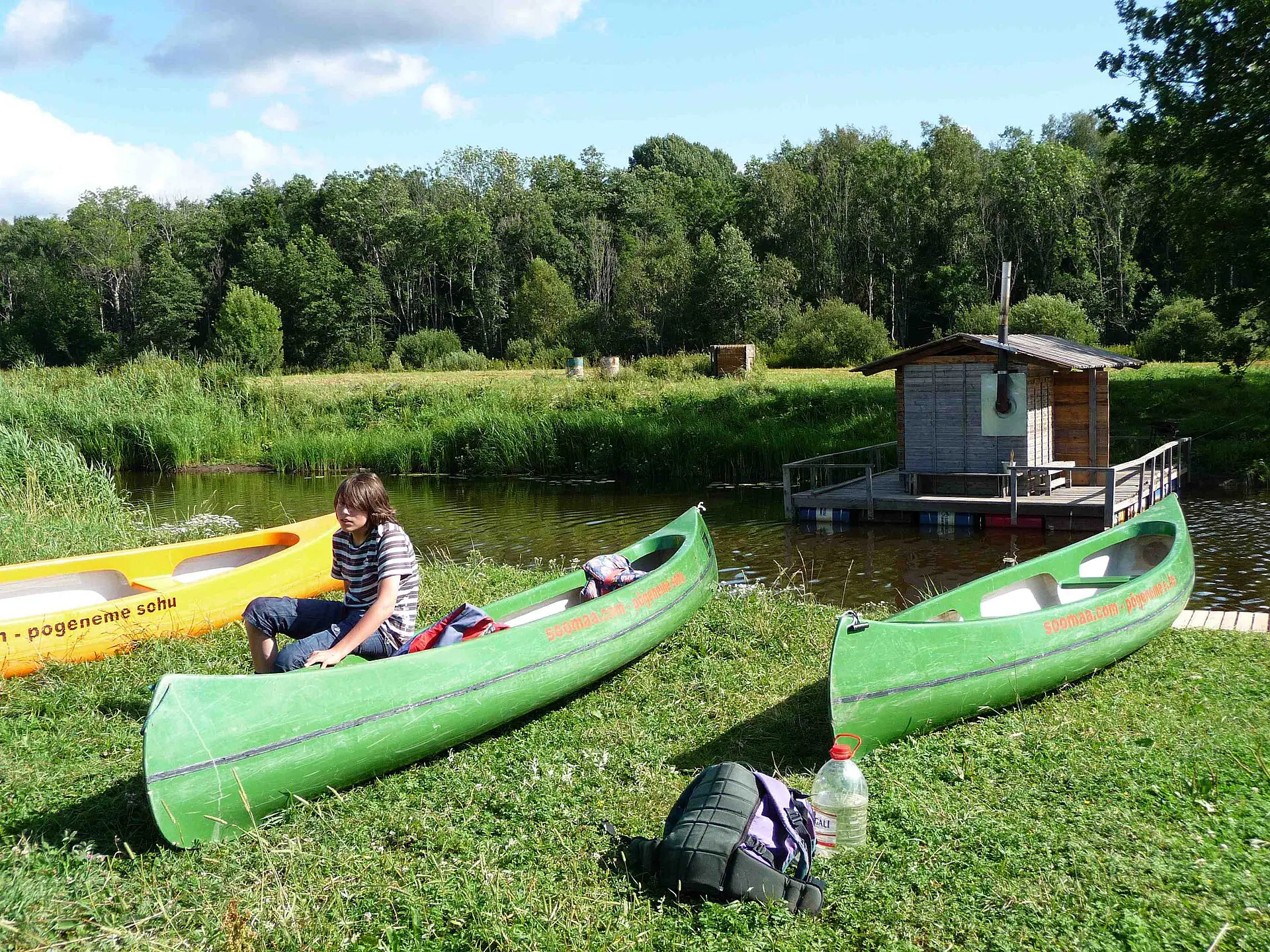
- Canoe in Soomaa: when spring floods arrive, the so-called fifth season lets visitors paddle through forests.
- See Kuressaare Castle: a well-preserved bishop’s fortress on Saaremaa with a moat.
- Explore Telliskivi Creative City: former factories house cafes, studios and markets.
- Tour the Estonian National Museum in Tartu: modern exhibits cover everyday life and history.
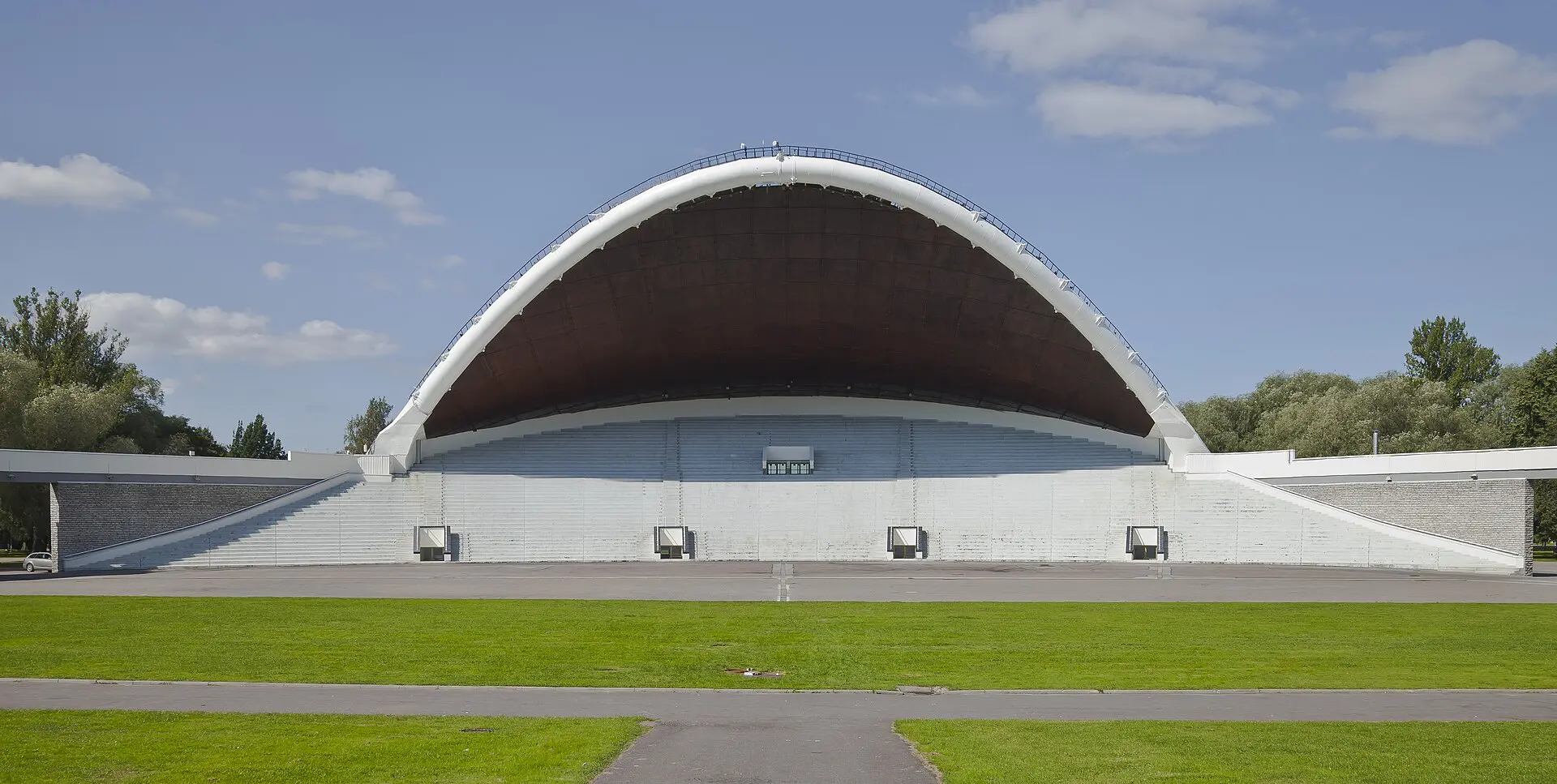
- Visit the Song Festival Grounds: Tallinn’s open-air arena hosts the huge choral festivals.
- Take a day trip to Helsinki: fast ferries take around two hours each way.
Best time to visit Estonia
The best time to visit Estonia is June to August for warm days, long light and open island ferries, with May and September as quieter alternatives. Around midsummer, daylight lasts well into the night, and the Midsummer celebration on 23 and 24 June is a major holiday. Winter is cold and dark but offers snow, Christmas markets and saunas.
| Season | Weather | Crowds and prices | Good for |
|---|---|---|---|
| Spring (Apr-May) | Cool, thawing, bright by May | Low to moderate | City walks, quiet nature |
| Summer (Jun-Aug) | Mild to warm, about 17-25 C | Highest, especially in Tallinn and Pärnu | Islands, beaches, hiking, festivals |
| Autumn (Sep-Oct) | Cool, colourful forests | Falling | Bogs, mushrooms, manors |
| Winter (Nov-Mar) | Below freezing, snow possible | Low outside Christmas | Markets, saunas, ice roads in some years |
Check ferry timetables to the islands, which are less frequent outside summer.
Is Estonia safe to visit?
Yes, Estonia is safe for visitors, with low violent crime and reliable public services. The most common problems are pickpocketing in Tallinn’s busy Old Town, overpriced taxis if you hail one on the street and occasional rowdy behaviour near nightlife areas. Check the current travel advice from your government, such as the UK FCDO or US State Department, before you go.
Regional security. Estonia is a NATO and EU member and borders Russia and Latvia. Advice has acknowledged the war in Ukraine, but daily life for travellers is normal. Border areas such as Narva are open to visitors, but follow instructions at crossings and do not photograph border infrastructure.
Nature and weather. Ticks are common in forests from spring to autumn and can carry tick-borne encephalitis and Lyme disease, so cover up and check yourself after hikes. Ice on lakes and the sea is unpredictable, so avoid it unless locals confirm it is safe. Bog trails should be done on marked boardwalks.
Getting around. Roads are generally good, but winter driving and wildlife such as elk and deer need care. Use licensed taxis or a ride-hailing app, and keep valuables out of sight.
Estonia visa and entry requirements
Estonia visa rules depend on your nationality. Estonia is part of the Schengen Area, and travellers from many countries, including the US, Canada, UK, Australia and New Zealand, have generally been able to visit visa-free for short stays of up to 90 days in any 180-day period, while others need a Schengen visa. Confirm the current rule for your passport with the Estonian Ministry of Foreign Affairs or your nearest embassy.
Your passport should be valid for the whole stay, with a recent issue date, and you may be asked to show proof of accommodation and funds. The EU has been preparing the ETIAS travel authorisation for visa-exempt visitors and a new entry and exit system, so check whether they apply on your travel date. EU and EEA citizens can enter with an ID card or passport.
If you plan to cross land borders to Latvia or Russia, remember that the Russian border has restrictions and is not a route for most tourists. For heritage planning, the UNESCO page for Estonia lists its World Heritage Sites, though it does not cover entry rules.
Getting to and around Estonia
Most visitors arrive at Tallinn Airport, which has flights to many European hubs, or by ferry from Helsinki, with crossings taking about two hours by fast ferry. Buses and trains connect Tallinn with Riga, Latvia, and buses link Tartu with Riga as well. Rail Baltic, a new high-speed route, is being built, but do not rely on it for current trips.
Within Estonia, long-distance buses are the most practical option, and they are frequent, cheap and reliable between Tallinn, Tartu and Pärnu. Tallinn to Tartu takes around two and a half hours by bus or train, and Tallinn to Pärnu about one hour 45 minutes. Trains run on a few lines, mostly toward Tartu, Narva and Viljandi.
A rental car is best for Lahemaa, Soomaa and the islands. Drive on the right and use dipped headlights at all times. Ferries link Saaremaa and Hiiumaa to the mainland, and booking ahead is advisable in July and August. Tallinn has trams, buses and ride-hailing apps, and the public transport system has been free for residents, with visitors usually needing a ticket.
How much does a trip to Estonia cost?
Estonia is more expensive than many eastern European countries but cheaper than Nordic neighbours. The currency is the euro (EUR), and cards and contactless payment are accepted almost everywhere. Figures below are rough per-person guides for the 2026 season, and cost most in summer and around Christmas.
- Budget: around EUR 45 to 70 per day, with hostels or simple guesthouses, buses and market or self-catered food.
- Mid-range: around EUR 70 to 120 per day, with private hotel rooms, restaurant meals and some day tours or car rental.
- High-end: from around EUR 150 per day, with boutique or spa hotels, fine dining and a private driver.
Accommodation is the main variable, especially in Tallinn during summer and in spa towns on weekends. Food is moderately priced, and lunch menus are good value. Fuel, rental cars and island ferries add up, so plan transport costs in advance. Many museums offer reduced fares, and parks and beaches are free.
Estonia food and drink
Estonia food is hearty and seasonal, based on rye bread, potatoes, pork, fish, dairy and forest produce, and a new generation of restaurants has modernised many traditional recipes.
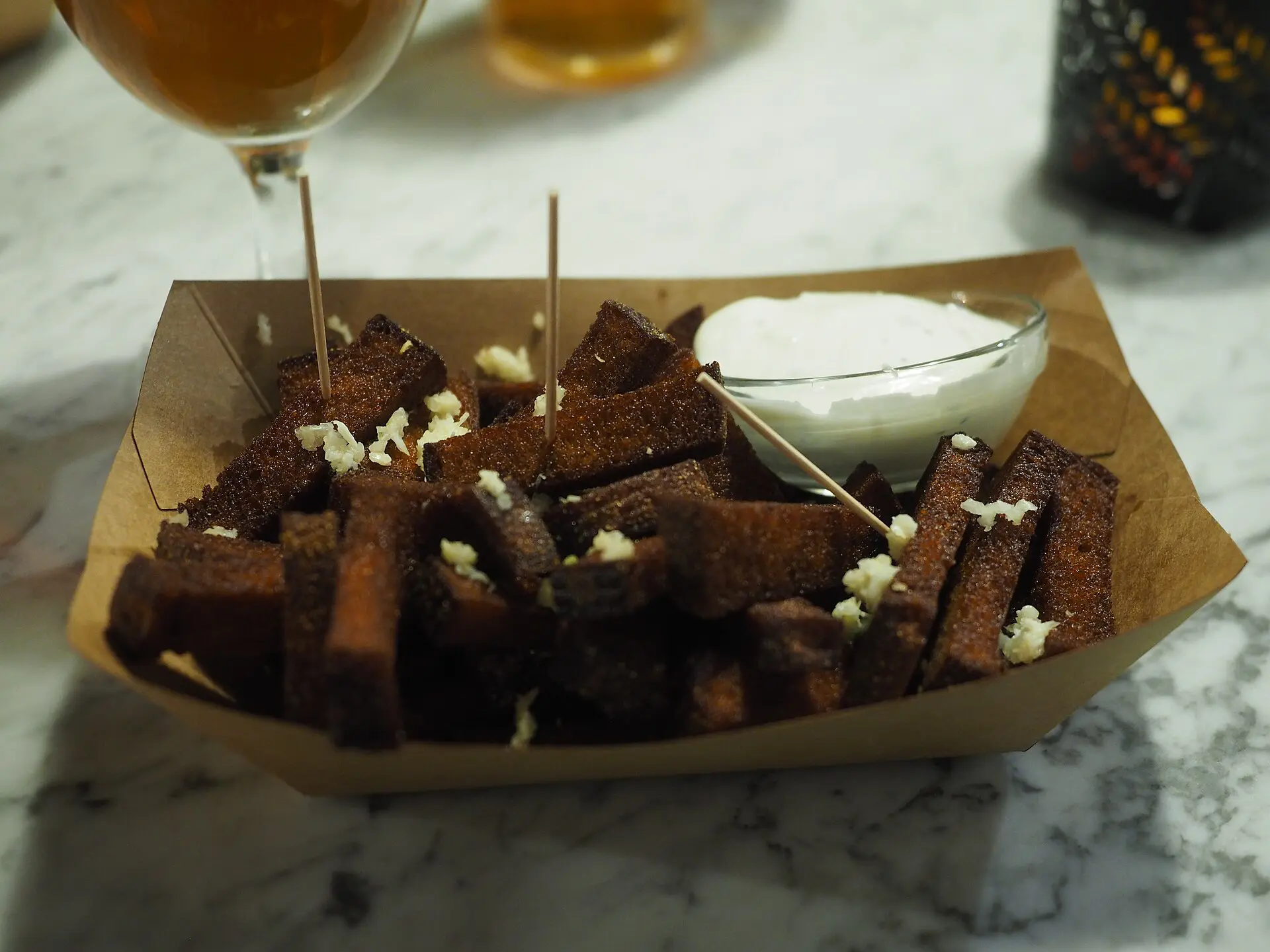
- Rye bread (leib): dense, dark and slightly sweet, served with butter and often a meal staple.
- Kama: a fine flour made from roasted grains, usually mixed with kefir or yoghurt for a dessert or breakfast.
- Verivorst: blood sausage served at Christmas with lingonberry jam and sauerkraut.
- Mulgipuder: a porridge of potatoes and barley with pork or bacon.
- Baltic herring (kilu) and smoked fish: pickled, fried or smoked, especially on the coast.
- Sült: jellied meat, a common cold dish at festive tables.
- Drinks: local craft beer, Vana Tallinn liqueur and kvass, a lightly fermented rye drink.
Vegetarians can find salads, soups, potato dishes and good cafes in cities, though traditional dishes often contain pork. Look for market halls in Tallinn and Tartu, and for farm restaurants in the countryside, where menus follow the season. Berries and mushrooms are collected in summer and autumn.
Culture, language and etiquette in Estonia
Estonian is the national language and belongs to the Finnic family, closer to Finnish than to Latvian or Russian. English is widely spoken, especially in Tallinn and among younger people, and Russian is spoken by a large minority, particularly in Tallinn and the northeast. Simple words such as tere (hello) and aitäh (thank you) are appreciated.
Estonians value personal space, quiet and privacy, and conversations can feel reserved at first. Small talk is not expected, punctuality is, and people are generally direct. Sauna is an important social ritual, and in mixed groups people often wear towels or swimwear, so ask what is customary.
The Singing Revolution of the late 1980s helped restore independence in 1991, and the Song Festival tradition is a source of national pride. Be careful when discussing Soviet history or relations with Russia, and avoid assuming that Russian-speaking Estonians share any particular political view. Nature is respected: stay on marked trails, take your rubbish with you and follow rules on picking berries and mushrooms on private land.
Estonia itinerary: a 7-day route
This route uses buses and a rental car for the nature stops, and keeps drive times under three hours.
- Day 1, Tallinn: arrive, walk the Old Town and eat dinner in Rotermann or Kalamaja.
- Day 2, Tallinn: climb the town walls, visit Kadriorg Palace and spend the afternoon at Telliskivi.
- Day 3, Lahemaa: drive about one hour east, walk a bog boardwalk and visit Palmse Manor.
- Day 4, Tartu: travel about two and a half hours south, see the Town Hall Square and the National Museum.
- Day 5, Soomaa and Pärnu: take a morning bog walk or canoe trip, then continue to Pärnu, about two hours away, for the beach and an evening spa.
- Day 6, Saaremaa: take the ferry via Virtsu and Muhu, which takes about three hours in total, and visit Kuressaare Castle.
- Day 7, return: allow three to four hours back to Tallinn, with time for the ferry crossing.
With extra days, add Hiiumaa or Setomaa. In winter, replace the island stops with Tallinn day trips and a sauna evening.
Practical tips for Estonia
- Money: the euro is the currency, cards are accepted almost everywhere including small shops, and ATMs are common. Carry a little cash for rural markets.
- SIM and eSIM: mobile coverage is excellent, wifi is common, and prepaid SIMs and eSIMs are cheap. EU roaming rules apply for EU residents.
- Plugs: types C and F at 230 V, as in most of continental Europe.
- Tipping: not required, but rounding up or leaving 5 to 10 percent for good service is normal.
- Health: tap water is safe to drink, and tick protection is wise in forests. EU health cards cover state care, and other visitors should have insurance.
- Packing: layers and a rain jacket in any season, insect repellent in summer, and warm boots, hat and gloves in winter.
- Time: Estonia is in Eastern European Time, one hour ahead of central Europe.
For further background, see the Wikivoyage Estonia guide.
FAQ
Q1What are the best things to do in Estonia?
Walk Tallinn's medieval Old Town, visit Kadriorg Palace, explore Tartu, hike a bog boardwalk in Lahemaa or Soomaa, try a sauna, cycle on Saaremaa and relax on Pärnu's beach in summer. A ferry day trip to Helsinki is easy from Tallinn.
Q2What is Estonia food like?
Estonia food is hearty and seasonal, with dark rye bread, potatoes, pork, smoked fish, herring and dairy. Try kama, verivorst around Christmas, mulgipuder and local craft beer. Tallinn and Tartu also have modern restaurants, and vegetarian options are growing.
Q3Is Estonia safe?
Yes. Violent crime against visitors is rare, and the main risks are pickpocketing in Tallinn's Old Town, ticks in forests and winter cold. Use licensed taxis or an app, and check your government's current travel advice before you go.
Q4What is the best time to visit Estonia?
June to August is best for warm weather, long daylight and island ferries, though Tallinn is busiest then. May and September are quieter and cheaper, while winter suits snow, Christmas markets and saunas for travellers who accept cold, dark days.
Q5Do I need a visa for Estonia?
It depends on your nationality. Estonia is in the Schengen Area, and many visitors, including those from the US, UK and Canada, can stay visa-free for up to 90 days in 180. Check current rules, including ETIAS, with official Estonian sources.
Q6How many days do you need in Estonia?
Seven days covers Tallinn, Lahemaa, Tartu, Pärnu and Saaremaa at a comfortable pace. A long weekend is enough for Tallinn and one day trip, and adding Soomaa, Hiiumaa or Setomaa needs three to four extra days.
Q7What is a good Estonia itinerary?
A good route starts in Tallinn for two days, adds Lahemaa, continues to Tartu, then Soomaa and Pärnu, and ends on Saaremaa before returning to Tallinn. It uses buses and a rental car, with drives under three hours.