Why visit Reykjavik
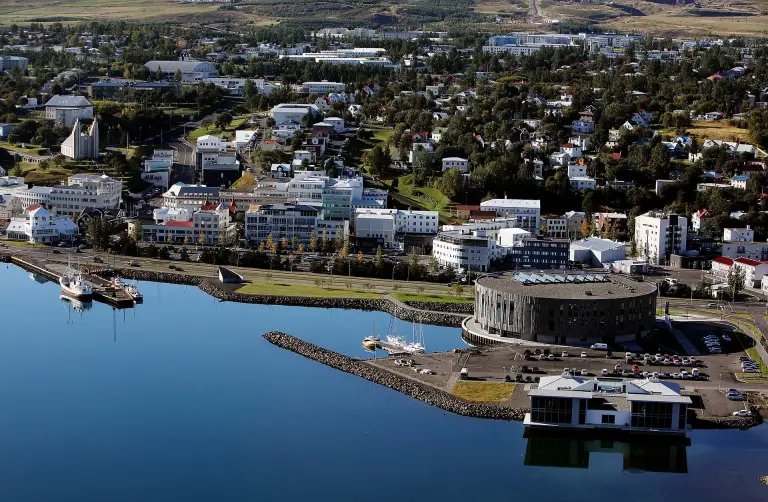
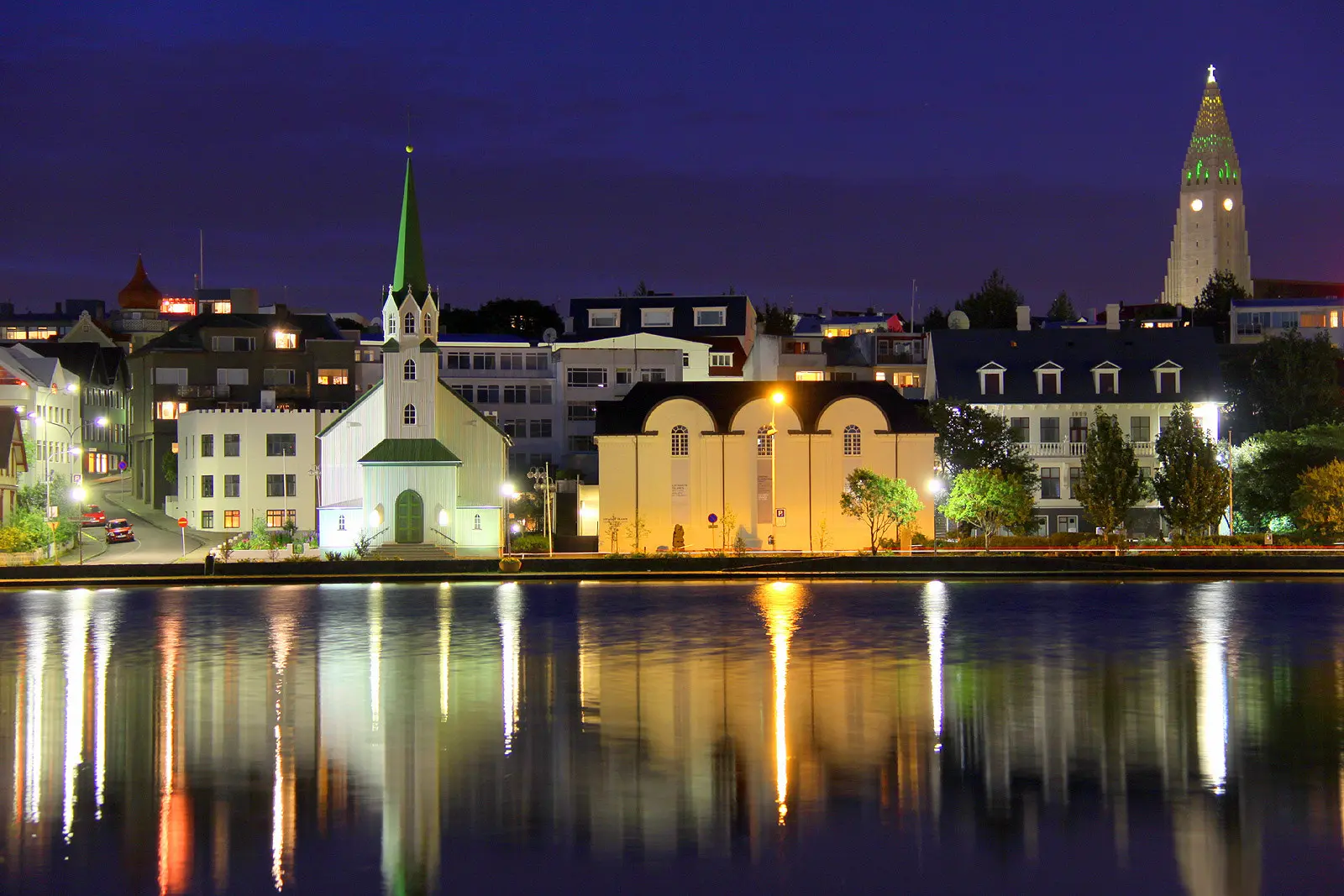
If you are planning things to do in Reykjavik, it helps to know what kind of capital it is. It is the northernmost capital of a sovereign state, with a population of roughly 140,000 in the city and around two thirds of Iceland’s people living in the wider capital region. The centre is small, low-rise and easy to cover on foot.
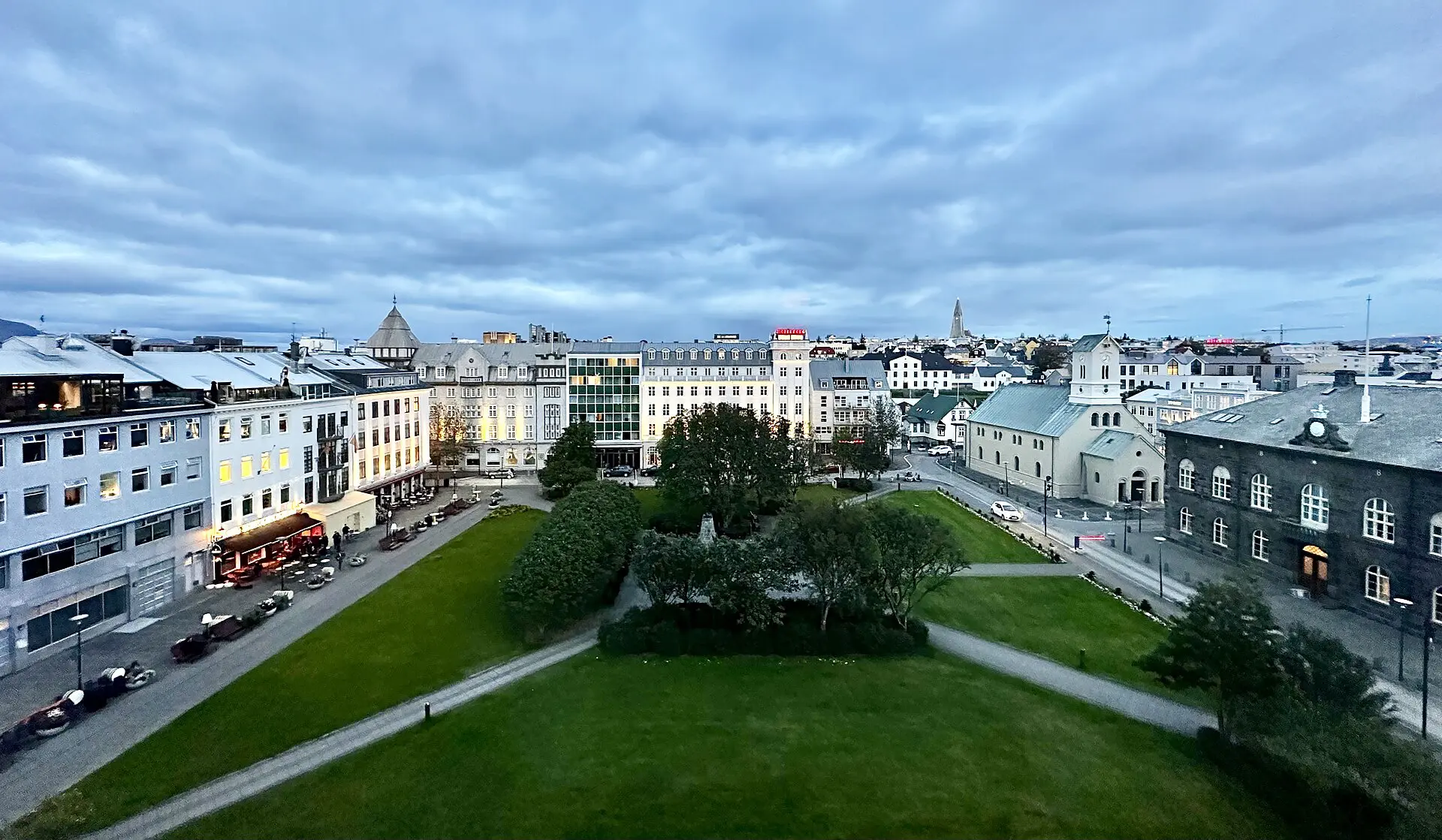
Most visitors come for a mix of city and nature. In town you can walk along the harbour, visit museums, eat seafood and soak in a geothermal swimming pool, a local habit. Beyond the city, the Golden Circle, the Reykjanes peninsula and the south coast are all within reach for day tours, which is why many people use Reykjavik as a base for several nights.
It is also an expensive city, and the weather can change quickly at any time of year. Daylight varies dramatically, from near-continuous light in midsummer to only a few hours in December. Planning around that, and booking popular tours ahead, makes the trip smoother.
Top things to do in Reykjavik
Hallgrimskirkja
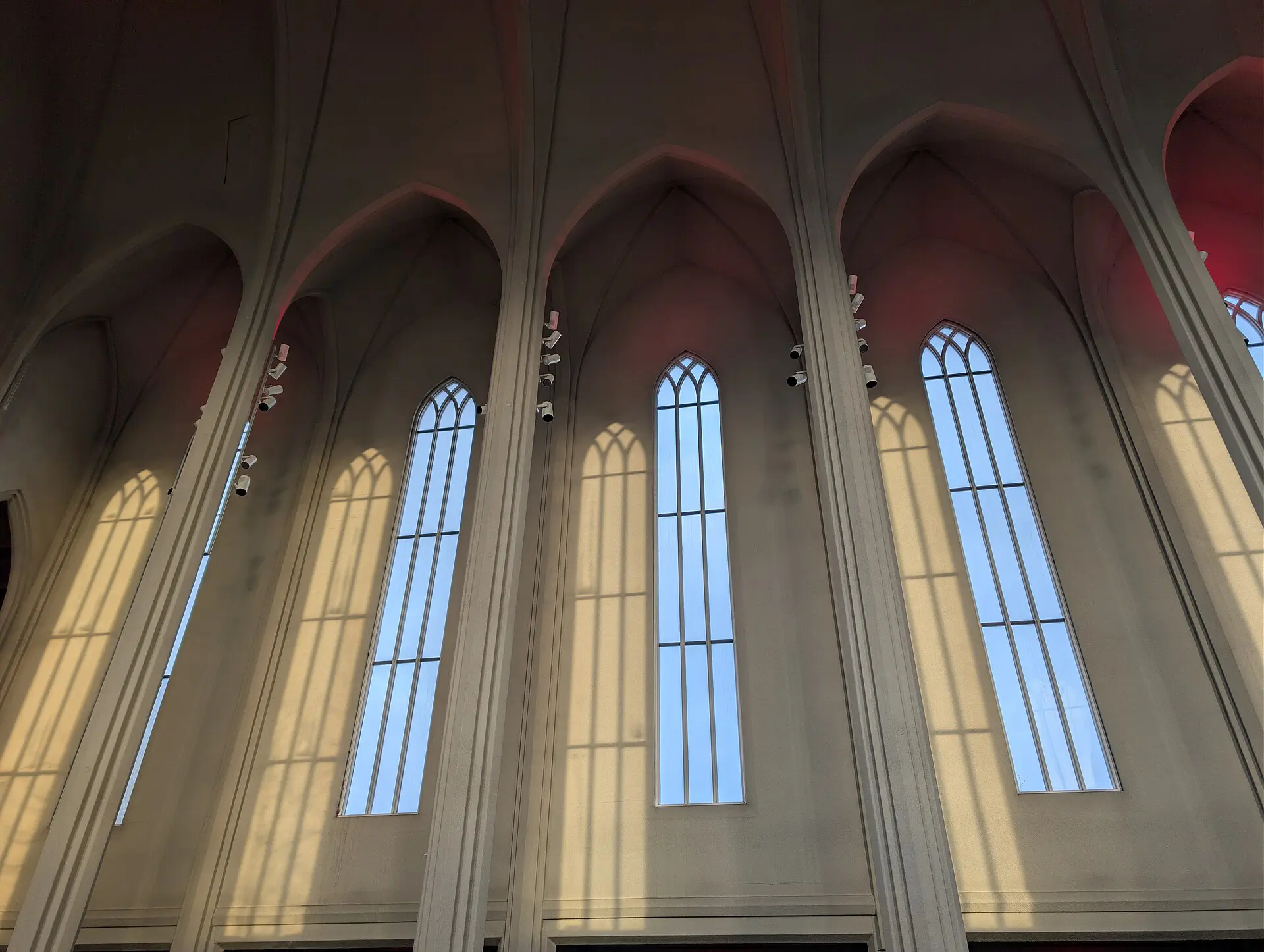
This tall concrete church dominates the skyline and is one of the best-known landmarks in Iceland. You can usually go up the tower for views over the colourful rooftops, for a small fee. Allow about 30 to 45 minutes, and check opening hours in case of services or events.
Harpa Concert Hall and the harbour
Harpa is a glass-fronted concert and conference building on the harbour, with a distinctive faceted facade. You can wander in for free and see the lobby. A walk along the waterfront past the Sun Voyager sculpture takes about an hour and is pleasant at any time of day.
Laugavegur and the old town
Laugavegur is the main shopping street, lined with cafes, small shops and bars. Side streets have colourful houses and street art. Allow a couple of hours, and note that many shops close earlier on Sundays and public holidays, so check ahead.
Geothermal pools
Swimming in a municipal geothermal pool is a core Icelandic experience, and Reykjavik has several. Showering without swimwear before you enter is a firm local rule. Entry is cheaper than at tourist-focused spas, and you can usually hire a towel. Allow an hour or two.
Museums and the Settlement Exhibition
The city has museums on Viking-age settlement, the national story, photography and contemporary art. These are a good fit for rainy or very cold days. Choose one or two rather than trying them all, and check combined tickets if you plan to visit several.
Whale watching and puffin tours
Boat tours leave from the old harbour to watch whales and, in summer, puffins. Tours usually last two to three hours. Sightings are not guaranteed, so choose an operator with a clear policy, and dress warmly in layers, as it is cold on the water even in summer.
Northern lights tours
Between roughly September and March you can join evening trips outside the city to look for the aurora. Success depends on clouds and solar activity, not on the tour itself. Book more than one night if you can, and check forecasts before you go.
Best time to visit Reykjavik
Reykjavik has a mild but changeable maritime climate, with cool summers and relatively mild, windy winters for such a northern latitude.
| Season | Weather | Crowds and prices |
|---|---|---|
| Summer (Jun-Aug) | Cool, long daylight, midnight sun in June | Peak crowds and prices |
| Autumn (Sep-Oct) | Cool, wetter, aurora season begins | Moderate, easing |
| Winter (Nov-Mar) | Cold, windy, very short days | Lower prices, aurora tours busy |
| Spring (Apr-May) | Cool, lengthening days | Quieter, mid-range prices |
June to August gives the easiest travel and the longest days, which suits driving and hiking. Winter suits northern lights, ice caves on organised trips and a quieter city, but weather can disrupt roads and tours.
How to get to Reykjavik and around
Most visitors arrive at Keflavik International Airport, roughly 45 minutes by road from central Reykjavik. Airport buses and taxis run to the city and many hotels, and you can also rent a car at the airport. Check current fares and timetables. Domestic flights use the smaller Reykjavik Airport near the centre.
In the city, most sights are within walking distance of each other. A public bus network covers the wider area, and tickets are usually bought through an app or at terminals. Taxis are available but pricey. Many visitors also use e-scooters or bikes in summer.
Outside the city, there is no rail network. You can hire a car, which suits flexible trips but demands careful attention to weather and road conditions, or join organised day tours. If you drive in winter, check road and weather updates daily.
Where to stay in Reykjavik
Reykjavik is small enough that most areas are only a short walk or bus ride from the centre, but a few options suit different travellers.
- Downtown (101) is the most convenient area, with restaurants, shops and sights nearby. It suits first-time visitors but is the most expensive and can be noisy at weekends.
- Harbour area is a good choice for tour departures and walking along the water, and it has a growing food scene.
- Quieter residential streets east and west of the centre suit travellers who prefer a calm base and don’t mind a 15 to 25 minute walk or short bus ride.
- Guesthouses and apartments can lower costs, especially if you are travelling with a group and can cook some meals.
Book early for summer, and check parking if you will have a rental car.
How many days do you need?
Two days is enough to see Reykjavik itself, but most visitors add at least one or two days of excursions, because the countryside is the main reason to come. A stay of four to five days works well for city time, the Golden Circle and one other trip.
- Day 1: Hallgrimskirkja, Laugavegur, the harbour and Harpa, then a geothermal pool in the evening.
- Day 2: A museum in the morning, then a whale-watching or harbour tour in the afternoon.
- Day 3: A Golden Circle day tour or drive, taking in Thingvellir National Park, a geyser area and a waterfall.
Add extra days for the south coast, the Snaefellsnes peninsula or the Blue Lagoon.
Day trips and nearby
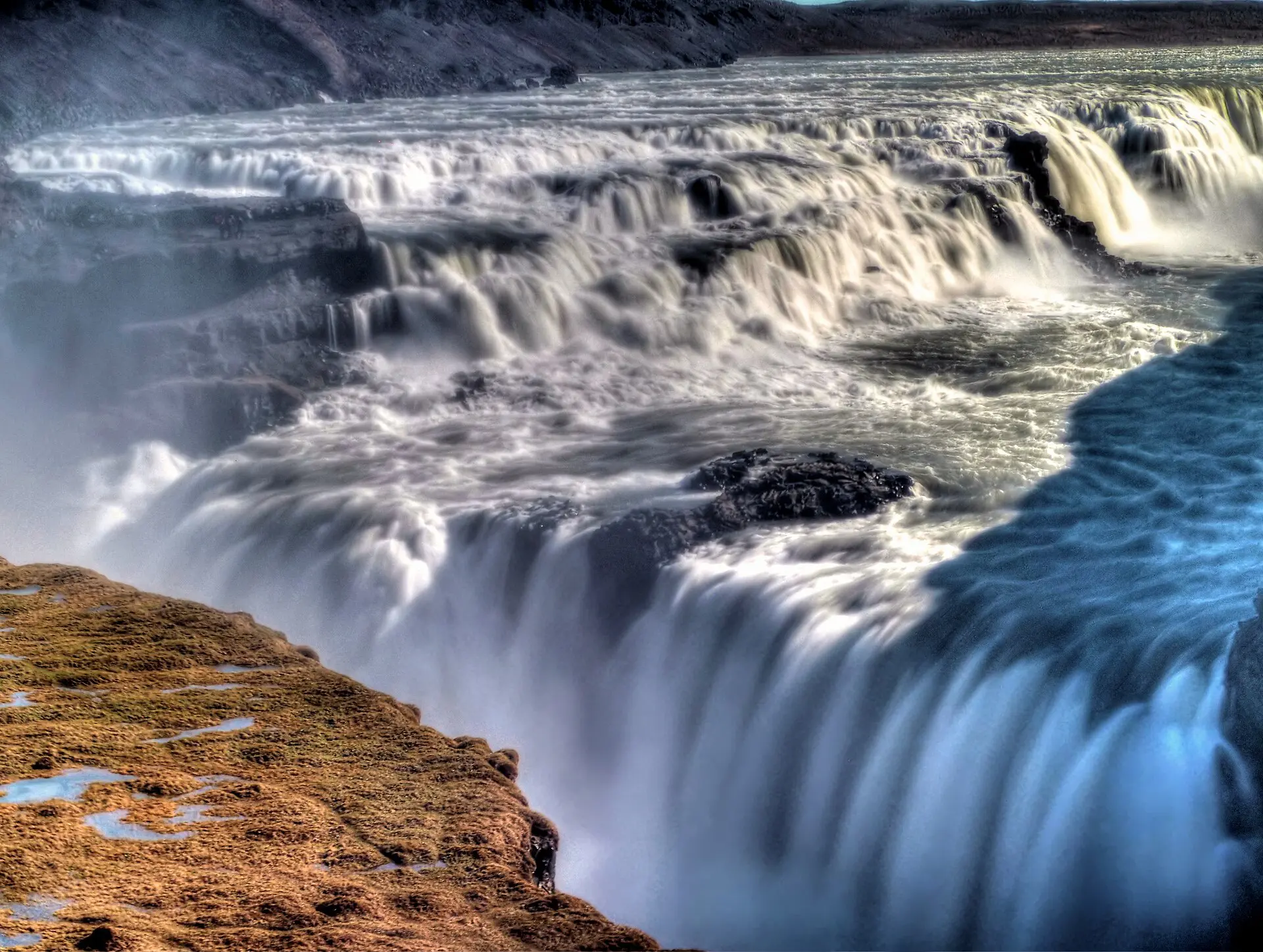
Golden Circle
The Golden Circle is a popular loop that usually includes Thingvellir National Park, the Geysir geothermal area and Gullfoss waterfall. It takes about six to eight hours as a tour or drive. Start early in summer, and check road conditions in winter.
Blue Lagoon
The Blue Lagoon is a geothermal spa on the Reykjanes peninsula, near Keflavik Airport. It is popular and requires advance booking. Many travellers visit on arrival or departure day. Check opening hours, and bring a plan for luggage if you arrive straight from the airport.
Snaefellsnes Peninsula
This peninsula west of Reykjavik is known for coastal cliffs, black beaches, small fishing villages and a glacier-topped volcano. It makes a long day trip, or an overnight stay if you want to take things slowly. Check the weather forecast first.
South coast and Vik
The south coast has waterfalls, black sand beaches and the village of Vik. A day trip from Reykjavik is possible but long, so many people prefer to stay overnight. Check road and wave conditions, and never turn your back on the ocean at black beaches.
FAQ
Q1When is the best time to visit Reykjavik?
June to August brings the longest days and the easiest travel, while September to March suits northern lights tours. Summer is the most expensive and busy season. Winter days are very short and weather can disrupt roads and tours, so build in flexibility.
Q2How many days do you need in Reykjavik?
Two days is enough for the city centre, harbour, museums and a geothermal pool. If you want a Golden Circle tour, a whale-watching trip or the south coast, plan three to five days. Many travellers use the city as a base for several excursions.
Q3How do you get from Keflavik Airport to Reykjavik?
Keflavik International Airport is roughly 45 minutes from central Reykjavik by road. Airport buses and taxis serve the city and many hotels, and car rental is available at the airport. Fares and schedules change, so check options before you travel.
Q4Is Reykjavik expensive?
Yes, Reykjavik is one of the more expensive capitals in Europe, especially for restaurants, alcohol and tours. Budget around USD 200-350 per day for mid-range travel. Cooking some meals, using municipal pools and booking early can reduce the cost noticeably.
Prices, schedules and entry rules change. Check current details with official sources before you travel. Read the Iceland travel guide.