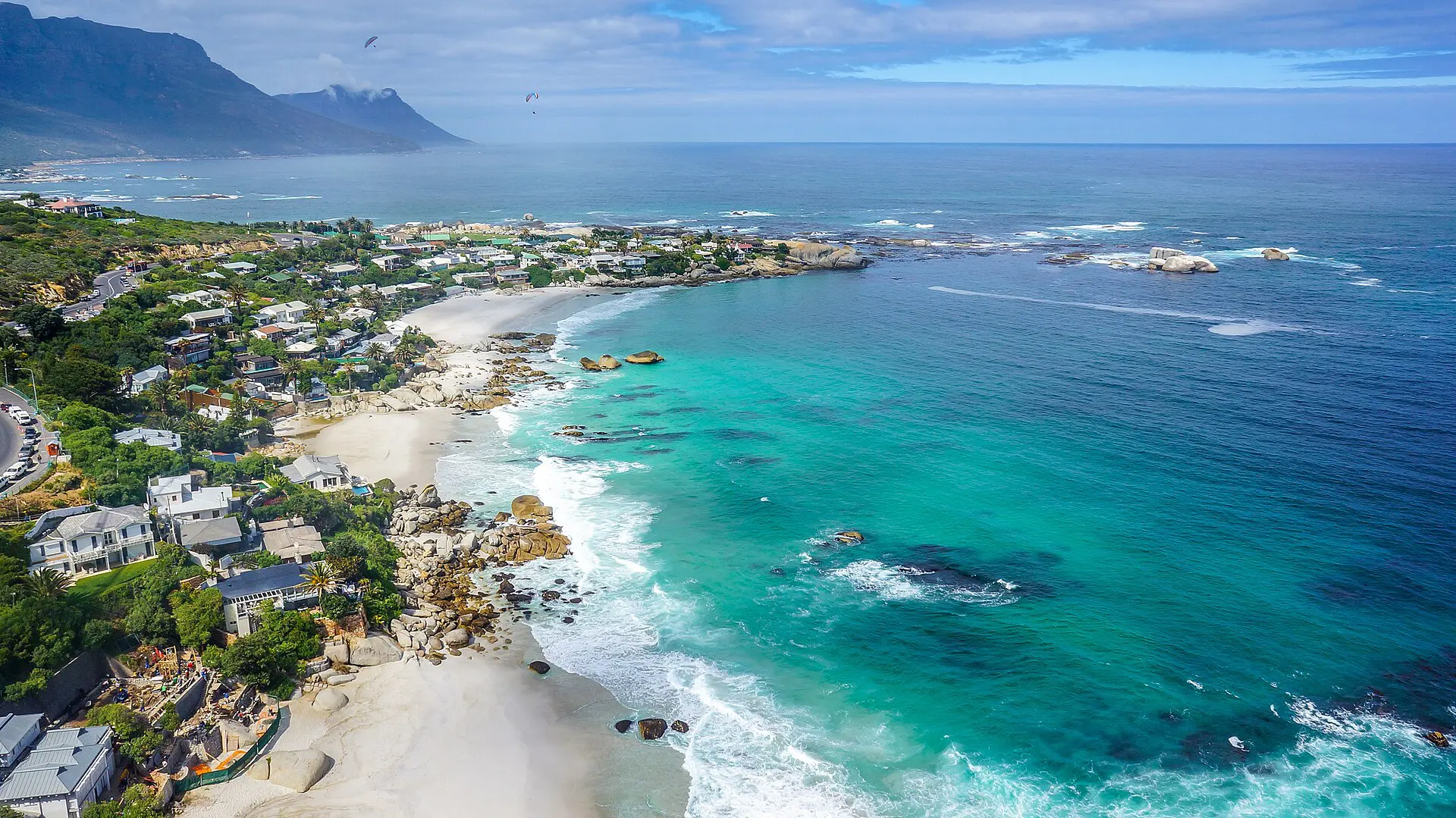
Why visit Cape Town
People planning things to do in Cape Town usually begin with the view of Table Mountain, the flat-topped peak that rises directly behind the city and its harbour. Cape Town is South Africa’s legislative capital and one of the country’s biggest cities, set on the Atlantic coast near the Cape of Good Hope.
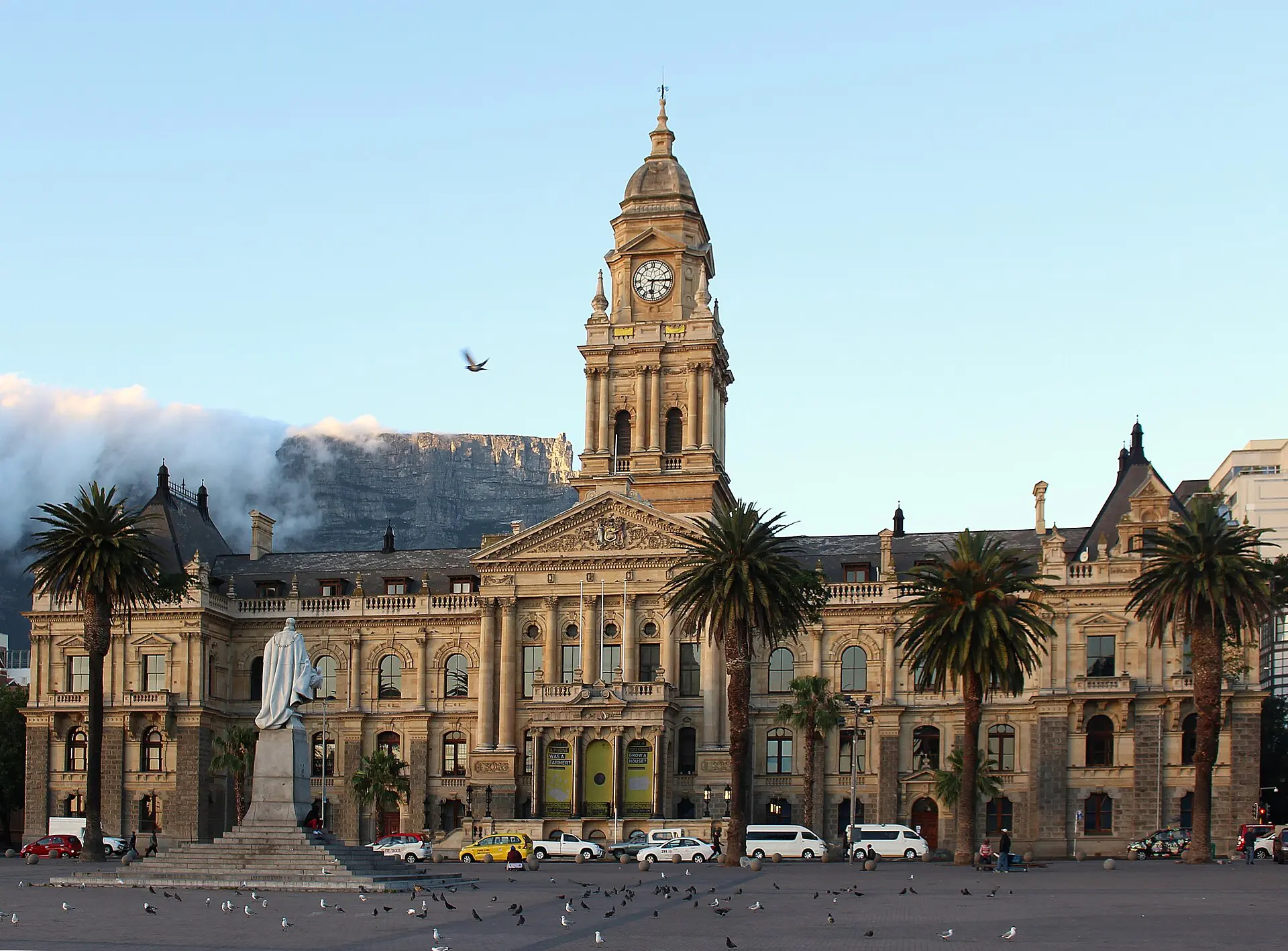
What makes it distinctive is the range of experiences within a short drive. You can ride a cable car to a mountain summit, visit penguins at Boulders Beach, tour a prison island, taste wine in historic valleys and drive along some of the country’s most scenic coastal roads, all in a few days.
The city also has a layered, sometimes difficult history, and visits to Robben Island and local museums add context. Go in the southern summer, plan ahead for safety and transport, and allow time beyond the headline sights.
Top things to do in Cape Town
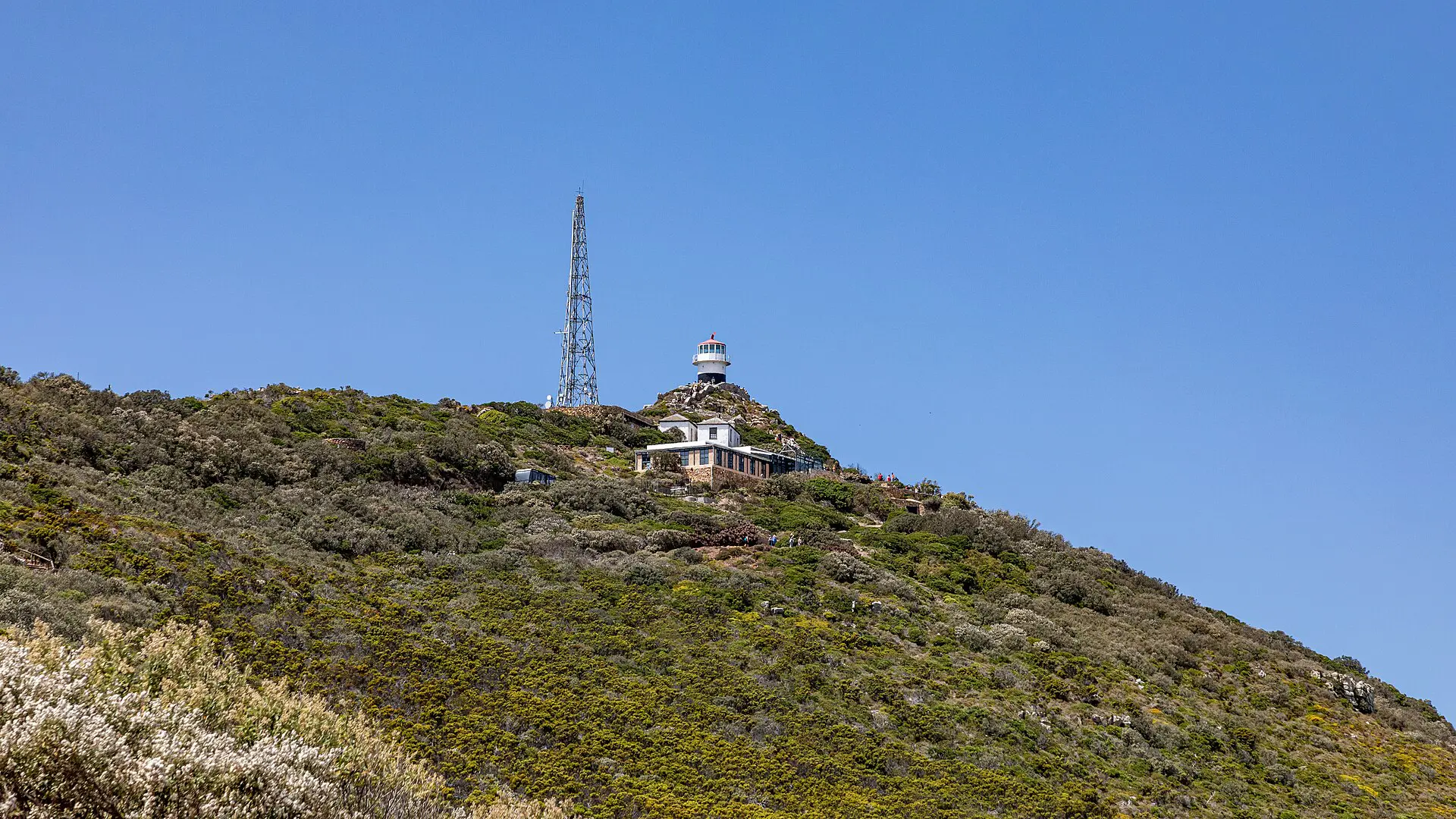
Table Mountain
The cable car carries visitors to the flat summit, and several hiking routes also lead up. Allow half a day. Strong winds or cloud can close the cable car, so check conditions the same day and book in advance. Carry water and layers.
Robben Island
This former prison island, where Nelson Mandela was held, is a UNESCO World Heritage site. Tours run by boat from the V&A Waterfront and take around three to four hours including the crossing. Book well ahead, as seats can sell out.
V&A Waterfront
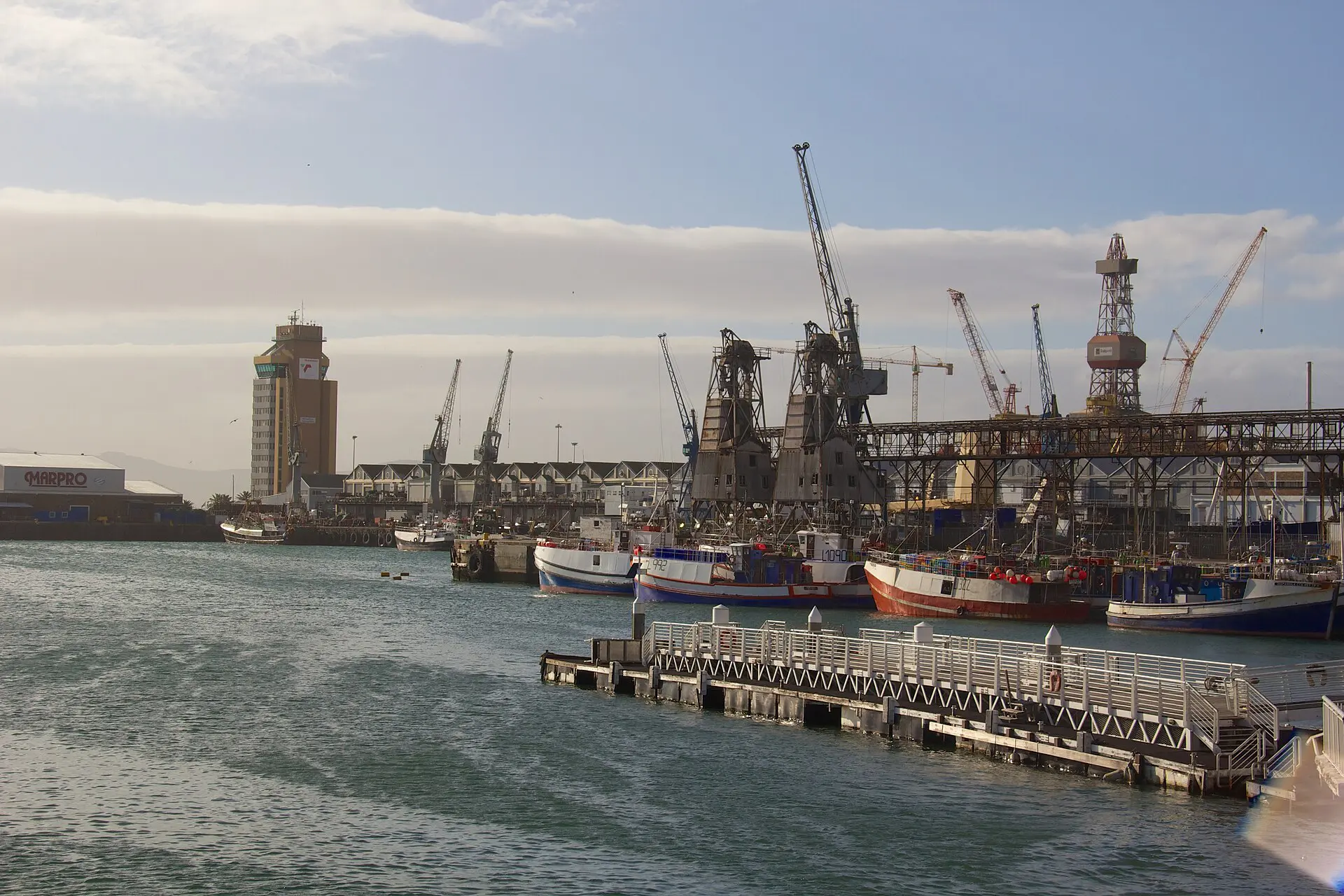
A working harbour area with shops, restaurants, museums and views of Table Mountain. Allow two hours. It is one of the safer and busiest places to walk, and it is also the departure point for Robben Island boats.
Cape of Good Hope and Cape Point
The southwest tip of the peninsula is a nature reserve with cliffs, fynbos and a lighthouse. Allow half a day, ideally as part of a coastal drive. Baboons live in the area, so do not feed them and keep food out of sight.
Boulders Beach penguins
A sheltered cove near Simon’s Town has a colony of African penguins and a boardwalk viewing area. Allow an hour or so. Go early to avoid crowds, and do not approach or touch the birds.
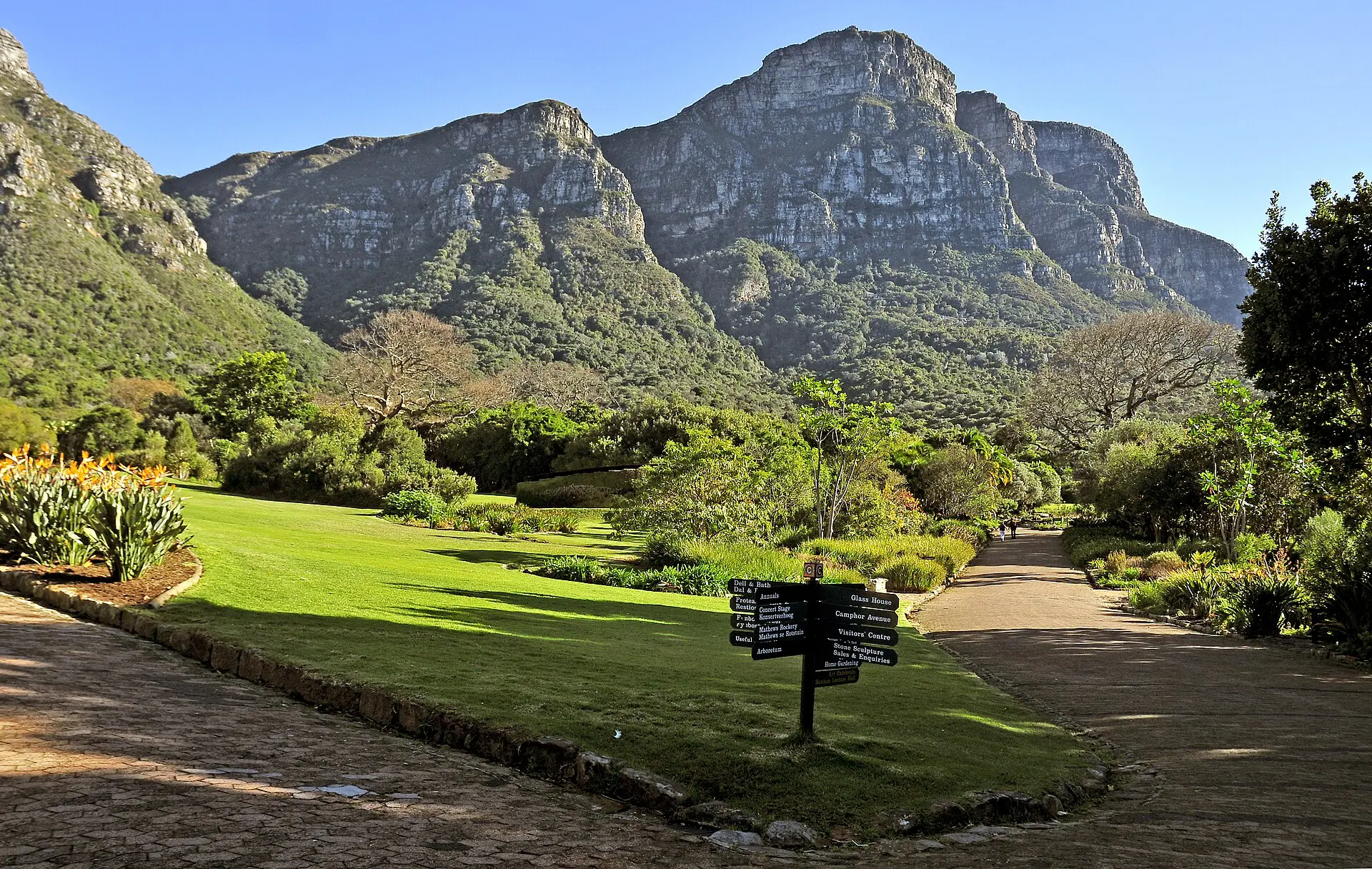
Kirstenbosch Botanical Garden
On the eastern slopes of Table Mountain, this garden shows the region’s native plants. Allow two to three hours. It is especially pleasant in spring, and has a canopy walkway and outdoor concerts at certain times of year.
Bo-Kaap and the city centre
The brightly painted houses of Bo-Kaap are a photogenic neighbourhood with Cape Malay heritage. Allow an hour, be respectful of residents, and consider a guided walk to understand the history.
Best time to visit Cape Town
Cape Town has a Mediterranean-type climate, with warm, dry summers and cooler, wetter winters. The southern summer, from November to March, is the main tourist season and the best time for beaches and hikes.
| Season | Weather | Crowds and prices |
|---|---|---|
| November to March | Warm to hot, dry, windy at times | Busiest, highest prices |
| April to May | Mild, settled, clear days | Moderate, good value |
| June to August | Cool, rainy periods | Quiet, lower prices |
| September to October | Mild, wildflowers, whale season | Moderate |
The southeaster wind can be strong in summer and affect the cable car. Winter brings storms, but also dramatic scenery, and it is a good time to see whales along the coast.
How to get to Cape Town and around
Cape Town International Airport is about 20 km east of the centre and has direct flights from Europe, the Middle East and other South African cities such as Johannesburg. Airport taxis and ride-hailing services reach the centre in roughly 25 to 40 minutes, depending on traffic.
Within the city, ride-hailing apps are widely used and are generally the safest way to get around after dark. A bus network and sightseeing buses cover the main sights. Check the current status of local trains, as services have been unreliable.
A hire car is useful for the Cape Peninsula and the winelands, although some visitors prefer organised tours. Drive on the left, avoid leaving valuables in sight and use secure parking.
Where to stay in Cape Town
The City Bowl and Gardens area, at the foot of Table Mountain, suits first-time visitors who want restaurants, museums and quick access to the cable car. Prices are moderate to high.
The Atlantic Seaboard, including Sea Point, Camps Bay and Clifton, suits beach lovers and sunset views, with a more resort feel and generally higher prices. Sea Point has a promenade popular with joggers.
The V&A Waterfront is convenient for Robben Island and has many hotels, although it is touristy. Southern suburbs such as Constantia and the area near Kirstenbosch are quieter, leafier and suit those with a car. Choose areas with good security and ride-hailing access, and book early for December and January.
How many days do you need?
Four days covers the main sights, but six allows a winelands excursion and an unhurried peninsula drive. With a short stay of two days, focus on Table Mountain, the Waterfront and one coastal outing.
- Day 1: Table Mountain in the morning, then the V&A Waterfront and sunset along the Atlantic coast.
- Day 2: Cape Peninsula drive with Boulders Beach and Cape Point, returning via Chapman’s Peak if it is open.
- Day 3: Robben Island tour and Bo-Kaap, followed by dinner in the city.
Add days for Kirstenbosch, the winelands and a whale or wildlife trip.
Day trips and nearby
Stellenbosch
A university town and the centre of a major wine region, about 45 minutes to an hour by road. Allow a day for tastings, but arrange a driver or tour so nobody drives after drinking.
Franschhoek
A small valley town known for its restaurants and vineyards, roughly an hour from the city. It suits a relaxed day trip combined with Stellenbosch or a longer overnight stay.
Hermanus
A coastal town about one and a half to two hours away, known for whale watching from the shore between roughly June and November. Check season and conditions before planning a visit.
Cape Winelands and the Garden Route
The Garden Route towns, such as Knysna and Plettenberg Bay, are several hours away and need an overnight at least. They suit a longer road trip rather than a day excursion.
FAQ
Q1When is the best time to visit Cape Town?
November to March offers the warmest, driest weather and is best for beaches and hiking, though it is also the busiest and most expensive time. April, May and September are good value, while winter is cool and wetter.
Q2How many days do you need in Cape Town?
Four to six days works well. That covers Table Mountain, the Waterfront, the Cape Peninsula and Robben Island, with room for a winelands day. Two or three days is possible if you focus on the main sights.
Q3Is Cape Town safe for tourists?
Many visitors have trouble-free trips, but crime is a real concern. Use ride-hailing at night, avoid walking in isolated areas, keep valuables out of sight and follow local advice. Check current official guidance before you travel.
Q4Is Cape Town expensive?
By international standards it can be good value, especially for food, wine and guided tours. Accommodation prices rise sharply in the peak summer season, so book early or consider shoulder months for better rates.
Prices, schedules and entry rules change. Check current details with official sources before you travel. Read the South Africa travel guide.