Why visit Delhi
If you are planning things to do in Delhi, begin with its role. It is the largest city in northern India and home to New Delhi, the country’s capital. Delhi sits at the centre of India’s arts, commerce, education, tourism and transit.
As the capital of several empires over the last 2,000 years, the city holds a striking array of well-preserved historic sites. It can be divided into seven districts for travel purposes, and much of the pre-colonial heritage is spread across them. Delhi is also the core of the National Capital Region, one of the world’s largest metropolitan areas, with nearly 30 million inhabitants in 2025.
That scale is part of the experience. You can walk through narrow lanes in the old walled city, then visit wide tree-lined avenues in New Delhi, all within a day. Air quality, traffic and heat can be challenging, but the monuments, food and sheer variety make it worth a few days, particularly as a starting point for the Golden Triangle with Agra and Jaipur. Check your government’s current travel advice before booking, especially if you plan to go beyond Delhi.
Top things to do in Delhi
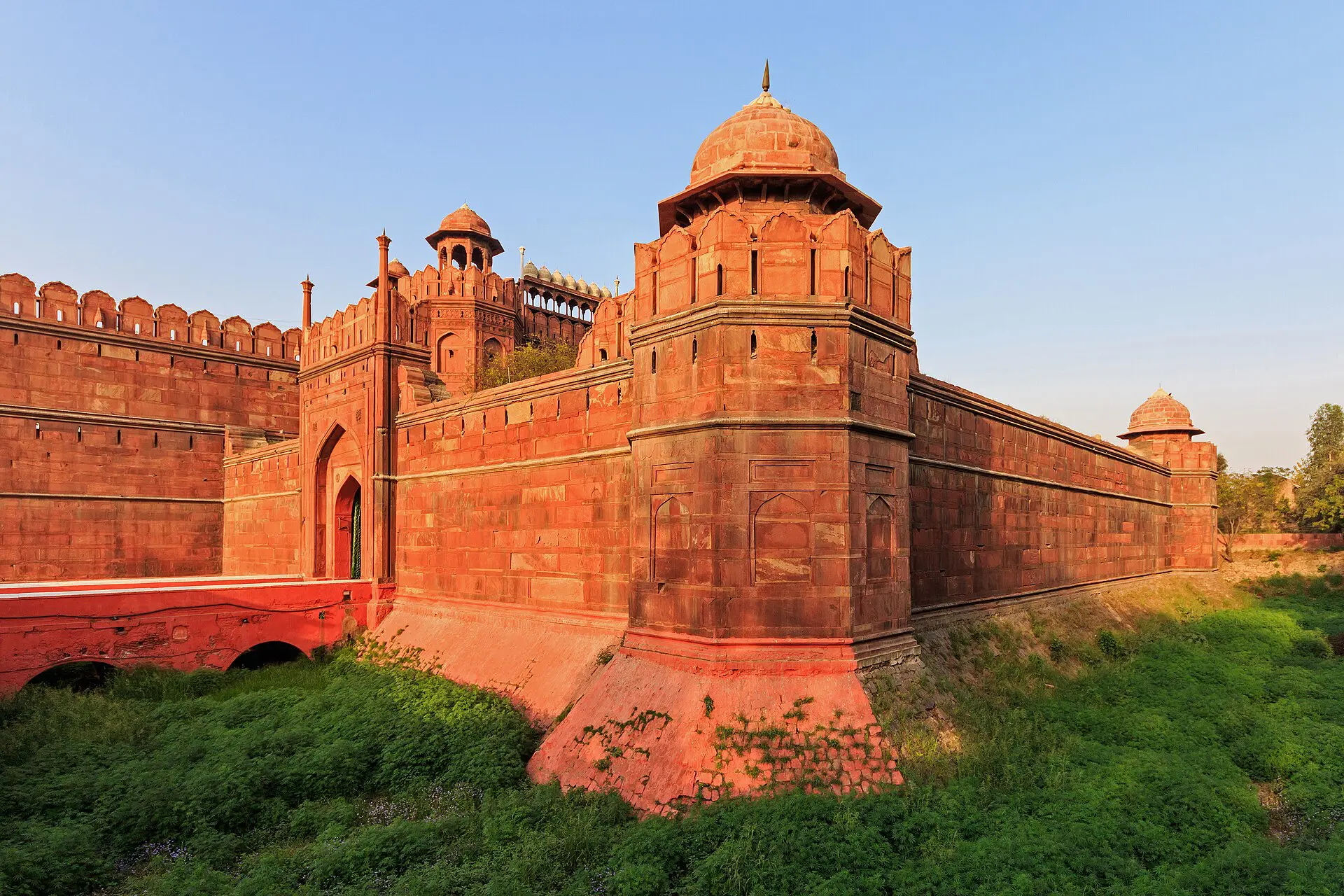
Red Fort
The Mughal-era fort in Old Delhi is a large complex of red sandstone walls, gates and pavilions. Allow two to three hours. Go early to avoid heat and queues, bring ID for ticket checks, and note that airport-style security applies.
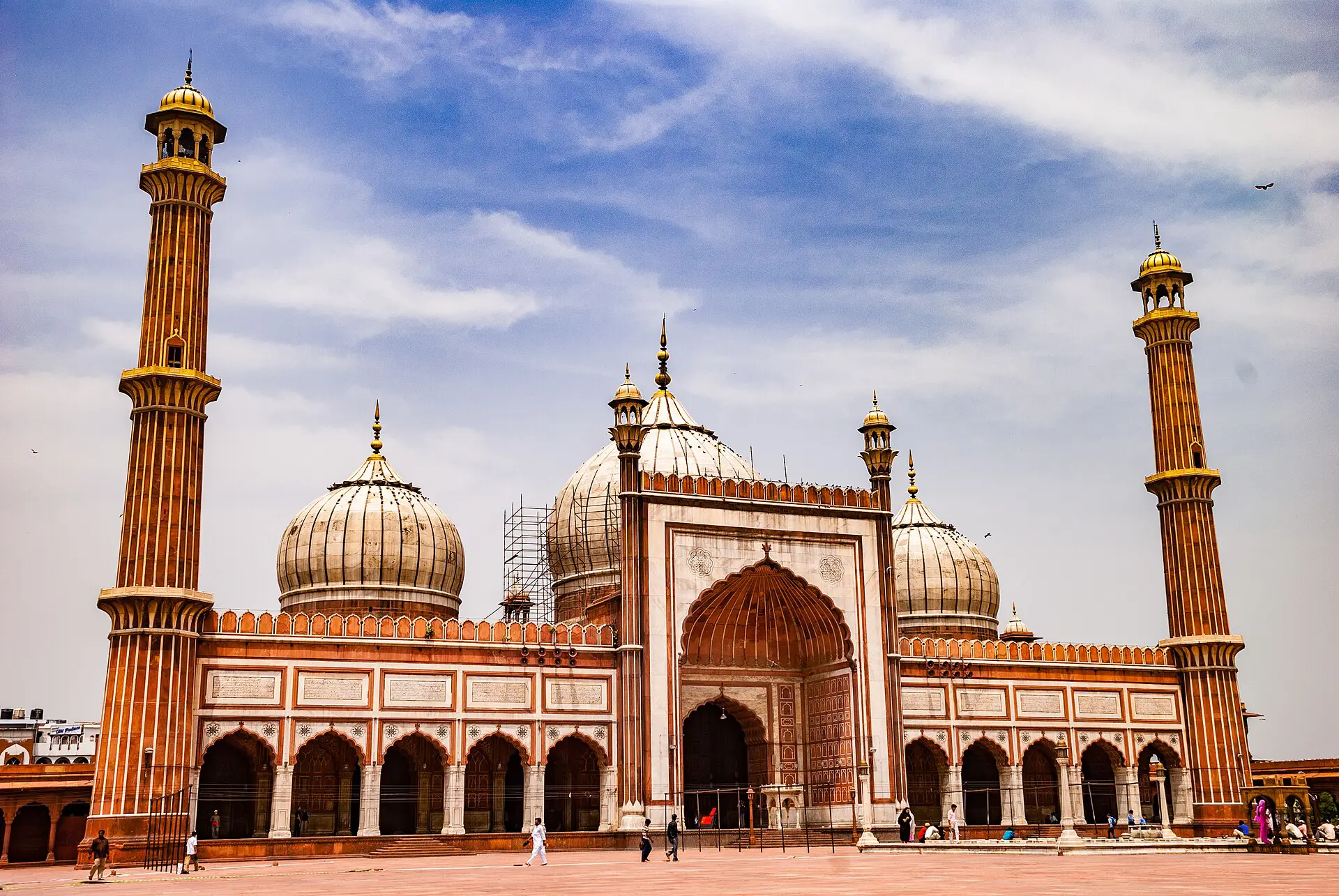
Jama Masjid and Old Delhi
One of India’s largest mosques stands in the old walled city, near narrow lanes of food stalls and markets. Allow half a day. Dress modestly, remove shoes at the entrance, and keep valuables close in crowded alleys.
Humayun’s Tomb
This early Mughal garden tomb is a calmer stop and a precursor to later monuments. Allow around two hours. The gardens are pleasant in the cooler months, and nearby sites can be combined into one morning.
Qutub Minar
The tall medieval minaret and ruins in the south of the city show Delhi’s early Islamic history. Allow one to two hours. It is easier to reach by metro and taxi, and the site is open, so bring a hat.
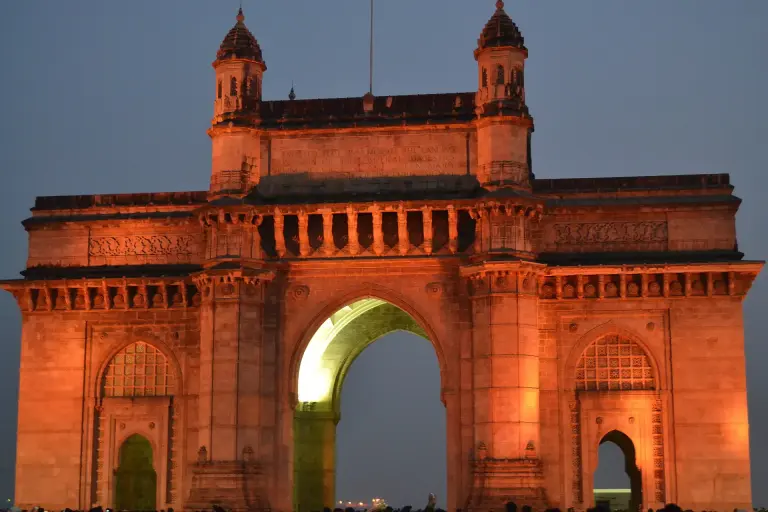
India Gate and Lutyens’ Delhi
The war memorial arch stands on a long ceremonial avenue in New Delhi, close to the government buildings. Allow an hour. It is best in early morning or evening, when it is cooler and lit.
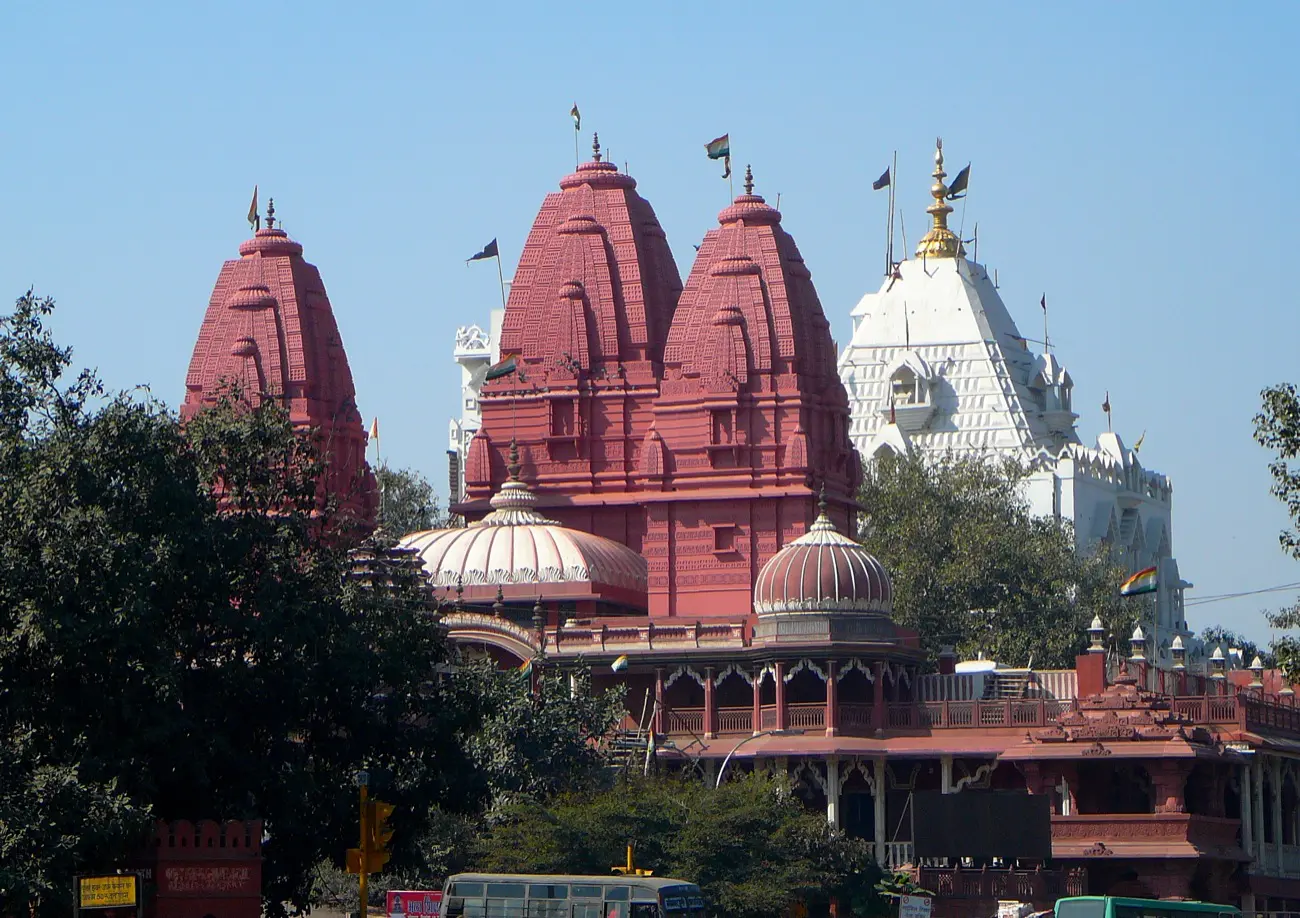
Lotus Temple and Akshardham
These modern places of worship are open to visitors and have distinctive architecture. Allow one to two hours each. Check security rules and opening days, as items such as cameras and phones may be restricted.
Chandni Chowk food walk
The old market street is a classic place for sampling street food and sweets. Allow two to three hours. Choose busy stalls with high turnover, and carry hand sanitiser and bottled water.
Best time to visit Delhi
October to March is the most comfortable period, with sunny days and cooler nights. December and January mornings can be cold and foggy, which sometimes delays flights and trains, so keep your schedule flexible. These months are also the peak tourist season, so book flights and hotels in advance.
April to June is very hot, with temperatures that make midday sightseeing hard. The monsoon, usually from July to September, brings humidity and heavy showers. Air quality can be poor in the late autumn and winter months, so people with breathing problems should check conditions and carry a mask. Festival dates such as Diwali affect both prices and traffic.
| Season | Weather | Crowds and prices |
|---|---|---|
| October to March | Mild to cool, dry, some fog | Busiest, higher prices |
| April to June | Very hot and dry | Quieter, lower prices |
| July to September | Hot, humid, monsoon | Fewer visitors, good deals |
How to get to Delhi and around
Indira Gandhi International Airport is the main entry point, with flights from across India and many international cities. An airport metro line and taxis connect it to the centre, and pre-paid taxis and app rides are common.
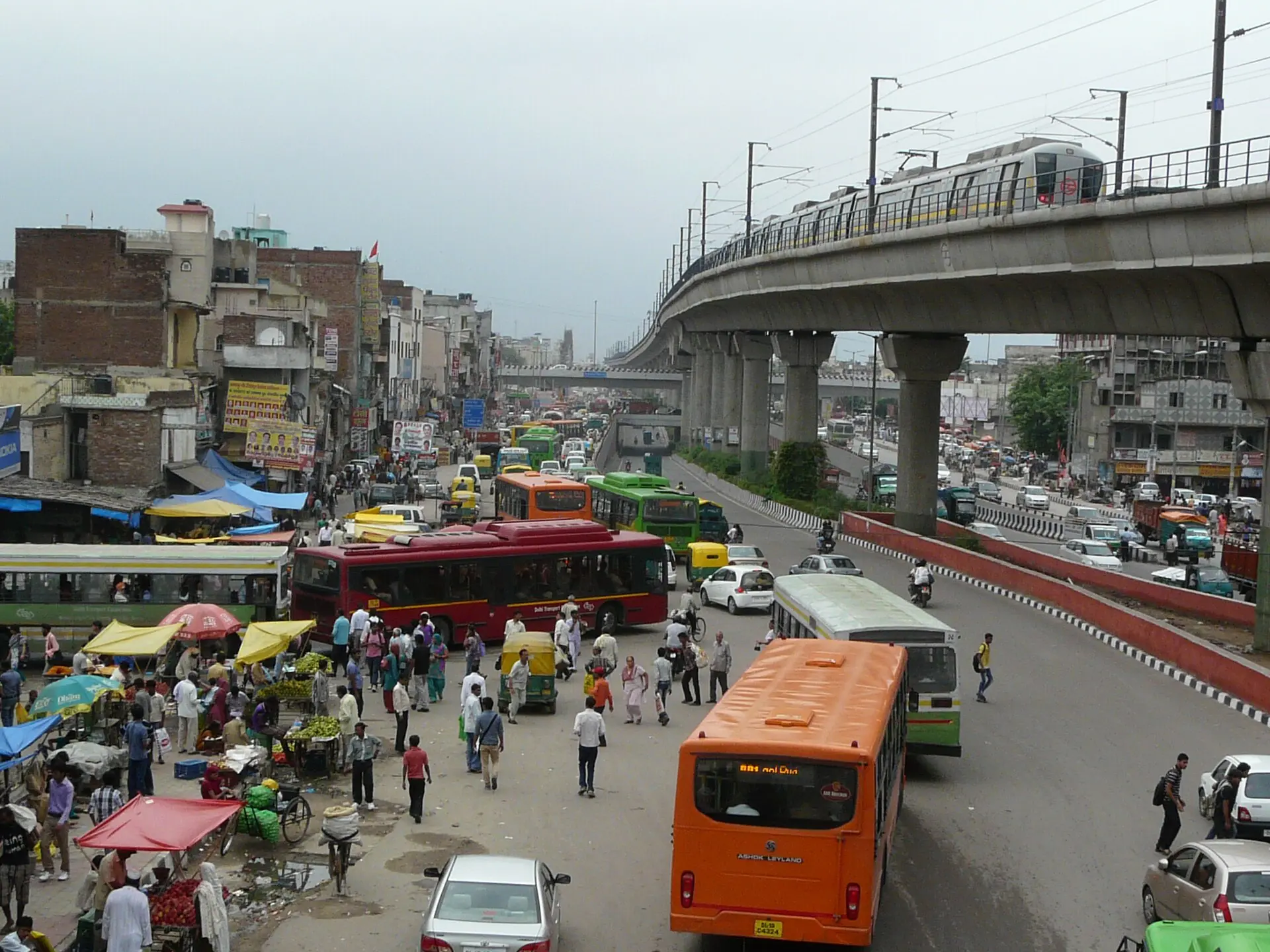
Delhi is also a major railway hub, with long-distance trains to Agra, Jaipur and other cities. Intercity buses and highways add options. Journey times vary, so check schedules and book early for popular services.
Inside the city, the Delhi Metro is clean, relatively cheap and the best way to avoid traffic. App-based taxis and auto-rickshaws fill the gaps, and cycle rickshaws are useful in Old Delhi. Distances are large, so plan sightseeing by area. Agree on fares up front or use the meter, and allow extra time during rush hours.
Where to stay in Delhi
Central areas in New Delhi put you close to government buildings, wide avenues, restaurants and metro stations. They suit first-time visitors who want a calmer base and easy transport, though prices are higher.
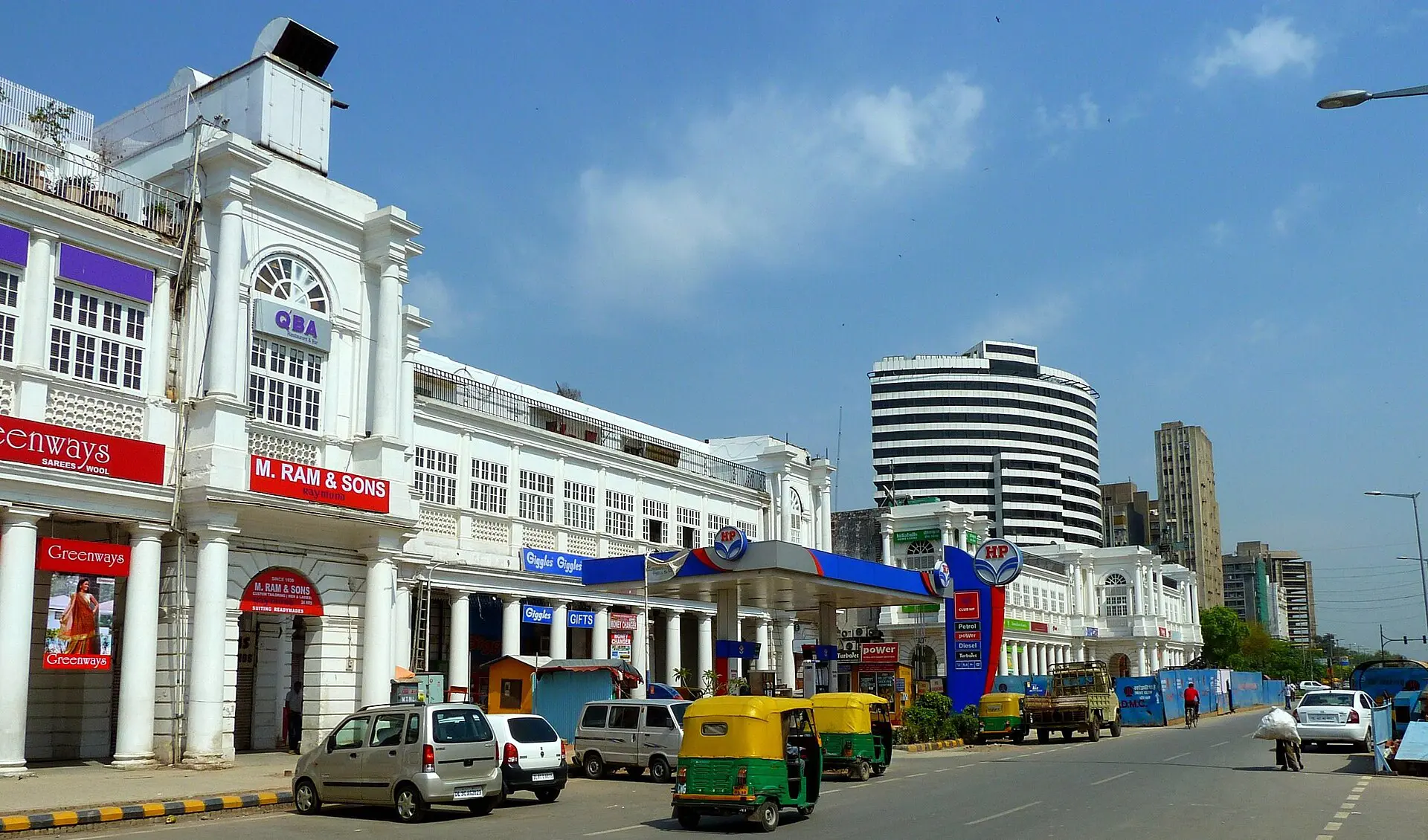
The areas near the old city and the main railway station offer a lively atmosphere and a lot of budget hotels and guesthouses. They are close to Old Delhi’s sights but can be noisy and crowded, and suit travellers on a tight budget.
The southern neighbourhoods have cafes, markets and a more residential feel, with a good choice of boutique hotels and homestays. Near the airport you will find large chain hotels, which are practical for early or late flights. Book early for winter and festival periods and confirm transport options when you arrive late.
How many days do you need?
Three days covers the main historic sights, a food walk and some time in New Delhi. Two days works if you are only passing through, while four allows a day trip or slower pacing in the heat.
- Day 1: Red Fort, Jama Masjid and a food walk through Old Delhi.
- Day 2: Humayun’s Tomb, India Gate and Lutyens’ Delhi, then an evening at a market.
- Day 3: Qutub Minar and a temple, plus shopping or a museum visit.
If you add a day trip, start early and use a train or a hired car with a driver.
Day trips and nearby
Agra
The home of the Taj Mahal is the most popular excursion and forms part of the Golden Triangle. It is a long day trip by road or train, so many travellers stay overnight. Check current train options.
Jaipur
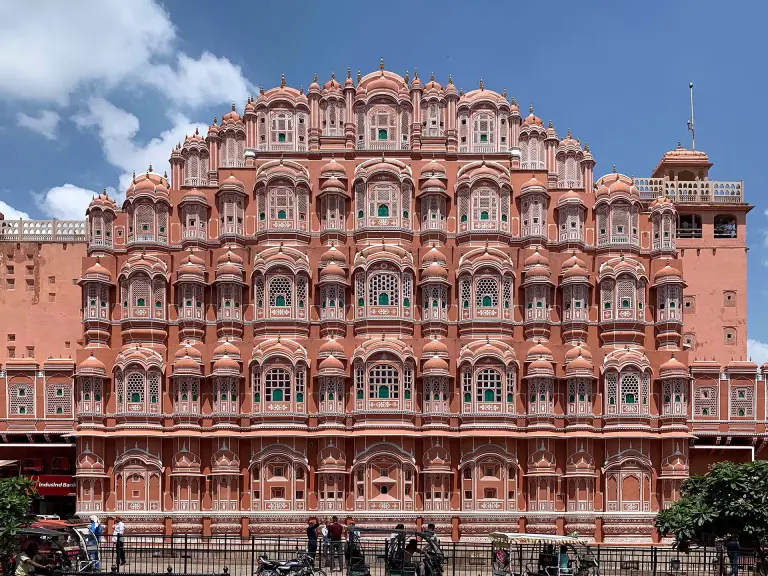
The Pink City lies about 268 km (167 miles) from Delhi and has forts, palaces and bazaars. It is usually done as a stay of one or two nights rather than a day trip.
Rishikesh
The riverside town in the Himalayan foothills is known for yoga and rafting. It is a long journey from Delhi, so plan an overnight stop and check road and train conditions.
Udaipur and Varanasi
These cities are better treated as separate destinations. Fly or take an overnight train, and allow at least two nights in each.
FAQ
Q1What is the best time to visit Delhi?
October to March offers the most comfortable weather, with sunny days and cooler nights, though winter mornings can be foggy. April to June is very hot, and the monsoon arrives around July. Air quality can be poor in late autumn and winter.
Q2How many days do you need in Delhi?
Three days covers the Red Fort, Old Delhi, Humayun's Tomb, India Gate and Qutub Minar at a reasonable pace. Two days suit a quick stopover, while four allow a day trip to Agra or a slower schedule during hot months.
Q3How do you get to Delhi?
Indira Gandhi International Airport is the main entry point, with a metro line and taxis to the centre. Delhi is also a major rail and road hub, with trains to Agra, Jaipur and beyond. Check schedules and book early in the winter season.
Q4Is Delhi worth visiting?
Yes, for its Mughal monuments, food, markets and role as a gateway to the Golden Triangle. It can be hot, crowded and polluted, so plan around the weather and your energy levels. Choosing the cooler months makes a big difference.
Prices, schedules and entry rules change. Check current details with official sources before you travel. Read the India travel guide.