Why visit Afghanistan
Afghanistan travel is a subject that needs honesty before enthusiasm. The country sits at the crossroads of Central and South Asia, covers about 652,000 square kilometres, and is mostly mountainous, with the Hindu Kush separating the northern plains from the southwest (see the Wikipedia overview). Its past includes Achaemenid, Greco-Bactrian, Buddhist, Timurid and Mughal chapters, and its architecture, from tiled mosques to the Minaret of Jam, is among the most remarkable in the region. Since the late 1970s, though, the country has been dominated by war and instability, and the Taliban returned to power in 2021.
Travellers who have visited describe famously generous hospitality and landscapes that few places match, and visitors are often treated as honoured guests. Even so, this guide is written for readers who are researching, planning around official advice, or travelling for professional reasons. It is not a recommendation to go. If you are drawn by culture or mountains, Tajikistan, Uzbekistan, Georgia or Armenia offer related experiences with far lower risk.
Best places to visit in Afghanistan
The best places to visit in Afghanistan are historic sites and landscapes that appear in travel writing from the pre-1979 era and in more recent reports. Conditions on the ground change quickly, so treat this as a description of what exists, not a route to follow.
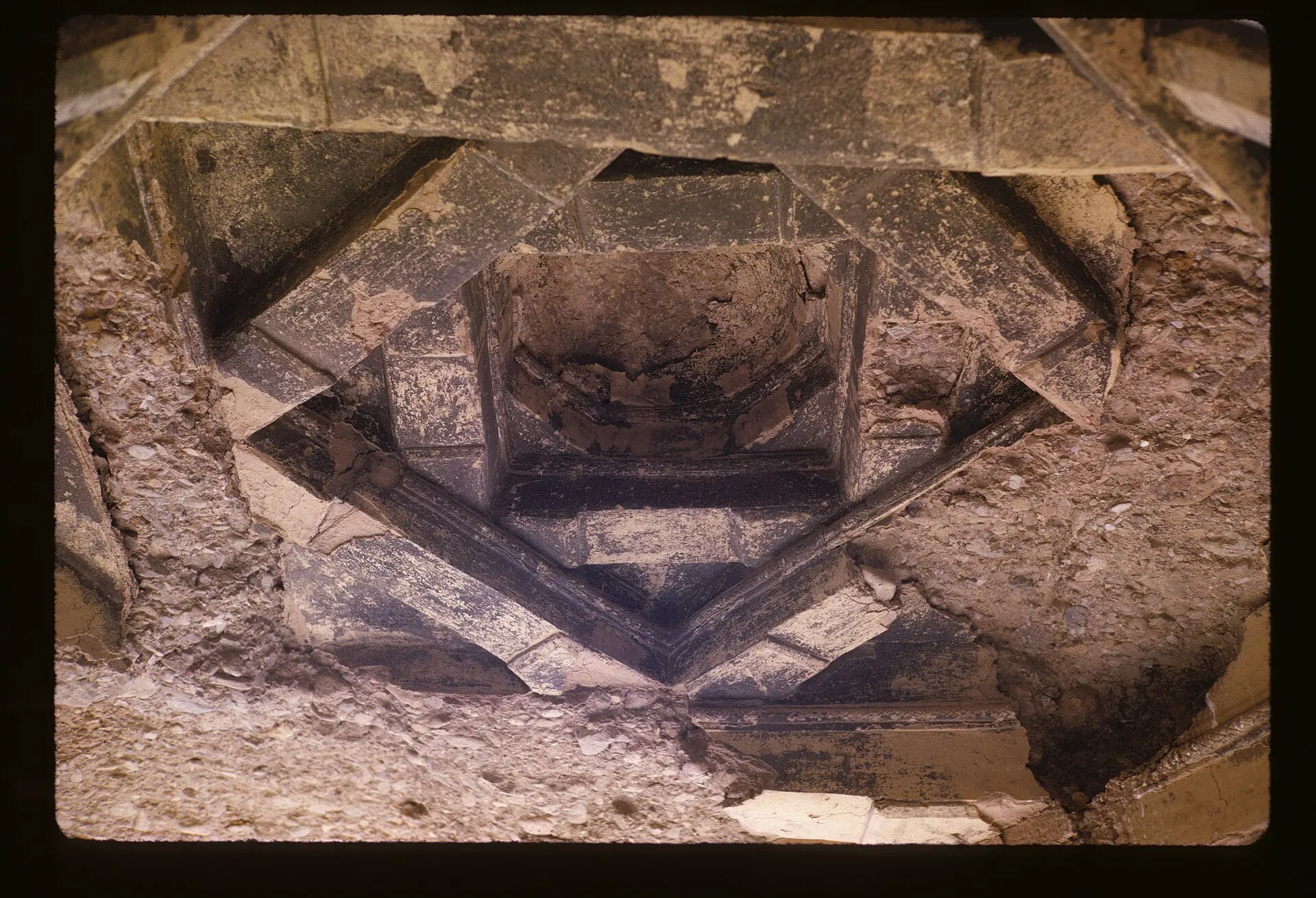
Bamiyan
Bamiyan lies in the central highlands, in a valley of cliffs and fields. Two enormous standing Buddhas, carved into the rock in the sixth century, were destroyed by the Taliban in 2001. The empty niches, caves and surrounding monastic remains remain a powerful, sombre sight and a base for visiting the nearby lakes.
Band-e Amir National Park
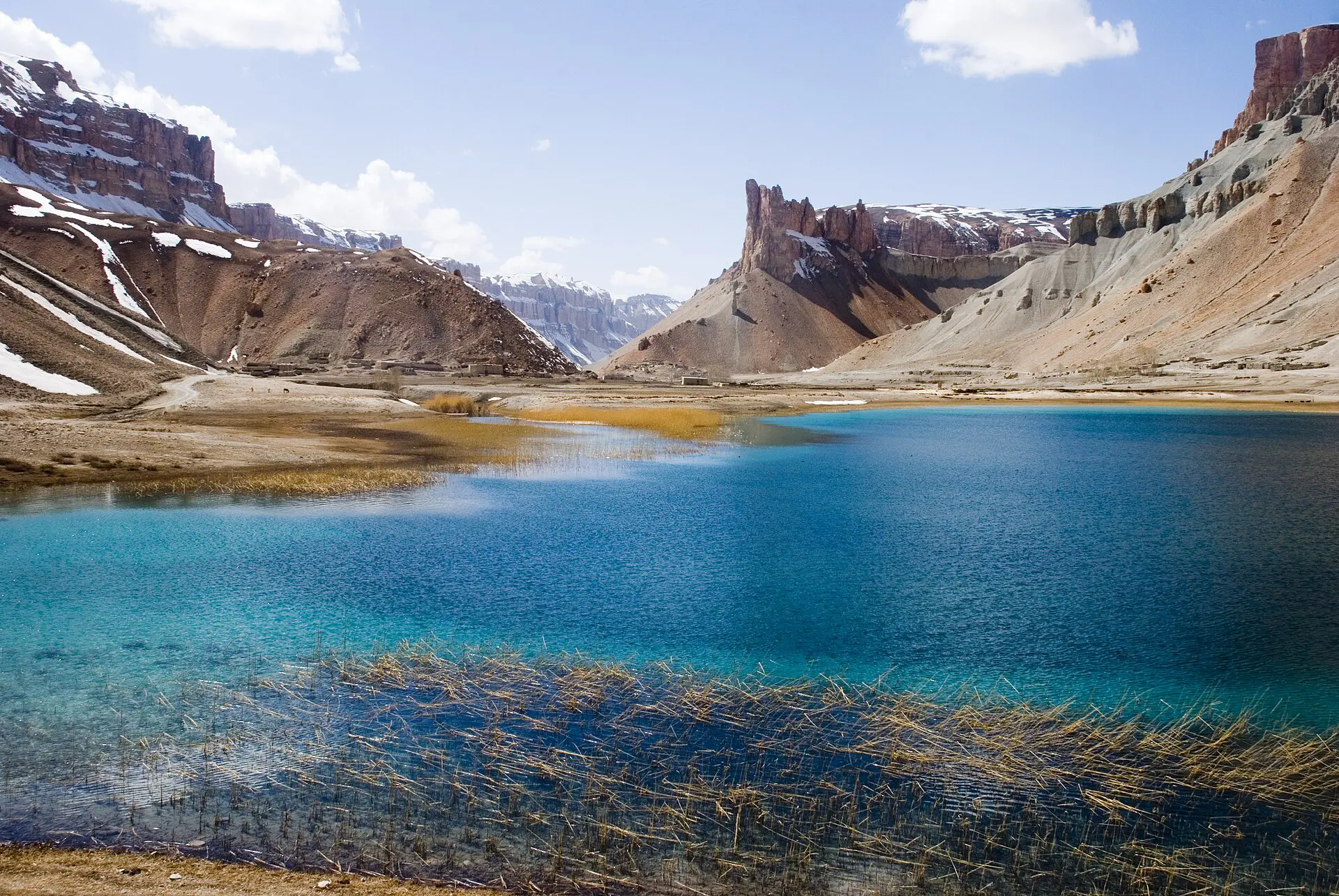
A chain of five strikingly turquoise lakes held back by natural mineral dams, set in dry mountains a few hours from Bamiyan. It was the country’s first national park and is the image most people associate with Afghan scenery.
Herat
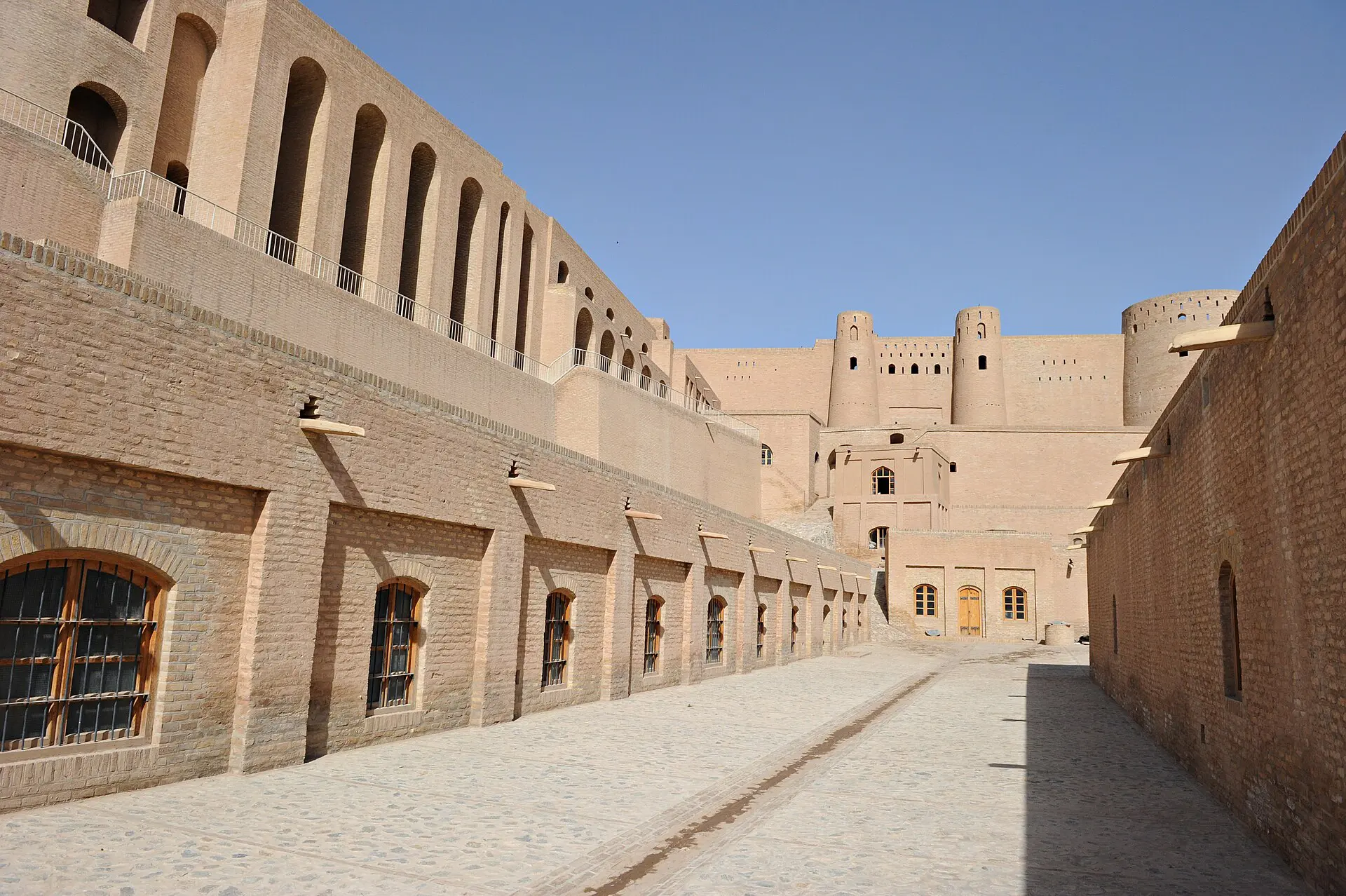
Herat, in the west, has a strongly Persian character. Its great Friday Mosque, the Citadel and the old bazaars reflect centuries as a centre of learning and trade, and it is the usual gateway for the remote Minaret of Jam.
Mazar-e Sharif
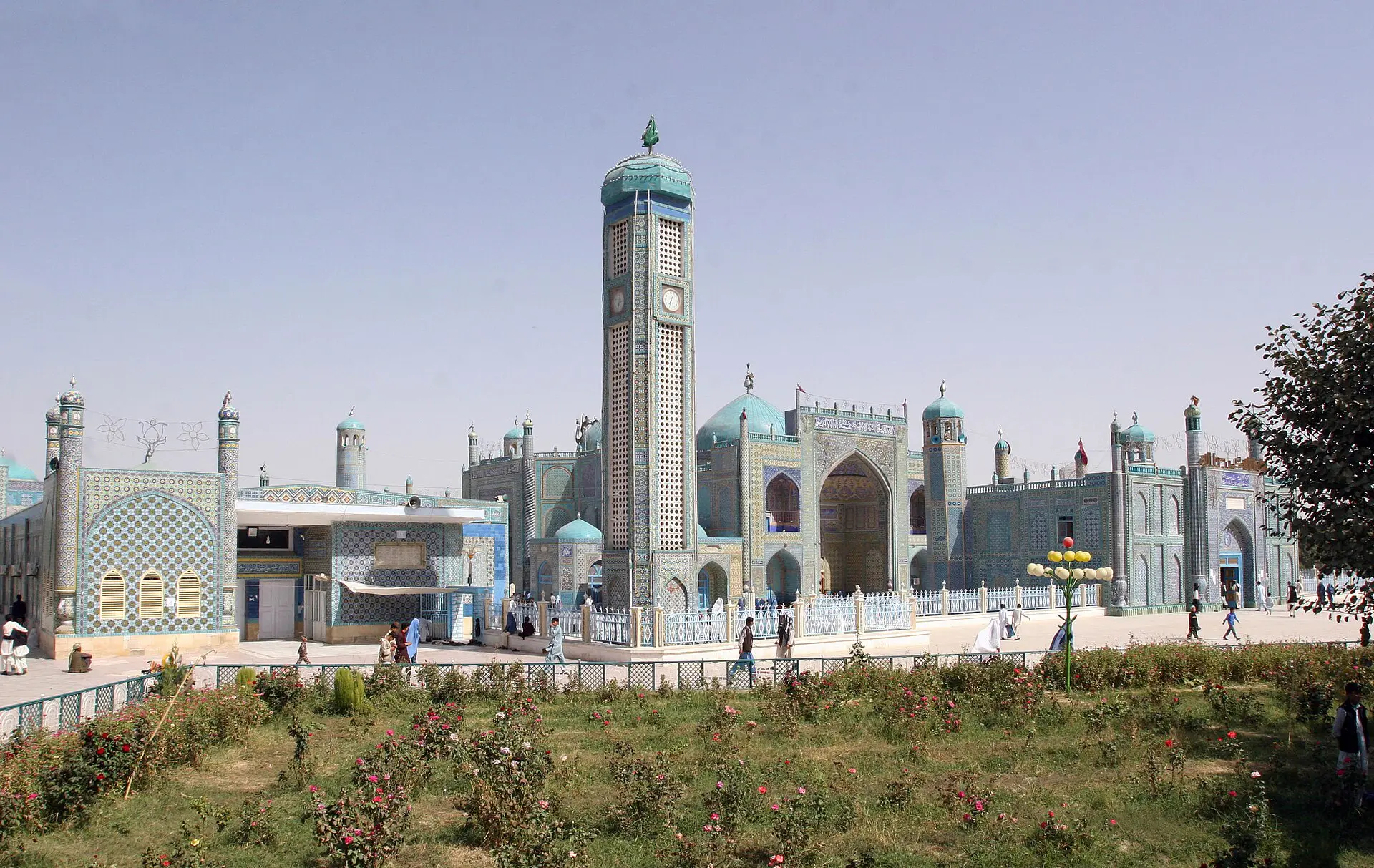
The Blue Mosque, covered in blue tiles, is the focus of this northern city, which is also the staging point for the Uzbek border. Mazar is the most liberal city after Kabul.
Kabul
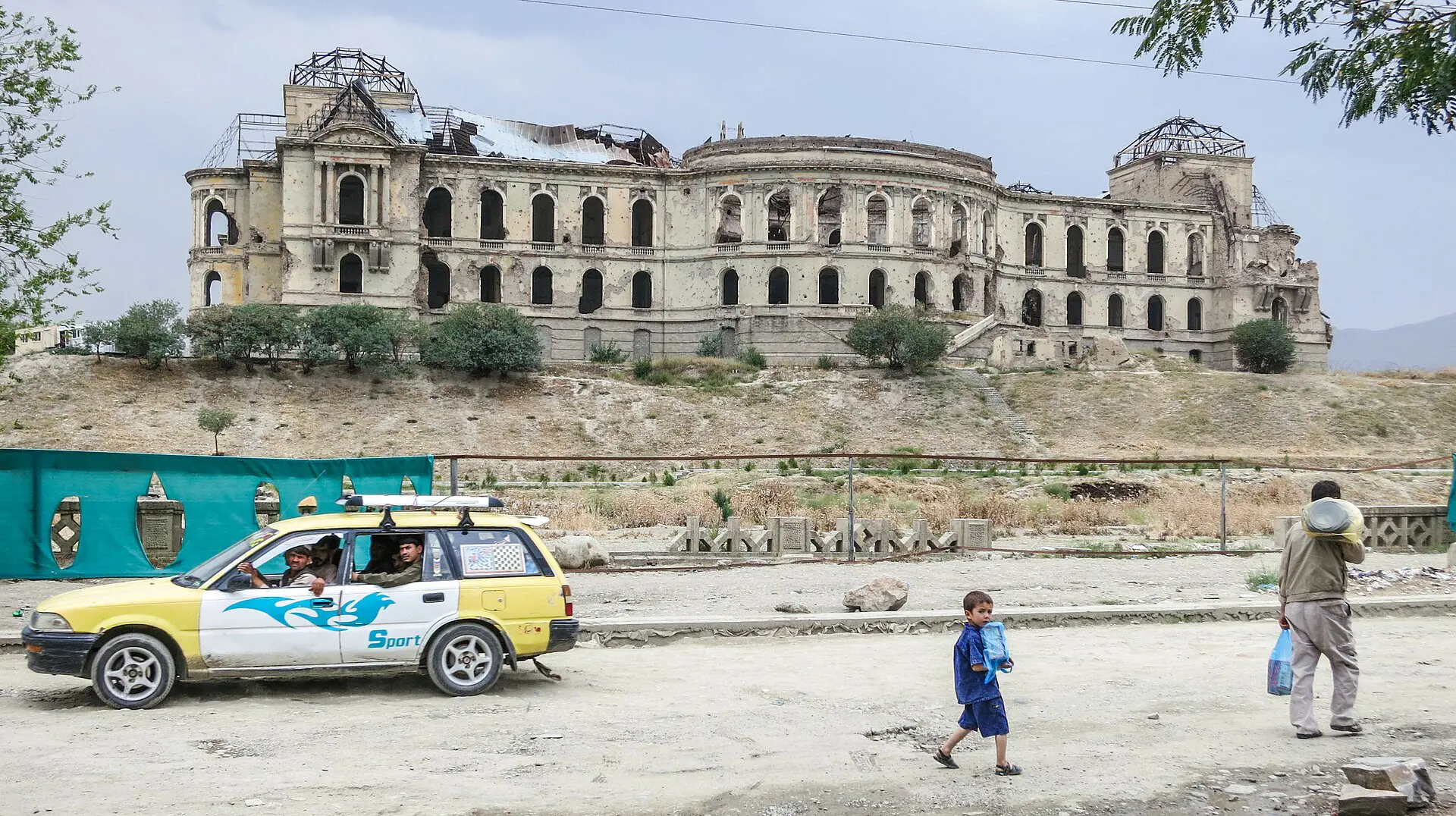
The capital holds the Gardens of Babur, the Darul Aman Palace and the National Museum, among other sites. Condition of sites and access vary, and security risks are highest here and in other major cities.
Panjshir Valley and Wakhan
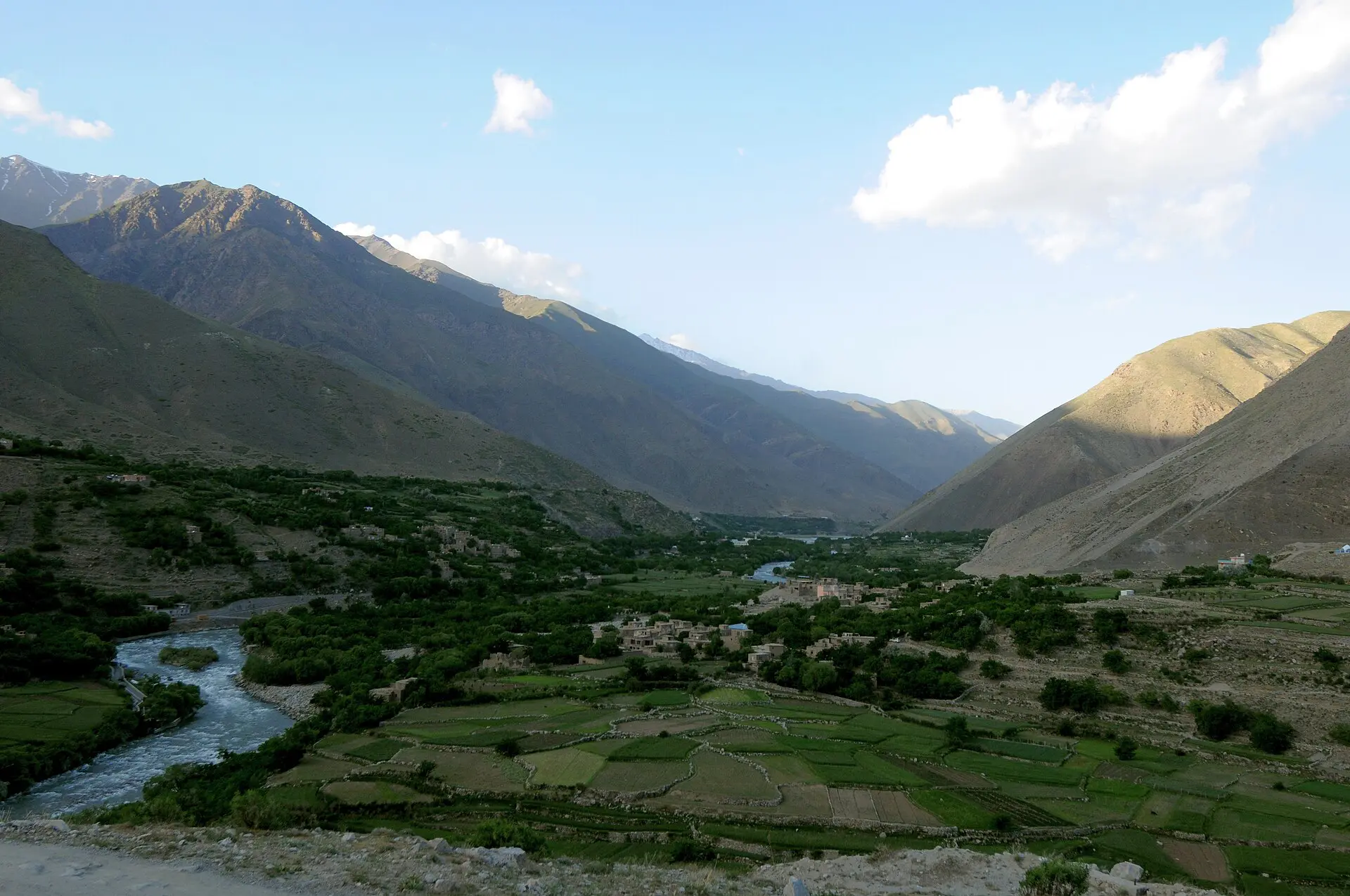
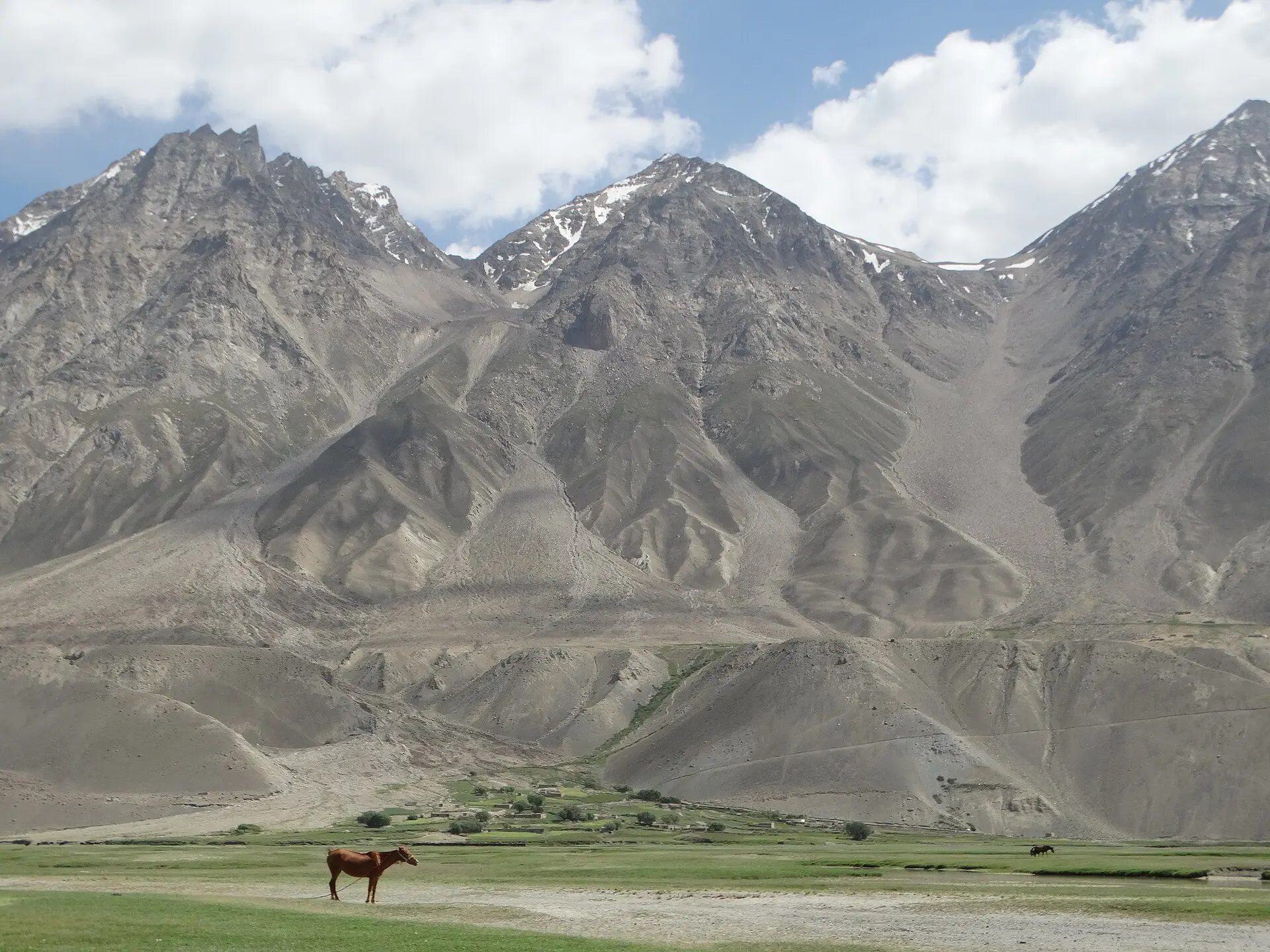
Panjshir is a trekking valley leading toward the Anjuman Pass, and the Wakhan corridor in the far northeast is among the most isolated mountain regions in Asia. Both are remote, with limited services and rescue.
Things to do in Afghanistan
Things to do in Afghanistan, in normal times, centre on heritage, mountains and markets. Today, these are best read as a picture of the country, since every government listing above warns against travelling for tourism.
- See the Bamiyan cliffs: walk among the cave dwellings and the empty niches of the destroyed Buddhas.
- Visit Band-e Amir: the lakes are the most photographed natural attraction in the country.
- Admire the Blue Mosque in Mazar-e Sharif: the tilework is best in morning light.
- Tour Herat’s Friday Mosque and Citadel: both show Timurid and later Persian influence.
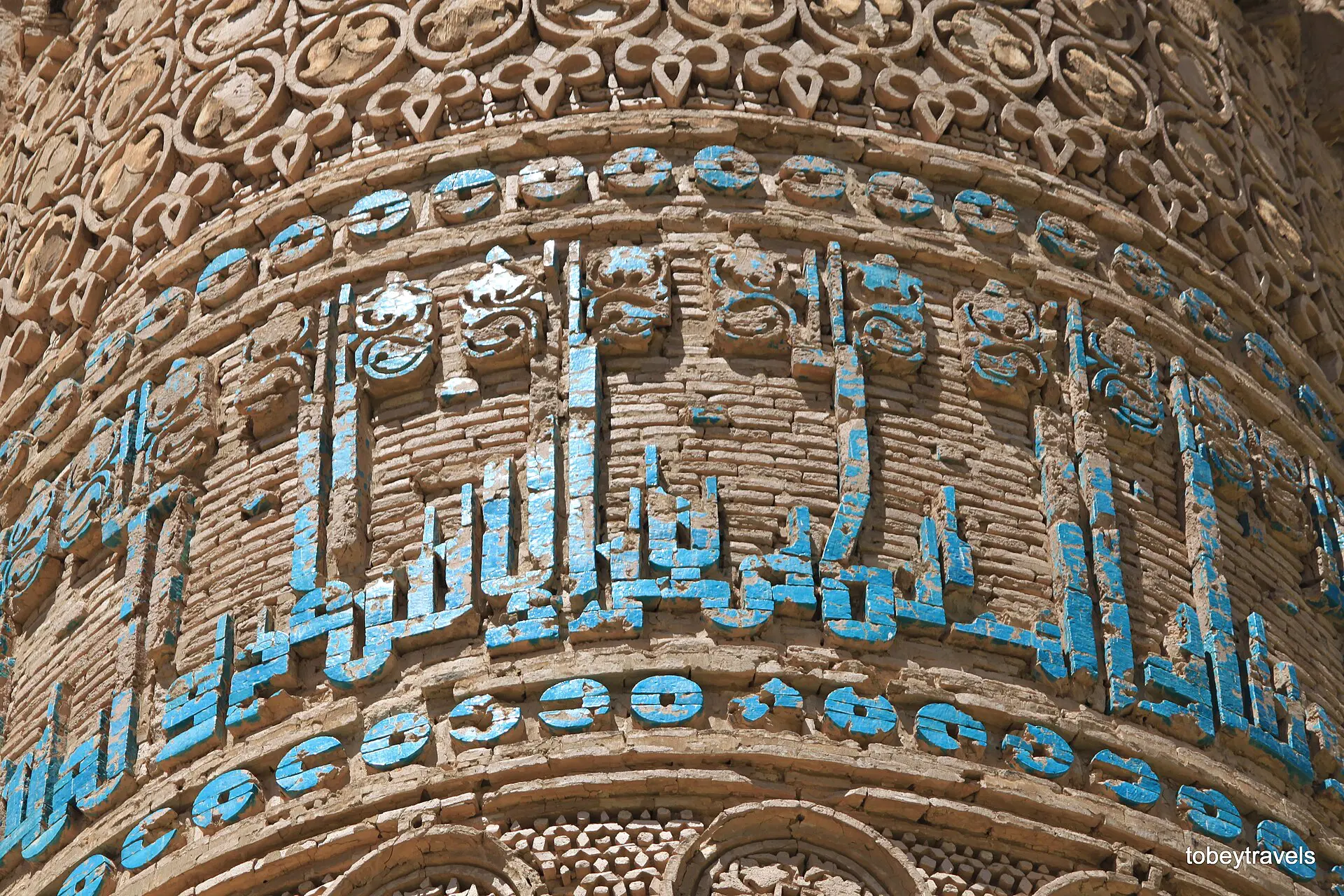
- Reach the Minaret of Jam: a twelfth-century brick tower in a remote river valley, listed as a UNESCO World Heritage site (see the UNESCO page for Afghanistan).
- Stroll the Gardens of Babur in Kabul: terraced gardens around the tomb of the first Mughal emperor.
- Browse bazaars: carpets, lapis lazuli, dried fruit and nuts are traditional buys.
- Trek in Panjshir or Wakhan: serious mountain routes that need guides, permits and strong contingency plans.
- Share a meal with a host family: hospitality is central to local culture.
Anyone considering these activities should check which areas their government names as especially dangerous, and should assume that evacuation or medical help may be unavailable.
Best time to visit Afghanistan
The best time to visit Afghanistan, if conditions ever allow it, is April to June and September to October, when temperatures are moderate and mountain passes are open. Safety is the larger question and does not follow the seasons: the risks described below apply all year.
| Season | Weather | Crowds and prices | Good for |
|---|---|---|---|
| Spring (Mar-May) | Cool to mild, rain and snowmelt | Few visitors; limited tourism services | Kabul, Herat, green valleys |
| Summer (Jun-Aug) | Hot and dry in lowlands, pleasant in highlands | Few visitors | Bamiyan, Band-e Amir, mountain trekking |
| Autumn (Sep-Nov) | Dry and mild, cooler nights | Few visitors | Cities, harvest fruit, long drives |
| Winter (Dec-Feb) | Cold with heavy snow at altitude | Few visitors | Little; passes such as Salang may close |
Kabul sits at around 1,800 metres, so winters there are cold, and high roads can be blocked by snow. Ramadan changes opening hours and meal availability, and daytime eating in public is considered disrespectful. Earthquakes are a recurring hazard in the Hindu Kush, regardless of the season.
Is Afghanistan safe?
No. Afghanistan is not safe for tourists, and the UK FCDO and other governments advise against all travel. Terrorism, armed conflict, arbitrary detention of foreigners and a near-absence of consular support are the main reasons. Check the Wikivoyage Afghanistan page for background and your own government’s page for the latest position.
Is Afghanistan safe to visit?
Is Afghanistan safe to visit for a short trip with a guide? The honest answer is still no. Attacks, including those claimed by Islamic State groups, have targeted public places, religious sites and foreigners, and the situation can change without warning. Travel insurance usually excludes countries under an all-travel warning, so a medical emergency could be financially ruinous as well as dangerous.
Detention and legal risk. Foreign nationals have been detained, sometimes for long periods, and diplomatic missions in the country are limited or absent.
Restrictions on women. Authorities have imposed wide limits on women’s work, education and movement. Female travellers and local female staff may face additional restrictions and risk.
Landmines and unexploded ordnance. Many areas remain contaminated. Never leave established paths or roads.
Health and disasters. Medical care is limited, and earthquakes, floods and drought are recurring hazards.
Afghanistan visa and entry requirements
Afghanistan visa rules depend on nationality and change often. Since March 2026 a tourist visa can be obtained entirely online as an eVisa for most travellers, with only a small number of countries restricted. Because policies have shifted several times, confirm the current process with the official Afghan authorities or the nearest Afghan diplomatic mission, rather than a third-party agent.
A visa does not make travel advisable. Your government may advise against travel, offer no consular help inside the country, and may restrict or discourage the use of your passport for entry. Check any rules that apply to your nationality for travel to areas under such warnings.
Practical points to confirm before any journey: passport validity (usually at least six months), proof of onward travel, any health requirements such as a polio vaccination certificate, and restrictions on photographing officials or infrastructure. Land crossings with Pakistan, Iran, Uzbekistan, Tajikistan and Turkmenistan have opened and closed repeatedly, so do not assume a border is open. Registration with local authorities on arrival may also apply.
Getting to and around Afghanistan
Kabul’s Hamid Karzai International Airport is the main international gateway, with regional links to cities such as Dubai, Istanbul and Delhi that vary by carrier and by year. Other airports, including Herat, Mazar-e Sharif and Kandahar, handle some domestic and regional flights. Schedules and airline availability are volatile, so verify them close to the date.
Land borders connect Afghanistan with Pakistan, Iran, Turkmenistan, Uzbekistan and Tajikistan, and a short border with China lies in the remote Wakhan corridor. Crossings can close at short notice, and some are dangerous. The Khyber Pass is historically the gateway between Afghanistan and the Indian subcontinent.
There is no passenger rail network to speak of. Travel within the country is by road or domestic flight. The Salang Pass and tunnel link Kabul to the north, but the road is steep, can close in winter and has a history of accidents. Roads between cities vary from good highway to rough track, and checkpoints are frequent. Inter-city travel by road carries risk of attack and kidnapping in many regions, so any movement outside a city needs expert local advice. Drivers drive on the right.
How much does a trip to Afghanistan cost?
A trip to Afghanistan cannot be priced like a normal holiday. The currency is the Afghan afghani (AFN), and everyday goods are cheap by international standards, but the costs that matter are security, guides, vehicles, permits and insurance. A trip planned under official advice, with no reliable medical or evacuation cover, could carry unlimited exposure.
- Everyday costs: simple food and basic guesthouse rooms are inexpensive compared with Europe or North America, though prices change with inflation and currency movements.
- Specialist costs: vetted local guides, drivers and protective arrangements can add up quickly and are the main budget item.
- Flights: limited competition means fares to Kabul can be high and unpredictable.
- Insurance: standard policies usually exclude countries under an all-travel warning, and specialist cover is costly and may be unavailable.
Banking is a serious practical issue. International sanctions and restrictions have limited the use of foreign cards and bank transfers, and travellers have generally had to carry cash in US dollars. Check current guidance on cash limits and exchange before travelling. Do not treat any figure in this guide as a budget.
Afghanistan food and drink
Afghanistan food is among the most appealing reasons to take an interest in the country, and it is the subject people search for most. The cuisine draws on Persian, Central Asian and South Asian traditions, built around rice, bread, lamb, yoghurt, fruit and nuts. Meals are shared, usually on a floor cloth, and hosts will keep offering more.
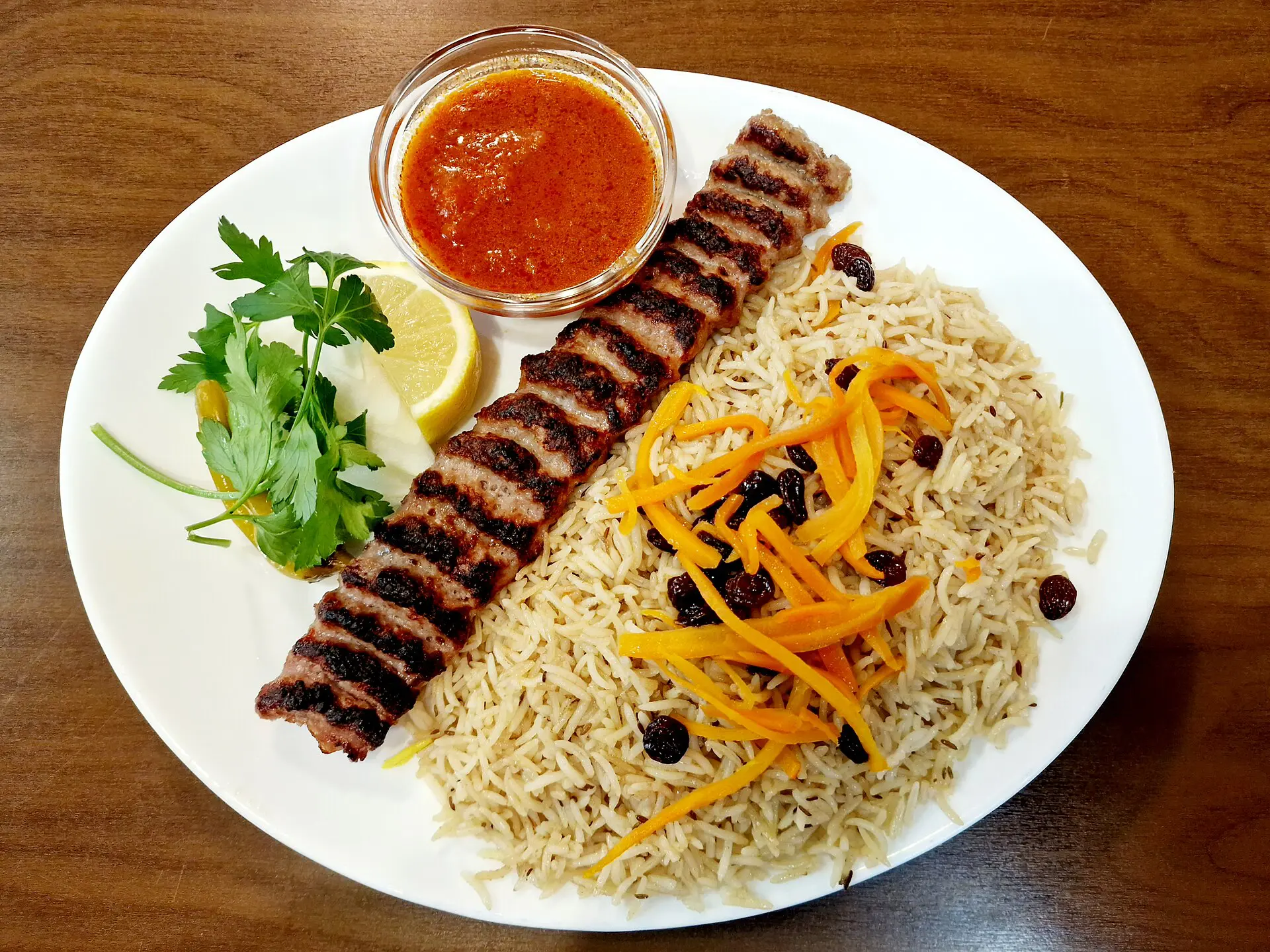
- Kabuli pulao: the national dish, rice cooked with lamb, topped with carrots, raisins and nuts.
- Mantu: steamed dumplings filled with spiced minced meat, served with yoghurt and a tomato-based sauce.
- Aushak: leek or scallion dumplings with yoghurt and a meat sauce.
- Bolani: a thin, fried flatbread stuffed with potato, pumpkin or leek.
- Kebabs: lamb or chicken grilled over charcoal and eaten with fresh naan.
- Naan: long oven-baked bread that comes with nearly every meal.
- Tea and dogh: green and black tea are constant, and dogh is a salted yoghurt drink.
- Firni: a milk pudding flavoured with cardamom and rosewater.
Afghanistan is a Muslim-majority country and alcohol is effectively unavailable. Vegetarians can eat bread, rice, beans, vegetables, bolani and dairy, but meat is central to most celebratory meals. Drink bottled or treated water, and be careful with raw salads.
Culture, language and etiquette in Afghanistan
Dari and Pashto are the main languages, with Turkmen and others spoken regionally, and Dari serves as a common language in many cities. English is limited outside the capital and among younger educated people. A few words go far: salaam (hello), tashakor (thank you) and khuda hafiz (goodbye).
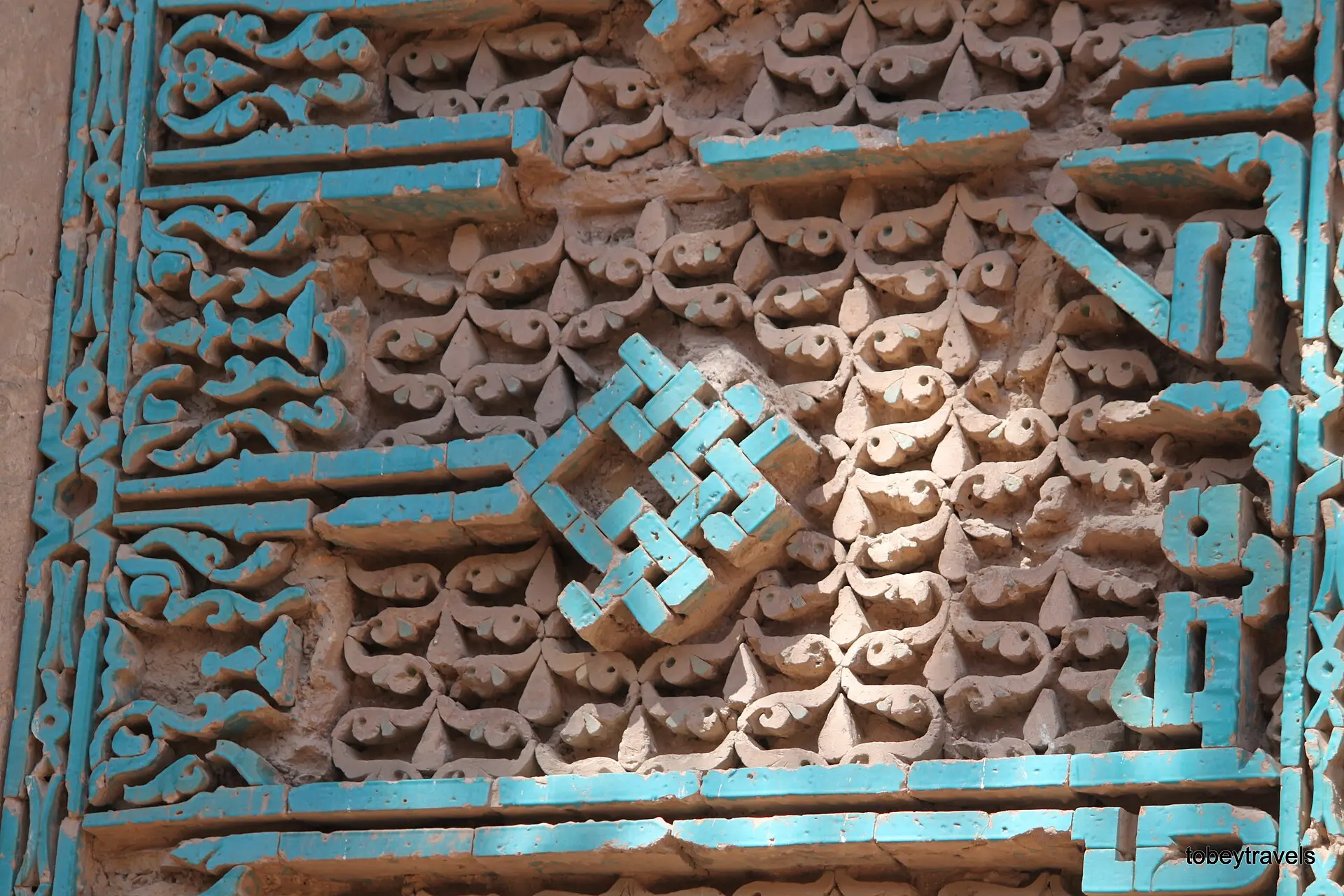
The main ethnic groups are Pashtuns, Tajiks, Hazaras and Uzbeks, and Islam, mostly Sunni with a Shia minority, shapes daily life. Regions differ strongly, and what is normal in Herat or Mazar-e Sharif may not be in Kandahar. Hospitality is a point of honour, and visitors are often invited to eat or stay. visitors may be treated warmly even after cultural mistakes.
Dress conservatively: long sleeves and trousers for men, and for women full coverage and a headscarf, with current rules stricter than before 2021. Use the right hand for eating and greeting, remove shoes indoors and avoid public displays of affection. Men and women who are not related generally do not shake hands, and a man should wait for a woman to offer. Ask before photographing people, especially women, and never photograph military sites, officials or checkpoints. Avoid discussing politics, religion or recent conflict unless your host leads the conversation.
Afghanistan itinerary: why a 7-day route is not advisable
We do not recommend an Afghanistan itinerary. Governments advise against all travel, there is no region that can be called reliably safe, and a route published here could send readers toward risks they cannot manage. Anyone who must travel, for example journalists or aid workers, should rely on the security advice of their employer and not on a general guide.
For readers who want to understand the country, here is a seven-day study plan that can be done from home instead.
- Day 1, Kabul: read about the Gardens of Babur and the Darul Aman Palace, and how the capital developed.
- Day 2, Bamiyan: study the Buddhist history of the valley and the destruction of the statues in 2001.
- Day 3, Band-e Amir: look up how the travertine dams formed and why the park matters for conservation.
- Day 4, Herat: explore Timurid architecture and the Persian literary tradition associated with the city.
- Day 5, Mazar-e Sharif and Balkh: read about ancient Bactria and the Blue Mosque.
- Day 6, Minaret of Jam: follow the UNESCO documentation on the Ghurid monument.
- Day 7, Food and craft: cook Kabuli pulao or mantu at home.
If you later want a regional trip with similar themes, Uzbekistan, Tajikistan and Armenia are far better supported options.
Practical tips for Afghanistan
If you are researching or have a professional reason to go, these practical points apply. They do not make travel advisable.
- Advice first: read the current UK FCDO, US State Department and your own government’s pages, and register your plans if the system allows.
- Money: the currency is the afghani, but US dollars are widely used for larger payments. Foreign cards generally do not work, so cash is the norm. Carry only what you need and keep it hidden.
- SIM and connectivity: local SIM cards exist but registration rules and coverage vary. Roaming is unreliable. Satellite communication may be needed in remote areas.
- Plugs: types C and F at around 220 V are common; power cuts are frequent, so carry a power bank.
- Tipping: not expected, though small gifts or thanks to drivers and guides are appreciated.
- Health: check vaccinations, including routine, hepatitis A and typhoid, with a travel clinic. Bring a full medical kit, since pharmacies may lack common medicines.
- Packing: modest layered clothing, sturdy shoes, a warm layer for altitude nights, a headscarf for women and copies of documents.
- Communication: leave your itinerary with a trusted contact and agree regular check-ins.
For wider background, see the Wikivoyage Afghanistan guide.
FAQ
Q1Is Afghanistan safe?
No. The UK and several other governments advise against all travel to Afghanistan. The main risks are terrorism, armed conflict, arbitrary detention of foreigners, landmines and very limited consular help. Insurance often excludes the country, so a medical emergency would be especially serious. Check your own government's current advice.
Q2What is Afghanistan food like?
Afghanistan food combines Persian, Central Asian and South Asian influences. Typical dishes include Kabuli pulao (rice with lamb, carrots and raisins), mantu dumplings, aushak, bolani flatbread and charcoal kebabs, all served with fresh naan and tea. Fruit and nuts are widely eaten, and alcohol is generally unavailable.
Q3What are the best things to do in Afghanistan?
Traditional highlights include the Bamiyan valley, the Band-e Amir lakes, the Blue Mosque in Mazar-e Sharif, Herat's Friday Mosque and the Minaret of Jam. They are described here for information only, because governments currently advise against travel for tourism.
Q4Is Afghanistan safe to visit for tourists?
Not at present. Governments advise against all travel, including tourism, and foreigners have been detained. Women face extra restrictions. If your government's advice changes, reassess with up-to-date guidance and specialist local security support, not a general guidebook.
Q5Can you get an Afghanistan visa online?
Since March 2026 most travellers can apply for a tourist eVisa online, with a few countries excluded. Rules change often, so confirm with official Afghan authorities. A visa does not mean your government considers travel safe, and consular help may not be available.
Q6What is the best time to visit Afghanistan?
April to June and September to October bring milder weather and open mountain passes. Summer suits highland areas such as Bamiyan, while winter brings heavy snow and road closures. Season does not change the security risks, which remain high all year.
Q7Can women travel to Afghanistan?
Authorities have placed wide restrictions on women's movement, work and dress, and government advisories warn that female travellers may face additional risks. Anyone considering travel should consult official advice and local specialists, and should be prepared for rules that differ sharply between regions and can change quickly.