Why visit Marshall Islands
The things to do in Marshall Islands are quiet ones: diving, snorkelling, boat trips and time on remote coral islands. The country spreads 29 atolls and five isolated islands across a huge area of the Pacific, and about 98 percent of its territory is water, according to the Wikipedia overview. Fewer than 70,000 people live here, and about half of them live on Majuro, the capital.
It suits experienced and self-reliant travellers: scuba divers, history readers interested in World War II and Cold War nuclear testing, and people who prefer places with almost no tourist infrastructure. It is not a place for sightseeing in the usual sense, since the islands are low coral strips and there are no big monuments. Flights are infrequent, accommodation is limited and prices are high. Plan early, and expect to be flexible when schedules change.
Best places to visit in Marshall Islands
The best places to visit in Marshall Islands are few, but each has a distinct character.
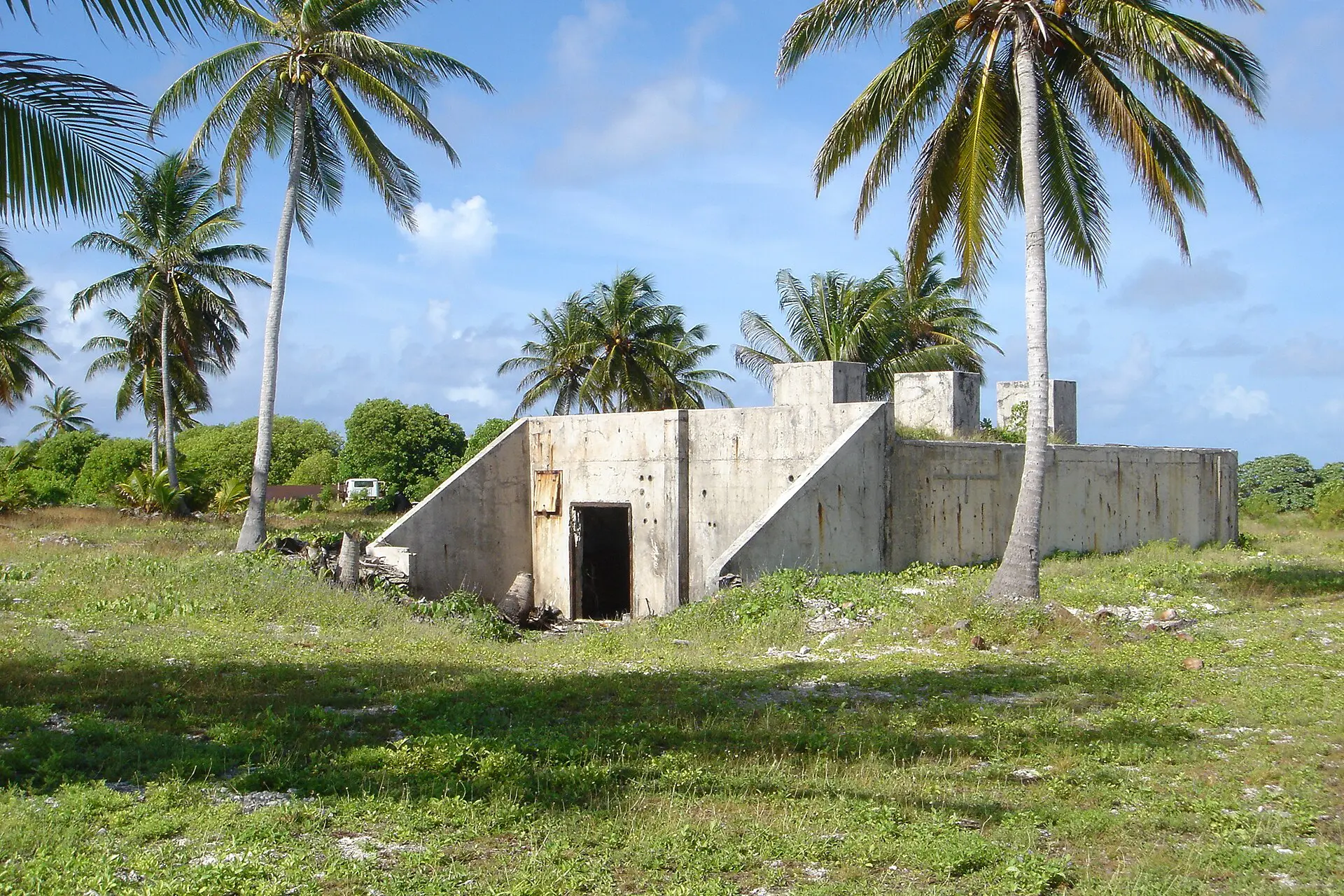
Majuro
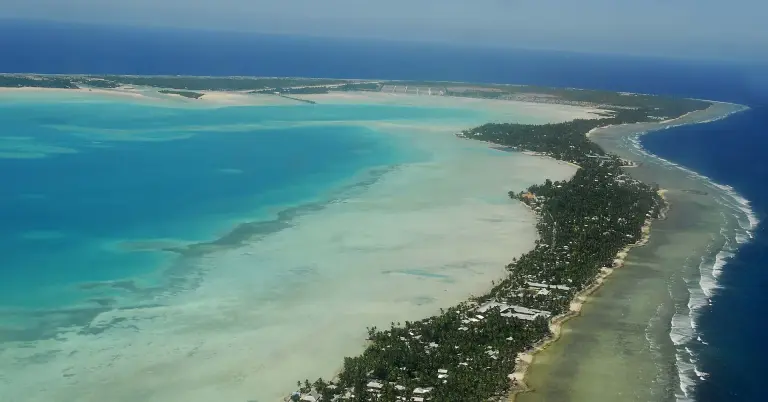
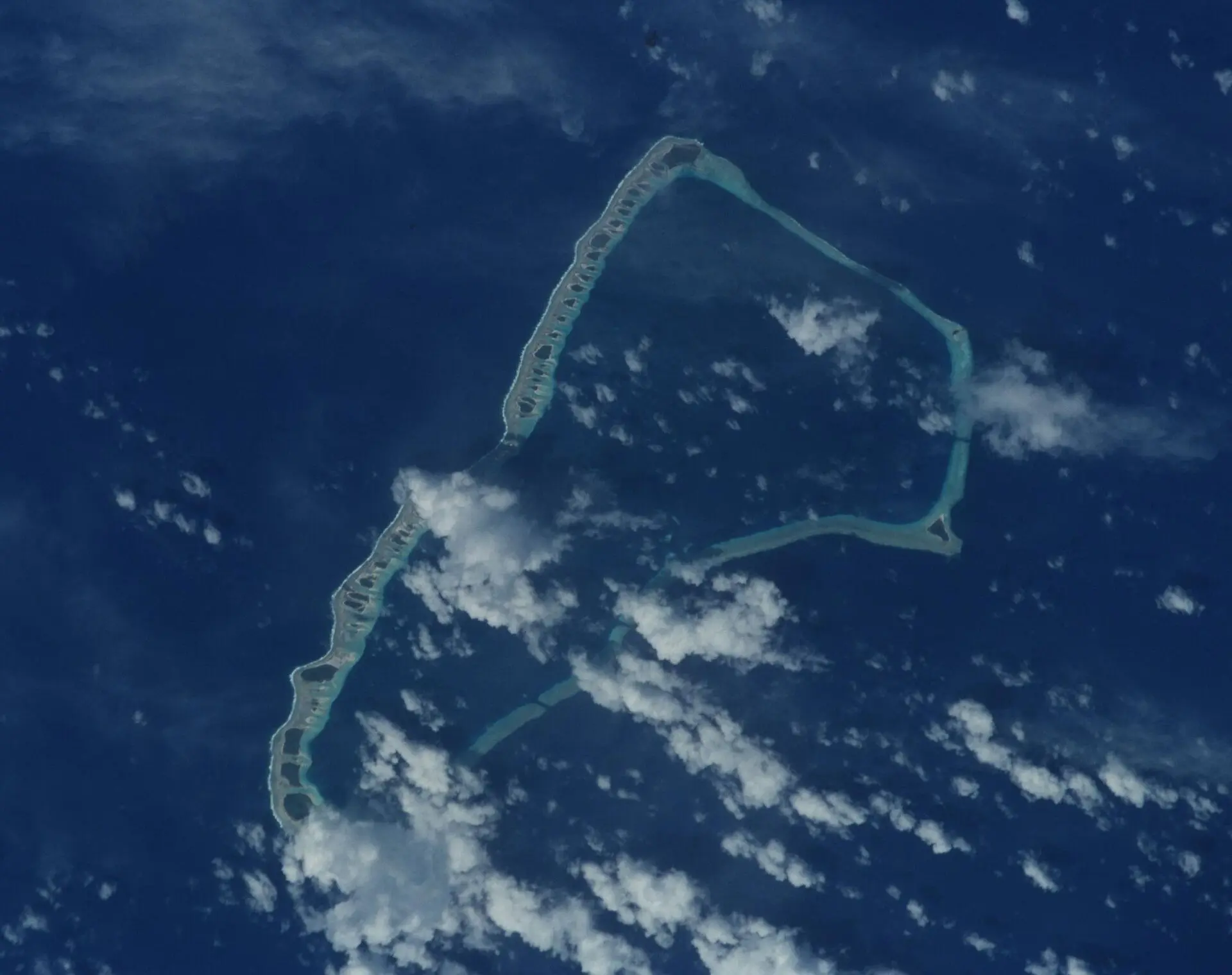
Majuro Atoll is the capital and the main gateway, a long strip of land between lagoon and ocean. Most hotels, restaurants and the main airport are here, and the lagoon side has beaches and snorkelling. Roads run most of its length, and the towns of Delap, Uliga and Djarrit form the centre.
Arno Atoll
Arno lies a short boat or flight trip from Majuro and has quiet villages, lagoon swimming and fishing. It is the most common outer-atoll visit for travellers with a few days to spare.
Bikini Atoll
Bikini, a UNESCO World Heritage site, was the site of US nuclear tests from 1946 to 1958. Dive trips to the sunken warships have been run in recent years under special arrangements and permits, and visitors cannot simply turn up.
Kwajalein and Ebeye
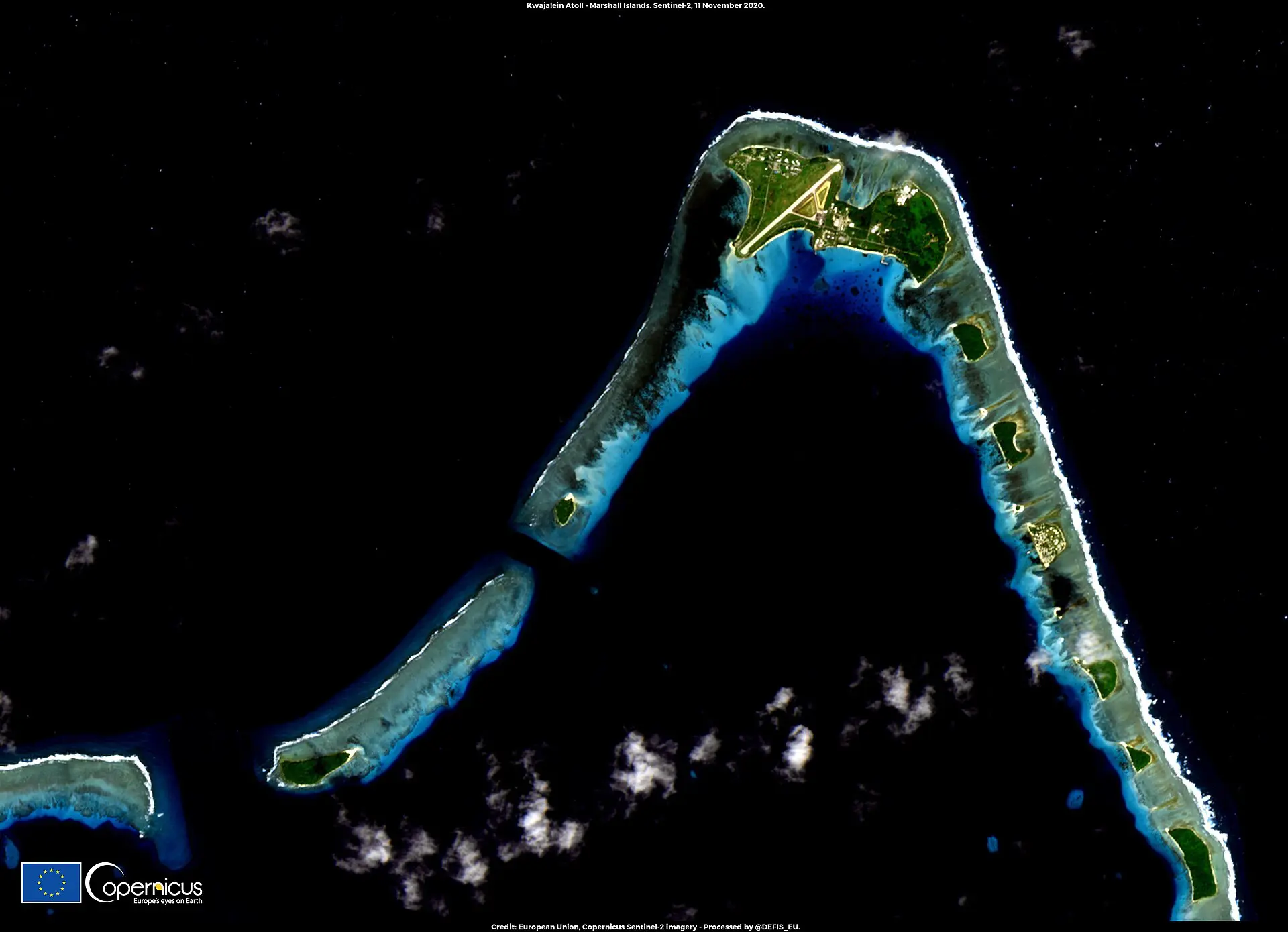
Kwajalein is a US military base and missile test range with restricted access. Ebeye, nearby, is one of the most densely populated islands in the Pacific.
Jaluit and Mili
These southern atolls have wartime relics and German-era history, and they can be visited only with advance planning, since accommodation and flights are limited.
Top things to do in Marshall Islands
The top things to do in Marshall Islands are built around the lagoons and the history, and most need some planning.
- Dive wartime wrecks: the lagoons hold Japanese and American shipwrecks, and Bikini Atoll’s sunken warships draw experienced divers on arranged trips.
- Snorkel the Majuro lagoon: clear water, coral heads and reef fish are a short boat ride from town.
- Visit an outer atoll: Arno and others offer village stays, quiet beaches and a look at traditional life.
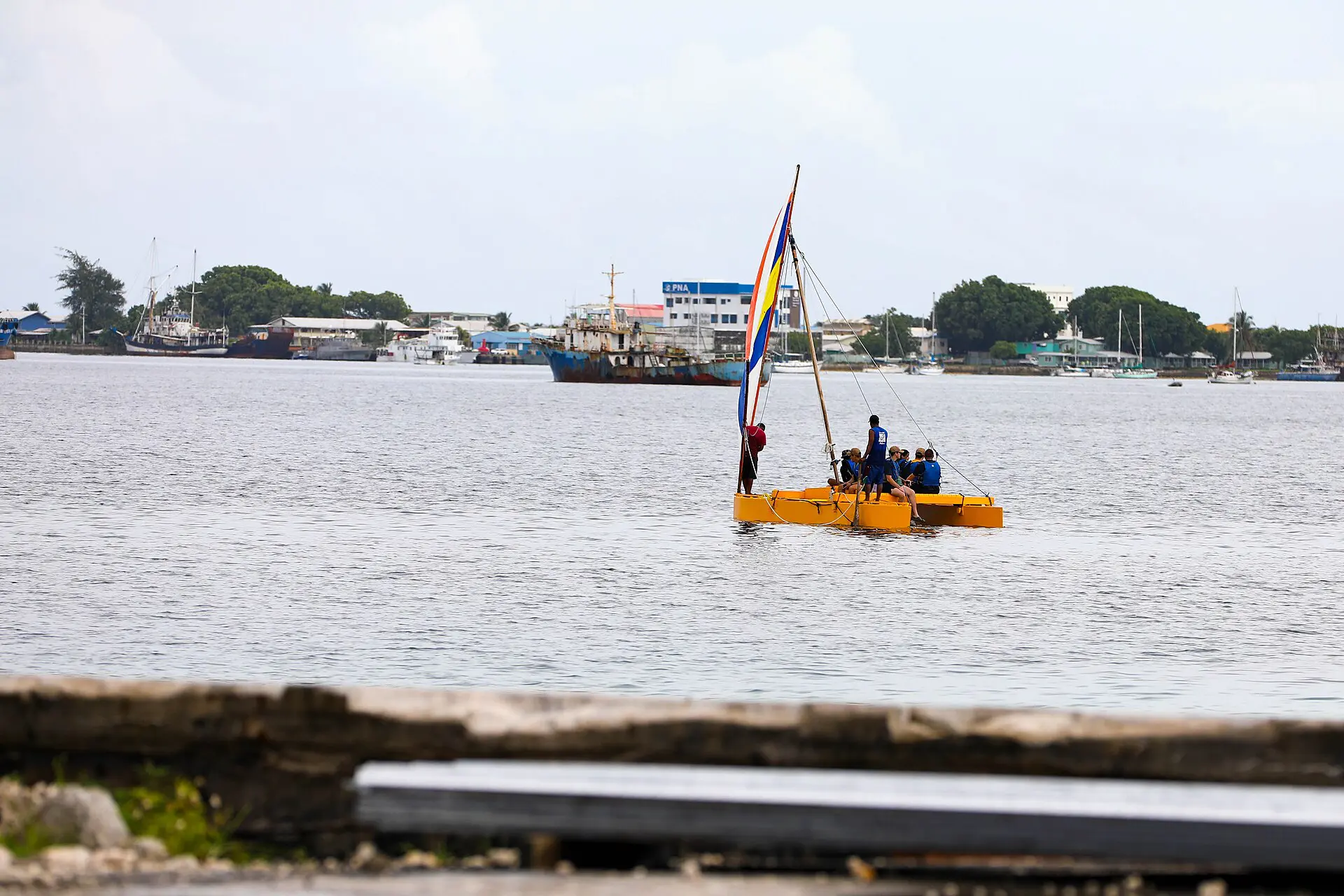
- See a traditional canoe: Marshallese outrigger sailing canoes are among the fastest in the Pacific, and some events show them off.
- Visit the Alele Museum: in Majuro, it holds exhibits on Marshallese culture, history and navigation.
- Learn about stick charts: Marshallese navigators made charts from sticks and shells to read ocean swells.
- Fish for tuna and wahoo: sportfishing charters run from Majuro, with local captains.
- Walk to wartime relics: old bunkers, guns and wrecks are scattered across several atolls.
- Windsurf and kitesurf: trade winds and flat lagoons suit both, mainly from December to April.
- Learn about nuclear legacy: museums and talks explain the testing years and their impact on communities.
Best time to visit Marshall Islands
The best time to visit Marshall Islands is December to April, when the weather is drier, the trade winds are steady and lagoon visibility is good. The wetter season runs from about May to November, with more humidity, heavier showers and more variable winds. Temperatures stay around 27 to 31 C all year, and the islands lie on the edge of the typhoon belt, so storms are occasionally a risk, mainly later in the year.
| Season | Weather | Crowds and prices | Good for |
|---|---|---|---|
| Dec-Apr | Drier, breezy, hot | Few visitors; prices steady | Diving, snorkelling, windsurfing |
| May-Jul | Wetter, humid, calm days | Very few visitors | Fishing, quiet stays |
| Aug-Nov | Wettest, occasional storms | Very few visitors | Cultural visits, low rates |
Flights and boat schedules matter more than the season for most trips, and weather delays are common. Outer-atoll boats and flights can be cancelled at short notice, so build slack into your plans and avoid tight international connections.
Is Marshall Islands safe to visit?
Yes, Marshall Islands is safe for most visitors, and serious crime against tourists is uncommon. The main risks are medical, environmental and logistical rather than criminal. Check the UK FCDO, the US State Department or your own government’s travel advice before you go.
Health care. Medical facilities are basic, and serious cases normally need evacuation to Hawaii, Guam or elsewhere, which is expensive. Buy travel insurance with evacuation cover. Dengue has caused outbreaks, so use repellent. Ciguatera, a fish poisoning, can occur with some reef fish, so ask locals which species to avoid.
Restricted areas. Some atolls are off limits because of US military use or nuclear contamination, including Enewetak and parts of Bikini and Rongelap. Follow rules and use authorised operators. Kwajalein needs prior permission.
Sea and weather. Currents in lagoon passes are strong, and storms and king tides can flood low islands. Tap water is not always safe, so drink bottled or treated water.
Everyday safety. Petty theft can occur in Majuro, so lock rooms and watch belongings. Avoid walking in unlit areas late at night.
Marshall Islands visa and entry requirements
Marshall Islands visa rules depend on your nationality. Everyone needs a valid passport. Citizens of the United States and its territories, the Federated States of Micronesia, Palau, the Schengen area and Pacific Islands Forum countries, including Australia and New Zealand, have generally been able to enter without a visa. Visitors from several other countries, such as Japan and South Korea, have been issued a visa on arrival for stays up to 30 days.
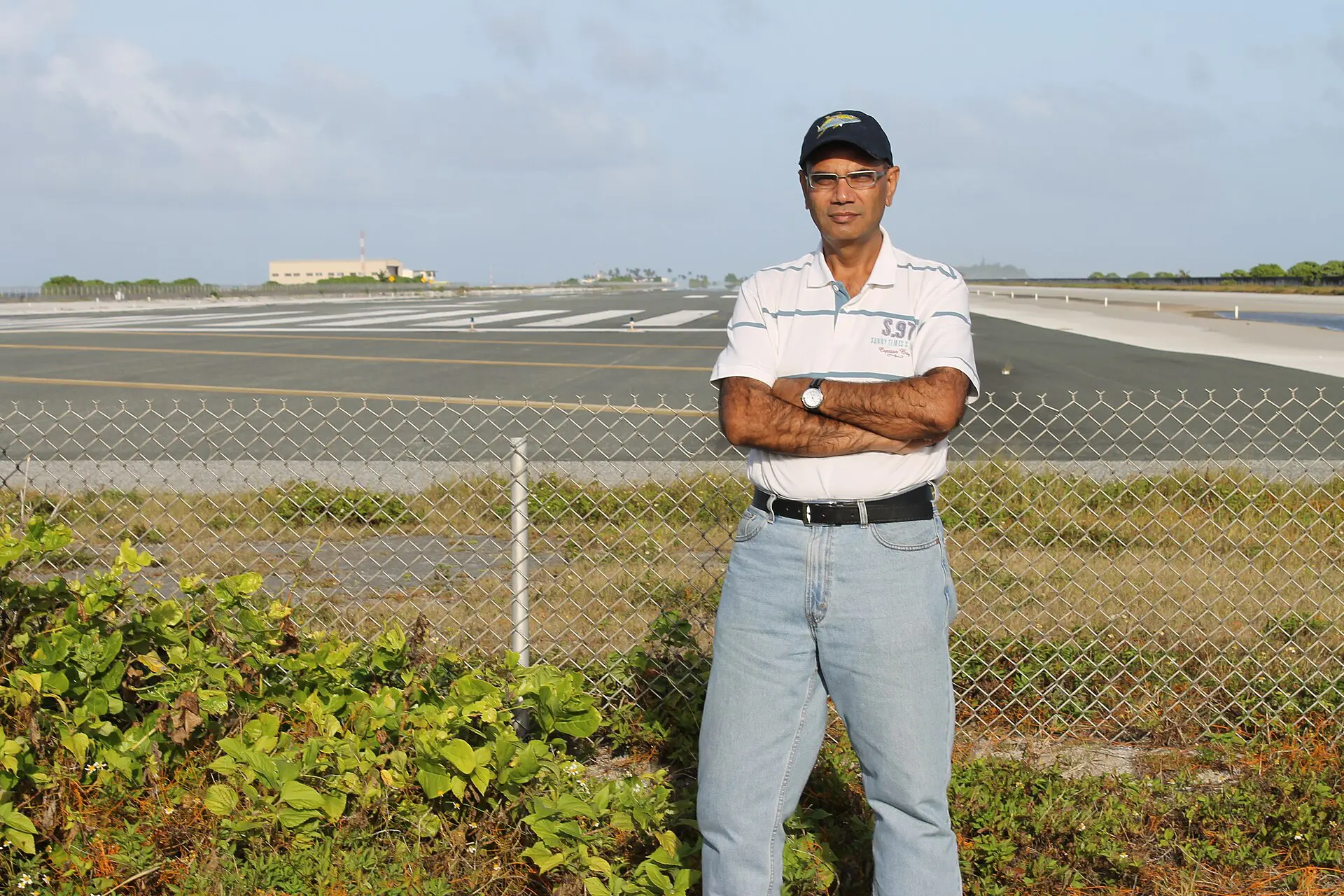
Visitors normally need a return or onward ticket, proof of accommodation and a passport valid for at least six months. Citizens of other countries should apply in advance. Rules change, so confirm the current requirement with the Marshall Islands authorities or your nearest embassy.
Special permission is needed to visit Kwajalein, Bikini and certain other restricted atolls. Outer-atoll travel may also need local approval, and a tour operator or local host can help. Customs rules control some food, plants and animal products. The UNESCO page for Marshall Islands lists the Bikini Atoll nuclear test site, though it does not cover entry rules.
Getting to and around Marshall Islands
Most visitors arrive at Amata Kabua International Airport in Majuro. Flights have mainly come via the Pacific island-hopper service that links Honolulu, Majuro, Kwajalein, Micronesia and Guam, and the trip from Honolulu takes roughly four to five hours. Flights are infrequent, and some arrive late at night, so check days of the week and confirm accommodation pick-up.
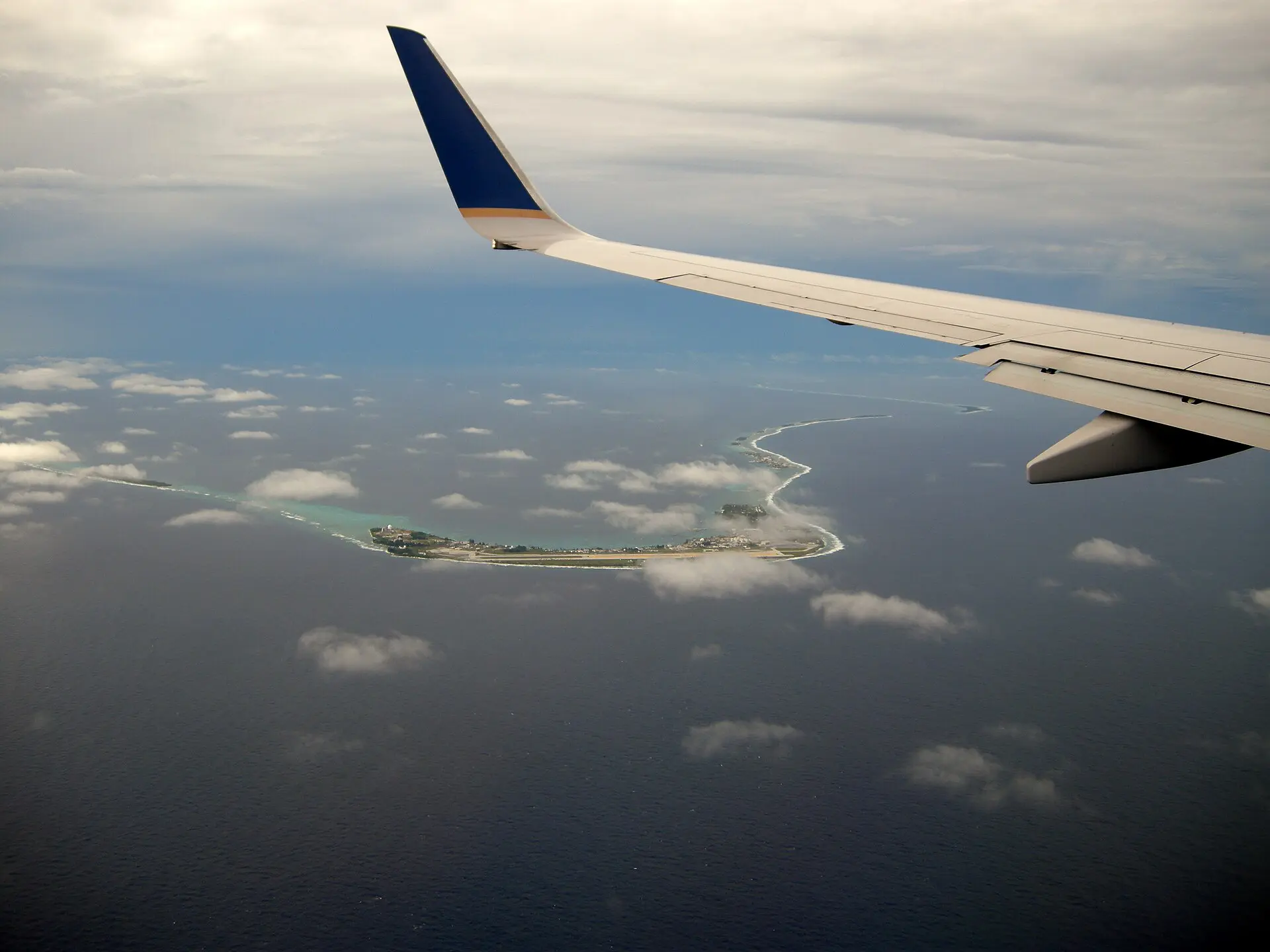
Majuro has one main road running along the atoll, with taxis, minibuses and some rental cars. Shared taxis are cheap and run all day, and you can usually flag one down. Ebeye and Kwajalein are linked by flights and ferry services, but visiting Kwajalein needs special permission.
Outer atolls are reached by small domestic aircraft or by field-trip ships, which are slow cargo and passenger vessels with irregular schedules. Domestic flights have been limited and can be cancelled. Private boats can be arranged for lagoon trips, and travelling on them requires good weather. Allow extra days at each end of your trip, and carry some cash, because outer islands have no banks or ATMs.
How much does a trip to Marshall Islands cost?
Marshall Islands is expensive for what it offers, because most food and goods are imported and the tourism sector is small. The currency is the US dollar (USD). Figures below are rough per-person guides for 2026 in Majuro, and they change.
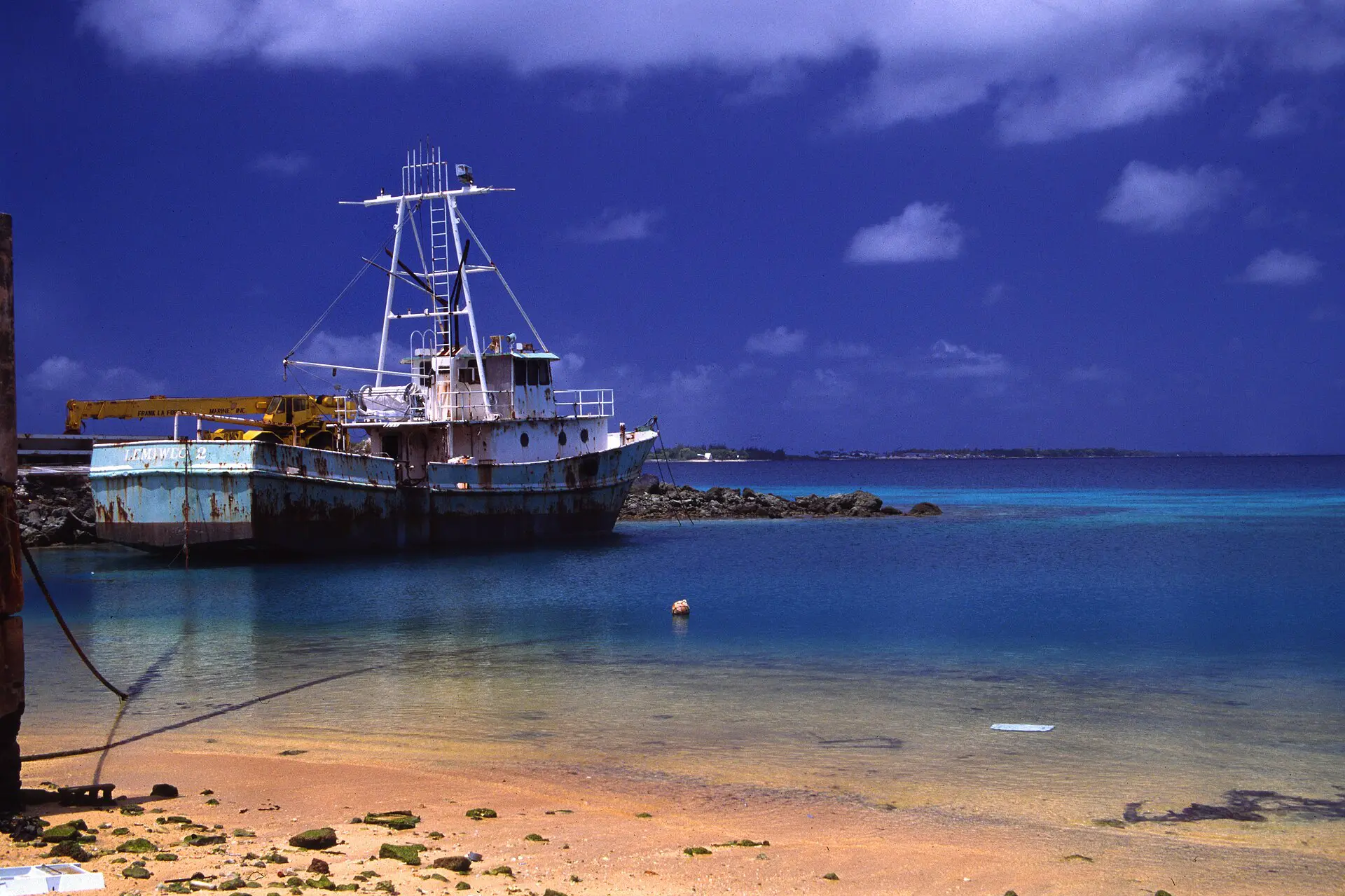
- Budget: around USD 90 to 150 per day, with a basic room, simple local meals, shared taxis and no excursions.
- Mid-range: around USD 150 to 250 per day, with a decent hotel, restaurant meals and a boat trip or dive.
- High-end: from around USD 350 per day, with the best available rooms, charters and guided trips.
Flights are the largest expense, often costing more than the rest of the trip. Dive trips, boat charters, domestic flights and outer-atoll stays are priced individually and can be much more. Restaurants charge high prices for imported meat and produce, but local fish and rice dishes are cheaper. Special-access trips, such as Bikini diving, are the most expensive and are normally sold in packages. Bring enough cash, since some places do not take cards.
Marshall Islands food and drink
Marshall Islands food draws on the sea, coconut and a few hardy crops that grow on coral soil. Today, imported rice, canned meat and processed food make up a large part of the daily diet, which has contributed to very high rates of diabetes and obesity. In Majuro you will also find Asian, American and Pacific restaurants.
- Fresh fish: tuna, mahi-mahi and reef fish, grilled, fried, or eaten raw with lime, are the best meals available.
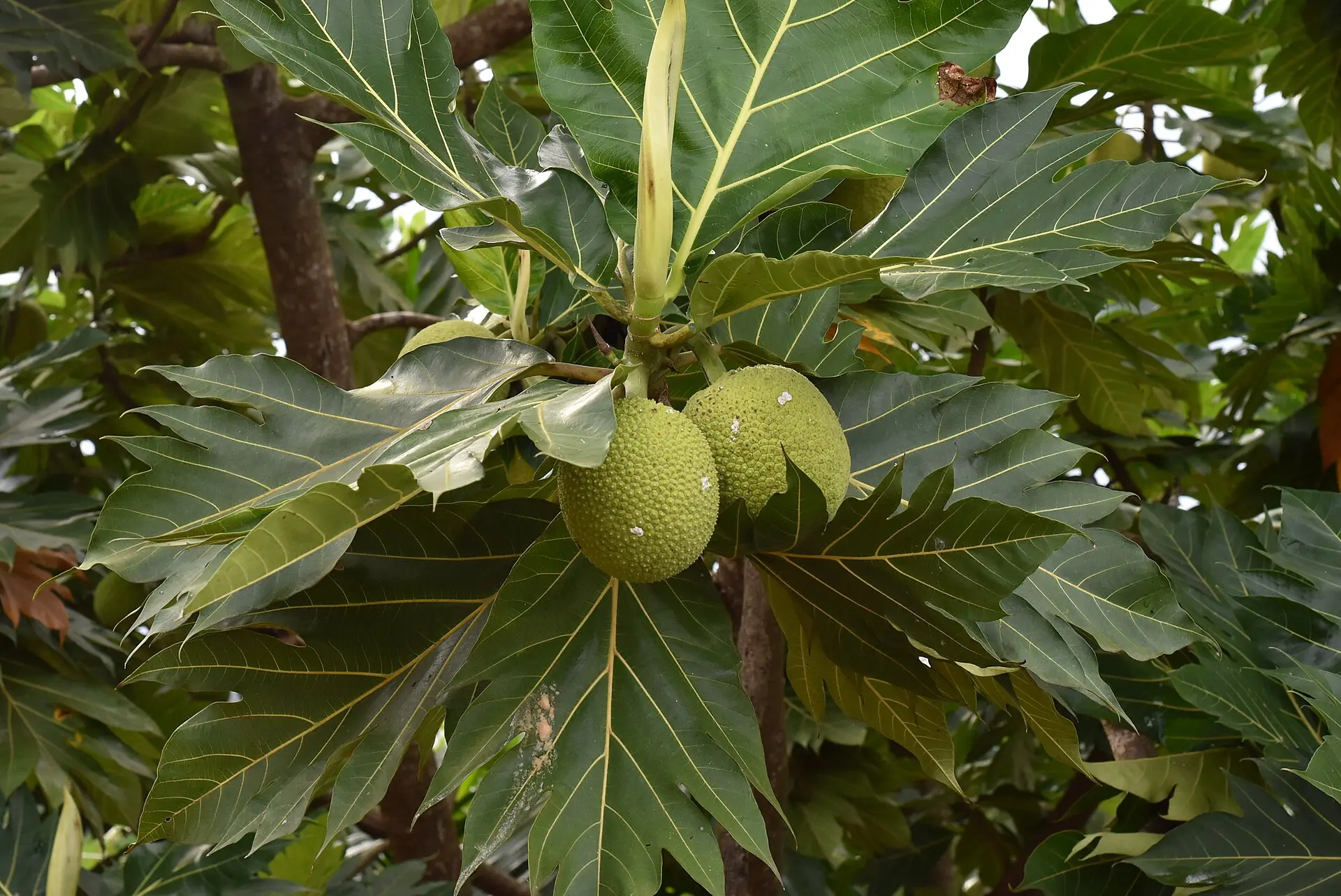
- Breadfruit: roasted, boiled or fried, it is a traditional staple, and a preserved paste called bwiro was once an important food store.
- Pandanus: the fruit is eaten fresh or made into sweet preserves and dried cakes.
- Coconut: used for drinking, cooking, and in sweets, and the sap can be made into a syrup.
- Giant swamp taro: a starchy root grown in pits on some atolls.
- Coconut crab and lobster: served in some places in season, and subject to local rules.
- Rice and soy-based plates: available at casual cafes in Majuro.
Tap water is not always safe to drink, so choose bottled or boiled water. Vegetarian choices are limited, and fresh vegetables and fruit are expensive. Alcohol is available in bars and shops in Majuro, with rules varying on outer atolls.
Culture, language and etiquette in Marshall Islands
Marshallese and English are the official languages, and English is widely spoken in Majuro and in schools. Marshallese is an Austronesian language, and a simple greeting is yokwe, which means hello and also goodbye and love. Learning that one word is appreciated.
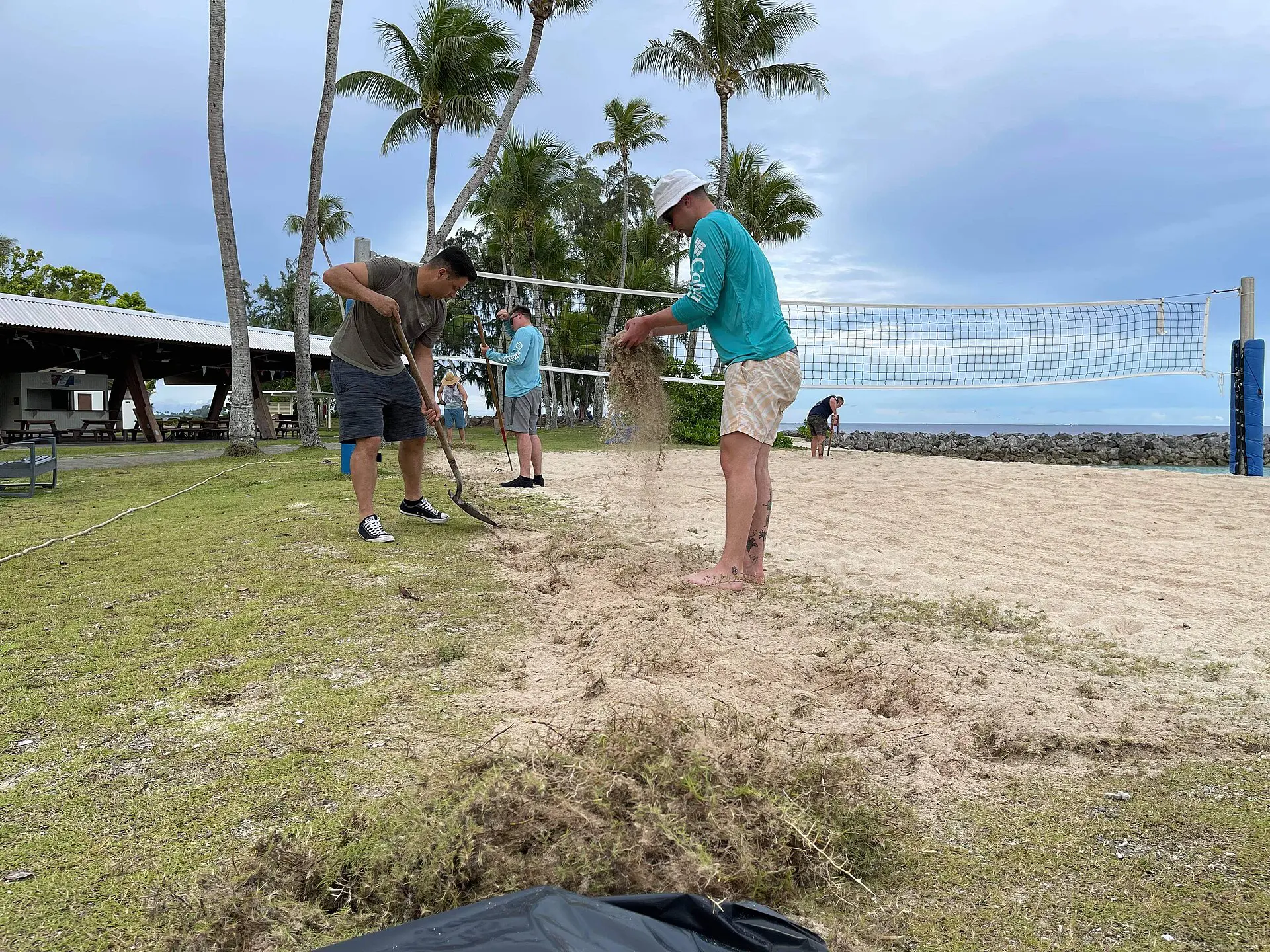
Society is organised around extended families and land rights held through matrilineal clans, and the chiefs, called iroij, still have an important role. Church life is central, and most people belong to Protestant or Catholic congregations. Sundays are quiet, with services in the morning and family meals afterwards.
Dress modestly away from beaches: shoulders and knees covered is a good rule in villages and churches, and swimwear should stay at the beach. Ask before photographing people or homes. Visitors to outer atolls should bring small gifts for hosts, such as rice, tinned fish or fishing gear, and ask the local leaders before camping or fishing. Marshallese seafaring is famous, and stick charts used by navigators read ocean swells. The history of nuclear testing is a sensitive subject, so listen first and avoid treating it as a curiosity.
Marshall Islands itinerary: a 7-day route
This route keeps to Majuro and one nearby atoll, because that is the most realistic way to see the country in a week. All outer-atoll transport depends on flights, boats and weather, so confirm every leg and leave margin.
- Day 1, Majuro: arrive, rest, and walk along the lagoon road in the evening.
- Day 2, Majuro town: visit the Alele Museum, local shops and the Uliga and Delap areas.
- Day 3, lagoon day: arrange a boat trip for snorkelling, swimming and a picnic on a lagoon islet.
- Day 4, travel to Arno: take a boat or small flight to Arno Atoll and check into a guesthouse or village stay.
- Day 5, Arno: walk, swim, snorkel and learn about fishing and village life with your hosts.
- Day 6, return to Majuro: travel back, keeping a buffer in case of weather delays.
- Day 7, departure: check your flight, buy gifts such as woven goods, and leave.
Divers can replace Arno with wreck dives arranged by a local operator. Special trips to Bikini need separate permits and bookings, and normally take longer than a week.
Practical tips for Marshall Islands
- Money: the US dollar is the currency. Cards are accepted at hotels and some shops in Majuro, but bring cash for outer atolls and small purchases.
- SIM and eSIM: the national telecom company offers local SIM cards, and mobile coverage is limited outside Majuro and a few larger islands. Internet is slow and costly.
- Plugs: types A and B at 120 V, the same as in the United States.
- Tipping: not expected. Small tips for guides and boat operators are welcome.
- Health: carry insurance with medical evacuation, repellent, sun protection and any prescription medicine. Pharmacies are limited.
- Packing: reef shoes, a rash vest, a dry bag, a hat and a small first-aid kit, plus light modest clothes.
- Booking: reserve accommodation and flights early, confirm them again before travel, and carry printed copies of bookings.
For more background, see the Wikivoyage Marshall Islands guide.
FAQ
Q1What is Marshall Islands food like?
Marshall Islands food centres on fresh fish, coconut, breadfruit and pandanus, though much daily food is imported rice and canned goods. Expect grilled or raw tuna, breadfruit and a few Asian and American restaurants in Majuro. Vegetarian choices are limited.
Q2What are the best things to do in Marshall Islands?
Dive or snorkel in the lagoons and wartime wrecks, take a boat trip around Majuro, visit an outer atoll such as Arno, see the Alele Museum, learn about stick charts and outrigger canoes, and go sportfishing or windsurfing in the dry months.
Q3Is Marshall Islands safe?
Yes, for most visitors. Crime is low, but medical care is basic and serious cases need evacuation, so insurance is essential. Dengue, strong lagoon currents and restricted nuclear-test and military areas are the main risks. Follow local advice.
Q4Do I need a visa for Marshall Islands?
It depends on your nationality. US, Schengen-area and Pacific Islands Forum citizens have generally been able to enter without a visa, and some others receive a short visa on arrival. You also need a passport, onward ticket and accommodation. Confirm the current rule.
Q5What is the best time to visit Marshall Islands?
December to April is best, with drier weather, steady trade winds and good lagoon visibility. May to November is wetter and more humid, with occasional storms. Temperatures stay between about 27 and 31 C all year.
Q6Can tourists visit Bikini Atoll?
Only with special arrangements. Dive trips to the sunken warships have been offered through authorised operators with permits from local authorities, and they are costly and limited. You cannot simply turn up. Check current access before planning.
Q7How many days do you need in Marshall Islands?
Five to seven days is enough for Majuro and one outer atoll. Divers should allow more time for wreck trips, and Bikini needs a dedicated package. Flights are infrequent, so add buffer days for delays at both ends.