Why visit Micronesia
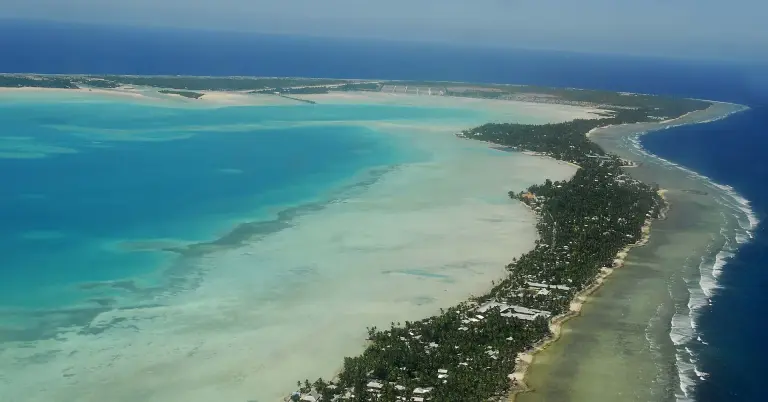
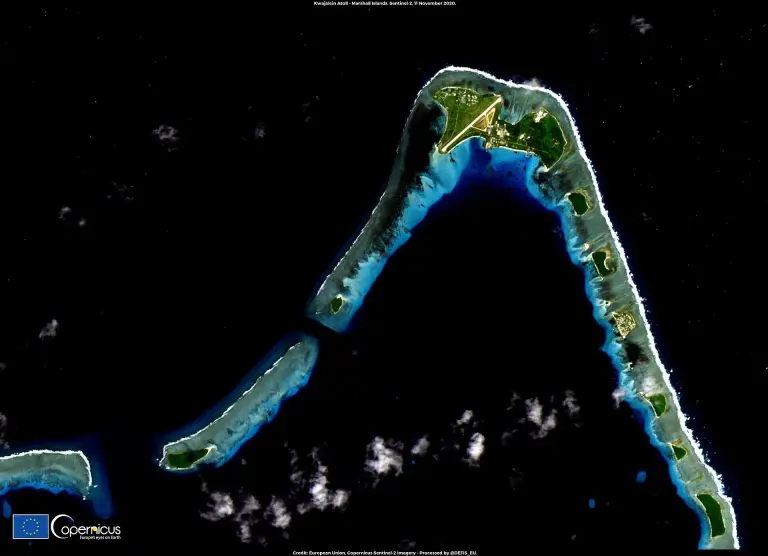
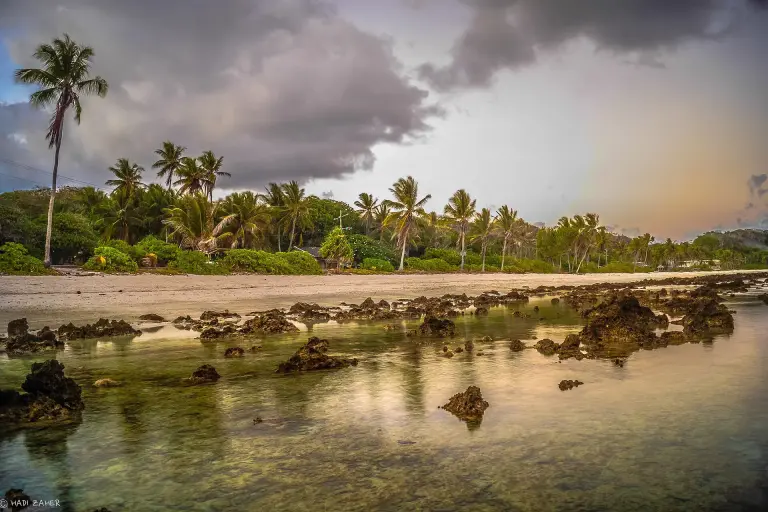
Micronesia travel is for people who want remote Pacific islands with few other visitors. The Federated States of Micronesia (FSM) include around 607 islands scattered over almost 2,700 km of ocean, but their combined land area is only about 702 square kilometres (see the Wikipedia overview). The four states, Yap, Chuuk, Pohnpei and Kosrae, each have a distinct language, custom and landscape, from volcanic peaks and rainforest to low coral atolls.
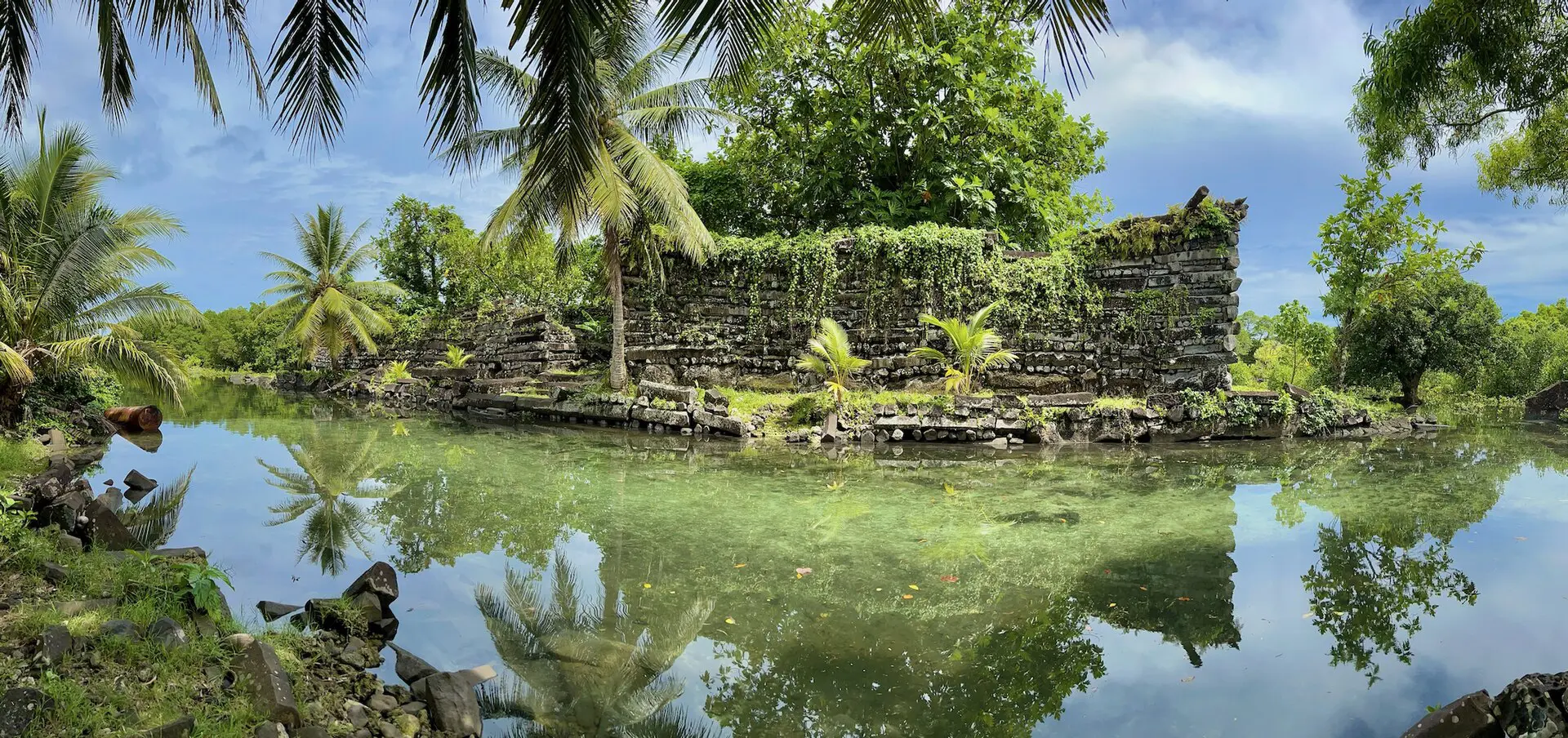
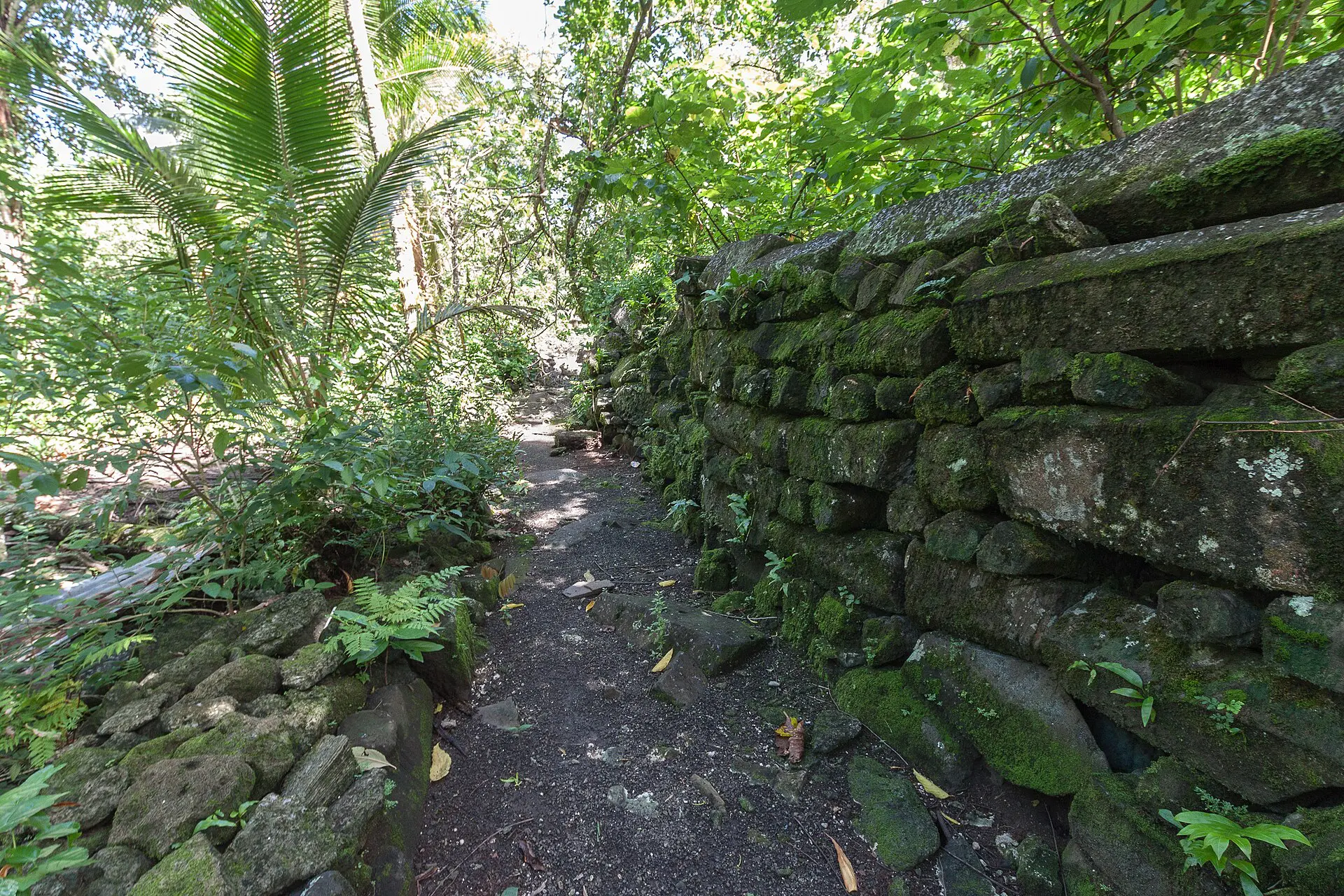
The country suits scuba divers, snorkellers, history enthusiasts and anyone comfortable with simple facilities and slow logistics. Chuuk Lagoon holds one of the world’s largest collections of Second World War shipwrecks, while Pohnpei has the mysterious ruined city of Nan Madol, and Yap preserves some of the Pacific’s strongest traditional culture. It is not suited to anyone who needs resort comfort, nightlife or quick transfers. Many visitors know the country as the Federated States of Micronesia in official documents, and simply Micronesia in daily speech.
Best places to visit in Micronesia
The best places to visit in Micronesia are the four state centres, each reached by separate flights, so plan on one or two states per trip.
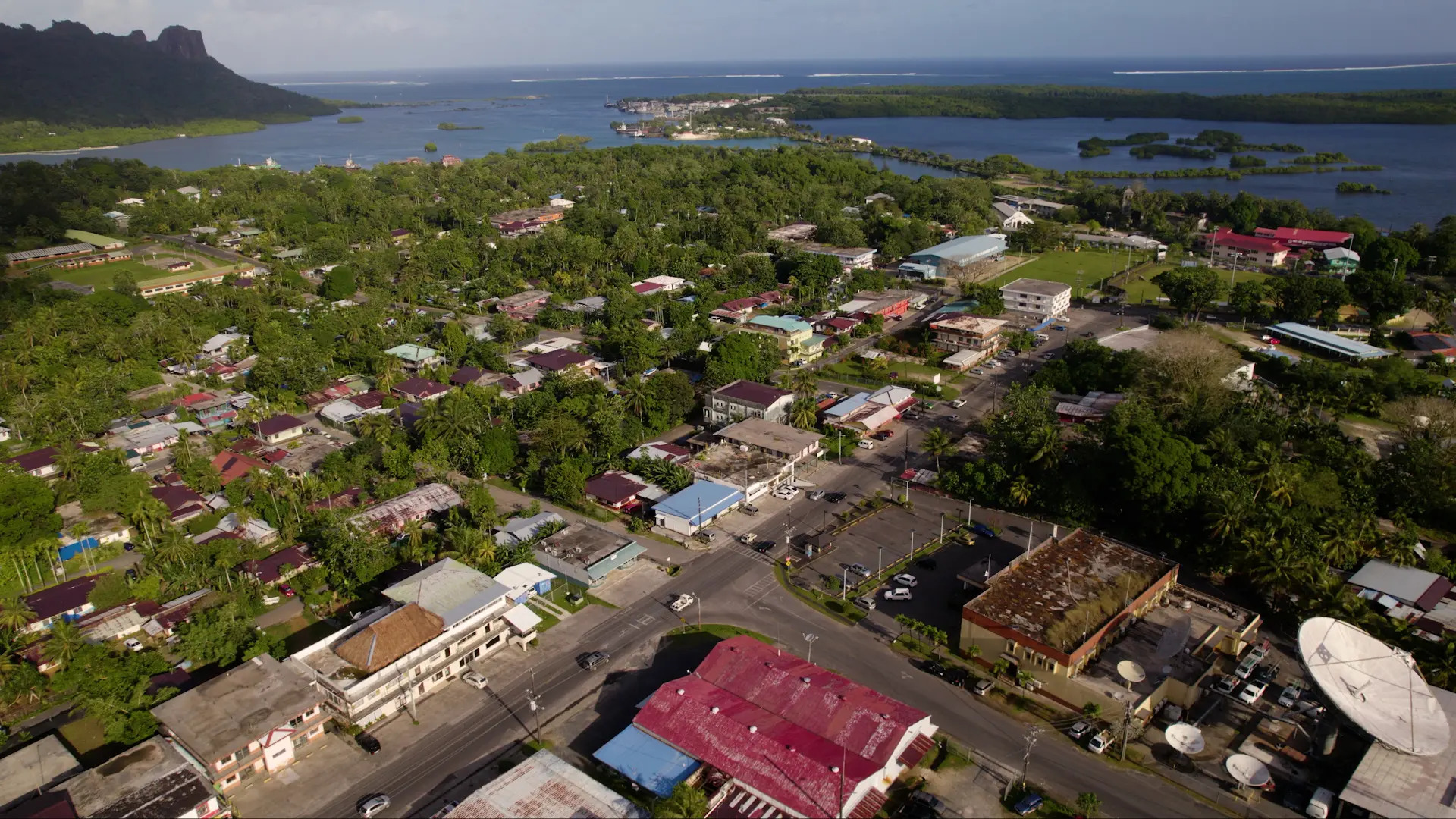
Pohnpei
The federal capital, Palikir, sits on this lush volcanic island, one of the wettest places on earth. The main town is Kolonia. Highlights include the Nan Madol ruins, Sokehs Rock, waterfalls such as Kepirohi and a traditional kava (sakau) culture. Pohnpei is the best base for first-time visitors.
Chuuk
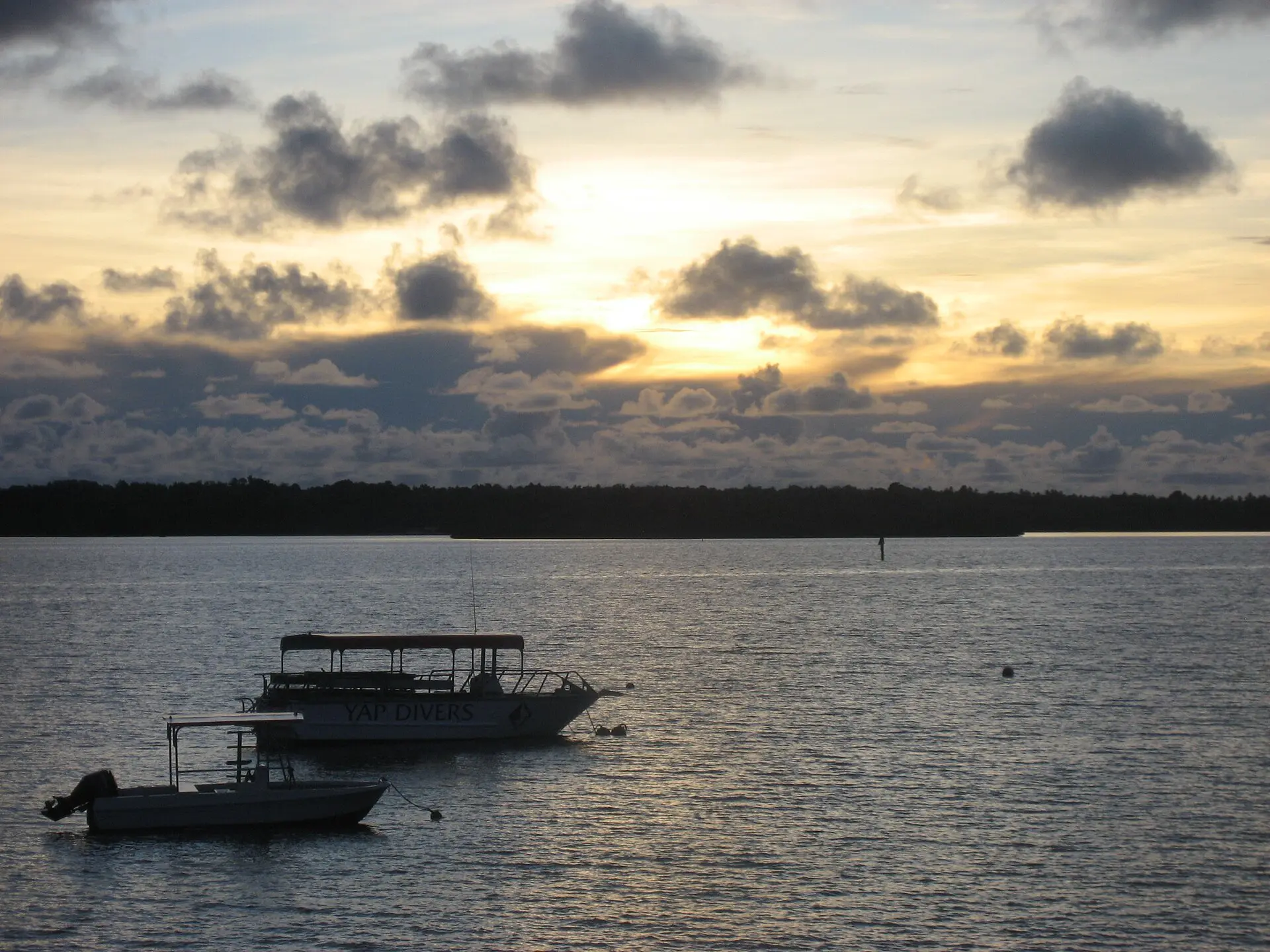
Chuuk Lagoon is a large, sheltered lagoon where dozens of Japanese ships and aircraft sank in 1944. It is a world-famous wreck diving destination. The main island town is Weno, and facilities are basic.
Yap
Yap is known for its traditional villages, stone money, men’s houses and manta ray dives in the Mi’il Channel. The pace is slow, and many people still wear traditional dress for ceremonies.
Kosrae
The easternmost state is a green, quiet island with mangrove-lined shores, reefs and the Leluh ruins, a medieval stone town on a small island linked by causeway. Utwe-Walung Marine Park offers snorkelling and kayaking.
Outer islands
Atolls such as Ant and Pakin, near Pohnpei, offer white-sand beaches and snorkelling by boat charter. Other outer islands are very remote and need special arrangements.
Top things to do in Micronesia
The top things to do in Micronesia centre on diving, history and island culture, and most need local operators.
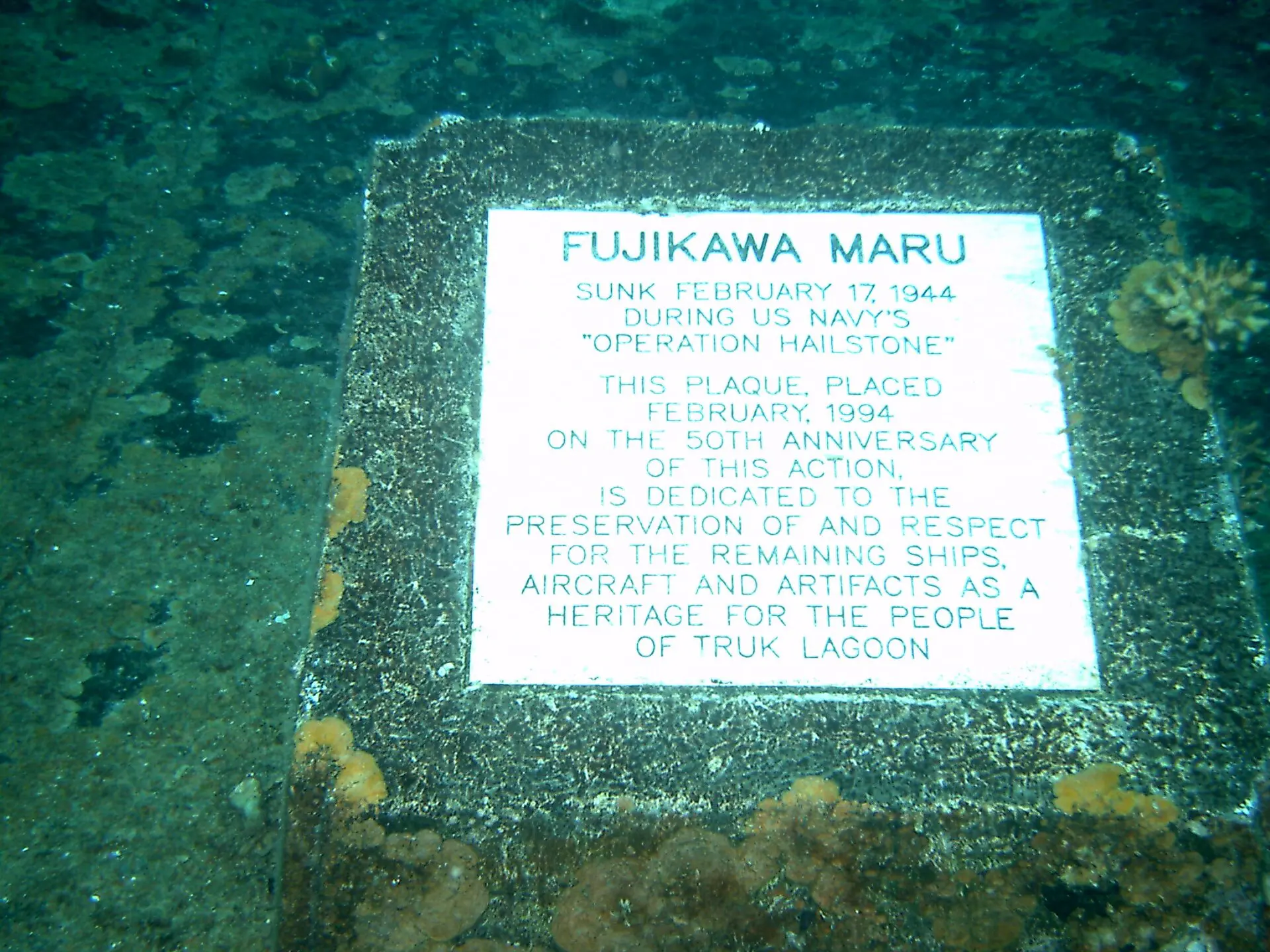
- Dive Chuuk Lagoon: wrecks such as the Fujikawa Maru and the San Francisco Maru are covered in coral and lie at depths from shallow to technical, with several suitable for recreational divers.
- Explore Nan Madol: reach the ruined city of basalt-walled islets by boat or on foot at low tide; a local guide is needed to enter the site.
- Dive with manta rays in Yap: the Mi’il Channel is known for regular manta encounters, particularly in winter and spring.
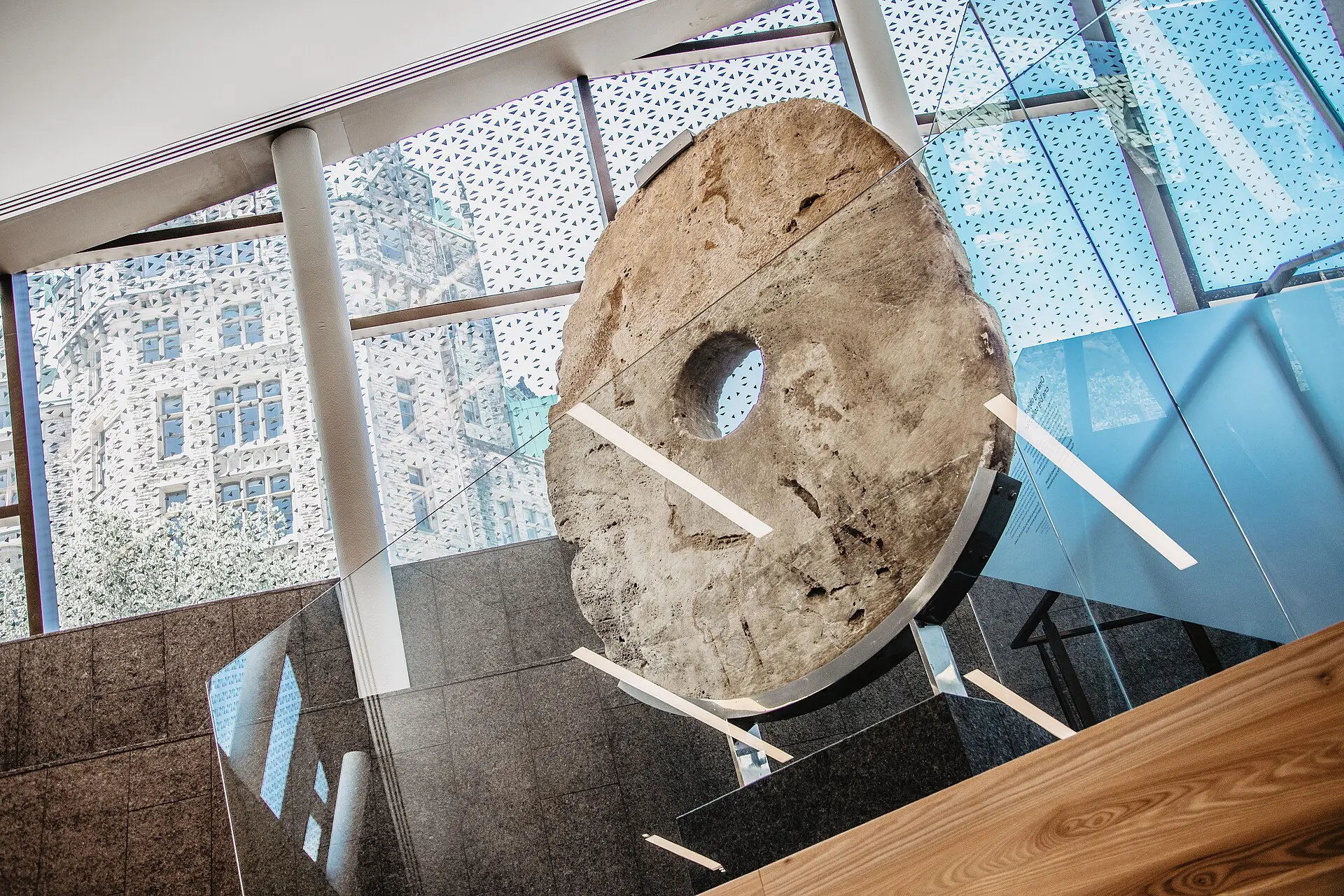
- Look for Yapese stone money: huge limestone discs, some several metres across, stand in village stone-money banks.
- Visit Leluh in Kosrae: walk the coral-block walls of a former capital that flourished before European contact.
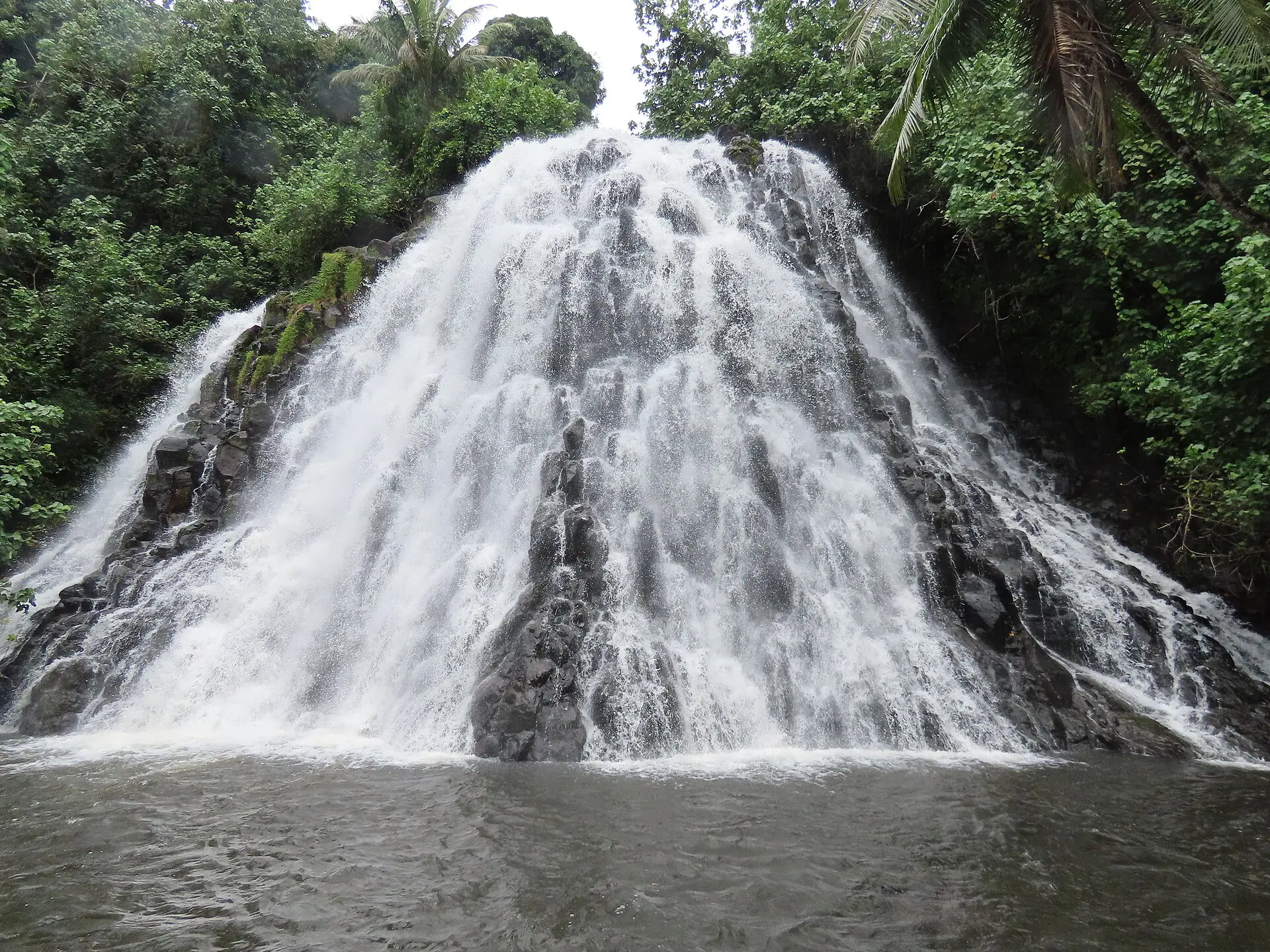
- Hike to waterfalls on Pohnpei: Kepirohi and Liduduhniap Falls are reachable on short walks and swimmable in places.
- Paddle the mangroves in Utwe: kayak tours cross creeks and a protected bay in Kosrae.
- Join a sakau ceremony: Pohnpei’s traditional drink is prepared by pounding roots, and visitors may be offered a cup when invited.
- Snorkel at an outer atoll: day trips by boat from Pohnpei reach clear water and white sand.
Best time to visit Micronesia
The best time to visit Micronesia is December to April, when the trade winds bring drier weather and calmer seas, which improves diving and boat travel. The islands are warm all year, at around 27 to 30 C, but rain falls heavily in some months, especially on Pohnpei and Kosrae, which are among the wettest places in the Pacific. The typhoon belt lies just north, and occasional storms reach the region, mostly between July and November.
| Season | Weather | Crowds and prices | Good for |
|---|---|---|---|
| Dec-Apr | Drier, breezy, calm seas | Peak but very quiet; flights fill | Diving, boat trips, hiking |
| May-Jun | Warm and humid, more rain | Quiet | Diving, culture |
| Jul-Oct | Rainiest, typhoon risk possible | Lowest demand | Budget travel, rainforest |
| Nov | Rain easing | Quiet | Early season diving |
Flights are infrequent, so weather delays and schedule changes can disrupt plans. Build a day or two of buffer around international connections.
Is Micronesia safe to visit?
Is Micronesia safe? Yes, for most visitors it is a low-crime destination with friendly communities, and violent crime against tourists is rare. The main risks come from the sea, remoteness and limited health care. Check your government’s current travel advice, such as the US State Department or UK FCDO pages, before you book.
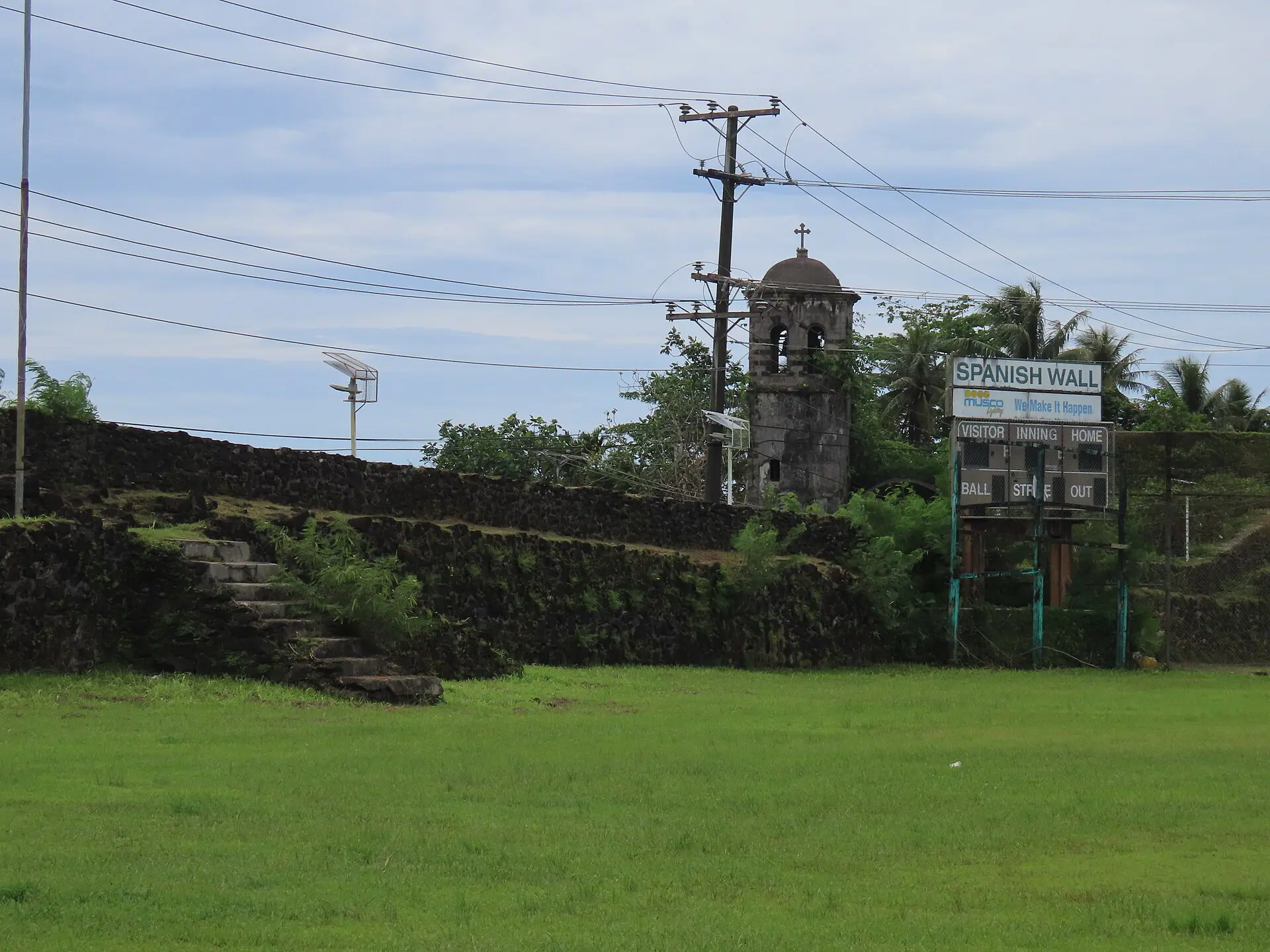
Diving and water. Chuuk wrecks include deep and overhead environments, so dive only with a qualified operator, follow decompression limits and hold diver insurance. The nearest recompression chamber is very distant, so conservative diving matters. Currents in channels and passes can be strong.
Health. Hospitals are basic, and serious cases require evacuation, often to Guam or Hawaii. Carry travel insurance with medical evacuation. Tap water may not be safe to drink, so use bottled or treated water. Dengue and other mosquito-borne illnesses occur, so use repellent.
Theft and local customs. Petty theft can occur, especially in Chuuk’s main town, so avoid walking alone at night and keep valuables secure. Alcohol is restricted in some places, and respect local rules and customary land ownership.
Weather. Typhoons and storm surge are possible, and some islands are low-lying.
Micronesia visa and entry requirements
Micronesia visa rules depend on your nationality. The Federated States of Micronesia allows many visitors to enter without a visa for a short tourist stay, usually with a valid passport and an onward or return ticket. Rules and permitted stay lengths vary, and may require an advance application, so confirm the current rule with the official Micronesian immigration service or the nearest embassy before you travel.
Bring a passport valid for at least six months, proof of accommodation and a return ticket. Travellers connecting through Guam, Hawaii or the Marshall Islands may also need documents for those transit points, including US entry authorisation where it applies. If you plan to dive, carry certification cards and proof of insurance.
The country has no land borders, and entry is by air. The UNESCO page for the Federated States of Micronesia lists the Nan Madol site, but it does not cover entry rules. Fees for departure or local permits, such as for visiting Nan Madol or marine parks, can change, so ask your operator.
Getting to and around Micronesia
Most visitors arrive on United Airlines, whose long-running Island Hopper route links Honolulu and Guam via the Marshall Islands, Kosrae, Pohnpei and Chuuk, with stops in between. The route takes most of a day each way and runs only a few times a week. Yap is usually reached from Guam or Palau on separate flights, and schedules change, so check current timetables before you book.
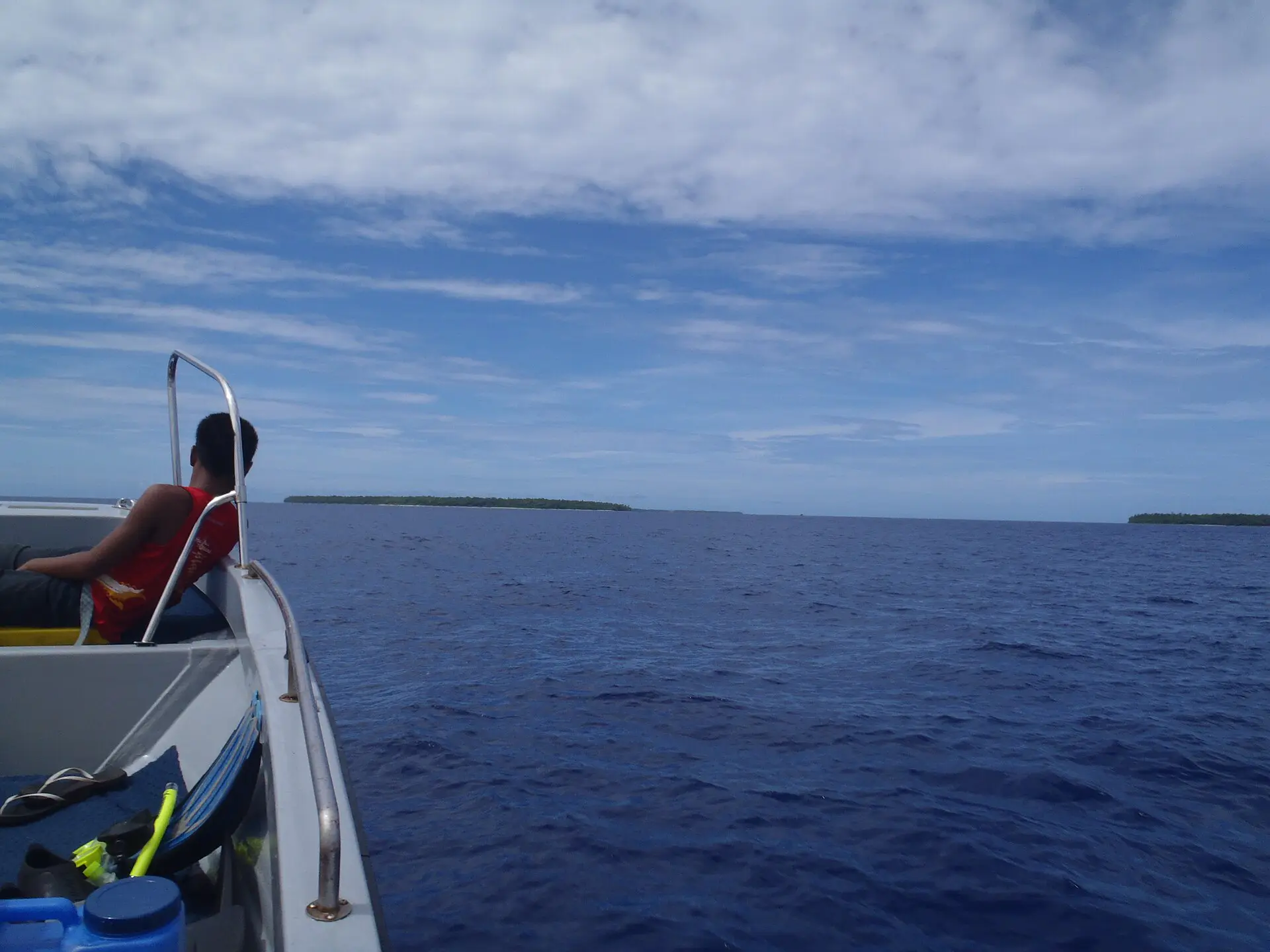
Inter-island travel within the country is mainly by air, and flights are infrequent and sometimes delayed. Buses and shared taxis serve the main islands, with taxis cheap and informal. On Pohnpei, a ring road circles the island, and a day drive to Nan Madol and the waterfalls is easy. Chuuk Lagoon wrecks are reached by dive boat from Weno. Kosrae has a coastal ring road, and Yap is best explored by rental car or guide.
Boats link islands within each state, but schedules are irregular and often weather-dependent. For outer atolls, expect to charter a boat. Allow flexibility at both ends of your trip, and avoid tight international connections.
How much does a trip to Micronesia cost?
Micronesia is expensive for its simplicity, because flights are costly, most goods are imported and tourism infrastructure is small. The US dollar is the official currency. Figures below are rough per-person guides for 2026, and do not include international flights.
- Budget: around USD 80 to 120 per day, with guesthouses, local meals and shared transport, mostly on Pohnpei and Kosrae.
- Mid-range: around USD 120 to 220 per day, with a private hotel room, restaurant meals, a hire car and occasional tours.
- High-end: from around USD 300 per day, mainly for dive packages, liveaboards in Chuuk or private boat charters.
The biggest costs are flights to and between islands, then diving. Multi-day dive packages in Chuuk and Yap often include accommodation, meals and boat dives, and can be better value than booking separately. Imported food and fuel are pricey, while local fish and fruit are cheaper. Cash is useful, because card acceptance is limited outside main hotels and dive shops.
Micronesia food and drink
Micronesia food is based on fish, starchy root crops and tropical fruit, with imported rice, canned goods and American-style dishes also common. Restaurants are few, and many meals are home-cooked or served at hotels and dive resorts.
- Fresh tuna and reef fish: grilled, fried or eaten raw as sashimi, often caught the same day.
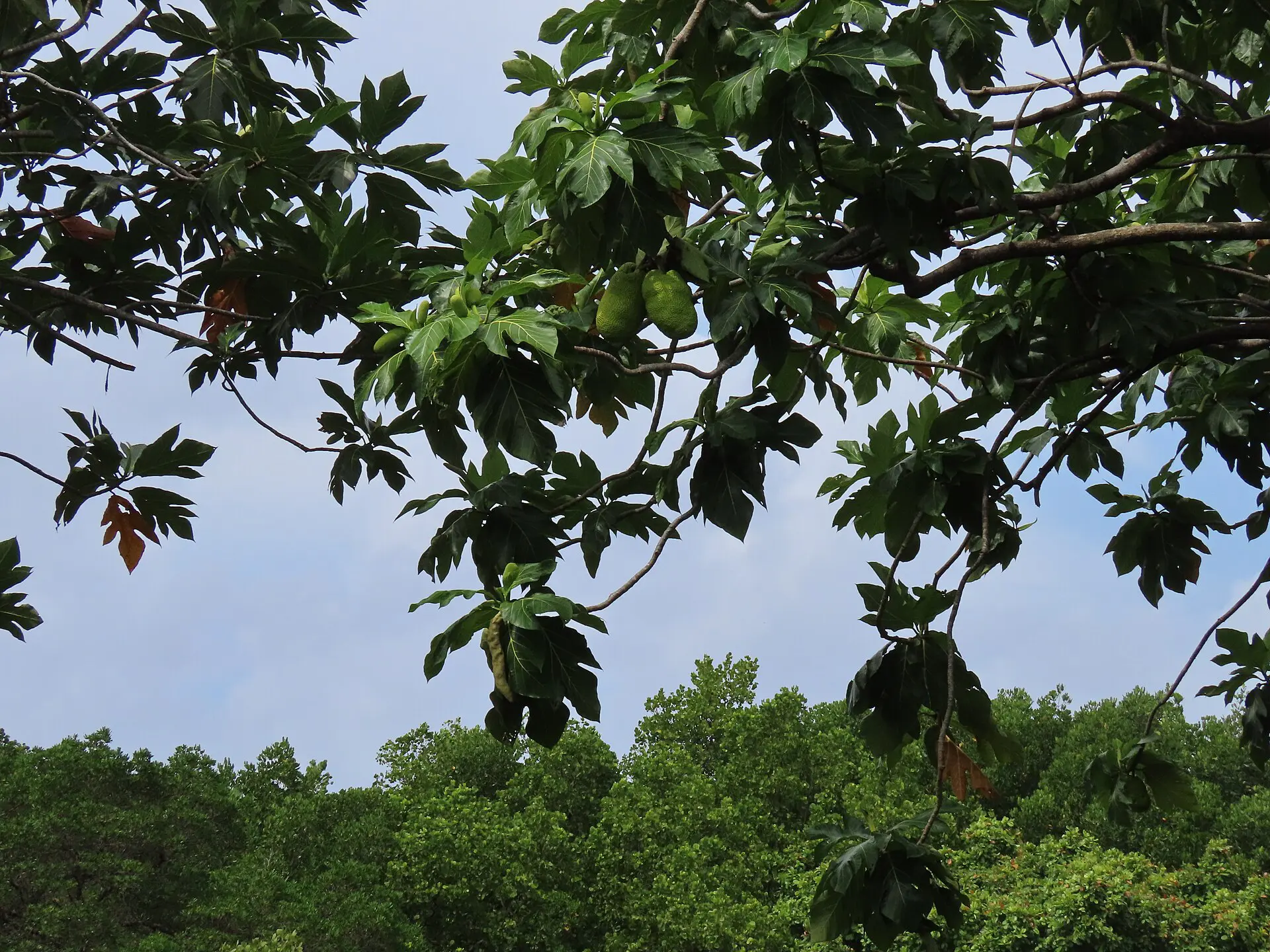
- Breadfruit: roasted, boiled or fried, a staple starch across the islands.
- Taro and yam: root crops cooked in earth ovens or boiled and served with fish.
- Coconut crab and lobster: seasonal treats on some islands; check regulations and sustainability.
- Banana and tropical fruit: bananas, papaya and pandanus fruit are widely grown.
- Sakau: the Pohnpeian version of kava, a mildly numbing drink prepared with ceremony.
- Betel nut: chewed widely in Yap and elsewhere, with a red stain that marks streets and teeth.
- Local beer and coconut drinks: imported beer is common, and fresh coconut water is easy to find.
Vegetarians can eat rice, vegetables and fruit, but restaurant choice is small. Ask hotels about meals in advance if you have dietary needs. Alcohol is restricted in some places.
Culture, language and etiquette in Micronesia
English is the official language, used in government and schools, and most visitors manage easily. Each state has its own languages, including Pohnpeian, Chuukese, Yapese and Kosraean, along with several outer-island languages. Learning a greeting, such as kaselehlie in Pohnpeian, is appreciated.
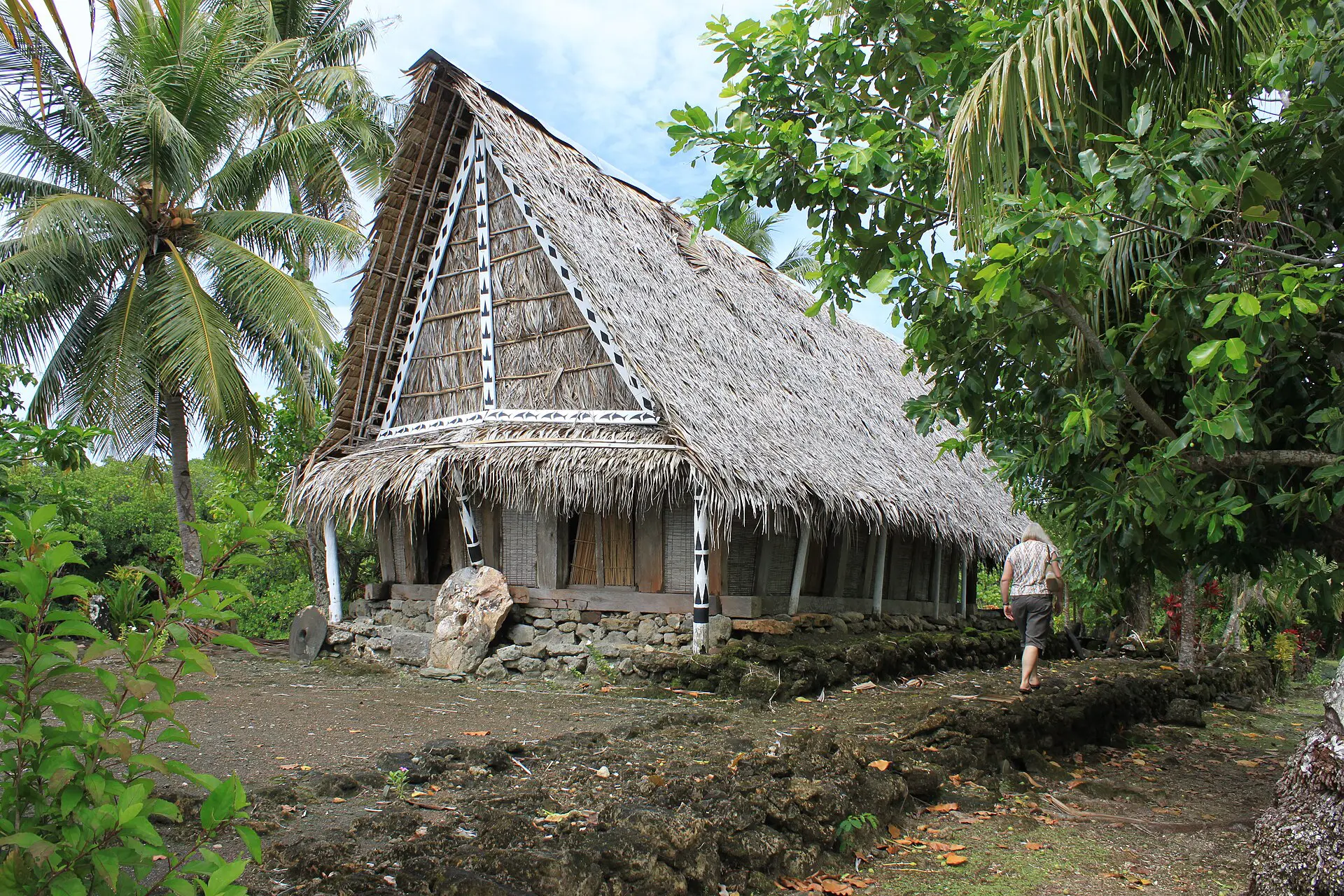
Life is organised around extended family, clans and traditional chiefs, and customary land ownership is respected. In Yap in particular, traditional titles and village hierarchies remain strong. Churches are central in many communities, and Sundays are quiet. Ask permission before entering villages, photographing people or visiting sacred sites, and expect to be told if a place is restricted. At Nan Madol, a landowner or guide often collects a fee and gives access.
Dress modestly. Women are generally expected to cover their knees and shoulders away from beaches, and swimwear should stay at the beach or resort. Avoid public displays of affection, and do not touch people’s heads. Sakau ceremonies have their own protocol: wait to be offered, accept with respect, and follow the lead of your host. Gifts of small items, such as food, are well received if you stay in a home.
Micronesia itinerary: a 7-day route
This route uses the Island Hopper flight and focuses on Pohnpei and Chuuk, which are connected by the same route. Flight days vary, so confirm the schedule and adjust the order to fit.
- Day 1, arrival in Pohnpei: arrive, settle into a hotel in Kolonia and walk the town.
- Day 2, Nan Madol: visit the ruins by boat at the right tide with a local guide.
- Day 3, waterfalls and Sokehs Rock: hike to Kepirohi Falls, then drive to Sokehs Rock for views of the island.
- Day 4, atoll or sakau: take a boat trip to Ant Atoll for snorkelling, or arrange a sakau ceremony in the evening.
- Day 5, fly to Chuuk: arrive in Weno, check in with a dive operator and plan your first dives.
- Day 6, wreck dives: two or three dives on wrecks such as the Fujikawa Maru, with a surface interval ashore.
- Day 7, departure: check flight times, rinse equipment and allow a no-dive window before flying.
With extra days, add Kosrae for Leluh and Utwe, or Yap for stone money and mantas. Non-divers can replace Chuuk with Kosrae.
Practical tips for Micronesia
- Money: the US dollar is the currency. ATMs are limited, mostly in main towns, and cards are accepted at some hotels and dive shops, so carry cash.
- SIM and eSIM: a local FSM Telecom SIM may be available in some places, but coverage and data speeds are limited and slow. Confirm roaming options before you go, and expect to be offline on outer islands.
- Plugs: types A and B at 120 V, as in the US.
- Tipping: not customary, though small tips for guides and dive crews are appreciated.
- Health: bring insurance with medical evacuation, a first-aid kit, repellent, sunscreen and any regular medicines, because pharmacies are limited.
- Packing: light quick-dry clothes, a rain jacket, reef shoes, a rash guard, a dry bag, and your own dive computer if you dive.
- Booking: reserve hotels, dive packages and flights well ahead, since seats and rooms are limited.
For more background, see the Wikivoyage Micronesia guide.
FAQ
Q1What are the best things to do in Micronesia?
Top options are wreck diving in Chuuk Lagoon, exploring the ruined stone city of Nan Madol on Pohnpei, diving with manta rays in Yap, seeing Yapese stone money, visiting the Leluh ruins in Kosrae and joining a sakau ceremony.
Q2What is Micronesia food like?
Micronesia food is built on fresh fish, breadfruit, taro, coconut and tropical fruit, with imported rice and canned goods. Expect grilled tuna, sashimi and root crops. On Pohnpei you may be offered sakau, a ceremonial drink. Restaurant choice is small, especially outside main towns.
Q3Is Micronesia safe?
Yes, for most visitors, with low violent crime. Main risks are sea conditions, diving accidents, heat, mosquito-borne illness and limited medical care. Carry insurance with evacuation cover, dive with qualified operators and check your government's current travel advice before you book.
Q4Is Micronesia the same as the Federated States of Micronesia?
Not quite. Micronesia is a wider Pacific region that includes Guam, Palau, the Marshall Islands, Kiribati and others. The Federated States of Micronesia is one country within it, made up of Yap, Chuuk, Pohnpei and Kosrae. This guide covers that country.
Q5What is the best time to visit Micronesia?
December to April is best, with drier weather and calmer seas that suit diving and boat trips. Pohnpei and Kosrae are rainy through much of the year, and typhoons can affect the region, mostly between July and November.
Q6Do I need a visa for Micronesia?
Many visitors can enter the Federated States of Micronesia for a short tourist stay without a visa, usually with a passport valid for six months and an onward ticket. Rules vary by nationality, so check the official Micronesian immigration source before booking.
Q7How do you get to Micronesia?
Most travellers fly on the United Airlines Island Hopper between Honolulu and Guam, which stops in Kosrae, Pohnpei and Chuuk. Yap is reached from Guam or Palau. Flights run a few times a week and take most of a day, so plan buffer time.