Why visit Athens
Athens was a major cultural, political and religious centre of Classical Greece, a place that deeply influenced Western civilization. Many of the best things to do in Athens still revolve around those ancient monuments, most of them within central Athens.
Do not expect a philosopher’s theme park. Contemporary Athens is a graffiti-coated, fast-moving urban heart of Greece, where modern culture, business and social life flourish among the ruins. The city is large, with a metropolitan population of around 3.6 million, and it sprawls across much of the Attica region.
That mix is the appeal. You can spend a morning at an ancient site, an afternoon in a market or museum, and an evening in a neighbourhood full of cafes and rooftop bars. For most visitors, the central area is compact enough to cover on foot and by metro.
Top things to do in Athens
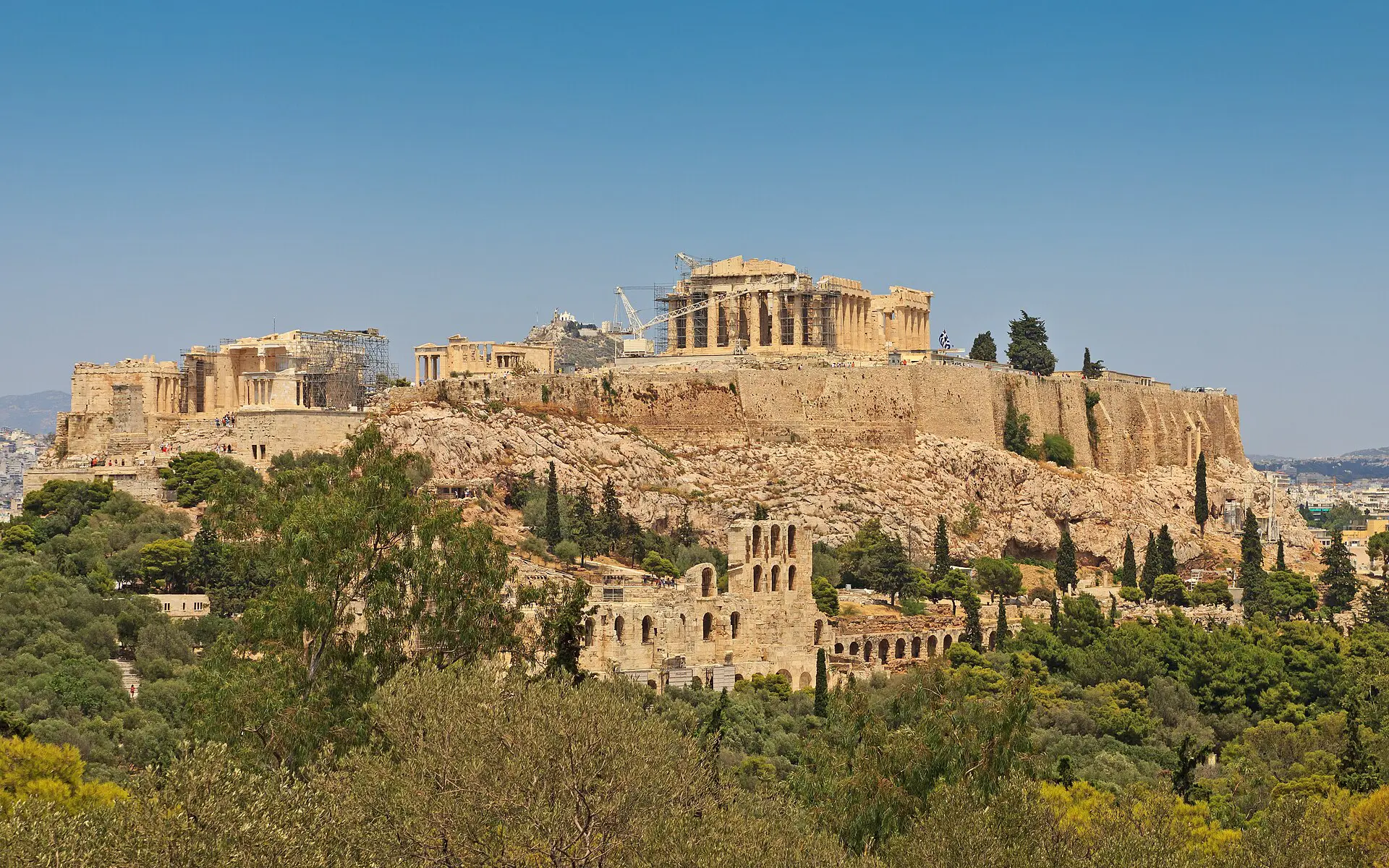
The Acropolis and the Parthenon
The hilltop citadel is the city’s best-known sight and the reason many people come. Allow two to three hours. Go early or late in the day to avoid the worst heat and crowds, wear shoes with good grip on the polished stone, and check the official site for current tickets and hours.
Acropolis Museum
Located below the hill, this museum displays finds from the site and gives context to what you see above. Plan about one to two hours. It pairs well with an Acropolis visit, and it is a good indoor option on very hot days.
Ancient Agora
The Agora was the centre of public life in the ancient city. It is more spacious and often calmer than the Acropolis, so it suits a slower walk of about one to two hours. Bring water and a hat in summer, as shade is limited.
Plaka and Anafiotika
These old neighbourhoods at the foot of the Acropolis have narrow lanes, small shops and tavernas. They are touristy but pleasant to wander for an hour or two. Eat a little off the main streets for better value.
Monastiraki and the flea market
Monastiraki is a lively area of shops, street food and views of the Acropolis. Allow an hour or two, and expect to haggle gently at market stalls. It is busy on weekends, so go on a weekday morning for a calmer visit.
Lycabettus Hill
Athens’ highest central hill offers wide views over the city and out toward the sea. You can walk up in about 20 to 30 minutes or take the funicular, if it is running. Go near sunset, and bring a light jacket for the wind.
National Archaeological Museum
One of the country’s main museums, with a large range of ancient Greek objects. Plan at least two hours, and pick a few galleries rather than trying to see everything in a single visit.
Best time to visit Athens
Spring, from April to June, and autumn, from September to October, are generally the best times: warm days, good light and lighter crowds than midsummer. Wildflowers and greener hills appear in spring.
Summer is hot, and heatwaves can make sightseeing uncomfortable in the middle of the day. If you travel then, start early, rest in the afternoon and plan evenings outdoors. Winter is cooler and can be rainy, but it is also the quietest and cheapest time, with the main sites easier to visit.
| Season | Weather | Crowds and prices |
|---|---|---|
| Spring | Mild to warm | Busy, moderate to high prices |
| Summer | Hot, sometimes very hot | Busiest, highest prices |
| Autumn | Warm, then cooler | Moderate |
| Winter | Cool, some rain | Quietest, cheaper |
How to get to Athens and around
Most visitors arrive at Athens International Airport, which has links to the centre by metro, bus and taxi. Journey times depend on traffic and your destination, so check current options. Athens is also a main hub for ferries, with the port of Piraeus serving many islands.
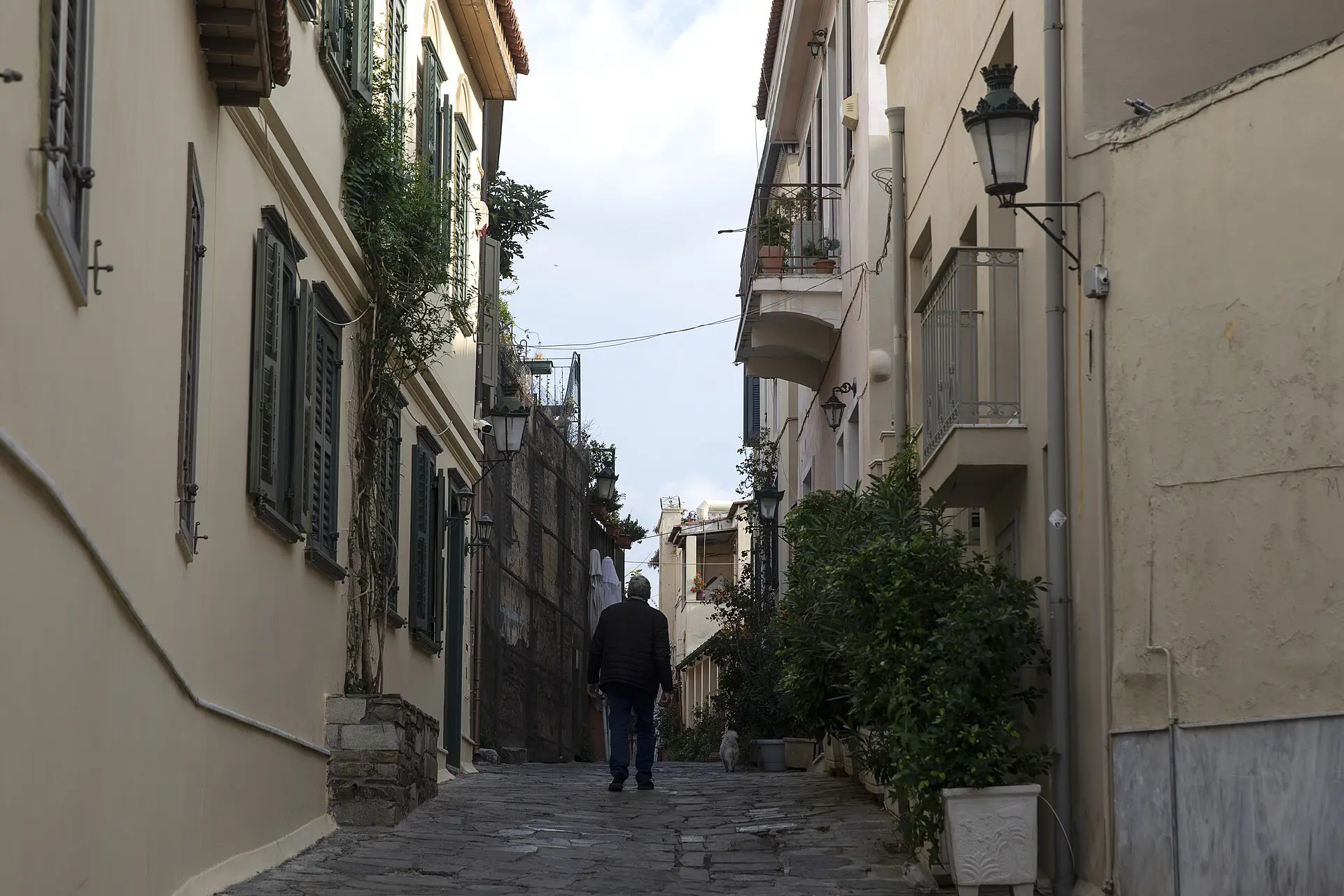
Most areas of interest to visitors are in central Athens, which you can mostly walk. The metro is the quickest way to cover longer distances, and it is supported by buses and trams, including routes toward the coast. Taxis are widely available; agree the fare or insist on the meter.
South Athens holds most of the beaches, while Piraeus is the main port. If you plan a ferry trip, check schedules ahead, since they vary by season and weather.
Where to stay in Athens
The area around the Acropolis, including Plaka and Monastiraki, is the most convenient for first-time visitors. You can walk to the main sights, though it is touristy and can be noisy at night.
Neighbourhoods in the wider centre suit travellers who want a more local feel, with cafes, restaurants and good metro access. They are usually a short ride from the major sights and often better value.
South Athens, near the coast, suits visitors who want a beach element and more space, though you will rely on trams, buses or taxis to reach the centre. Piraeus makes sense if you have an early ferry. Book ahead for summer.
How many days do you need?
Two days is enough to see the main ancient sites and a few neighbourhoods. Three days lets you add a second museum, a hill viewpoint and a slower pace. Add more if you plan a day trip or beach time.
- Day 1: Acropolis early, Acropolis Museum, then lunch in Plaka and a walk through the Ancient Agora.
- Day 2: Monastiraki, the National Archaeological Museum and a sunset view from Lycabettus Hill.
- Day 3: A coastal afternoon or a ferry day trip from Piraeus.
Day trips and nearby
Aegina and nearby islands
Some Saronic islands are reachable by ferry from Piraeus in a short time. They are common day trips, but check the current timetable and return times before you go.
Santorini
Santorini is a popular island destination, but it is better as a separate trip of several days than a day out from Athens. Plan a flight or a longer ferry ride and an overnight stay.
Mykonos
Mykonos is reached by ferry or flight and also works best as an overnight add-on. Compare ferry times against flights for your dates.
Crete
Crete is large and deserves several days. Most visitors fly from Athens, or take a longer overnight ferry. Treat it as a separate part of your trip.
FAQ
Q1When is the best time to visit Athens?
April to June and September to October offer warm, comfortable weather and slightly lighter crowds. July and August can be very hot, and winter is cooler and quieter. Start sightseeing early in the day in summer.
Q2How many days do you need in Athens?
Two to three days covers the Acropolis, the main museums and a few neighbourhoods. Add another day if you want a coastal afternoon or a ferry trip to a nearby island from the port of Piraeus.
Q3How do you get from Athens airport to the centre?
Athens International Airport connects to the centre by metro, bus and taxi. The metro is usually the simplest and cheapest, while taxis are easier with luggage. Check current schedules and fares, as they can change.
Q4Is Athens expensive?
Athens is generally good value compared with many Western European capitals, though prices rise in summer and around the Acropolis. You can save by eating away from tourist streets and travelling in spring or autumn. Check current rates.
Prices, schedules and entry rules change. Check current details with official sources before you travel. Read the Greece travel guide.