Why visit Thessaloniki
If you are searching for things to do in Thessaloniki, think of it as a city of layers. It is the capital of Central Macedonia and the second-largest city in Greece, with about 319,000 people in the municipality and more than a million in the metropolitan area. It sits on the Thermaic Gulf, at the northwest corner of the Aegean Sea.
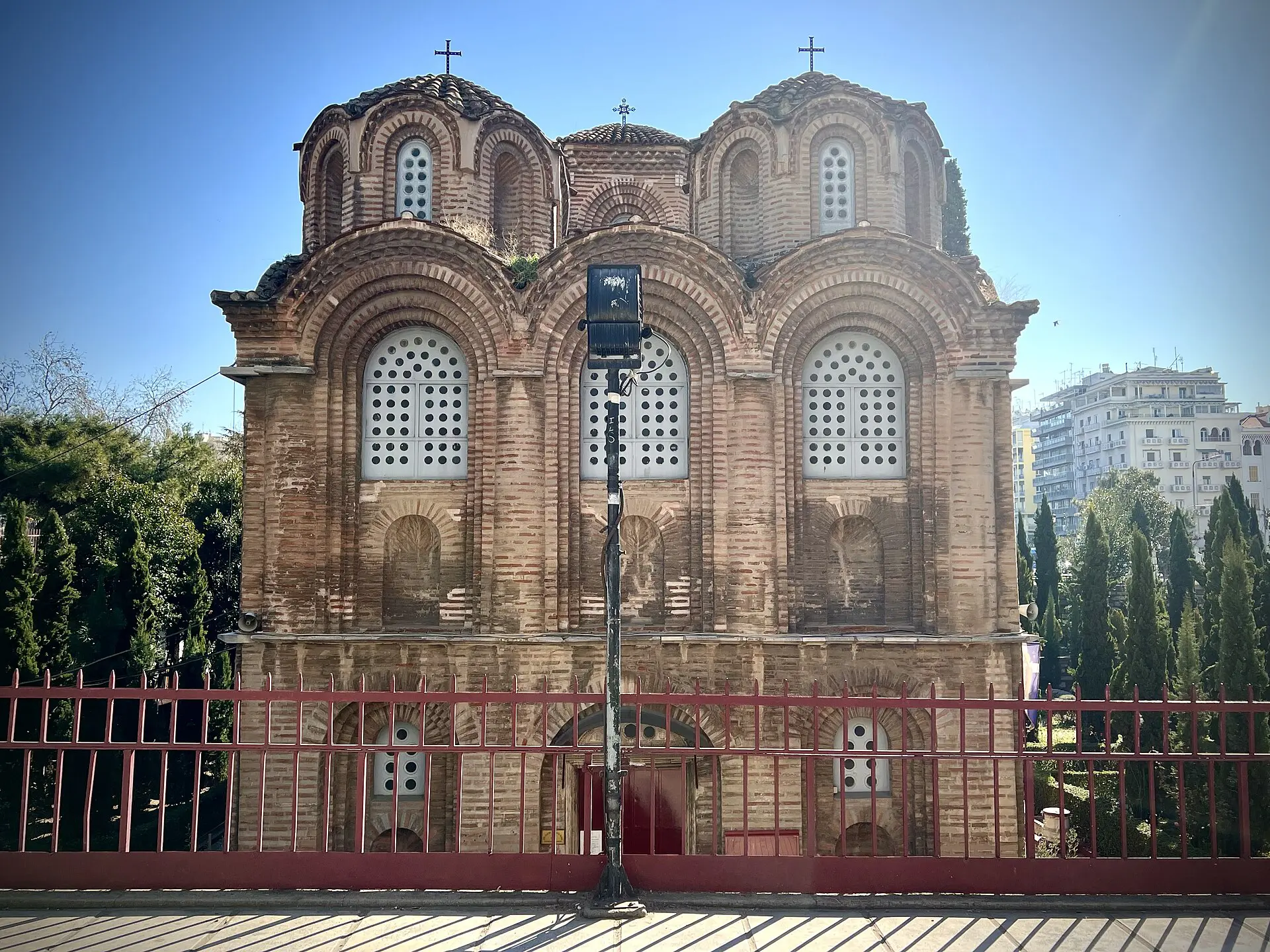
Founded in 315 BC by Cassander and named after his wife Thessalonike, it has a continuous history of about 3,000 years. It was once the biggest port of the Balkans, and each ruling empire left its mark, so you find Roman, Byzantine and Ottoman buildings throughout the centre. Its Byzantine churches are on the UNESCO World Heritage list, and the city once had a large Jewish community, which gave it the name Jerusalem of the Balkans. It is a working city with a lively cafe and food culture rather than a resort, which is part of its appeal.
Top things to do in Thessaloniki
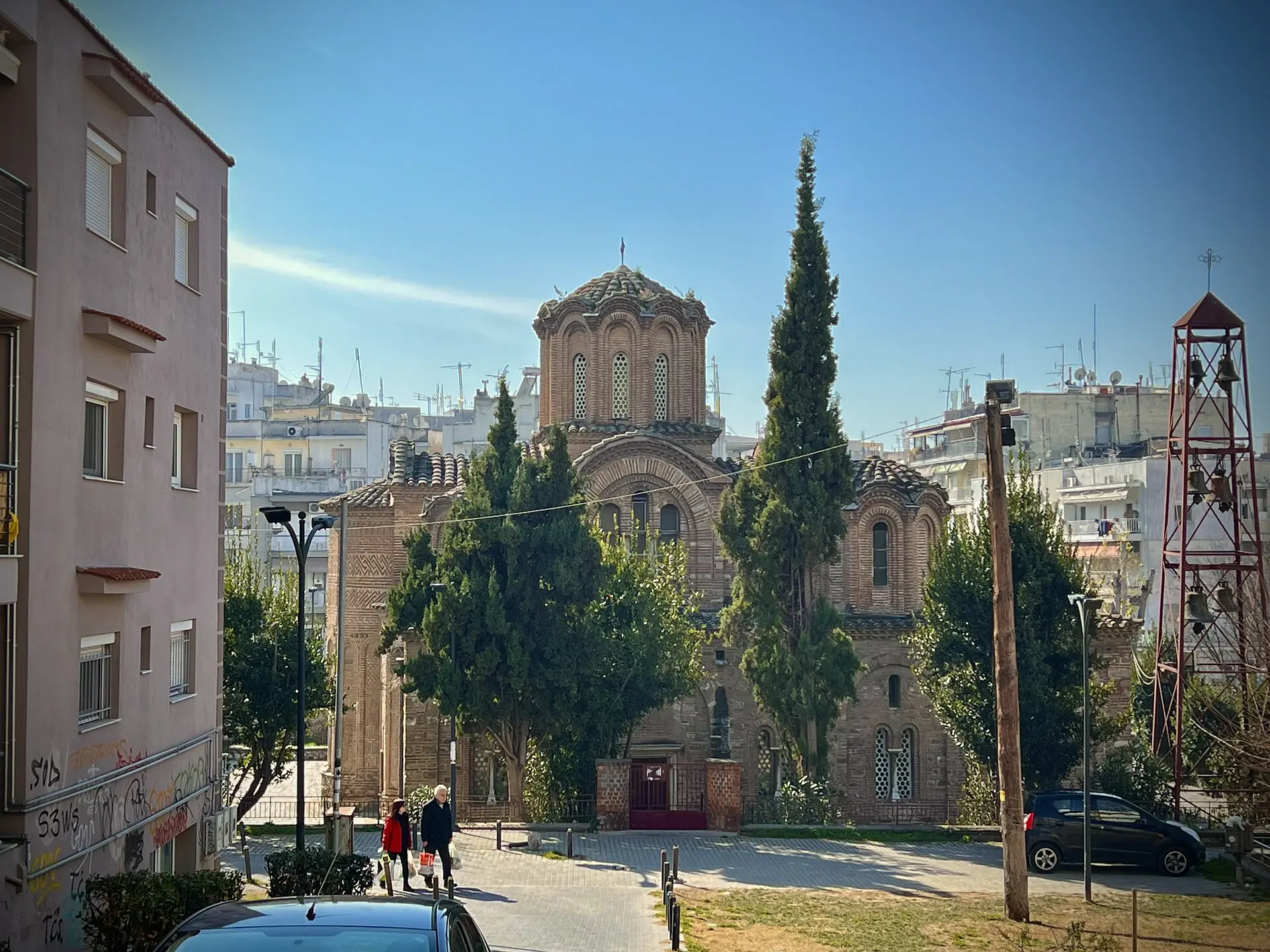
See the Byzantine churches
Several early Christian and Byzantine churches in the city are part of a UNESCO listing. Plan half a day for two or three. Dress modestly, check current opening hours, since some close at midday or on certain days, and expect to find them dotted through the centre.
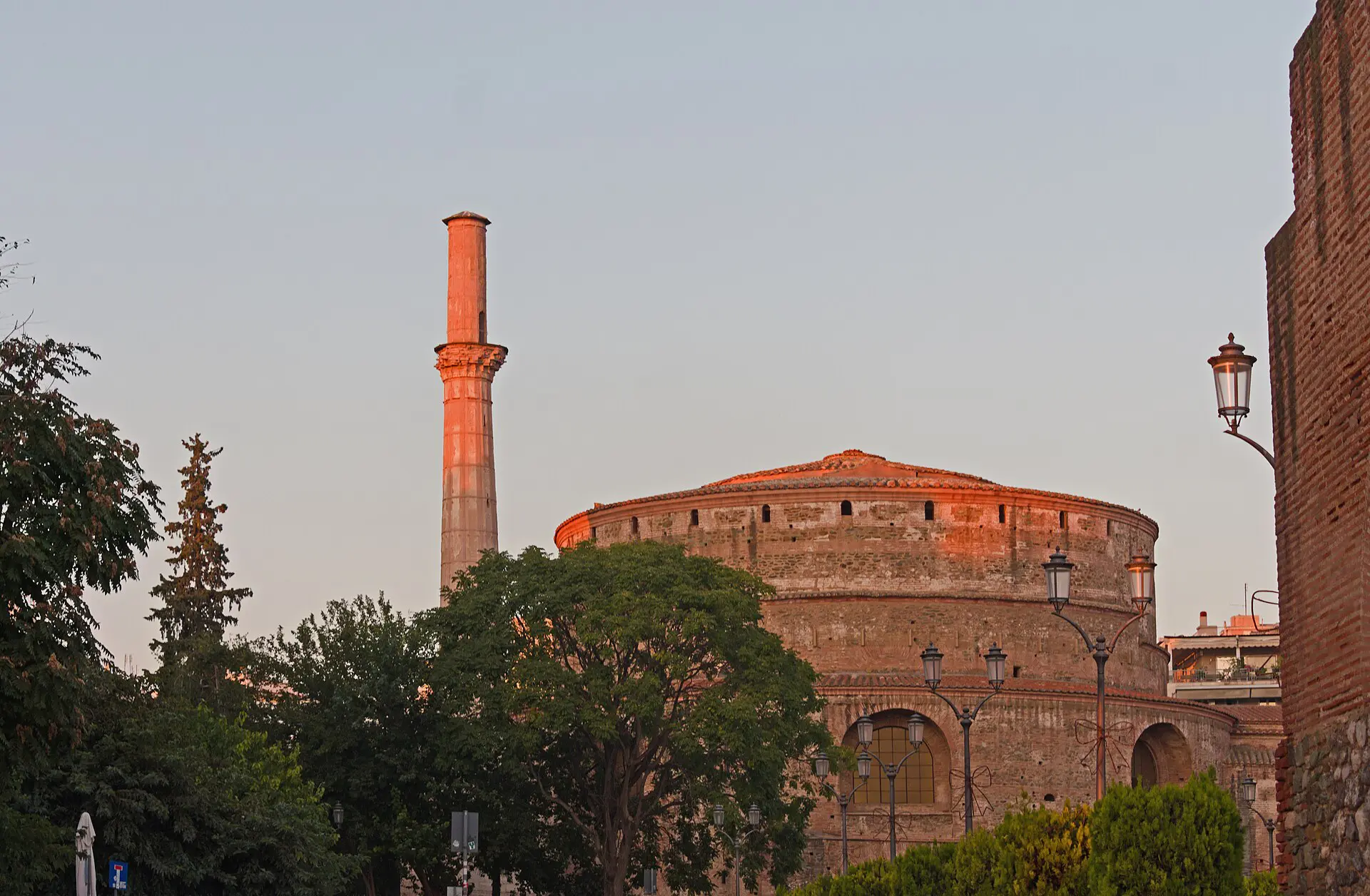
Visit the Rotunda and Roman remains
The city’s Roman past shows in monuments in the central area, including a circular building and other ruins. Allow two to three hours for a loop of the main Roman sights. Go in the morning for cooler walking, and check which sites are open.
Walk the waterfront
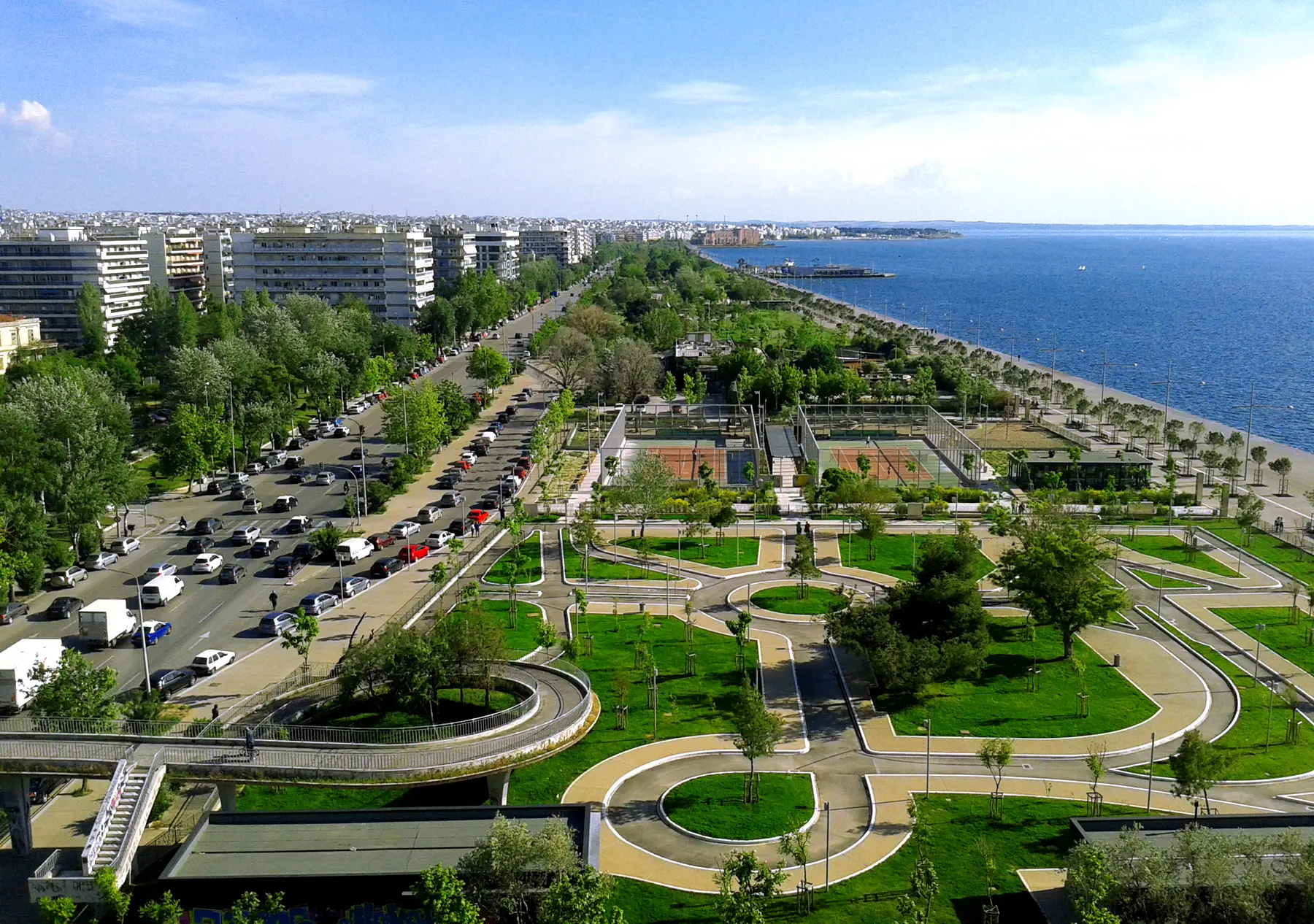
The seafront promenade on the Thermaic Gulf is the city’s social space. Allow one to two hours, ideally toward sunset. Pair it with a visit to a landmark tower on the front, and check current opening hours if you plan to go inside.
Explore the old upper town
The higher parts of the city hold older streets, walls and viewpoints over the gulf. Allow two hours, and wear comfortable shoes for the slopes. The view is best on a clear afternoon.
Visit the museums
The city holds museums covering archaeology, Byzantine culture and its Jewish history. Allow one to two hours per museum, and check opening hours and ticket prices before you go. They suit hot or rainy afternoons.
Eat your way through the centre
Food is a major reason many people visit, with markets, bakeries, ouzo bars and tavernas. Allow an evening, or a half day if you take a food walk. Ask locals for current favourites, and expect late dinners.
Learn about the Jewish heritage
The city’s Ottoman-era Jewish community was at times a majority. Allow an hour or two to see museums and memorials related to this history. Check opening hours and any security procedures in advance.
Best time to visit Thessaloniki
Thessaloniki has hot summers and cooler, damp winters. Spring and autumn are usually the most comfortable times for walking between the churches, ruins and waterfront, with pleasant temperatures and manageable crowds.
| Season | Weather | Crowds and prices |
|---|---|---|
| Spring (April to June) | Mild to warm | Moderate |
| Summer (July to August) | Hot | Quieter in the city, higher for flights |
| Autumn (September to October) | Warm, pleasant | Moderate |
| Winter (November to March) | Cool, damp | Quiet, lower prices |
Summer heat makes midday sightseeing tiring, so go early or late. Check local events, which can raise prices.
How to get to Thessaloniki and around
Thessaloniki has its own international airport, with flights from Athens and many European cities. From Athens you can also take a train or a long-distance bus, and journey times vary, so check current timetables. It is a major transport hub for Greece and southeastern Europe, with onward links to neighbouring countries.
The central area is compact, and most main sights are within walking distance of each other, though some churches and the upper town involve hills. City buses and taxis cover longer trips and the airport, and check current ticket options. Ride-hailing and taxi apps are common. If you plan to explore beyond the city, a rental car or a guided tour is useful, and you should book ahead in summer.
Where to stay in Thessaloniki
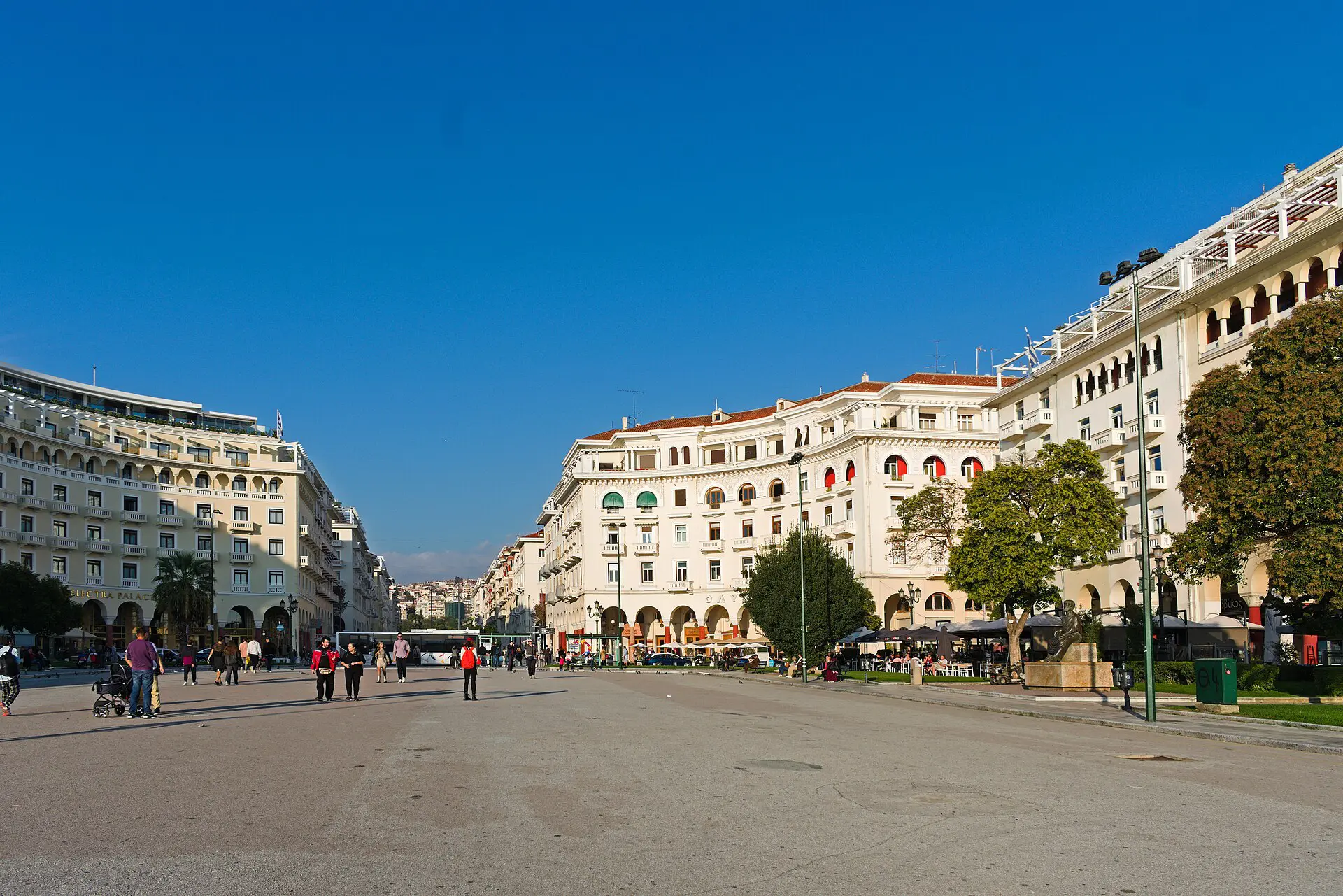
The central area near the main squares and the waterfront suits first-time visitors, with sights, restaurants and transport within a short walk. It is livelier in the evening.
The old upper town suits travellers who want quieter streets, views and a more traditional feel. Expect hills and a short taxi ride to the centre.
Areas near the railway and bus stations suit short stays and early departures, with easy connections.
The waterfront suits those who want sea views and a promenade at the door. Book ahead around local festivals and summer weekends, and compare prices midweek.
How many days do you need?
Two to three days is a good fit. One day covers the waterfront and a few key sights. Three days lets you add museums and a slower food scene. Here is a simple plan.
- Day 1: Roman monuments and the Rotunda, then the waterfront at sunset.
- Day 2: Byzantine churches and the upper town.
- Day 3: Museums, markets and a long lunch.
Add a day for a trip outside the city if you have time.
Day trips and nearby
Mount Olympus area
Greece’s highest mountain range lies southwest of the city and is a popular day trip for walkers. Plan a full day, and check transport and weather in advance.
Chalkidiki peninsula
This peninsula east of the city has beaches and villages. Allow a full day, and check bus or car options, as public transport can be limited.
Pella and Vergina
Ancient Macedonian sites lie west of the city and show the region’s royal history. Plan a long day and check opening hours before you go.
Athens
The capital is a long trip away, better as a separate stay than a day trip. Check flights and trains if you plan to combine the two.
FAQ
Q1When is the best time to visit Thessaloniki?
Spring and autumn, roughly April to June and September to October, are usually the most comfortable for walking. Summer is hot, and winter is cool and damp but quiet. Check local events, as they can raise prices.
Q2How many days do you need in Thessaloniki?
Two to three days covers the Byzantine churches, Roman remains, waterfront and a museum or two. One day gives a short taste. Add a day if you plan a trip to nearby sites or want a slower food focus.
Q3How do you get to Thessaloniki?
Fly into Thessaloniki's airport, with services from Athens and many European cities. You can also take a train or long-distance bus from Athens. Check current timetables and journey times before you book.
Q4Is Thessaloniki worth visiting?
Yes, especially if you like history and food. It layers Roman, Byzantine and Ottoman heritage in a lived-in city with a lively waterfront. It is not a resort, so expect an urban pace. Two to three days is usually enough.
Prices, schedules and entry rules change. Check current details with official sources before you travel. Read the Greece travel guide.