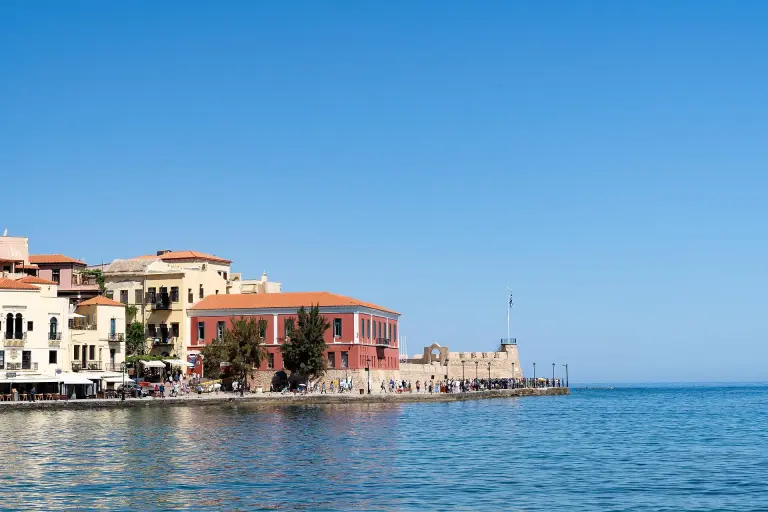
Why visit Naxos
If you are planning things to do in Naxos, start with its scale. It is the largest island in the Cyclades, with a mountainous interior, fertile valleys and a long coastline of beaches. The beaches have white granite sand, and the island is easy to explore by its well-maintained road system.
The island was an important centre of Cycladic culture in the Bronze Age and again in the Archaic period, and traces of that past survive in Chora and across the countryside. The capital, Chora, also called Naxos Town, has most of the shops and restaurants that visitors use.
Naxos is also known for farming, and for emery, a rock once prized as an abrasive. Because the harbour is too small for cruise ships and the island sits near more famous Santorini, it tends to feel less crowded, and it is easy to find quiet villages inland.
Top things to do in Naxos
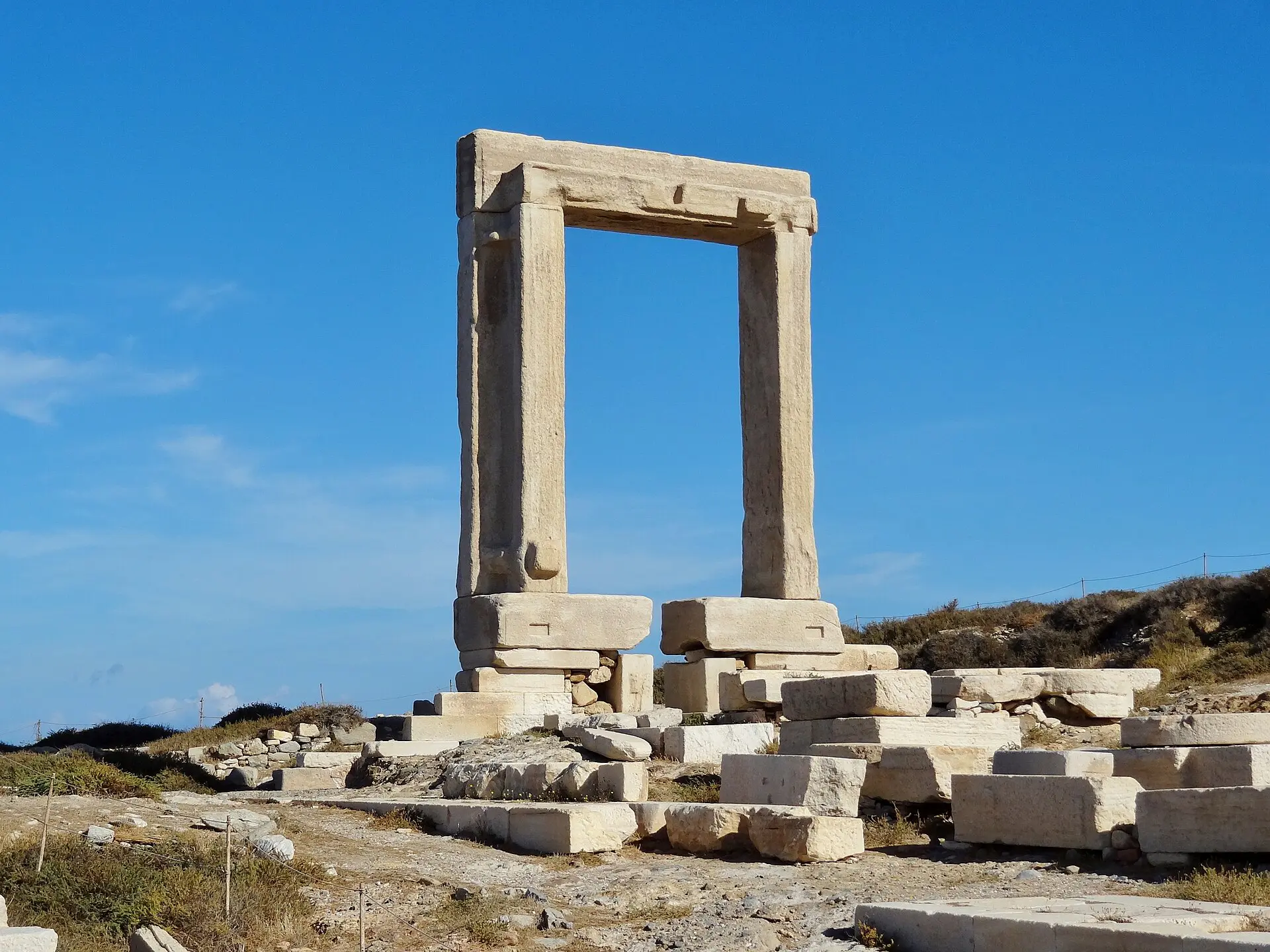
Walk to the Portara
The Portara is a huge marble doorway, the remains of an unfinished temple, standing on a small islet linked to Naxos Town by a causeway. The walk takes about 10 to 15 minutes from the harbour. Allow an hour with photos. Tip: go around sunset, when the gate is framed by sea and sky.
Explore Chora and its old quarter
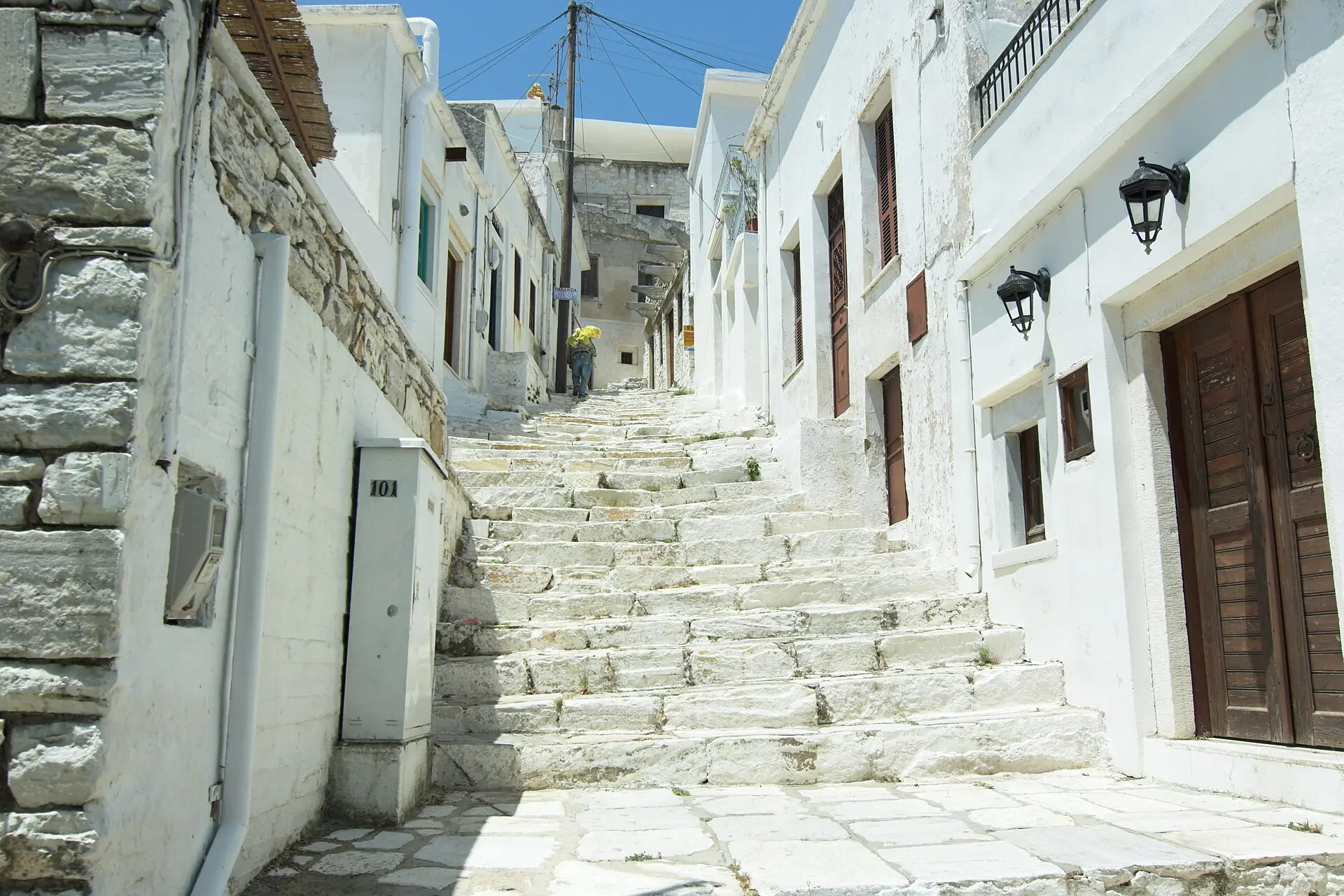
Chora is a maze of whitewashed lanes, with shops, restaurants and a hillside kastro quarter above the port. Allow half a day. Tip: wander upwards from the waterfront and get lost deliberately, then follow the signs back down; the lanes are confusing but small.
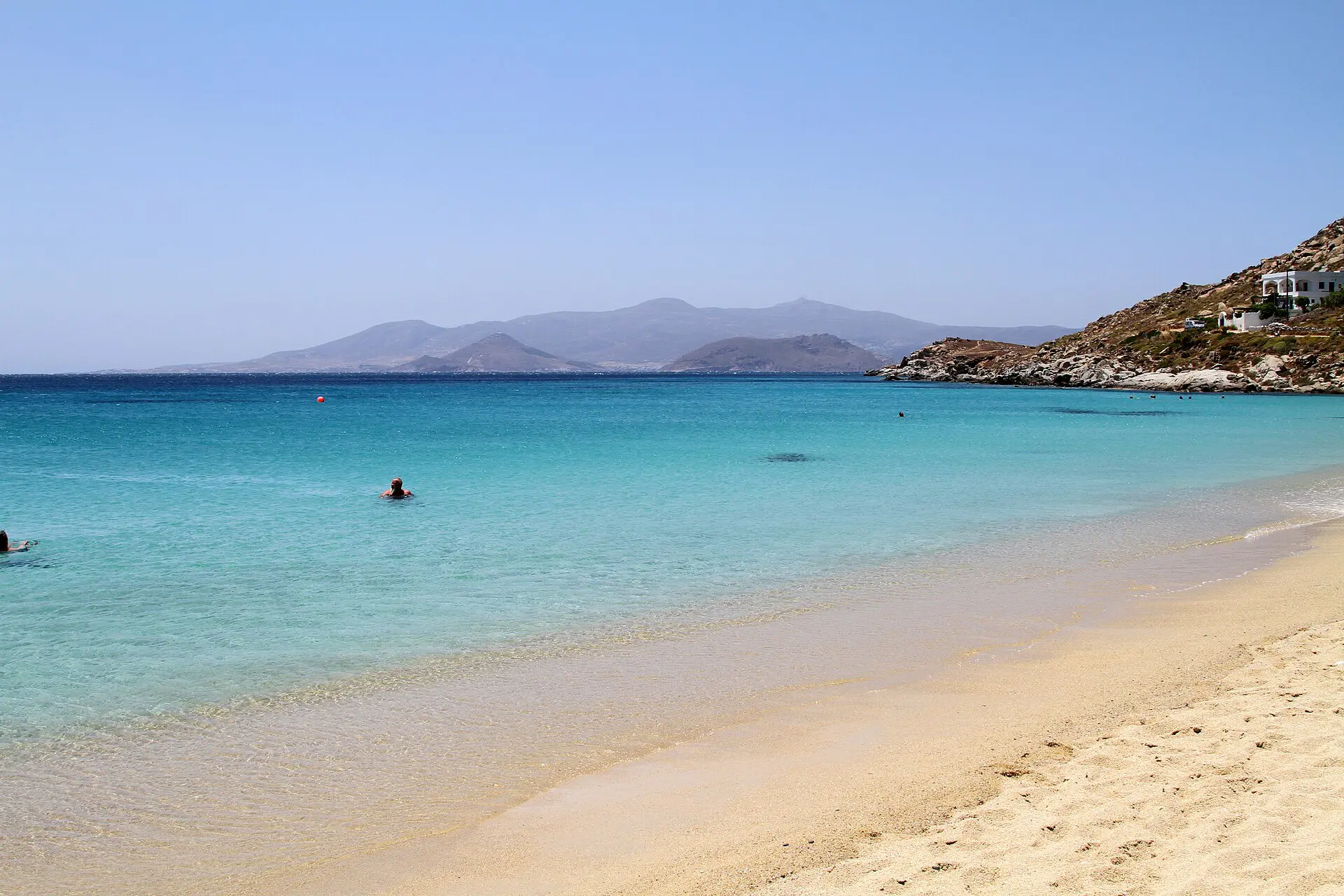
Spend a day on the southern beaches
Beach communities extend south along the coast from Chora, with long stretches of sand and water suited to swimming. Choose by atmosphere: closer beaches have more facilities, farther ones are calmer. Tip: bring water and sun cover to the quieter stretches, and arrive early in August.
Visit Apiranthos and Filoti
Apiranthos and Filoti are among the main villages of the interior, set on the mountain slopes with stone houses and small squares. Allow half a day by car or bus, with time for a meal. Tip: roads are winding, so drive slowly and avoid arriving after dark.
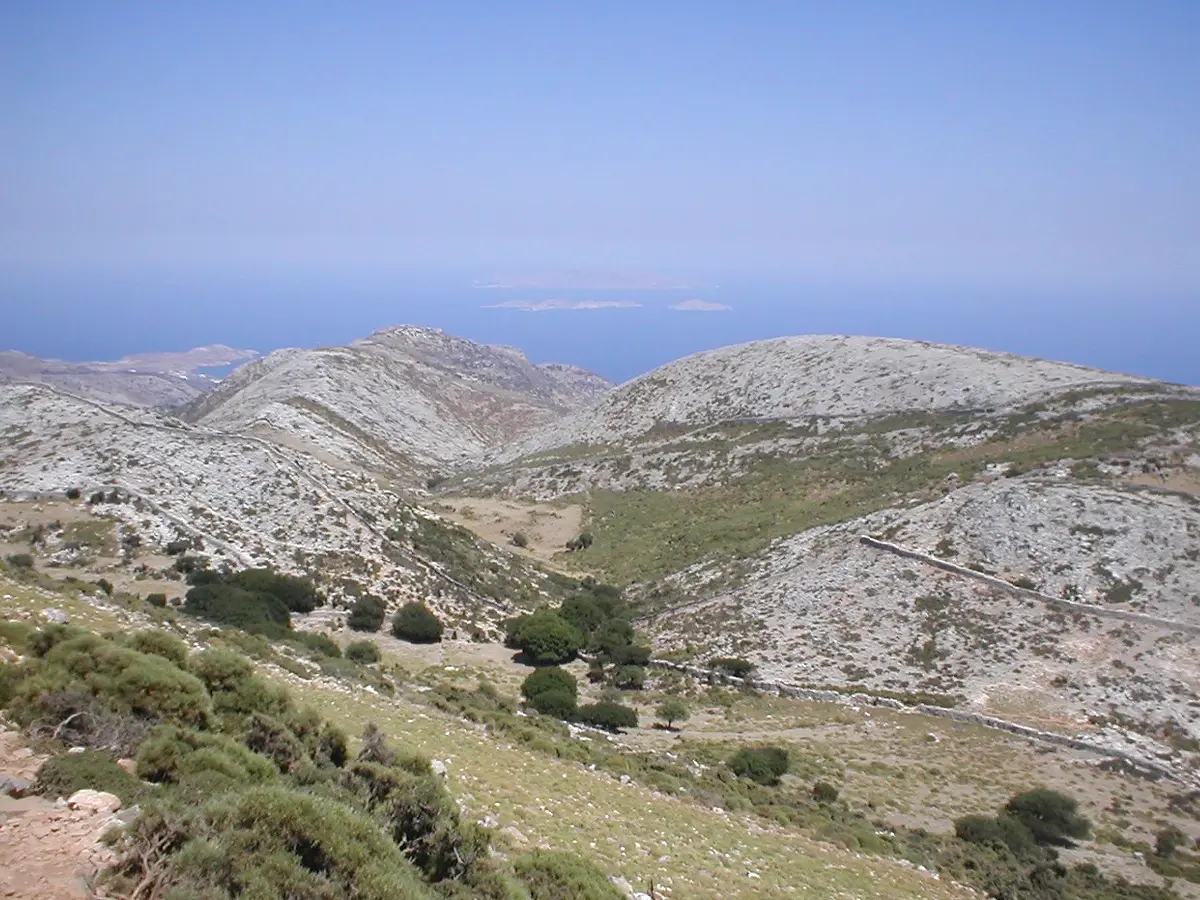
Hike in the interior
The island has marked paths between villages and across hills, and Mount Zas, associated in mythology with the young Zeus, is the highest point. Walks run from short strolls to a full day. Tip: start early in warm months and carry plenty of water.
Look for ancient sites
Naxos has remains from the Cycladic and Archaic periods, including temples and carved marble figures spread across the island. Opening hours vary, so check before you go. Allow a half day for a couple of sites. Tip: combine them with a village stop to make a loop.
Try the local produce
The island’s fertile valleys support agriculture, and local cheese, potatoes and olive oil appear on many menus. A taverna meal in a village is a sensible way to taste them. Tip: ask what is local and seasonal rather than choosing from the longest menu.
Best time to visit Naxos
Late spring and early autumn offer the best balance. From May to June the island is green, the sea is warming and crowds are modest. September and early October keep swimming temperatures high with fewer visitors than August.
July and August are hot and busy, with the highest prices and the most crowded ferries. Winter is quiet and mild but many seasonal businesses close, and ferry schedules thin out. If you want to hike, spring and autumn are also the most comfortable for it.
Wind is common in the Aegean in summer, which can affect ferries, so leave slack around any flight home.
How to get to Naxos and around
Most visitors arrive by ferry. Boats connect Naxos with Athens, with journeys of several hours depending on the vessel, and with other Cyclades; many ferries to Naxos and Santorini stop first at Paros. Check seasonal timetables, which change each year.

The island also has a small airport near Chora with domestic flights, mainly from Athens, as of 2026; confirm current routes. Some travellers fly into Athens and take a ferry for the final leg.
Around the island, a road network reaches the main villages and beaches. Local buses run between Chora and the main destinations, but a rental car or scooter gives you more freedom for interior villages. Taxis are available in Chora. Book vehicles ahead in July and August, and drive carefully on the narrow mountain roads.
Where to stay in Naxos
Chora suits first-time visitors who want restaurants, ferries and nightlife within walking distance. Rooms in the old town have character but can be noisy in summer; those on the edges are quieter. It is also the easiest base without a car.
The beach communities south of Chora are better for families and swimmers, with simple hotels and apartments close to the sand. You trade some evening variety for easier beach days, and most have bus links to town.
In the interior villages, small guesthouses suit walkers and travellers who want quiet. You will generally need a car or good bus planning. Staying in two places, say three nights in Chora and the rest on a beach or in a village, is a good way to cover the island. Book early for July and August.
How many days do you need?
Three days covers Chora, a beach and one inland excursion, but four to six days lets you slow down and see the villages. If you are island-hopping, one night is too short, since ferries and bus connections eat up time. Plan at least one day for the interior, where the island looks most different from other Cyclades.
- Day 1: Walk to the Portara, explore Chora and have dinner on the waterfront.
- Day 2: Spend the day on the beaches south of Chora.
- Day 3: Drive or take a bus inland to Filoti and Apiranthos, with a walk and a taverna meal.
Day trips and nearby
Paros
Paros lies about 8 km west of Naxos across a narrow channel. It is known for its beaches and villages such as Parikia and Naoussa. Ferries run frequently in season, so a day trip is feasible, although an overnight stay is more relaxed. Check timetables.
Santorini
The more famous island lies a ferry ride to the south. It is possible to visit for a day in season, but the journey is long, so many travellers prefer to stay overnight. Confirm sailing times before you plan.
Mykonos
Mykonos is another well-known Cyclades island with ferry links from Naxos, usually requiring a long day or a night there. Check timetables, which change by season, and book accommodation early in July and August.
Athens
Athens is the main gateway, reached by ferry or flight. Most travellers pass through at the start or end of a trip, so consider adding a night to see the main sights.
FAQ
Q1When is the best time to visit Naxos?
May, June, September and early October are the best months for most travellers, with warm sea, good hiking weather and fewer people. July and August are hot and crowded, and many businesses close in winter, so check seasonal availability.
Q2How many days do you need in Naxos?
Four to six days works well: time in Chora, a couple of beach days and at least one day inland among the villages. Three days is enough for a quick visit, but you will feel rushed. Allow extra time around ferry connections.
Q3How do you get to Naxos?
Most people take a ferry from Athens or another Cyclades island, with crossing times of several hours depending on the vessel. There is also a small airport with domestic flights, mainly from Athens. Schedules change each season, so check before you book.
Q4Is Naxos expensive?
Naxos is generally easier on the budget than the best-known Cyclades islands, though prices rise in July and August. Costs depend on where you stay and eat. Self-catering, local tavernas and travelling in shoulder months help keep spending down.
Prices, schedules and entry rules change. Check current details with official sources before you travel. Read the Greece travel guide.