Why visit Antigua Guatemala
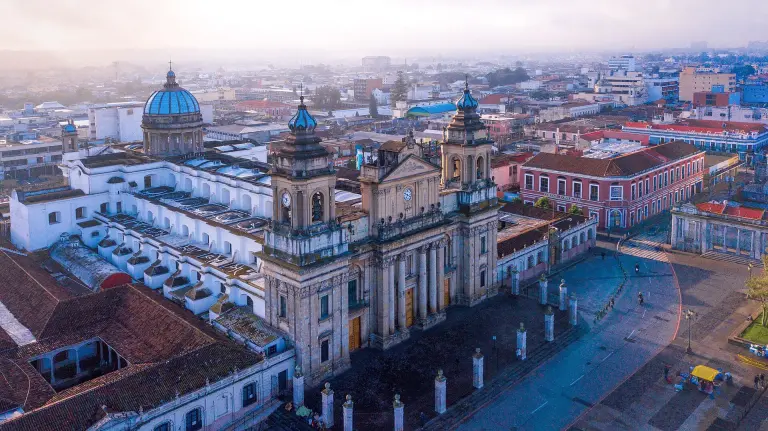
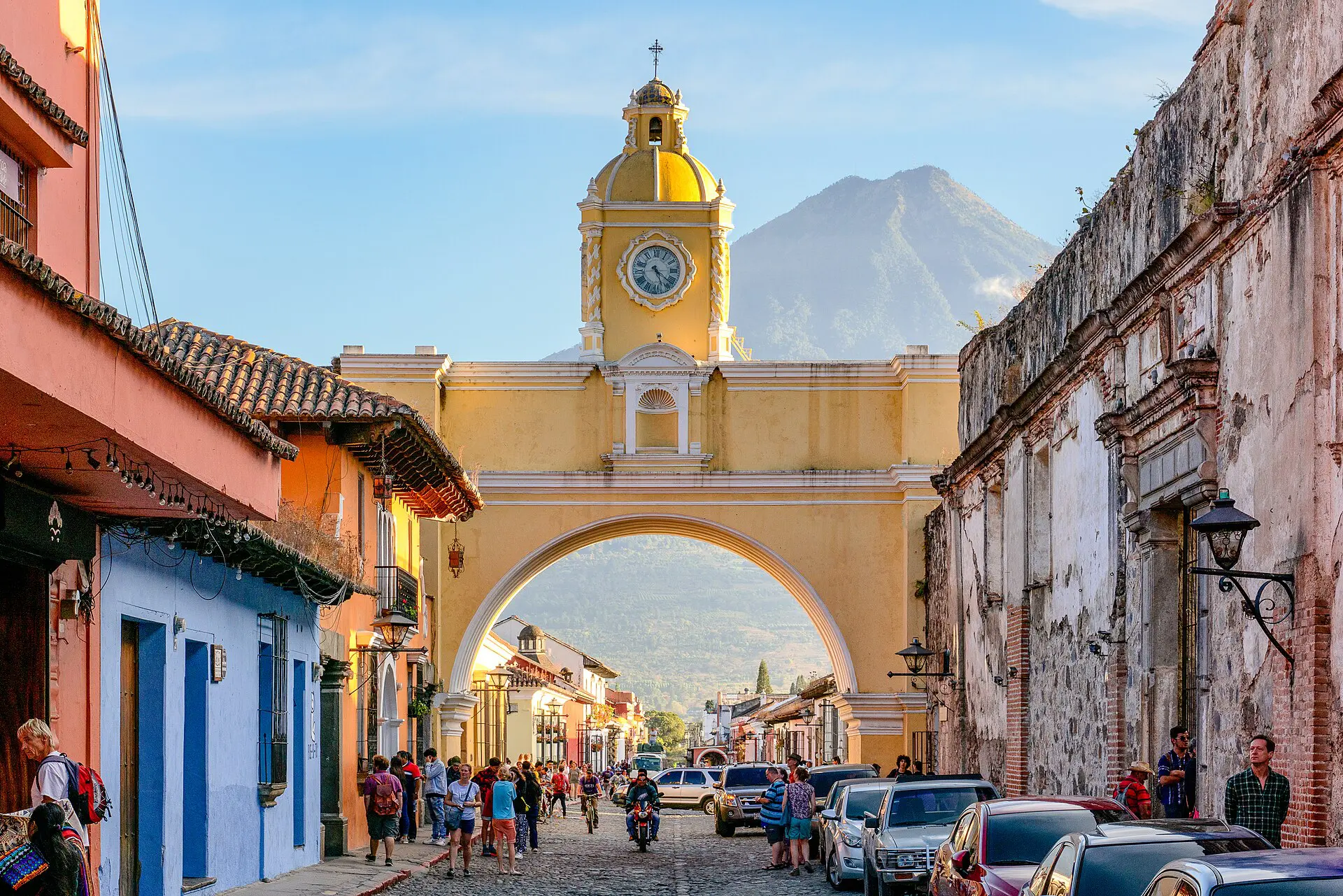
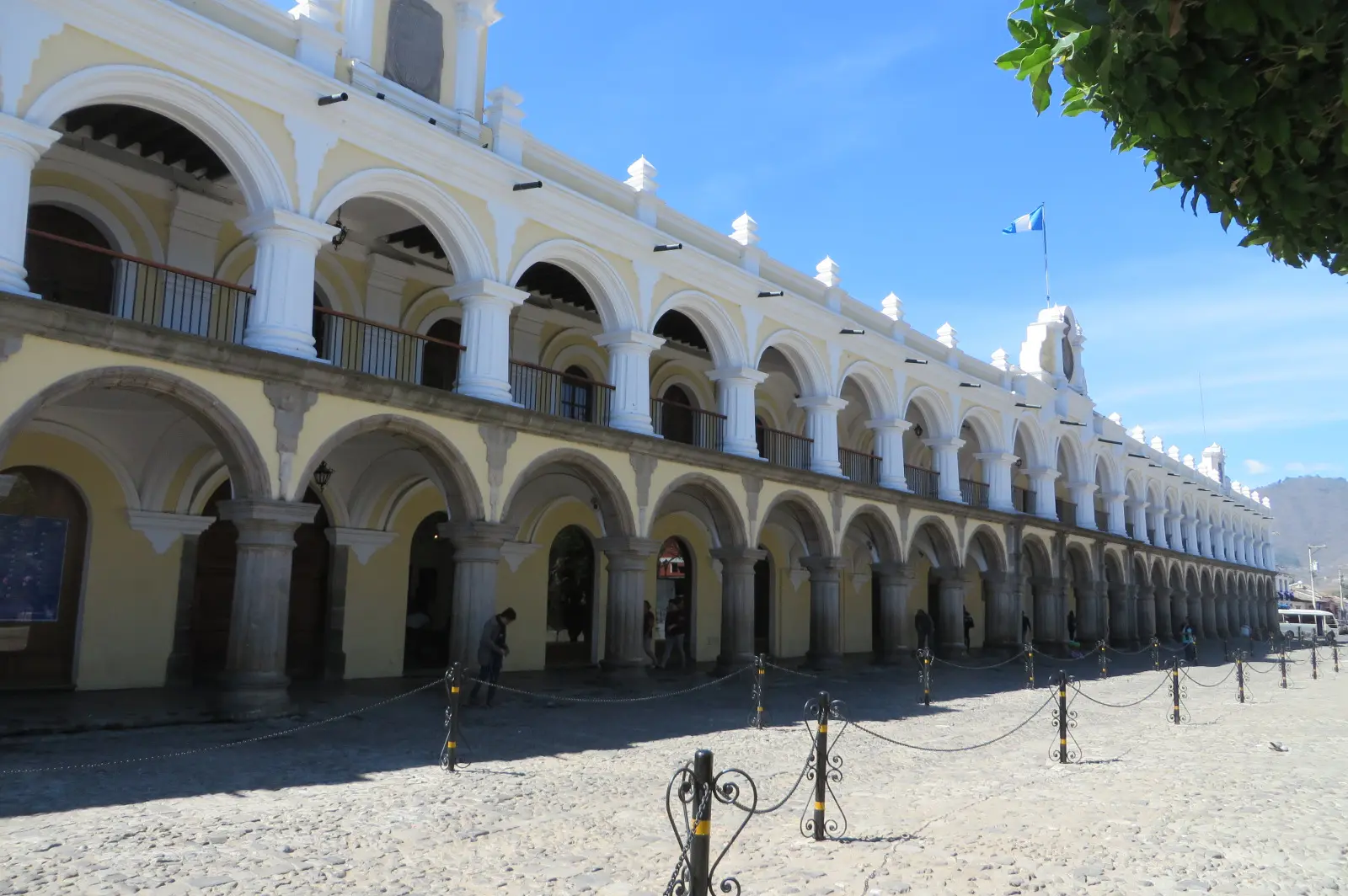
If you are choosing things to do in Antigua Guatemala, start with the setting. The city sits in the central highlands and was the capital of the Captaincy General of Guatemala from 1543 until 1773, which explains its grid of cobbled streets, baroque-influenced buildings and ruined churches.
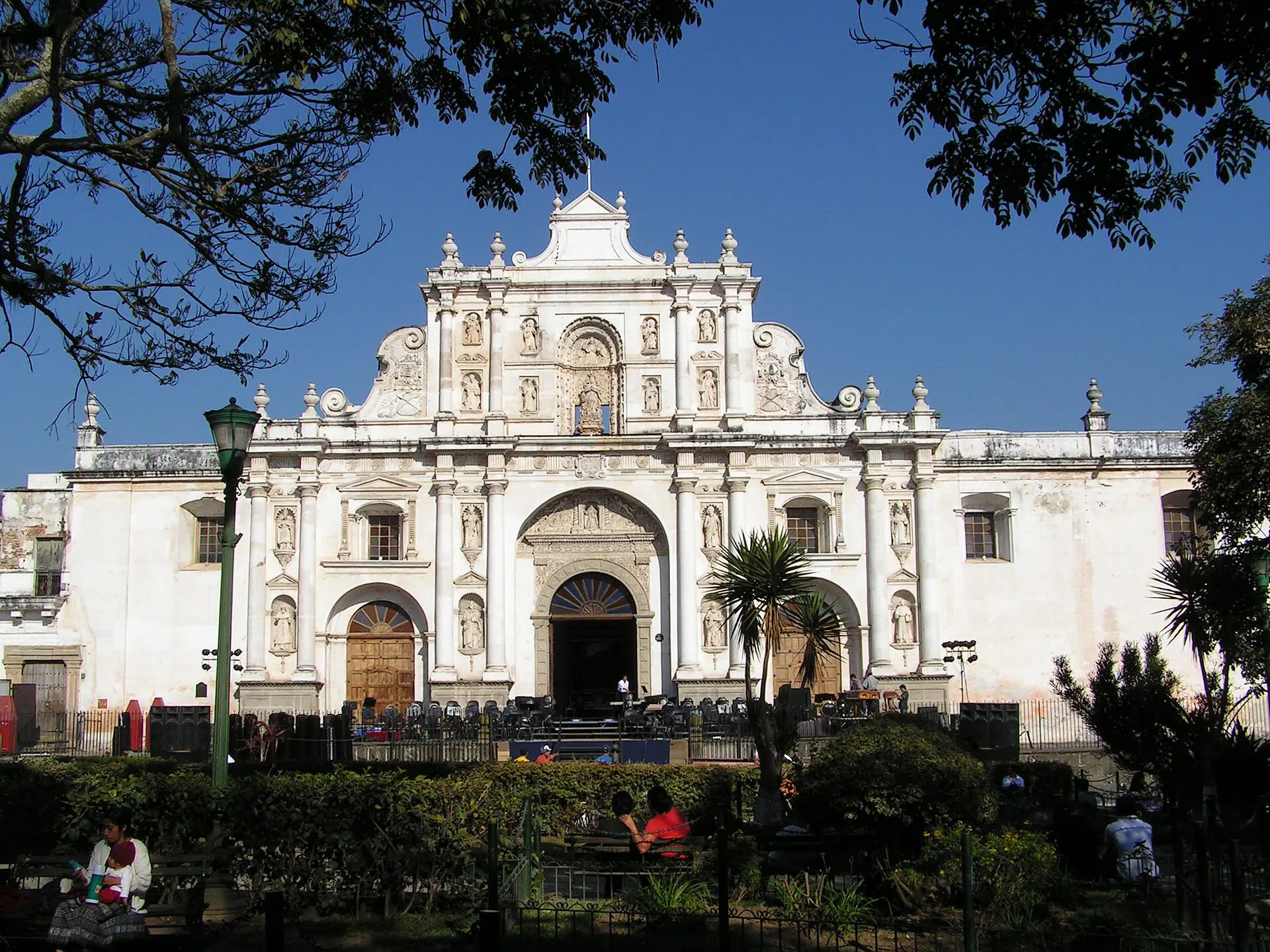
A disastrous earthquake in 1773 destroyed or damaged much of the city, and the Spanish crown ordered the capital moved to what became Guatemala City. The old capital was gradually abandoned and became known as Antigua, meaning old. In 1979 it was designated a UNESCO World Heritage Site for its architecture and layout.
It is perhaps Guatemala’s most popular tourist destination. The town is small enough to explore on foot, with volcanoes visible from the streets, and it has a wide choice of cafes, restaurants and language schools. It is a relaxed, comfortable first stop in Guatemala, and a base for day trips to markets, lakes and volcano hikes.
Top things to do in Antigua Guatemala
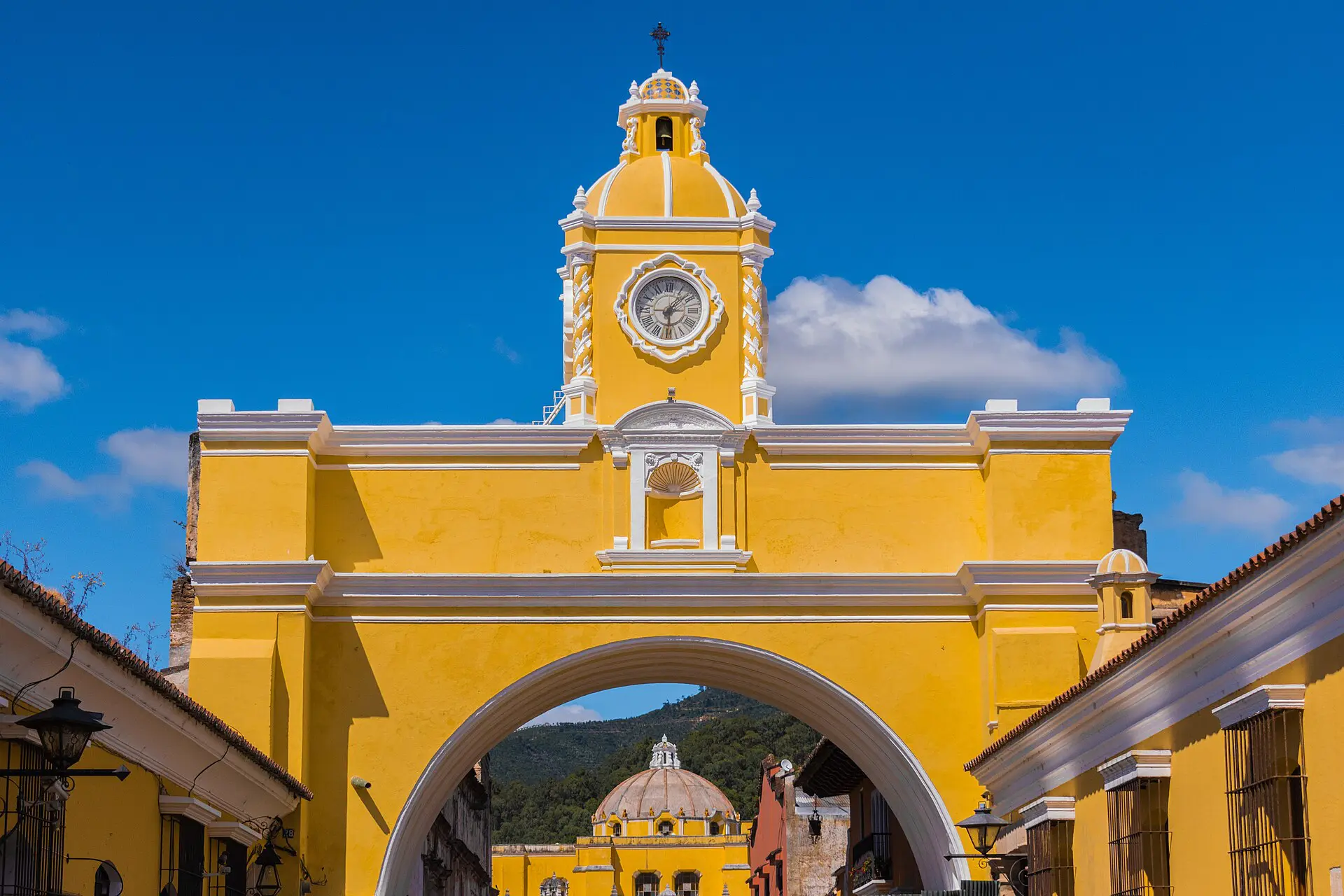
Santa Catalina Arch and the central streets
The yellow arch over 5th Avenue is the best-known photo spot, with Agua volcano in the background on clear mornings. Allow an hour to wander the surrounding streets. Go early for fewer people and softer light.
Parque Central and the cathedral ruins
The main square is the social centre, with the former cathedral and church ruins close by that show the damage of the 1773 earthquake. Allow an hour or two, check opening hours and entry fees for the ruins, and keep a hat for midday sun.
Convents and church ruins
Several former convents and churches around town have been preserved as ruins, and some are open to visitors. Allow a couple of hours to see two or three. Wear sturdy shoes for the uneven stones, and carry small change for entry fees.
Volcano hikes
Nearby volcanoes, including Pacaya, can be climbed on guided trips from town. Plan a half or full day, depending on the route. Check conditions and volcanic activity before booking, choose a reputable operator, and bring layers, water and good shoes.
Cerro de la Cruz
A hill viewpoint above the town with views across the rooftops towards the volcanoes. It takes about an hour round trip. Check current local advice on safety before walking up, and consider going in a group or by taxi.
Markets and food
The local market is a good place to see everyday life and try local food, while cafes serve Guatemalan coffee. Allow an hour or two. Go in the morning, and carry small bills for stalls.
Semana Santa
Holy Week, the Easter celebrations, is a major event with processions and carpets of coloured sawdust. It draws large crowds, so book accommodation well ahead and expect street closures.
Best time to visit Antigua Guatemala
Antigua’s elevation gives it a mild climate, with warm days and cool nights. The main division is between the dry season, roughly November to April, and the rainy season, roughly May to October.
| Season | Weather | Crowds and prices |
|---|---|---|
| Dry season (November to April) | Sunny days, cool nights, clearer volcano views | Busiest; Holy Week is peak |
| Rainy season (May to October) | Afternoon showers, green hills | Quieter; better value |
Mornings are usually clearer than afternoons in the wet months, so plan volcano hikes and sightseeing early. If you want to see Semana Santa, book months in advance, because prices and crowds rise sharply.
How to get to Antigua Guatemala and around
Antigua has no commercial airport. Most visitors fly into La Aurora International Airport in Guatemala City, about 40 km away, and continue by shuttle, taxi or private transfer. The drive typically takes about an hour, but traffic can add a lot, so allow extra time before a flight.
Shuttle services also link Antigua with Lake Atitlan, Chichicastenango and other tourist destinations, and they are usually the simplest option. Local buses are cheaper but less comfortable and harder to navigate with luggage.
The centre is compact and walkable, though cobblestones are uneven. Tuk-tuks and taxis fill the gaps for longer hops or at night. Take normal precautions, avoid walking alone after dark in quiet areas, and ask your hotel for current advice.
Where to stay in Antigua Guatemala
The streets around Parque Central are the most convenient base for sights, restaurants and shuttle pick-ups, and they suit first-time visitors who want to walk everywhere. Expect more noise and slightly higher prices in this area.
Streets a few blocks out, towards the arch and the edges of the historic centre, tend to be quieter and are often cheaper, with guesthouses, boutique hotels and hostels. They suit travellers who want a calmer base but still within walking distance of the main sights.
Some visitors choose a longer stay with a language school, often with a host family, which is a good way to get to know the town and keep costs down. Book well ahead for Holy Week and for the peak dry-season months, and check that your accommodation has hot water and secure storage.
How many days do you need?
Two days covers the central sights on foot, and three or four lets you add a volcano hike and a lake trip. Plan more if you want to study Spanish or simply relax. If you only have one day, focus on the arch, the main square and a couple of ruins.
- Day 1: Santa Catalina Arch, Parque Central, church ruins and an evening meal in the centre.
- Day 2: A guided volcano hike or a morning at Cerro de la Cruz, then the market.
- Day 3: A day trip to Lake Atitlan or Chichicastenango market.
Day trips and nearby
Lake Atitlan
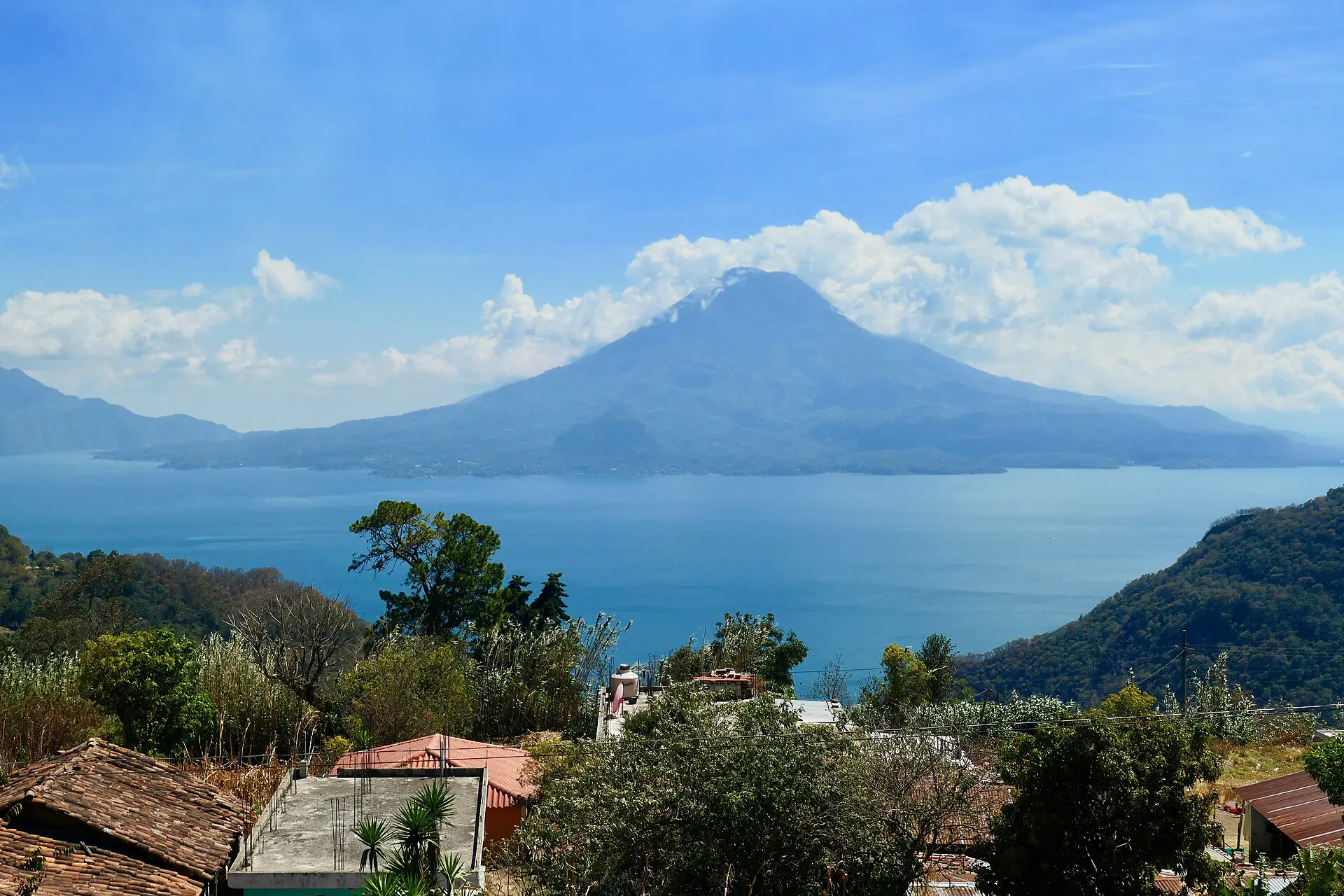
A large highland lake surrounded by volcanoes and villages such as Panajachel and San Pedro La Laguna. It can be done as a long day trip by shuttle, though an overnight stay is more relaxing. Boats link the lakeside villages.
Chichicastenango
A highland town known for its market and traditional Maya customs. It is best visited on market days, which are usually limited to certain weekdays, so check before you go. Allow a full day, including transport.
Guatemala City
The capital is about an hour away and has museums and a lively dining scene. Most visitors see it only in transit, but a half-day visit is possible. Check current local advice on safe areas before exploring.
Tikal and Flores
The Maya site of Tikal in the northern lowlands is far from Antigua, so it requires a flight to Flores and at least two days. It is better treated as a separate leg of your trip.
FAQ
Q1When is the best time to visit Antigua Guatemala?
November to April is the dry season, with sunny days, cool nights and clearer volcano views. It is also the busiest period, especially during Holy Week. The rainy season from May to October is greener and quieter, with showers mostly in the afternoon.
Q2How many days do you need in Antigua?
Two days is enough to see the colonial centre and the main ruins. Three or four days lets you add a volcano hike and a trip to Lake Atitlan or Chichicastenango. Longer stays suit those studying Spanish or working remotely.
Q3How do you get to Antigua Guatemala?
Fly into Guatemala City, then take a shuttle, taxi or private transfer for the roughly 40 km trip, which takes about an hour or more in traffic. Shuttles also run from Lake Atitlan and other highland towns.
Q4Is Antigua Guatemala safe for tourists?
It is one of Guatemala's most visited places and is generally considered manageable with normal precautions. Avoid walking alone at night or on isolated hill trails, keep valuables out of sight, and check your government's current travel advice.
Prices, schedules and entry rules change. Check current details with official sources before you travel. Read the Guatemala travel guide.