Why visit Guatemala City
If you are researching things to do in Guatemala City, expect a large, busy capital rather than a postcard town. About 3 million people live in the city, and its metropolitan area is the largest in Central America. It sits in a mountain valley known as Valle de la Ermita, in the south-central part of the country, and most visitors arrive here first because the main international airport is nearby.
The city is built on the site of the Maya settlement of Kaminaljuyu and was founded by the Spanish after the colonial capital, now Antigua Guatemala, was destroyed by the 1773 earthquake. That layered history shows up in the museums, the old centre and the plazas, where the independence of Central America was declared in 1821.
Travellers often skip the capital, but a day or two is useful. You can see strong archaeology and art collections, eat well, and take a more local view of Guatemalan life, often with few other tourists. Choose your neighbourhoods carefully and use common-sense city precautions.
Top things to do in Guatemala City
Historic centre and Plaza de la Constitucion
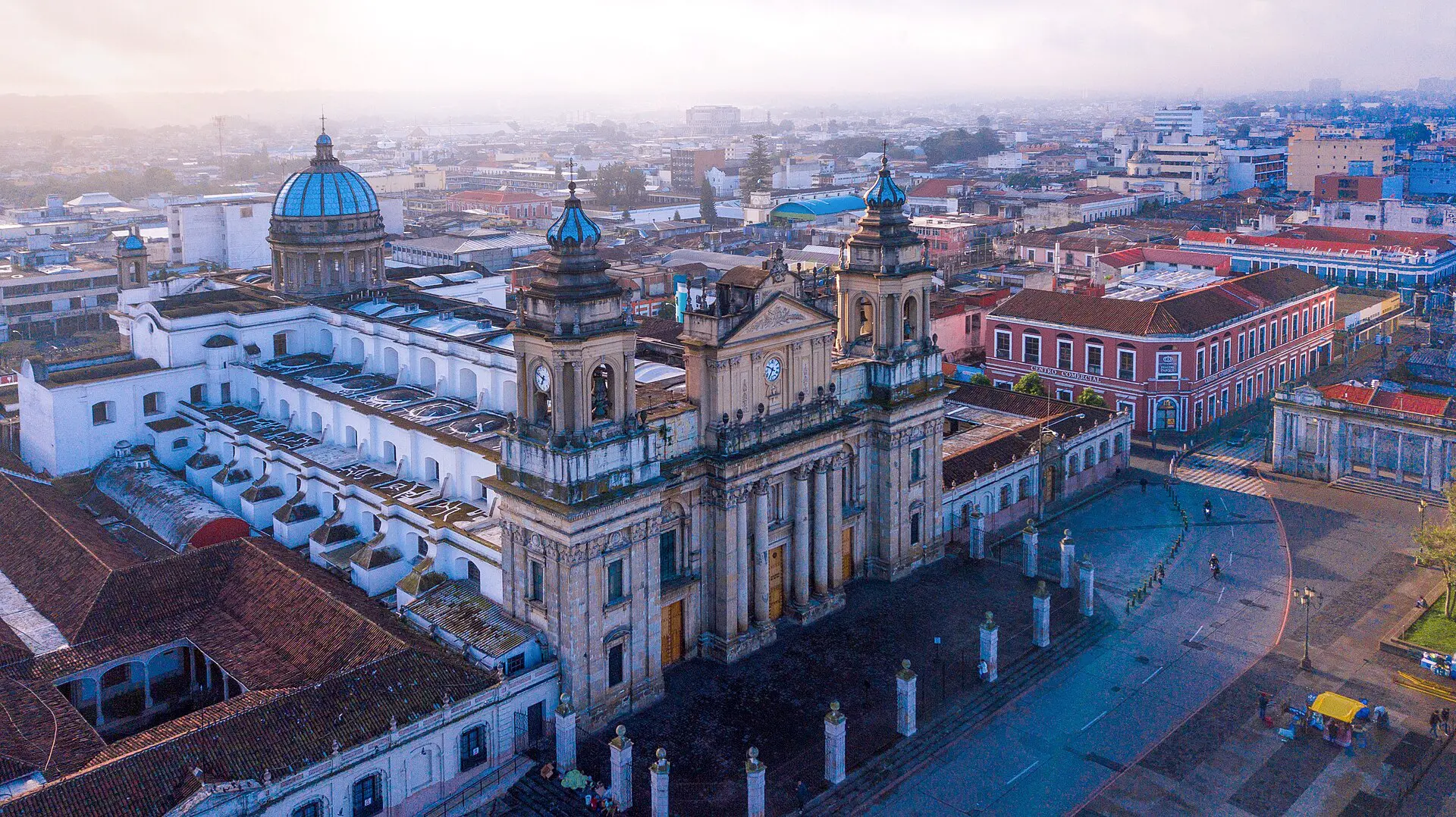
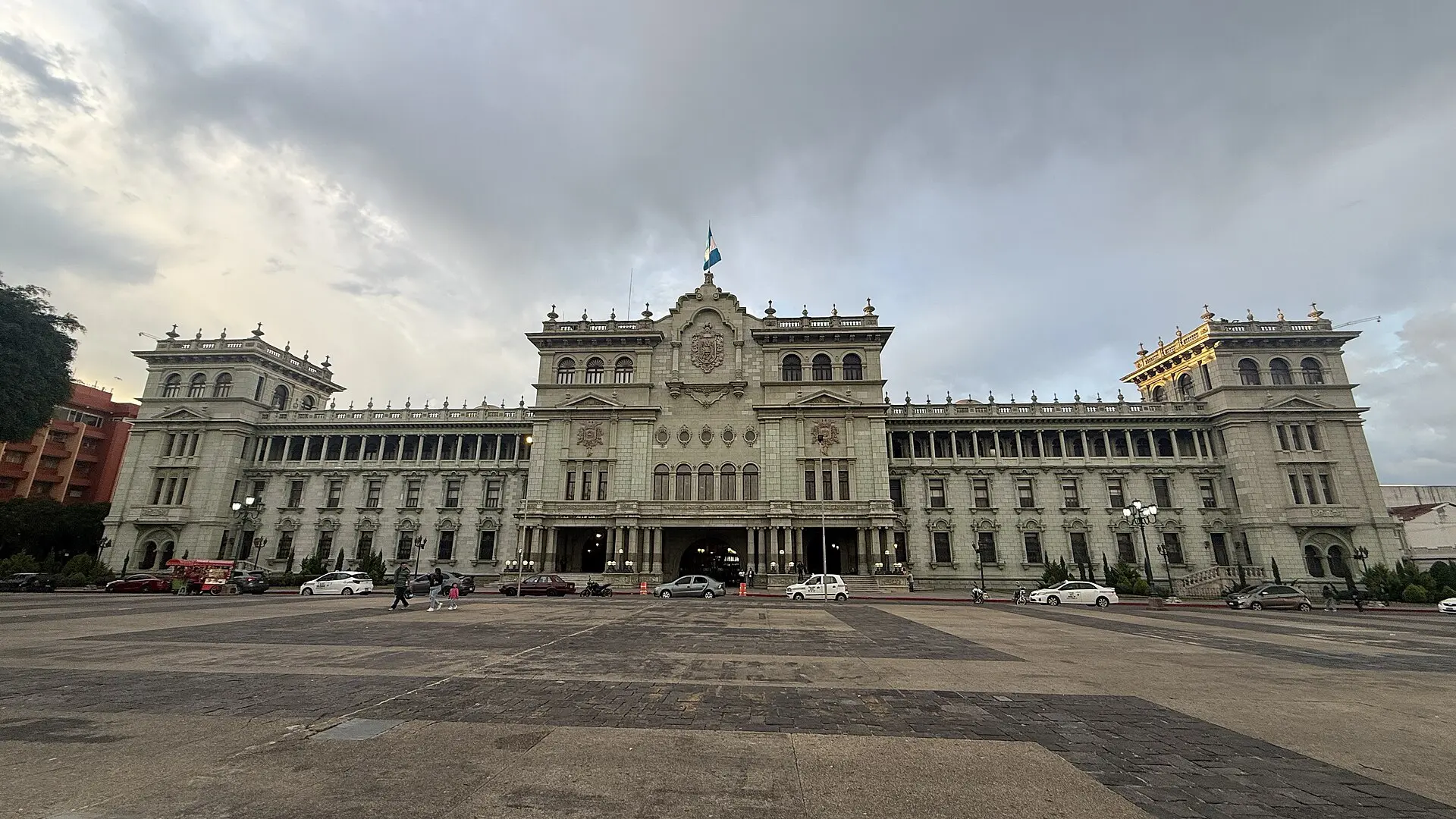
Zona 1 is the historic centre, built around the main plaza and the National Palace, also called Palacio Nacional de la Cultura. The cathedral stands beside it. Allow 1.5 to 2 hours, go in daylight, and ask locally which streets are comfortable to walk. Sunday gatherings in the plaza are a good time to see local life.
Palacio Nacional de la Cultura
The National Palace is a landmark of the historic centre, and the country’s main highways measure their distances from Kilometre 0 inside it. Guided visits are usually offered, but opening days and tour times change, so check before you go. Plan about an hour.
Museo Nacional de Arqueologia y Etnologia
This museum in Zona 13 holds a large collection of Maya artefacts and is one of the best places to understand the country’s pre-Hispanic past. Plan around two hours. It is close to the airport, so it works as a stop on an arrival or departure day.
Museo Popol Vuh
Located on a university campus in Zona 10, this museum focuses on Maya art and ceramics and is a good complement to the national museum. Plan an hour or so. Check opening days, which can be limited, and combine it with lunch in the nearby restaurants.
Kaminaljuyu
Kaminaljuyu is the archaeological site of an important Maya city that was occupied for centuries before the Spanish arrived. Many of its mounds are now surrounded by the modern city. It is a short taxi ride from the centre and suits history enthusiasts, so plan one to two hours.
Zona 4 and Zona 10 dining
Zona 10, known as the Zona Viva, has hotels, restaurants and bars, while Zona 4 has a growing mix of cafes and galleries. This is where many visitors eat. Take a ride-hailing app or a licensed taxi after dark rather than walking between neighbourhoods.
Mercado Central
The central market near the cathedral sells handicrafts, textiles and everyday goods. Plan one hour, keep valuables out of sight, and bargain politely. For a wider selection of crafts in a calmer setting, a dedicated artisan market in the newer zones is an alternative.
Best time to visit Guatemala City
Guatemala City sits at roughly 1,500 metres, so the climate is mild and spring-like for much of the year. The main variable is the wet season, which generally runs from around May to October, with afternoon downpours being common. The dry season, from about November to April, is the easiest time for sightseeing and for day trips.
| Season | Weather | Crowds and prices |
|---|---|---|
| Dry season (Nov-Apr) | Mild days, cooler nights, little rain | Busiest for tourism; hotels in Antigua fill early |
| Wet season (May-Oct) | Afternoon showers, green landscapes | Quieter, usually lower prices |
Holy Week in March or April is a major event in Antigua and across the country, so book transport and lodging well ahead if you travel then.
How to get to Guatemala City and around
Most international visitors arrive at La Aurora International Airport, which is within the city and typically 15 to 30 minutes from the main hotel zones depending on traffic. Direct flights connect Guatemala City with several North American hubs, and check current schedules for connections. Long-distance buses link the capital with Antigua, Quetzaltenango and the Lake Atitlan area, and many travellers use private shuttles for convenience.
Within the city, taxis and ride-hailing apps are the simplest choice, especially after dark. The city also runs the Transmetro bus rapid transit system and other buses, but these can be crowded and confusing for first-time visitors. Plan journeys outside rush hours, as traffic is heavy.
Distances between zones can be short on a map but slow by road. Group sights by area, for example the historic centre on one day and museums and dining in Zona 10 or Zona 13 on another, to save time.
Where to stay in Guatemala City
Most visitors choose Zona 10, the Zona Viva, which has many hotels, restaurants and shopping and is generally regarded as one of the more comfortable areas for short stays. It suits business travellers and first-time visitors who want easy access to dining and taxis.
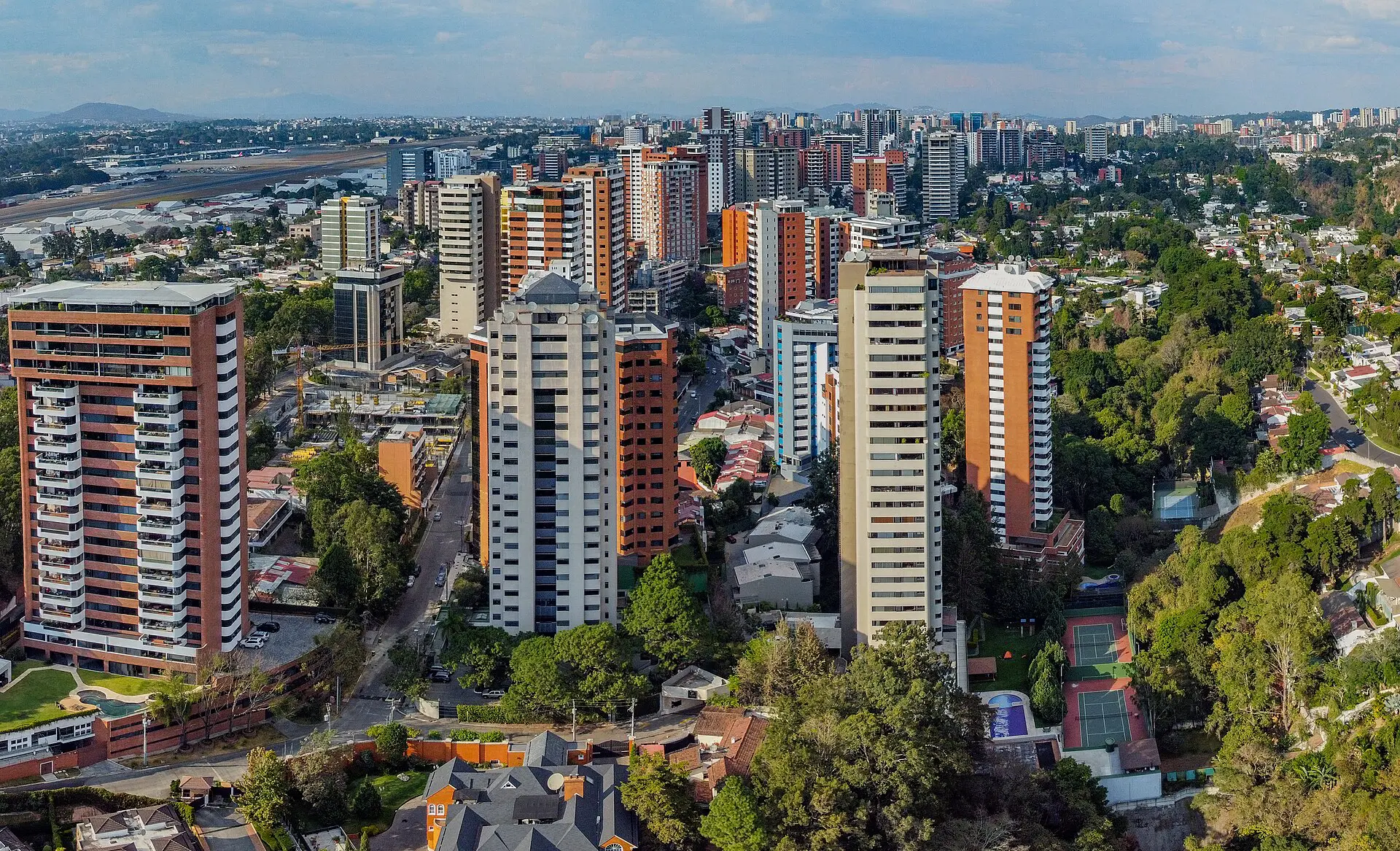
Zona 4 is a more creative district, with cafes, galleries and boutique stays that suit independent travellers. Zona 13 is near the airport and the main museums, which makes it practical for early flights or late arrivals. Zona 1, the historic centre, is atmospheric and cheaper but is better for daytime visits than for staying out in the evening.
Whichever area you choose, look for accommodation with secure entry, ask your host about the safest transport at night, and book ahead during major holidays.
How many days do you need?
One to two days is enough in Guatemala City, especially if you plan to head on to the colonial town of Antigua or to the highlands. One night suits a quick stopover; two nights lets you take in the museums, the old centre and some of the food scene without rushing.
- Day 1: Visit the historic centre, the National Palace and cathedral in the morning, then the Mercado Central, and spend the evening in Zona 4 or Zona 10.
- Day 2: Visit the Museo Nacional de Arqueologia y Etnologia and the Museo Popol Vuh, then add Kaminaljuyu if time allows.
- Day 3 (optional): Take a day trip to Antigua Guatemala or a volcano hike, returning to the capital or moving on.
Day trips and nearby
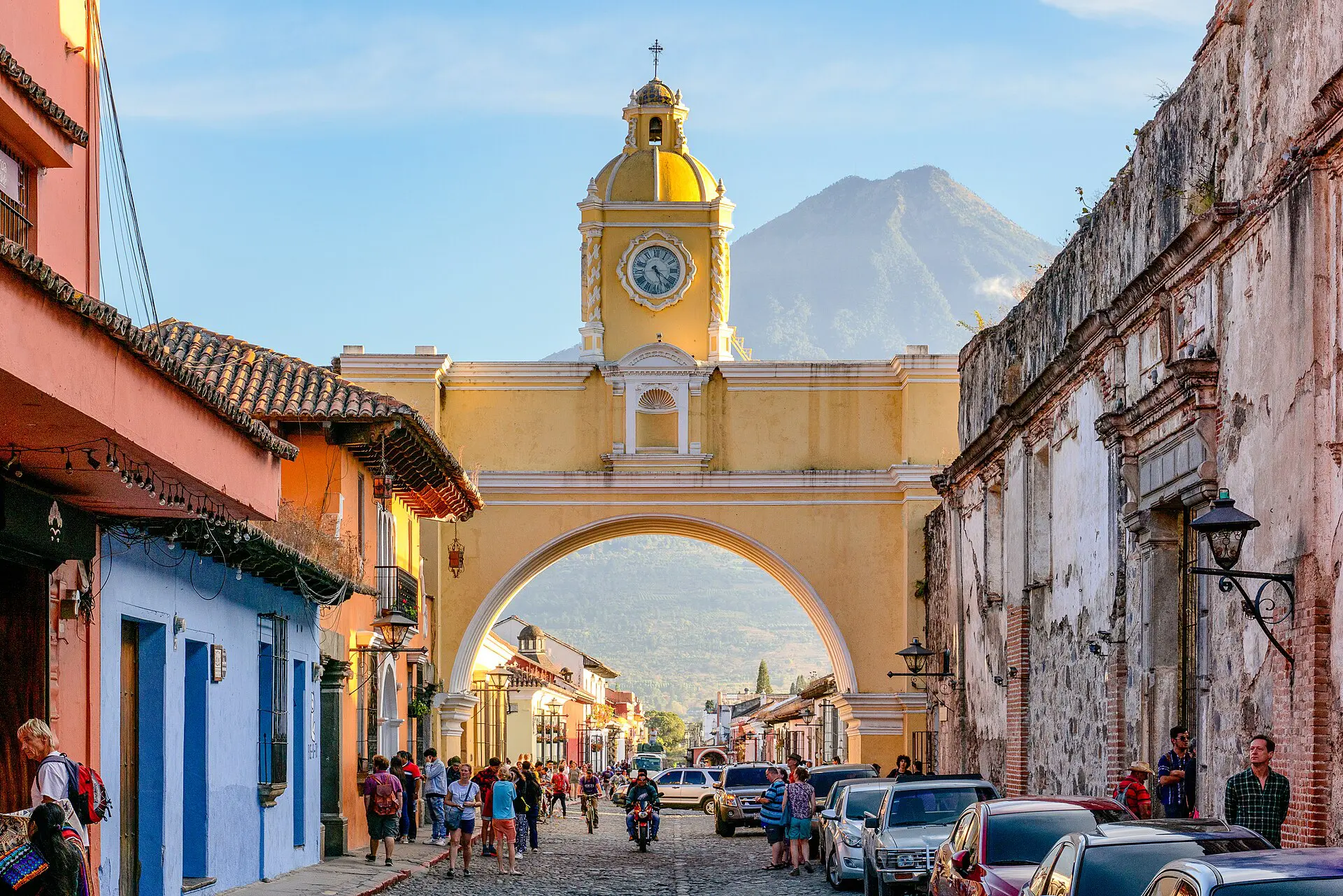
Antigua Guatemala
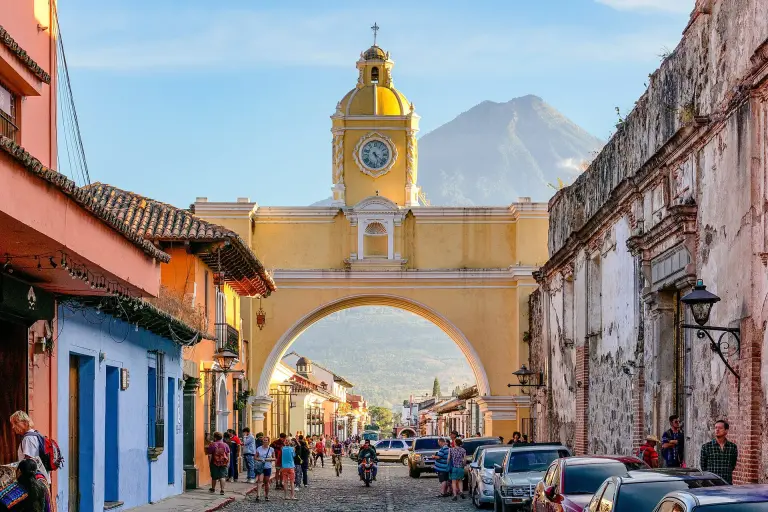
The former colonial capital is about an hour from the city by road, depending on traffic, and is the most popular day trip. Its cobbled streets, ruins and volcano views suit a full day, though many travellers prefer to stay overnight.
Lake Atitlan
Lake Atitlan is a volcano-ringed lake in the highlands, usually reached in about three hours by road. It is better as an overnight stay than a day trip. Villages such as Panajachel and San Pedro La Laguna offer different atmospheres.
Chichicastenango
Chichicastenango is known for its large market, held on set days of the week, so check which days before you go. It is a long day trip from the capital but more comfortable if combined with a night in the highlands.
Tikal and Flores
Tikal, the Maya ruins in the northern lowlands, is far from the capital by road. Most travellers fly to Flores and visit from there, so treat it as a separate trip of two or three days rather than a day trip.
FAQ
Q1Is Guatemala City worth visiting?
It is worth a day or two for the museums, historic centre and food, particularly if you are passing through on the way to Antigua or the highlands. It is less of a destination for relaxed wandering, so plan areas, transport and daylight carefully.
Q2How many days do you need in Guatemala City?
One to two days is enough for the main museums, the old centre and a good meal in Zona 10 or Zona 4. Add a third day only if you want a day trip to Antigua or a volcano hike without changing hotels.
Q3Is Guatemala City safe for tourists?
Visitors should take normal big-city precautions: use ride-hailing apps or licensed taxis at night, stay in well-regarded zones such as Zona 10 or Zona 4, avoid displaying valuables and ask your hotel which areas to avoid. Check current official travel advice before booking.
Q4How do you get from Guatemala City to Antigua?
Antigua is about 40 km west of the capital, and the trip usually takes around one hour, longer in traffic. Options include shuttles, private transfers, buses and taxis. Many travellers go directly from the airport, so check shuttle schedules before you arrive.
Prices, schedules and entry rules change. Check current details with official sources before you travel. Read the Guatemala travel guide.