Why visit Tuvalu
This Tuvalu travel guide starts with the numbers: nine islands and atolls, about 26 square kilometres of land and roughly 10,000 residents, spread across the central Pacific between Hawaii and Australia. It is one of the smallest and least-visited countries in the world, and the Wikipedia overview covers its Polynesian settlement, British colonial period and independence in 1978. The highest point is only a few metres above sea level, which makes the country one of the most exposed in the world to rising seas.
There are no resorts, no big attractions and almost no nightlife. What you get is a lagoon with clear water, shaded village life, church singing on Sundays and a sense of how a whole country works on a thin strip of coral. Tuvalu suits patient travellers, divers and snorkellers, birdwatchers, anyone interested in climate change and people who enjoy slow travel. It is a poor fit for travellers who want packaged tours, varied dining or reliable schedules.
Best places to visit in Tuvalu
The best places to visit in Tuvalu are mostly on and around Funafuti, because flights and boats to the outer islands are limited and irregular.
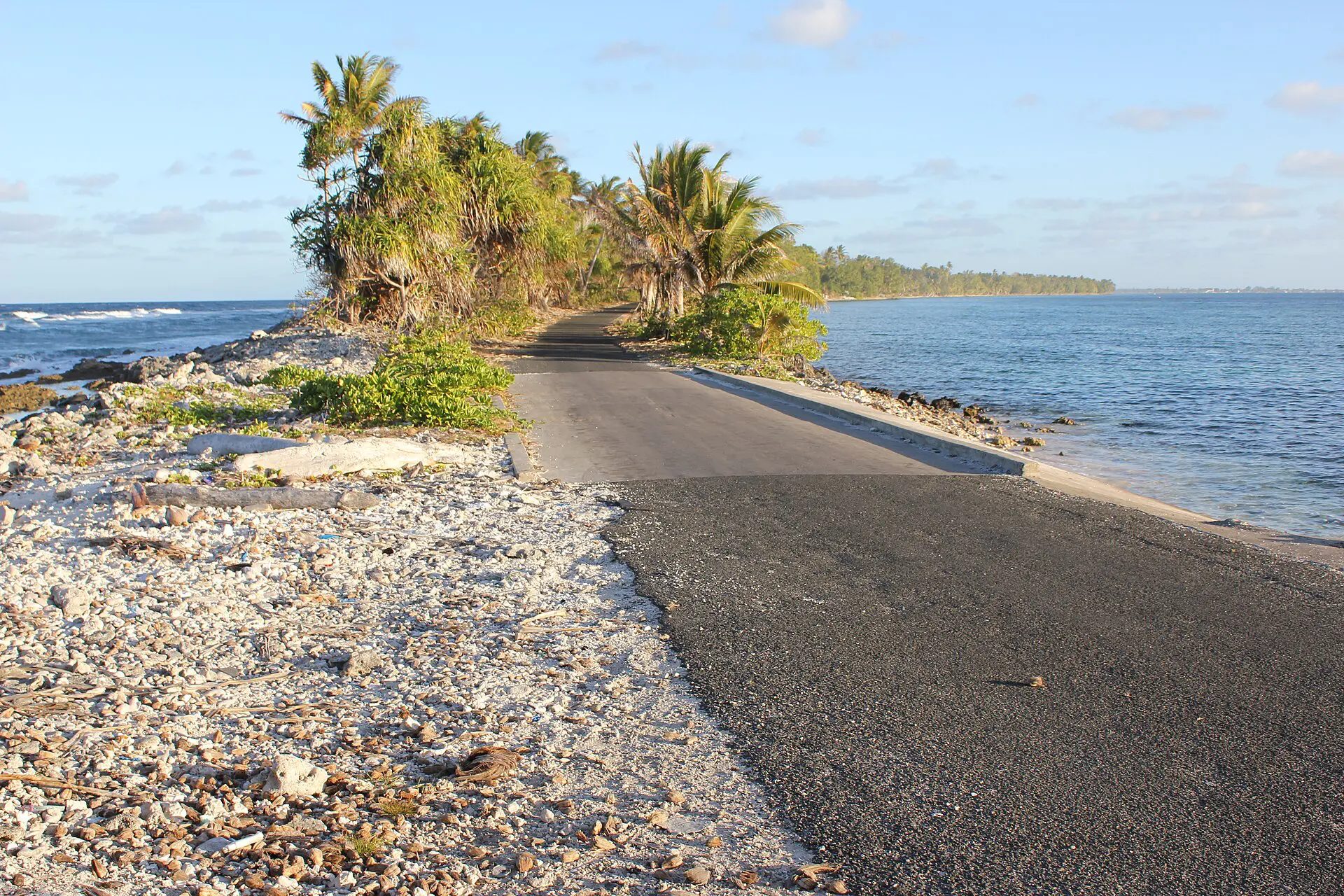
Fongafale, Funafuti
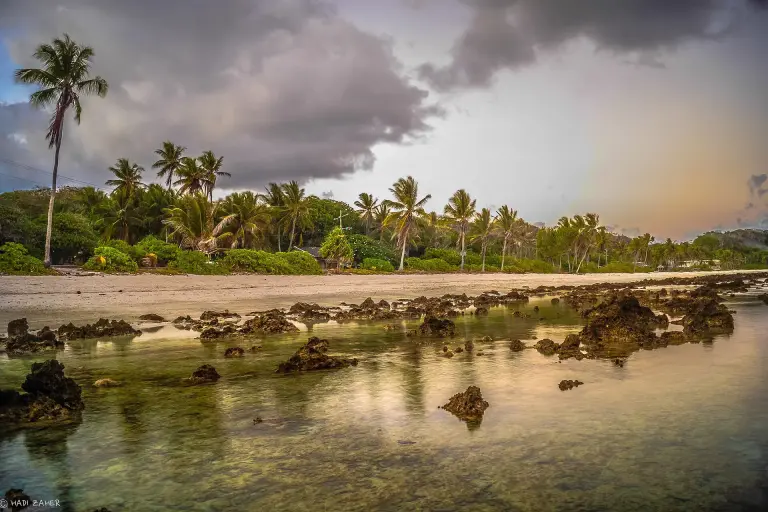
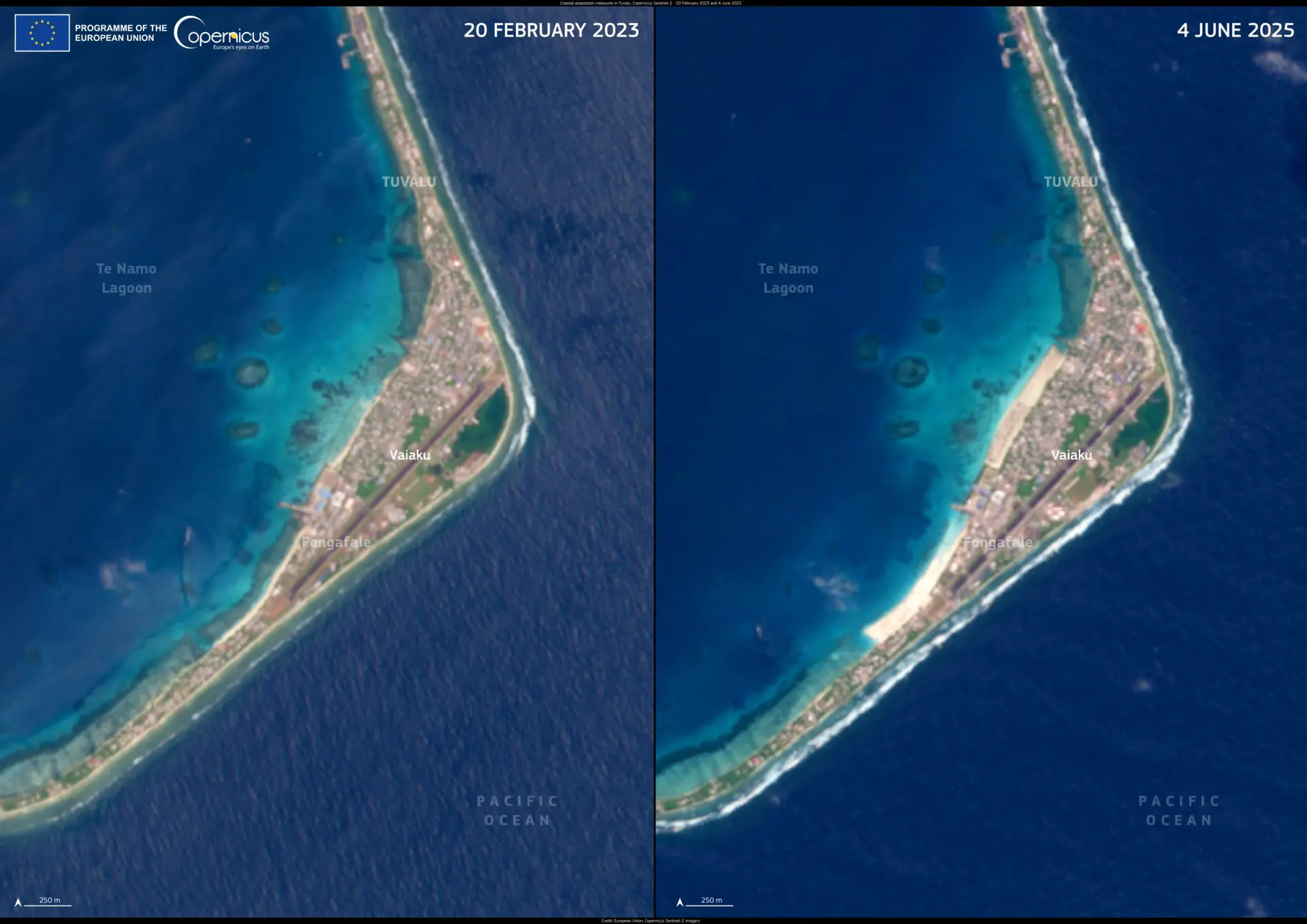
The main islet of Funafuti atoll holds the capital area of Vaiaku, the airport, government offices, shops and most guesthouses. It is narrow, with the lagoon on one side and the ocean on the other, and you can cycle or walk its length.
Funafuti Conservation Area
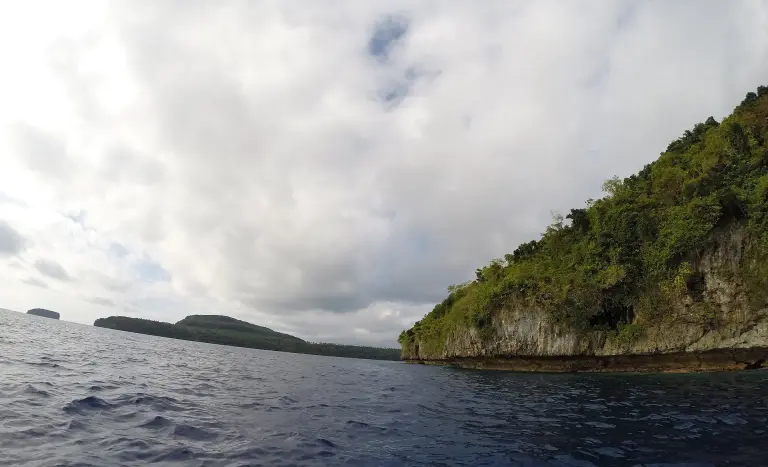
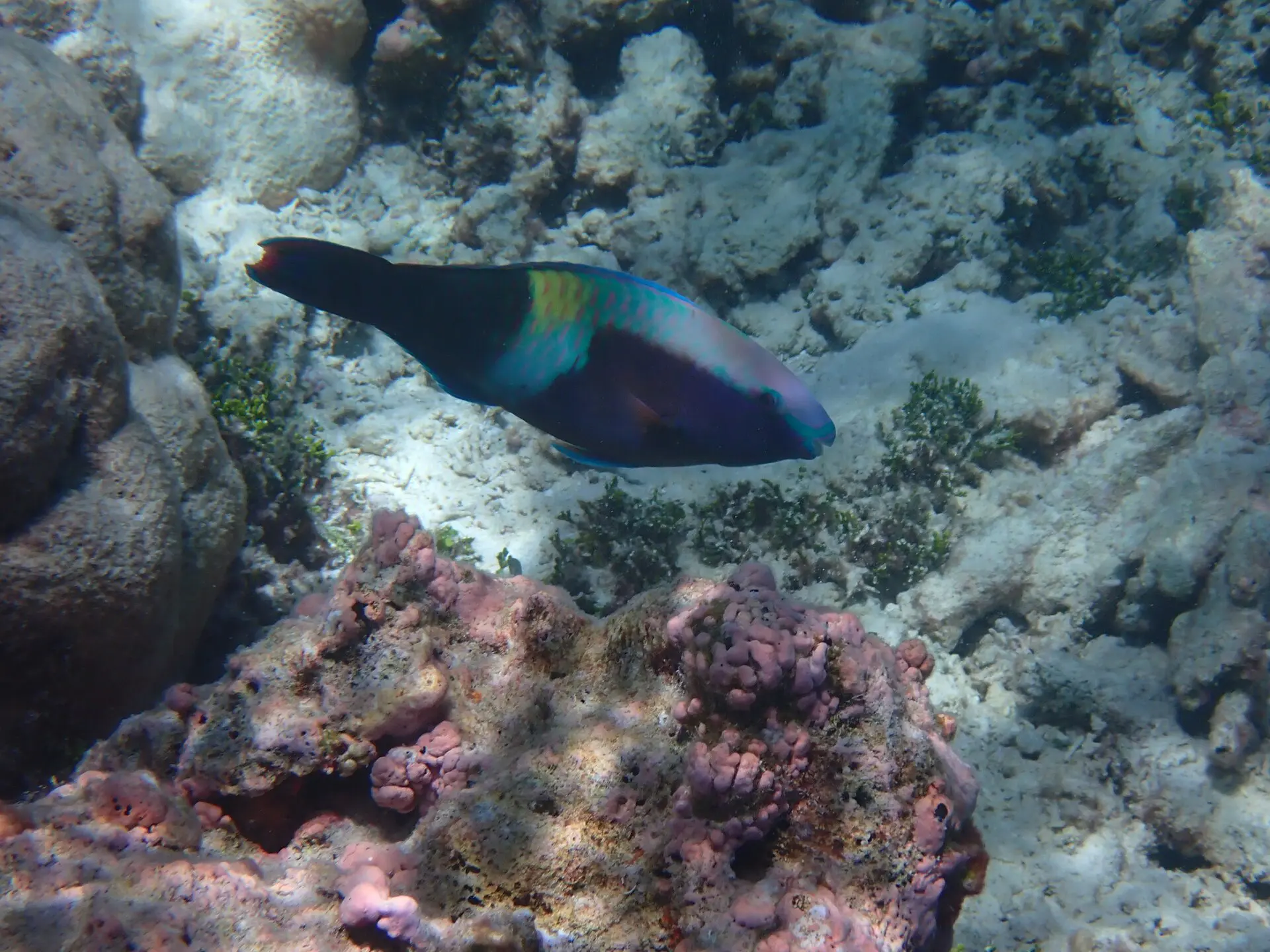
This protected area on the western side of the lagoon covers several islets, reef and marine life. Boat trips go to sandy islets such as Tepuka, with snorkelling, birdlife and picnics.
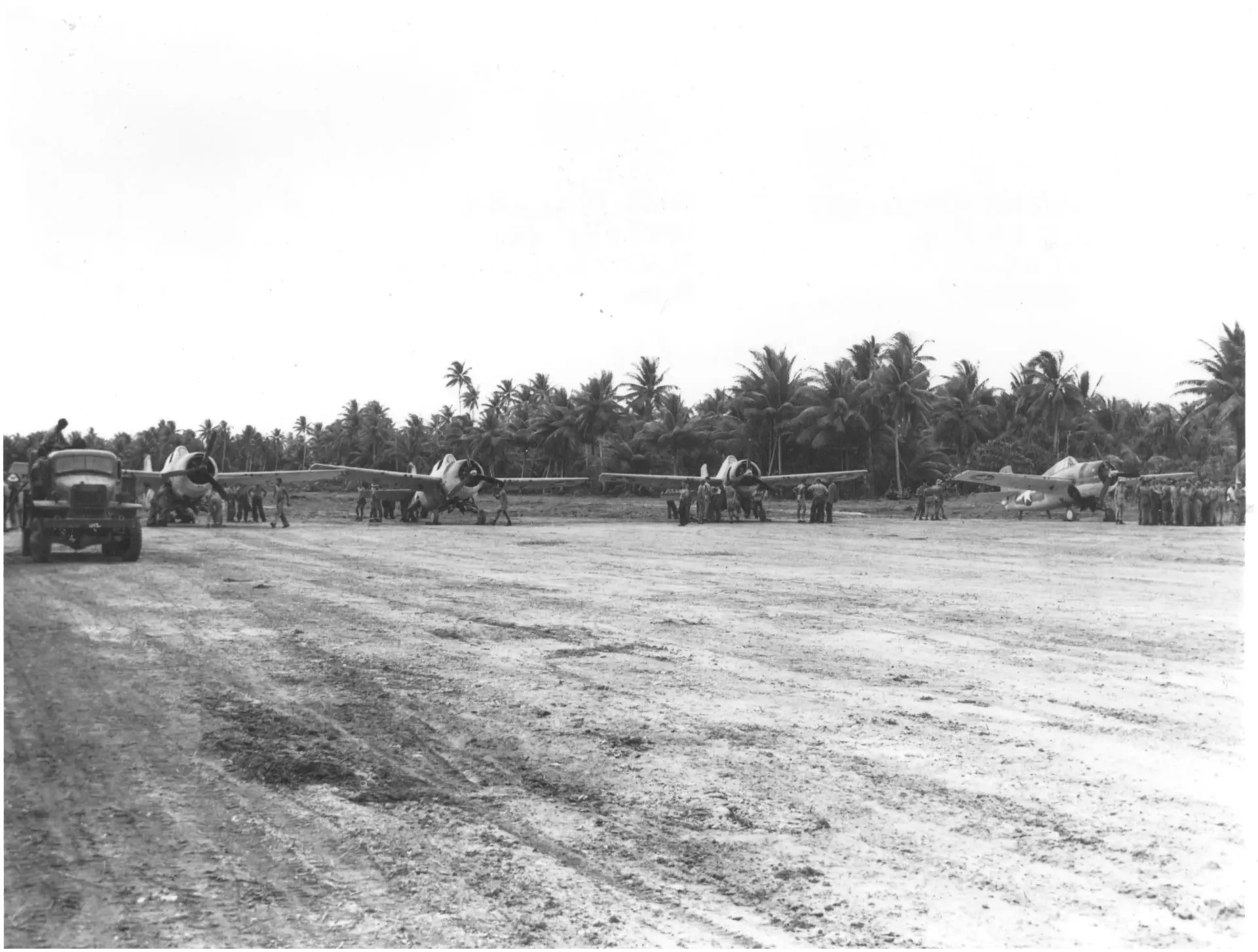
Funafuti Airport runway
The runway doubles as a community space, and in the evening people play sport and walk on it between flights. Check flight times before wandering.
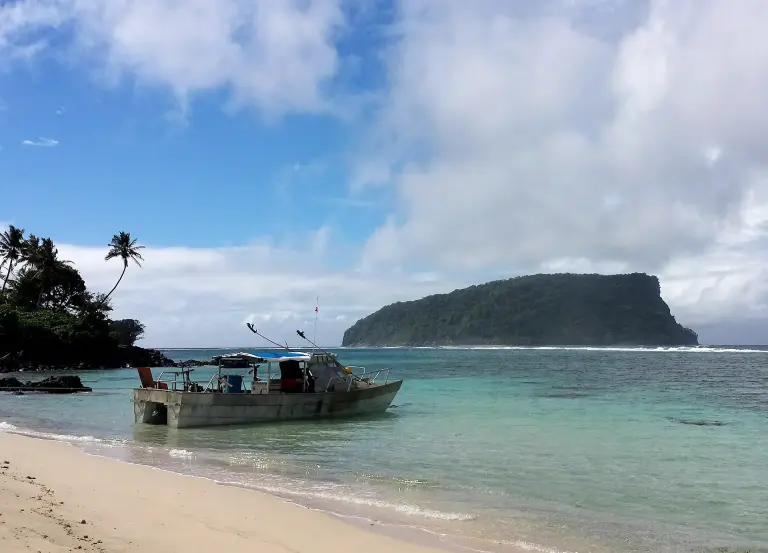
Funafuti lagoon
The lagoon is the country’s best swimming and snorkelling area. Currents and boat traffic matter near the channels, so ask local hosts where it is safe to swim.
Outer islands
Nanumea, Nukufetau, Vaitupu, Nui and others have even quieter village life, but access depends on ferry schedules and charters. They suit travellers with flexible time who arrange transport locally, and who respect village rules on visiting.
Top things to do in Tuvalu
The top things to do in Tuvalu are simple, outdoor and local, and most can be done within a few days on Funafuti.
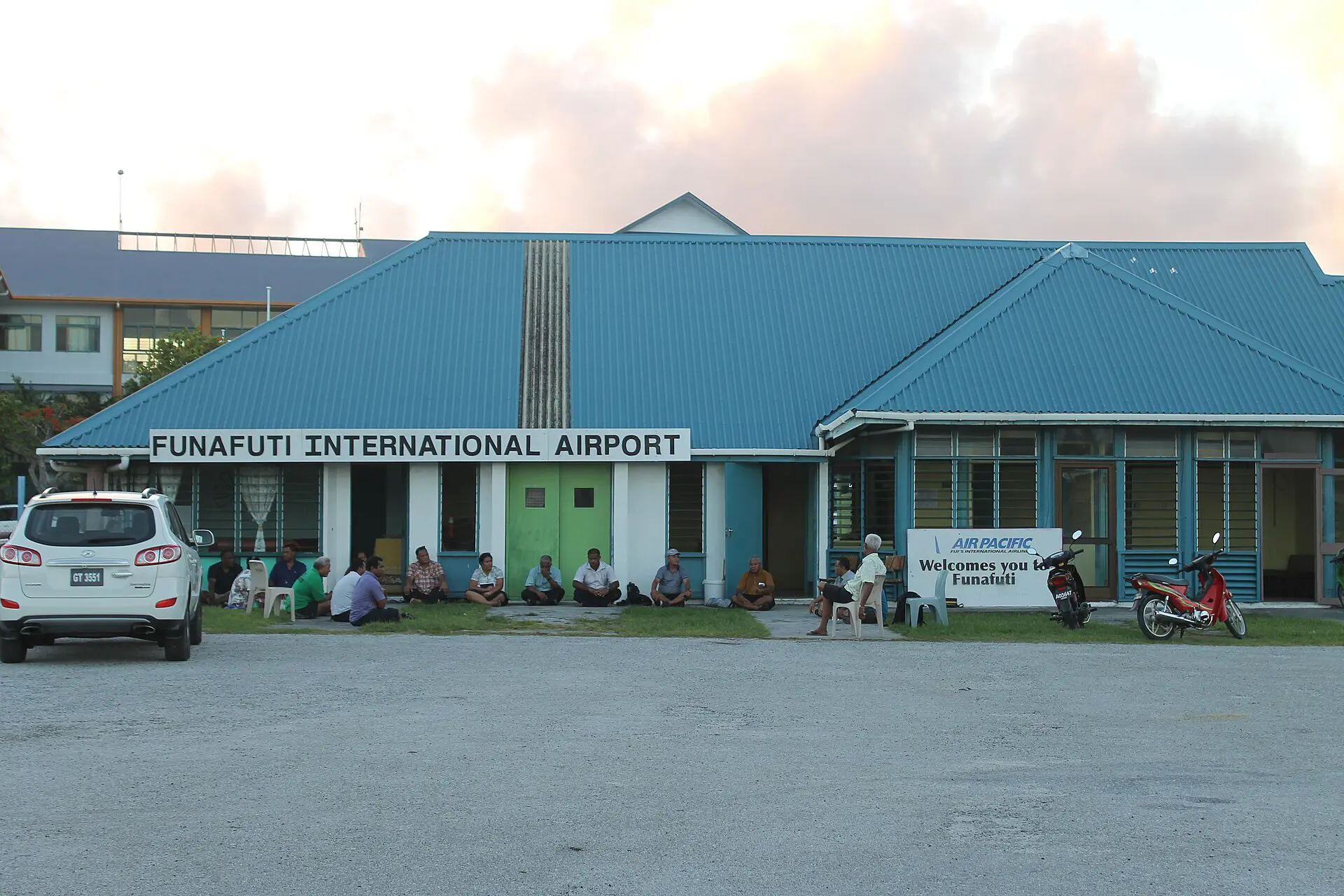
- Swim and snorkel in the lagoon: clear water and reef fish are close to the shore on Funafuti.
- Take a boat to the Conservation Area: visit islets such as Tepuka for picnics, birdwatching and snorkelling.
- Walk or cycle Fongafale: the narrow main road runs from the airport past homes, churches and shops.
- Watch the plane land: flights are rare events, and the runway turns back into a community space afterwards.
- Attend a church service: Sunday singing is a highlight, and visitors are generally welcome if dressed modestly.
- See a fatele evening: traditional song and dance events are held on special occasions and for visitors by arrangement.
- Visit the Philatelic Bureau: Tuvalu’s stamps and coins are collectors’ items.
- Fish with local guides: trolling and reef fishing trips can be arranged through guesthouses.
- Learn about climate change: talk to locals about king tides, sea walls and coastal adaptation, which are part of daily life.
- Watch the sunset over the lagoon: the western side of the island has open sky views most evenings.
Best time to visit Tuvalu
The best time to visit Tuvalu is May to October, when the weather is generally drier and the sea is calmer. The country is hot and humid all year, with temperatures around 28 to 31 C, and the wetter season from November to April brings heavy rain and the cyclone season. High tides, known as king tides, usually peak in the early months of the year and can flood low areas, which is itself an eye-opening sight but may disrupt plans.
| Season | Weather | Crowds and prices | Good for |
|---|---|---|---|
| Drier (May-Oct) | Hot, less rain, steady breezes | Few visitors; limited rooms | Lagoon, snorkelling, boat trips |
| Wetter (Nov-Apr) | Hot, humid, heavy showers, cyclone risk | Very few visitors | Quiet stays, seeing king tides |
Flights are infrequent and sometimes disrupted by weather, so keep spare days at both ends of your trip and avoid tight onward connections.
Is Tuvalu safe to visit?
Yes, Tuvalu is very safe in terms of crime and personal security, and most visitors report friendly, quiet communities. The main risks come from isolation, limited services and weather. Check your government’s travel advice, such as the UK FCDO or Australian Smartraveller pages, before you travel.
Medical care. The country has a small hospital in Funafuti with limited facilities, and serious cases are evacuated abroad at great expense. Bring travel insurance with medical evacuation, a full medical kit and any prescription medicines.
Weather and sea. Cyclones can occur from November to April, and king tides can flood low-lying areas. Follow local warnings and keep flexible plans. In the water, watch for currents in the channels and boat traffic, and wear reef shoes.
Health and food. Rainwater is the main drinking source, so bring water purification and follow your host’s advice. Dengue and other mosquito-borne diseases occur in the Pacific, so use repellent.
Crime. Petty theft is uncommon, though normal precautions apply. Respect local customs and dress modestly to avoid offence.
Visa and entry requirements for Tuvalu
Entry rules depend on your nationality. Many visitors have generally been able to obtain a short-stay visitor permit on arrival, but rules change and some travellers may need to arrange permission in advance, so confirm with Tuvalu immigration or the nearest Tuvalu representative before booking.
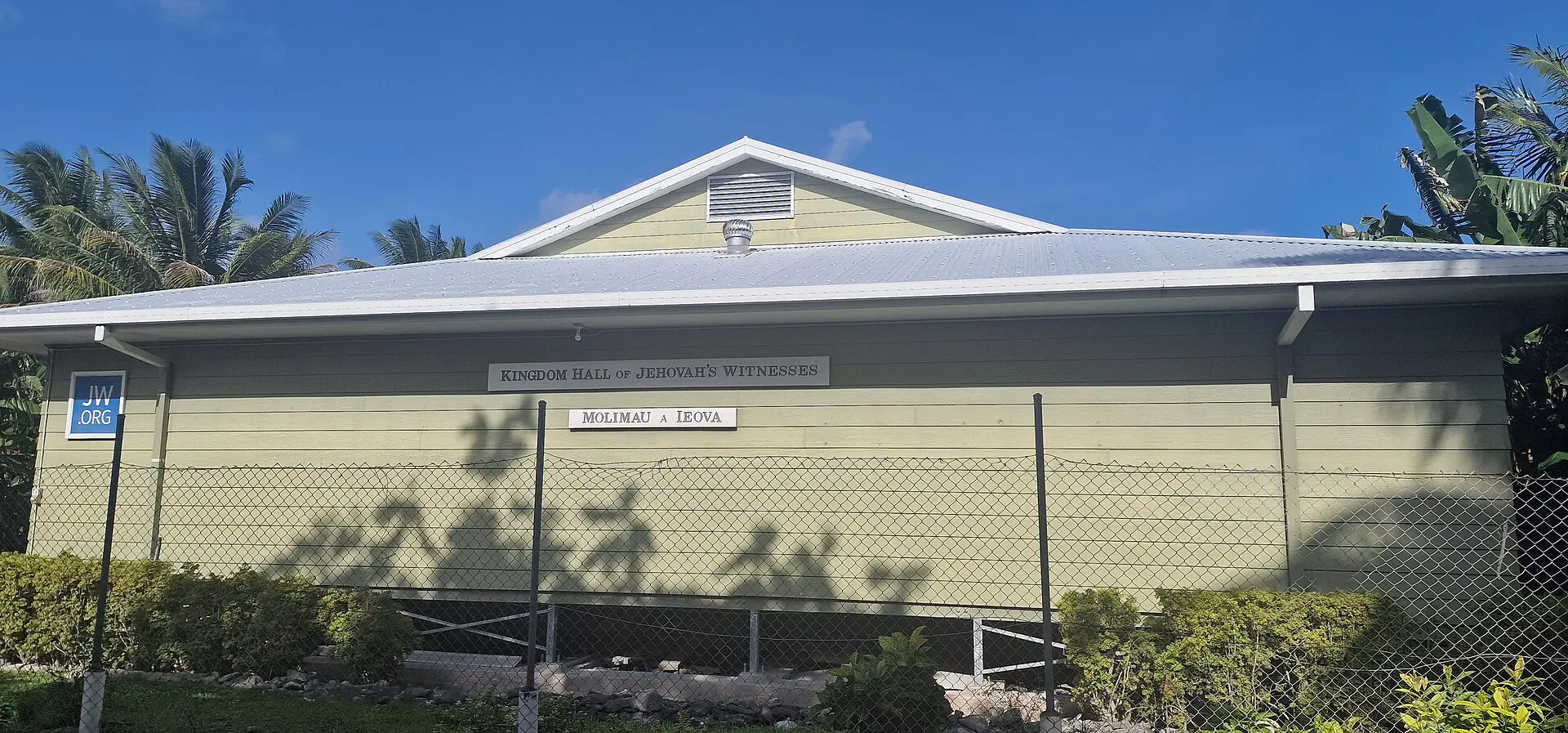
Bring a passport valid for several months beyond your stay, confirmed accommodation and a return or onward ticket, because immigration staff can ask for all three. Because there are few commercial links, you should also have a clear plan for how you will leave, and carry enough cash in Australian dollars, as card use is limited.
Health entry rules, such as vaccination certificates for yellow fever if you arrive from an affected country, can apply, so check current requirements with the official Tuvalu health source. The UNESCO page for Tuvalu shows the country’s current heritage listings, though it does not cover entry rules.
Getting to and around Tuvalu
Funafuti International Airport is the only airport serving international flights. Fiji Airways has operated a limited weekly service from Suva, with schedules that change and a flight time of about two to three hours, so check current timetables and book early. There is no regular commercial service from the rest of the Pacific, and flights are sometimes delayed or cancelled.
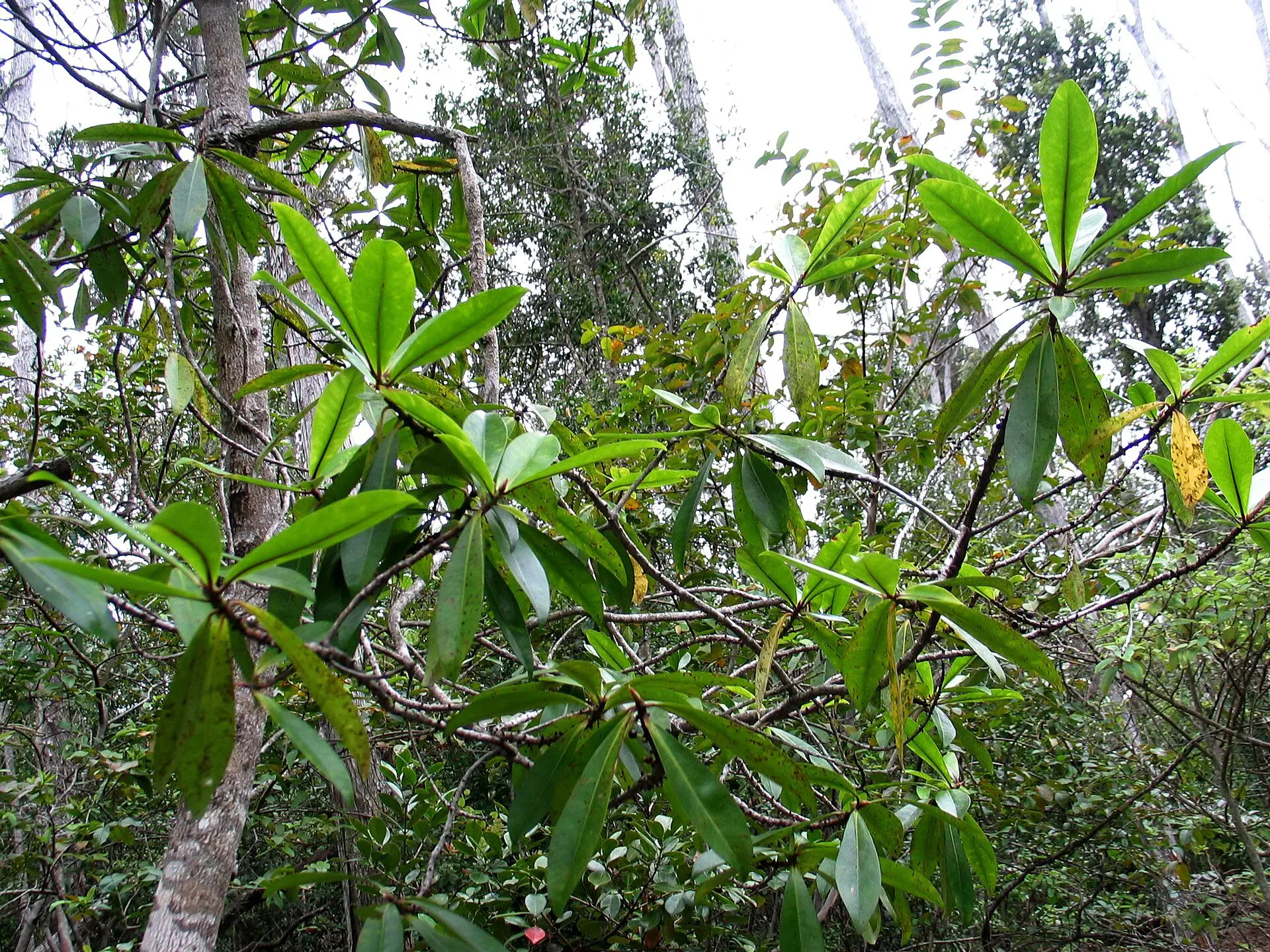
Cargo and passenger ships link Funafuti with the outer islands, but sailings are infrequent, can take a day or more and are sometimes cancelled. For visitors, the practical choices are to stay on Funafuti or arrange outer island travel locally with plenty of spare days.
On Funafuti, you can walk or rent a motorbike or bicycle from guesthouses, and local buses and taxis run along the main road. The island is only a few kilometres long and about 20 metres wide in places, so most places are within easy reach. Boats to islets in the lagoon are booked through guesthouses or local operators. Driving is on the left.
How much does a trip to Tuvalu cost?
Tuvalu is not cheap, because nearly everything is imported and flights are limited. The Australian dollar (AUD) is the main currency in everyday use, alongside local Tuvaluan coins. These figures are rough per-person guides for 2026, excluding flights.
- Budget: around AUD 70 to 120 per day, with a basic guesthouse room, simple local meals and walking.
- Mid-range: around AUD 120 to 220 per day, with a comfortable room, meals in restaurants, a boat trip and bike or motorbike hire.
- High-end: from around AUD 250 per day, with the best available rooms and private boat charters.
The biggest costs are flights to Funafuti and accommodation, which is limited and often fully booked around government meetings. Food costs are higher than the Pacific average because of imports, and you should expect basic fare. Card payments are not always available, so bring enough cash, and check whether ATMs are working before you rely on them.
Tuvalu food and drink
Tuvalu food is simple and based on what grows on coral atolls and what comes from the sea. Most visitors eat at guesthouses and a few small restaurants, and imported rice, tinned meat and noodles are common alongside local produce.
- Fresh fish: tuna, reef fish and flying fish, grilled, raw in coconut milk or cooked in stews.
- Pulaka: giant swamp taro, grown in pits, a traditional starchy staple.
- Coconut: used in cream, in cooking and drunk fresh from the shell.
- Breadfruit and bananas: seasonal staples, baked or boiled.
- Fekei and palusami: pulaka or taro leaves baked in coconut cream, served at feasts.
- Coconut crab and seafood: a delicacy on some islands, and subject to local conservation rules.
- Toddy (kaleve): sap from coconut flowers, drunk fresh or fermented.
Vegetarians can eat rice, taro, breadfruit and fruit, though protein options are limited, so tell your host in advance. Alcohol is available in some places but not widely, and village feasts are a good chance to try traditional dishes. Drink only water your host confirms is safe.
Culture, language and etiquette in Tuvalu
Tuvaluan is the national language, a Polynesian language related to Samoan, and English is also official and widely understood. A few words help, for example talofa (hello) and fakafetai (thank you).
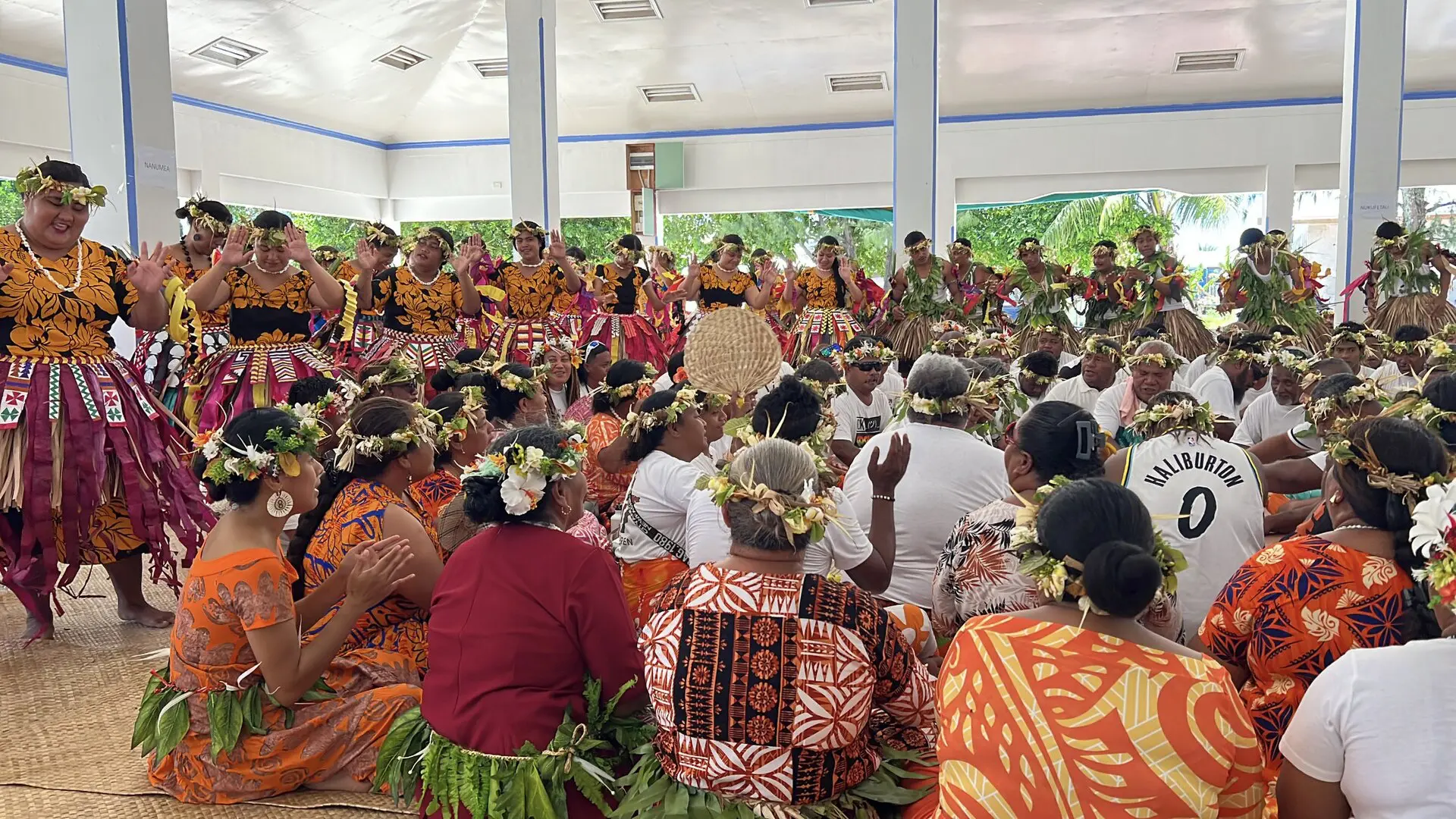
Tuvaluan society is communal and church-centred, with most people belonging to the Church of Tuvalu, a Protestant church. Island councils and village elders hold real authority, and each island has its own customs. Community meeting houses, called maneapa, host feasts, dances and decisions. Fatele, the traditional song and dance, is central to celebrations.
Dress modestly: cover shoulders and knees, and avoid swimwear away from the beach. On Sundays, most business stops and noisy activity is discouraged, so plan quiet days. Ask permission before photographing people, homes or ceremonies, and when visiting an outer island, report to the local council or your host. Remove shoes when entering homes and meeting houses, and accept hospitality graciously. Respect conversations about climate change, which are personal for many Tuvaluans.
Tuvalu itinerary: a 7-day route
This plan keeps you on Funafuti, where flights, guesthouses and the lagoon are, and leaves room for flight delays. Outer island travel is only realistic with extra time.
- Day 1, Arrival: fly in, check in to a guesthouse in Vaiaku and walk to the lagoon at sunset.
- Day 2, Fongafale: cycle the length of the island, see the harbour, the Philatelic Bureau and church life.
- Day 3, Lagoon: swim and snorkel from the lagoon side with local advice about currents.
- Day 4, Conservation Area: take a boat to Tepuka and nearby islets for a picnic and snorkelling.
- Day 5, Fishing and village life: go reef or trolling fishing with a local guide, and meet islanders.
- Day 6, Sunday or community day: attend church if it is Sunday, or ask about a fatele evening.
- Day 7, Departure: check flight status early, walk the runway area before departure and fly out.
With more time, ask local operators about ferry options to an outer island such as Nukufetau or Vaitupu, and keep several flexible days at the end.
Practical tips for Tuvalu
- Money: bring enough Australian dollars in cash, because card machines and ATMs are limited. Small notes are useful for shops and boat trips.
- SIM and internet: a local SIM is available and mobile data is slow and costly. Expect limited connectivity and download maps and documents before you arrive.
- Plugs: type I at 230 V, as in Australia, so bring an Australian-style adapter.
- Tipping: not expected; a small gift or thanks is more appropriate.
- Health: bring a full medical kit, sun protection, mosquito repellent, water purification tablets and insurance with evacuation cover.
- Packing: light modest clothing, reef shoes, a hat, a rain jacket and a dry bag for boat trips.
- Booking: reserve accommodation and flights well ahead, and reconfirm both before you travel because capacity is small.
- Environment: take rubbish with you where possible, use water sparingly and respect reef and bird areas.
For more background, see the Wikivoyage Tuvalu guide.
FAQ
Q1How do you get to Tuvalu?
Fly to Funafuti International Airport, usually from Suva in Fiji on a limited weekly service, with flights of about two to three hours. Schedules change and delays happen, so check current timetables, book early and keep spare days on both ends of your trip.
Q2Is Tuvalu safe to visit?
Crime is very low, and visitors generally feel safe. The main risks are limited medical care, cyclones from November to April and high tides. Bring insurance with medical evacuation, a full medical kit and check your government's travel advice before you go.
Q3What is the best time to visit Tuvalu?
May to October is generally best, with drier weather and calmer seas for lagoon trips. November to April is wetter and has the cyclone season. High tides usually peak early in the year and can flood low areas.
Q4What are the best things to do in Tuvalu?
Swim and snorkel in the Funafuti lagoon, take a boat to the Conservation Area islets, cycle along Fongafale, attend a church service or fatele evening, and learn about climate change from local people.
Q5Do you need a visa for Tuvalu?
It depends on nationality. Many visitors have generally been able to get a short-stay permit on arrival, but rules change. Bring a valid passport, accommodation details and a return ticket, and confirm with the official Tuvalu immigration source.
Q6Is Tuvalu expensive to visit?
Yes, compared with other Pacific islands, because most goods are imported and flights are limited. Expect roughly AUD 120 to 220 per day mid-range, excluding flights. Accommodation is limited and the biggest cost, and cash is needed.
Q7How many days do you need in Tuvalu?
Five to seven days is enough to see Funafuti, the lagoon and the Conservation Area at a slow pace. Visiting an outer island needs extra flexible days because boats are infrequent. Allow spare days in case flights are delayed.