Why visit Cusco
If you are planning things to do in Cusco, remember that this was the capital of the Inca Empire, and its streets still follow Inca layout. Spanish colonists built churches and houses on top of Inca walls, and the mix of the two is visible across the historic centre, which is a UNESCO World Heritage Site.
The city sits at roughly 3,400 metres in the southern Andes, and it is the usual base for visiting Machu Picchu, the Sacred Valley and other Inca sites. Many visitors treat Cusco as a transit stop, but the city deserves its own time, with its plazas, museums, markets and food scene.
It is also a good place to acclimatise to altitude before going on treks. The pace is relaxed once you adjust, and there is plenty to see on foot within the compact centre.
Top things to do in Cusco
Plaza de Armas
The central square is framed by the cathedral, the Jesuit church of La Compania and arcades with restaurants and shops. Visit in the morning for quiet and at night when it is lit. Expect vendors, and decline politely if you are not interested.
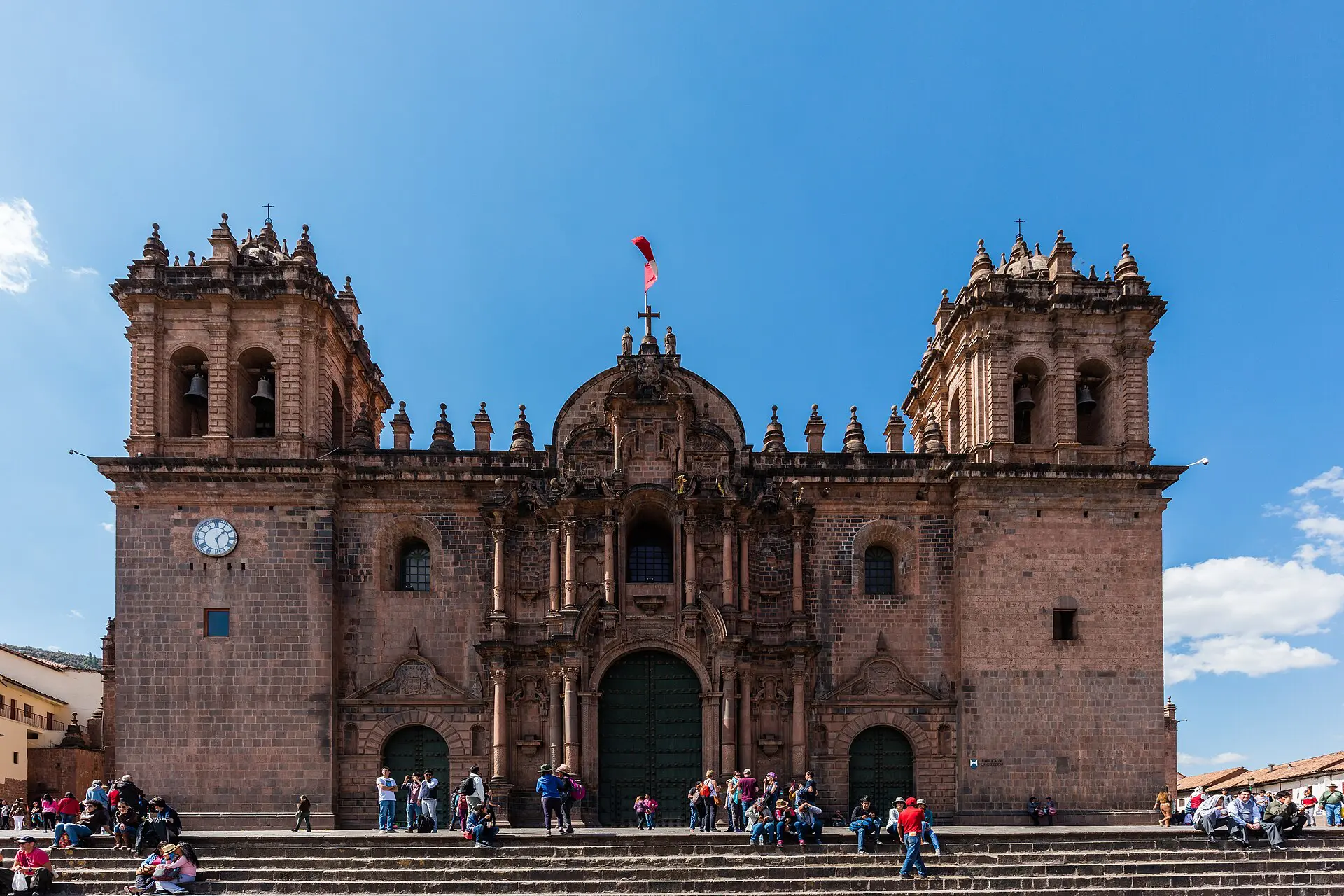
Cusco Cathedral
A large colonial cathedral on the main square, holding religious paintings and carved altars. Allow about an hour. Entry normally requires a ticket, and photography may be restricted in some areas, so check on arrival.
Qorikancha
The former Inca temple of the sun, with fine stonework that supports the Santo Domingo church built above it. It is a short visit, around 45 minutes, and best combined with a walk through the old streets.
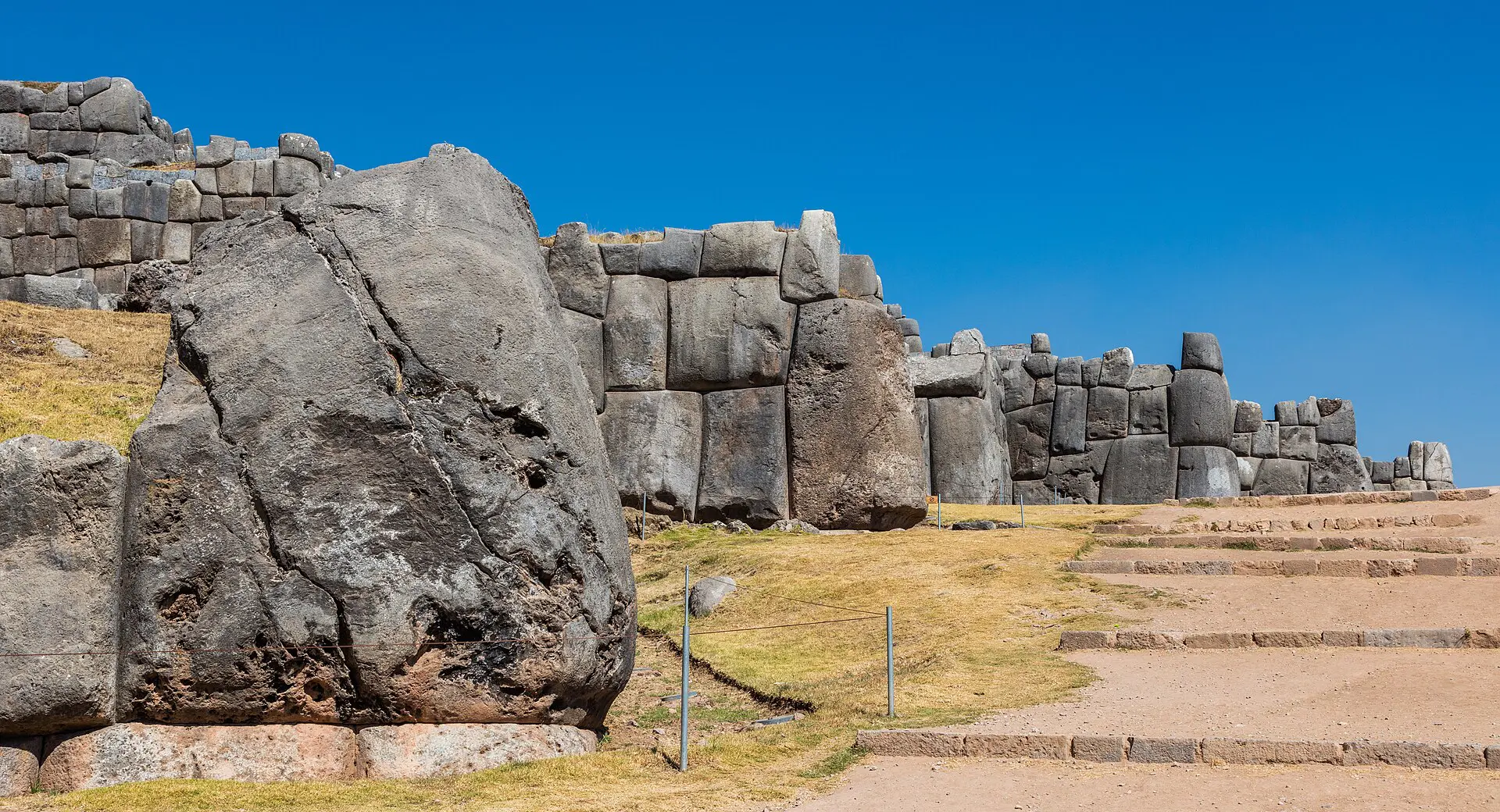
Sacsayhuaman
This fortress complex above the city has huge stone walls fitted without mortar. It is a short taxi ride or steep walk. Allow two hours, and go in the morning. Most of the major sites are covered by a combined visitor ticket, so check what is included.
San Blas
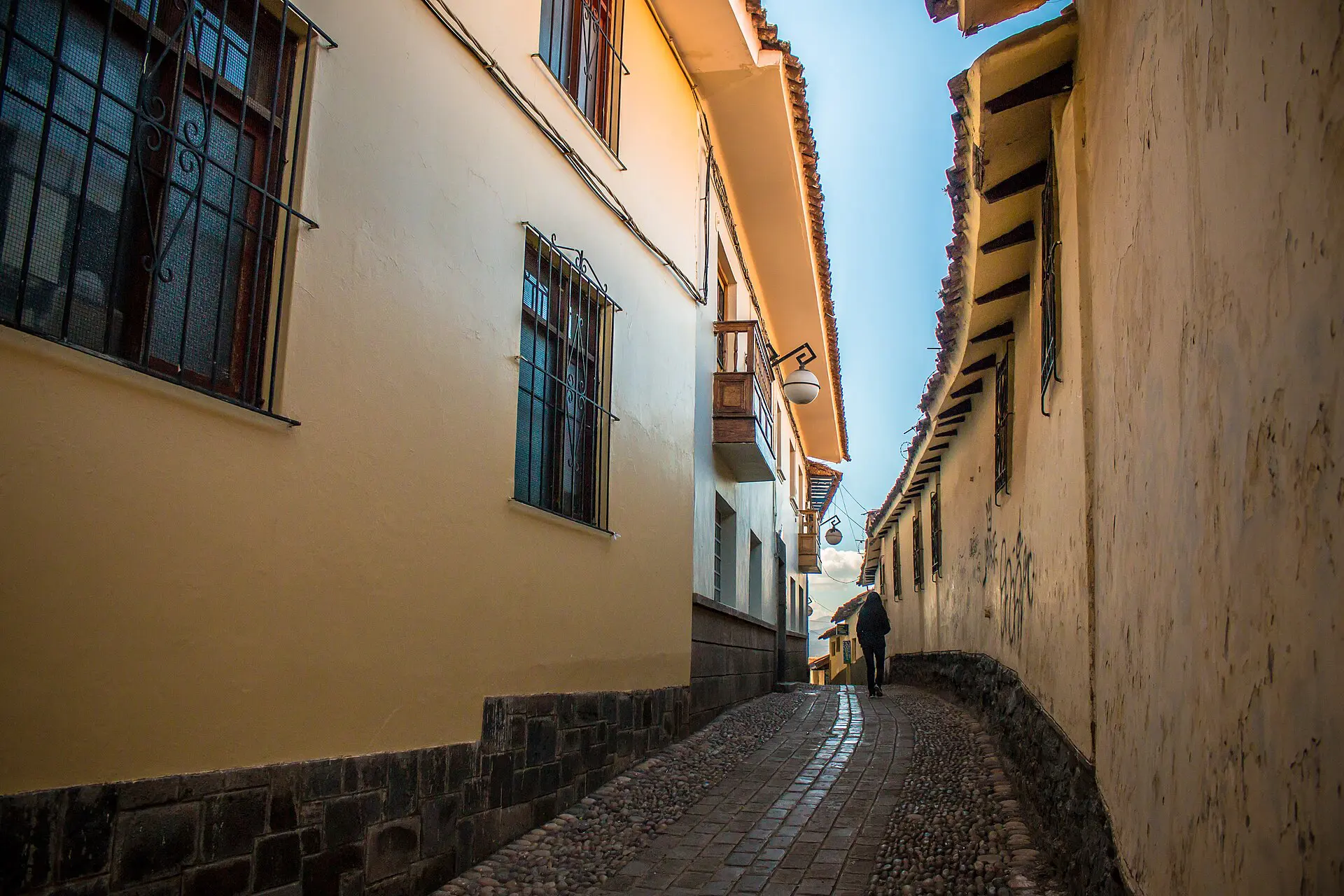
This hillside neighbourhood has narrow lanes, craft workshops, cafes and viewpoints. It is a good area for a slow afternoon, though the steep streets can be tiring at altitude.
San Pedro Market
A busy covered market with fresh produce, juice stalls, local cheeses and cheap meals. It is a good place to see everyday life. Watch for pickpockets, and eat at stalls that look busy.
Museums
Museums on pre-Columbian art and local history help explain the Inca context. Check opening hours, since small museums often close on certain days, and allow an hour for each.
Best time to visit Cusco
The dry season, from about May to September, offers sunny days, cold nights and the best conditions for trekking and sightseeing. It is also the busiest period, especially June to August, when Machu Picchu tickets and accommodation need booking well ahead.
The wet season, from about November to March, brings frequent afternoon rain, with the heaviest rain typically in January and February. Prices are lower, crowds are smaller and the hills are green, but landslides and transport disruptions can occur on rural routes.
April and October are shoulder months with mixed weather and fewer visitors. Festivals such as Inti Raymi in June and Holy Week draw crowds, so check dates and book early. Nights are cold year-round, so pack layers.
How to get to Cusco and around
Most visitors fly into Cusco’s Alejandro Velasco Astete International Airport, about 15 to 20 minutes from the centre by taxi. Flights from Lima take roughly an hour and a half. Direct international flights are limited, so you may connect via Lima. A new international airport at Chinchero has been planned for years, so check the current status before booking.
Long-distance buses connect Cusco with Arequipa, Puno and Lima, with journeys that can take many hours. A tourist train runs along the Sacred Valley to Machu Picchu, and tickets should be booked ahead.
The historic centre is walkable, but be careful with the altitude and steep streets. Taxis are cheap and common, and you should agree the fare or use an app. Colectivos and buses serve the Sacred Valley.
Where to stay in Cusco
The area around the Plaza de Armas is the easiest base, with hotels at all price levels and many restaurants. It is convenient but can be noisy and touristy, so ask for a quiet room.
San Blas is popular for its character, with boutique hotels and hostels, good views and cafes. The streets are steep, which is harder with luggage and at altitude. It suits travellers who want atmosphere and are comfortable with hills.
The streets near San Pedro Market and the railway stations have budget options and simple hotels, convenient for early trains and buses. Some travellers stay in the Sacred Valley instead, at lower altitude, and visit Cusco as a day trip. Heating is not universal, so check before booking.
How many days do you need?
Three days gives you time to adjust to altitude and see the city. Four or five days lets you include the Sacred Valley and Machu Picchu without rushing. If you are trekking, add extra days to acclimatise first.
- Day 1: Arrive, rest and take a gentle walk around the Plaza de Armas and San Blas. Drink water and avoid heavy meals.
- Day 2: Cathedral, Qorikancha, San Pedro Market and the Sacsayhuaman fortress in the afternoon.
- Day 3: Day trip to the Sacred Valley, or begin the trip to Machu Picchu by train.
Day trips and nearby
Machu Picchu
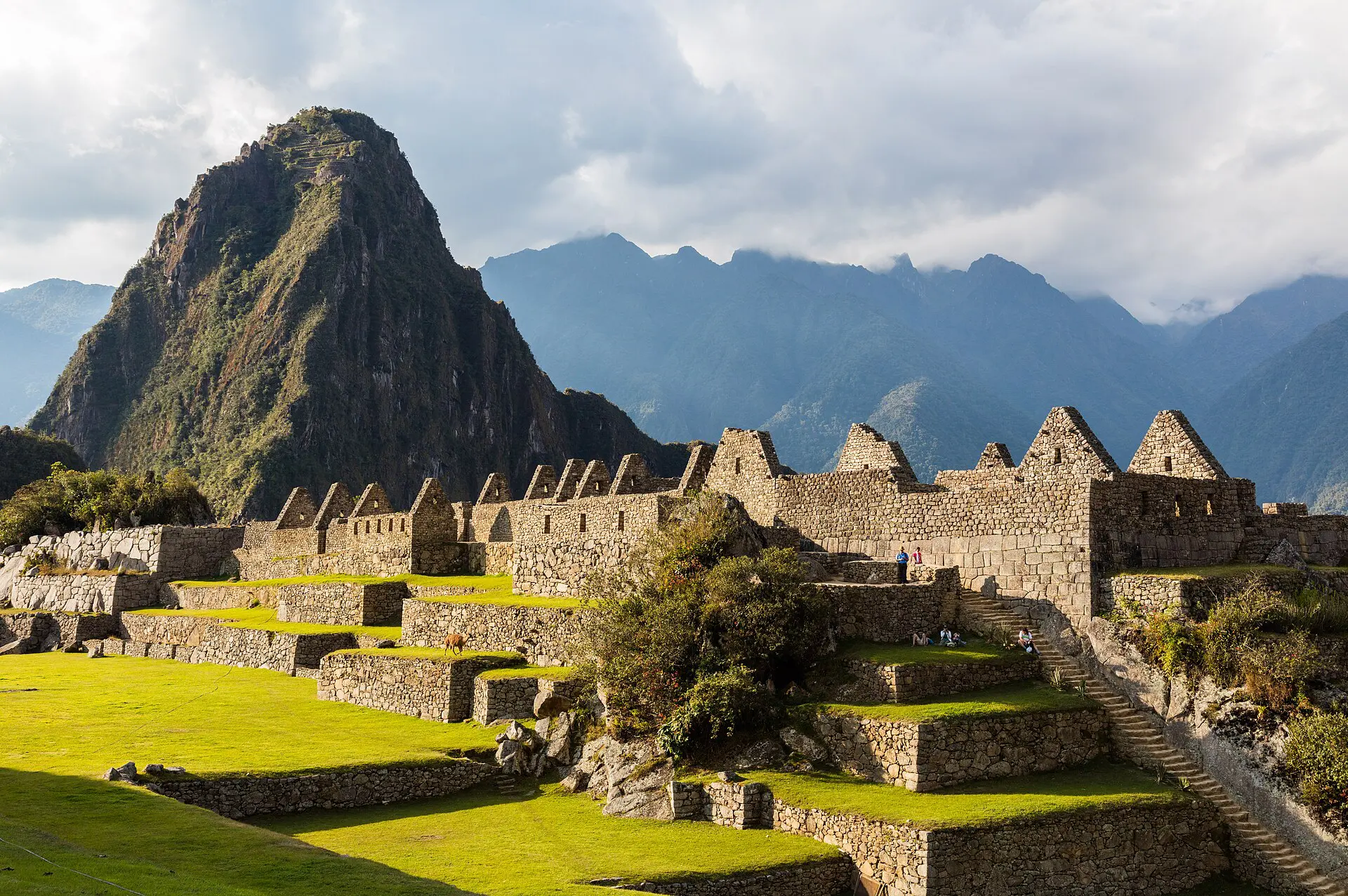
The most famous Inca site is reached by train and bus from Ollantaytambo or Cusco, usually with an overnight stay in Aguas Calientes. Tickets with timed entry must be booked well ahead, especially in the dry season.
Sacred Valley
Villages, markets and Inca ruins such as Pisac and Ollantaytambo lie in a fertile valley about one to two hours away. It suits a full day trip, or a stay in the valley itself.
Ollantaytambo
A well-preserved Inca town with a large terraced fortress and the main train station for Machu Picchu. Many visitors stay overnight before an early train.
Rainbow Mountain and Humantay Lake
High-altitude day hikes that require good acclimatisation and early starts. Go with a licensed operator, and check the current conditions and access rules.
FAQ
Q1How many days do you need in Cusco?
Plan at least three days in Cusco to adjust to altitude and see the main sights. Four or five days is better if you also want the Sacred Valley and Machu Picchu. Add more time if you plan a multi-day trek.
Q2When is the best time to visit Cusco?
May to September is the dry season, with sunny days and cold nights, and it is the busiest. November to March is wetter, with fewer visitors and lower prices. Book Machu Picchu tickets well ahead whichever month you choose.
Q3How do you get to Cusco?
Most visitors fly from Lima, which takes around an hour and a half. Buses run from Arequipa, Puno and Lima, but they take many hours. Check schedules and book early in peak season.
Q4How bad is altitude sickness in Cusco?
Cusco is at about 3,400 metres, and many visitors feel headaches, tiredness or breathlessness on arrival. Rest on the first day, drink water, avoid alcohol and heavy meals, and consult a doctor before travel if you have health concerns.
Prices, schedules and entry rules change. Check current details with official sources before you travel. Read the Peru travel guide.