Why visit Arequipa
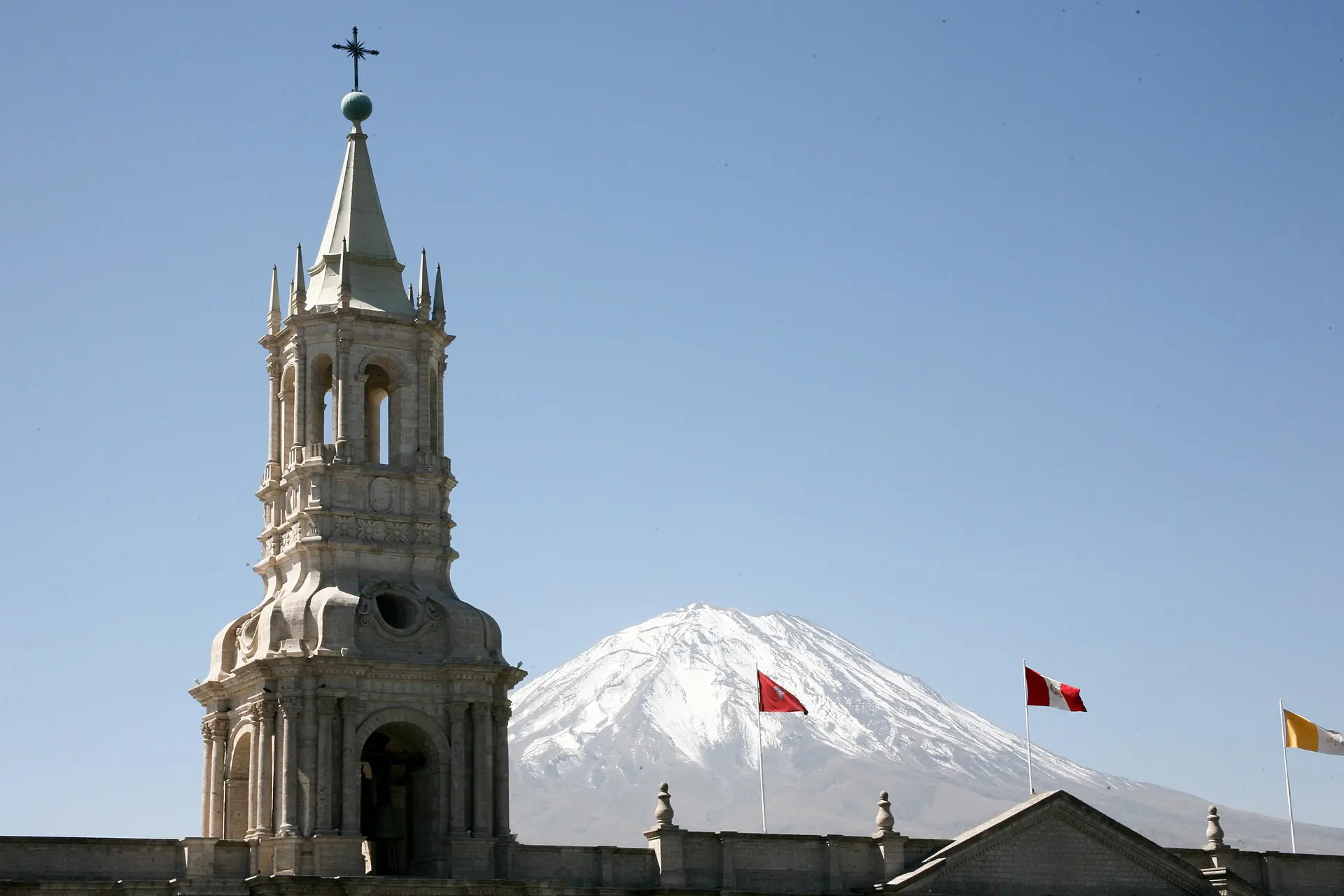
If you are planning things to do in Arequipa, start with the setting. It is a city in southern Peru, the country’s second most populous after Lima, and it sits at about 2,380 metres above sea level, just below the edge of the Altiplano. Three volcanoes, El Misti, Chachani and Pichu Pichu, rise around it.
Arequipa is nicknamed the white city because many buildings are made of sillar, a pale volcanic stone. The city was founded in 1540, and it is an example of Spanish and mestizo culture rather than Inca. There are no Inca ruins in the city itself, so its appeal is colonial architecture, courtyards, food and mountain views.
It is also one of the most popular stops in southern Peru after Cusco, and a common gateway to Colca Canyon. The altitude is noticeable, so take the first day gently.
Top things to do in Arequipa
Plaza de Armas and the cathedral
The main square is framed by arcades and the cathedral, with El Misti rising in the distance on clear days. Allow an hour to wander and sit at a cafe. Visit at golden hour for softer light on the stone, and check cathedral hours if you want to go inside.
Santa Catalina Monastery
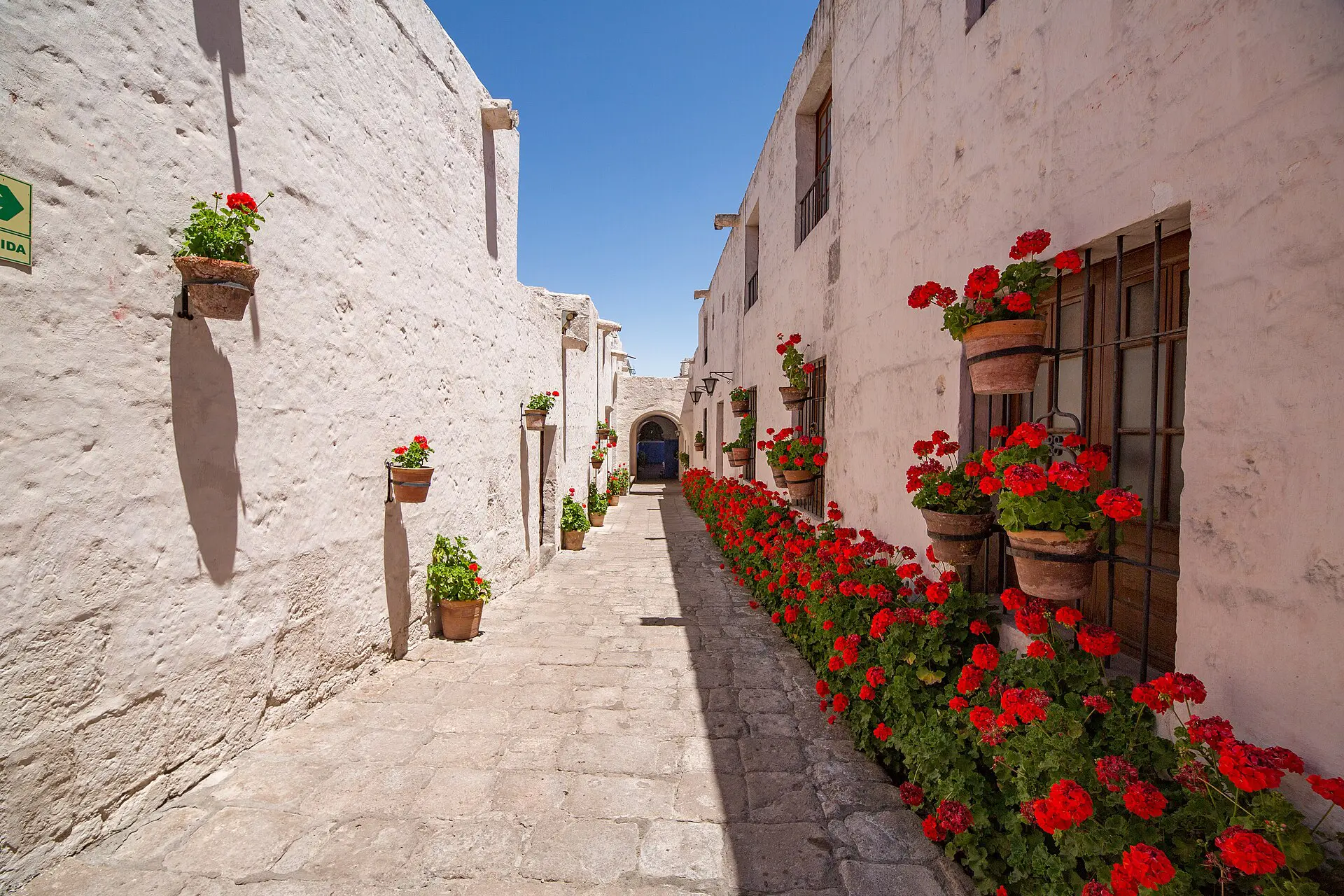
This large convent is a walled complex of cloisters, courtyards and narrow streets painted in bright colours. Allow two to three hours. Go early or late to avoid crowds, check opening hours and evening openings, and consider a guide for context on daily life in the convent.
Yanahuara viewpoint
The Yanahuara district has a viewpoint with stone arches and views toward the volcanoes and the city. It is a short taxi or walk from the centre. Allow an hour. Go late in the afternoon for a clear view of El Misti and a cooler walk.
Museo Santuarios Andinos
This museum is known for displaying a mummy of a young Inca girl found on a nearby volcano. Visits are usually by guided tour. Allow about an hour. Check opening times and ticket details, and note that photography rules may apply.
San Camilo market and local food
The central market sells produce, cheese, bread and juices, and nearby restaurants serve regional dishes. Allow an hour. Take small bills, keep valuables secure in crowds, and ask about the local specialities in the picanterias, which are traditional local eateries.
Mirador de Carmen Alto and the countryside
Beyond the centre, the green countryside along the Chili River valley has farms, small towns and views. Tours or a taxi are the simplest way to see it. Allow half a day. Take sun protection, because the altitude makes the sun strong.
Hike or tour a volcano
Guided climbs of nearby volcanoes such as Chachani or El Misti are possible for fit, acclimatised visitors. They are demanding and involve altitude. Use a reputable operator, ask about safety gear, and check conditions locally before you commit.
Best time to visit Arequipa
Arequipa has a dry, sunny climate for much of the year, at high altitude. The dry season, roughly May to November, has clear skies, warm days and cold nights, which is good for views of the volcanoes. This is also the main tourist season.
The wet season, roughly December to March, brings afternoon showers and cloud, though the city itself is drier than the highlands. It can be less comfortable for trekking, and roads in the Colca Canyon area can be affected. Prices are generally lower in the wet season. Wear sun protection all year, and bring layers for cold evenings.
| Season | Weather | Crowds and prices |
|---|---|---|
| May to November | Dry, sunny days, cold nights | Busier, higher prices |
| December to March | Wetter, cloudier | Quieter, lower prices |
How to get to Arequipa and around
Arequipa has an airport with flights from Lima and Cusco, and it takes under two hours to reach from Lima by air. Long-distance buses link the city with Lima, Cusco, Puno and other southern destinations, though journeys are long and overnight. Check current schedules and book ahead for busy periods.
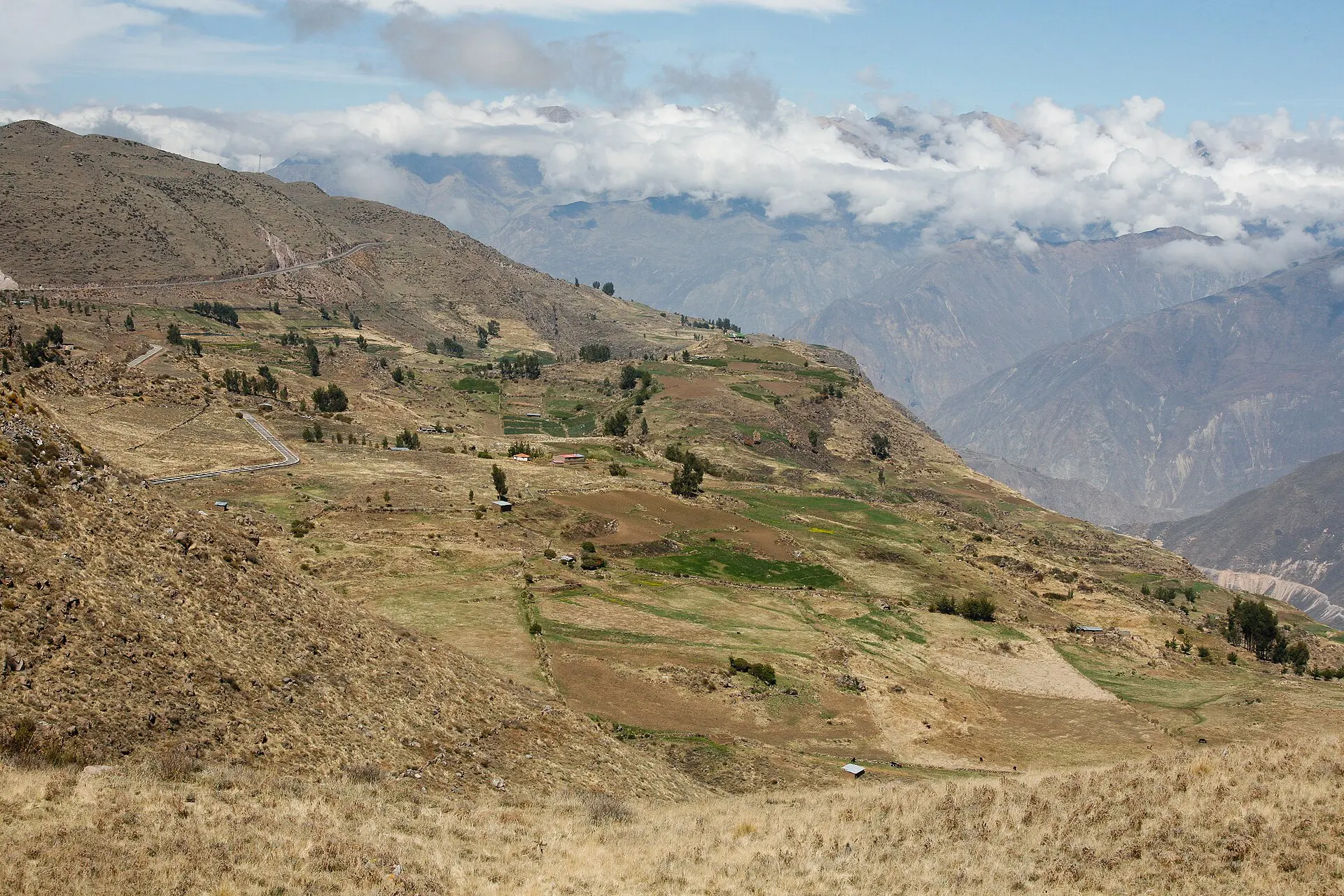
In the city, the historic centre is compact and walkable. Taxis and ride-hailing apps are cheap and handy for longer trips, and local minibuses cover the wider districts. Use registered taxis, and agree on the price before riding if there is no meter.
Tours to Colca Canyon leave early from the centre and can be booked in town.
Where to stay in Arequipa
The historic centre, around the Plaza de Armas and Santa Catalina, suits first-time visitors who want to walk to sights, restaurants and bars. Options include converted colonial houses and mid-range hotels, though street noise can be an issue.
Yanahuara and nearby districts suit those who want a quieter, more residential feel, with good viewpoints and local restaurants a short taxi ride from the centre.
Budget hostels cluster near the centre and suit backpackers and those leaving early for tours. If you are arriving from the coast, ask about heating, since nights can be cold, and take the first day slowly because of the altitude.
How many days do you need?
Two days is enough for the main sights in the city. Three to four days lets you add a Colca Canyon trip, which usually takes two days. Longer stays suit volcano climbs or time in the nearby countryside.
- Day 1: Plaza de Armas, Santa Catalina Monastery and an evening in the centre.
- Day 2: Yanahuara viewpoint, the market and a museum visit.
- Day 3: Start a Colca Canyon trip, returning the next day.
Rest on arrival to adjust to the altitude.
Day trips and nearby
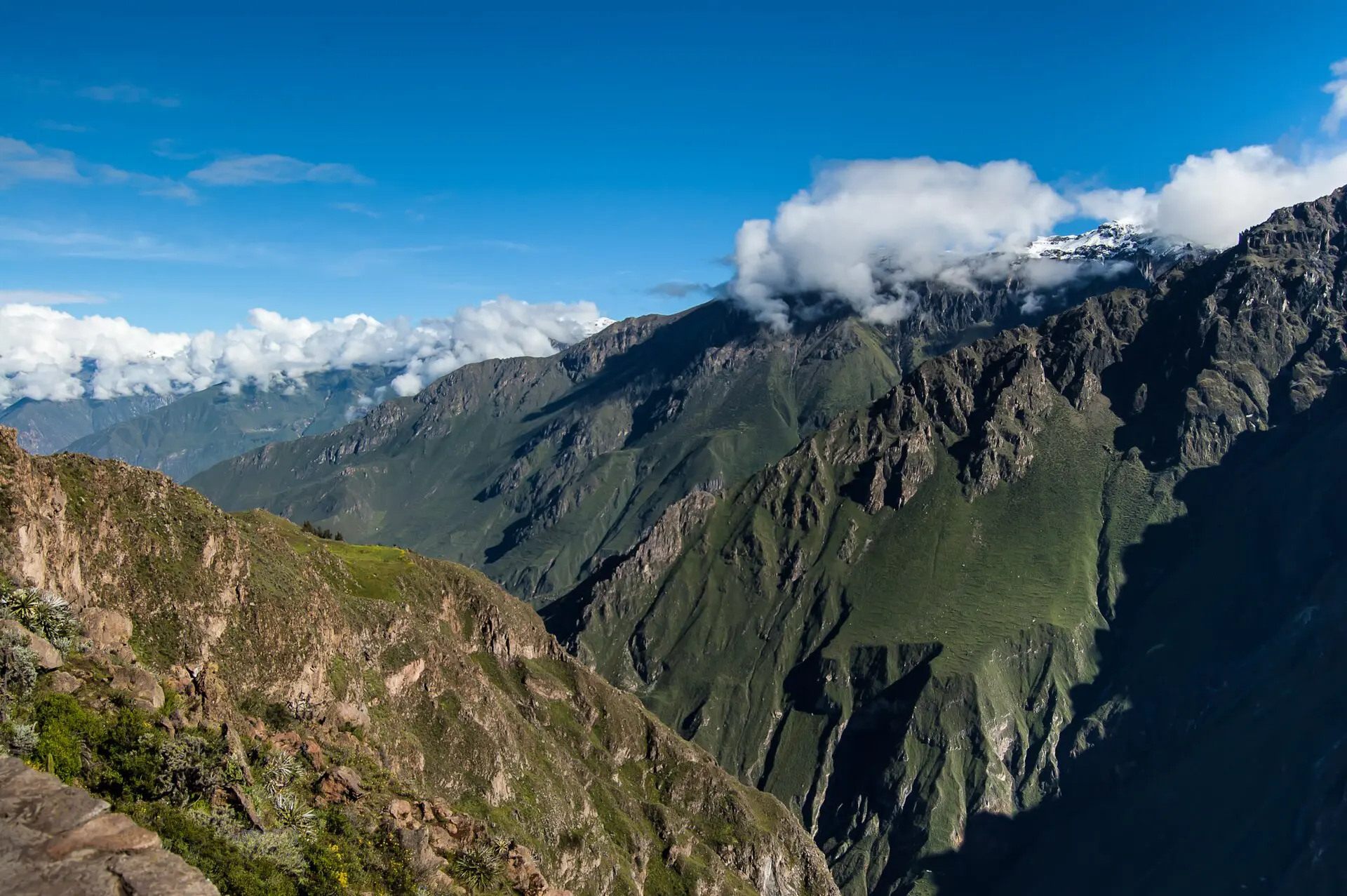
Colca Canyon
Colca Canyon is the major excursion from Arequipa, known for its depth and for condors seen from viewpoints. It is usually done as a two-day tour, with hot springs and villages en route. A one-day tour is possible but very long.
Cusco and Machu Picchu
Many travellers combine Arequipa with Cusco and Machu Picchu. Cusco is reachable by a short flight or a long bus ride. Plan it as a separate leg of your trip rather than a day trip.
Puno and Lake Titicaca
Puno is on the shore of Lake Titicaca and can be reached by long bus journeys. It fits as a continuation of an overland route, with time for the lake and its islands.
FAQ
Q1When is the best time to visit Arequipa?
May to November is the dry season, with clear skies, warm days and cold nights, and the best views of the volcanoes. It is also the busiest time. From December to March it is wetter and cloudier, with lower prices and fewer visitors.
Q2How many days do you need in Arequipa?
Two days covers the main sights in the city, including the Plaza de Armas and Santa Catalina Monastery. Add two or three days if you want to visit Colca Canyon, and allow a gentle first day to adjust to the altitude.
Q3How do you get to Arequipa?
You can fly to Arequipa's airport from Lima or Cusco, or take long-distance buses from Lima, Cusco, Puno and other southern cities. Bus journeys are long and often overnight. Check current schedules and book ahead for busy periods.
Q4Does altitude affect visitors in Arequipa?
At about 2,380 metres, Arequipa is lower than Cusco, but some visitors still feel the altitude, especially after flying in. Take the first day gently, drink water, avoid heavy meals and alcohol at first, and talk to a doctor if you have health concerns.
Prices, schedules and entry rules change. Check current details with official sources before you travel. Read the Peru travel guide.