Why visit Panama City
When you plan things to do in Panama City, begin with the contrast. This is the capital and largest city of Panama, on the Pacific coast at the entrance to the Panama Canal, with high-rise towers in one direction and a historic quarter in the other.
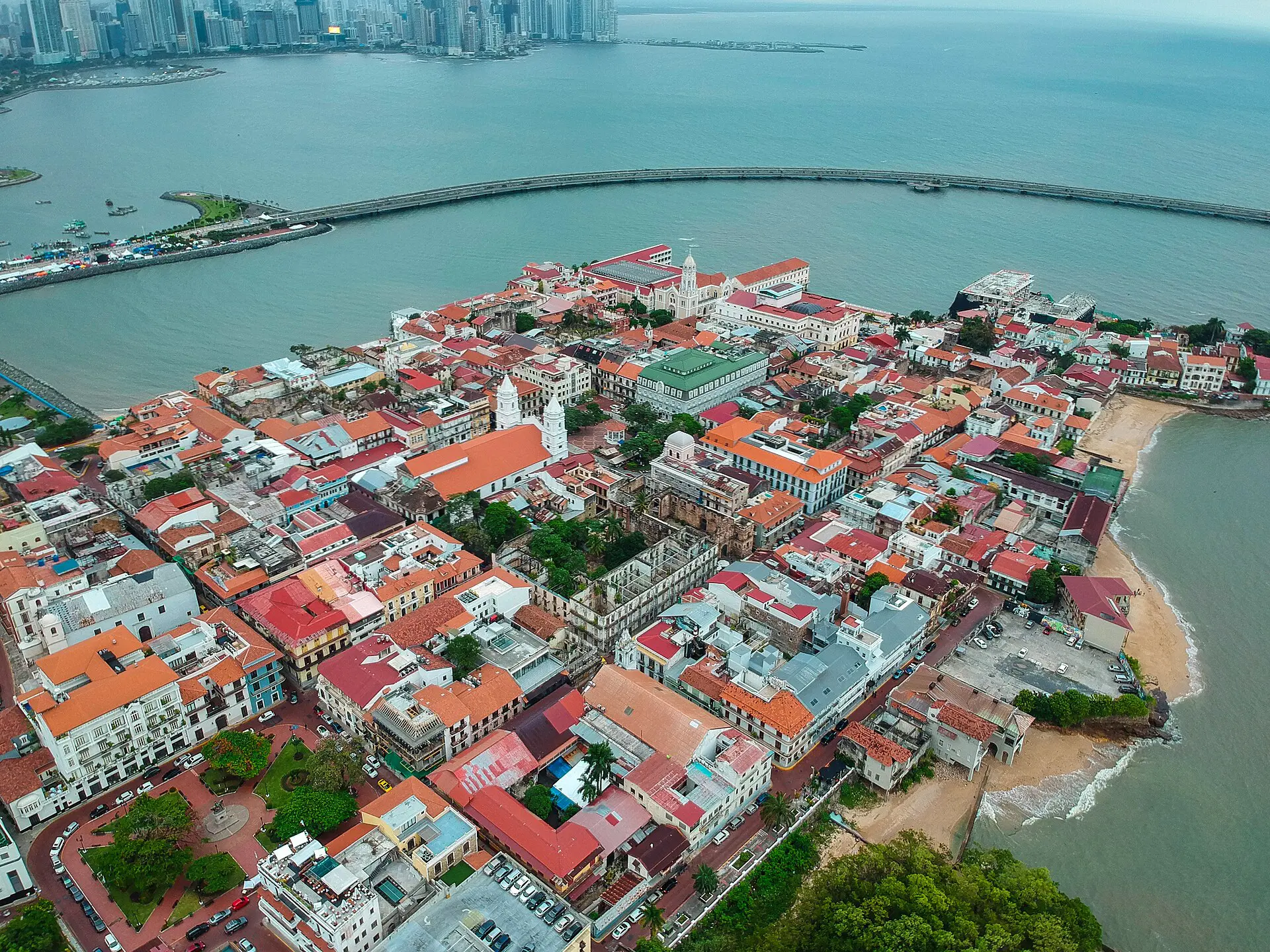
The city was founded in 1519 by the Spanish and became a stopover on a major trade route carrying gold and silver from the Americas. After the original settlement was destroyed in 1671, it was re-founded on a peninsula a few kilometres away. Remnants of the first city and the old town both survive today.
Spanish is the main language, though English is common in tourism. The city is a regional business hub and a convenient base for rainforest, islands and canal-related sights. It suits travellers who like cities with a working-port energy and want nature close by, rather than a pure beach holiday.
Top things to do in Panama City
Panama Canal and Miraflores Locks
The canal is the city’s defining sight. At Miraflores Locks, a visitor centre with viewing decks lets you watch ships pass through. Allow two to three hours. Transit times vary, so check the daily schedule, and go in the morning when heat and cloud are more manageable.
Casco Viejo
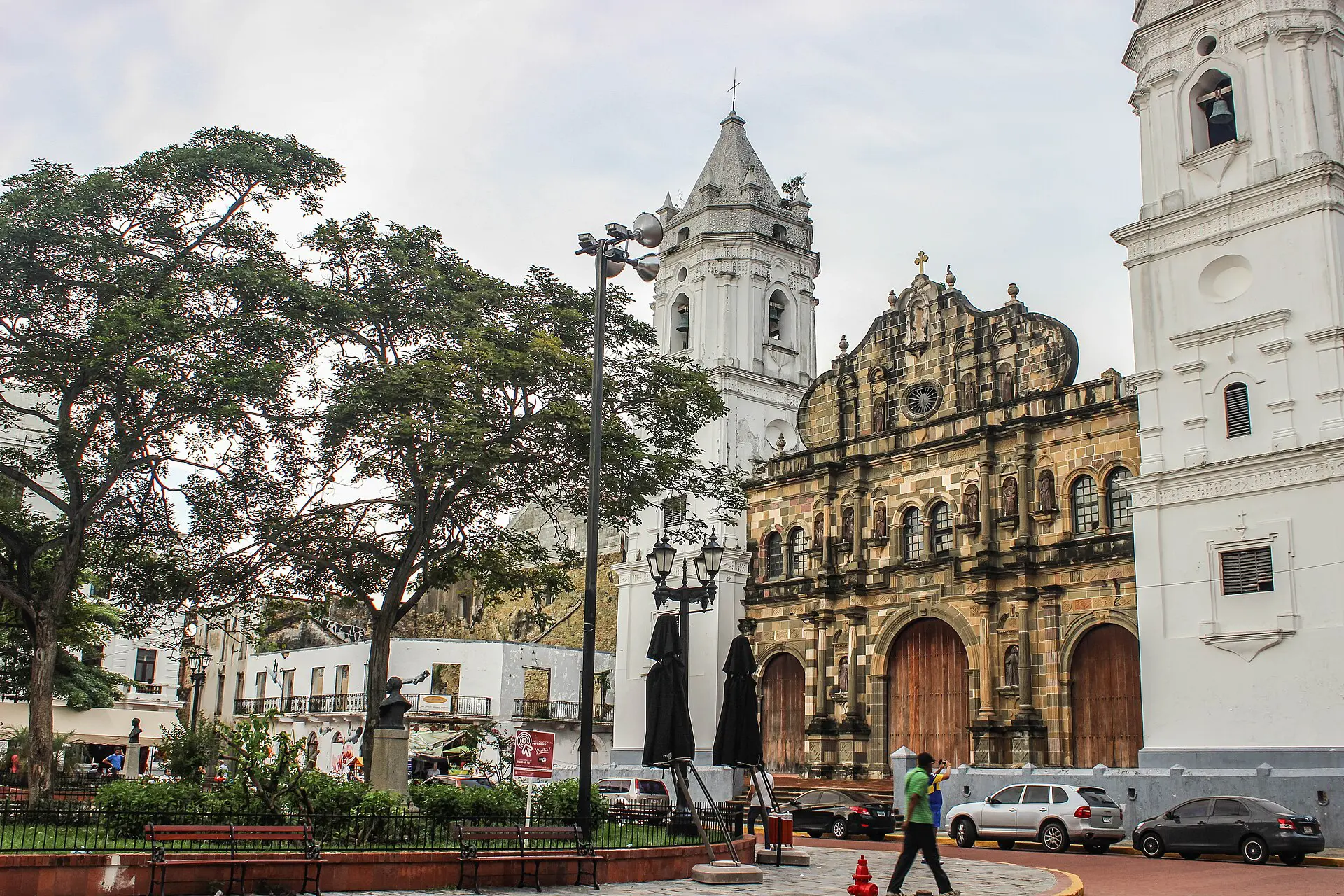
The historic old quarter has restored colonial buildings, plazas, churches, rooftop bars and small museums. Allow half a day or an evening. Wear comfortable shoes for the uneven streets, and keep to busier, well-lit areas at night.
Cinta Costera and the waterfront
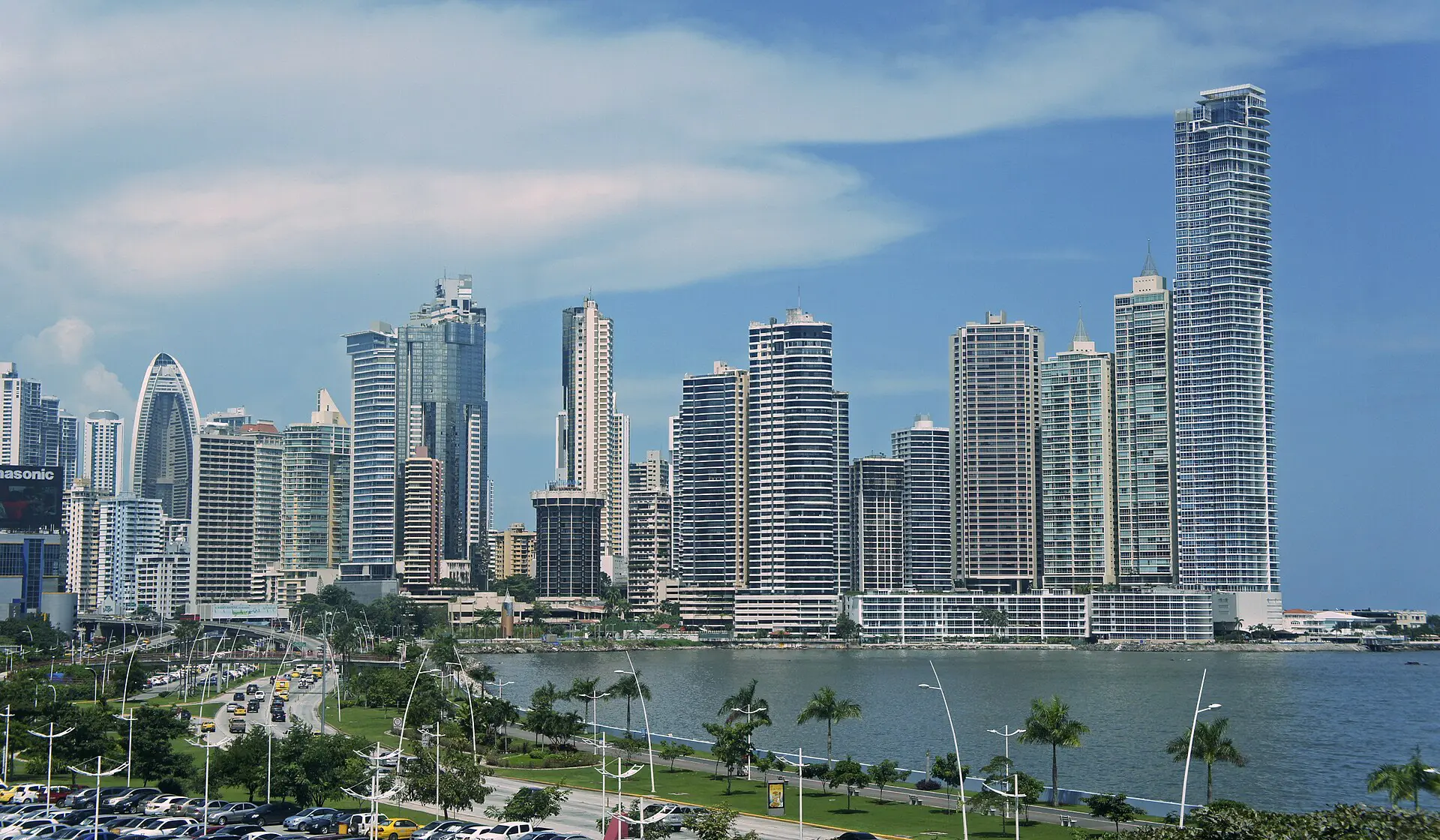
This waterfront promenade links parts of the city with views of the skyline and the bay. A walk or bike ride takes one to two hours. Go early or late to avoid the midday heat.
Metropolitan Natural Park
This protected tropical forest within the city offers short trails and a chance to see wildlife such as birds and monkeys. Allow two to three hours. Bring water and insect repellent, and check current opening hours.
Biomuseo
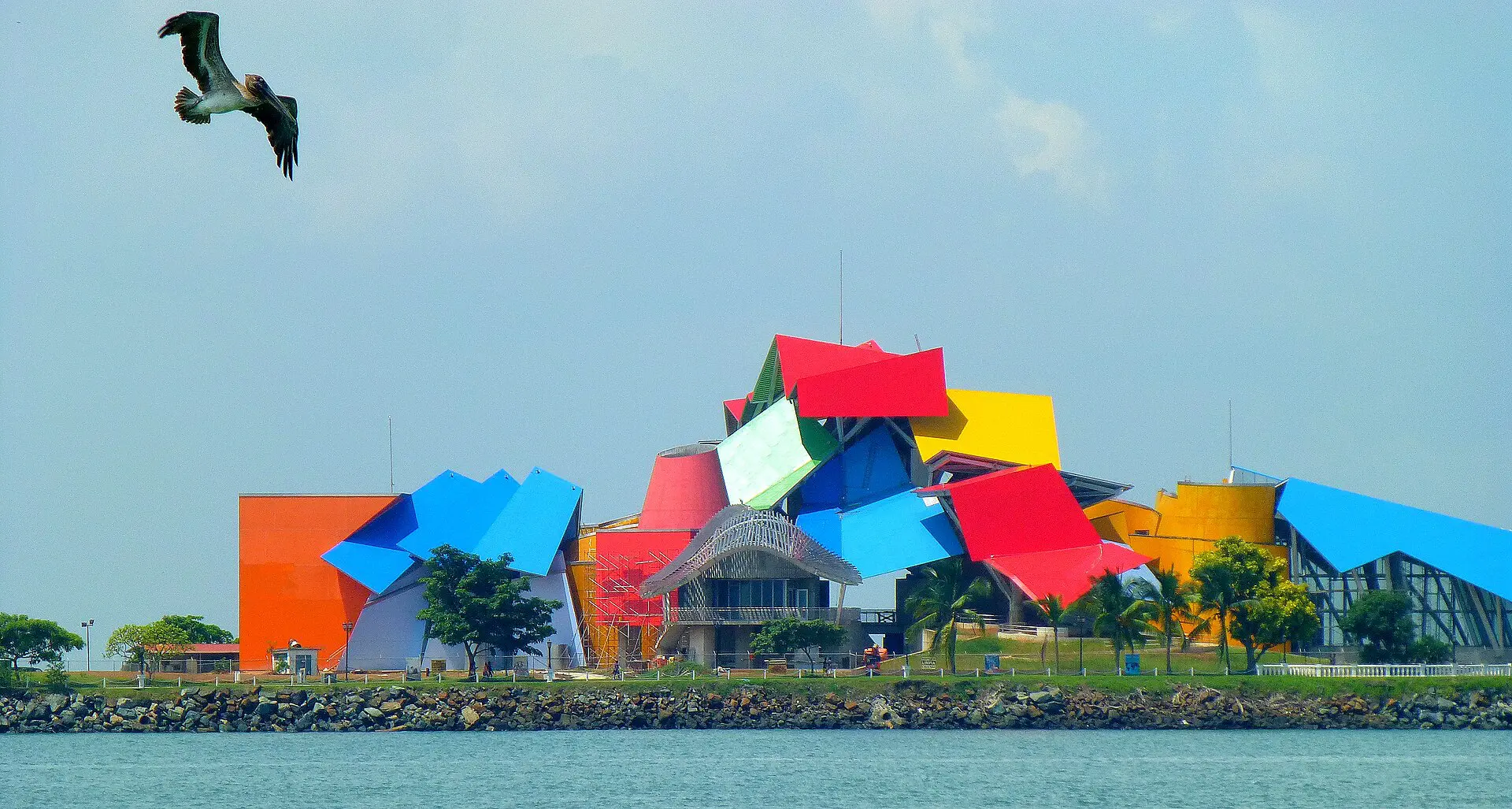
This colourful museum celebrates Panama’s biodiversity and the way the isthmus connected two continents. Allow about two hours. Check ticket prices and opening times in advance, and pair it with a causeway walk.
Amador Causeway
The causeway reaches out into the bay near the canal entrance, with cycle paths, restaurants and views of both the skyline and arriving ships. Rent a bike for an hour or two, and go late afternoon for softer light.
Panama Viejo
These ruins are what remains of the original city destroyed in 1671. Allow one to two hours. The site is exposed, so bring sun protection and visit in the morning.
Best time to visit Panama City
Panama City has a tropical climate with warm temperatures all year and two main seasons. The dry season, roughly mid-December to April, is generally the best time to visit, with sunny days, lower humidity and more reliable weather for boat trips and outdoor visits. It is also the busiest and most expensive period.
The wet season, from about May to November, brings afternoon downpours, higher humidity and cheaper accommodation. Mornings are often clear, so you can plan outdoor activities early and use the afternoons for museums or rest. October and November are typically among the wettest months. Because the city sits in a tropical zone, temperatures change little through the year, usually in the low 30s C by day.
| Season | Weather | Crowds and prices |
|---|---|---|
| Dec to Apr | Dry, sunny | Busier, higher prices |
| May to Jul | Hot, afternoon rain | Moderate, lower prices |
| Aug to Nov | Wet, humid | Quieter, best deals |
How to get to Panama City and around
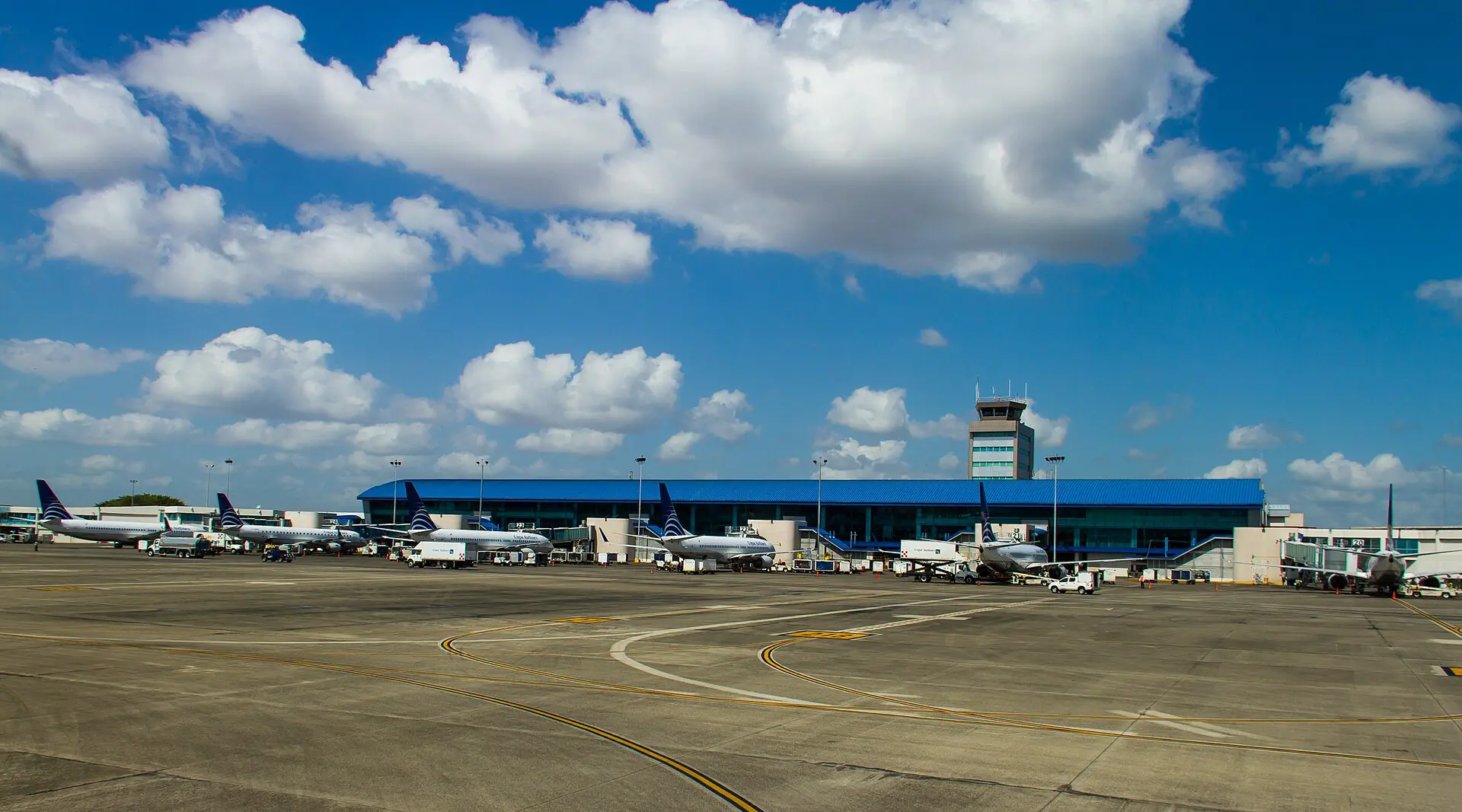
Tocumen International Airport (PTY) is a major hub for the region, with many direct and connecting flights from the Americas and Europe. It lies roughly 30 to 60 minutes from central districts depending on traffic. Taxis, ride-hailing apps and pre-booked transfers are the usual options, and some visitors use the metro for part of the journey.
Within the city, the metro is a fast and inexpensive way to cover the main north-south corridor, though it does not reach every sight. Buses cover the wider area, usually with a prepaid card, but routes can be confusing for visitors. Taxis and ride-hailing are the easiest option for most visitors, and fares should be agreed or checked in the app.
Central districts like Casco Viejo are walkable, but traffic is heavy and distances in the wider city are long. If you want to explore beyond the city, tours or a rental car make canal and rainforest visits easier.
Where to stay in Panama City
The city is large and traffic can be slow, so choose a base near the activities that matter most to you.
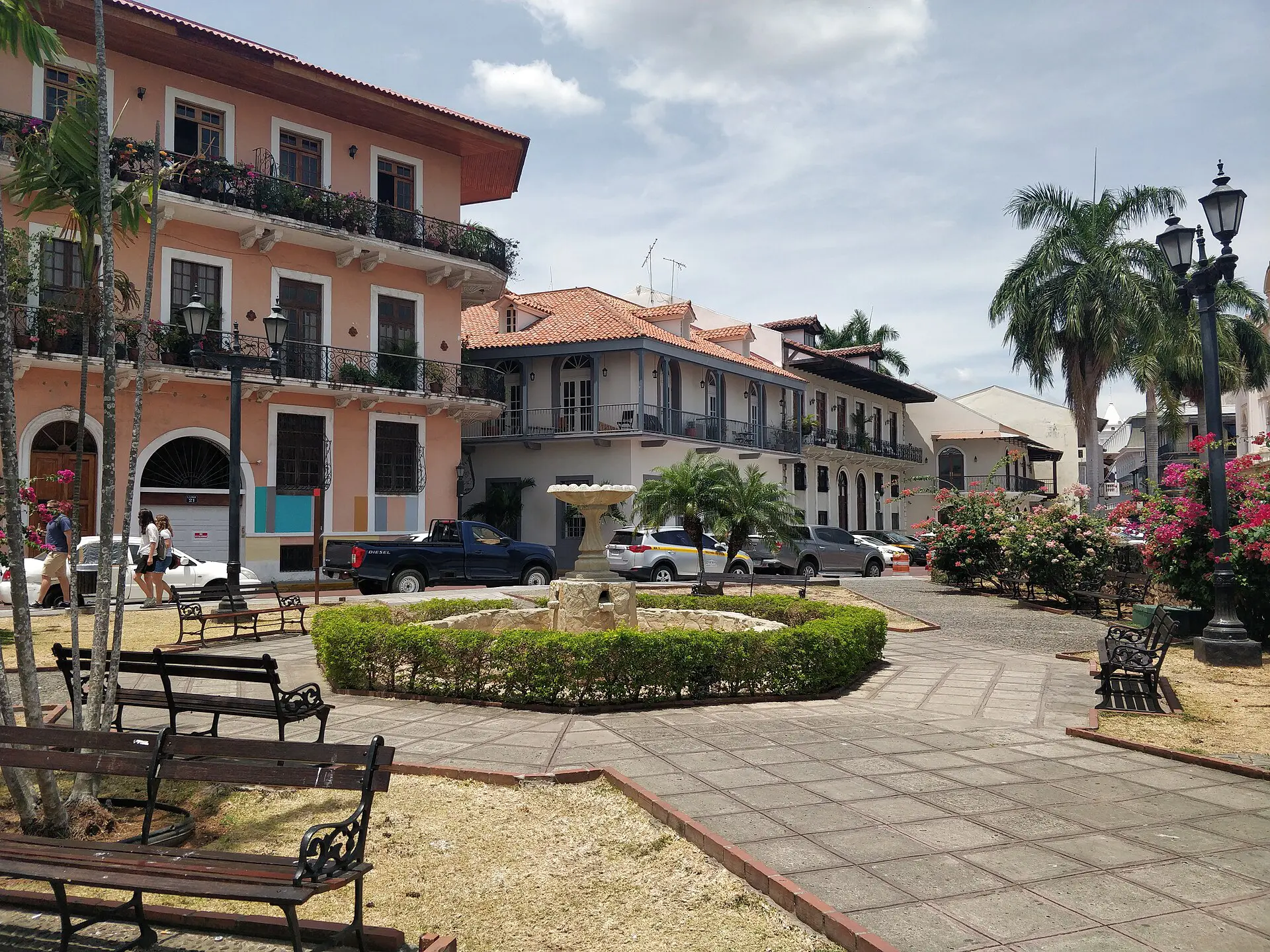
Casco Viejo is the atmospheric choice, with boutique hotels, restaurants and nightlife in restored colonial buildings. It suits couples and visitors who want to walk everywhere, though it can be noisy at weekends.
Punta Pacifica, Punta Paitilla and Avenida Balboa are the modern high-rise districts, with large hotels, malls and sea views. They suit business travellers and families who prefer familiar comforts.
El Cangrejo and Bella Vista offer mid-range hotels and hostels, a lively food scene and good access to the metro. They are popular with budget and mid-range travellers.
If you plan to see the canal or rainforest early, consider staying closer to the Amador or Clayton areas.
How many days do you need?
Three to four days is enough for the canal, Casco Viejo and a rainforest or causeway visit, with some downtime between. Two days works if you are stopping over, while a week or more suits travellers who want to add islands, the highlands or the Caribbean coast.
- Day 1: Miraflores Locks in the morning, the Amador Causeway in the afternoon and dinner in Casco Viejo.
- Day 2: Panama Viejo, the Biomuseo and the Cinta Costera, with an evening on a rooftop in the old town.
- Day 3: Metropolitan Natural Park in the morning, then a half-day trip to Gamboa or the Panama Canal’s other sights.
Keep an extra day for island or highland trips.
Day trips and nearby
Isla Taboga
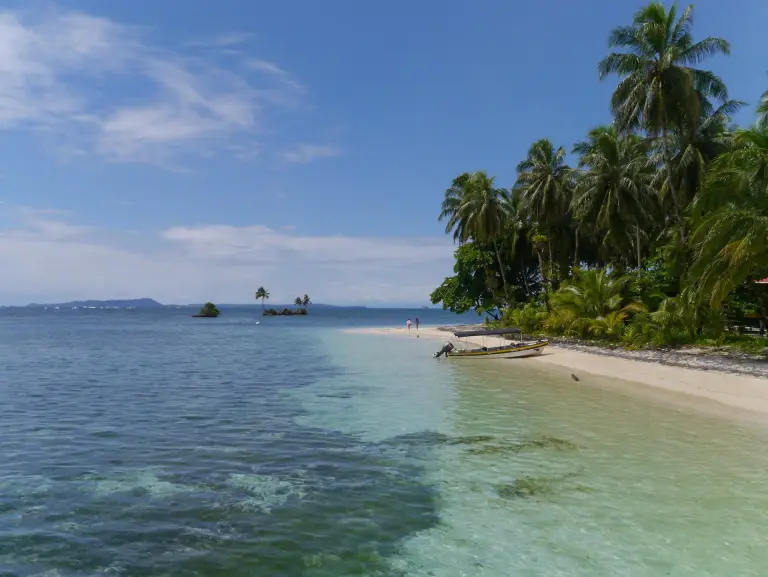
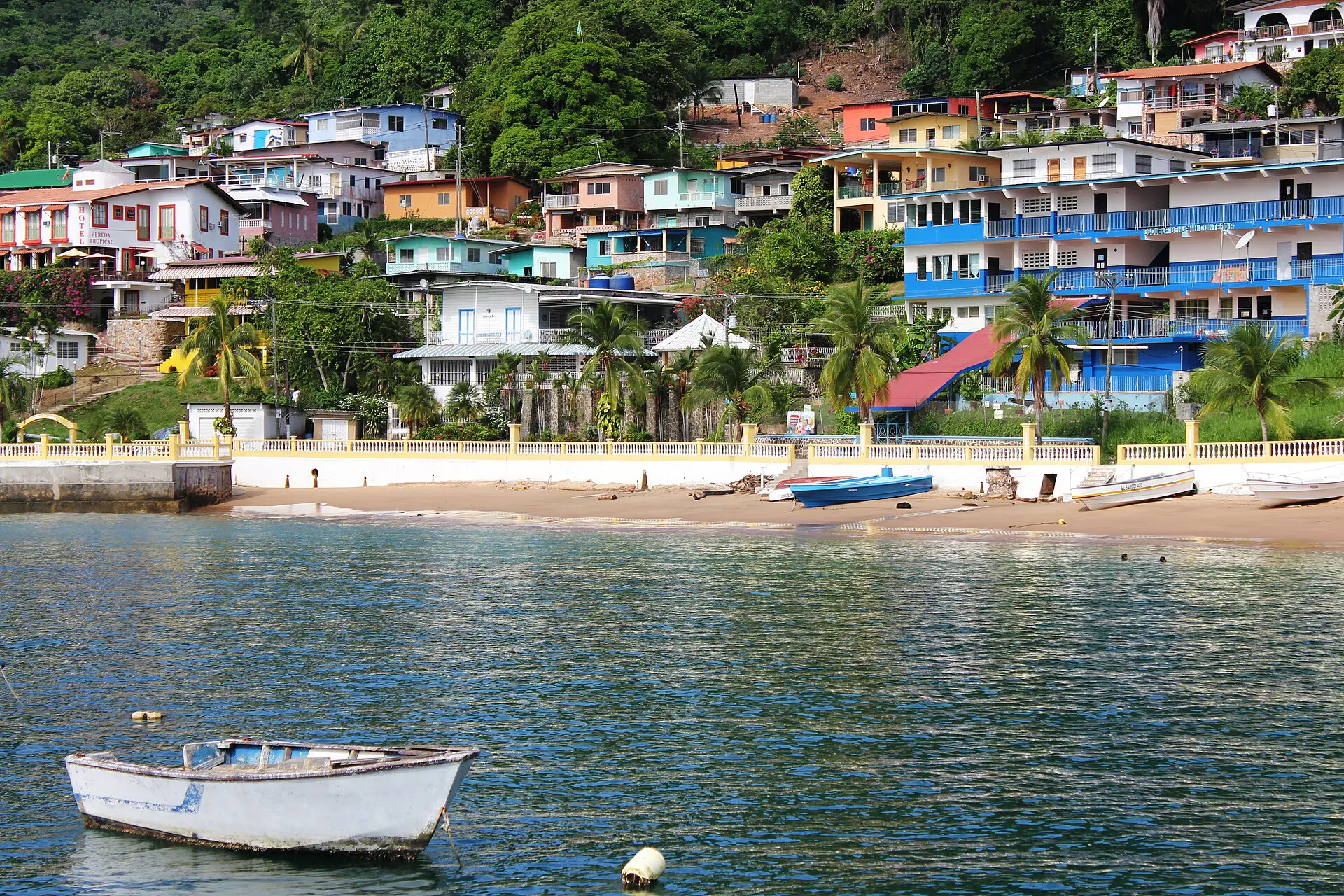
Taboga is a small island reached by ferry from the Amador area, with beaches and a quiet village. The crossing takes roughly 30 to 60 minutes. Check ferry schedules in advance, and bring sun protection and cash.
Gamboa and the rainforest
Gamboa lies along the canal and the Chagres River and offers wildlife viewing and boat tours. A half-day or full day is typical. Book a guide for the best chance of seeing birds and monkeys.
Portobelo and Colon
On the Caribbean side, Portobelo has old Spanish forts, and Colon is the canal’s Atlantic port. A full day is possible by tour or car. Check current local advice on Colon before going, and use organised transport where possible.
El Valle de Anton and the Pearl Islands
El Valle de Anton is a cooler mountain town for hiking and markets, a few hours’ drive away. The Pearl Islands lie offshore in the Pacific and suit an overnight stay rather than a rushed day trip.
FAQ
Q1When is the best time to visit Panama City?
The dry season, roughly mid-December to April, offers the most reliable weather and is the best time for most visitors. It is also the busiest and priciest period. The wet season from May to November brings afternoon rain and lower prices.
Q2How many days do you need in Panama City?
Three to four days covers the Panama Canal, Casco Viejo, the causeway and a rainforest visit comfortably. Two days works as a stopover. Allow a week or more if you also want to see the islands, highlands or Caribbean coast.
Q3How do you get to Panama City?
Most visitors arrive at Tocumen International Airport (PTY), a major regional hub with many direct flights. Taxis and ride-hailing apps reach the city in roughly 30 to 60 minutes depending on traffic, and the metro serves parts of the city.
Q4Is Panama City safe and expensive?
Tourist areas like Casco Viejo and the modern districts are generally manageable with normal city precautions, and some neighbourhoods are best avoided at night, so ask your hotel. Costs are moderate and the US dollar is used, with meals and transport reasonably priced.
Prices, schedules and entry rules change. Check current details with official sources before you travel. Read the Panama travel guide.