Why visit Kathmandu
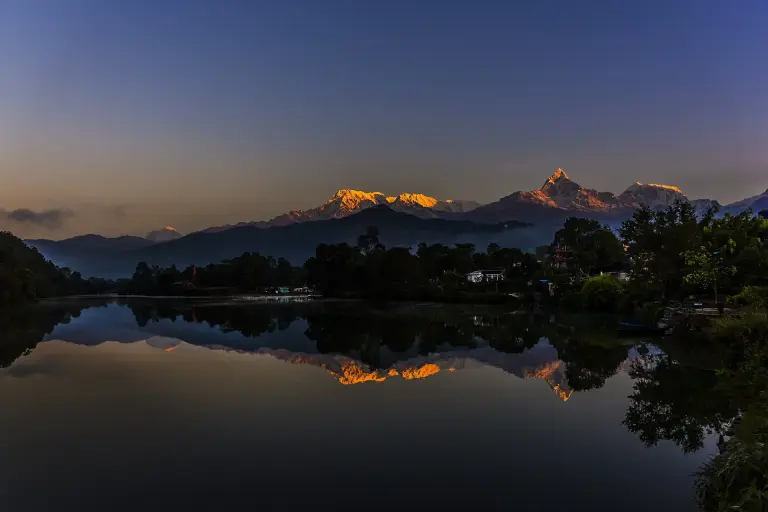
If you are planning things to do in Kathmandu, expect a dense, busy and layered city. It is the capital and largest city of Nepal, set in the bowl-shaped Kathmandu Valley at around 1,300 to 1,400 metres, with hills such as Shivapuri and Chandragiri around the rim.
The valley has been home to the Newar people for centuries and is one of the oldest continuously inhabited places in the region. Palaces, temples and courtyards from the royal era stand beside shops, guesthouses and traffic. Kathmandu is now joined in one urban area with Patan to the south.
Visitors come for the monuments and religious life, for food and markets, and as the usual start of trips to Everest, Annapurna and other mountain regions. It can feel hectic, noisy and dusty, and the earthquake of 2015 damaged some monuments, but daily worship and festivals keep much of the old city alive.
Top things to do in Kathmandu
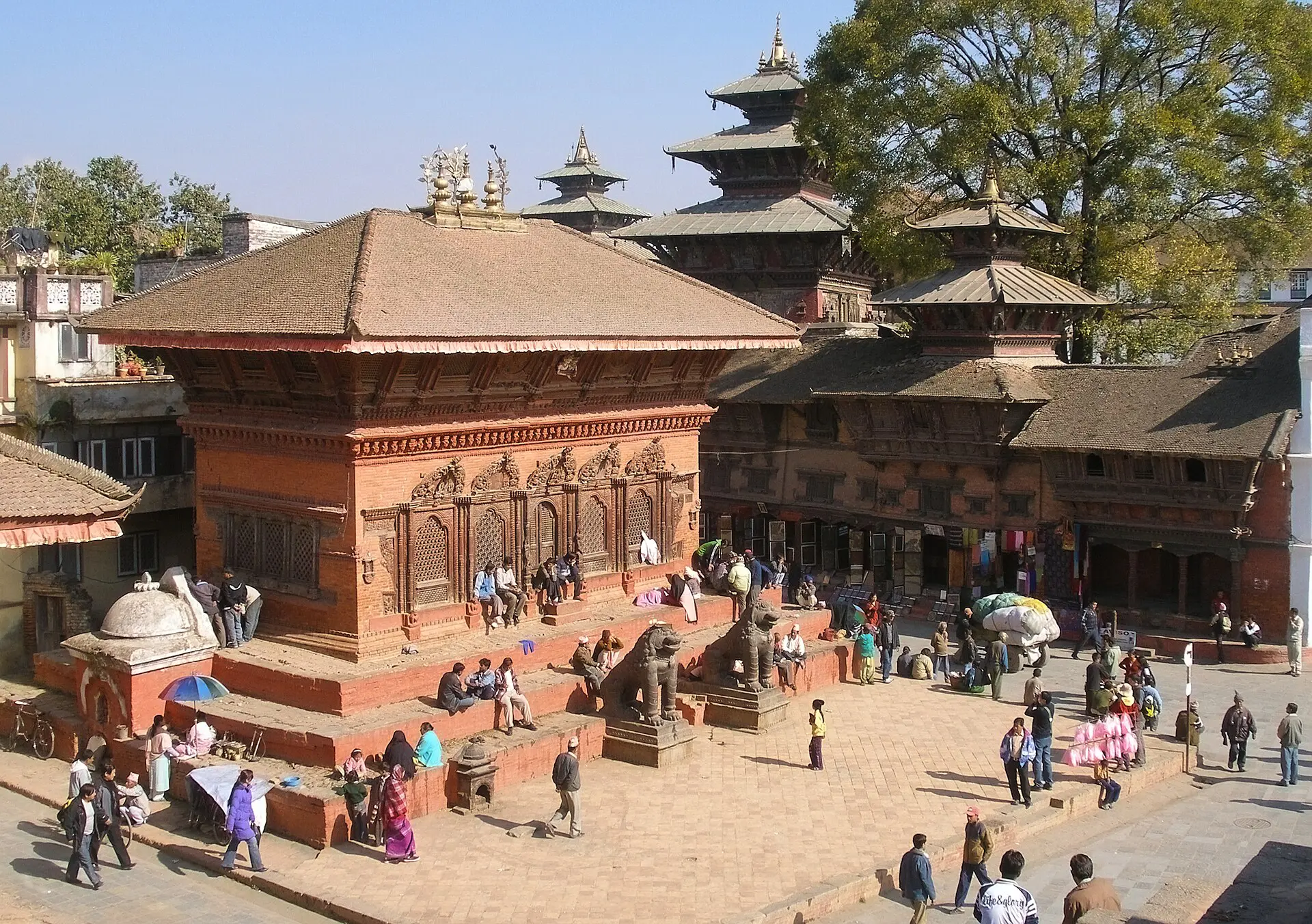
Kathmandu Durbar Square
The old royal square holds palaces and temples in the traditional Newar style. Allow two to three hours. Foreign visitors usually pay an entry fee, and some buildings were affected by the 2015 earthquake, so check what is open. A local guide can add context.
Swayambhunath
Often called the Monkey Temple, this hilltop stupa has views across the valley. Allow two hours. The climb has many steps, and monkeys can snatch food, so keep snacks out of sight. Late afternoon gives softer light for photographs.
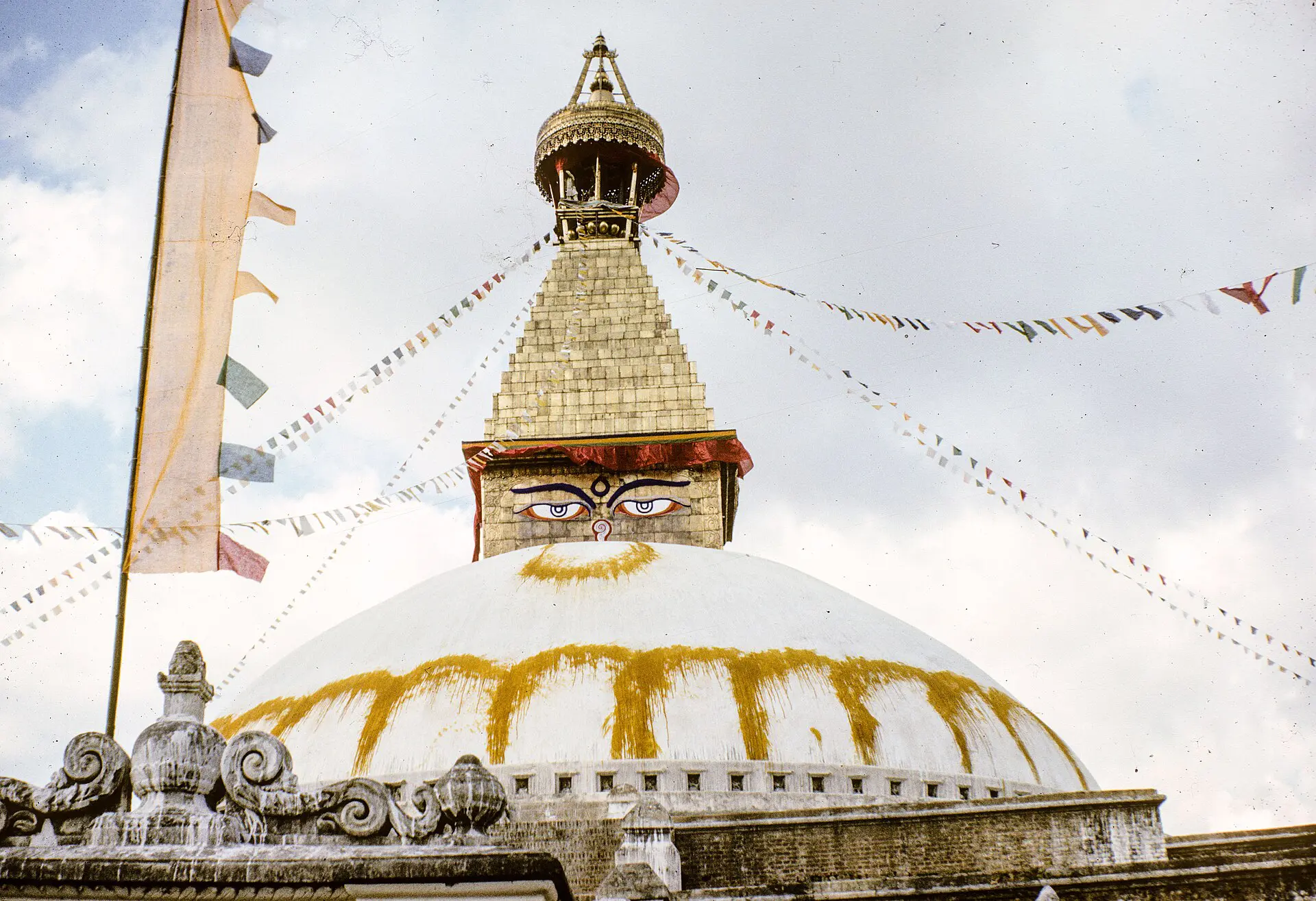
Boudhanath Stupa
One of the largest stupas in the region and a centre of Tibetan Buddhist life. Allow one to two hours. Walk clockwise like the pilgrims, and visit around dawn or dusk, when the area is most atmospheric.
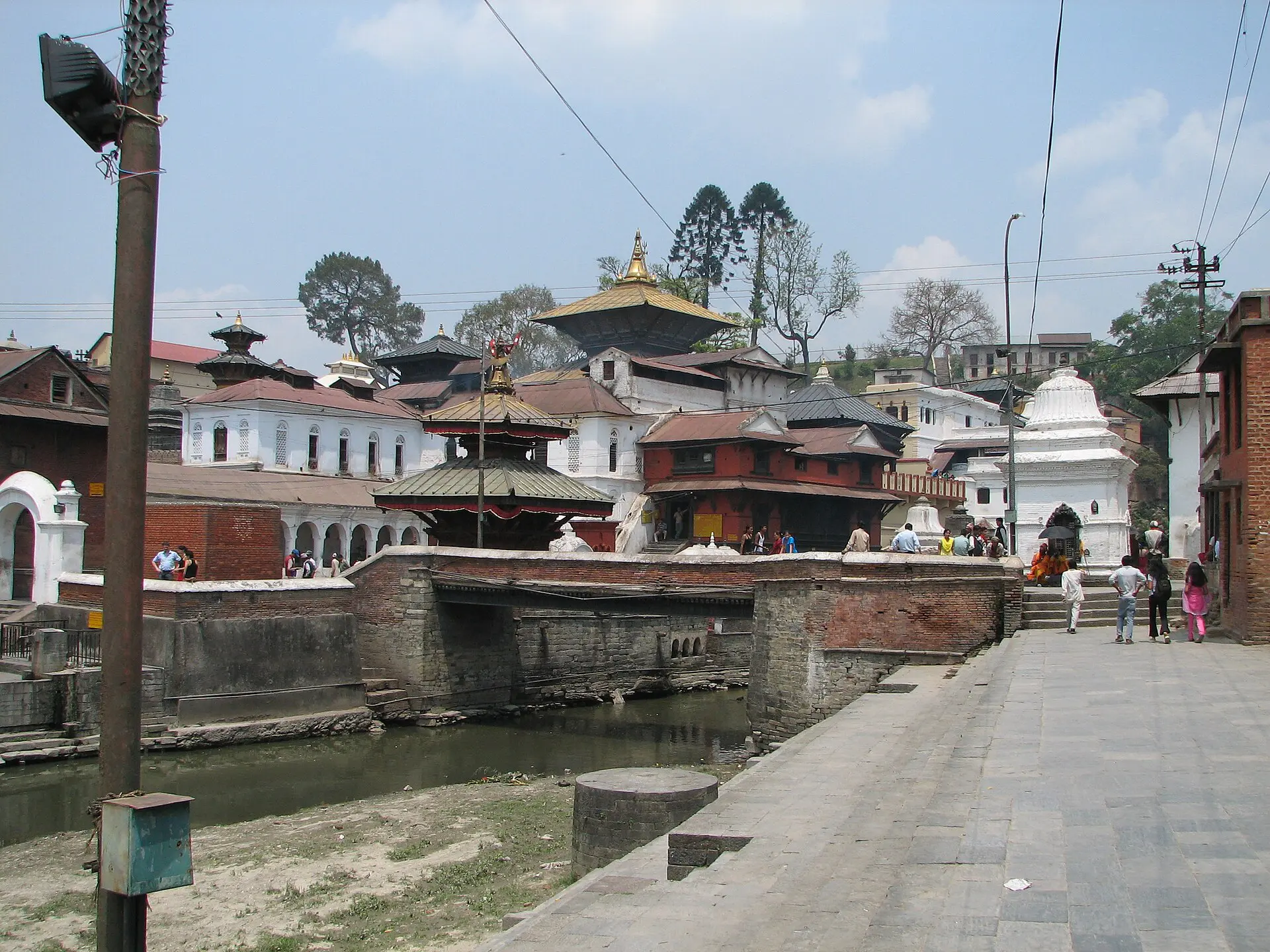
Pashupatinath Temple area
The riverside Hindu temple complex is one of the holiest sites in Nepal. Allow one to two hours. Some areas are open only to Hindus, and cremations take place on the riverbank, so be respectful with photographs and dress modestly.
Thamel
The main tourist district is packed with shops, restaurants, outfitters and guesthouses. Allow an evening. It is useful for trek gear and bookings, but compare prices, agree fees in advance and be wary of aggressive touts.
Patan
Joined to Kathmandu in one continuous urban area, Patan has its own old square, temples and craft workshops. Allow half a day. It is close enough for a taxi or local transport and has a quieter atmosphere than central Kathmandu.
Garden of Dreams and quiet spaces
A walled garden near Thamel gives a break from the noise. Allow an hour. There is usually an entry fee, and it is a good place for tea after a morning of sightseeing.
Best time to visit Kathmandu
Kathmandu has a mild highland climate with a summer monsoon. Mountain views are clearest in the dry months.
- Autumn (October to November): the most popular season, with clear skies, comfortable temperatures and big festivals. Flights and hotels are busiest and cost more.
- Winter (December to February): cool days, cold nights and often hazy air. Quieter, with good bargains, though pollution can be high.
- Spring (March to May): warmer and clear, with rhododendrons blooming in the hills. A good time for trekking, but haze increases by late spring.
- Summer monsoon (June to September): warm and wet, with lush hills. Views are often hidden by cloud, and roads may be disrupted.
Check festival dates, as they affect crowds and prices.
How to get to Kathmandu and around
Tribhuvan International Airport is the main gateway and lies a short distance from the central tourist areas. Taxis and some prepaid options are available, and travel time varies with traffic. Overland, buses and tourist coaches connect Kathmandu with Pokhara, Chitwan and the Indian border, though road journeys can be slow.
In the city, taxis, ride-hailing apps and local buses are available, and negotiating or checking the fare before you set off is wise. Traffic and dust can be heavy, so allow extra time.
The old centres around Durbar Square and Thamel are best explored on foot. For temples farther out, a taxi or hired car with a driver is simple and affordable. Many visitors arrange trek transport through a registered agency.
Where to stay in Kathmandu
Kathmandu offers everything from simple guesthouses to large hotels, and the area you choose affects noise and convenience.
- Thamel: the main traveller hub with restaurants, shops and trek services. Convenient and lively, but noisy and crowded.
- Around Durbar Square and the old town: atmospheric small hotels close to the monuments. Best for travellers who want the old city on their doorstep.
- Boudha: a quieter, more spiritual area near the stupa, with monasteries and cafés. Suits longer stays.
- Patan: a calmer alternative south of the centre with heritage guesthouses.
Book early in October and November, and check heating or hot water in winter.
How many days do you need?
Three days is the minimum for the main sights, and four lets you slow down, add Patan or Bhaktapur and handle trek logistics. Altitude and heat are mild here, so the main limit is traffic and the pace of the city.
- Day 1: Durbar Square and the old streets, then Thamel for food and shopping.
- Day 2: Swayambhunath in the morning, then Boudhanath in the late afternoon.
- Day 3: Pashupatinath and Patan, with time for a garden or a cultural show.
Add days for Bhaktapur, Nagarkot or a trek.
Day trips and nearby
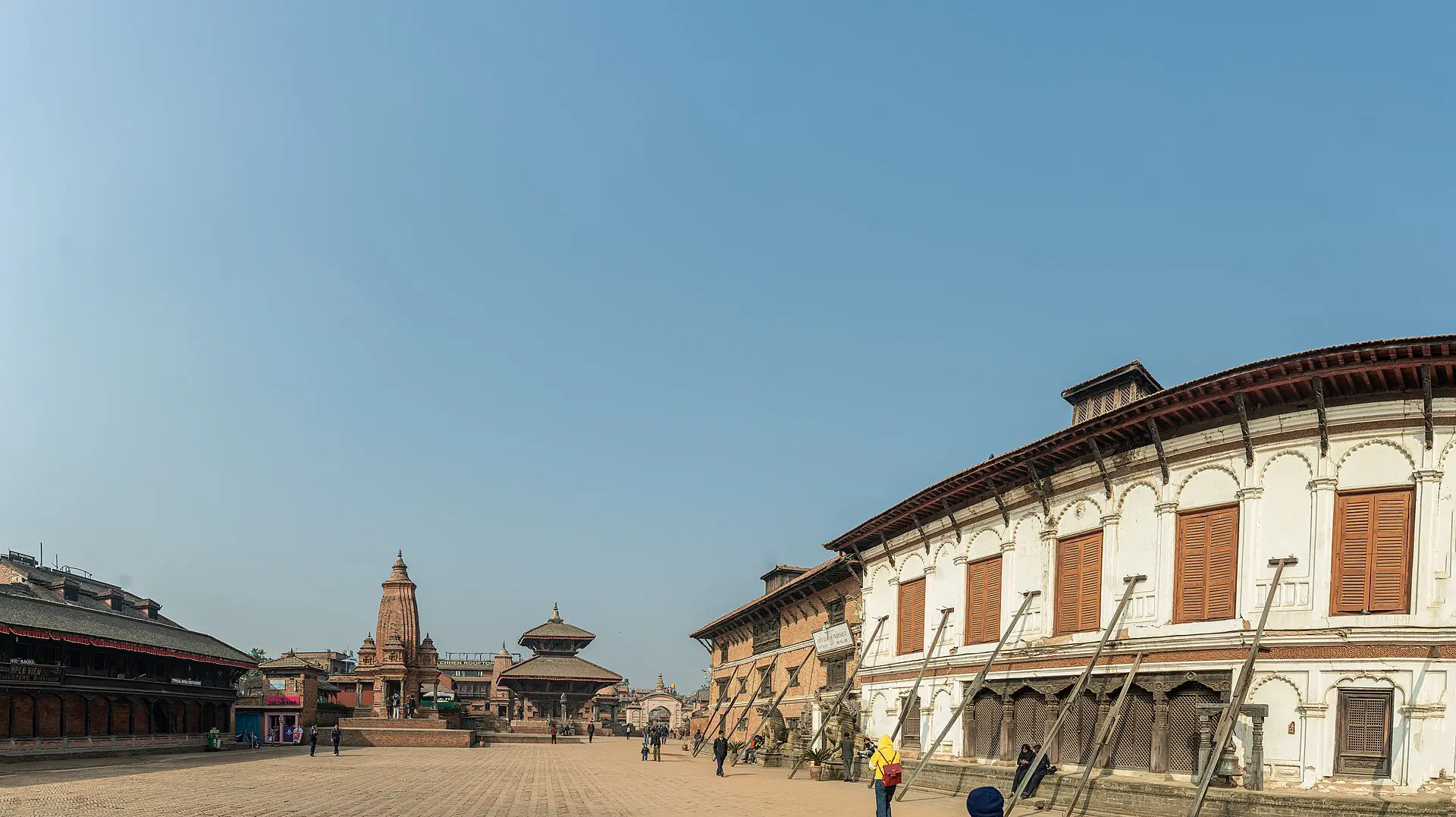
Bhaktapur
A medieval Newar town in the valley, known for brick streets, pottery and temples. Allow half a day to a full day. There is usually an entry fee for visitors, and it is reachable by taxi or local bus.
Nagarkot
A hill town with mountain views at sunrise on clear days. It is usually done as an overnight trip. Check the weather, because cloud can hide the Himalayan peaks, and dress warmly in the early morning.
Dhulikhel
Another hilltop town east of the valley with views and a quieter feel. It suits a night or a day trip, and has local transport links from Kathmandu. Check road conditions in the monsoon.
Pokhara and Chitwan
Pokhara is a lakeside base for treks and Chitwan National Park is known for wildlife safaris. Both are longer trips, reached by road or short flights, and better as separate stops than day outings.
FAQ
Q1When is the best time to visit Kathmandu?
October to November is usually best, with clear skies, mild temperatures and festivals, though it is also the busiest and priciest period. March to April is also good, while the summer monsoon brings rain and cloud.
Q2How many days do you need in Kathmandu?
Three to four days is enough for Durbar Square, Swayambhunath, Boudhanath, Pashupatinath and Patan. Add more if you want to visit Bhaktapur or Nagarkot, or if you need time to arrange a trek.
Q3How do you get to Kathmandu?
Most visitors fly to Tribhuvan International Airport, which is a short taxi ride from the central tourist areas. Buses and tourist coaches link Kathmandu to Pokhara, Chitwan and the Indian border, but journeys can be long.
Q4Is Kathmandu safe and cheap for travellers?
Kathmandu is generally good value, with low prices for food, transport and mid-range hotels. Take normal precautions against petty theft, check taxi fares in advance, and be aware of air pollution and water safety.
Prices, schedules and entry rules change. Check current details with official sources before you travel. Read the Nepal travel guide.