Why visit Pokhara
If you are planning things to do in Pokhara, the setting explains most of its appeal. Pokhara is the second-largest city in Nepal, with about 600,000 people as of the 2021 census, and the capital of Gandaki Province. It sits on the shore of Phewa Lake at an average elevation of about 822 m, roughly 200 km west of Kathmandu.
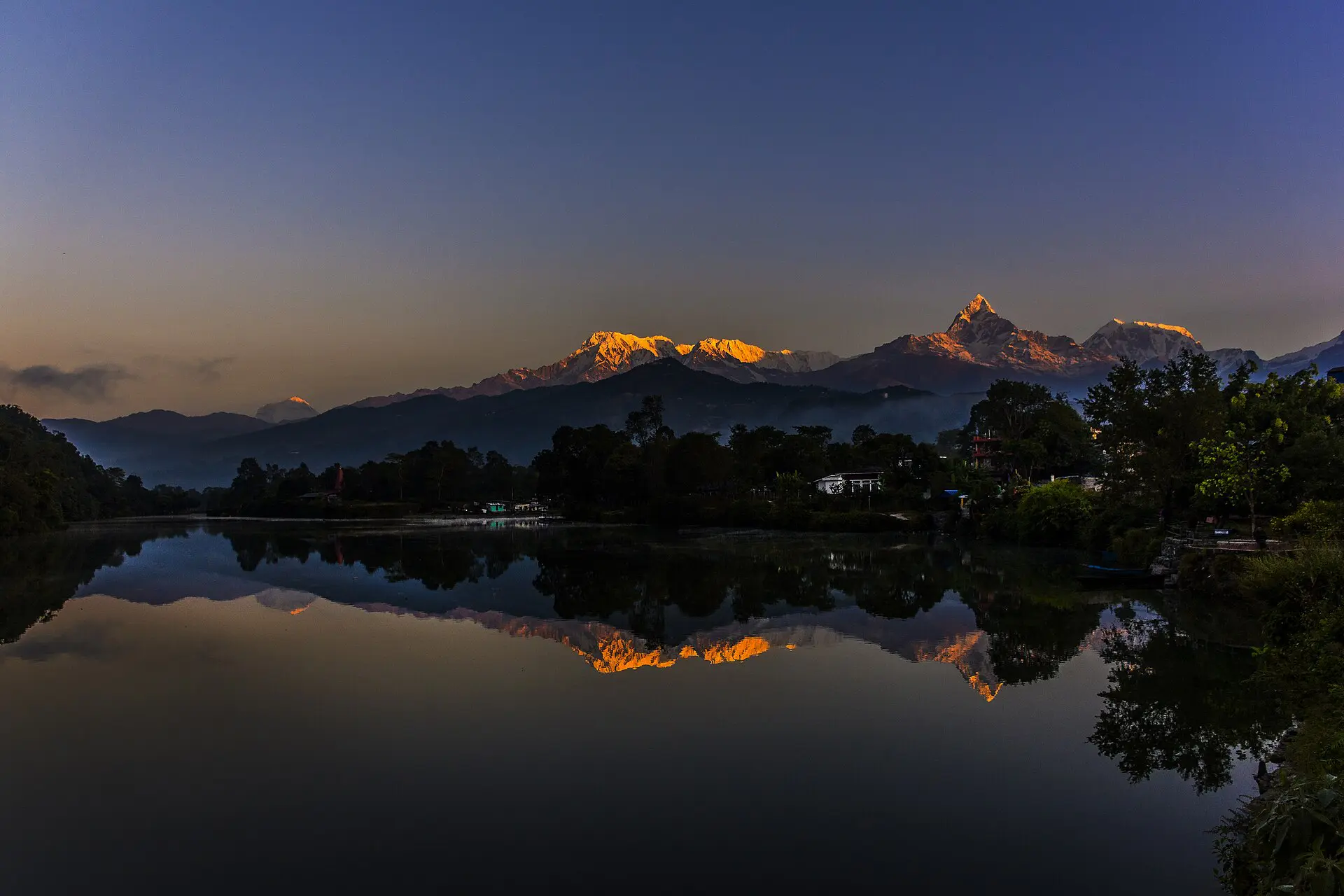
The Annapurna range, including Dhaulagiri, Annapurna I and Manaslu, lies within a short aerial distance of the valley. Pokhara was declared Nepal’s tourism capital in 2024, and it is the starting point for most Annapurna treks. The lakeside has many hotels, cafes and shops, and it can feel touristy, so a little effort to get out of the main strip pays off.
Top things to do in Pokhara
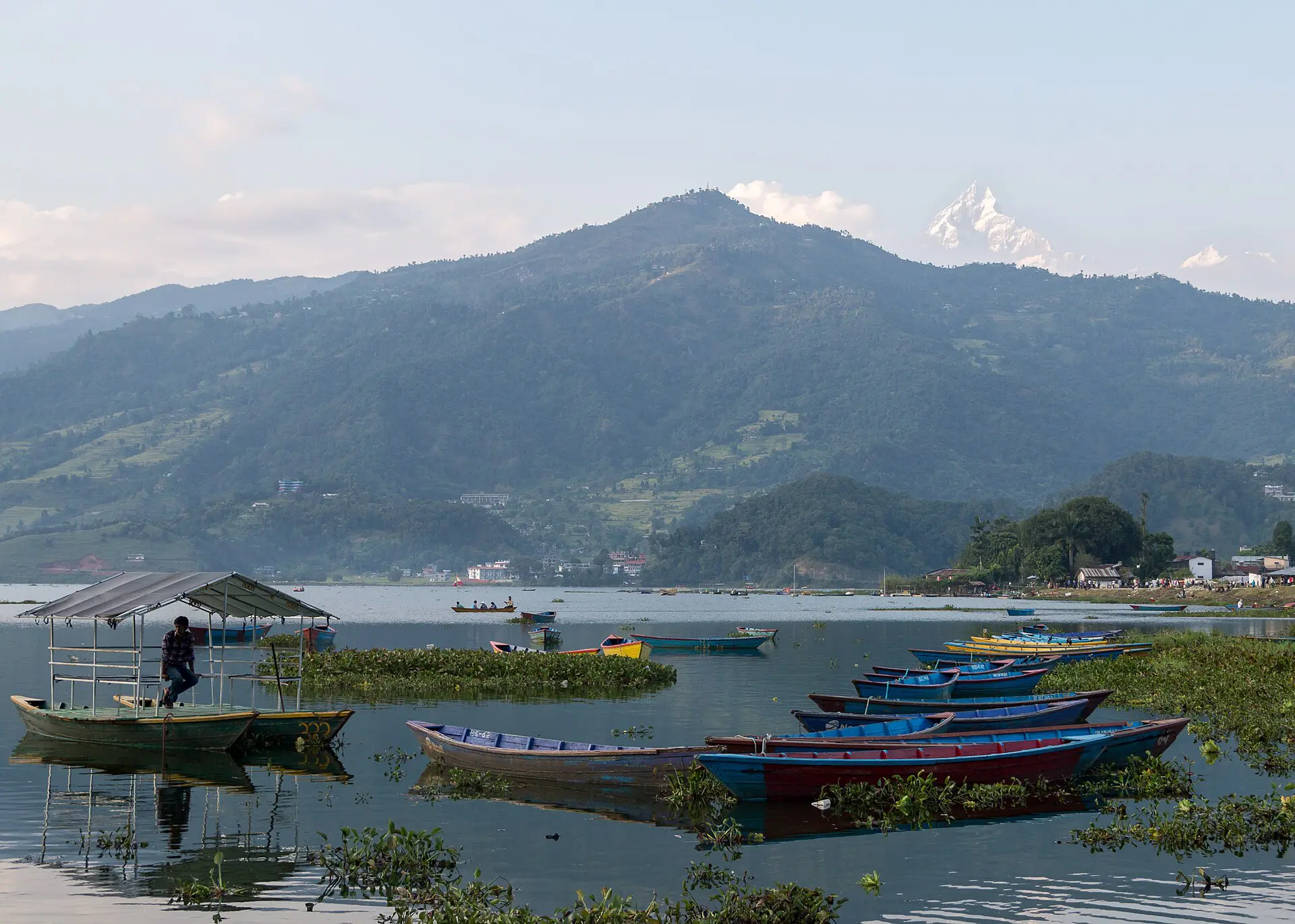
Boat on Phewa Lake
Rowing boats can be hired by the hour, and the lake offers calm views of the mountains on clear mornings. Allow one to two hours, or longer if you stop at the island temple. Agree the price in advance, and go early for clearer views.
World Peace Pagoda
This white stupa on a ridge above the lake offers wide views of Phewa and the Annapurna range. Allow half a day, including the boat crossing and walk up. Start early and bring water and layers.
Sarangkot sunrise
A hilltop viewpoint above town, popular for sunrise views over the Himalaya. Allow a morning, and arrange transport since the start is before dawn. Cloud can hide the peaks, so allow a second morning if you can.
Paragliding
Tandem flights launch from the hills above the valley and glide toward the lake. A flight usually lasts around 20 to 30 minutes, but allow half a day. Choose an operator with a safety record, and check licences and insurance, since weather affects flights.
Davis Falls and Gupteshwor Cave
A waterfall and nearby cave system that are easy to combine on a half-day outing. Allow one to two hours. Paths can be slippery in the monsoon, and fees apply.
Lakeside cafes and short walks
The lakeside is a place for slow afternoons, with yoga classes, cafes and gentle walks. It is a good place to rest before a trek, and for gear shopping, but compare prices, since souvenirs may be inflated.
Best time to visit Pokhara
October and November are the most popular months, with stable weather, clear skies and the best mountain views. March and April are also good, with warm days and rhododendron blooms on the hills, though haze can reduce long-distance views. These are also the busiest trekking seasons, so book rooms and flights ahead.
The monsoon, roughly June to September, brings heavy rain and cloud, and views are often hidden, though the landscape is green and it is quieter. Winter, from December to February, is cool to cold at night but often clear, with fewer visitors and lower prices. Trekking conditions vary by altitude and season, so check trail and weather updates before you plan higher routes.
How to get to Pokhara and around
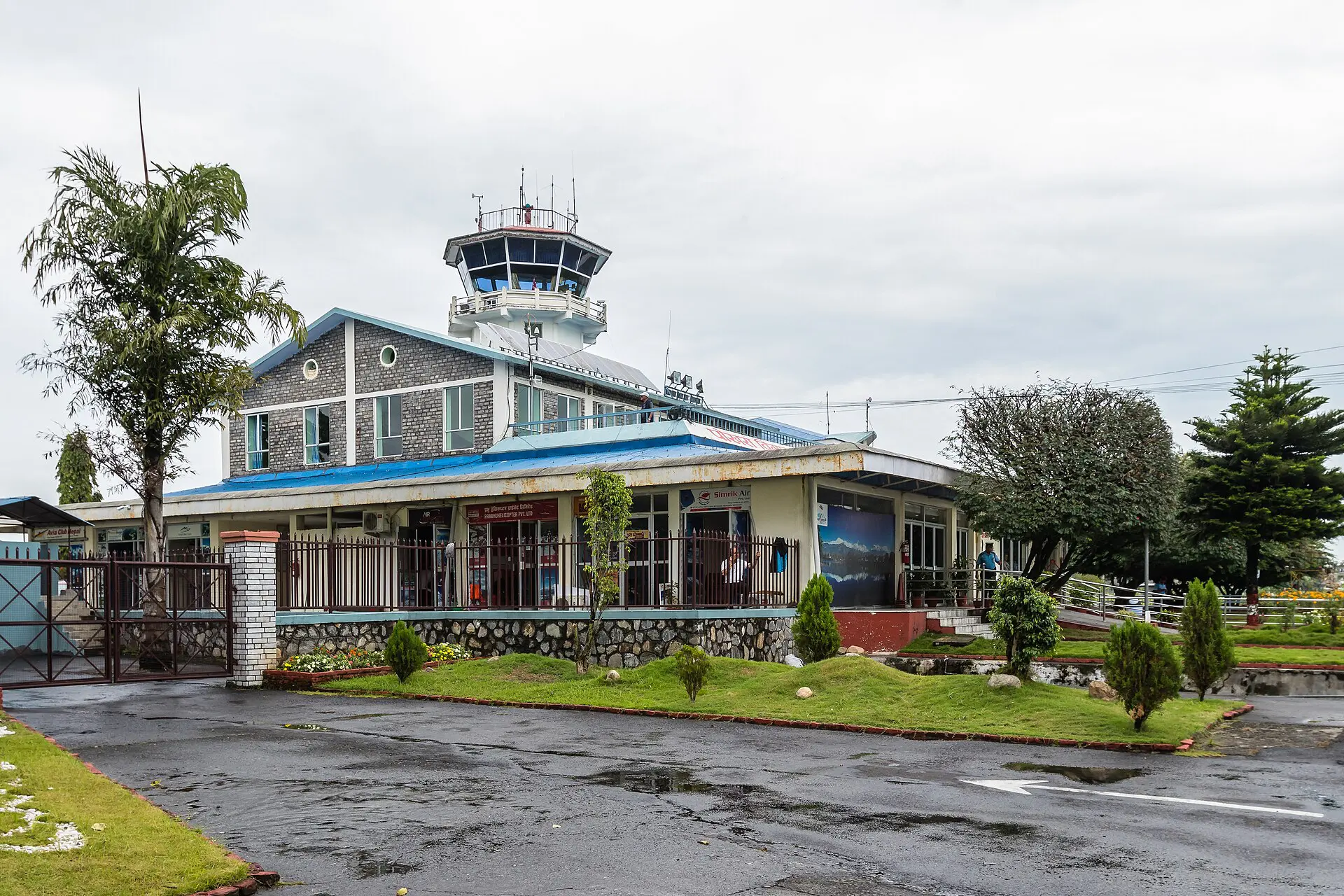
Pokhara has an airport with domestic flights from Kathmandu, which take around 25 to 30 minutes, though flights can be delayed or cancelled due to weather. Tourist buses run the 200 km road from Kathmandu in about 6 to 7 hours, with cheaper and more crowded local buses and microbuses also available. Allow extra time for traffic and roadworks.
In town, taxis, motorbike rentals and bicycles are common, and the lakeside district is easy to walk. Agree on a fare before getting in a taxi. For treks, you will need permits and often a registered guide, so check current requirements before you arrive.
Where to stay in Pokhara
Lakeside, especially around the main strip, is the most convenient area, with hotels, cafes, gear shops and tour desks, and it suits first-time visitors and trekkers. It is busy and can be noisy, but options range from budget guesthouses to comfortable hotels.
Damside and the quieter edges of the lake offer calmer surroundings, often with mountain views and gardens. Hill-top stays near Sarangkot and the ridges suit travellers who want sunrise views and a rural setting, though getting in and out takes longer. Choose by whether you want convenience, quiet or views, and book ahead in the autumn season.
How many days do you need?
Three to four days is a good length for Pokhara, with time for the lake, a viewpoint, a paragliding flight and rest. If you plan a trek, add days for permits, gear and recovery.
- Day 1: Arrive, walk the lakeside and take a boat trip at sunset.
- Day 2: Sunrise at Sarangkot, then a paragliding flight or a visit to Davis Falls and Gupteshwor Cave.
- Day 3: Visit the World Peace Pagoda and relax at a lakeside cafe, or start a short trek.
Day trips and nearby
Annapurna treks
Pokhara is the main starting point for the Annapurna region, with routes ranging from short hikes to multi-week circuits. Check permits, weather and your fitness before choosing.
Chitwan National Park
A lowland park known for rhinos and jungle wildlife, reachable by road in several hours. Plan at least one night, and consider booking through a licensed operator.
Kathmandu
The capital is about 200 km east and has historic squares and temples. Most travellers go by bus or flight, and the road journey takes much of a day.
Lumbini
The birthplace of the Buddha is a long journey from Pokhara, so allow at least an overnight stay.
FAQ
Q1When is the best time to visit Pokhara?
October and November offer the clearest mountain views and stable weather, with March and April also good. The monsoon from June to September is wet and cloudy. Winter is cool but often clear, with fewer visitors and lower prices.
Q2How many days do you need in Pokhara?
Three to four days covers the lake, viewpoints and a paragliding flight at a relaxed pace. If you plan a trek, add extra days for permits, gear and rest before and after the route.
Q3How do you get to Pokhara?
Fly from Kathmandu in about half an hour, or take a tourist bus along the 200 km road, which usually takes 6 to 7 hours. Flights can be affected by weather, so keep some flexibility in your schedule.
Q4Is Pokhara worth visiting?
Yes, especially for mountain views, lake scenery and a relaxed base before or after a trek. The lakeside strip is touristy, so it helps to leave the main road. It is less suited to those seeking a traditional, untouched town.
Prices, schedules and entry rules change. Check current details with official sources before you travel. Read the Nepal travel guide.