Why visit Bangkok
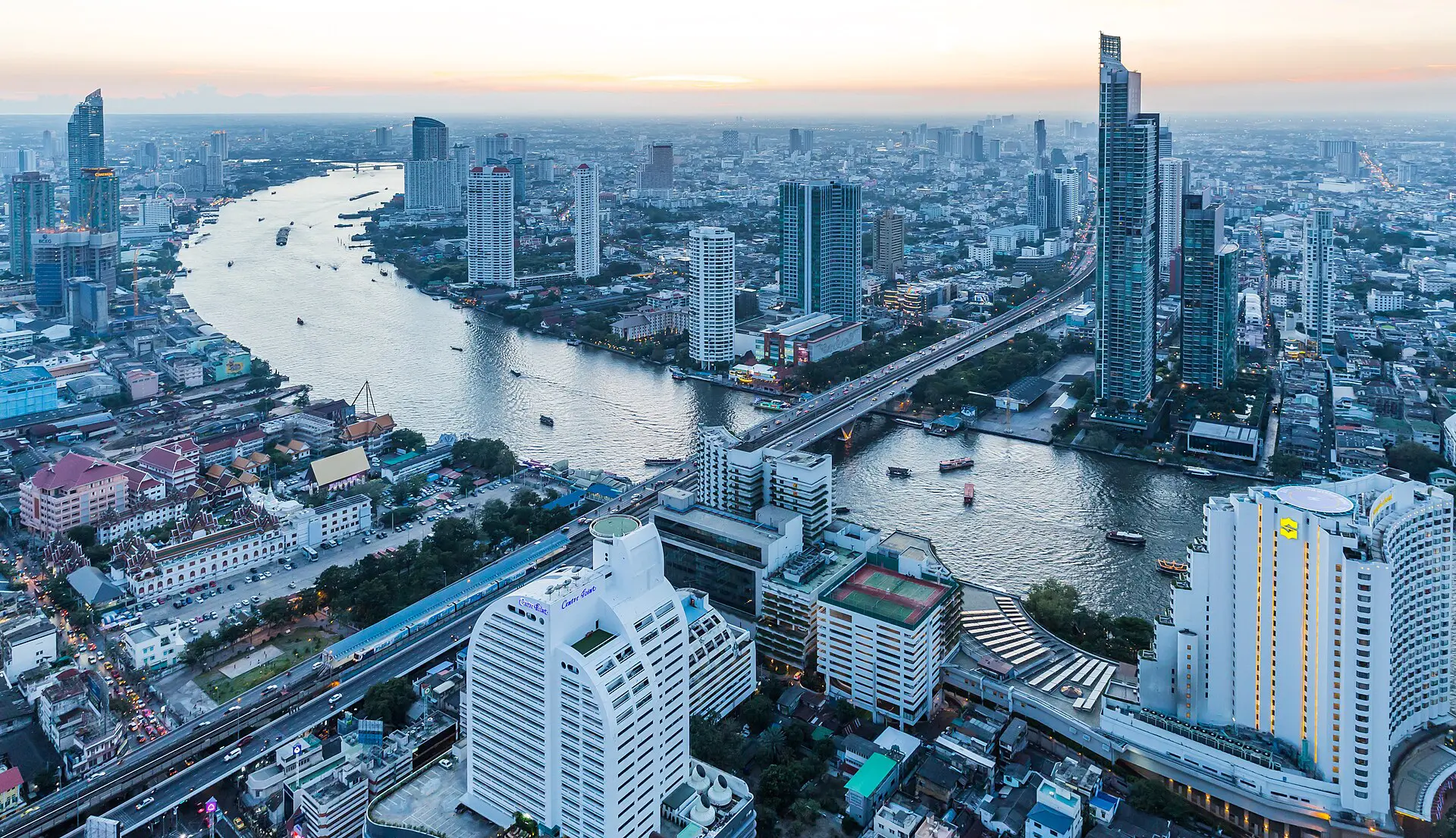
The best things to do in Bangkok start with its size and variety. It is the capital and largest city of Thailand, with an estimated 9.1 million people in the city itself, and many more in the wider region. It grew from a small trading post on the Chao Phraya River into the country’s spiritual, cultural, political and commercial centre.
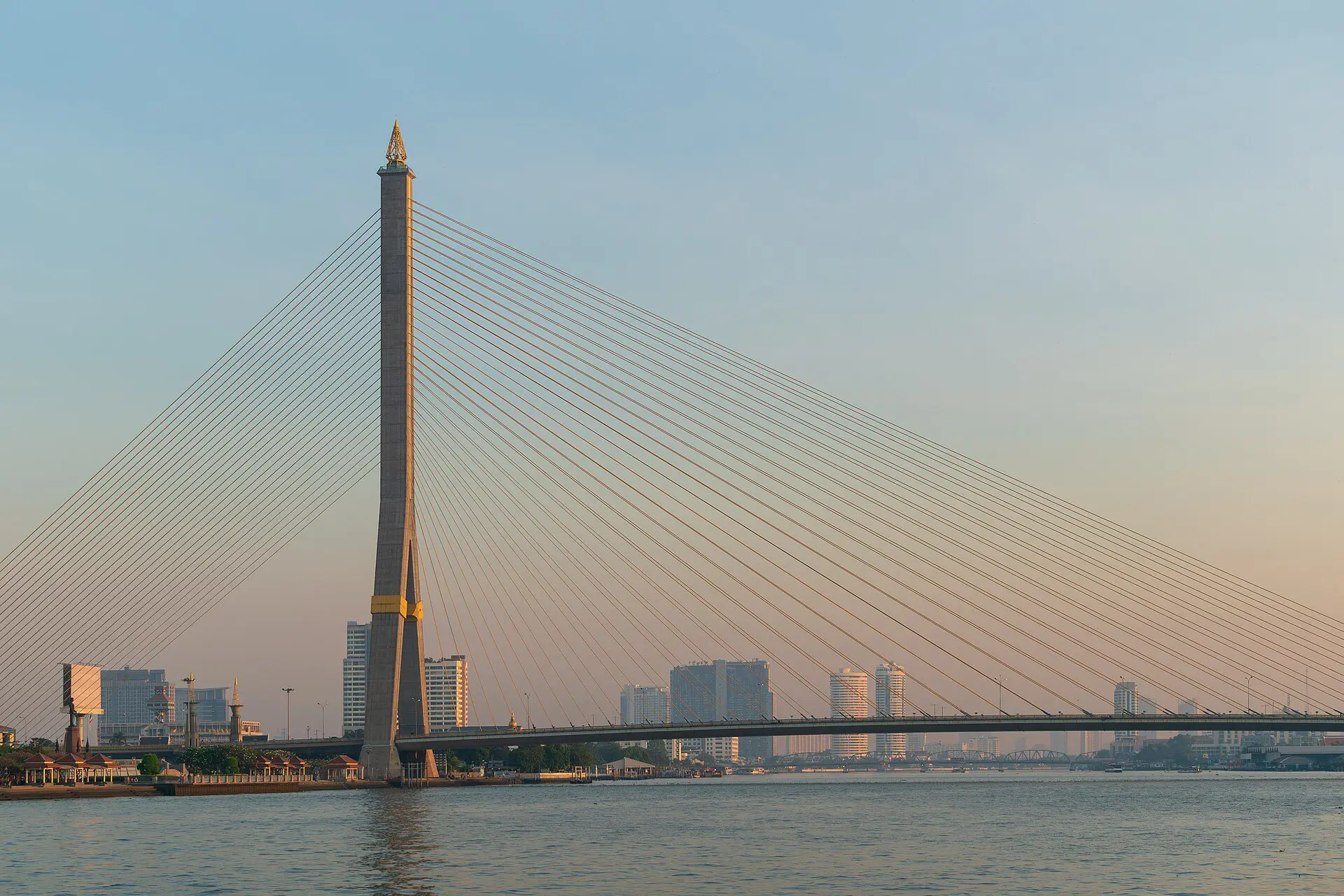
The high-rises, traffic and heat can feel overwhelming on arrival, but the city rewards patience. It is one of Asia’s most cosmopolitan cities, with magnificent temples and palaces, canals, busy markets and large shopping malls, plus nightlife that covers most tastes.
Most visitors use Bangkok as a gateway to the rest of Thailand, but it deserves at least a few days of its own. Pace yourself, take breaks in air-conditioned spaces and use the river and rail lines to avoid road traffic.
Top things to do in Bangkok
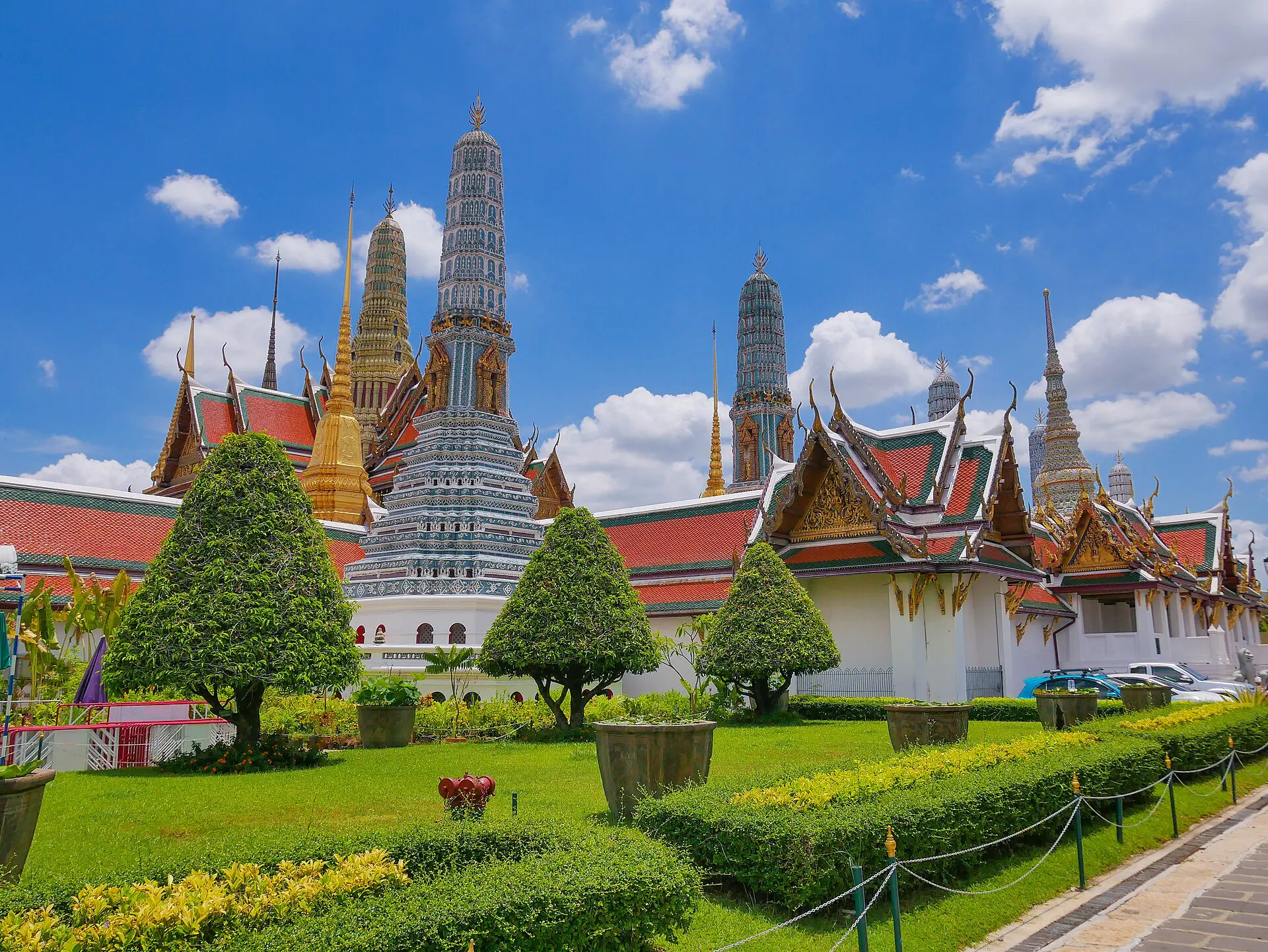
The Grand Palace and Wat Phra Kaew
The palace complex is the city’s most famous landmark, with ornate halls and the temple housing the Emerald Buddha. Allow two to three hours. Dress rules are strict, with shoulders and knees covered, and queues are shorter early in the day. Check current hours and tickets.
Wat Pho
This temple near the Grand Palace is known for its huge reclining Buddha. A visit takes about an hour, and it is easy to combine with the palace. Carry small change for entry or donations, and take your shoes off where requested.
Wat Arun
The riverside temple with its tall spire is a landmark on the Chao Phraya. Cross by a short ferry from the Wat Pho side. Allow an hour, and consider going late in the day for good light across the river.
Chao Phraya River by boat
River boats and ferries are a cheap and breezy way to travel between the old city and other districts. Allow an hour or two for the ride, and pick a route that stops near the main temples. Check which services run at your time of day.
Chinatown (Yaowarat)
This area is known for food stalls, gold shops and narrow lanes. It is at its liveliest in the evening, so allow two hours, bring cash and try small portions at several stalls instead of one big meal.
Weekend markets and canals
Bangkok has large markets and canal-side areas where you can browse and eat. Check opening days, since some markets run only on certain days, and visit in the morning or late afternoon to avoid the worst heat.
Shopping malls and rooftop views
Air-conditioned malls and skyscraper viewpoints offer a break from the heat. Allow one to two hours for a viewpoint at sunset. Prices and entry rules vary, so check ahead.
Best time to visit Bangkok
The cooler and drier season, roughly from November to February, is the most comfortable time. It is also the busiest, so book flights and hotels early. The hottest weather arrives from about March to May, when sightseeing in the middle of the day can be exhausting.
The rainy season runs through much of the middle of the year into autumn. Showers are often short and heavy rather than all-day, and prices can be lower, but streets can flood in heavy storms. Always carry a light rain jacket or umbrella.
| Season | Weather | Crowds and prices |
|---|---|---|
| November to February | Cooler, drier | Busiest, higher prices |
| March to May | Very hot | Moderate |
| June to October | Hot, humid, rainy | Quieter, cheaper |
How to get to Bangkok and around
Bangkok is served by two main airports. Suvarnabhumi handles most long-haul flights, while Don Mueang is used for many regional and low-cost routes. Both have links to the centre by train, bus and taxi, so check current options and travel times, which depend heavily on traffic.
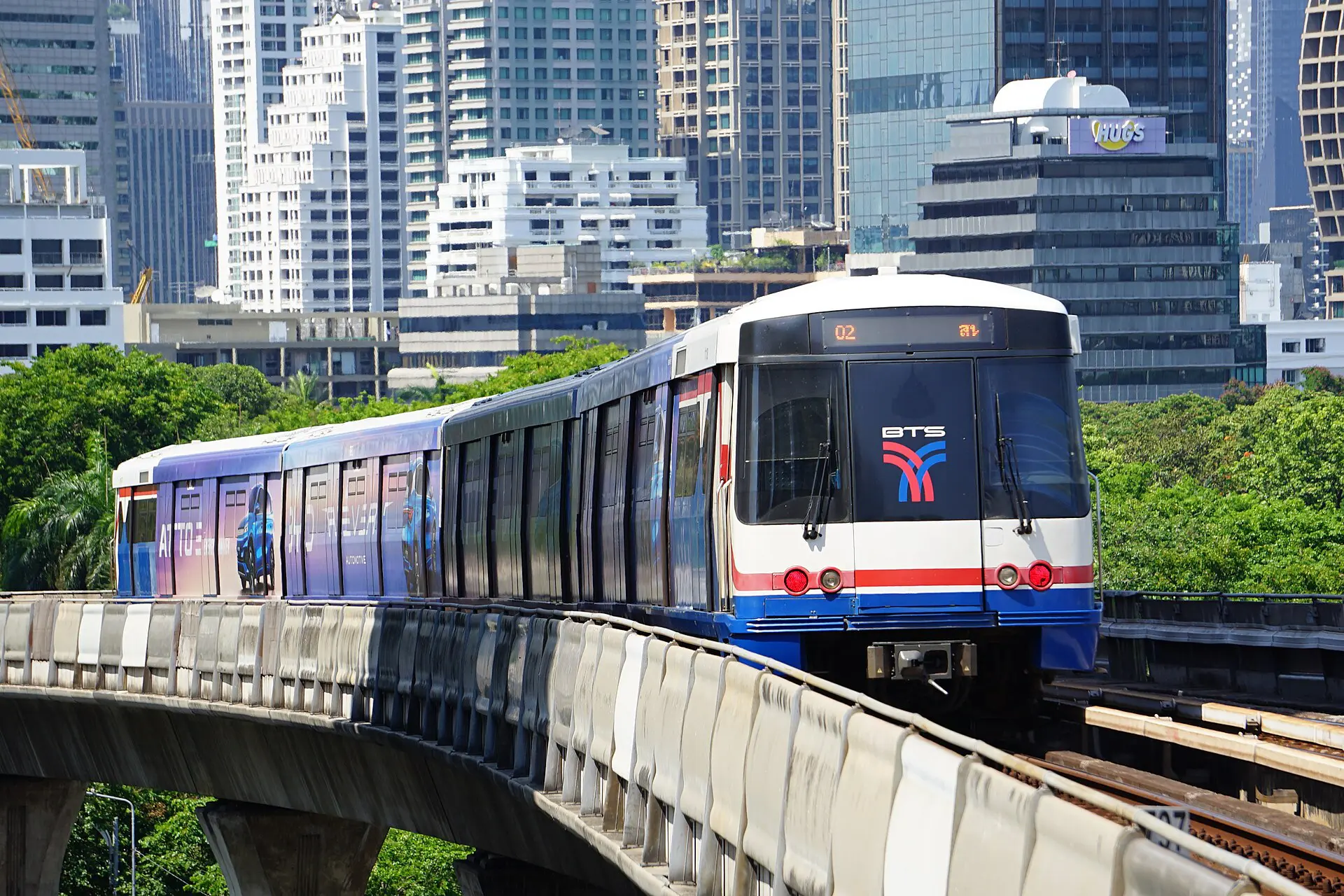
Within the city, the elevated BTS Skytrain and the MRT metro are the quickest ways to cover long distances and avoid congestion. River boats and ferries serve the old city, and taxis and ride-hailing apps are common. Use the meter or an app to avoid disputes over fares.
Traffic can be heavy at any time of day, so allow extra time and plan trips by rail or boat when possible. Intercity trains and buses run to places such as Ayutthaya and Kanchanaburi.
Where to stay in Bangkok
The old city and riverside area puts you near the Grand Palace and temples, and suits first-time visitors who want to start sightseeing early. Public transport is more limited, so check boat and taxi access.
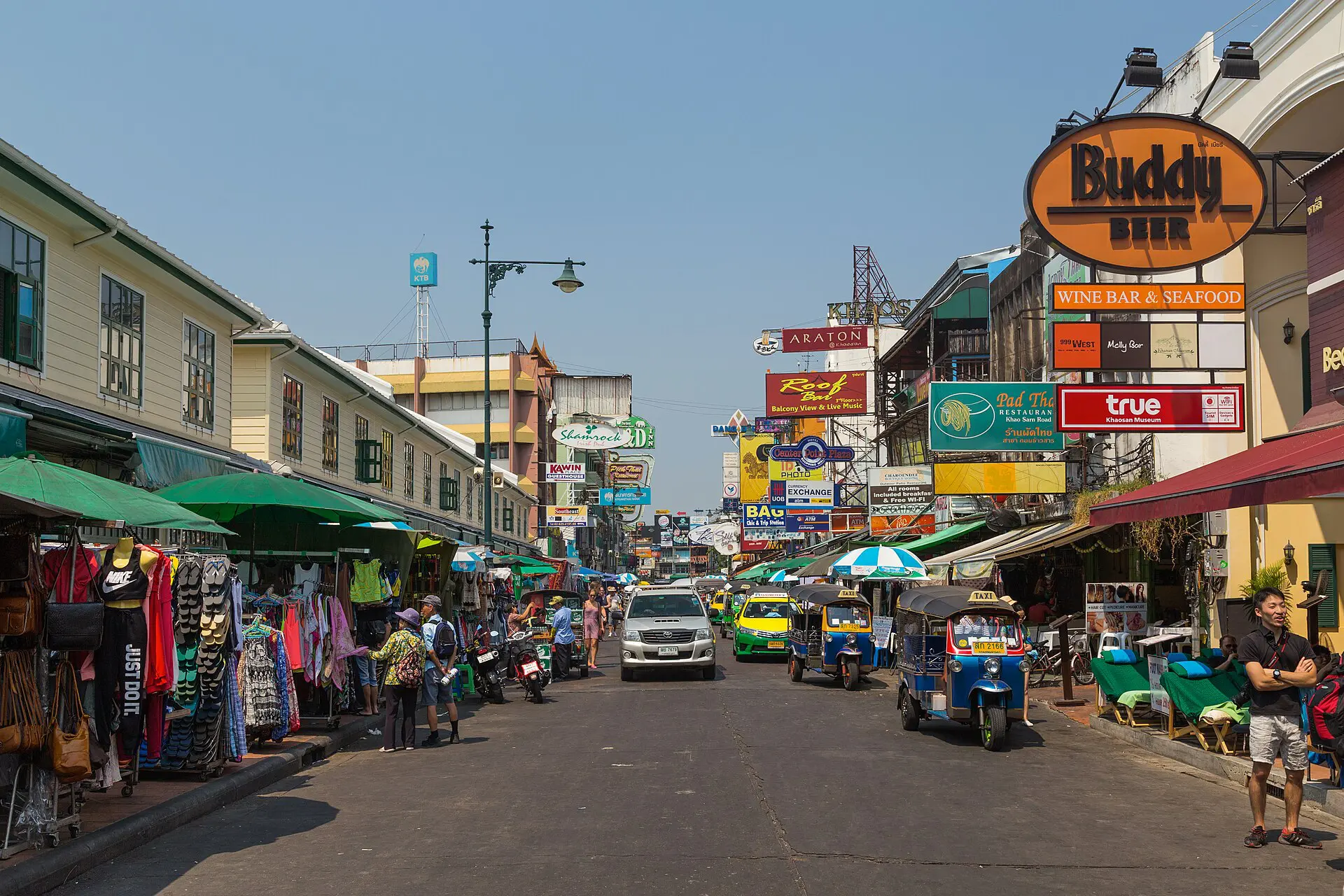
Areas along the Skytrain and metro lines suit travellers who want easy access to malls, restaurants and nightlife, and quick transport across the city. They tend to offer a wide range of hotels from budget to high-end.
Riverside hotels offer views and a calmer feel, with boat links to major sights. They suit couples and anyone who wants to escape the street noise. Compare prices by location and season, and check how far you are from a train station.
How many days do you need?
Three days lets you cover the main temples, the river and a market or two without rushing. Two days is enough for a quick visit, and five or more makes sense if you also plan day trips or want to explore food and neighbourhoods slowly.
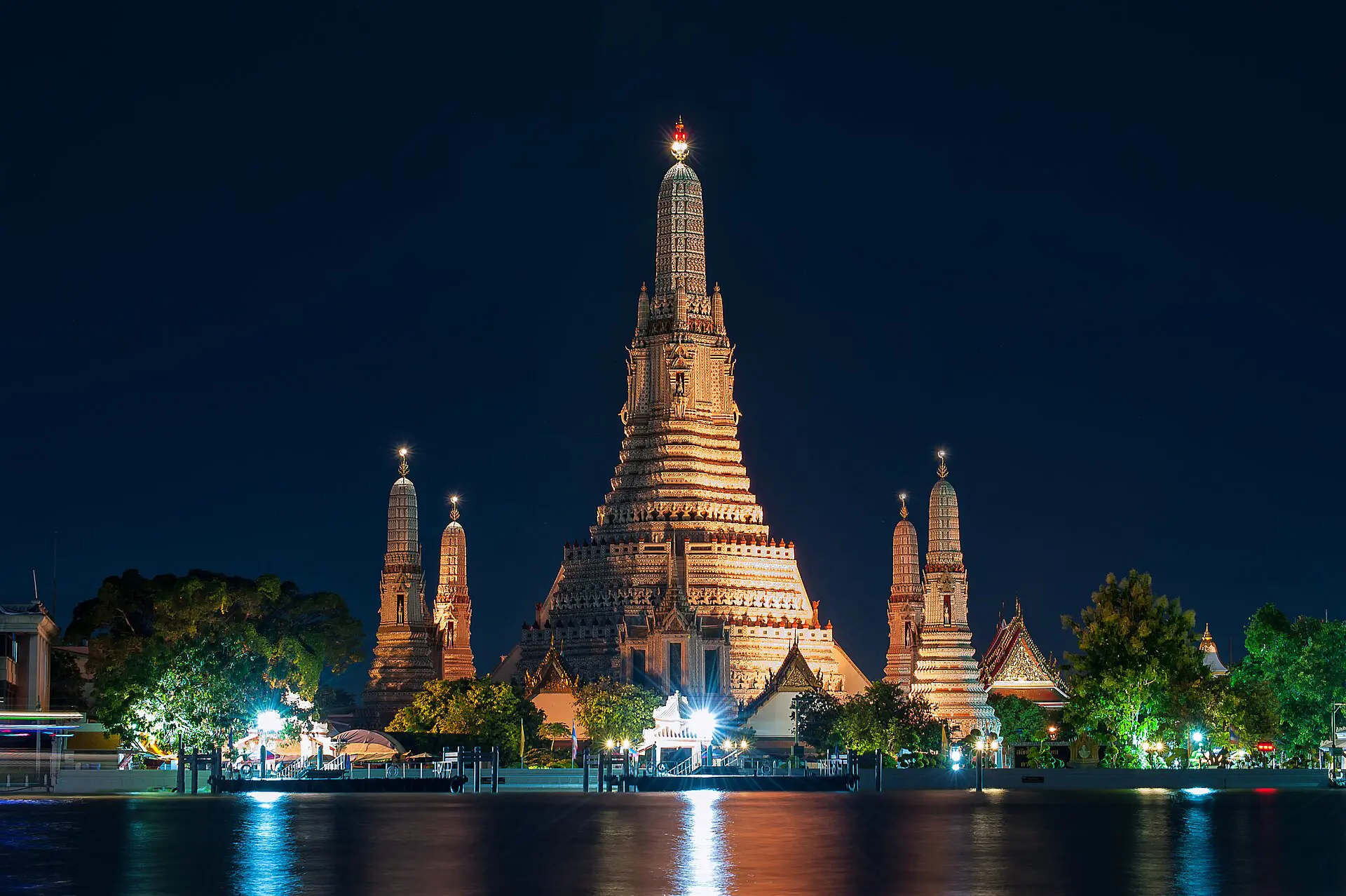
- Day 1: Grand Palace, Wat Pho and a river ferry to Wat Arun at sunset.
- Day 2: A canal or market morning, a mall or museum in the afternoon heat, and Chinatown for dinner.
- Day 3: A day trip to Ayutthaya, or a rooftop view and a slower neighbourhood walk.
Day trips and nearby
Ayutthaya
The former capital north of Bangkok has temple ruins you can explore in a day. It is reachable by train or organised tour. Start early, and consider hiring a bicycle or tuk-tuk to cover the sites.
Kanchanaburi
West of Bangkok, Kanchanaburi is known for its wartime history and river scenery. It can be reached as a long day trip, though an overnight stay is more relaxed. Check transport options in advance.
Pattaya
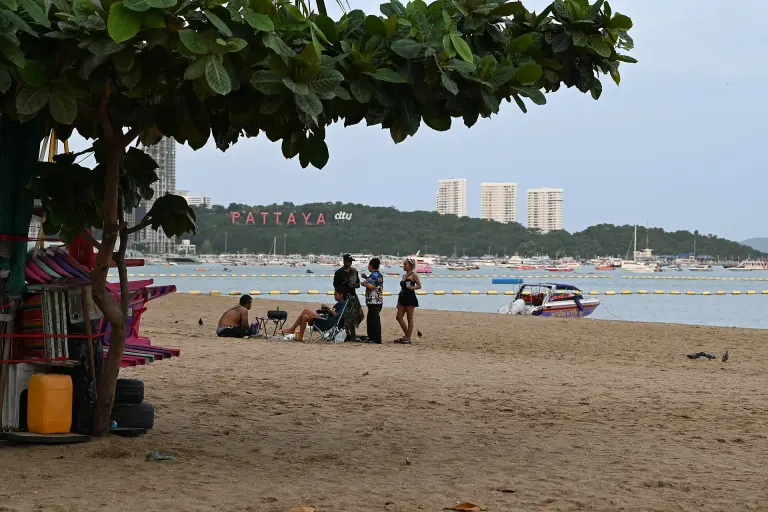
A beach resort town on the Gulf coast, reachable by road in a few hours depending on traffic. It is a busy resort rather than a quiet escape, so choose it for convenience.
Hua Hin
A seaside town south-west of Bangkok that suits a weekend break. It is a few hours away, so it is better as a stay than a day trip.
FAQ
Q1When is the best time to visit Bangkok?
November to February is generally the coolest and driest period, and the most popular. March to May is very hot, and the rainy season brings heavy showers but lower prices. Plan outdoor sightseeing for mornings in any season.
Q2How many days do you need in Bangkok?
Three days covers the main temples, the river, markets and food areas at a comfortable pace. Two days is workable if you are short on time, and you can add days for day trips like Ayutthaya.
Q3How do you get around Bangkok?
The BTS Skytrain and MRT metro are the fastest ways to cross the city, supported by river boats, buses and taxis. Traffic is heavy, so rail and boat are often more reliable. Use the meter or a ride-hailing app.
Q4Is Bangkok worth visiting?
Yes, for its temples, food, markets and nightlife, as long as you are ready for heat, crowds and traffic. Many visitors find the contrast between ornate temples and modern malls the main appeal.
Prices, schedules and entry rules change. Check current details with official sources before you travel. Read the Thailand travel guide.