Why visit Phuket
If you are planning things to do in Phuket, begin by picking a coast and a pace. It is Thailand’s largest island, about 48 km long and 21 km wide at its widest, in the Andaman Sea off the west coast of the mainland. Two short bridges link it to the mainland in Phang Nga province.
Historically the island sat on a major trade route between India and China, and its wealth came first from tin and rubber. Tourism is now its primary source of income, and more than 100,000 foreigners are estimated to have settled there.
The island offers a wide range of beach areas. Patong is the largest and most popular resort, known for nightlife, while Mai Khao is quiet and far from it all and Surin is an up-and-coming upmarket destination. Boats from Chalong Bay and Rawai reach smaller islands for snorkelling. It is well set up for visitors, with plenty of hotels, restaurants and tours, though crowds and traffic can be heavy in peak season.
Top things to do in Phuket
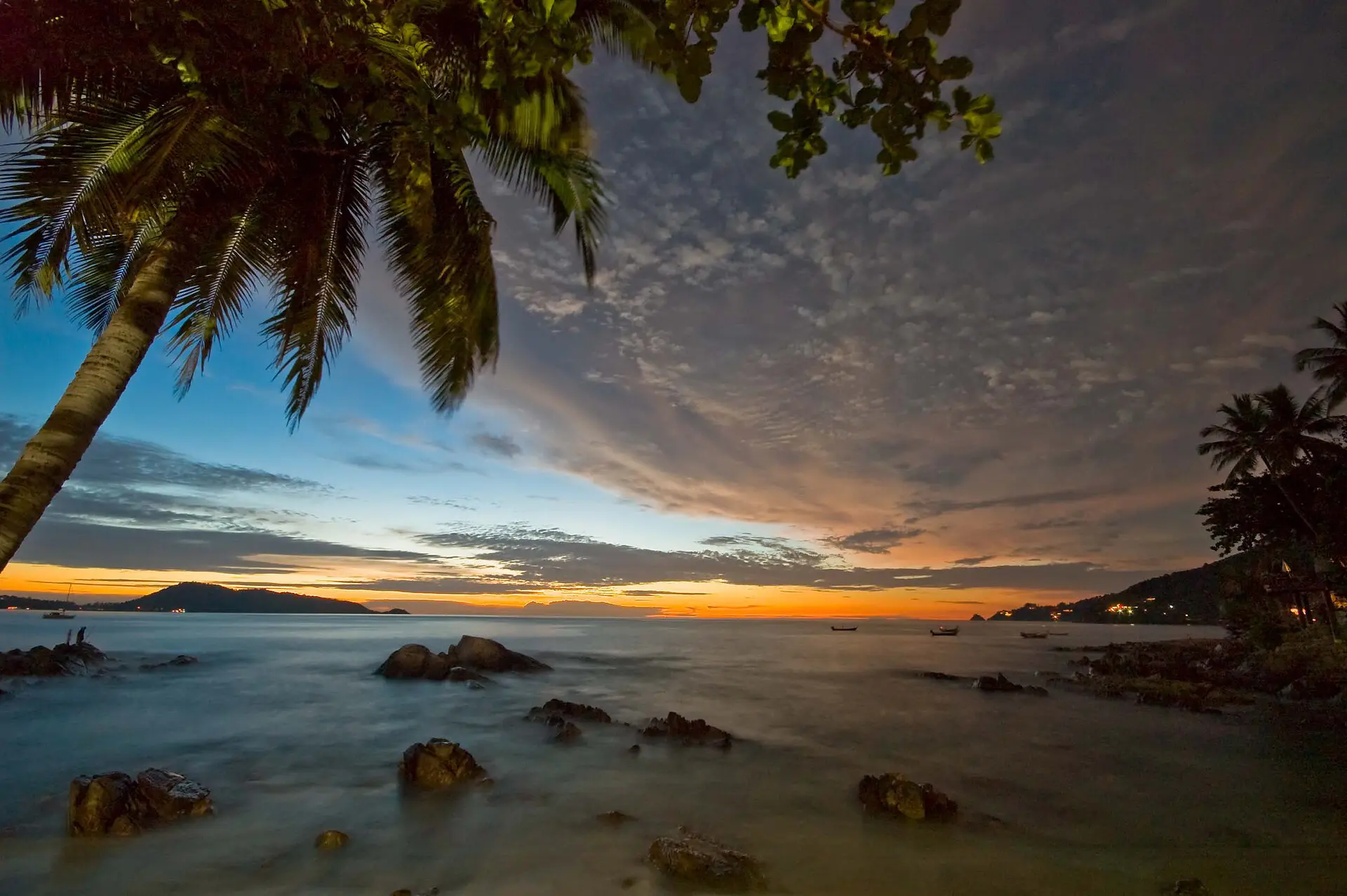
Beaches
Each beach has its own character, from lively Patong to the quieter stretches of Karon and Mai Khao. Allow a half day per beach. Check the sea conditions and flag warnings, particularly in the wet season, when currents can be strong and swimming is unsafe.
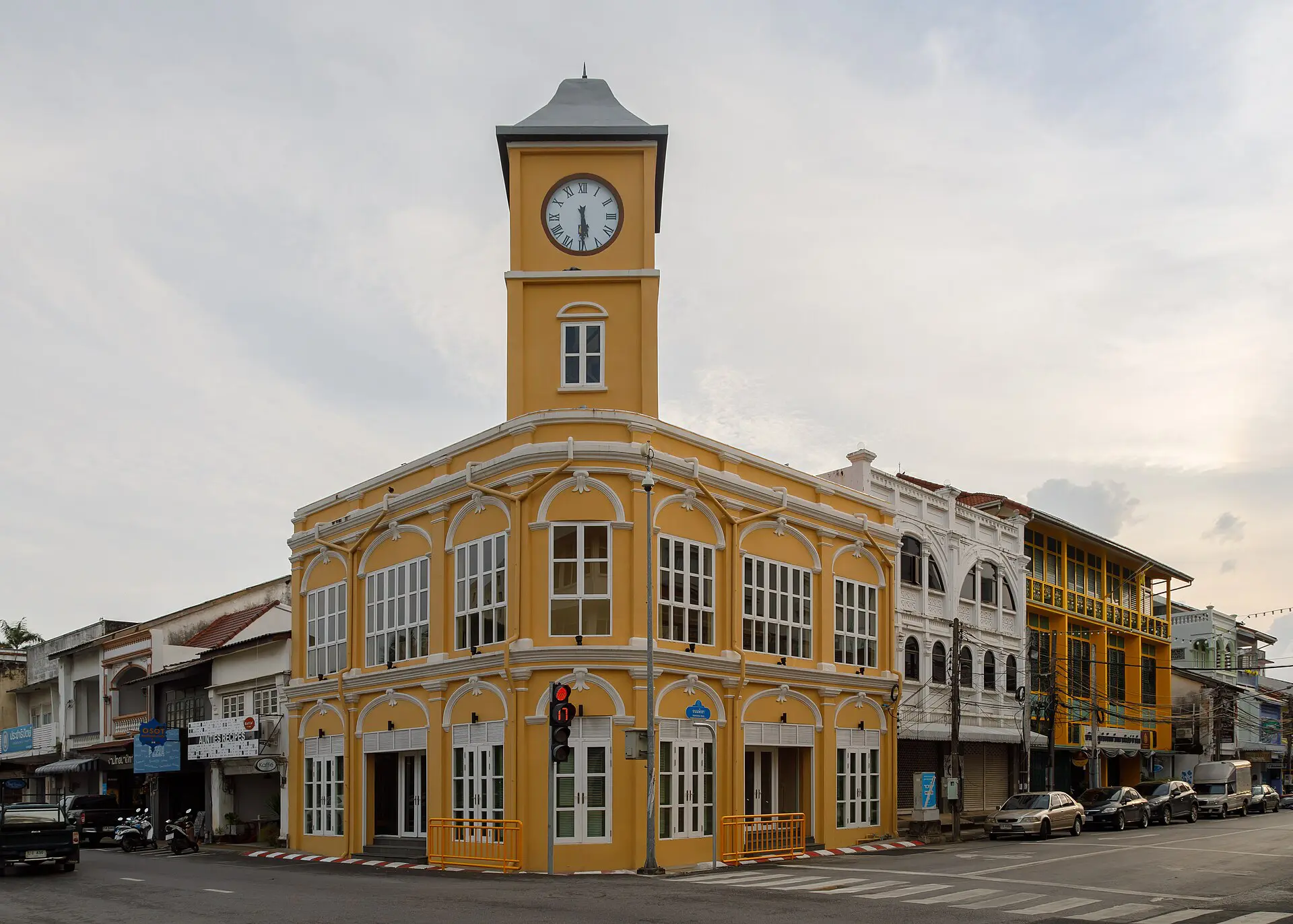
Phuket Town and the Old Town
Phuket Town is the administrative centre and has older streets with colourful buildings and cafes, a contrast to the beach resorts. Allow two to three hours. It is the cheapest area for accommodation, and a good place to eat local food.
Island boat trips
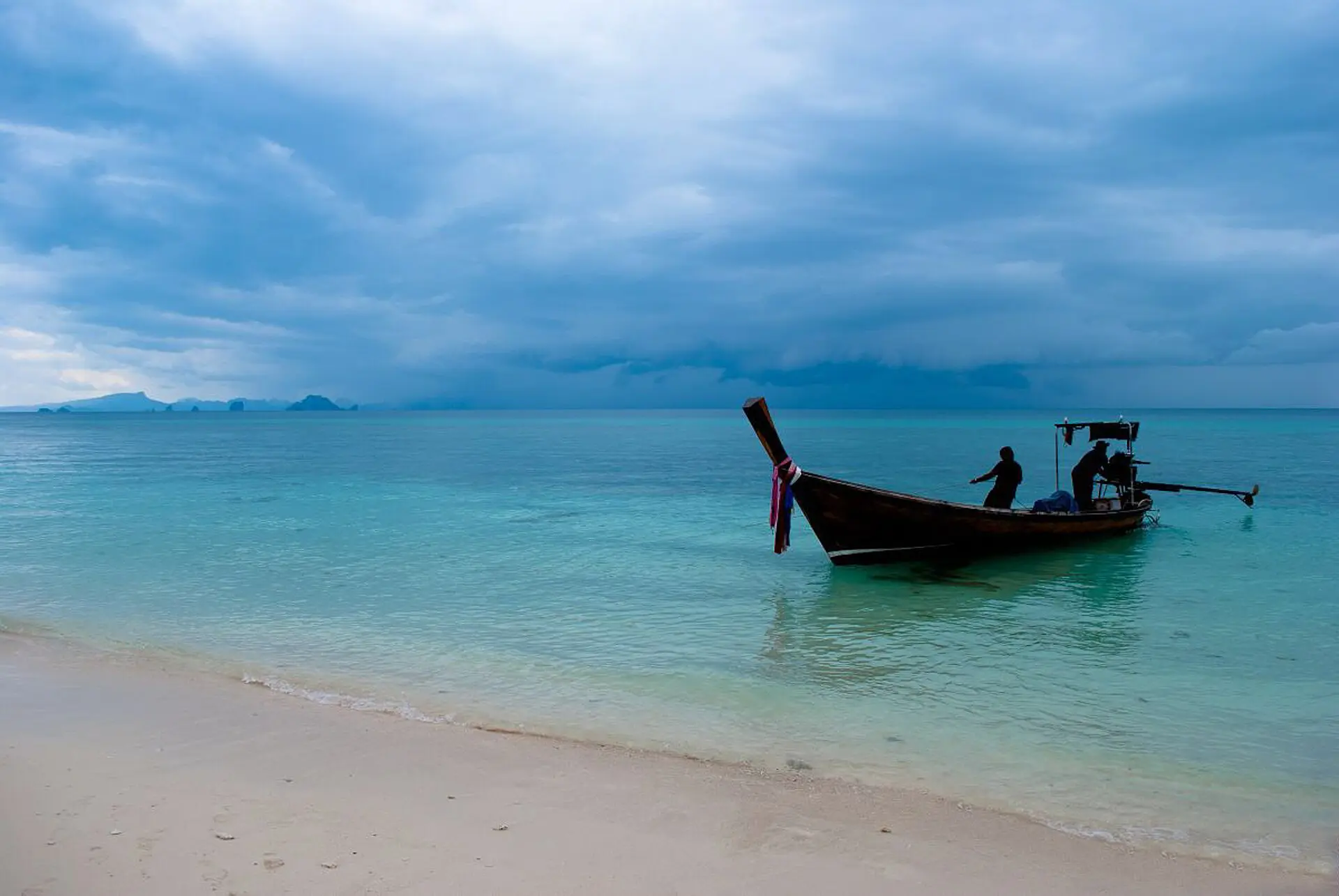
Boats from Chalong Bay and Rawai go to nearby islands for snorkelling and swimming. Options include Ko Bon, Ko Hae and others. Plan a half or full day, check the weather and operator safety standards, and bring sun protection.
Phang Nga Bay
The bay north of the island has limestone cliffs and islets, visited on boat tours or by sea canoe. Allow a full day. Book through a licensed operator, check what is included in the price, and carry a rain jacket.
Phuket Aquarium at Cape Panwa
The aquarium at Cape Panwa is an attraction. It suits families and takes one to two hours. Check opening hours and ticket prices, and combine it with a seafront meal in the area.
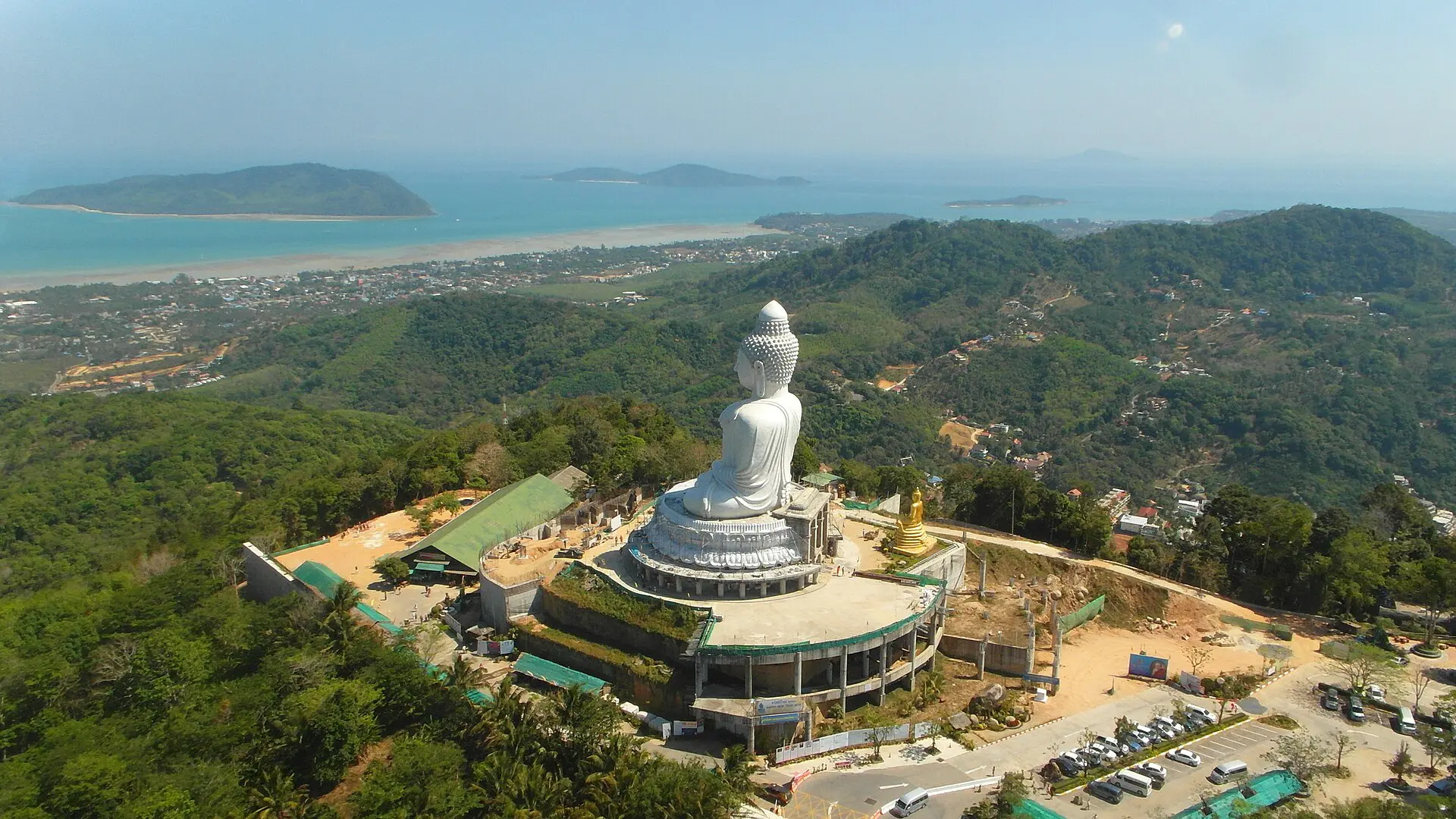
Temples and viewpoints
The island has Buddhist temples and viewpoints over the coast. Allow an hour or two for each, dress modestly with covered shoulders and knees at temples, and remove your shoes where asked.
Nightlife in Patong
Patong is known for its nightlife, with bars, clubs and street entertainment. Go with a plan, keep an eye on your belongings, agree prices before using taxis and tuk-tuks, and take care with alcohol and water activities.
Best time to visit Phuket
Phuket has a tropical climate with two main seasons. The dry season runs roughly from November to April and brings the best beach weather. The wetter southwest monsoon from about May to October brings more rain, rougher seas and, on west-coast beaches, strong currents.
| Season | Weather | Crowds and prices |
|---|---|---|
| Dry season (November to April) | Hot, mostly sunny, calm seas | Peak; December to February is busiest and priciest |
| Hot season (March to April) | Hotter and humid | Easing off |
| Wet season (May to October) | Rain, rough seas, red flags on beaches | Quieter; lower prices |
Some boat trips and services are reduced in the wet season, and sea conditions can limit swimming, so check forecasts and heed beach warning flags.
How to get to Phuket and around
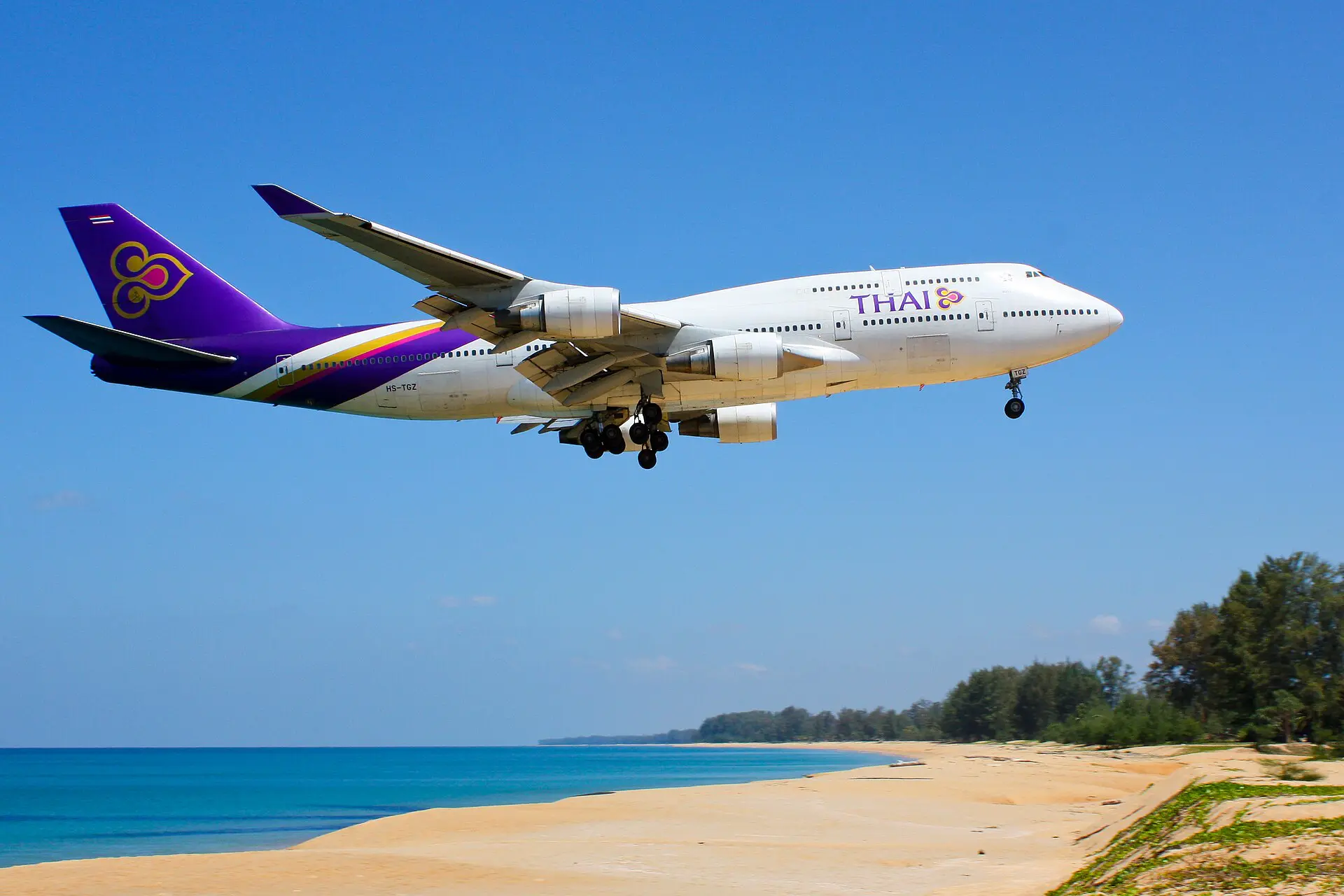
Most visitors arrive at Phuket International Airport in the north of the island, which has flights from Bangkok and other Thai cities and many international routes. Taxis, shuttles and buses link it with the beaches and Phuket Town, usually within 45 to 90 minutes depending on destination and traffic. Agree fares in advance or use a pre-booked service. Official warnings for Thailand focus on the far south and the Cambodian border rather than Phuket, but check current official travel advice before you go.
By road, the island is reached over the bridges from the mainland, and long-distance buses run from Bangkok and other cities, though the journey is long. Many people also arrive by ferry or boat from islands such as Koh Phi Phi.
Getting around the island can be slow and costly. Options include metered or app-based taxis, tuk-tuks, local songthaews, scooter hire and rental cars. Scooters are risky, particularly for inexperienced riders, so if you hire one, wear a helmet and check the terms of your insurance.
Where to stay in Phuket
Patong suits travellers who want nightlife, restaurants and a wide range of hotels at all prices, but it is busy and noisy. Karon and Kata are calmer, with long beaches and a family-friendly atmosphere, and suit couples and families who want a more relaxed stay.
Mai Khao and the northern beaches are quiet, with posh resorts and village life, and suit people who want peace and are happy to travel for meals. Surin is more upmarket, with beach clubs and restaurants.
Phuket Town has the cheapest accommodation, and suits budget travellers and culture-minded visitors, though it is not on the beach. Rawai and Chalong are convenient for island boat trips. Book early for December to February, and check transport time from the airport.
How many days do you need?
Three days lets you enjoy a couple of beaches, one boat trip and an evening in the Old Town. Five days is more relaxed and allows a Phang Nga Bay trip as well. If you only have a weekend, pick one beach area and one excursion.
- Day 1: Settle into your beach area, swim and watch the sunset.
- Day 2: A boat trip to nearby islands for snorkelling, from Chalong Bay or Rawai.
- Day 3: Phuket Town in the morning, then a different beach or a viewpoint in the afternoon.
Day trips and nearby
Krabi
The mainland province to the east has limestone cliffs, beaches and islands, reached by road or by boat across Phang Nga Bay. It works as a long day trip but is better with an overnight stay.
Khao Lak
A quieter coastal area north of the island, with long beaches and a more relaxed feel. It can be visited as a day trip by road, or as an alternative base for a longer stay.
Koh Lipe
A small island far to the south, known for its beaches and clear water. It is too far for a day trip and is better reached as part of a longer itinerary, with seasonal boat services.
Koh Samui
An island in the Gulf of Thailand on the opposite coast, reached by flight or a long journey overland and ferry. It is a separate trip rather than a day excursion, with a different season of best weather.
FAQ
Q1When is the best time to visit Phuket?
November to April is the dry season, with the calmest seas and best beach weather, and December to February is peak. May to October is wetter, with rough seas, strong currents on west-coast beaches and lower prices.
Q2How many days do you need in Phuket?
Three days covers a couple of beaches, a boat trip and Phuket Town. Five days is more relaxed and lets you add Phang Nga Bay or a second beach area, depending on how much you want to see versus rest.
Q3How do you get around Phuket?
Taxis, app-based rides, tuk-tuks and songthaews are common, and distances can feel long in traffic. Many visitors hire scooters, which carry real risk for inexperienced riders. Agree fares before setting off and check your insurance terms.
Q4Which beach in Phuket is best?
It depends on what you want. Patong is the largest and liveliest, Karon and Kata are calmer, Mai Khao is quiet and far from the crowds, and Surin is upmarket. Check sea conditions and flags before swimming.
Prices, schedules and entry rules change. Check current details with official sources before you travel. Read the Thailand travel guide.