Why visit Chiang Mai
For travellers weighing things to do in Chiang Mai, the appeal is atmosphere. The city is the hub of northern Thailand, set on a plain about 316 metres above sea level and surrounded by mountains and countryside. It is greener and quieter than Bangkok, and has a cosmopolitan feel with a significant expatriate community.
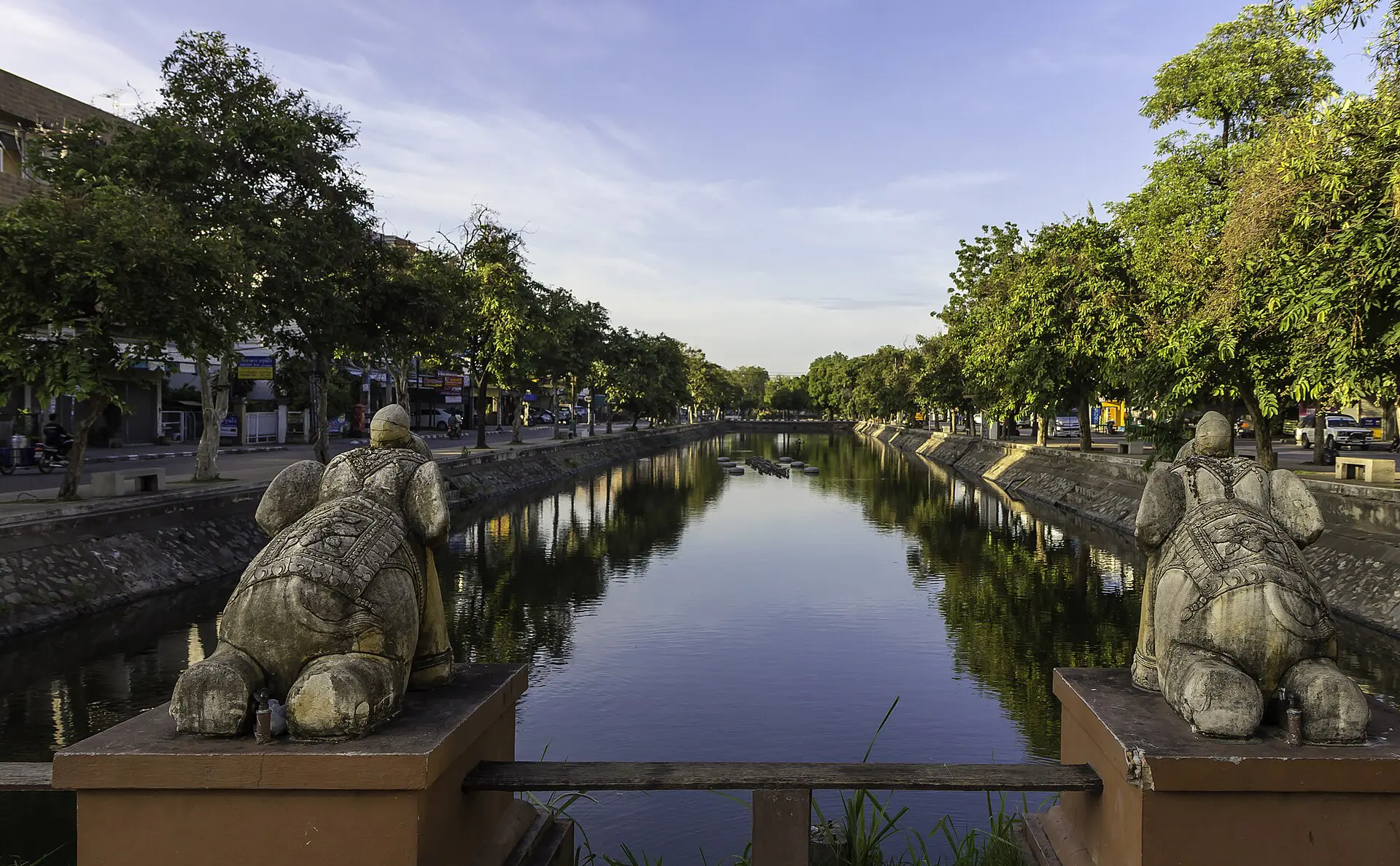
Founded in 1296, Chiang Mai was the capital of the Lanna kingdom. For centuries it was hard to reach, which helped preserve a distinctive culture, cuisine and craft tradition that still shows in its temples, festivals and northern dishes.
It suits all kinds of travellers: temple hunters, food lovers, cyclists and people who just want a comfortable base. Plan around the weather, since burning season air quality in spring can be poor, and treat wildlife attractions carefully, choosing operators that prioritise animal welfare.
Top things to do in Chiang Mai
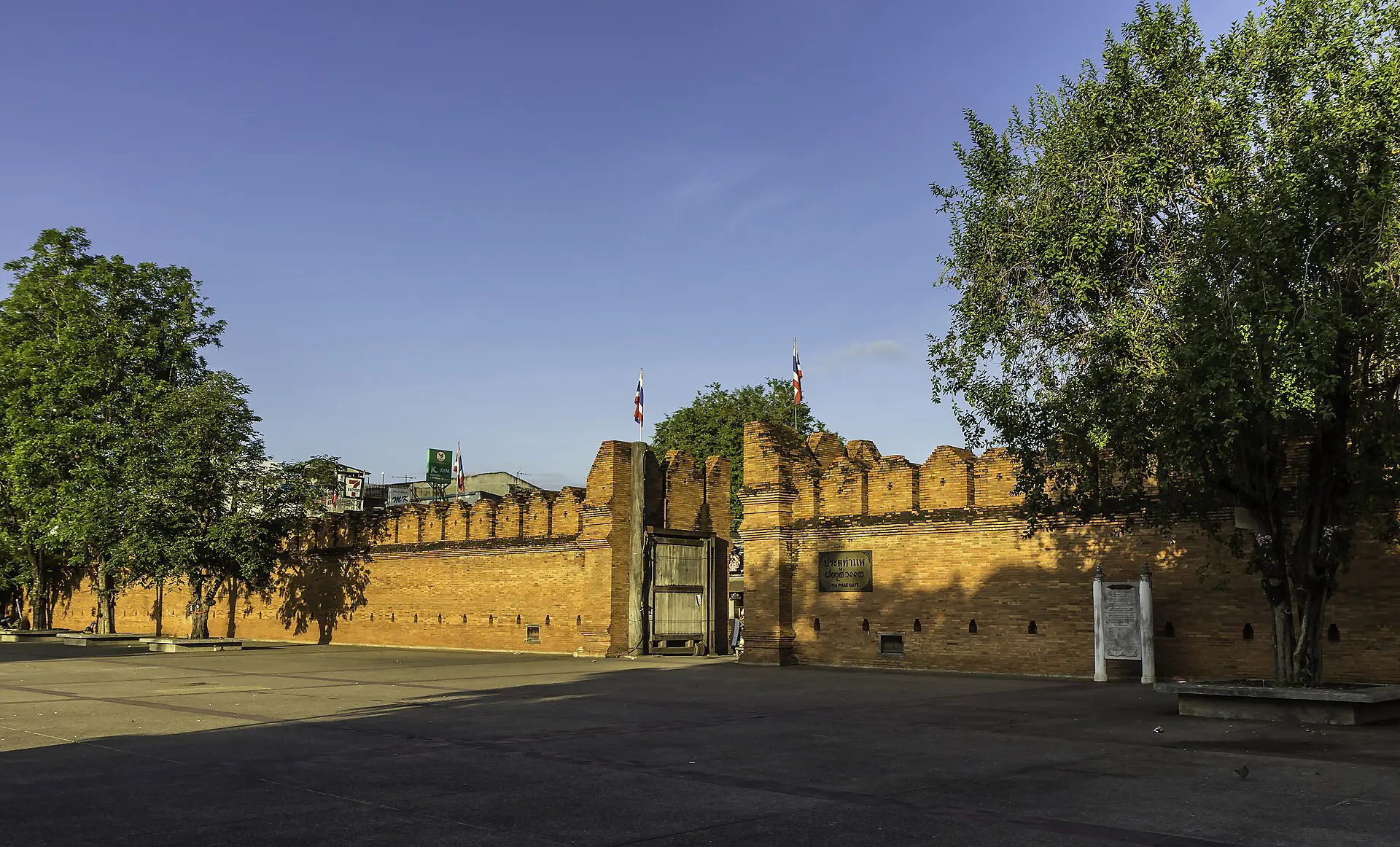
Old city temples
Dozens of temples sit inside the old moat, including Wat Chedi Luang with its large ruined chedi and Wat Phra Singh. Allow half a day. Dress with shoulders and knees covered, remove shoes where required, and check whether there is an entry fee.
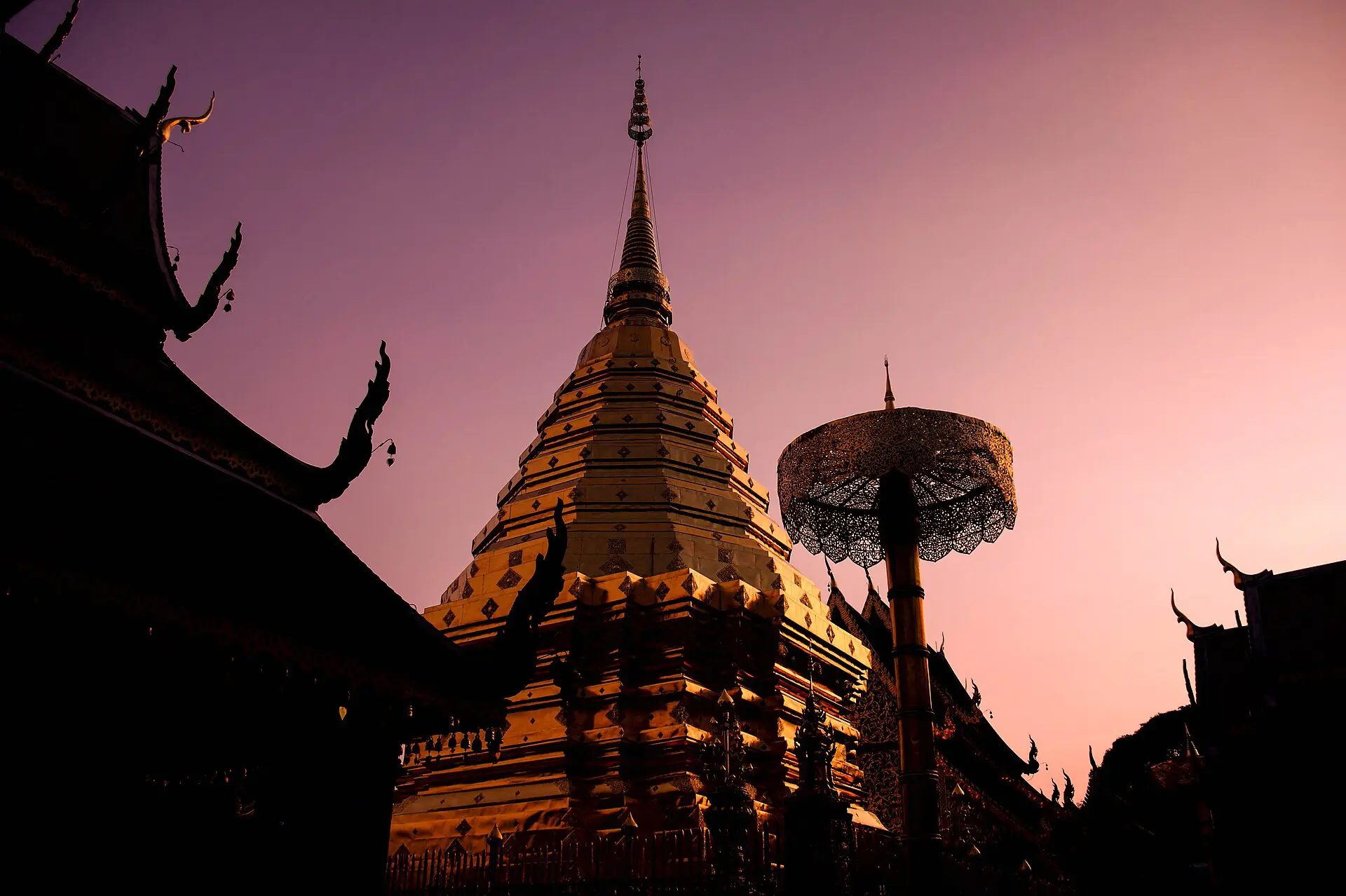
Wat Phra That Doi Suthep
A hilltop temple above the city with a gold chedi and views. Reach it by shared red truck or ride-hailing. Allow half a day. Go early for cooler air and clearer views, and check fees before you go.
Night markets and Sunday Walking Street
Chiang Mai has markets for crafts, clothes and street food, and the Sunday Walking Street through the old city is the biggest. Allow two to three hours. Go with cash and an appetite, and compare prices before buying.
Cooking class
Northern Thai dishes such as khao soi can be learned at cooking schools, many including a market visit. Classes usually take a half day. Book in advance, and ask about group size and dietary needs.
Ethical elephant sanctuary visit
Choose a sanctuary that does not offer riding or shows and keeps elephants free of chains. Visits run half a day or a full day. Read recent independent reviews, ask about welfare standards and avoid places that offer rides.
Doi Inthanon National Park
Home to Thailand’s highest peak, with waterfalls, trails and cooler air. Allow a full day by tour or hire car. Bring a light jacket, as temperatures at the top are lower than in the city.
Nimmanhaemin and cafe culture
A trendy district of cafes, galleries and boutiques west of the old city. It is a good place to spend an afternoon, and it has a lively evening scene. Allow two hours, and try a local coffee.
Best time to visit Chiang Mai
November to February is the cool, dry season and the best time to visit, with clear skies and pleasant days, though nights in the hills can be chilly. This is also peak season, so book early around Christmas and the Lantern festival period.
March to April is hot, and agricultural burning can create heavy smoke and poor air quality. May to October is the rainy season, with green scenery and fewer visitors, though showers can interrupt outdoor plans.
| Season | Weather | Crowds and prices |
|---|---|---|
| November to February | Cool, dry, clear | Peak crowds and prices |
| March to April | Hot, smoky air | Fewer visitors; bad air quality |
| May to October | Warm, rainy, lush | Quiet; lower prices |
How to get to Chiang Mai and around
Chiang Mai International Airport is close to the old city, with a short taxi or ride-hailing trip into town. Frequent flights run from Bangkok, and there are also routes from other Asian cities, so check the schedule for your dates. A sleeper train from Bangkok takes around 12 hours, and buses are cheaper but slower.
In town, the old city is walkable and flat, and many visitors rent bicycles or scooters. If you rent a scooter, check your licence, insurance and helmet rules. Shared red trucks run set routes and ride-hailing is cheap. For day trips, hire a driver or join a tour.
Distances can look small on maps but traffic is heavy in the mornings and evenings. Official warnings for Thailand focus on the far south and the Cambodian border rather than the north, but check current official travel advice before you go.
Where to stay in Chiang Mai
Most visitors choose among a few main areas.
- Old city: central, walkable and close to temples and the Sunday market. Suits first-time visitors and those without a vehicle.
- Nimmanhaemin: cafes, restaurants and boutique stays. Suits younger travellers, digital nomads and people who prefer a modern scene.
- Riverside: quieter, along the Ping River, with charming guesthouses and restaurants. Suits couples and those who want calm.
- Outskirts and hills: resorts and homestays with scenery, but you need your own transport.
How many days do you need?
Three to four days is enough for temples, markets, food and one nature excursion. A week suits longer stays, cooking classes and trips deeper into the northern mountains. Two days works for a quick look.
- Day 1: old city temples, lunch at a local noodle shop, Sunday or night market.
- Day 2: Doi Suthep in the morning, then Nimmanhaemin and a cooking class.
- Day 3: Doi Inthanon National Park or an ethical elephant sanctuary.
Day trips and nearby

Chiang Rai
About three hours by road, Chiang Rai is known for the White Temple and the Blue Temple. It suits a long day or an overnight stay. Check bus schedules or arrange a car in advance.
Pai
A small mountain town reached by a winding road with many curves. It takes around three hours, and some travellers feel sick on the road. Plan an overnight stay and bring motion sickness tablets if you need them.
Lampang and Lamphun
Quieter northern cities with historic temples and a slower pace. They are easy by car or bus and make a good half-day trip for those who want fewer tourists.
Bangkok
Frequent flights, sleeper trains and buses connect with the capital. It is better as an onward stop than a day trip, and you can combine it with Ayutthaya on the way south.
FAQ
Q1When is the best time to visit Chiang Mai?
November to February is best, with cool, dry, clear weather. March and April bring heat and smoke from burning, which can make air quality poor. May to October is rainy but green and less crowded, and prices are usually lower.
Q2How many days do you need in Chiang Mai?
Three to four days is enough for the old city, Doi Suthep, markets and a nature or food activity. Stay longer if you want to use it as a base for the mountains or Chiang Rai.
Q3How do you get to Chiang Mai?
The easiest route is a flight from Bangkok, which takes around one hour and lands close to the old city. Sleeper trains and buses are cheaper and slower, taking around 10 to 12 hours. Check schedules and book in advance for peak dates.
Q4Is Chiang Mai cheap?
Chiang Mai is generally inexpensive compared with Bangkok and the islands, especially food, local transport and guesthouses. Prices rise in peak season. Tours and activities add up, so compare operators and read recent reviews before booking.
Prices, schedules and entry rules change. Check current details with official sources before you travel. Read the Thailand travel guide.