Why visit Koh Samui
If you are planning things to do in Koh Samui, think of it as a beach island with enough variety to fill a week. It is one of the larger islands of Thailand, in the Gulf of Thailand off the east coast of the Malay Peninsula, and it has been a popular resort destination for decades.
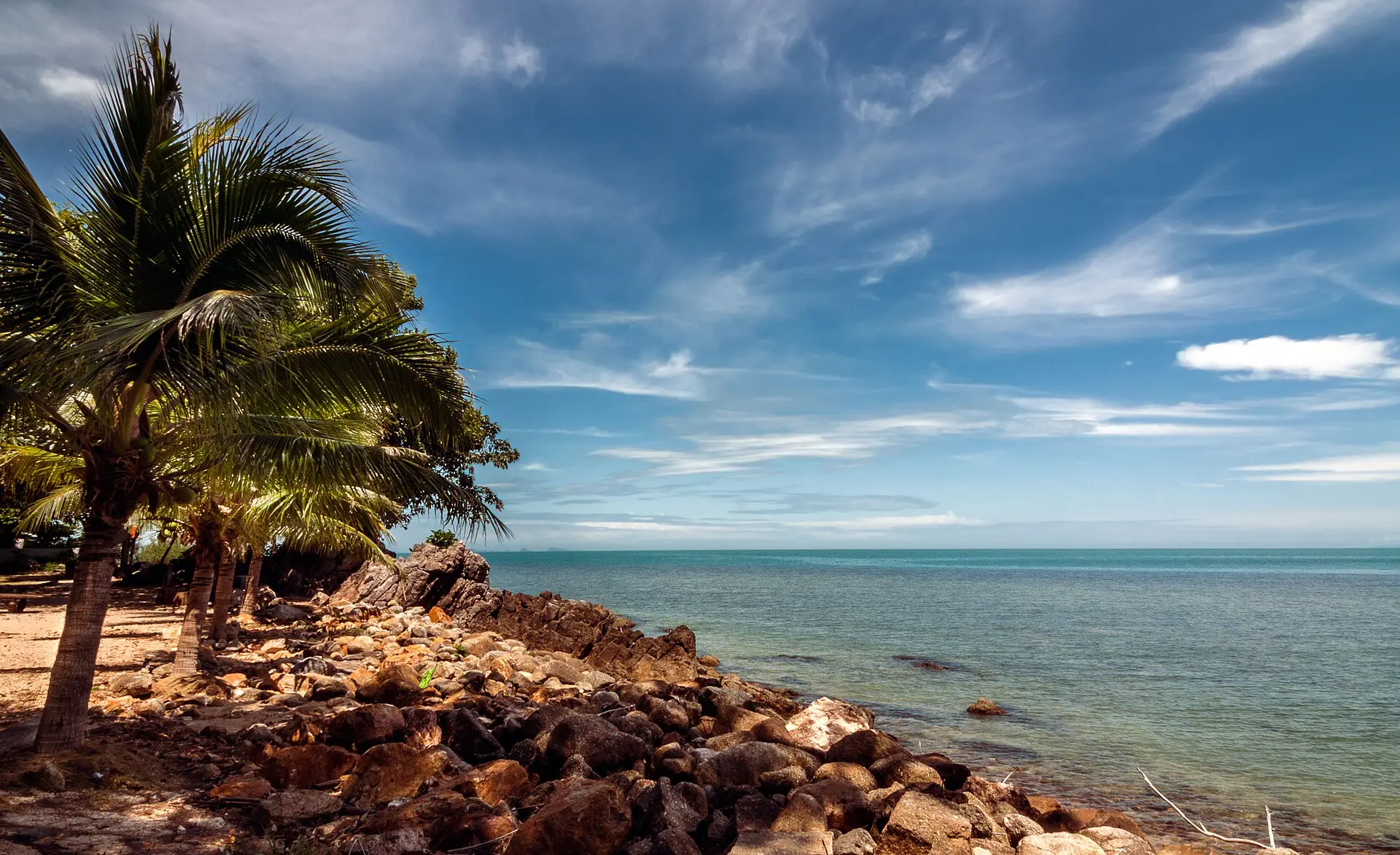
The coast alternates between lively beaches, quieter coves and fishing villages. Inland, the island is hilly and green, with waterfalls, viewpoints and temples. Boat trips go out to the nearby islands, and the Ang Thong archipelago is a protected marine park within reach.
Samui works for families, couples and friends because the choice of areas is broad. The trade-off is that it is developed and busy in high season, so choose where you stay and when you go with care.
Top things to do in Koh Samui
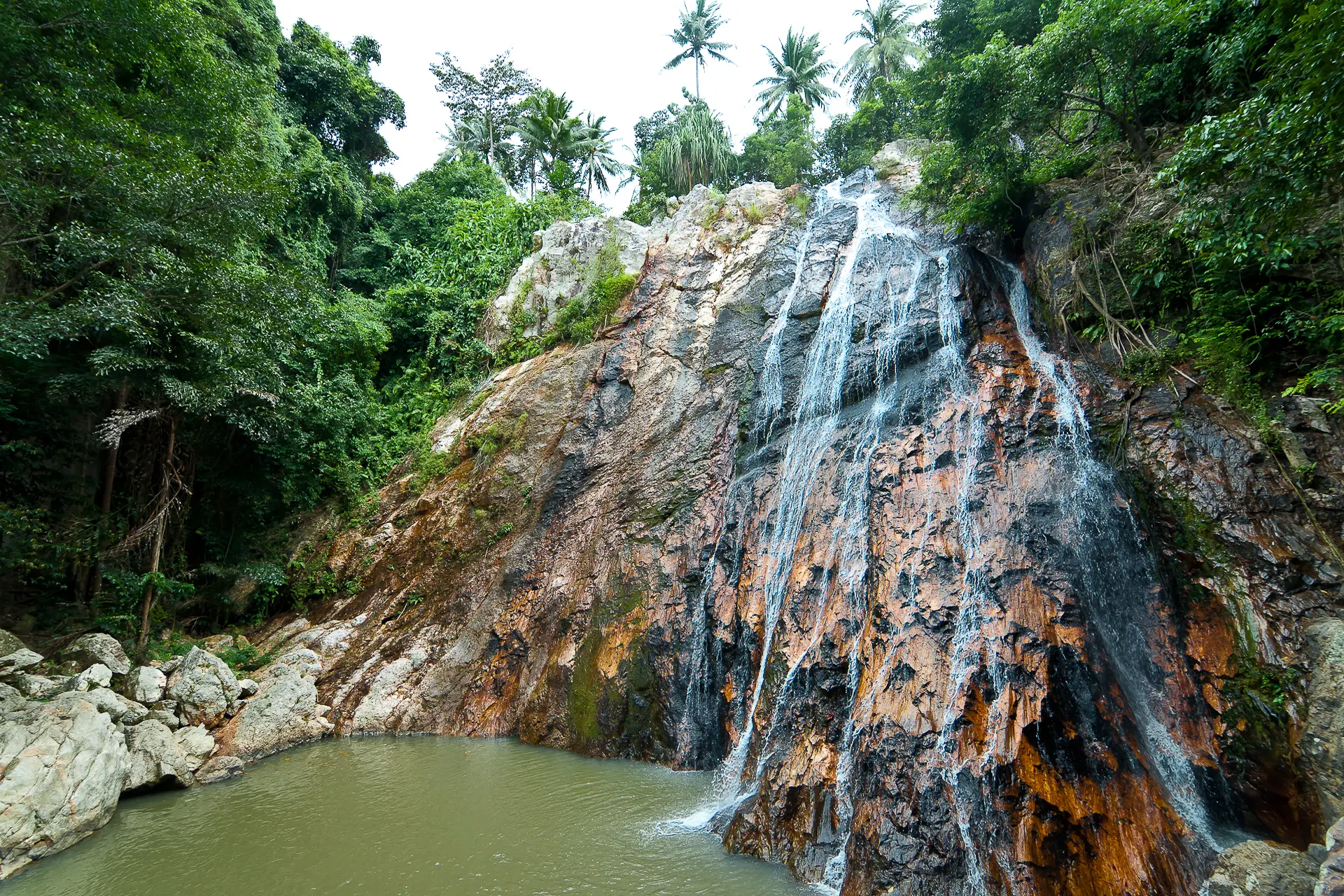
Beaches
Chaweng is the longest and busiest, with shops, bars and water sports. Lamai is a bit quieter, and Bophut and Choeng Mon have a calmer feel. Spend a day on whichever suits you. Check the sea state, as swimming conditions vary by season and coast.
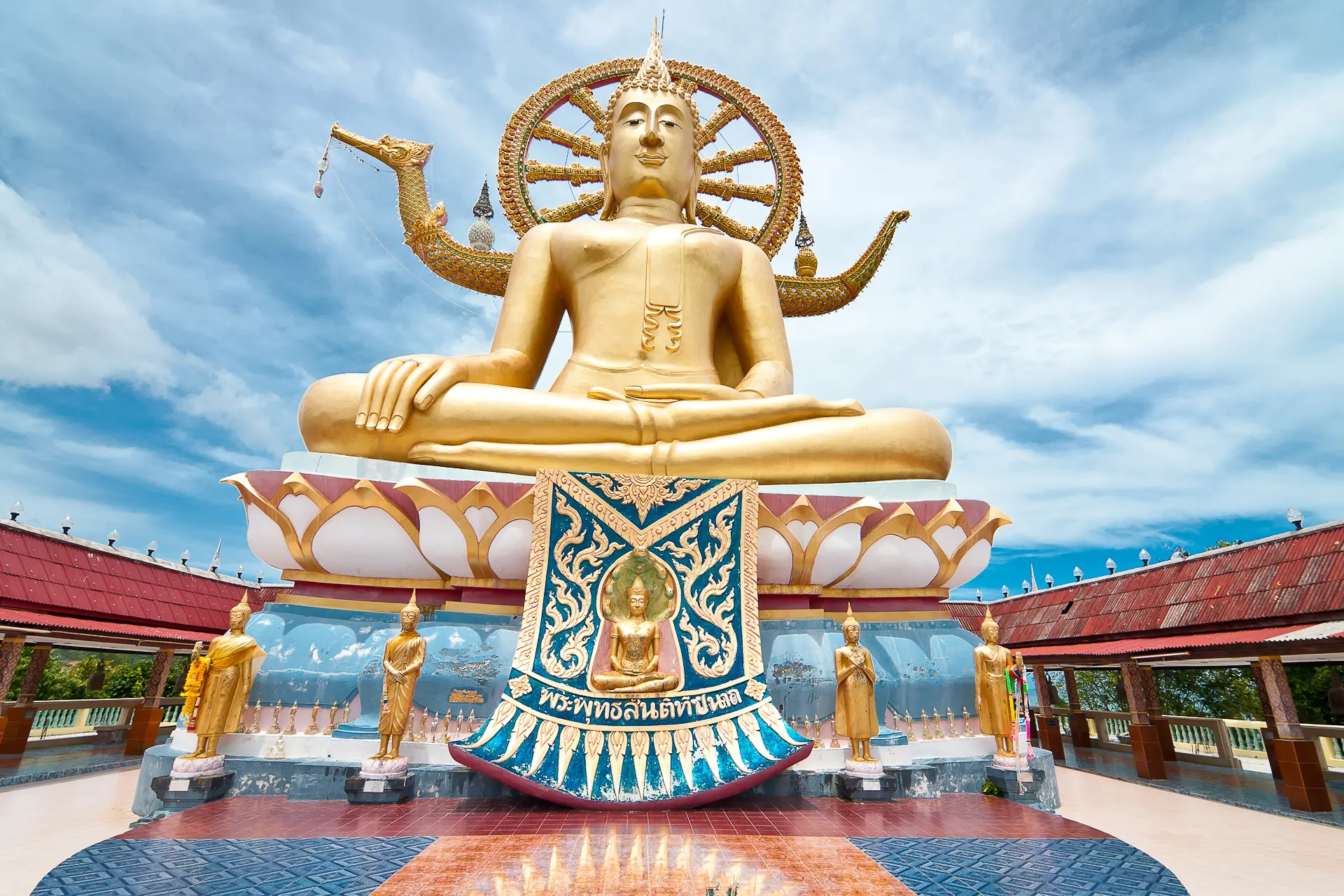
Big Buddha Temple
A large seated Buddha statue sits on a small peninsula in the north-east, visible from afar. It is free to visit, and a short stop of about an hour is enough. Dress modestly, with covered shoulders and knees, and remove shoes where required.
Ang Thong Marine National Park
A day trip by boat takes you to an archipelago of limestone islands with viewpoints, kayaking and snorkelling. Plan a full day, book through a reputable operator and check park access, which can close seasonally. Bring sun protection and water.
Fisherman’s Village, Bophut
This old fishing village has a walkable waterfront with restaurants and shops, and a popular evening market on certain nights. Plan an evening visit for dinner and a stroll. Check current market days before you go.
Na Muang waterfalls
Two waterfalls in the island’s interior, best seen after rain. Plan an hour or two, wear shoes with grip and take care on wet rocks. Flow varies by season, and dry months may be less dramatic.
Wat Plai Laem
A colourful temple complex with large statues beside a lake in the north. It is a short, easy stop that pairs well with the Big Buddha. Dress respectfully and allow around an hour.
Snorkelling and diving trips
Day trips go to Koh Tao and nearby islands for snorkelling and diving. Choose operators with safety standards and check weather and sea conditions on the day. Book ahead in high season.
Best time to visit Koh Samui
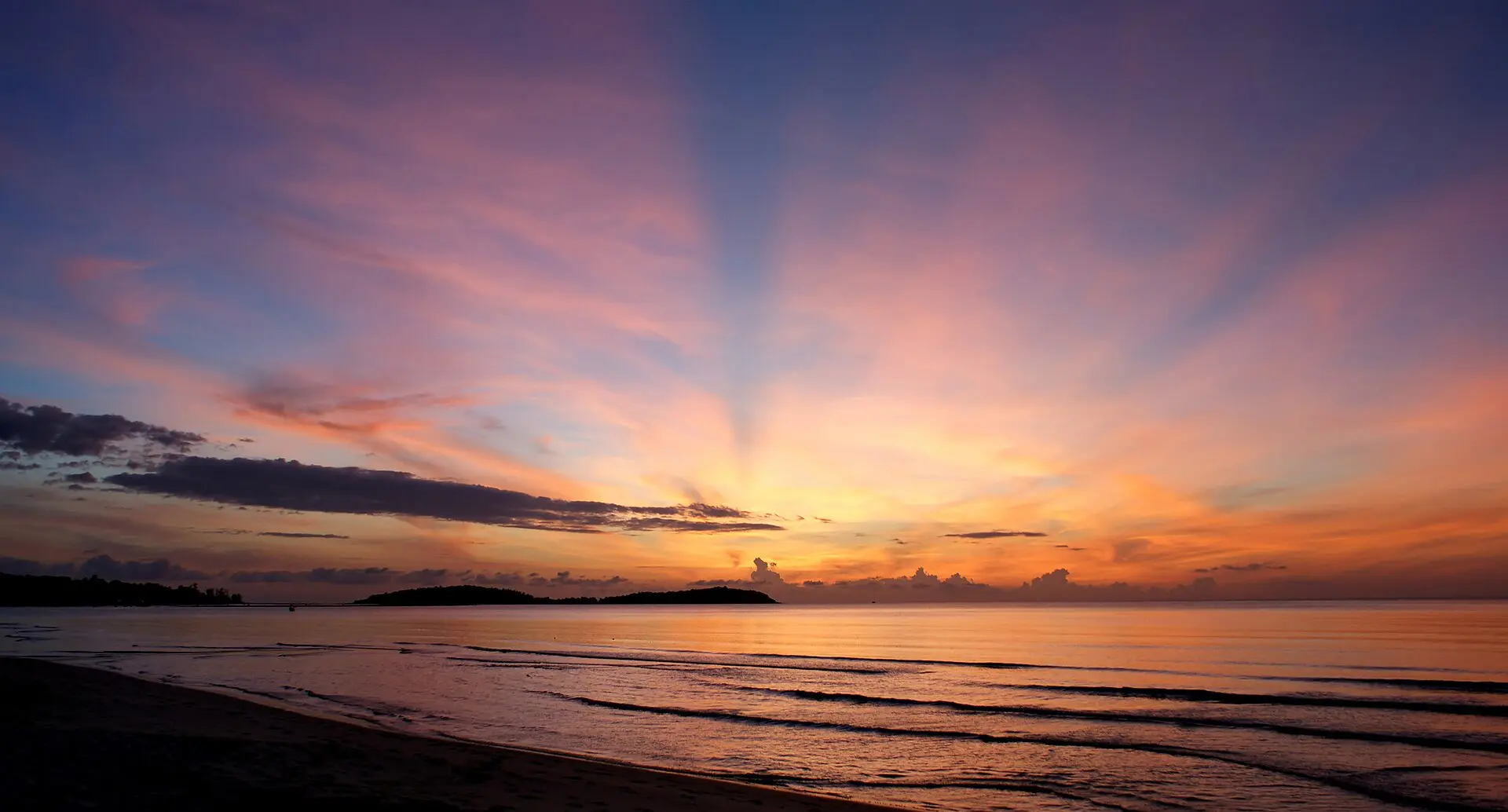
Koh Samui has a tropical climate, and its rainy pattern differs from the Andaman coast, so it can be a good alternative when the west is wet. The driest and sunniest period is typically from about January to August, with the hottest months in March to May. The wettest months are generally October to December, when heavy rain and rough seas can disrupt ferries and boat trips. High season for prices and crowds runs over Christmas and New Year and again in July and August. Check forecasts before you book.
| Season | Weather | Crowds and prices |
|---|---|---|
| January-April | Dry, sunny, hot | Busy, high prices |
| May-August | Hot, occasional showers | Moderate, busy in July-August |
| September-October | Wetter | Quieter, lower prices |
| November-December | Rainy, rough seas | Low, then busy at year end |
How to get to Koh Samui and around
Samui has its own airport, with flights from Bangkok and a few other Thai and regional cities; check current routes and fares. Many travellers also come overland: a bus or train to Surat Thani on the mainland, then a ferry or combined ticket to the island. Journey times are long, so check schedules and book ahead in high season.
On the island, songthaews, or shared pickup taxis, run along the main roads, and taxis are available, though fares can be high; agree the price first. Many visitors rent a scooter, but roads can be dangerous, so you need a valid licence and insurance, and helmets are essential. Ride-hailing apps and hotel transfers are other options.
Where to stay in Koh Samui
Each coast has its own character, so pick the area first and the hotel second.
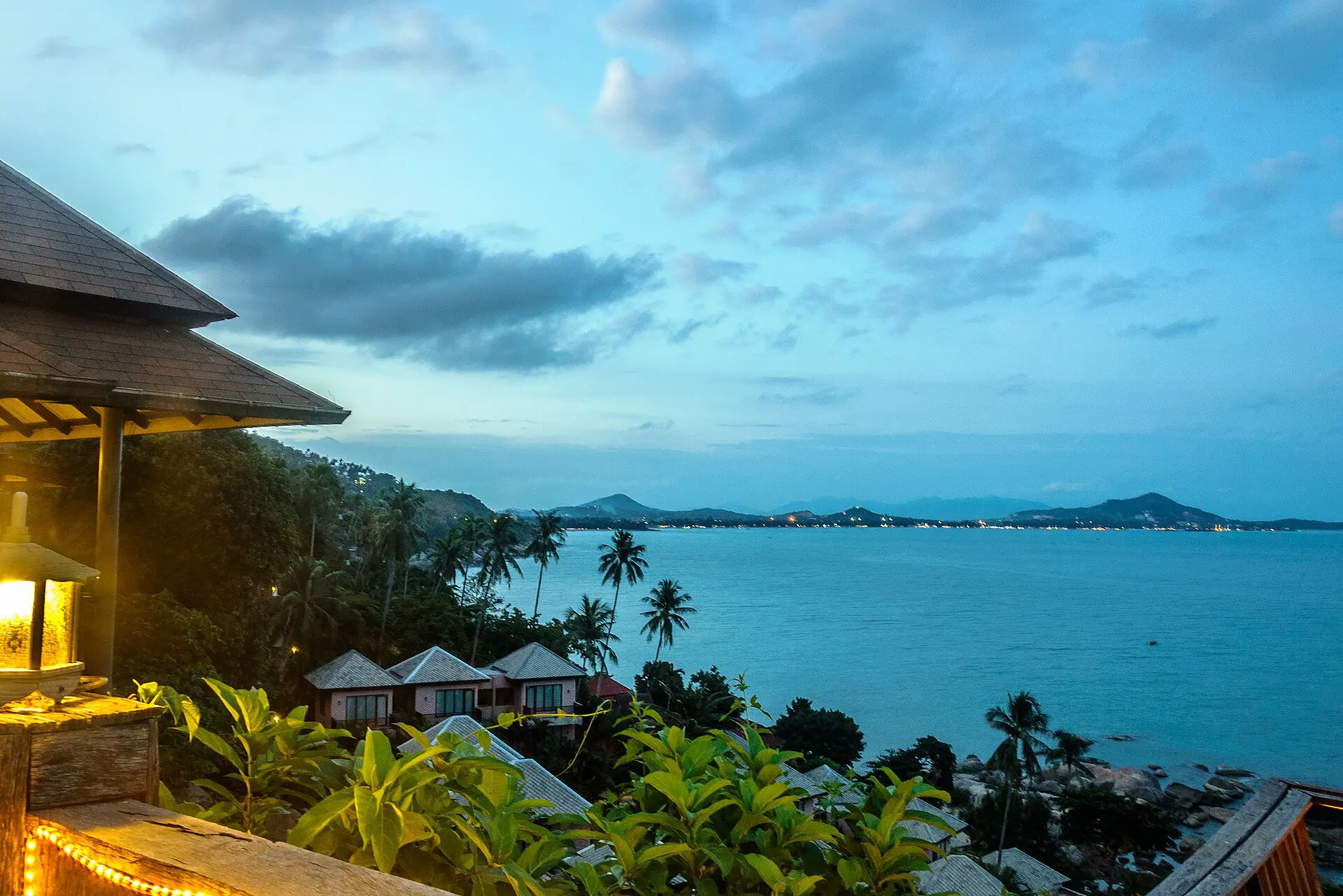
- Chaweng: the liveliest area, with a long beach, shops, restaurants and nightlife. Suits younger travellers and first-time visitors, but it is busy and noisy.
- Lamai: a more relaxed beach town, with a mix of budget and mid-range stays. Good for travellers who want a balance of beach and atmosphere.
- Bophut and Fisherman’s Village: calmer, with a walkable waterfront and good for families and couples.
- North and west coast: quieter bays and villas with sunset views. Suits couples and anyone who wants privacy, but you will need transport.
Check beach conditions for the season, as some areas have rougher water at certain times of year.
How many days do you need?
Four to seven days is a good range. Three days covers the main beach, a few sights and one boat trip, but it can feel rushed once you account for travel. A week gives you room for a marine park day, a rest day and a neighbouring island.
- Day 1: Settle in, enjoy the beach and have dinner at Fisherman’s Village.
- Day 2: Visit Big Buddha, Wat Plai Laem and a waterfall, with a beach stop in the afternoon.
- Day 3: Take a full-day boat trip to Ang Thong Marine National Park.
Add free days between activities, and avoid scheduling boat trips on the day you arrive or leave.
Day trips and nearby
Ang Thong Marine National Park
The nearest big excursion, with limestone islands, lagoons and viewpoints. Most tours are a full day from the island, with snorkelling and kayaking. Check seasonal closures and weather before booking.
Koh Phangan
A neighbouring island by ferry, known for its beaches, yoga and the Full Moon Party. It can be visited in a day, though most travellers stay a night or more. Check ferry times and sea conditions.
Koh Tao
Further north by ferry, popular for diving and snorkelling. It works better as an overnight than as a rushed day trip. Check ferry schedules, which vary by season and weather.
Surat Thani and the mainland
The mainland gateway has transport links and access to inland national parks. Most travellers pass through rather than visit, but it can be a base for a day of exploring if you have time.
FAQ
Q1How many days do you need in Koh Samui?
Four to seven days suits most travellers. That is enough for beach time, a few sights, a marine park boat trip and one slow day. Shorter stays are possible, but transfers can take up a large share of the trip.
Q2When is the best time to visit Koh Samui?
The driest and sunniest weather usually runs from about January to August, with March to May the hottest. October to December is the wettest period, with rough seas that can disrupt boats. High season prices apply at year end.
Q3How do you get to Koh Samui?
Most visitors fly to Samui Airport, often from Bangkok. Others travel overland to Surat Thani and take a ferry across. Check current flight schedules and ferry times, and allow extra buffer in rainy months.
Q4Is Koh Samui expensive?
It is more expensive than many Thai destinations, especially in resort areas and high season. Expect mid-range costs of roughly USD 80-200 per day. Local food, shared taxis and guesthouses can reduce costs significantly.
Prices, schedules and entry rules change. Check current details with official sources before you travel. Read the Thailand travel guide.