Why visit Quito
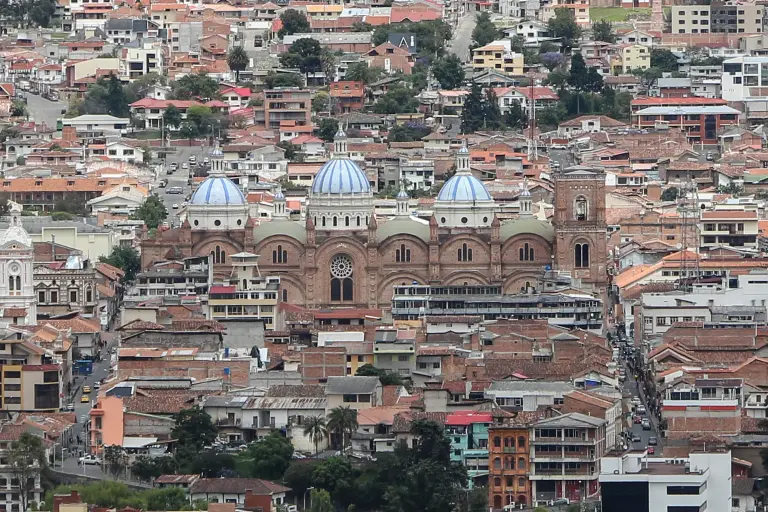
People searching for things to do in Quito are usually looking for the colonial centre, and it delivers. The capital of Ecuador was founded in 1534 on the ruins of an ancient Inca city, and its Old City is described as the largest and most intact colonial centre remaining in the Americas. It was one of the first places to be named a UNESCO World Heritage Site, in 1978, and it holds more than 40 churches and 16 convents and monasteries.
The setting matters as much as the architecture. Quito stretches across valleys between two Andean ranges, on the eastern slopes of the active stratovolcano Pichincha, at an elevation of 2,850 metres (9,350 feet). That makes it one of the highest capital cities in the world, and it also means the weather is mild in the day and cool at night all year.
The city works well as a base. It is the political and cultural centre of Ecuador, with good museums and restaurants, and it sits within reach of volcanoes, markets and cloud forest. Plan a slow arrival: most people feel some altitude effects for the first few days.
Top things to do in Quito
Walk the Old Town
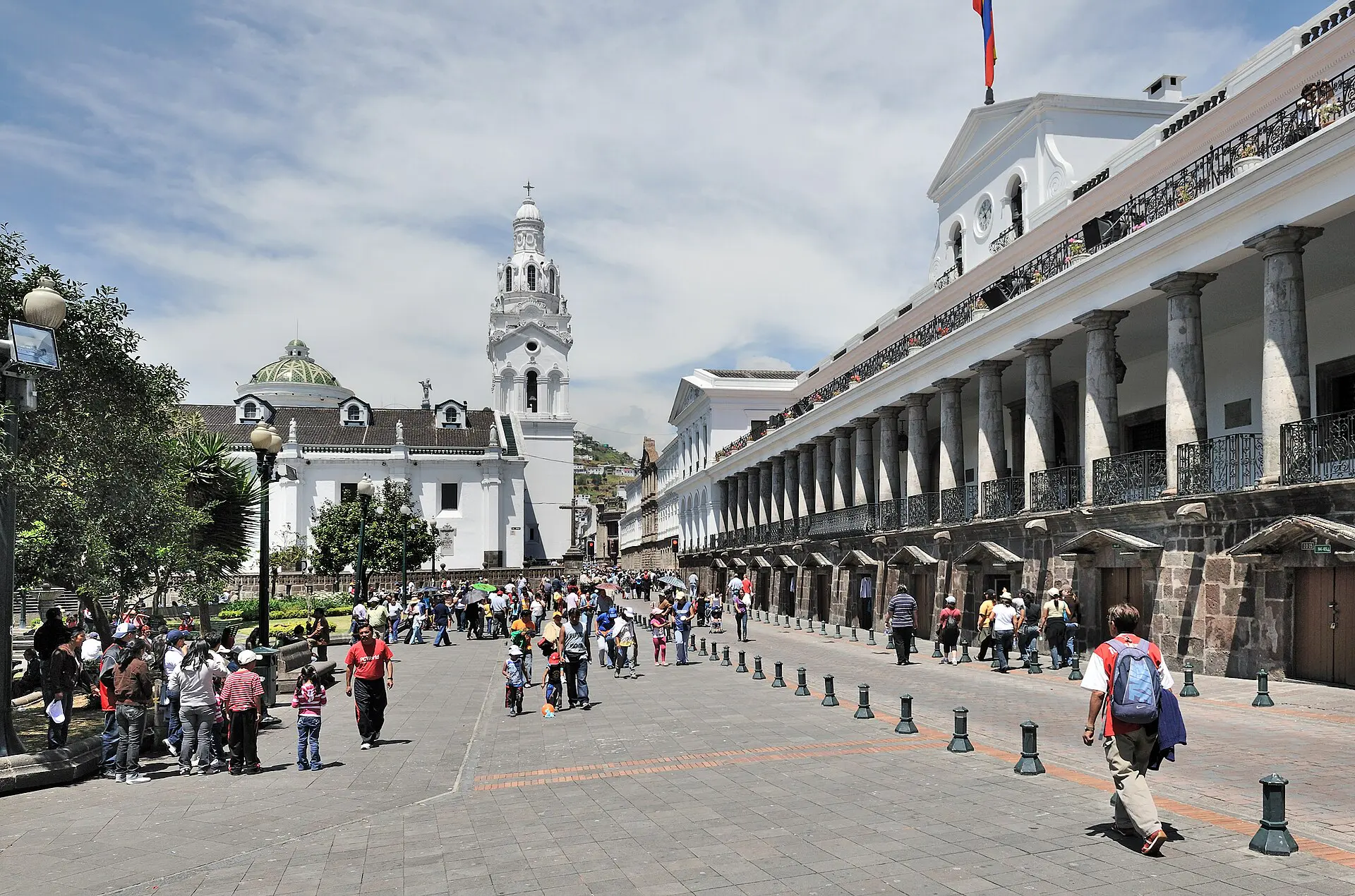
The historic centre is compact and built around 17 squares, the most significant being Independence Plaza, where the Presidential Palace and the Archbishop’s Palace stand. Allow half a day to a full day. Tip: start in the morning when streets are quieter, and keep valuables out of sight in crowded areas.
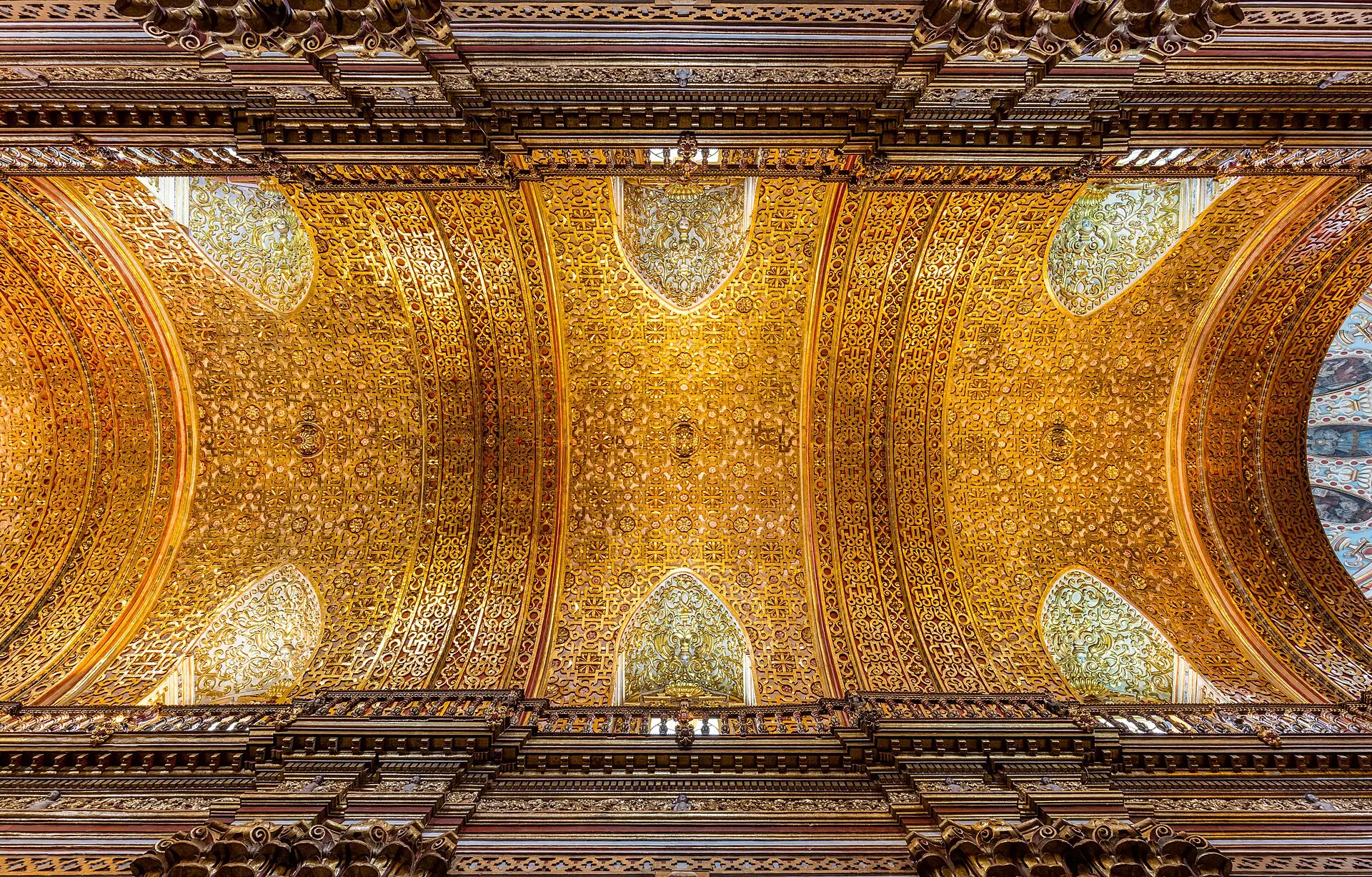
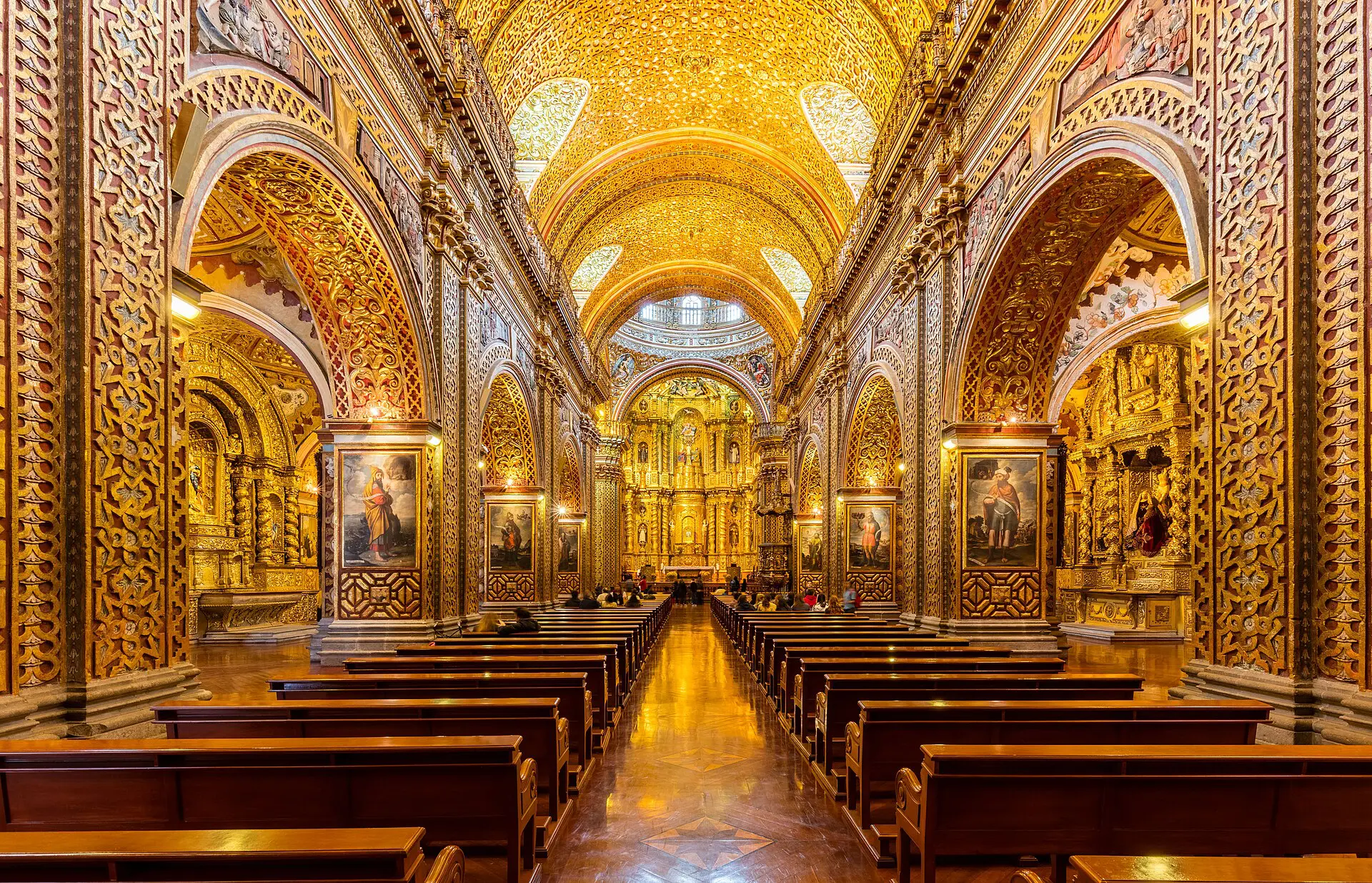
Visit the colonial churches
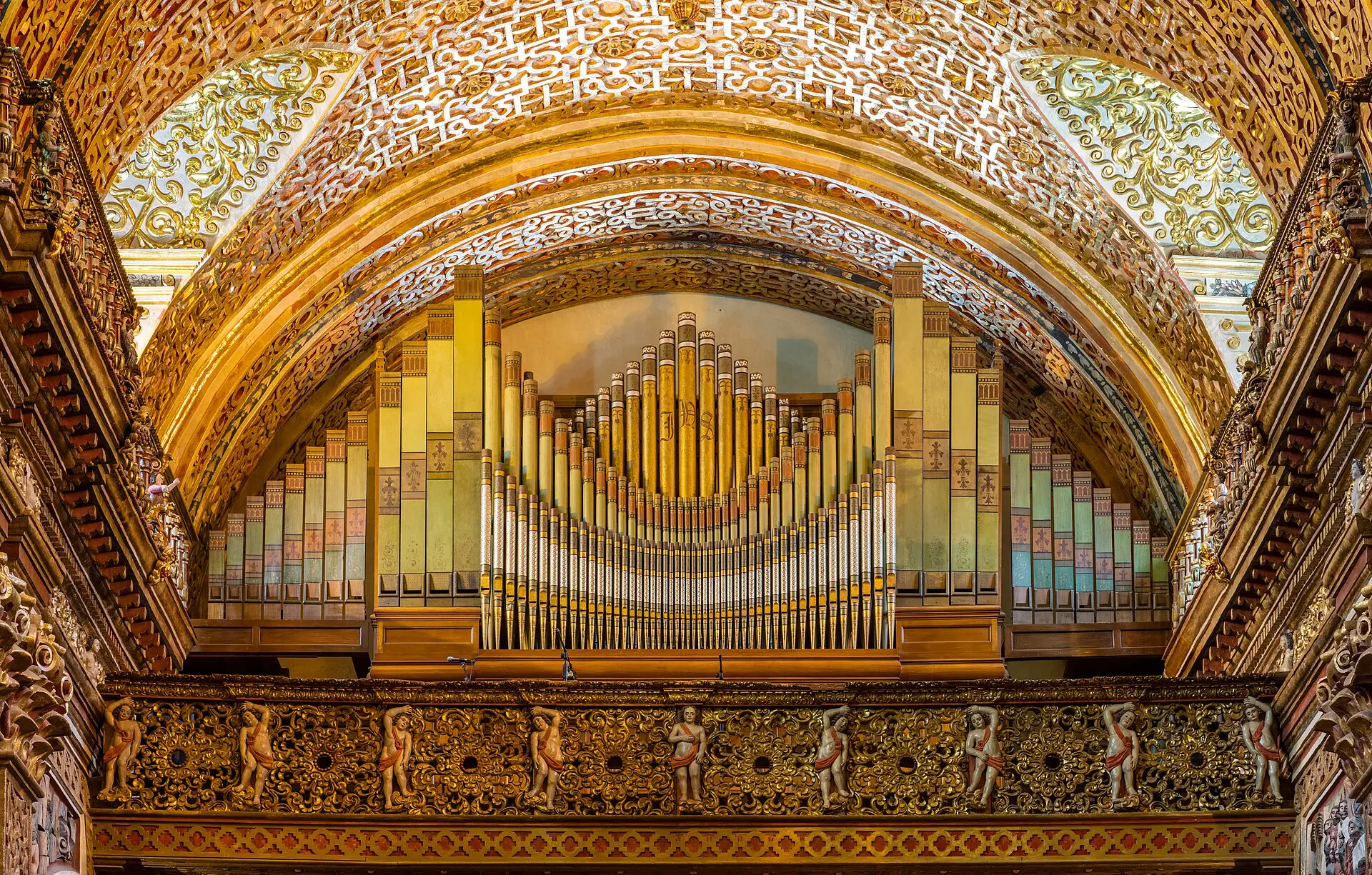
Quito’s churches and convents are a main reason to come, and several are open to visitors for a small fee. Allow two to three hours for a few of them. Tip: opening hours and photography rules vary and change, so check locally, and cover your shoulders when you go inside.
Ride the TelefériQo
A cable car climbs the slopes of Pichincha for wide views over the city and surrounding volcanoes. Allow two to three hours including the ride. Tip: go early, because cloud often builds later in the day, and take a warm layer since it is much colder at the top.
Climb the Panecillo
This hill rises above the Old Town and is topped by a winged Virgin statue, with views along the valley. Allow one to two hours. Tip: take a taxi up rather than walking, as the approach has had security concerns, and ask your hotel for current advice.
Explore La Floresta and La Mariscal
The northern districts offer cafes, restaurants, craft shops and nightlife, giving a more modern view of the city. Allow an afternoon or evening. Tip: use licensed taxis or ride-hailing apps after dark instead of walking long distances.
Visit the Middle of the World monuments
North of the city, monuments mark the equator, and the area has museums and small attractions. Allow half a day. Tip: the exact equator line is a matter of debate, so treat the attractions as a fun stop rather than a scientific one, and check opening times in advance.
Browse Quito’s museums
The city’s museums cover colonial art, archaeology and indigenous cultures, and are a good plan for a cloudy afternoon. Allow two hours per museum. Tip: many close on one weekday, usually Monday, so confirm hours before you set out.
Best time to visit Quito
Quito sits close to the equator, so temperatures change little through the year. The main difference is rainfall. Days are mild and the nights cool at this altitude, and the weather can swing from sun to rain within a few hours, so a light waterproof is useful in any month.
| Season | Weather | Crowds and prices |
|---|---|---|
| June to September | Drier, clearer skies, better volcano views | Busiest, with higher hotel prices in July and August |
| October to May | More rain, usually in the afternoon | Quieter, with more flexible prices |
The drier months suit sightseeing, the cable car and day trips to volcanoes. The wetter months are still workable if you plan outdoor activities for the morning. Check current forecasts before you travel.
How to get to Quito and around
Most visitors arrive by air at Mariscal Sucre International Airport, which lies outside the city, so allow around an hour to reach the centre by taxi or shuttle, depending on traffic. Check current transfer options before you land. International and domestic flights connect Quito with Guayaquil, the Galápagos Islands and other Ecuadorian cities.
Long-distance buses link Quito with Cuenca, Baños, Tena and other destinations, usually from one of the city’s main terminals. Journeys can be long on mountain roads, so check times in advance.
Within the city, the Old Town is best explored on foot. For longer distances, use licensed taxis or ride-hailing apps, and consider the city’s metro and bus lines where they suit your route. Take care in crowded areas and avoid walking alone late at night. Security conditions in Ecuador have changed quickly in recent years, so check your government’s current travel advice before booking and again before you travel.
Where to stay in Quito
The Old Town is the natural choice for first-time visitors who want to wake up among colonial streets and walk to the main sights. It suits travellers who enjoy atmosphere and early starts, though it is quieter in the evenings and you should plan transport after dark.
La Mariscal, in the north, has the widest choice of hostels, hotels, restaurants and bars. It suits shorter stays, backpackers and anyone who wants nightlife and tour agencies close by.
La Floresta and the quieter residential districts offer a calmer base with cafes and galleries. They suit travellers staying several days or those who prefer a more local feel.
Book early for July, August and holiday weeks, and ask about heating, since many buildings are not heated at this altitude.
How many days do you need?
Two full days cover the Old Town and one other major sight, and three days give room to adjust to the altitude and add an excursion. If you plan to continue to the Galápagos, Baños or the Quilotoa area, use Quito as a short stop of two to three days.
- Day 1: Take it easy. Explore the Old Town, its plazas and a few churches, and finish early.
- Day 2: Ride the TelefériQo in the morning, then visit a museum and the northern districts in the afternoon.
- Day 3: Visit the Middle of the World monuments or take a day trip to a volcano, market or cloud forest.
Day one is deliberately light because of the altitude. Drink water, avoid heavy meals and alcohol at first, and rest if you feel unwell.
Day trips and nearby
Quilotoa
This volcanic crater lake lies in the highlands south of Quito, usually visited as an overnight stop or a long day. Allow a full day at minimum. Tip: it is high and cold, so bring layers and check road and bus conditions.
Baños
A town known for waterfalls, hot springs and outdoor activities, in a green valley south-east of the capital. Allow one to two days. Tip: buses run from Quito, and the journey time depends on traffic and road works, so check in advance.
Tena
Tena is a gateway to the Amazon basin in the east, reached by mountain road. Allow two days or more. Tip: choose a licensed operator for river and jungle trips, and check current conditions.
Galápagos Islands
The islands are reached by flights from Quito or Guayaquil and need several days and advance planning. Tip: check entry rules, fees and permits well before travel.
FAQ
Q1When is the best time to visit Quito?
June to September is generally the driest and clearest period, which helps with views from the cable car and volcano trips. Quito is close to the equator, so temperatures stay fairly steady all year. The wetter months are still fine if you plan outdoor activities for mornings.
Q2How many days do you need in Quito?
Two to three days is enough for the Old Town, the cable car and one wider excursion. Add more if you want day trips to Quilotoa, Baños or the Amazon. Keep the first day light to adjust to the altitude of 2,850 metres.
Q3How do you get to Quito?
Most visitors fly into Mariscal Sucre International Airport, which is outside the city, so allow roughly an hour into the centre by taxi or shuttle. Long-distance buses connect Quito with other Ecuadorian towns, though journeys on mountain roads can be long. Check current options before you travel.
Q4Is altitude sickness a problem in Quito?
Most people feel some effects for the first few days at 2,850 metres, such as headaches, tiredness or shortness of breath. Rest on day one, drink water, and avoid heavy meals and alcohol at first. If symptoms are severe, seek medical advice.
Prices, schedules and entry rules change. Check current details with official sources before you travel. Read the Ecuador travel guide.