Why visit Lisbon
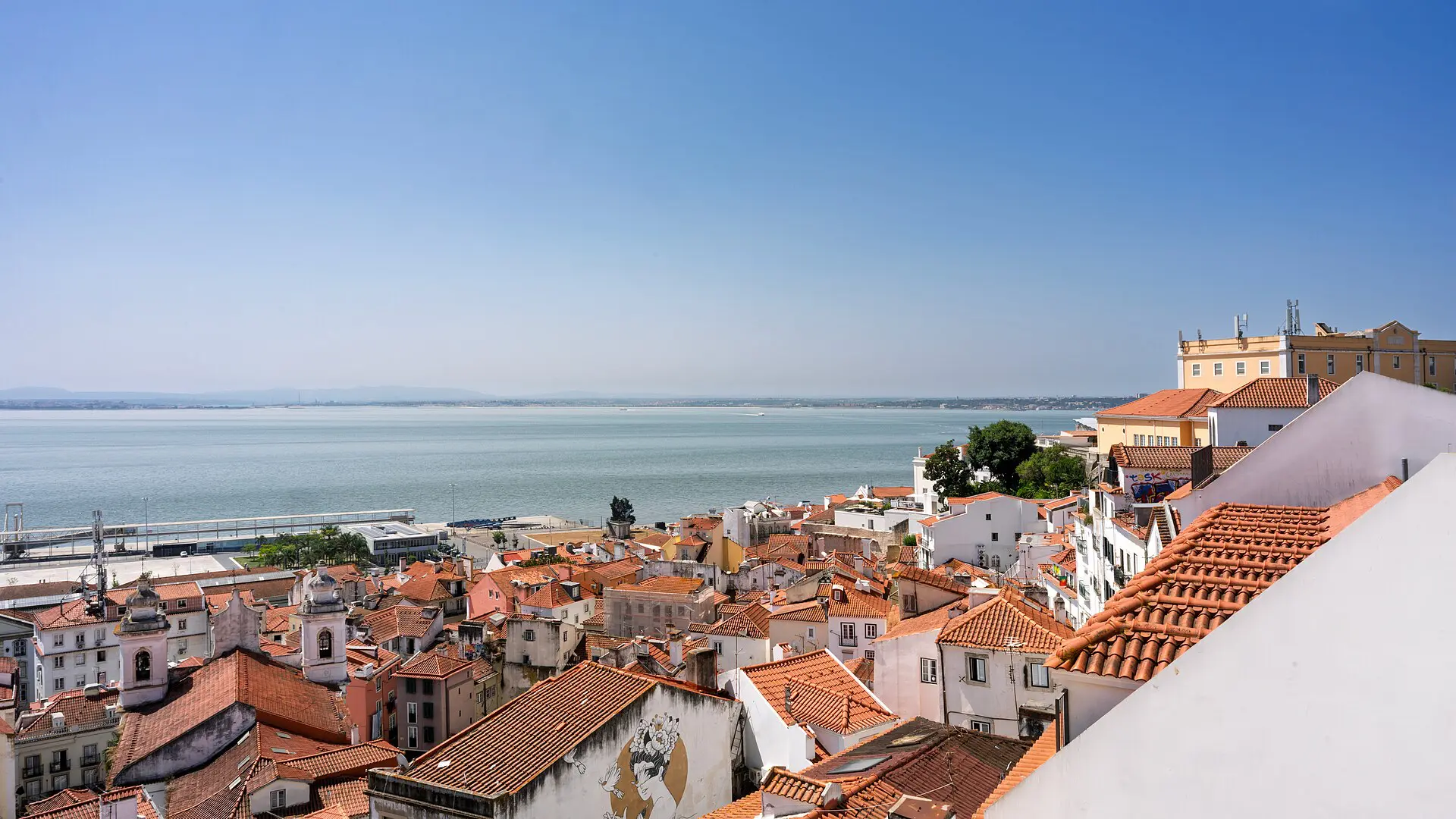
Visitors researching things to do in Lisbon usually find a city that is easy to enjoy at a slow pace. The Portuguese capital rises over seven hills beside the Tagus estuary, so almost every neighbourhood has a viewpoint, a steep street and a view of red roofs and the water.
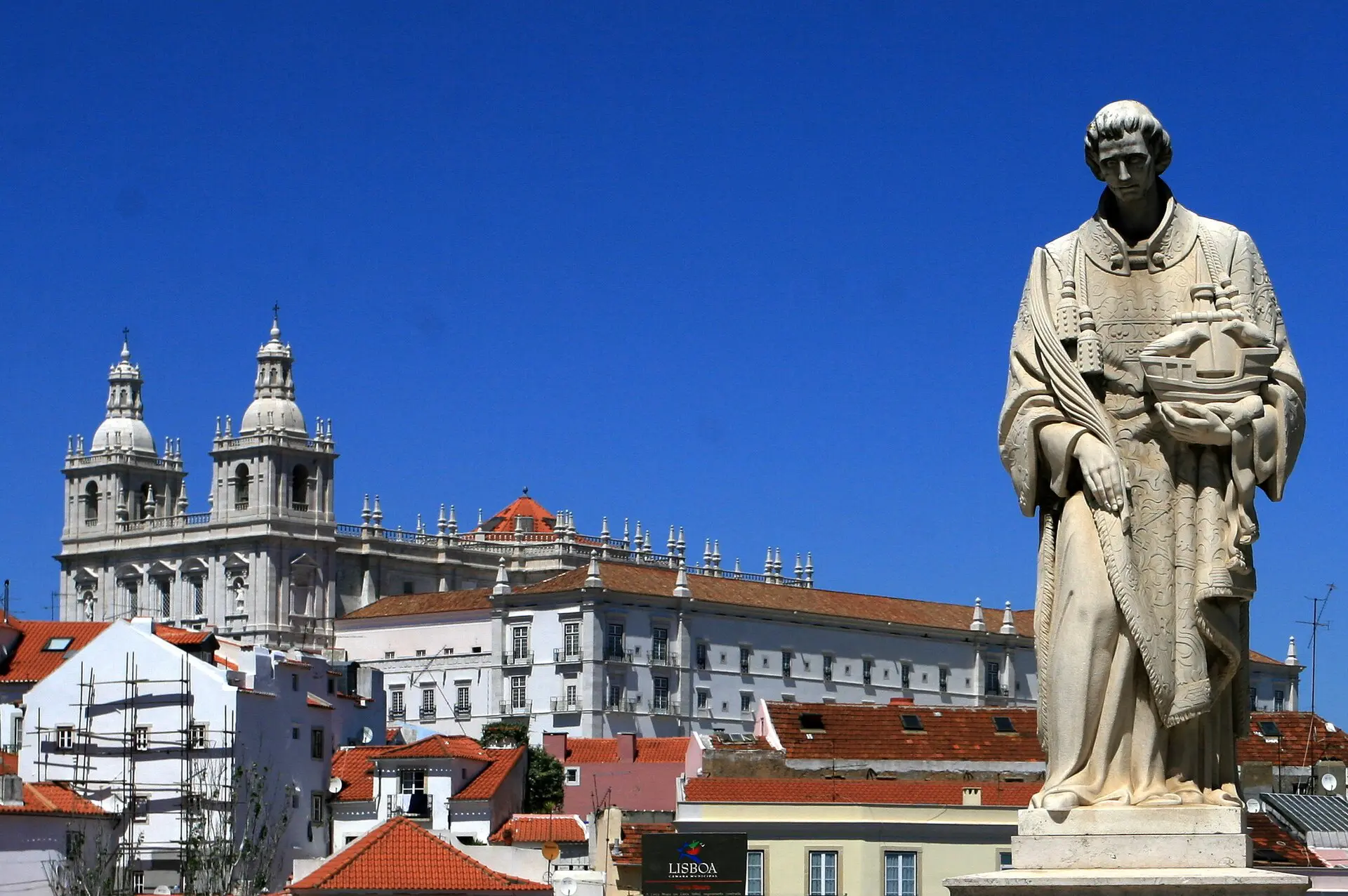
The old districts of Alfama, Baixa and Bairro Alto keep the layout and atmosphere of a historic port city. Tiled facades, yellow trams and small restaurants serving grilled fish and custard tarts set the tone, and the Belem area has major monuments from Portugal’s age of maritime exploration.
Lisbon is also comparatively affordable for Western Europe, with a mild climate and many sunny days. The downsides are steep gradients, slippery cobbles and crowded tram routes in summer. Visiting in spring or autumn makes the city more comfortable, and good public transport helps with the hills.
Top things to do in Lisbon
Alfama
Lisbon’s oldest district has narrow lanes, small squares and the Castle of Sao Jorge on the hilltop. Allow half a day. Go early to avoid crowds, wear shoes with grip, and listen for fado music in small venues in the evening. Tram 28 passes through but is often full.
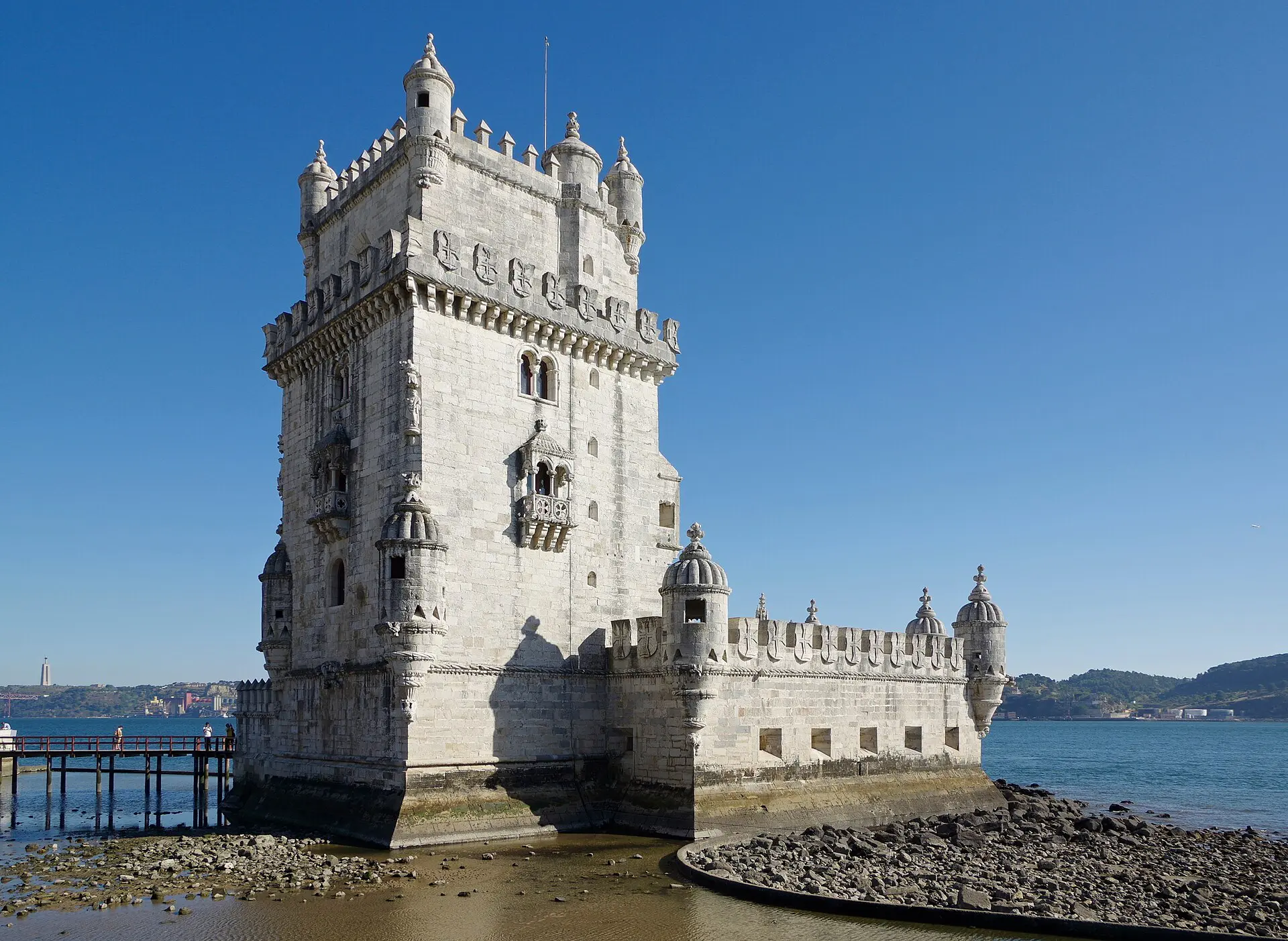
Belem Tower and Jeronimos Monastery
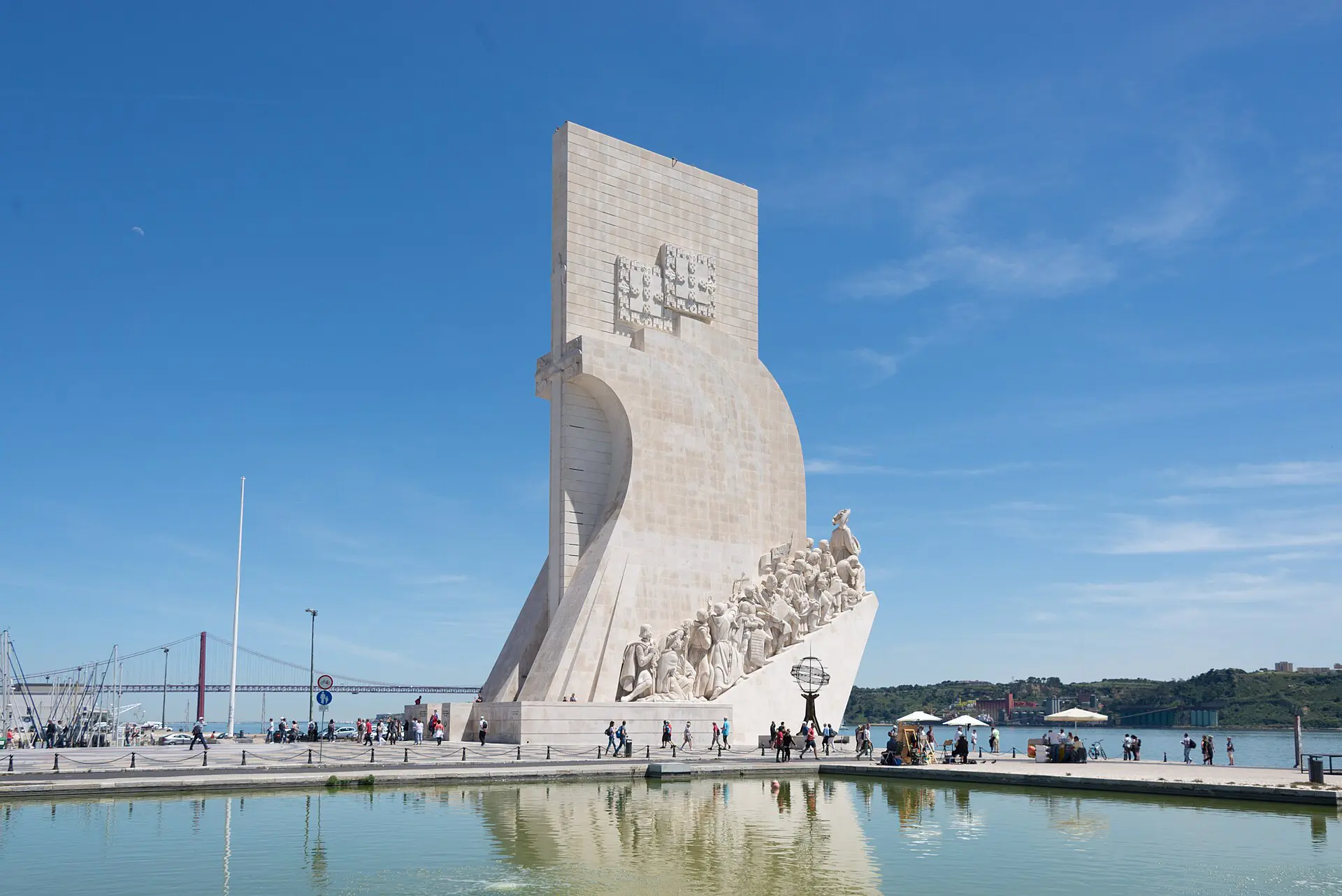
These two monuments, west of the centre, reflect the era of Portuguese voyages. Allow half a day with a pastry stop nearby. Both charge entry, and queues are common, so go early or buy tickets online. Check opening days, as some sites close on Mondays.
Castle of Sao Jorge
The hilltop castle offers panoramic views over the city and river, with walls, towers and gardens. Allow one to two hours. Entry is ticketed. Late afternoon gives softer light, but check closing times and last entry before you go.
Baixa and Rossio
The flat, grid-planned downtown area was rebuilt after the 1755 earthquake. Walk through Praca do Comercio, the Rua Augusta arch and the Rossio square in one to two hours. The district is busy with visitors, so keep bags secure.
Bairro Alto and Chiado
Chiado has bookshops and cafes, while Bairro Alto is known for evening bars and nightlife. Visit Chiado by day and Bairro Alto after dark. Expect crowds and noise on weekends, and check prices before ordering in tourist-focused spots.
Miradouros (viewpoints)
Lisbon has numerous viewpoints, including Miradouro da Senhora do Monte and Santa Luzia, many with small kiosks. Plan to visit two or three at sunset. They are free to enter. Keep a sweater for evening breezes and watch for pickpockets in crowds.
LX Factory and the waterfront
This former industrial complex under the 25 de Abril Bridge has shops, cafes and a bookshop. Combine it with a waterfront walk toward Belem. Allow two to three hours, and check opening hours, since some businesses open later in the day.
Best time to visit Lisbon
Lisbon has a mild Mediterranean-style climate, with hot, dry summers and cool, wetter winters. Sun is frequent even in winter, but rain showers are common between November and February.
| Season | Weather | Crowds and prices |
|---|---|---|
| Mar to May | Mild and increasingly sunny | Moderate to high |
| Jun to Aug | Hot, dry, sometimes above 30 C | High, especially July and August |
| Sep to Oct | Warm, pleasant evenings | Moderate to high |
| Nov to Feb | Cool with rain | Lower, apart from holidays |
April to June and September to October offer the best mix of weather and crowds. June also has popular street festivals around the feast of St Anthony, when the city is busy and lively.
How to get to Lisbon and around
Humberto Delgado Airport (LIS) is close to the city, with a metro line taking around 20 to 30 minutes to the centre, and taxis or ride-hailing also available. The airport handles many European and long-haul flights. Trains from Porto run to Santa Apolonia and Oriente stations, usually in about three hours.
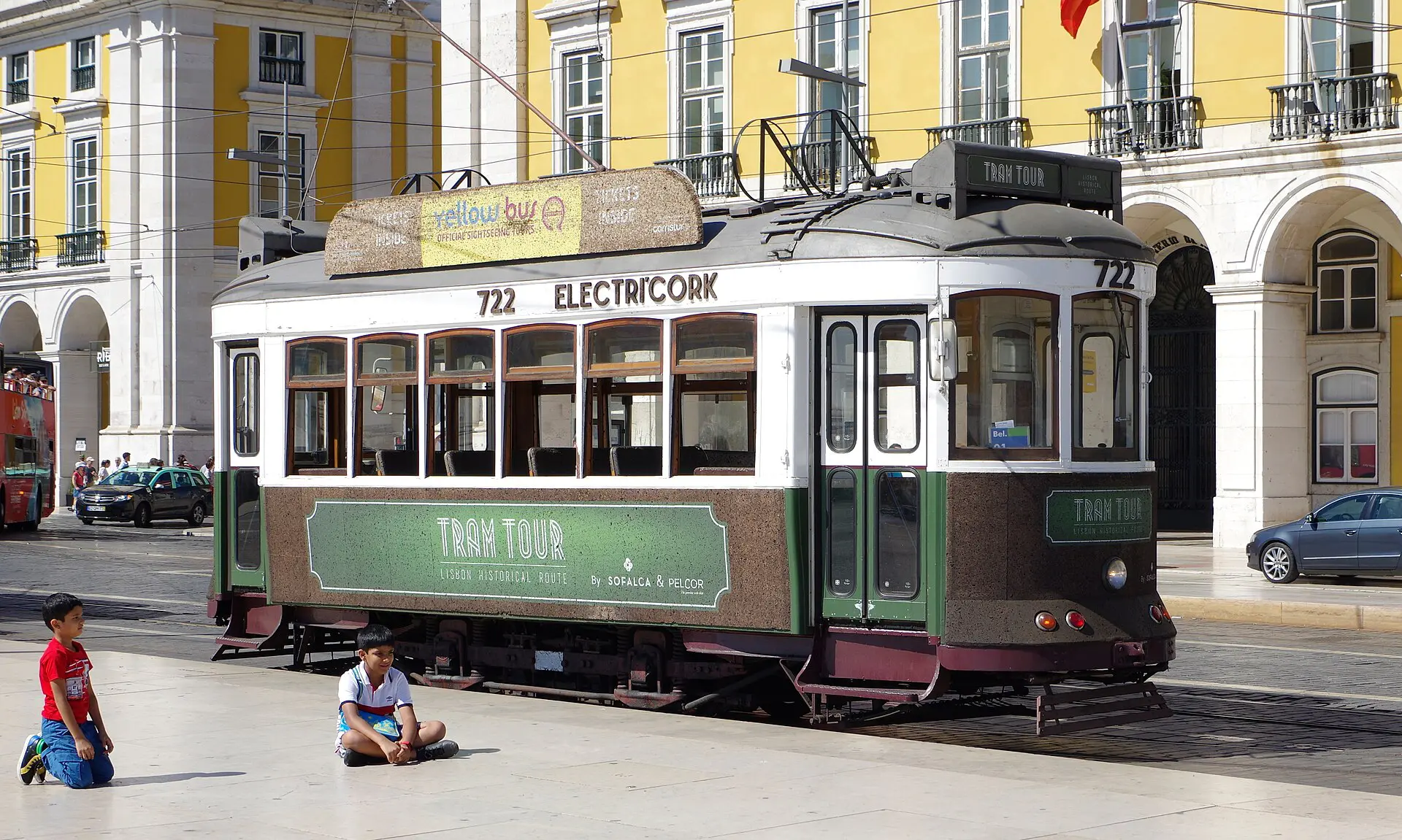
Within Lisbon, the metro, buses, trams and ferries are covered by a rechargeable card. Check current fares and any visitor passes. The metro is fast for flat routes, while trams and funiculars help with the hills.
Walking is the main way to see the centre, but allow for slopes and slippery paving. Taxis and ride-hailing are good value for steep or late journeys. Trains from Cais do Sodre serve Belem and the coast toward Cascais, and Rossio station serves Sintra.
Where to stay in Lisbon
Baixa and Chiado are central and convenient, with easy walking to major sights and transport links. They suit first-time visitors, though the area is busy and the cost is higher. Check noise levels for rooms facing busy streets.
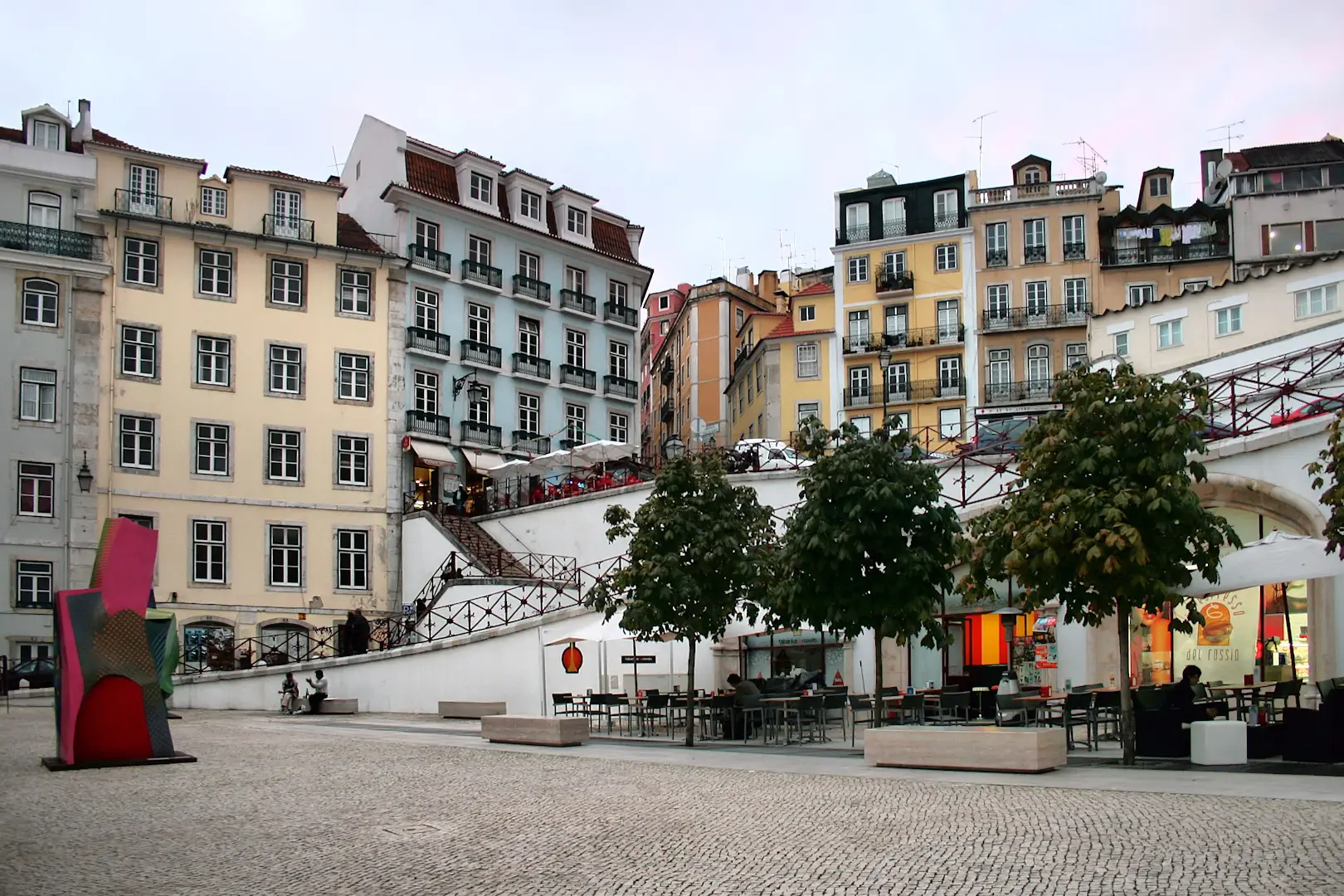
Alfama offers a historic setting with small guesthouses and views, and it suits travellers who enjoy atmospheric lanes. Access can be hard with luggage because of steep steps and cobbles, so confirm the arrival route.
Bairro Alto and Principe Real suit those who want nightlife or a quieter, upscale neighbourhood with boutique stays. Near Avenida da Liberdade, hotels are more modern and well connected by metro. Cheaper options are available in areas farther from the river, such as Anjos or Arroios, with good metro access. Book early for June and summer.
How many days do you need?
Three days covers the main districts and monuments, and four gives time for Sintra or the coast. If you enjoy slow travel, five days lets you add neighbourhood walks and long lunches.
- Day 1: Baixa, Praca do Comercio, Alfama and the Castle of Sao Jorge, ending with a viewpoint at sunset.
- Day 2: Belem Tower, Jeronimos Monastery and the waterfront, then LX Factory in the afternoon.
- Day 3: Chiado and Bairro Alto, with museums or shops by day and dinner in the evening.
Spend a fourth day on a trip to Sintra or Cascais.
Day trips and nearby
Sintra
This hill town has palaces, forests and a castle, reached by train in around 40 minutes. It is crowded, so go early and book tickets in advance. Allow a full day and wear shoes suited to hills. Buses run between the main sites.
Cascais
Cascais is a coastal town about 40 minutes by train from Cais do Sodre, with beaches, a marina and a promenade. It suits a relaxed day. Water is cool, and summer weekends are busy, so go on a weekday if you can.
Porto
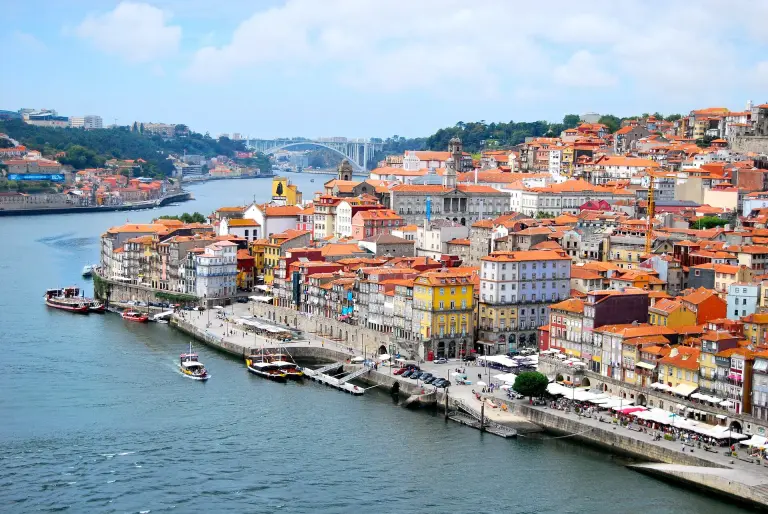
Porto is about three hours by train and has a riverside old town and port wine cellars. A day trip is possible but tiring, so consider staying overnight. Check train times and book ahead.
Algarve and Lagos
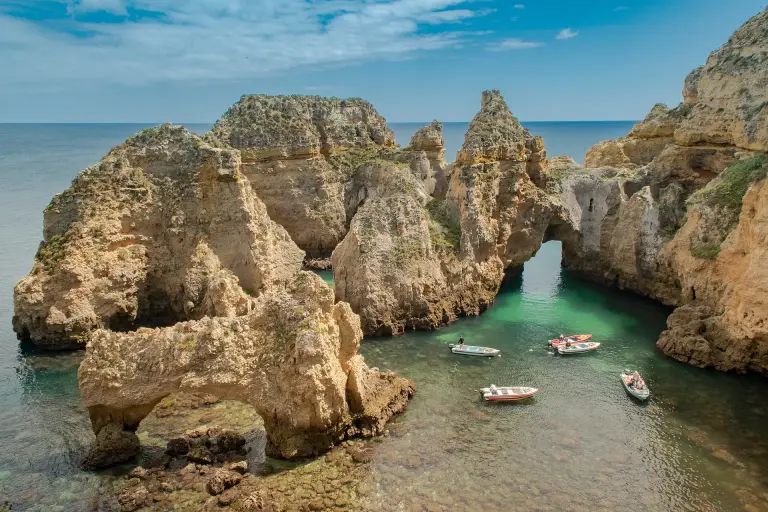
The Algarve coast has beaches and cliffs, around three hours by road or train. It is better as a separate stay than a day trip. Summer is busy, so book ahead for transport and accommodation.
FAQ
Q1When is the best time to visit Lisbon?
April to June and September to October offer warm, sunny weather with fewer crowds than midsummer. July and August are hot and busy, while winter is mild but wetter. June has lively street festivals, so book early if you plan to attend.
Q2How many days do you need in Lisbon?
Three days cover Alfama, Baixa, Belem and viewpoints at a steady pace. Four days leave time for Sintra or Cascais. A fifth day suits slower travellers who want long meals, museums or extra neighbourhood walks.
Q3How do you get to Lisbon?
Fly into Humberto Delgado Airport (LIS), roughly 20 to 30 minutes from the centre by metro or taxi. Trains link Lisbon with Porto in about three hours, and international trains and buses connect from Spain. Many cruise ships also call here.
Q4Is Lisbon safe and expensive?
Lisbon is generally safe, but pickpocketing happens on trams, in crowded areas and at viewpoints, so keep valuables secure. It is among the cheaper Western European capitals, though prices have risen. Restaurants and transport remain good value.
Prices, schedules and entry rules change. Check current details with official sources before you travel. Read the Portugal travel guide.